Tag: Android XR

  • Samsung Galaxy XR Launches in UK with Multiple Deals

    Samsung Galaxy XR Launches in UK with Multiple Deals

    Key Takeaway

    – Galaxy XR headset launches in the UK for £1,699, with pre-orders open now and shipping from July 8.
    – Launch promotions include 30% off accessories (case or controllers) until Sept 30, and £100 off via PayPal code PAYPALXR until July 7.
    – Specs: Snapdragon XR2+ Gen 2, dual Micro-OLED displays (3,552 x 3,840 per eye), 16GB RAM, 256GB storage, with a separate tethered battery offering ~2 hours of use.


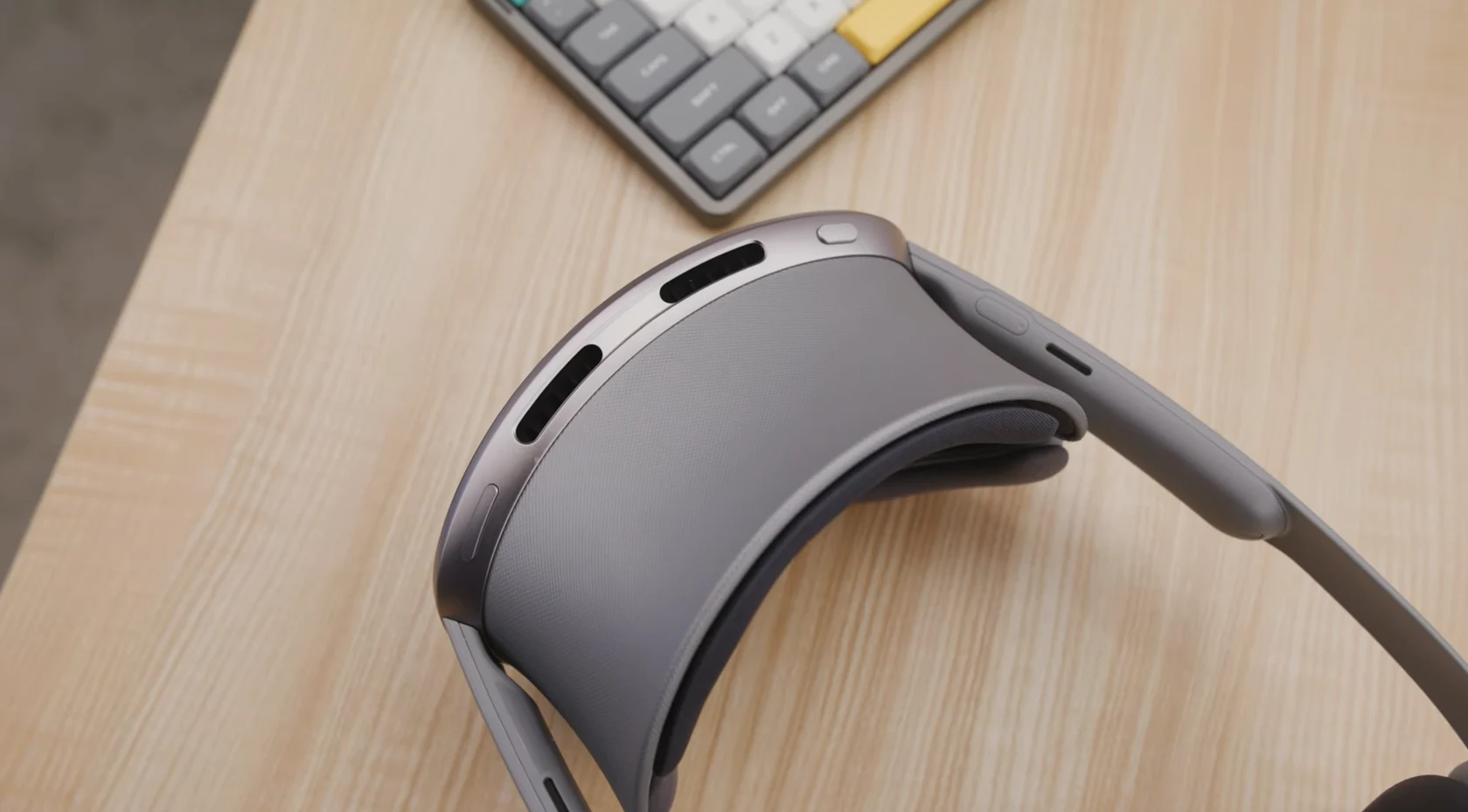
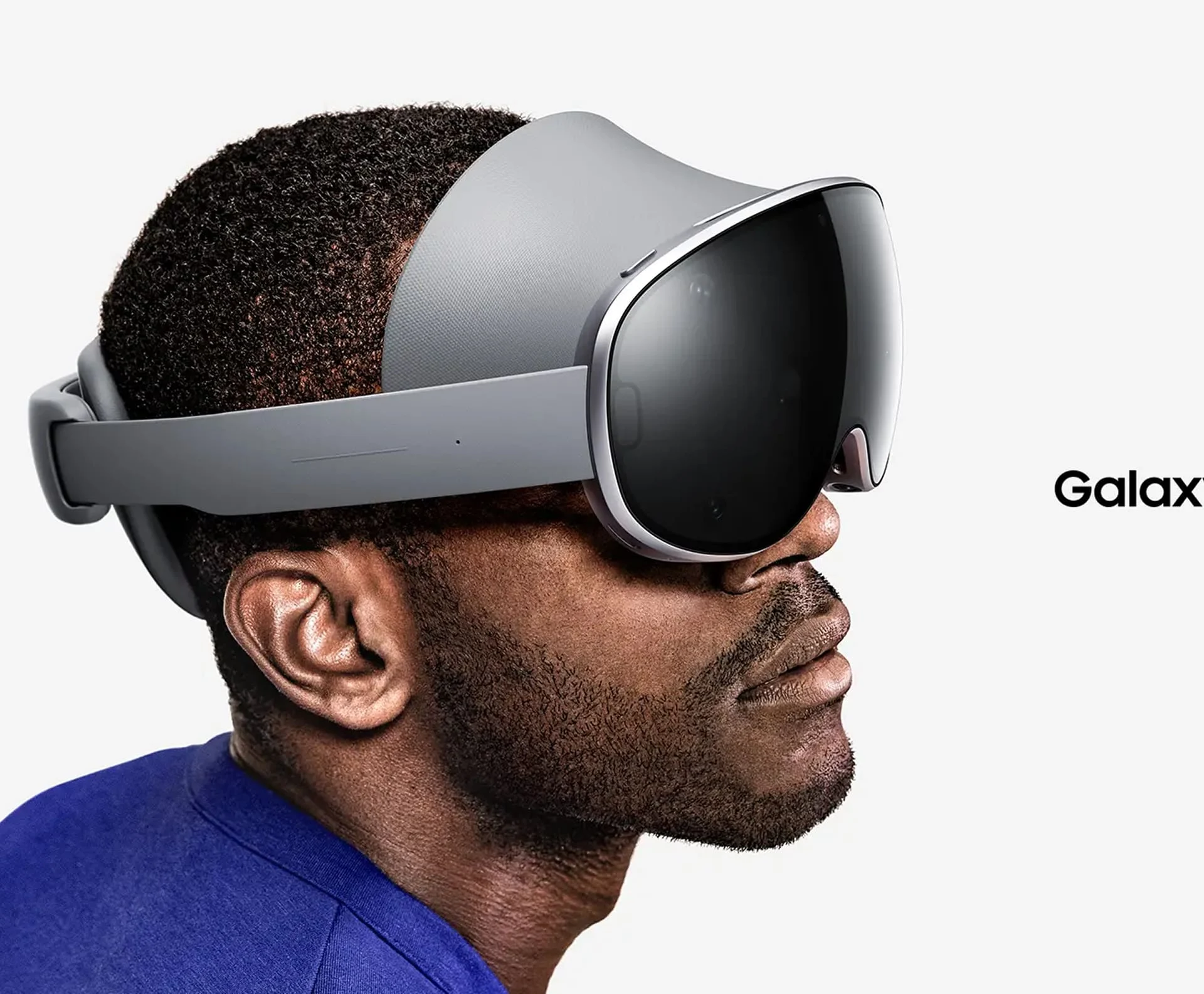
    Samsung launched the Galaxy XR headset in October last year, but it has been exclusive to South Korea and the US until now. The device is finally coming to the UK, and Samsung has already started taking pre-orders. If you want to pick one, it will cost you £1,699, with shipping expected to start on July 8. For this release, Samsung is only offering a single Silver Shadow color option. The official Galaxy XR Travel Case and Galaxy XR Controllers are also available, priced at £249 each.

    Promotions and Discounts Available

    Samsung is running several launch promotions on its UK online store to help reduce the cost. Buying either the travel case or the controllers alongside the headset knocks 30% off the price of that accessory, an offer that runs until September 30. Additionally, you can save £100 on your Galaxy XR purchase if you pay through PayPal using the code PAYPALXR until July 7, or get 10% off the headset if you purchase it alongside any Galaxy smartphone. Buying the headset will also net you 10% off on a Galaxy Watch or Galaxy Buds.

    Core Specifications and Hardware

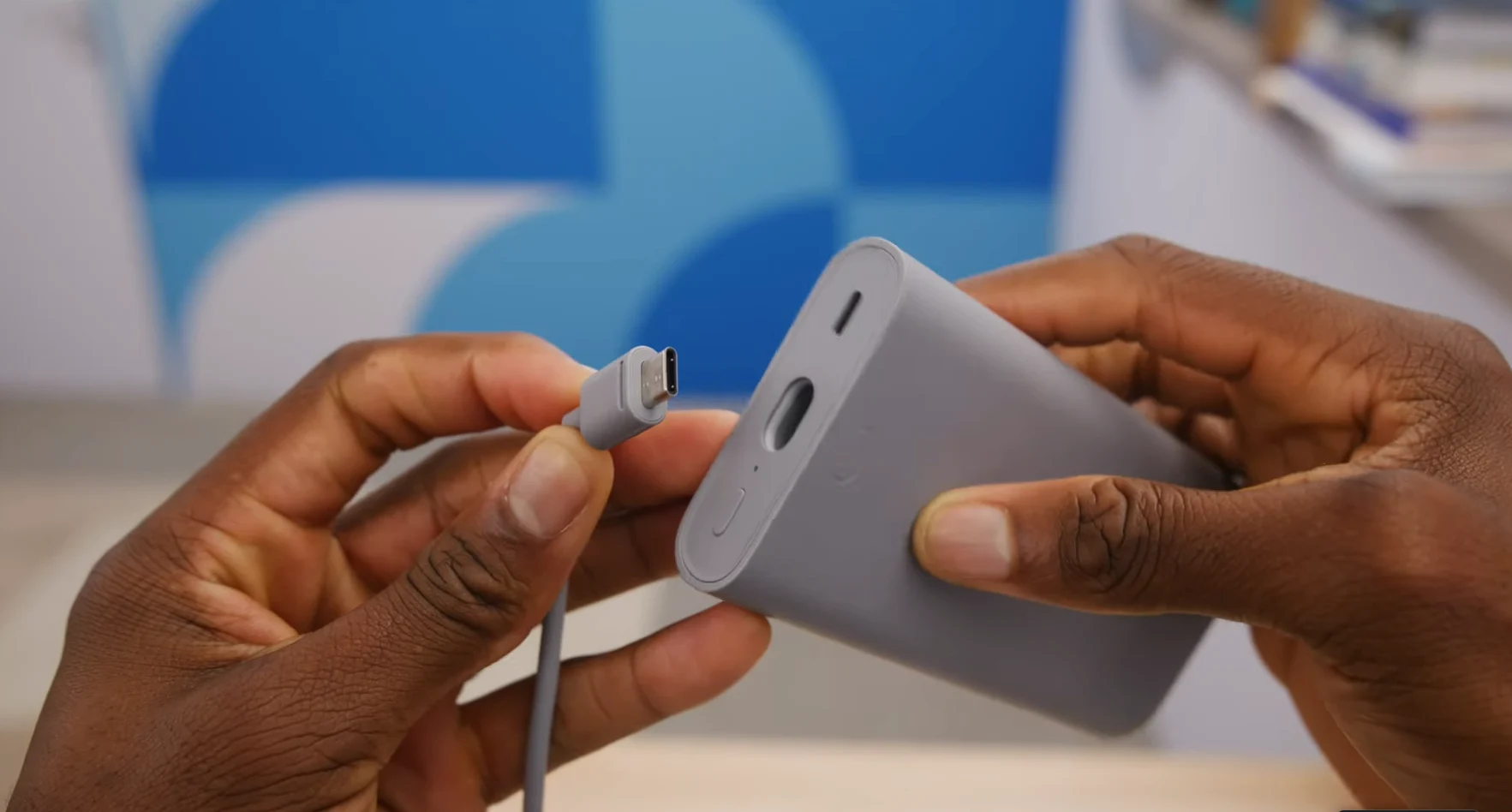
    Powered by Qualcomm’s Snapdragon XR2+ Gen 2, the headset runs the new Android XR operating system. It has dual Micro-OLED displays, delivering 3,552 x 3,840 resolution to each eye, along with a suite of cameras for full-color passthrough, hand tracking, and eye tracking. You also get 16GB RAM and 256GB storage. In order to lighten the load on your head, the battery is instead packed inside a separate tethered pack which will provide about two hours of general use per charge.
    Sources
  • Xreal Aura XR Glasses: Now Available, Sort Of

    Xreal Aura XR Glasses: Now Available, Sort Of

    Key Takeaway

    – Xreal Aura glasses are built on Google’s Android XR platform but require a separate “Computing Puck” (not fully standalone).
    – Display specs: micro-OLED, 1,920×1,200 pixels per eye, up to 120 Hz refresh rate, 70-degree FOV with electrochromic dimming.
    – Features: 6DoF spatial anchoring, hand tracking, and Gemini-powered real-time AI.
    – Reservations open now with Fall 2026 release; base model price will not exceed $1,500 before tax.
    – Founder Pass reservation costs $299 (limited to 2,000 units); a $99 launch credit option is also available.


    Developer program and early access news from last month

    Following the developer program and early access announcement last month, Xreal has now opened reservations for the Xreal Aura Android XR glasses. They was first announced in May last year, but have been a mystery till last month. Even now, the company has not shared all the details, leaving out some crucial information. In the early stages, these smart glasses were called Project Aura, but they are now just Xreal Aura.

    At the Augmented World Expo (AWE) currently underway

    At the Augmented World Expo (AWE) that is currently underway, Xreal officially announced the glasses, and the website shares more information about the specifications and features. For those unaware, the Xreal Aura smart glasses is built on Google’s Android XR platform, but they are not completely standalone like the Rayneo X3 Pro or the Meta Ray-Ban Display glasses. The Xreal Aura glasses are powered by the XREAL X1S Spatial Coprocessor and feature micro-OLED displays that have 1,920×1,200 pixels resolution per eye, with up to 120 Hz refresh rate.

    Specifications: displays, dimming, and cameras

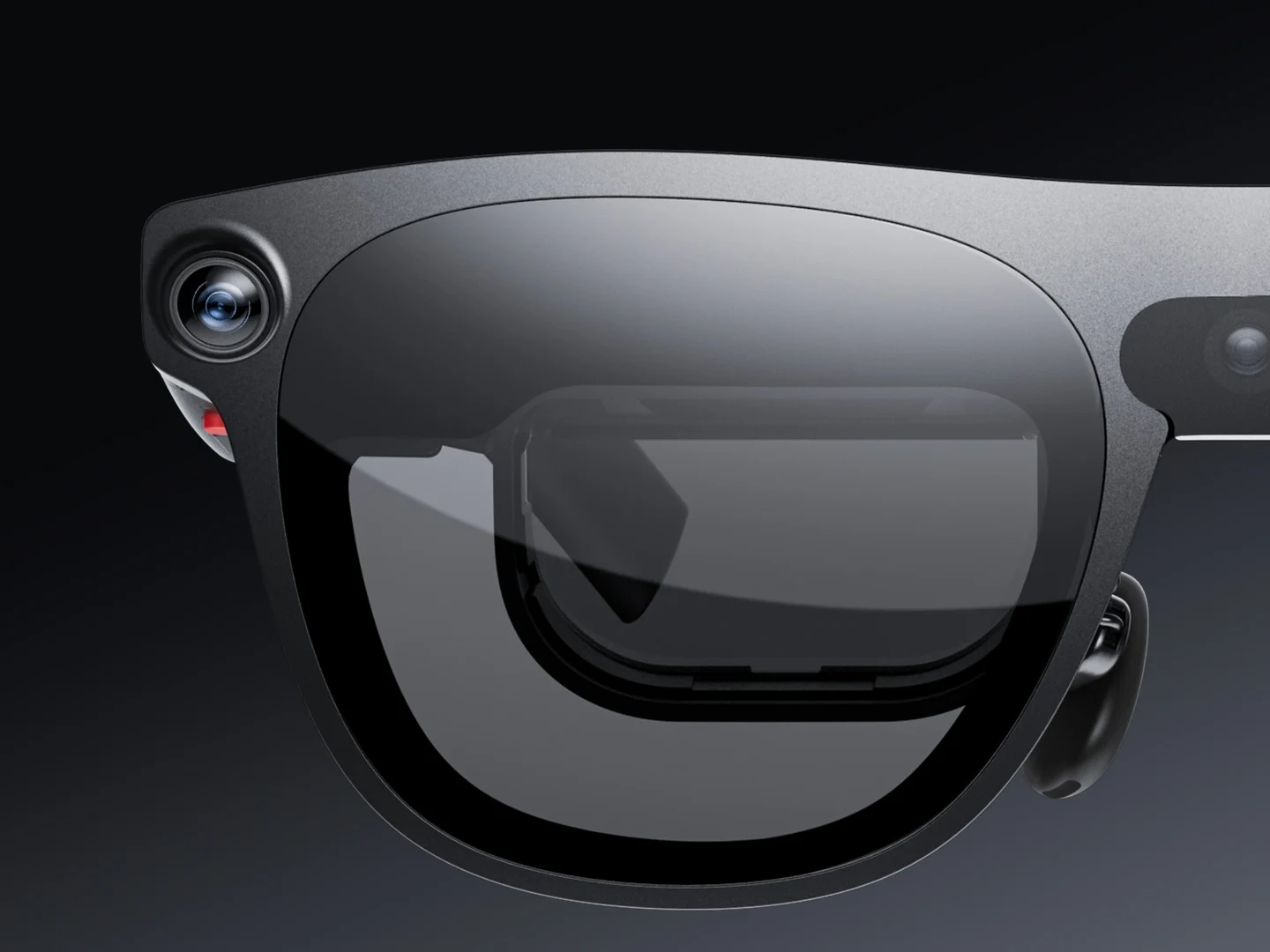
    These are 70-degree FOV see-through displays that sit behind glasses that have electrochromic dimming. The two world-facing cameras have 6DoF spatial anchoring and hand tracking, with Gemini-powered real-time AI perception. As mentioned earlier, they are not fully standalone and require a ‘Computing Puck.’ The puck is powered by the Snapdragon Reality Elite platform and comes in either 12 GB + 256 GB or 16 GB + 512 GB configurations.

    CPU, battery, and connectivity details

    This is the CPU behind the Xreal Aura with its own 4,455 mAh battery, wireless connectivity options, and fingerprint scanner. Xreal has not shared exact details on the pricing and availability yet. The reservations are now live with a Fall 2026 release date. Reservations for the Founder Pass are $299 and are limited to 2,000 units.

    Pricing and reservation options

    There is also a $99 launch credit reservation option that translates to $199 towards the Xreal Aura when they become available. As for the final price, Xreal says the base model will not exceed $1,500 before tax. This makes the glasses competitively priced compared to other smart glasses on the market, although final pricing remains something of a mystery for consumers.


    Sources

  • Google Android XR Smart Glasses Launching This Fall with Gemini AI

    Google Android XR Smart Glasses Launching This Fall with Gemini AI

    Key Takeaway

    – Two glasses types: audio-only with speakers and an augmented-reality model with integrated displays, both built around Android XR and Gemini AI.
    – Gemini-powered hands-free assistance for real-time tasks, navigation, translations, and multi-step workflows (e.g., placing orders while phone stays pocketed).
    – Voice and gesture control via “Hey Google” or side tap, plus context-aware suggestions for nearby places and route-aware guidance.


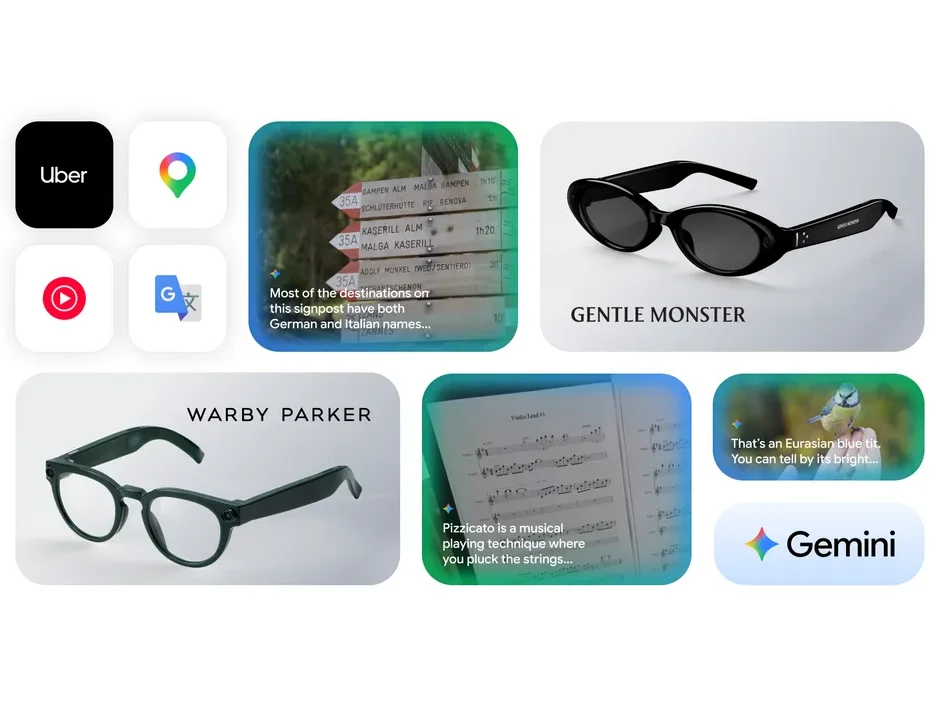
    In December 2025, Google announced developing Android XR smart glasses, and now in Google I/O 2026, officially confirmed the first consumer models scheduled to launch soon this fall. The platform was developed together with Samsung and Qualcomm and designed in partnership with fashion eyewear brands Gentle Monster and Warby Parker.

    Overview of the Google XR Glasses

    The new devices are part of Google’s broader Android XR ecosystem and heavily integrate the company’s Gemini AI assistant. Google says the smart glasses are designed to provide contextual assistance while allowing users to stay focused on the world around them instead of constantly looking at their smartphones.

    Two Types of Glasses

    There will be two types of smart glasses. The first consists of audio-only glasses featuring built-in speakers and voice assistance, while the second category will add integrated displays that show contextual information directly in the user’s field of view.

    Voice Activation and Gemini

    Users can activate Gemini by saying “Hey Google” or tapping the side of the frame. The AI can answer questions about what users see, interact with smartphone apps, and help with everyday tasks in real time.

    Navigation and Assistance

    The glasses also focus heavily on navigation, offering turn-by-turn directions based on where the user is looking. Gemini can suggest nearby places, add stops to routes, and handle everything through voice commands.

    Google also confirmed support for hands-free messaging, photo and video capture, and live translation. Users can take photos with voice commands and use AI tools like Nano Banana to remove objects or edit images. Real-time translation can also preserve the speaker’s tone and voice characteristics.

    Background Tasks

    In addition, Gemini will be able to handle multi-step tasks in the background, such as placing a coffee order through DoorDash while the user’s phone stays in their pocket, leaving only the final confirmation step.

    Technical Specs and Battery

    The press release is extremely light on technical specifications. From what the promo renders reveal, it appears both models will feature a battery capacity of at least 0.37 Wh, and are likely to feature some light liquid and dust protection (definitely not IP67-grade).

    Sources
  • Galaxy Glasses: Samsung’s Android XR Glasses with Gemini Technology

    Galaxy Glasses: Samsung’s Android XR Glasses with Gemini Technology

    Key Takeaway

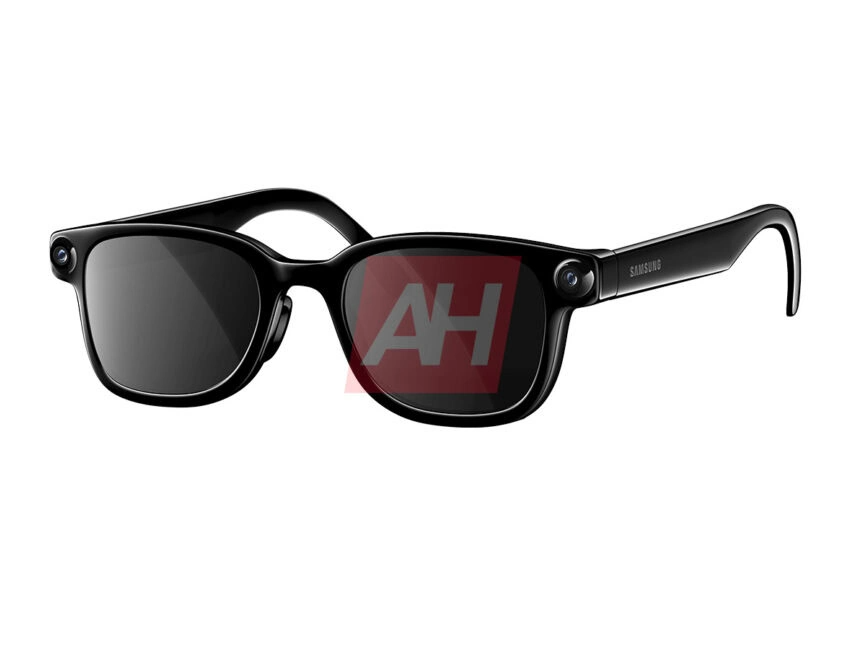
    1. Samsung is developing new smart glasses called Galaxy Glasses (“Jinju”) that will support Google’s Android XR OS, featuring a camera and AI assistant, Gemini.
    2. The Galaxy Glasses will be lightweight (around 50 grams), lack a display, and include features like Bluetooth 5.3, Wi-Fi, directional speakers, and photochromic lenses.
    3. Expected pricing for Galaxy Glasses is between $379 and $499, with a potential release in 2024, possibly announced at the Galaxy Z Unpacked event.
    4. Samsung is also working on a more advanced pair of smart glasses (“Haean”) with micro-LED displays, anticipated to launch in 2027 at a higher price point of $600–$900.

    New Samsung Galaxy Smart Glasses Leak

    Last October was a busy month for Samsung, they announced their first device that runs on Google’s Android XR, called the Galaxy XR. Now, there’s a new rumor going around about another piece of wearable tech that Samsung is working on. It seems like a pair of smart glasses that could be the next big thing in their lineup. The information comes from a pretty reliable leak, and it sheds some light on what these glasses might be like.

    Details on the Speculations

    When Google introduced Android XR late in 2024, they said it will support not just headsets but also smart glasses. Samsung, who already have a headset out, seems to be focusing more on these smart eyepieces now. The leak, coming from Android Headlines and OnLeaks, talks about a device called “Jinju,” which is supposedly the code name for the Samsung Galaxy Glasses. They are expected to enter a competitive market, standing against devices like the Ray-Ban Meta (Gen 2) and Huawei AI Glasses. Interestingly, these glasses won’t have a display, but they will come equipped with a camera instead.

    What Features Will They Have?

    One major feature that’s highlighted is support for Gemini, Samsung’s AI assistant. This means users will be able to ask questions, get translations, or even find directions, all through voice commands. The specs reported include a Snapdragon AR1 processor, a 12 Megapixel Sony IMX681 camera, and a small 155mAh battery. They’ll utilize Bluetooth 5.3, Wi-Fi, and will feature directional speakers along with photochromic lenses that change tint based on lighting conditions. These glasses are very light, weighing about 50 grams. Actual weight might vary if different styles are released. Interestingly, Samsung previously worked with Warby Parker and Gentle Monster on smart glasses, which makes these potentially similar or the same glasses.

    Pricing and Expected Release

    The rumored price for these Galaxy Glasses falls between $379 and $499. That price range is quite comparable to the Ray-Ban Meta (Gen 2), which can be found on different retail sites. It’s not confirmed if Samsung will stick to this price once they officially launch them. Aside from these, Samsung is also reportedly developing another set of smart glasses under the codename “Haean.” These are expected to feature a micro-LED display like the Meta Ray-Ban Display, and they could cost more—around $600 to $900. The Haean glasses are believed to be released in 2027, while the Galaxy Glasses might be announced this year, possibly during the Galaxy Z Unpacked event.

    Sources
  • Samsung’s Android XR Headset Launching October 21 – Reserve Now

    Samsung’s Android XR Headset Launching October 21 – Reserve Now

    Key Takeaways

    1. Samsung will unveil its first Android XR headset, Project Moohan, at a global online event on October 21, streamed live on YouTube.
    2. Early reservations are available for free, offering a $100 Samsung Credit for future purchases, but no pricing details have been confirmed.
    3. The headset is expected to be priced over $1800, aligning it with high-end devices like Apple’s Vision Pro.
    4. Leaks suggest the headset may feature dual 4K micro OLED displays, Snapdragon XR2 Plus Gen 2 chipset, and advanced tracking capabilities.
    5. The device operates on a new platform called Android XR, optimized for spatial computing, with preorders likely starting after the event.


    Samsung has announced an upcoming global online event set for October 21, where they will unveil their first Android XR headset, currently referred to as Project Moohan. Early reservations are now available, complete with a $100 Samsung Credit bonus. The event, named Worlds Wide Open, will be streamed live on Samsung’s YouTube channel. It will showcase what Samsung describes as a significant step in their mobile AI strategy, developed in partnership with Google and Qualcomm. The headset is designed to deliver “immersive, everyday experiences” utilizing Android XR, a new platform specifically optimized for spatial computing from its inception.

    Reservation Details

    While Samsung hasn’t disclosed the final name or pricing for the product, they have begun to gather reservations on their website. The reservation process is free and does not require an upfront payment. It grants users a $100 Samsung Credit, which can only be used after making a purchase. This credit applies to accessories and other Samsung products, not the headset itself. Such an approach suggests that the headset might come with a high price tag, which could hinder early adoption unless there are compelling incentives. Reports from various industry sources, particularly in South Korea, indicate that the launch price may exceed $1800, positioning Project Moohan alongside Apple’s Vision Pro rather than Meta’s more budget-friendly Quest series.

    Expected Specifications

    Although Samsung has yet to release the specifications, various leaks hint that the headset might be equipped with dual 4K micro OLED displays that have a resolution of 4032 pixels per inch. It is expected to feature the Snapdragon XR2 Plus Gen 2 chipset, along with capabilities for hand, eye, and voice tracking through several onboard cameras. The headset is anticipated to weigh about 545 grams and offer around two hours of battery life for mixed usage, with an option for an external USB-C battery pack to extend its operational time.

    The device is rumored to operate on Android XR, which is a new variant of Android designed specifically for extended reality, developed in collaboration with Samsung as the primary hardware partner. Samsung will unveil the headset on October 21 at 10 PM Eastern Time, with preorders likely to launch right after the livestream concludes. As previously mentioned, reservations can be made now on Samsung’s website and do not require any commitment, making it easy for anyone interested in Android XR to secure one.

    Source:
    Link


  • Samsung’s Project Moohan Android XR Headset Global Launch in October

    Samsung’s Project Moohan Android XR Headset Global Launch in October

    Key Takeaways

    1. The Samsung Android XR headset, Project Moohan, is set to be revealed on September 29 and will go on sale in Korea on October 13, 2025.
    2. Samsung collaborated with Google and Qualcomm to develop the Android XR platform, which combines augmented, virtual, and mixed reality.
    3. The headset will be showcased at a Samsung Unpacked event in July, alongside new Galaxy devices.
    4. Following its launch in Korea, Project Moohan is expected to expand to global markets later in October or November.
    5. Details about the Unpacked event and other new product reveals, including the Galaxy Z Fold7 and Galaxy Watch8 series, will be announced soon.


    After being first shown in December 2024, the Samsung Android XR headset, known as Project Moohan, was planned for a release in the “near future,” which was anticipated to be late 2025. Since that initial reveal, there has been no updates regarding its launch timeframe. However, a recent report now claims to have specific dates, indicating that Project Moohan will be revealed in September, with sales commencing in October.

    Collaboration with Tech Giants

    Samsung has worked alongside Google and Qualcomm to create the Android XR platform, with XR signifying eXtended reality, which combines AR (augmented reality), VR (virtual reality), and MR (mixed reality). This platform will be available to consumers through headsets and glasses. The debut headset, which is codenamed Project Moohan, is expected to officially launch on September 29 during an Unpacked event in South Korea, Samsung’s native region.

    The details were shared by the Korean news source Newspim (translated through machines), stating that the XR headset will be available for purchase in Korea from October 13. Following that, it will expand to the worldwide market. This implies that Project Moohan, or its final name, will likely reach the US and other regions later in October, potentially in November.

    Upcoming Unpacked Event

    Additionally, the report mentions that Samsung plans to showcase prototypes and teaser videos of the headset during the Unpacked event in July, alongside the Galaxy Z Fold7 and Z Flip7. While the company hasn’t confirmed the exact date for this event yet, it is holding Samsung Health events for runners starting on July 13 in New York City. However, it seems improbable that the Unpacked event will coincide with the same day.

    As we approach July, we should expect an announcement from Samsung regarding the Unpacked event soon. The new foldable devices, along with the Galaxy Watch8 series and the Galaxy Watch Ultra, are also set to be revealed.

    Source:
    Link

  • Google Unveils New Smart Glasses at Google I/O Event

    Google Unveils New Smart Glasses at Google I/O Event

    Key Takeaways

    1. Google has unveiled its new smart glasses at the I/O conference, built on the Android XR platform, marking its second attempt in this space after twelve years.
    2. The glasses feature advanced technology including a camera, microphone, speakers, and a “discrete display” integrated into the lenses.
    3. They can provide real-time information such as player statistics during sports events and support various functions like calls, music, navigation, and translations.
    4. Google is collaborating with Gentle Monster and Warby Parker to create stylish designs that encourage all-day wear.
    5. The glasses aim to blend technology with fashion, making them appealing for everyday use.


    Following the sneak peek of the latest Google Smart Glasses a couple weeks ago, Google has now shown off the model in use at its own I/O conference. Built on the new Android XR platform, these glasses aim to make life easier in multiple ways. After a long gap of twelve years, this marks Google’s second venture into smart glasses. Unlike the previous attempt, it’s not immediately clear that these are smart glasses.

    Showcasing the Technology

    Google presented the new AI glasses during the event. An employee donned them while the visuals she was seeing were displayed on a big screen. These glasses are packed with various sensors and hardware to perform a range of functions. Besides the standard speakers found in the temples, they come equipped with a camera and a microphone on the front, along with a “discrete display” integrated into the lenses, as per Google’s description.

    Real-World Applications

    The demonstration highlighted how the glasses can deliver extra, real-world information. For instance, while enjoying a baseball game, the glasses can show player statistics and allow the user to chat with Gemini about the ongoing match. Naturally, they support making calls, playing music, and showcasing a variety of features on request, like navigation maps, weather updates, text and chat messages, translations, and details about local restaurants and shops, among other things.

    Stylish Partnerships

    For these new smart glasses, Google is teaming up with South Korean brand Gentle Monster and American retailer Warby Parker to create what they call “stylish glasses.” Shahram Izadi, who is the Vice President and General Manager for Android XR at Google, made a fitting statement:

    “We understand that glasses can only be truly beneficial if you want to wear them all day.”

    Source:
    Link

  • Xreal Launches Project Aura Glasses for Android XR Platform

    Xreal Launches Project Aura Glasses for Android XR Platform

    Key Takeaways

    1. Xreal has launched Project Aura glasses in collaboration with Google, built for the Android XR operating system.
    2. Project Aura glasses feature dual 3D environmental sensors and a camera for AI integration and media capture.
    3. The glasses are expected to have specifications similar to the Xreal Air 2 Ultra, including a 385-inch virtual screen and high-quality displays.
    4. Google is working to establish a presence in the AR/VR/XR market, facing competition from brands like Meta.
    5. More details about Project Aura will be revealed at the Augmented World Expo (AWE) in June, but no specific release date has been announced.


    Xreal has introduced the Project Aura glasses in collaboration with Google, designed for the new Android XR extended reality operating system. These glasses will connect to an external device that runs on a Qualcomm Snapdragon XR chipset.

    Google’s Long Journey in XR

    Google has been trying to make a name for itself in the AR/VR/XR realm for years, starting with Google Cardboard, which turned smartphones into displays and hosts. However, competitors like the Meta Quest 3 series (available on Amazon) have gained more traction among gamers and virtual reality fans. The Android XR represents Google’s newest effort to develop an independent operating system tailored for virtual reality applications.

    Features of Project Aura

    The design of the Project Aura glasses is quite similar to the Xreal Air 2 Ultra, featuring dual 3D environmental sensors located at the top corners of the front frame. Additionally, Aura includes what seems to be a camera positioned above the nose bridge, which can be utilized with Google Gemini AI, as well as for capturing photos and videos.

    Specifications and Release Information

    The Air 2 Ultra has the ability to project a virtual screen as large as 385 inches, employing dual Sony 0.68-inch 1080p micro-OLED displays with a refresh rate of 120 Hz and a brightness level of 500 nits. Therefore, it is expected that the Project Aura glasses will have comparable specifications.

    Xreal is set to share more details during the Augmented World Expo (AWE) in June, although neither Xreal nor Google has provided a specific release date for the Android XR.

    Those who are keen on exploring the newest AR glasses might want to check out similar products available at Xreal, Rokid, and RayNeo stores on Amazon.

    Source:
    Link

  • Vivo Vision Mixed Reality Headset Unveiled at Asian Conference

    Vivo Vision Mixed Reality Headset Unveiled at Asian Conference

    Key Takeaways

    1. Vivo has launched the mixed reality headset called Vivo Vision at the Boao Forum for Asia, drawing design inspiration from the Apple Vision Pro.
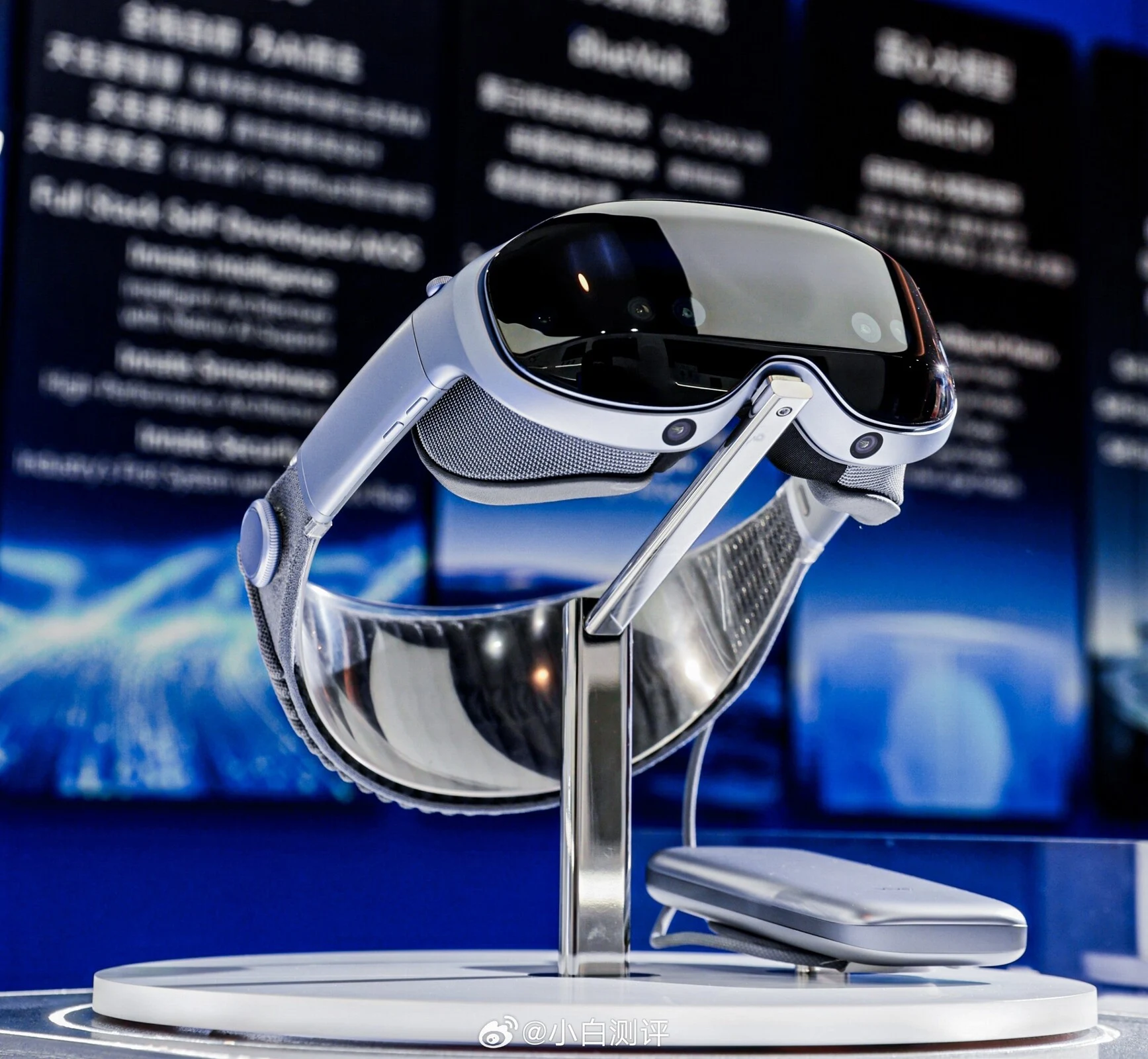
    2. The headset features a blue color, a singular loop headband, and a light seal, though details about its attachment method are unclear.
    3. Connectivity includes a power cable linked to a matching power pack, and it has multiple cameras with buttons and a dial for controls.
    4. Specific technical specifications and features are not yet available, but a full reveal is expected in mid-2025.
    5. There is speculation about the operating system, with potential ties to Android XR, and uncertainty whether it will be a consumer product or just a proof of concept.


    Vivo has unveiled a new mixed reality headset during the Boao Forum for Asia. The device, called the Vivo Vision, takes design cues from the Apple Vision Pro. The first news about this headset emerged back in December 2024.

    Design Features

    The Vivo Vision flaunts a blue color with a singular loop headband that resembles the Apple Vision Pro. It also features a light seal, but it’s uncertain if this component is magnetically attached like the Apple version or if it’s permanently fixed.

    Connectivity and Controls

    As expected, the headset comes with a power cable on the left side, linking to a power pack that matches the headset’s color. The front of the headset is equipped with several cameras, including two that point downward. Additionally, the pictures showcase two buttons located beneath the right temple and a dial similar to a large digital crown.

    Anticipated Specifications

    Unfortunately, there are no specifics available regarding the features and technical specs of the Vivo Vision. However, since it’s been reported that the mixed reality headset will be officially revealed in mid-2025, we can anticipate more information to be released as the launch date approaches.

    Our main curiosity lies with the software—specifically if it operates on Android XR. Samsung is likely to launch the first Android XR headset later this year, so if the Vivo Vision utilizes Android XR, it will probably debut after Samsung’s device. On the other hand, if it’s based on a different operating system, it could potentially come out before Samsung’s headset.

    There’s also the issue of whether this will be a product available for consumers or merely a proof of concept, which is common for some manufacturers. Regardless, we can look forward to more Android XR headsets hitting the market after Samsung’s Project Moohan is revealed.

    Source:
    Link

  • Samsung Android XR Headset Features Unveiled in Hands-On Video

    Samsung Android XR Headset Features Unveiled in Hands-On Video

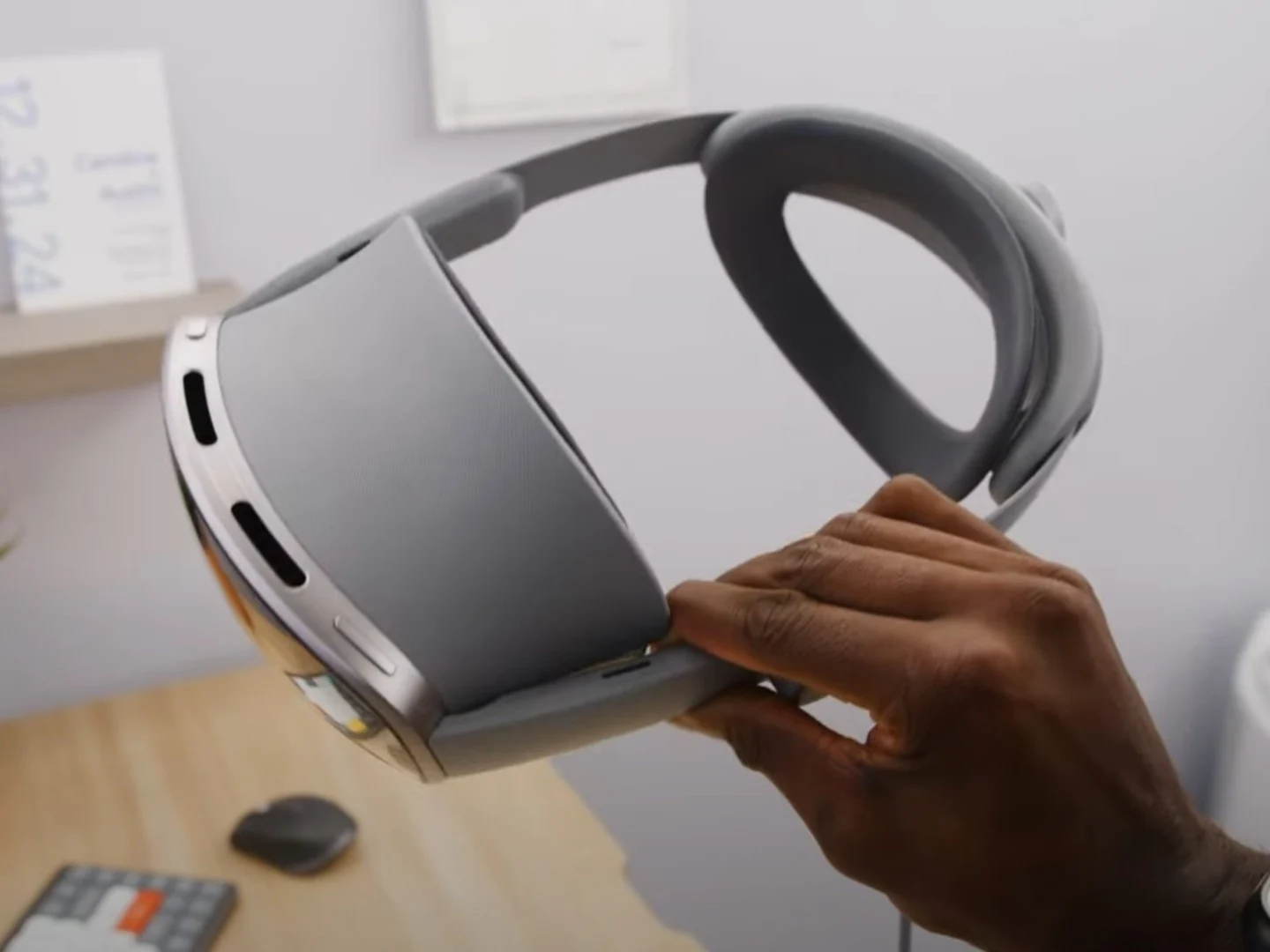
    After revealing the design of the Android XR during the Galaxy Unpacked event, Samsung has given someone the chance to experience it firsthand—and that person is Marques Brownlee, known as MKBHD. His hands-on video offers the first detailed look at the headset’s features, and it’s honestly quite thrilling.

    Features and Capabilities

    Now, let’s dive into what this device can do. The headset operates on the Android XR OS, with Google Gemini integrated. It runs apps from the Google Play Store and allows you to arrange them similarly to the Vision Pro. The spatial computing experience is where this headset truly excels. You can position app windows side by side, resize them, move them around your virtual desktop, or simply ask Gemini to manage it for you.

    While those using smartphones can also interact with Gemini, the ability to view live video and have conversations feels much more seamless with this headset. It can see what you’re seeing, eliminating the need to hold your phone separately to aim at the subject.

    Design and Controls

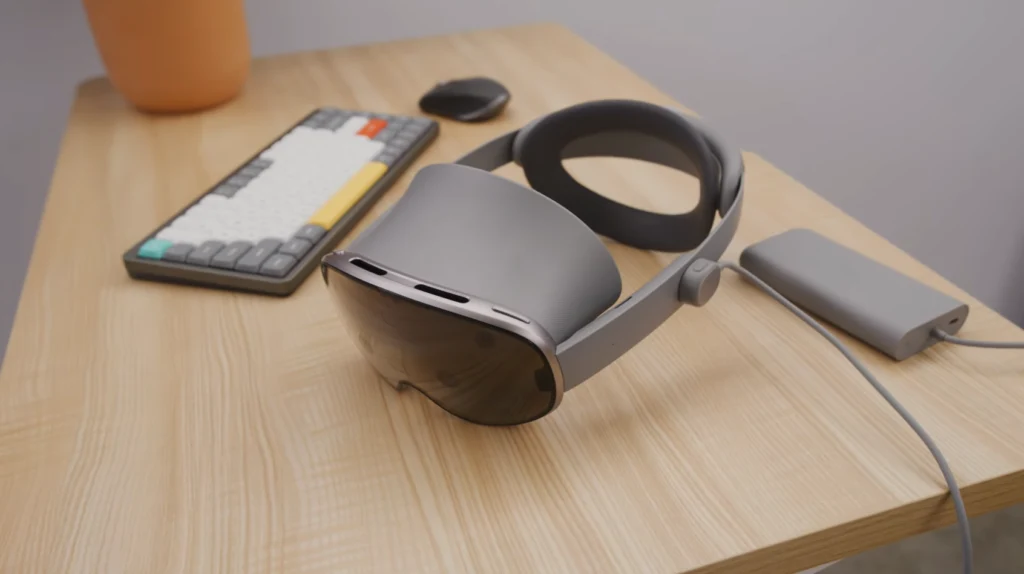
    The headset is equipped with multiple cameras—eight on the front and two inside for eye-tracking. It features typical controls such as a power button, volume rocker, and a touchpad on the side. The outer casing combines metal, glass, plastic, and fabric. If you wish, you can attach a faceplate to block out light, or leave it off to maintain a connection with the real world. There’s also a dial on the back to help adjust the fit.

    Much like the Vision Pro, it draws power from an external battery pack that connects via USB-C. As Marques pointed out, using a USB-C connector means you can plug the device into a higher-capacity power source. This not only makes it easy to switch out batteries but also ensures longer battery life for each session.

    User Interaction and Accessories

    When you wear the headset, it automatically detects your eyes and adjusts the lenses for optimal clarity. Control is mainly done through hand gestures—like pinching your thumb and index finger to access the app launcher, where you can find all your favorite Google apps. You can also connect Bluetooth keyboards and mice, and there are rumors that Samsung may launch its own controllers, which could enhance the gaming experience.

    Pricing and Availability

    Now, let’s address the crucial questions: when will it be available, and what will it cost? Samsung is targeting a launch sometime in 2025. According to Sammobile, it may debut alongside the Galaxy Z Flip 7 and Z Fold 7 around the middle of 2025. As for the price tag, speculation suggests it could be approximately $2,000, making it a bit more accessible compared to Apple’s Vision Pro.