Tag: smart glasses

  • iFlytek AI Glasses: Micro-Projector, Bone Conduction, 40g

    iFlytek AI Glasses: Micro-Projector, Bone Conduction, 40g

    Key Takeaway

    – 40g SGS-certified comfort with durable resin waveguide lenses.
    – Supports live/offline translation of up to 122 languages, including dual-language projection.
    – Integrated camera enables real-time translation of signs, documents, and menus.
    – Includes a teleprompter function and physical temple controls for page turning.
    – Features a built-in AI assistant (GlassClaw) for cross-device task execution.


    iFlytek Debuts New AR Glasses

    The company iFlytek has been putting out new devices for the last few weeks. About a week ago it announced three E ink digital notebooks, and then after that it came with a pocketable ereader named the Fika. Now, it has shown off a pair of smart glasses.

    Design and Weight Specifications

    Simply called the iFlytek AI Glasses, they come in just a single style and color. iFlytek says they weigh only 40 grams, making them nice to wear for long periods. It also mentiones the glasses have gotten an SGS Comfort Certification. According to the spec sheet, the glasses are equipped with fully laminated resin waveguide lenses which are less likely to shatter if they get dropped.

    Language Translation Capabilities

    Among the stuff the iFlytek AI Glasses can do is that they support live translation of up to 122 languages, with support for offline translation of 18 languages. It can also translate talks during voice and video calls. iFlytek also claimes the glasses can project two languages at the same time.

    Thanks to the integrated camera, it can also translate signs, documents, and menus, and put the translation over the object. The glasses also got a teleprompter function, which removes the need to print out your speech or read from a tablet.

    Microphones and Personal Assistant

    The iFlytek AI Glasses contain six omnidirectional microphones that employ bone conduction technology and capture sounds more clearer than regular microphones. There are physical controls on the temples that also act as page turning buttons. Furthermore, the glasses got a built-in personal AI assistant named GlassClaw that can be used across devices and assigned complex tasks with a single sentence.

    Pricing and Availability

    Sadly, iFlytek hasn’t provided technical details like the camera resolution, battery life, charging speed, and Bluetooth version. Nevertheless, the glasses are available to pre-order right now for CNY 4,299 (~$636/€548) in China.
    Sources
  • Acer AR Vision GR0 & GI0 AI Smart Glasses Unveiled

    Acer AR Vision GR0 & GI0 AI Smart Glasses Unveiled

    Key Takeaway

    – Acer announced two smart glasses: the AR Vision GR0 (wired AR, $499.99) and the GI0 AI Glasses (AI-powered, $299.99).
    – The AR Vision GR0 creates a virtual 172-inch screen with dual micro-OLED 1080p displays, 60Hz refresh rate, and 3D support.
    – The GI0 AI Glasses feature Gemini AI for queries, translation, voice recording, a 12MP camera, and 32GB storage.
    – Both glasses have companion apps, with the AR Vision GR0 compatible with Android, iOS, and Windows, and the GI0 requiring Android 12+ or iOS 15+.
    – The GI0 AI Glasses launch in Q3 2026 (Australia) and Q4 2026 (Europe), with no North American release date announced.


    New Smart Glasses from Acer

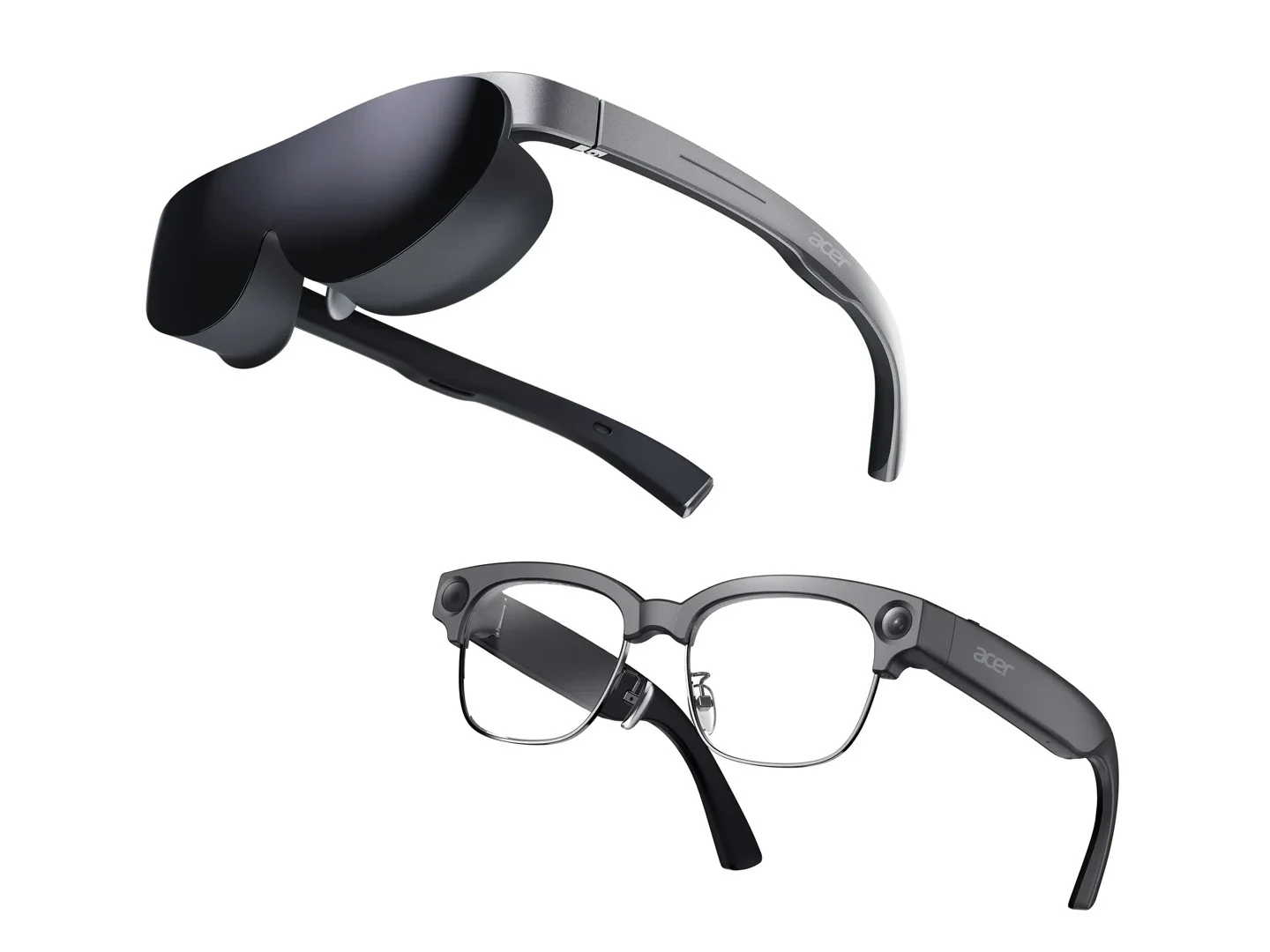
    Alongside new computers, tablets, and handhelds, Acer has also announced two new smart glasses. The glasses are the Acer AR Vision GR0 which are AR glasses, and the Acer GI0 AI Glasses, which are smart glasses like the Ray-Ban Meta AI Glasses.

    Features of the AR Vision GR0

    The Acer AR Vision GR0 connects to a smartphone, laptop, or a device with display output support via a wired connection. When linked to a compatible device, the dual micro-OLED displays combine to project a virtual screen that’s up to 172 inches in size. This makes them suitable for gaming, watching movies, or even productive work. The AR Vision GR0 also has support for displaying 2D and 3D content.

    The two micro OLED displays have a resolution of 1920 × 1080 in 2D mode and a 3840 × 1080 resolution in 3D mode. They also have a 60Hz refresh rate, DCI-P3 color gamut, 24-bit color, a 50,000:1 contrast ratio, and 200 nits of brightness.

    Controls and Compatibility

    The Acer AR Vision GR0 features touch controls for adjusting the brightness and volume, built-in stereo speakers, a detachable light shield, and optional myopia magnetic lens. The glasses have an interpupillary distance of 64mm and weigh 69 grams. The Acer AR Vision GR0 glasses are compatible with Android, iOS, and Windows.

    Introducing the Acer GI0 AI Glasses

    The Acer GI0, on the other hand, are smart AI glasses powered by Gemini. Users can ask questions, request directions, and analyse images using the glasses. They also have support for instant translation and have a voice recording function, which can be useful when having a meeting.

    The Acer GI0 AI glasses have a 12MP camera that has an image resolution of 3024 × 4032 and can record in 1080p at 30fps. They also have 32GB of eMMC storage, stereo speakers, three microphones, Bluetooth 5.0, and Wi-Fi 5. There’s a 217mAh battery inside, but Acer doesn’t say how many hours of battery life users can expect. The glasses have a power input of 5W (5V 1A).

    Software and Companion App

    However, Acer states that the GI0 AI glasses have a companion app called the AspireSync and they can be connected to an Android smartphone (Android 12 and above) or iPhone (iOS 15 and above). They weigh just 46 grams (frames only).

    Pricing and Availability Details

    The Acer AR Vision GR0 glasses are priced at $499.99 in the US, €599 in Europe, and AUD 999 in Australia. That’s a significantly higher price than that of the Lenovo Legion Glasses Gen 2 which are currently available for $249.99 and have a 120Hz refresh rate, although the virtual display is smaller at 126 inches.

    The Acer GI0 AI glasses are much cheaper at $299.99 in the US, €399 in Europe, and AUD 599 in Australia. There’s no info on their release date for North America, but the two pairs of glasses will be available in Europe in the fourth quarter of 2026, while Australia will get them in the third quarter.

    Sources
  • Meta AI wearables: Glasses, pendants and more

    Meta AI wearables: Glasses, pendants and more

    Key Takeaway

    – Meta is developing an AI pendant (acquired via Limitless) for testing in 2026, with mixed user reception.
    – Up to four new smart glasses models are planned, including “Modelo,” “Luna,” and “Mojito VIP” in 2026.
    – Always-on “supersensing” glasses (“Artemis” and “SSG”) are being tested, powered by Meta AI and the unreleased Hatch agent.
    – A “Wearables for Work” business subscription service will leverage Meta’s AI models.
    – Meta aims to sell 10 million wearables in H2 2026 to offset Reality Labs’ $19 billion 2025 losses.


    Meta is currently working on a new artificial intelligence pendant, with plans to begin testing it next year. But this new venture does not come as a complete surprise considering that Meta acquired Limitless, the company that created the Pendant device, at the end of 2025. The product was a clip-shaped Bluetooth microphone that could be attached to a shirt or worn as a necklace, and it allowed users to listen to and record conversations during the day to generate summaries, transcriptions and a searchable database. Reception of the device, however, appears to be mixed, as this thread illustrates.

    New smart glasses and supersensing tech

    In addition to the pendant, Meta is said to be preparing up to four new smart glasses models. The initial model, with the codename “Modelo”, is scheduled to be launched this month, followed by “Luna” and “RBM2 Refresh” in the fall. Another model, called “Mojito VIP”, is expected to land in December. The company is also reportedly testing new “supersensing” glasses, featuring always-on cameras and sensors, called “Artemis” and “SSG”. These new devices are said to be powered by Meta’s AI models and by Hatch, an AI agent that has not yet been launched.

    Business subscriptions and sales targets

    Furthermore, the company also plans to offer a subscription service for businesses called “Wearables for Work”. Its objective is to expand the use of its AI models and encourage customers to pay for their subscriptions. Meta aims to sell 10 million wearables in the second half of 2026 in order to offset the losses of its research and development division, Reality Labs, which totalled $19 billion in 2025.

    An alternative to Meta’s pendant

    Readers who prefer a non-Meta pendant alternative are advised to check out the Plaud NotePin S ($179 at Amazon).

    Sources
  • Apple Smart Glasses Leak: Launch Date, Features, Mainstream Goal

    Apple Smart Glasses Leak: Launch Date, Features, Mainstream Goal

    Key Takeaway

    – Apple is developing smart glasses (codename N50) to disrupt the eyewear market, positioning them as an alternative to traditional prescription glasses.
    – Target price range is the mid-tier market ($200–$500), leveraging Apple’s retail network and ecosystem of 2 billion devices.
    – Launch timeline delayed: internal unveil target is end of 2025, with market release expected in early 2027.
    – Faces stiff competition from Meta’s Ray-Ban partnership and must overcome skepticism about brand appeal in fashion eyewear.
    – Project has high priority with support from Tim Cook and incoming CEO John Ternus, offering at least two sizes and four frame designs.


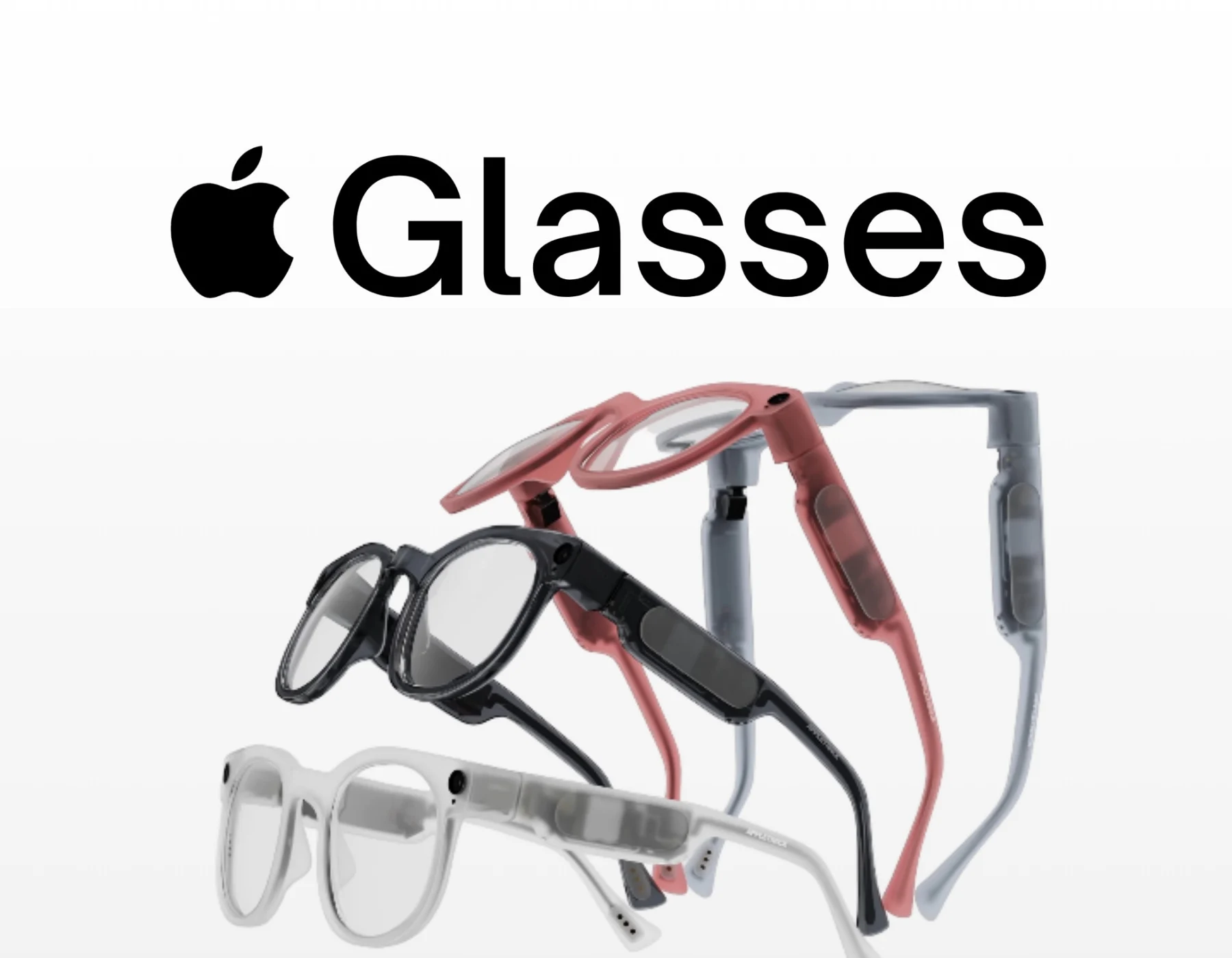
    According to a fresh report by top tipster Mark Gurman, the tech giant aims to disrupt the global eyewear market with the same strategy it used to overhaul the watch industry with the Apple Watch a decade ago. Apple is preparing to make a significant move into the wearable technology space with the development of its own Apple smart glasses, internally codenamed N50.

    Market Positioning and Strategy

    While Meta has gained early momentum with its camera-equipped smart glasses, Apple views the category as a market with massive growth potential, says the tipster. Rather than just competing with other tech companies, Apple is aiming to position its glasses as a direct alternative to traditional prescription and non-prescription eyewear. Cupertino is said to be targeting the mid-tier segment of the market, which are glasses typically priced between $200 and $500.

    Retail and Ecosystem Leverage

    The report highlights that by leveraging its global retail footprint, massive ecosystem of over 2 billion active Apple devices, and its reputation for premium design, the tech giant believes it can convince consumers to choose Apple-branded frames over traditional options from industry giants like EssilorLuxottica, Safilo, and Warby Parker. According to the insider info, Apple’s approach to the smart glasses includes:

    • Though initially aiming for an end-of-2026 launch, the N50 smart glasses project has faced development delays, says the leak.
    • Apple is now working toward an internal target to unveil the glasses by the end of next year, with a market release expected in early 2027.

    Competitive Challenges and Skepticism

    That said, Apple faces stiff competition from Meta, which has already established successful retail partnerships with brands like Ray-Ban. Furthermore, the iPhone-maker will need to overcome the skepticism of whether the brand logo holds the same appeal for face-worn fashion as it does for consumer electronics, says the report. Nevertheless, Gurman assures that with top-level support from current CEO Tim Cook and incoming CEO John Ternus, the project has become one of the company’s highest priorities.

    Design Variations and Details

    In related news, Gurman previously revealed that the Apple smart glasses should come in at least two sizes and four different designs, including two rounded frames and two square models. Additionally, the device is expected to feature advanced sensors and integration with the Apple ecosystem, though specific technical specs remain under wraps for now.

    Sources
  • MemoMind AR Glasses with Display and Discreet Design – Discount Available

    MemoMind AR Glasses with Display and Discreet Design – Discount Available

    Key Takeaway

    1. The MemoMind One is a discreet, camera-free AR headset with an adjustable virtual display distance, scheduled for Kickstarter launch on May 28.
    2. It supports multiple functions including translations, navigation, and calendar management, compatible with Android and iOS.
    3. Available for pre-order at $599, with options for prescription lenses, but some advanced features may require a subscription.

    AR Headset with Innovative Features

    The MemoMind One is an augmented reality headset that is getting ready for its debut on Kickstarter, which will be happening on May 28. It comes with an integrated display that can reach a maximum brightness of 2,000 cd/m², making the virtual images vivid and clear. Users can adjust the virtual viewing distance from just one meter to as far as five meters, giving them flexibility depending on what they wanna see. The design is camera-free which helps keep the look subtle and less intrusive when you use it out and about but does limit some of its AR functionalities.

    Design & Privacy Considerations

    One of the main points about the MemoMind One is its clean, discreet look. Without any built-in camera, it presents an inconspicuous profile, perfect for folks who worry bout privacy concerns. The device, while lacking some advanced AR capabilities that camera-equipped headsets might have, focuses on blending into regular environments, making it less likely to attract unwanted attention in public or social situations.

    Functions & Compatibility

    The headset is pretty versatile for daily use. It can show real-time translations, act as a teleprompter, or provide turn-by-turn navigation with maps displayed right in front of your eyes. You can also stay on top of your schedule by viewing calendar entries without taking out your phone. It works with both Android and iOS devices and offers control through voice commands, gestures, or a small physical button, making it straightforward to operate. Currently, you can pre-order the MemoMind One from $599, and if you need prescription lenses, those can be added for extra fee. Keep in mind, reserving one requires a deposit, and some premium features might be part of a subscription plan.

    Sources
  • Galaxy Glasses: Samsung’s Android XR Glasses with Gemini Technology

    Galaxy Glasses: Samsung’s Android XR Glasses with Gemini Technology

    Key Takeaway

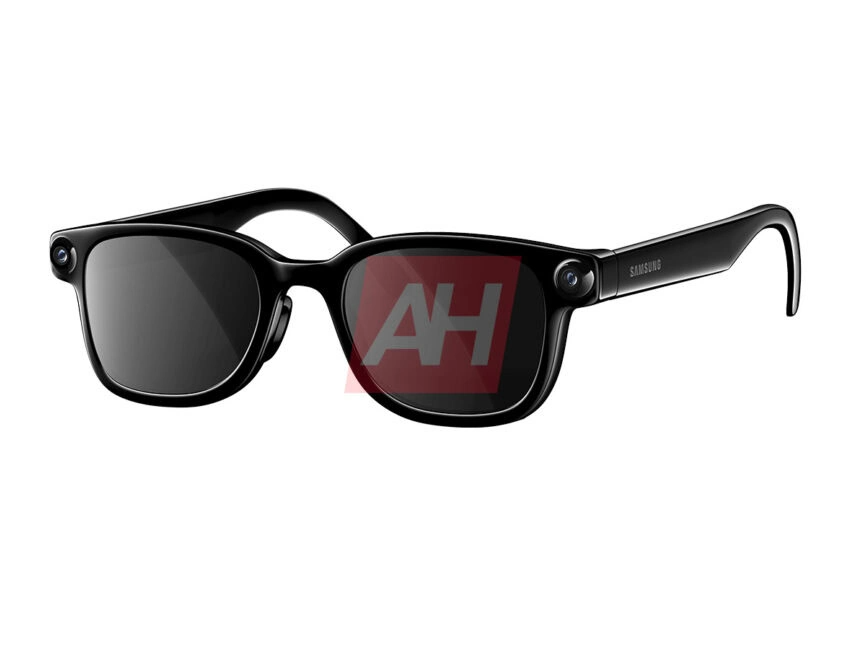
    1. Samsung is developing new smart glasses called Galaxy Glasses (“Jinju”) that will support Google’s Android XR OS, featuring a camera and AI assistant, Gemini.
    2. The Galaxy Glasses will be lightweight (around 50 grams), lack a display, and include features like Bluetooth 5.3, Wi-Fi, directional speakers, and photochromic lenses.
    3. Expected pricing for Galaxy Glasses is between $379 and $499, with a potential release in 2024, possibly announced at the Galaxy Z Unpacked event.
    4. Samsung is also working on a more advanced pair of smart glasses (“Haean”) with micro-LED displays, anticipated to launch in 2027 at a higher price point of $600–$900.

    New Samsung Galaxy Smart Glasses Leak

    Last October was a busy month for Samsung, they announced their first device that runs on Google’s Android XR, called the Galaxy XR. Now, there’s a new rumor going around about another piece of wearable tech that Samsung is working on. It seems like a pair of smart glasses that could be the next big thing in their lineup. The information comes from a pretty reliable leak, and it sheds some light on what these glasses might be like.

    Details on the Speculations

    When Google introduced Android XR late in 2024, they said it will support not just headsets but also smart glasses. Samsung, who already have a headset out, seems to be focusing more on these smart eyepieces now. The leak, coming from Android Headlines and OnLeaks, talks about a device called “Jinju,” which is supposedly the code name for the Samsung Galaxy Glasses. They are expected to enter a competitive market, standing against devices like the Ray-Ban Meta (Gen 2) and Huawei AI Glasses. Interestingly, these glasses won’t have a display, but they will come equipped with a camera instead.

    What Features Will They Have?

    One major feature that’s highlighted is support for Gemini, Samsung’s AI assistant. This means users will be able to ask questions, get translations, or even find directions, all through voice commands. The specs reported include a Snapdragon AR1 processor, a 12 Megapixel Sony IMX681 camera, and a small 155mAh battery. They’ll utilize Bluetooth 5.3, Wi-Fi, and will feature directional speakers along with photochromic lenses that change tint based on lighting conditions. These glasses are very light, weighing about 50 grams. Actual weight might vary if different styles are released. Interestingly, Samsung previously worked with Warby Parker and Gentle Monster on smart glasses, which makes these potentially similar or the same glasses.

    Pricing and Expected Release

    The rumored price for these Galaxy Glasses falls between $379 and $499. That price range is quite comparable to the Ray-Ban Meta (Gen 2), which can be found on different retail sites. It’s not confirmed if Samsung will stick to this price once they officially launch them. Aside from these, Samsung is also reportedly developing another set of smart glasses under the codename “Haean.” These are expected to feature a micro-LED display like the Meta Ray-Ban Display, and they could cost more—around $600 to $900. The Haean glasses are believed to be released in 2027, while the Galaxy Glasses might be announced this year, possibly during the Galaxy Z Unpacked event.

    Sources
  • Huawei AI Glasses with 12MP Camera, 12-Hour Battery & 3 Designs

    Huawei AI Glasses with 12MP Camera, 12-Hour Battery & 3 Designs

    Key Takeaway

    1. Huawei AI Glasses feature an upgraded titanium alloy design for better comfort and resistance, weighing approximately 35.5 grams.
    2. They are powered by a proprietary dual-engine AI chip with built-in assistant, voice recognition, and noise filtering capabilities.
    3. The glasses include a 12MP camera with HDR, AI RAW, stabilization, and support for high-quality image and video capture, with automatic upload and preview features.
    4. Additional features comprise contactless payments, smart home control, live translation, enhanced audio, improved connectivity, and a 258mAh battery offering up to 12 hours of use.
    5. Pricing ranges from around $367 to $425, with pre-orders available before the April 25 release.

    Introduction of Huawei AI Glasses

    Alongside their latest smartphones and smartwatches, Huawei has unveiled a new piece of wearable tech, the Huawei AI Glasses, at its recent Pura mega launch event. Think of these glasses as a next-gen version of the Huawei Smart Glasses 2, which they released last year. The new design and features make them stand out in the market of smart eyewear.

    Design and Build Quality

    They’ve upgraded the overall look, using a titanium alloy for the frame which is both lightweight and durable. Huawei has put effort into the weight distribution so they are more comfortable to wear for longer periods, weighing only about 35.5 grams. The temples of these glasses are quite thin, at just 6.25 millimeters thick, making them sleek. Also, with an IP54 rating, these glasses are dust and water resistant, so sweat or light rain won’t damage them.

    Variants and Aesthetic Options

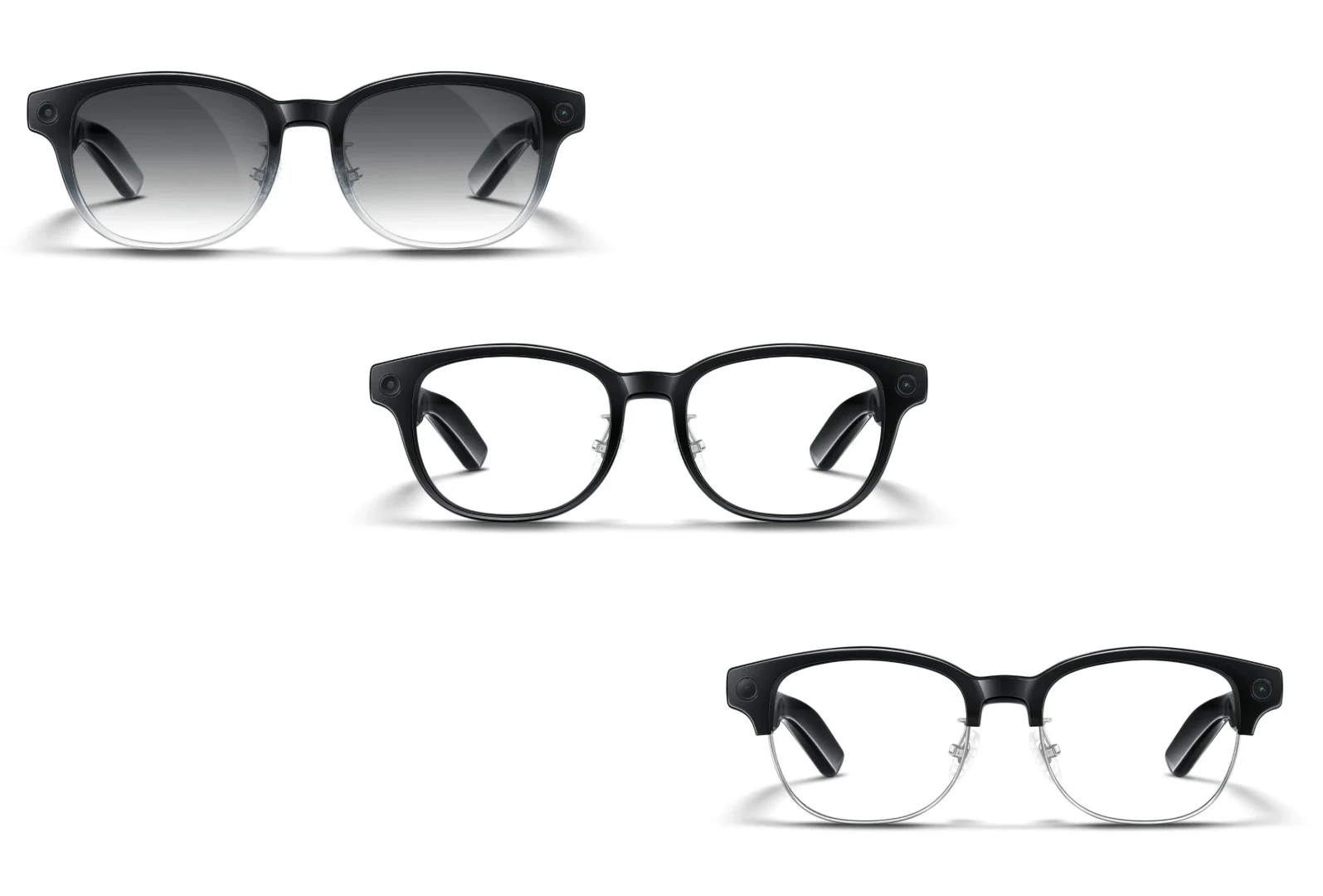
    The Huawei AI Glasses come in three different styles to match personal preferences. The Titanium Silver Gray variant features a semi-rimless design, giving a semi-open look. Meanwhile, the Shimmering Silver option has a classic full-rim sunglasses frame, and the Modern Black is a full-rim optical style. These choices make the device versatile for different fashion tastes.

    Power and Processing Capabilities

    The core of these glasses is a brand-new AI chip with a dual-engine setup. This dual processing system manages the AI functionalities smoothly. Users can activate the AI assistant by voice or a dedicated button. Remarkably, it can recognize voices even when there’s a lot of background noise, and it can pick up quiet speech at just 47dB, making it highly effective in busy environments.

    Camera and Imaging Features

    The smart glasses pack a 12MP camera with a 1/2.8 sensor, capable of recording videos at 1920 x 1440 resolution at 30fps. They can also take high-resolution images of up to 4092 × 3072 pixels. Huawei introduces HDR Vivid Standard support, the first time for AI smart glasses, along with AI RAW support for sharper images. The device can automatically correct tilted shots and stabilizes images with Electronic Image Stabilization (EIS). The low-light mode enables better shots in dark settings.

    Connectivity and Additional Functionalities

    Captured media files are automatically uploaded to the connected smartphone’s gallery, and users can preview images on their smartwatches. You can easily switch between the glasses’ camera and your phone’s camera during live streams. Besides photography and video, the glasses also support contactless payments, smart home controls, and live translation. Huawei enhanced the speakers using its Histen algorithm for crystal-clear audio, and the triple-microphone array boosts sound pickup accuracy. Improved antenna design ensures faster Wi-Fi, better signal stability, and resistance to interference, even in dense areas.

    Battery, Storage, and Pricing

    The glasses house a 258mAh battery, offering up to 12 hours of usage on a single charge. A full charge takes just 45 minutes, thanks to the magnetic charging connector that can be used while charging. Storage is ample with 64GB built-in, perfect for saving photos and videos. The device supports Bluetooth 6.0, Wi-Fi 6, Bluetooth Multipoint, touch controls, and wear detection. Pricing varies: the Titanium Silver Gray and Modern Black are priced at CNY 2499 (~$367/€311), while Shimmering Silver costs CNY 2899 (~$425/€361). Pre-orders are open, with official release happening on April 25.

    Sources
  • Apple Develops Four Smart Glasses Designs Focusing on AI Wearables

    Apple Develops Four Smart Glasses Designs Focusing on AI Wearables

    Key Takeaway

    1. Apple is developing AI-powered smart glasses designed for everyday use, with a likely market launch in 2027.
    2. The glasses will be tightly integrated with the iPhone and feature cameras, microphones, and sensors for environmental data capture.
    3. Unlike traditional AR glasses, they are not expected to project content into the user’s view but will rely heavily on the iPhone for functionality.
    4. Apple plans to use premium materials like acetate, positioning the glasses as a fashionable accessory and possibly targeting a higher price point.

    Apple’s New Smart Glasses Development

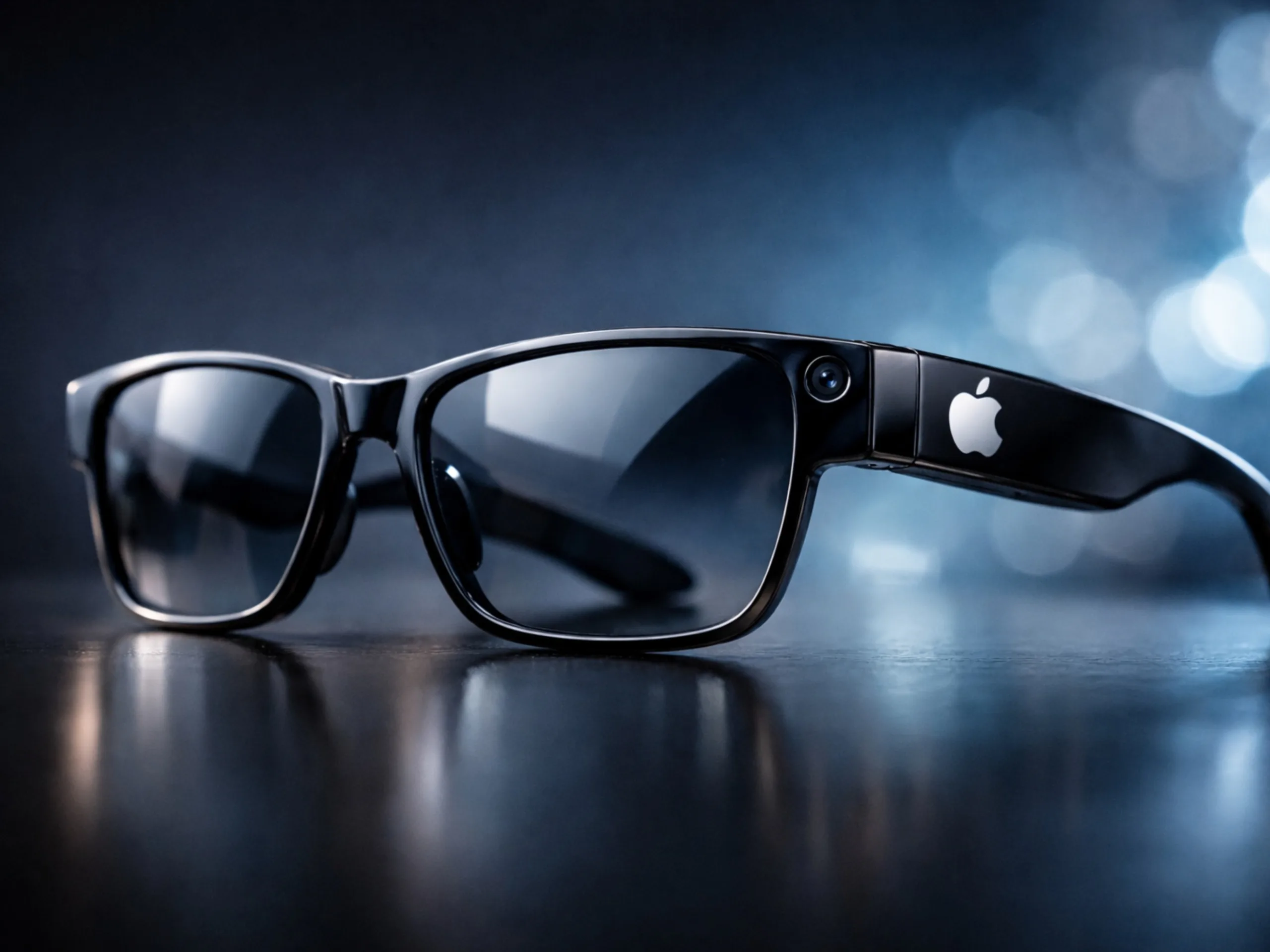
    Apple is working on a new pair of smart glasses, and it seems they’ve been testing several differnt design options lately. Based on a report from Bloomberg, which also got coverage from 9to5Mac, looks like Apple focusing on a specific kind of wearable. Instead of making complicated augmented reality glasses, they appear to be aiming for something more simple and AI-powered that could be used daily, and works well with the iPhone. Four different versions are currently in testing stages.

    Potential Launch Timeline and Market Strategy

    The release of these smart glasses might happen in late 2026 or early 2027, with the official market release expected sometime during 2027. These smart gadgets seem to fit into a bigger goal of creating AI-centered wearables. In addition, Mark Gurman mentions other Apple products like AirPods or camera pendants that might feature similar visual AI capabilities, hinting at a broader trend toward AI integration.

    Technical Features and Functionalities

    To understand how they work, the smart glasses are expected to include cameras, microphones, and various sensors to see and hear the environment around them. This data could then be utilized by AI to assist users, such as asking questions about nearby objects, filming photos or videos, playing music, or showing notifications from the iPhone. Nevertheless, unlike regular AR glasses, these don’t seem to project information directly into the user’s vision, making them more accessory-based, heavily relying on the iPhone itself. For example, the current iPhone 17 Pro costs approximately $1,345 according to Amazon.

    Material Choice and Fashion Appeal

    What makes these glasses even more interesting is the choice of materials. Instead of conventional plastic, Apple might use acetate material for their frames. Acetate is a high-end material made from natural raw elements like wood or cotton, known for its durability and stylish appearance. This suggests Apple may aim to position these smart glasses not just as a tech gadget but also as a fashionable accessory. But this added elegance could also mean a higher price point for the consumer.

    Sources
  • Smart Glasses with Voice Assistant and Camera for Hands-Free Use

    Smart Glasses with Voice Assistant and Camera for Hands-Free Use

    Key Takeaway

    1. The Zeblaze Q01 smart glasses function primarily as a camera and headset, lacking a display for live data or AR functions.
    2. Features include photo and video capture with image stabilization, as well as conversation translation and meeting recording.
    3. Many intelligent functions require Bluetooth connection to a smartphone, and the device offers up to nine hours of music playback.
    4. The glasses are priced affordably at around $64 and support WiFi and multiple lens colors.

    Introduction to Zeblaze Q01

    Chinese company Zeblaze side with their reputation for smartwatches now explore in the realm of smart glasses with their latest product, the Zeblaze Q01. This model isn’t your typical AR glasses, since it doesnt have a screen. Instead, it’s more like a headset with a built-in camera, perfect for recording moments or capturing photos. It features a Sony IMX219 sensor that deliver high quality images and videos.

    Camera and Video Capabilities

    The Zeblaze Q01 is capable of taking high-res photos and recording videos at 1200p, which makes it suitable for athletes or vloggers who want to captures immersive footage. It’s equipped with image stabilization technology, both hardware and software, to enhance video clarity and reduce shaky footage. The design is simple yet functional, looking just like regular glasses but with advanced tech inside.

    Smart Functions Without a Display

    Even though it doesn’t have a screen, it still offers some smart features. Users can take pictures and analyze them right away, thanks to the device’s ability to instantly process captured images. It also supports conversation translation, aiding in multilingual interactions. Furthermore, this device allows recording and summarizing meetings, making it a multifunctional gadget for users on the go.

    Connectivity and Battery Life

    The device relies on Bluetooth to connect with smartphones because these smart functions don’t operate directly on the glasses. Its battery can last up to nine hours when playing music, which is quite impressive for such a small device. However, when recording videos, the recording is limited to about 50 minutes. WiFi capability is included, providing other connectivity options for users.

    Pricing and Availability

    Currently, the Zeblaze Q01 is listed at around $64 on Banggood. Customers can choose from different lens colors to customize their glasses. It’s an affordable option for those looking for a versatile wearable with camera features but not necessarily AR display capabilities.


    Sources

  • Next-Gen Smart Glasses Compatible with Garmin and Apple Watch

    Next-Gen Smart Glasses Compatible with Garmin and Apple Watch

    Key Takeaways

    1. The engo3 smart glasses are available for pre-order in two models: a base model for €350 and a photochromic version for €400.
    2. The photochromic version adjusts tint based on light, ideal for varying training conditions.
    3. The glasses display over 40 different metrics, with up to six visible at once, enhancing convenience for athletes.
    4. They weigh 38.5 grams, have a battery life of over 20 hours, and feature gesture control.
    5. The engo3 glasses are compatible with more than 81 Garmin devices and the Apple Watch.


    The engo3 smart glasses are now up for pre-order straight from the maker, available in two distinct models. The base model is priced at €350, while customers can opt for the photochromic version for an extra €50. This special version adjusts its tint based on the surrounding light, making it especially handy for different training situations. Both versions are expected to start shipping on March 31.

    Key Features

    These glasses have a straightforward main function: they display various metrics right in your line of sight. The manufacturer claims that users can access over 40 different data fields, with up to six fields visible on one screen at a time. Metrics like heart rate and current speed can be included. For athletes who follow structured training regimens, these glasses could remove the need to frequently check a smartphone or smartwatch, offering great convenience during tough interval sessions.

    Additional Specs

    Weighing in at just 38.5 grams, the system features a color-coded display and has a battery life that lasts over 20 hours. Gesture control is included, and it works with more than 81 Garmin devices, which covers both wearables and cycling computers. Users of the Apple Watch can also take advantage of the engo3 glasses.

    Source:
    Link