Tag: AI Technology

  • Huawei AI Glasses with 12MP Camera, 12-Hour Battery & 3 Designs

    Huawei AI Glasses with 12MP Camera, 12-Hour Battery & 3 Designs

    Key Takeaway

    1. Huawei AI Glasses feature an upgraded titanium alloy design for better comfort and resistance, weighing approximately 35.5 grams.
    2. They are powered by a proprietary dual-engine AI chip with built-in assistant, voice recognition, and noise filtering capabilities.
    3. The glasses include a 12MP camera with HDR, AI RAW, stabilization, and support for high-quality image and video capture, with automatic upload and preview features.
    4. Additional features comprise contactless payments, smart home control, live translation, enhanced audio, improved connectivity, and a 258mAh battery offering up to 12 hours of use.
    5. Pricing ranges from around $367 to $425, with pre-orders available before the April 25 release.

    Introduction of Huawei AI Glasses

    Alongside their latest smartphones and smartwatches, Huawei has unveiled a new piece of wearable tech, the Huawei AI Glasses, at its recent Pura mega launch event. Think of these glasses as a next-gen version of the Huawei Smart Glasses 2, which they released last year. The new design and features make them stand out in the market of smart eyewear.

    Design and Build Quality

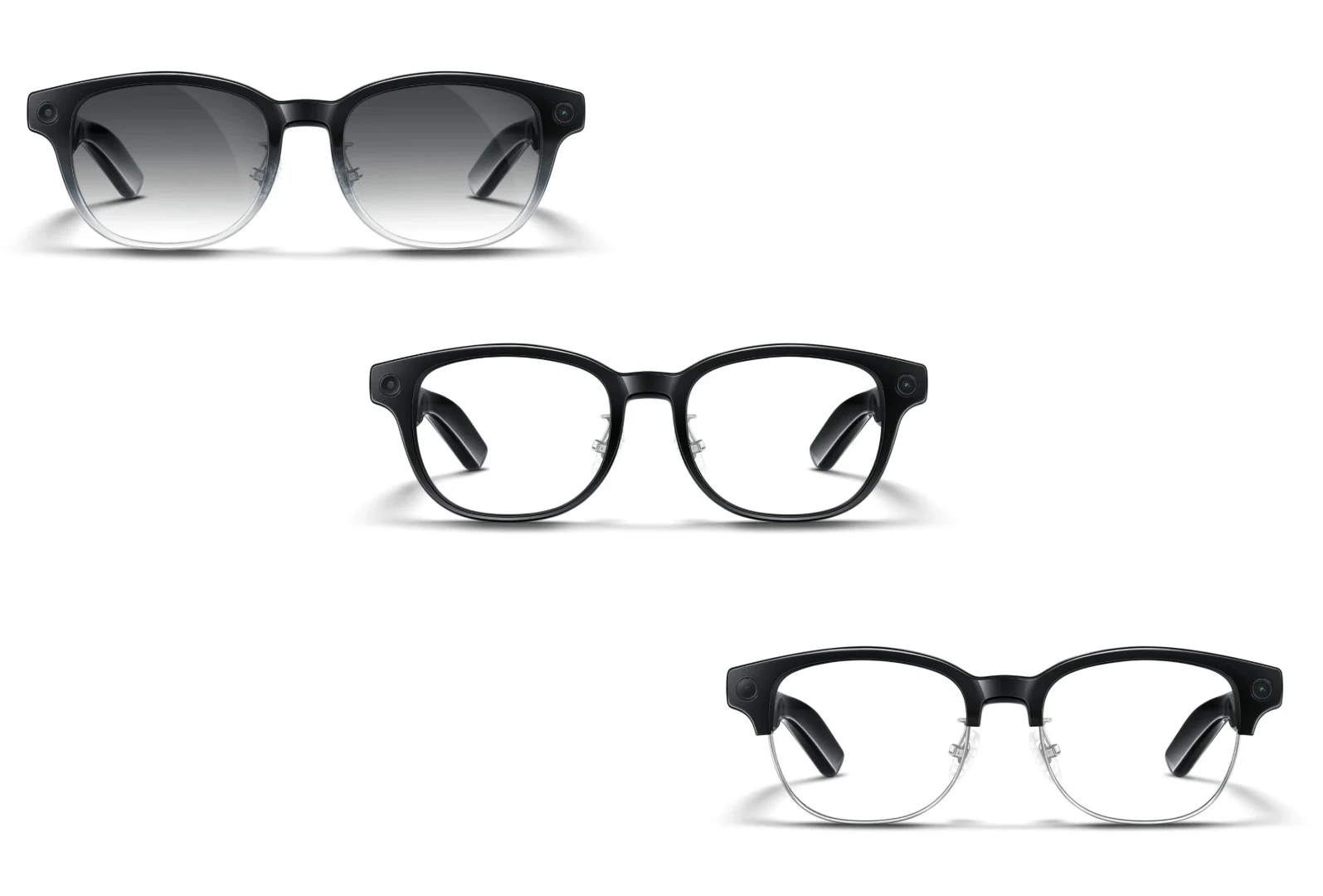
    They’ve upgraded the overall look, using a titanium alloy for the frame which is both lightweight and durable. Huawei has put effort into the weight distribution so they are more comfortable to wear for longer periods, weighing only about 35.5 grams. The temples of these glasses are quite thin, at just 6.25 millimeters thick, making them sleek. Also, with an IP54 rating, these glasses are dust and water resistant, so sweat or light rain won’t damage them.

    Variants and Aesthetic Options

    The Huawei AI Glasses come in three different styles to match personal preferences. The Titanium Silver Gray variant features a semi-rimless design, giving a semi-open look. Meanwhile, the Shimmering Silver option has a classic full-rim sunglasses frame, and the Modern Black is a full-rim optical style. These choices make the device versatile for different fashion tastes.

    Power and Processing Capabilities

    The core of these glasses is a brand-new AI chip with a dual-engine setup. This dual processing system manages the AI functionalities smoothly. Users can activate the AI assistant by voice or a dedicated button. Remarkably, it can recognize voices even when there’s a lot of background noise, and it can pick up quiet speech at just 47dB, making it highly effective in busy environments.

    Camera and Imaging Features

    The smart glasses pack a 12MP camera with a 1/2.8 sensor, capable of recording videos at 1920 x 1440 resolution at 30fps. They can also take high-resolution images of up to 4092 × 3072 pixels. Huawei introduces HDR Vivid Standard support, the first time for AI smart glasses, along with AI RAW support for sharper images. The device can automatically correct tilted shots and stabilizes images with Electronic Image Stabilization (EIS). The low-light mode enables better shots in dark settings.

    Connectivity and Additional Functionalities

    Captured media files are automatically uploaded to the connected smartphone’s gallery, and users can preview images on their smartwatches. You can easily switch between the glasses’ camera and your phone’s camera during live streams. Besides photography and video, the glasses also support contactless payments, smart home controls, and live translation. Huawei enhanced the speakers using its Histen algorithm for crystal-clear audio, and the triple-microphone array boosts sound pickup accuracy. Improved antenna design ensures faster Wi-Fi, better signal stability, and resistance to interference, even in dense areas.

    Battery, Storage, and Pricing

    The glasses house a 258mAh battery, offering up to 12 hours of usage on a single charge. A full charge takes just 45 minutes, thanks to the magnetic charging connector that can be used while charging. Storage is ample with 64GB built-in, perfect for saving photos and videos. The device supports Bluetooth 6.0, Wi-Fi 6, Bluetooth Multipoint, touch controls, and wear detection. Pricing varies: the Titanium Silver Gray and Modern Black are priced at CNY 2499 (~$367/€311), while Shimmering Silver costs CNY 2899 (~$425/€361). Pre-orders are open, with official release happening on April 25.

    Sources
  • 14-Year-Old Malte Seeks Family Court to Launch IT Company

    14-Year-Old Malte Seeks Family Court to Launch IT Company

    Key Takeaway

    1. Malte Schröder, a 14-year-old from Germany, aims to create a local AI solution to address data privacy concerns for businesses.
    2. He has already gained recognition in competitions and has a prototype idea called Radixura, though funding and bureaucratic hurdles remain.
    3. Malte emphasizes the urgency of innovating in technology at a young age, despite legal restrictions on his entrepreneurial pursuits.

    Malte Schröder’s Ambitions and Challenge of Youth

    At just 14 years old, Malte Schröder from Rostock Germany, dreaming big and dreaming early. His aspirations to launch an own IT firm and invent a tiny “AI box” shows that he seeks to overcome typical age limits with an innovative idea. This project tackles a common corporate issue: as many firms rely on third-party data and AI services, concerns about data safekeeping and control are climbing. Malte’s design aims to keep data in-house, which is pretty clever for his age, even if he’s not spilling all the details yet.

    Early Interest and Achievements in Technology

    Malte was into computers from a very young age, his curiosity sparked by the switch from gaming to programming. His journey was self-taught, using online resources and AI tools to hone his skills. His talent didn’t go unnoticed; he nabbed second place in a mathematics and computer science category at a youth competition with a news app he developed. His fledgling enterprise, Radixura, is already named, and now he’s eager to prototype it. But, of course, getting funding and navigating German bureaucracy are hurdles he’s got to clear first.

    Legal Hurdles and Age Restrictions

    Being 14 means Malte cannot legally run a business, sign contracts, or attract investors without his parents and family court approval. This legal barrier looks like a big obstacle, but he’s determined not to wait until he turns 18. “Technology is moving so fast. If I want to be part of the progress, I can’t wait that long,” he said, showing maturity beyond his years. His passion compels him to chase his dreams regardless of legal limits, moving ahead at full throttle.

    Market Potential and Technology Comparison

    The idea underlying Malte’s AI box isn’t groundbreaking but promising. Big name solutions, like Nvidia’s DGX servers, already serve companies with powerful AI tools. What makes his concept intriguing is cost and size; it could be a compact, affordable, and deploy-ready alternative. As the tech world advances quickly, having a speedy, accessible product could be the secret to making his mark in this evolving space.

    Sources
  • AI Nail Lamp: Skin-Friendly Manicure with Smart Technology

    AI Nail Lamp: Skin-Friendly Manicure with Smart Technology

    Key Takeaways

    1. O Nail’s UV lamp uses AI to focus UV light specifically on nails, providing a more targeted and skin-friendly experience.
    2. The lamp features a camera and AI processor that activates LEDs only around the nails, enhancing curing efficiency.
    3. It has 109 light sources and cures nails faster than many traditional UV lamps, with LEDs working in an alternating pattern.
    4. The retail price is around $230, with potential extra costs for taxes and VAT on import.
    5. While the lamp claims to be safer, concerns about UV exposure remain; applying sunscreen can reduce skin cancer risk without the high cost.


    Think a UV nail lamp is just about shining some light? Not so fast, says the company O Nail. They introduced a device with built-in AI capabilities in 2025, and it’s now popping up in more stores. But what makes this lamp different from the regular ones that often cost much less than what O Nail is asking?

    Unique Features

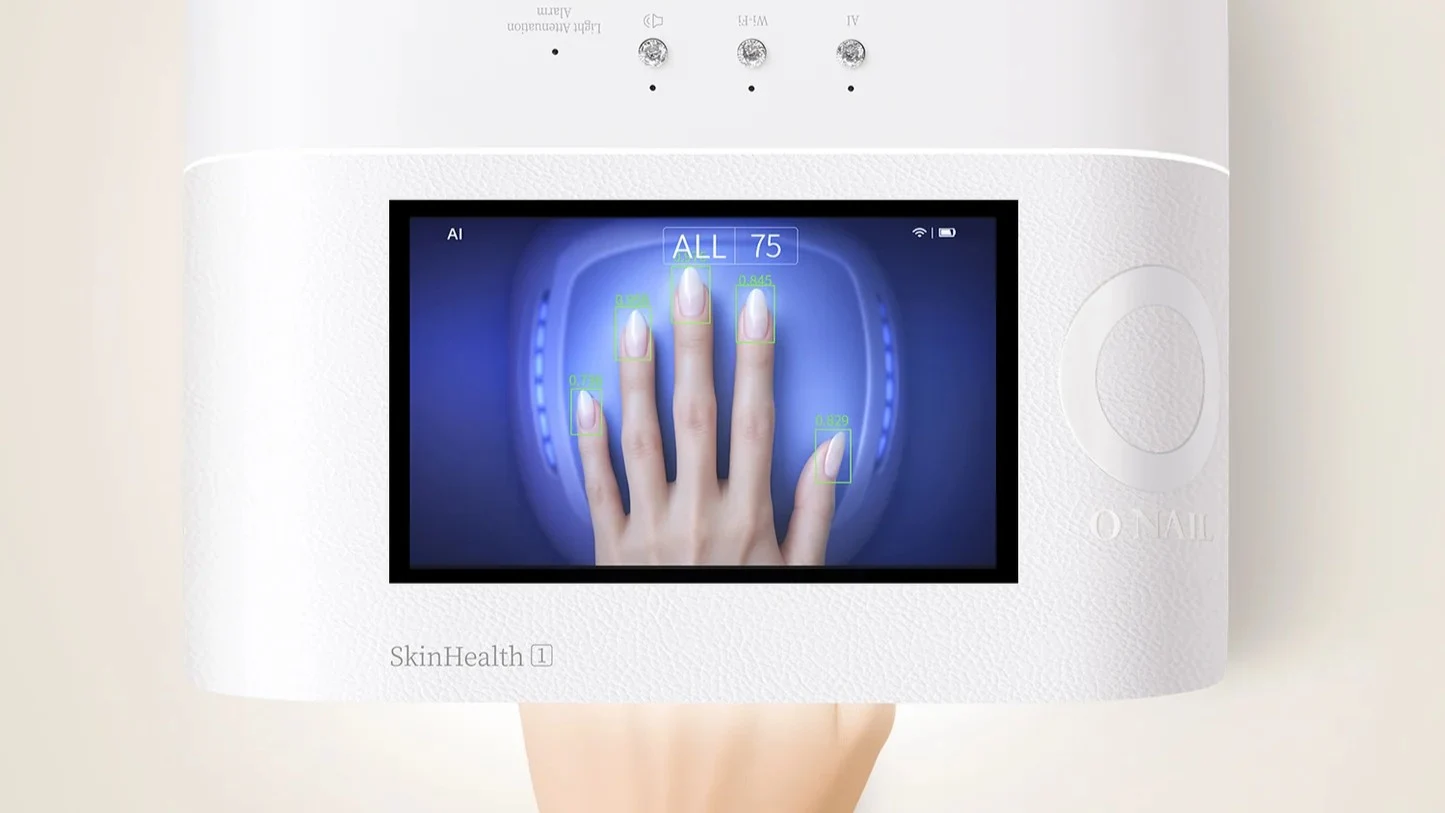
    For starters, the company claims it offers a more skin-friendly experience because the UV light is focused specifically on the nails. There’s a camera inside the lamp that, along with an AI processor, pinpoints where the nails are and only activates the LEDs around those nails that need curing. This targeted approach is a key selling point.

    Moreover, O Nail asserts that their product lasts longer since the LEDs don’t all turn on at once; they work in an alternating pattern. With 109 light sources, the lamp is said to cure nails faster than many competing products on the market.

    Pricing Details

    If you’re thinking about getting one, purchasing directly from O Nail will set you back about $230, at least with the ongoing discount that includes shipping. However, keep in mind that extra costs such as taxes and VAT could apply upon import.

    The Big Question

    This leads to an important question: Do we really need a UV lamp that uses artificial intelligence? The idea that it’s safer for your skin might not be as convincing as one would think. While nail lamps emit UV-A light—which is known to be unhealthy and potentially cancerous—this same type of light is also utilized in tanning salons but at much higher levels and for longer periods. Comparatively, the risk of developing skin cancer from using these nail lamps is considerably lower. For those who prefer to err on the side of caution but don’t want to shell out big bucks for the lamp, applying sunscreen to your hands before usage is a smart alternative. This simple step can significantly lower the risk without costing you too much.

    O Nail

    Source:
    Link


  • Nvidia’s New Chips Set to Surprise the World with Major Announcement

    Nvidia’s New Chips Set to Surprise the World with Major Announcement

    Key Takeaways

    1. Nvidia’s CEO Jensen Huang announced a new chip launch at the GPU Technology Conference (GTC) in March 2026, focusing on artificial intelligence rather than gaming graphics.
    2. Discussions on Reddit suggest the new chip may be part of the Vera Rubin generation, which is expected to utilize high bandwidth memory (HBM4) to enhance AI model efficiency.
    3. A recent meeting with SK Hynix highlights the importance of advanced memory technology, as HBM4 is crucial for AI accelerators in data centers.
    4. The success of the Rubin generation will depend not only on HBM4 but also on advanced packaging and integration techniques to connect the memory with the processor effectively.
    5. If introduced, the Rubin generation is likely to target data centers and large AI systems, shifting Nvidia’s focus further away from consumer gaming graphics cards.


    Nvidia’s CEO Jensen Huang recently revealed an upcoming chip launch at the GPU Technology Conference (GTC), which is scheduled for March 16 to 19, 2026, in San José. In a chat with the Korea Economic Daily, he hinted at processors that “will surprise the world.” Although Huang did not go into specifics about the new hardware, it’s evident that the emphasis will be on artificial intelligence, moving away from gaming or standard consumer graphics cards.

    Speculation on Reddit

    On Reddit, discussions about Nvidia’s big reveal are buzzing. A lot of users are betting on the new Vera Rubin generation being the frontrunner. Just before his interview with the Korea Economic Daily, Huang had a meeting with SK Hynix, a prominent memory manufacturer from South Korea. He referred to the meeting as a “celebratory dinner with the world’s leading memory semiconductor team.” SK Hynix stands out as a major supplier of high bandwidth memory (HBM) and is making strides in developing HBM4. High memory bandwidth and low latency are crucial for AI accelerators in data centers, meaning advanced HBM technology is vital for the next-gen AI hardware.

    The Importance of HBM4

    The Rubin generation is seen as Nvidia’s next big architecture for this area. Analysts in the industry predict that Rubin will utilize HBM4 at scale for the first time, aiming to remove bandwidth limitations and enhance large AI model efficiency. However, HBM4 is not the only important element. Advanced packaging and system-level integration also play a significant role. Often, the main challenge is not the memory chip itself but how effectively it connects to the processor. If Nvidia rolls out new integration techniques in this sector, the technological impact could be as game-changing as the shift to HBM4.

    Looking Ahead

    Given the timing of Huang’s interview, his meeting with SK Hynix, and the announcement of the major chip reveal, it seems that Rubin combined with HBM4 is the most likely scenario. Some analysts have mentioned possible Rubin derivatives, like specialized inference versions. Others are speculating about a sneak peek of the more distant Feynman architecture, though that is generally viewed as unlikely. One key takeaway for consumers is that, if Nvidia does introduce the Rubin generation, it will most likely target data centers and large AI systems instead of new gaming graphics cards. All signs point to Nvidia continuing its focus on AI infrastructure.

    Source:
    Link


  • Microsoft Pressures Candy Crush Team to Use AI After Job Cuts

    Microsoft Pressures Candy Crush Team to Use AI After Job Cuts

    Key Takeaways

    1. Microsoft has heavily invested in AI technology, impacting its gaming divisions, particularly King, the developer of Candy Crush, which experienced significant workforce reductions.
    2. King employees face a challenging work environment, with management making decisions without clear communication and recent job cuts affecting morale.
    3. The mandatory use of AI for daily tasks is causing stress among King employees, who worry that it may lead to further job losses.
    4. There are concerns about the quality and creativity of AI-generated content, with creators fearing it may replace skilled artists’ work.
    5. Analysts believe Microsoft is focused on cutting costs and increasing its commitment to AI, but employees are hesitant to embrace these changes.


    Microsoft has put a lot of money into AI technology, which has significantly affected its gaming divisions. One of the most impacted is King, the developer behind Candy Crush, which recently had a large reduction in its workforce. A report from Mobilegamer.biz reveals that Microsoft is encouraging its remaining staff to depend heavily on AI. However, with worries about more layoffs, employees are reluctant to adopt these new tools.

    A Difficult Work Environment

    The article highlights the challenging work conditions that King employees endure every day. The management frequently makes decisions without providing any explanation to the developers and artists involved. When Microsoft cut 200 jobs, many were selected without regard for their actual performance.

    AI’s Uncertain Role

    The mandatory use of AI adds more stress for the remaining employees at King. A source from Mobilegamer stated that the company expects “70 or 80% daily usage of AI for routine tasks.” This reliance on AI could lead to further job losses, especially for those who were instrumental in developing and training these technologies.

    King has enjoyed great success with mobile games like Candy Crush and Farm Heroes Saga. Nevertheless, this shift could endanger vital roles for developers, artists, and writers. Analysts believe that Microsoft aims to cut costs and bolster its commitment to the AI sector. However, the workers are not eager to accept these shortcuts.

    Concerns About Quality and Creativity

    Along with the fear of job loss, creators criticize the often subpar quality of output produced by these AI tools. Since the technology relies on a pre-existing database of codes and images, there is a risk of copyright violations as well.

    While AI tools like ChatGPT that streamline everyday office tasks might not be as controversial, gamers remain cautious about AI-generated content taking the place of skilled artists’ work. For instance, Microsoft’s Muse project uses generative AI to craft gaming experiences.

    Source:
    Link


  • Dnsys Z1 Knee Exoskeleton Enhances Daily Mobility and Movement

    Dnsys Z1 Knee Exoskeleton Enhances Daily Mobility and Movement

    Key Takeaways

    1. Dnsys launched a Kickstarter campaign for the Z1 knee exoskeleton, designed to enhance mobility for walking, hiking, and sports, and is waterproof for all weather conditions.
    2. The Z1 is priced similarly to a smartphone, thanks to skilled manufacturing and advanced algorithm development, making it affordable for everyday users.
    3. Developed based on user feedback, the Z1 aims to address the demand for knee support and has already raised $1 million in ten days on Kickstarter.
    4. The exoskeleton features a lightweight design with a custom motor that provides powerful assistance, allowing users to navigate various terrains and carry loads with ease.
    5. The Z1 includes safety features like fall detection, a quick-release battery system, and is easy to maintain, with removable covers for washing and a durable design suitable for diverse environments.


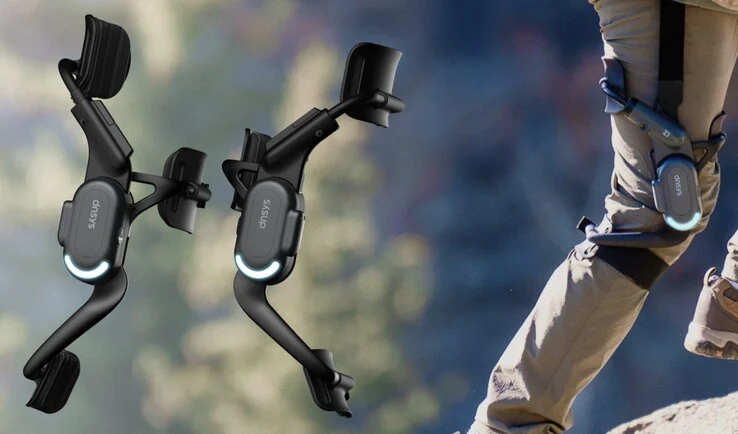
    Dnsys has kicked off a Kickstarter campaign for its innovative Z1 knee exoskeleton, designed to strap to the upper thigh and lower calf. This device aims to enhance mobility for everyday users when walking, hiking, or engaging in sports activities. Notably, the Z1 is waterproof, making it suitable for use in both rain and snow. The company has invested three years into research and development, gathering over 1,500 hours of motion data to perfect the AI Neutral Motion Engine that governs the exoskeleton’s operation.

    Interview Insights

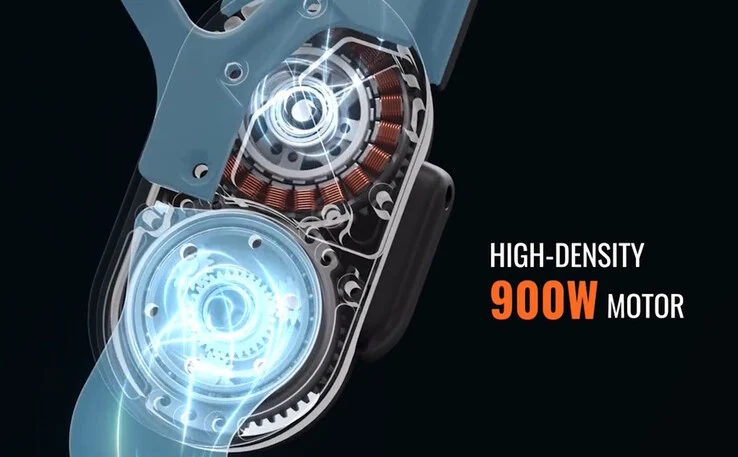
    In an interview with co-founder Jojo Li and marketing head Nick Tang (quotes were slightly modified for clarity), Jojo emphasized their goal of creating an affordable device priced similarly to a new smartphone. They achieved this by leveraging their skilled manufacturing team in Shenzhen, a city recognized for its technological production capabilities, along with top-tier algorithm developers in Beijing. The Z1 features a custom-made DNA-1 motor, drawing on expertise from the company’s medical-grade models.

    Company Background

    The name Dnsys stands for “dynamic system,” indicating a system that evolves over time. The founding team has experience at well-known companies like DJI, Segway, and Xiaomi, bringing valuable knowledge from the commercial and consumer product sectors. Jojo shared her motivation for joining the startup, stating, “It’s crucial to leverage technology to improve people’s mobility. Everyone ages, and we need to enhance our human abilities through technology, especially for our parents and grandparents.”

    The earlier Dnsys-H1 hip exoskeleton received medical approval in China and has been used in more than ten hospitals to aid hundreds of patients with their walking patterns. This was followed by the X1 hip exoskeleton, aimed at consumers without medical functionalities. The new Z1 was developed based on customer feedback, addressing a demand for knee support.

    User-Centric Development

    Jojo explained, “The Z1 was influenced by our users from the X1 community. Many expressed a desire for a knee exoskeleton, and doctors echoed this need in 2021. The Z1 has successfully raised $1 million on Kickstarter within just ten days.” While other companies like Skip are planning to release knee exoskeletons, Nick highlighted their competitive edge, saying, “Among all these market competitors, I believe ours is the most advanced. The Z1 is unique as knee exoskeletons are inherently more challenging to develop than hip ones.” The Z1 is expected to ship in November 2025, whereas Skip’s knee exoskeleton will debut in 2026 at five times the cost. Additionally, users can wear the Z1 and X1 together for enhanced mobility.

    The Dnsys Z1 weighs 1.5 lbs. (680 g) per leg for the standard aluminum-carbon fiber version, while the pro titanium-carbon fiber version weighs 1.4 lbs. (640 g) per leg. Prototypes have been tested with users weighing up to 230 kg, as reported by Jojo.

    Innovative Engineering

    The lightweight nature of the Z1 is attributed to the company’s custom DNA-1 motor design, which allows for a more powerful and lighter exoskeleton compared to competitors using standard motors. Each unit is equipped with a motor that delivers 450 watts of peak power to assist with knee bending, redistributing the strain from the upper thigh around the knee to the lower leg.

    The assistive torque and strain redistribution can provide a lift equivalent to 20 kg when ascending stairs and can alleviate the pressure of a 35 kg backpack on the knees, according to Jojo. The specific level of assistance will depend on factors like the individual’s physique, fitness level, terrain, and load. Users can utilize the Dnsys app to track health data, including step counts and adjust settings.

    Cost-Effective Solutions

    To keep costs low, Dnsys optimized the Z1 control system by performing complex AI training and data processing in the cloud. Jojo explained, “We lighten the load on our processor, making our components more affordable. This approach enables us to offer a product at a reasonable price while maintaining quick processing speeds.” Consequently, the Z1 can operate using a low-speed 240 MHz dual-core processor while still achieving a reaction time of 0.01 seconds.

    Test users have reported enjoying activities like basketball, skiing, and even attempting backflips, although this last activity is not recommended for safety reasons. Jojo added, “Many people have said they feel natural when walking, navigating stairs, or traversing various terrains. The system adapts rapidly and effectively to users.”

    Battery Life and Safety Features

    The system boasts a runtime of up to three hours for a single leg unit, four hours for the standard dual-leg model, and up to eight hours for the pro dual-leg version. For context, a healthy individual typically walks a mile in about 15 minutes or hikes a mile in 20 to 60 minutes. The exoskeleton supports regenerative charging while going downhill.

    The Z1 includes built-in fall detection that automatically disengages the motors when a fall or unusual movement, like a backflip, is detected. This feature allows users to move their legs freely without being immobilized.

    According to Nick, Dnsys sources its lithium batteries from a reputable manufacturer that meets all safety standards. The battery packs are secured to a waist-worn belt, enabling quick removal in emergencies, with Nick noting, “You can take it off in less than three seconds.” The low-power processor ensures the exoskeleton remains cool during use, and the Z1 is operable in temperatures ranging from -20 °C to 60 °C.

    Maintenance and Future Goals

    The exoskeleton’s body contact points have removable fabric covers for easy washing, and its IP54-rated body can be sanitized with disinfecting wipes.

    Dnsys is already leveraging AI tools to enhance development while ensuring manageable working hours. Jojo remarked, “Our company stands out from others because we all were born after 1990, making us adept at utilizing AI tools to improve our product.”

    Unlike competitors such as the Wandercraft Atalante X, which allows paralyzed individuals to walk, Jojo aspires for everyone to benefit from their exoskeletons. She stated, “Dnsys aims to transform exoskeletons into wearable technology that people genuinely want to use. We envision exoskeletons as comfortable and familiar as your favorite sportswear or running shoes.”

    Source:
    Link


  • Hisense 2025 ULED TVs: AI, 165Hz, Dolby Vision Gaming & More

    Hisense 2025 ULED TVs: AI, 165Hz, Dolby Vision Gaming & More

    Key Takeaways

    1. Hisense launched its ULED TV lineup for 2025, featuring U6, U7, U8, and U9 series with over 100-inch screen options, catering to various audiences and budgets.

    2. The new ULED series includes advanced AI technology, with the U9 series using the Hi-View AI Engine X to enhance picture quality, contrast, and motion clarity in real time.

    3. Key enhancements include improved local dimming, Quantum Dot technology, and AI-driven features that elevate the viewing experience, particularly for gamers with refresh rates up to 165Hz and support for Dolby Vision Gaming.

    4. The U8 series achieves peak brightness of up to 5000 nits and includes Dolby Vision, HDR10+, and an 82W Dolby Atmos sound system, while the U7 series targets gamers with MiniLED Pro technology and Game Mode features.

    5. The 2025 ULED lineup supports HDMI eARC, Wi-Fi 6E, and smart home integration, with pricing for the U9 series starting at $2,999 for the 75-inch model and $3,999 for the 85-inch model, set to launch later this year.


    Hisense has launched its ULED TV lineup for 2025, which includes the U6, U7, U8, and U9 series, now offering more than 100-inch screen options. The latest models are designed to enhance picture quality and performance, catering to movie lovers, gamers, and sports fans across a variety of price points.

    Advanced AI Technology

    The 2025 ULED series is equipped with AI-driven features that automatically optimize the visual experience. The U9 series utilizes the Hi-View AI Engine X, found in the ULED X models, while the U7 and U8 series are powered by the Hi-View AI Engine Pro. These processors work to improve contrast, color precision, and motion clarity in real time, ensuring a better viewing experience.

    Notable Enhancements

    This year’s improvements feature better local dimming and Quantum Dot technology, leading to richer blacks, vibrant colors, and enhanced brightness. For gamers, the TVs come with AI-driven motion processing, refresh rates up to 165Hz, and support for Dolby Vision Gaming. Additionally, AI-enhanced audio processing elevates the Dolby Atmos sound experience.

    Series Specifications

    The U9 series now includes a new 65-inch model alongside the existing 75 and 85-inch variants, leveraging the Hi-View AI Engine X for optimal brightness, contrast, and color. Among its many features are AI 4K Upscaler, AI Super Resolution, AI Noise Reduction, AI Local Dimming, AI HDR Upscaler, and AI Depth Enhancer. The series boasts a higher peak brightness, an Ultra LR panel to minimize reflections, and a wider viewing angle. Audio capabilities incorporate CineStage X Surround, Dolby Atmos, and DTS Virtual X, offering a 4.1.2 or 5.1.2 multi-channel sound experience.

    The U8 series, powered by the Hi-View AI Engine Pro, delivers excellent picture quality, smooth motion, and captivating audio. It can achieve peak brightness levels of up to 5000 nits, with expanded local dimming and Quantum Dot tech. A 165Hz refresh rate, MEMC, and quick response times are also part of the package. Visual enhancements like Dolby Vision, Dolby Vision IQ, HDR10+, and IMAX Enhanced, paired with an 82W Dolby Atmos 4.1.2 multi-channel sound system, ensure an immersive experience.

    Targeting Gamers and Sports Fans

    The U7 series is designed with gamers and sports enthusiasts in mind, featuring MiniLED Pro technology and offering a 165Hz refresh rate. It includes features such as 165Hz Game Mode Ultra, Game Booster 288 Hz, VRR, ALLM, Dolby Vision Gaming, and FreeSync Premium Pro. Also, it comes with an AGLR-Antiglare low reflection panel and upgraded Dolby Atmos audio, providing 60W 2.1.2 multi-channel sound.

    The U6 series makes MiniLED technology accessible at lower price points, integrating Fire TV and Alexa Voice Remote. Its features include Dolby Vision, Dolby Atmos with a 2.1 built-in subwoofer, HDR10+ Adaptive, ALLM, VRR, a 144Hz refresh rate, Game Mode Pro, FreeSync Premium, and Wi-Fi 6 capabilities.

    Pricing and Release Information

    All models support HDMI eARC, Wi-Fi 6E, and are compatible with Amazon Alexa, Google Assistant, and Apple HomeKit. The 2025 ULED lineup is set to launch later this year, offering large-screen entertainment with multiple performance options suitable for different budgets.

    The U9 series will be available in a new smaller 65-inch size, along with 75-inch and 85-inch options. Reports have indicated that the prices for the 75-inch and 85-inch models will be $2,999 and $3,999 in the US, respectively. While the launch is anticipated later this year, Hisense has yet to specify an exact release date.

    Source:
    Link


  • Apple Watches Set to Evolve into AI Wearables with Cameras

    Apple Watches Set to Evolve into AI Wearables with Cameras

    Key Takeaways

    1. Apple is developing upcoming Apple Watch models with integrated cameras to enhance AI capabilities.
    2. The cameras will allow the smartwatch to provide contextual insights by “seeing the outside world.”
    3. Different camera placements are being considered: in-display for standard models and side-mounted for the Ultra model.
    4. Apple’s Visual Intelligence technology, currently exclusive to iPhones, will support the new AI features in future Apple Watches.
    5. AI-enhanced Apple Watches are expected to be released no earlier than 2027 as the technology is still being refined.


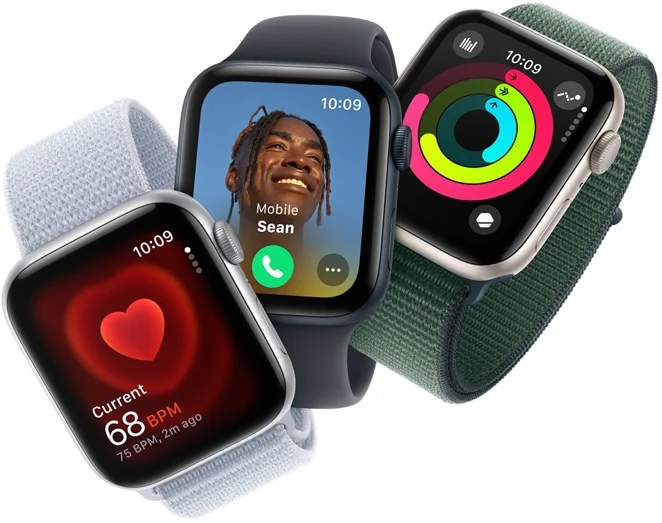
    Apple is said to be working on upcoming Apple Watch versions that will have cameras. The goal is to transform the device into a more sophisticated AI-driven gadget. As reported by Mark Gurman from Bloomberg, integrating cameras will allow the smartwatch to “see the outside world” and provide contextual insights using AI. This initiative aligns with Apple’s larger plan to enhance its Visual Intelligence technology. Currently, Apple utilizes external AI models like ChatGPT and Google, but it plans to shift towards developing its own solutions.

    Camera Placement Strategies

    Gurman revealed that Apple is considering various camera placements for both the standard and Ultra Apple Watch models. For the regular version, the camera might be integrated into the display, similar to the design of an iPhone. On the other hand, the Ultra model would have a camera positioned on the side, near the digital crown and button. This design takes advantage of the Ultra’s bigger size, making it more convenient for users to aim the camera at objects for scanning.

    Visual Intelligence Technology’s Role

    As previously noted, Apple’s Visual Intelligence technology, which will support these new AI capabilities, is essential to these developments. Right now, this tech is exclusive to iPhones. However, Gurman has indicated that Apple intends to bring this technology to future devices, including the Apple Watches we’ve mentioned, along with the anticipated camera-equipped AirPods.

    If you’re eager to get an AI-enhanced Apple Watch, you’ll need to hold off until at least 2027. Apple’s AI teams are still in the process of fine-tuning the technology, which could take some time.

    Source:
    Link

  • Lenovo Yoga Pro 9i Aura Edition: 3.2K OLED & RTX 5070 Unveiled

    Lenovo Yoga Pro 9i Aura Edition: 3.2K OLED & RTX 5070 Unveiled

    Key Takeaways

    1. Upgraded 16-inch 3.2K PureSight Pro tandem OLED display with 1,600 nits brightness and full color gamut coverage for creative professionals.
    2. Powered by Intel Core Ultra 9 285H CPU and Nvidia GeForce RTX 5070 GPU, supporting high-performance multitasking and gaming.
    3. Integrated AI features enhance workflows for audio, video, and photo editing, along with Lenovo’s own optimization tools.
    4. Extensive connectivity options, including Wi-Fi 7, Bluetooth 5.4, multiple USB ports, and an SD card reader.
    5. Expected release in June 2025, starting at €1,699, available in Tidal Teal and Luna Grey color variants.


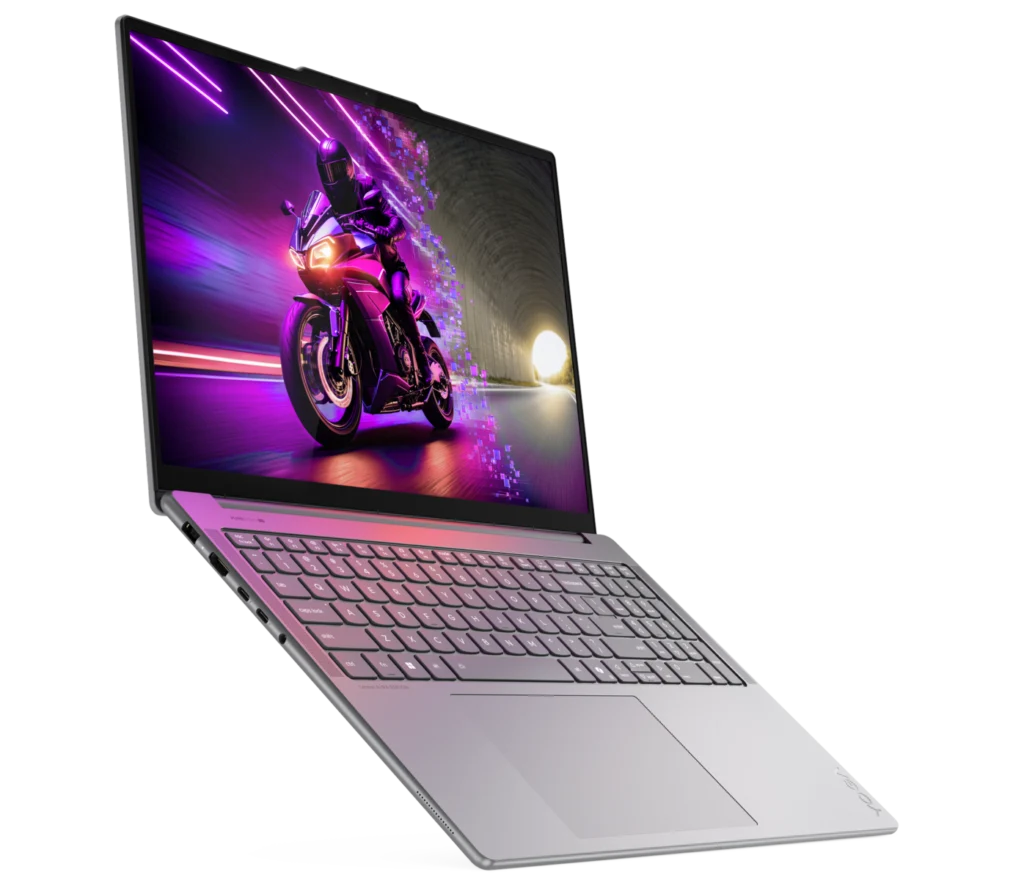
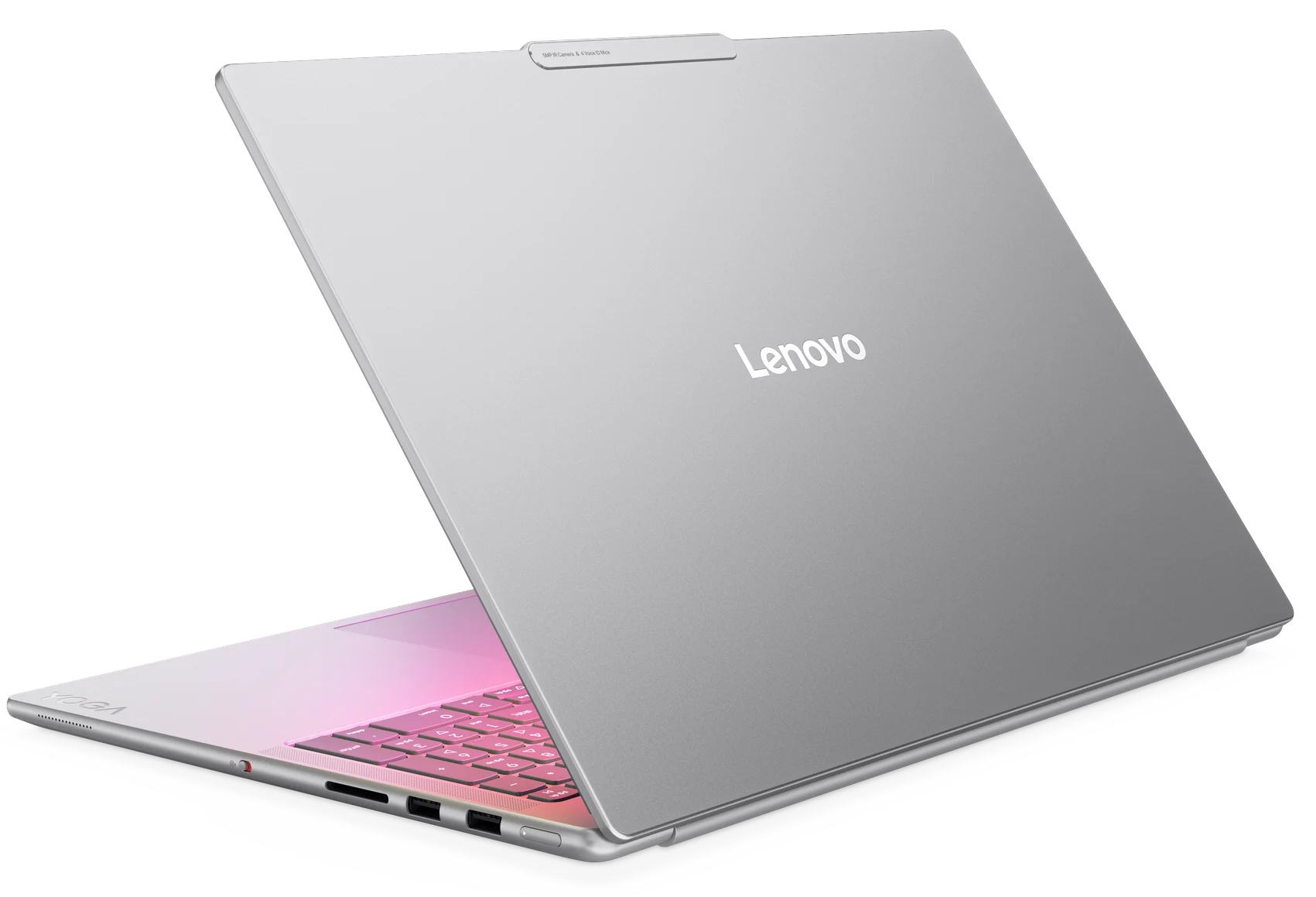
    Lenovo has introduced the upgraded Yoga Pro 9i Aura Edition at MWC 2025, showing off major enhancements in display technology, performance, and AI features. This latest model includes a 3.2K PureSight Pro tandem OLED display, an Intel Core Ultra 9 285H Arrow Lake-H CPU, and an Nvidia GeForce RTX 5070 Laptop GPU. The Yoga Pro 9i Aura Edition is designed as a high-performance device that utilizes AI to boost productivity and creativity.

    Display and Performance Highlights

    The Yoga Pro 9i Aura Edition is equipped with a 16-inch 3.2K PureSight Pro tandem OLED display that has a resolution of 3,200 x 2,000 pixels. It reaches a peak brightness of 1,600 nits and is certified for Dolby Vision HDR and VESA DisplayHDR True Black 1000. This display covers 100% of the sRGB, Display P3, and Adobe RGB color gamuts, making it perfect for creative professionals. For those who like interactive screens, a touchscreen version is also offered.

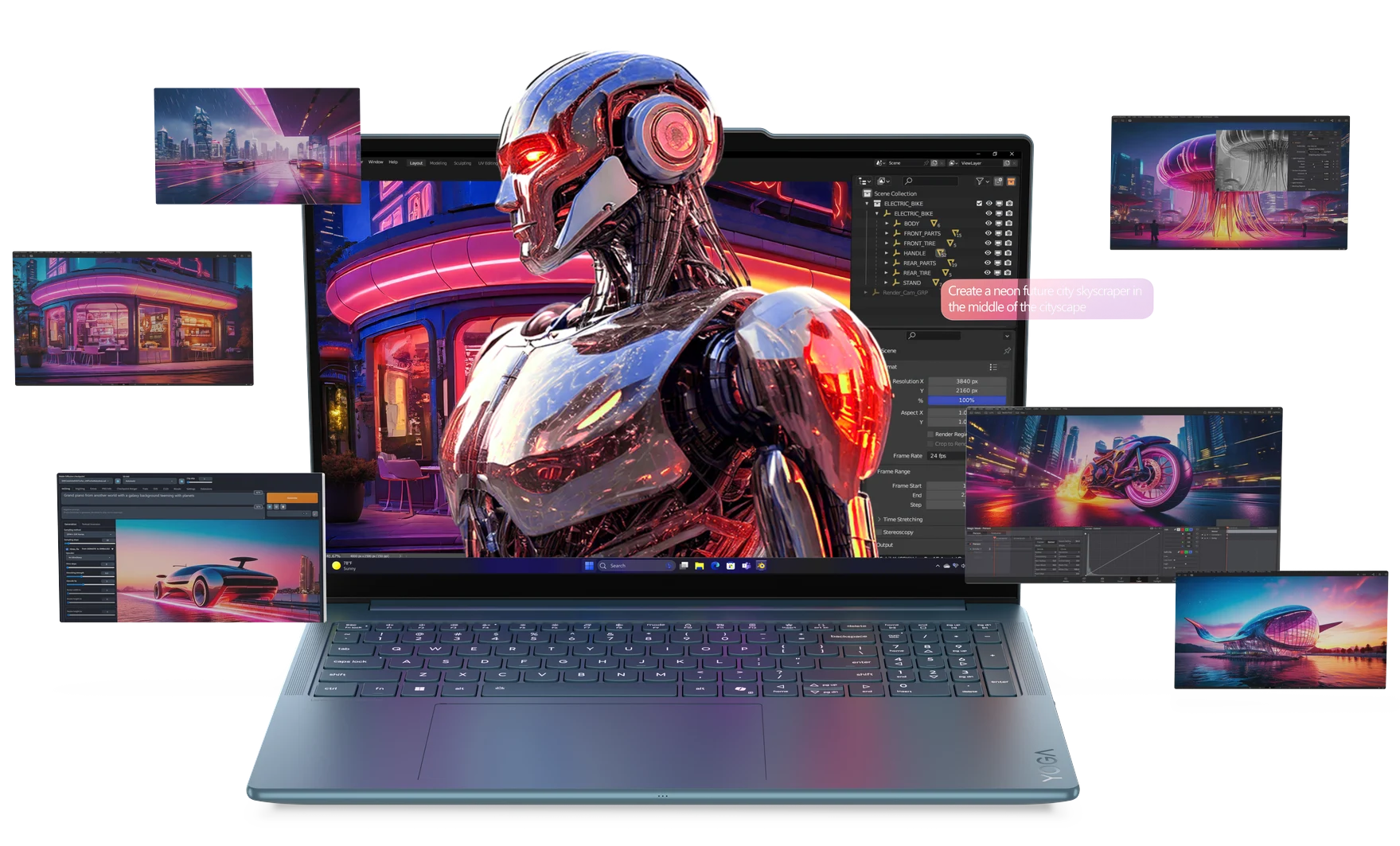
    As a Copilot+ PC, the Yoga Pro 9i Aura Edition integrates AI into different applications. This allows it to enhance workflows for audio, video, and photo editing. However, the manufacturer has to continue developing these AI features. Lenovo has already added some of its own AI tools like Lenovo Creator Zone and Lenovo X Power, which optimize performance and cooling. The laptop achieves a total of 130W TDP from its CPU and GPU, ensuring seamless multitasking and gaming experiences.

    Internal Specs and Features

    Inside, the device runs on the Intel Core Ultra 9 285H Arrow Lake-H CPU and can be equipped with up to 64GB of LPDDR5X-7467 RAM and 1TB of PCIe NVMe storage. The graphics are powered by the Nvidia GeForce RTX 5070 Laptop GPU with 8GB of GDDR7 VRAM, enabling it to manage demanding creative and gaming tasks effortlessly. Additionally, the Yoga Pro 9i Aura Edition features a 5MP webcam for quality video calls and a six-speaker Dolby Atmos system (comprising 2x 2W tweeters and 4x 2W woofers) for an immersive audio experience.

    Connectivity, Pricing, and Release Details

    The connectivity options are extensive, including Wi-Fi 7, Bluetooth 5.4, 2x USB4 Type-C ports, 1x HDMI 2.1, 2x USB 3.2 Gen1 Type-A ports, an SD card reader, and a 3.5mm combo audio jack. The laptop also has an 84WHr battery, providing power throughout the day.

    This powerful device is expected to launch in Tidal Teal and Luna Grey color variants starting June 2025, with a starting price of €1,699. This high-end laptop stands out for those looking for a mix of performance, aesthetics, and AI-driven advancements.

    Source:
    Link


  • Acer Nitro V 16: AI Gaming with Ryzen 7 8845HS, RTX 4060 Launch

    Acer Nitro V 16: AI Gaming with Ryzen 7 8845HS, RTX 4060 Launch

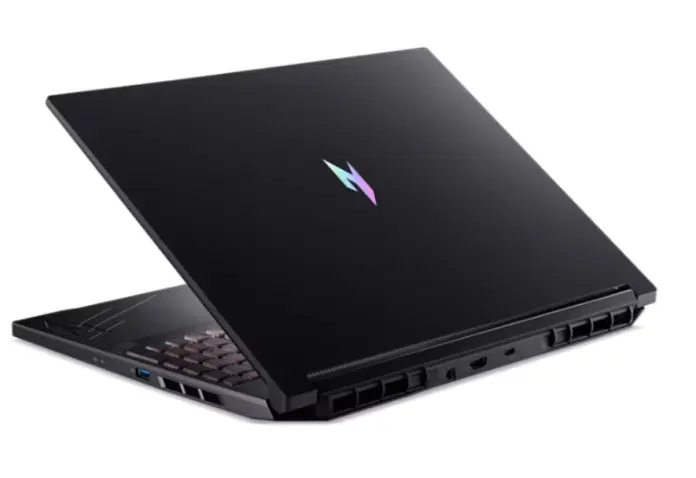
    Acer has just expanded its lineup in India with the launch of a new gaming laptop that combines robust specifications with artificial intelligence. The Nitro V 16 AI, initially revealed in December 2023, has now been officially released in the Indian market. It targets casual gamers, providing them with impressive hardware capabilities.

    Acer Nitro V16 AI: Unique Features

    The Nitro V 16 is crafted for smooth gaming and streaming experiences, leveraging the power of AI (Artificial Intelligence). It features Copilot, an AI tool designed to enhance productivity. Additionally, AI is integrated into Acer’s proprietary Purified Voice 2.0, which functions as a noise-canceling tool for clearer audio. Users can adjust the AI settings through Acer’s Quick Panel.

    Key Specifications

    The Nitro V 16 boasts a 16-inch display available in WQXGA or WUXGA options, equipped with a 165Hz refresh rate, a 3ms response time, and a 16:10 aspect ratio. It is powered by up to an AMD Ryzen 8845HS processor and an Nvidia GeForce RTX 4060 GPU supporting DLSS 3.5. The device is further strengthened by 16GB of DDR5 5600MHz RAM and a 1TB SSD.

    A 59Wh battery pack powers the laptop, charging through a 135W adapter. The Nitro V 16 AI comes with Windows 11 Home OS pre-installed. Additional noteworthy features include WiFi 6E, Bluetooth 5.3, a quad intake and exhaust design, dual speakers with DTS Ultra audio, a MUX switch, a backlit keyboard, a weight of 2.5 kilograms, and a Microsoft Precision certified touchpad.

    Pricing and Availability

    Acer has introduced the new gaming laptop in a single black color variant. The Nitro V 16 AI starts at a price of 109,999 INR (approximately 1,313 US Dollars). It is available for purchase at Acer’s exclusive stores and on Flipkart beginning today.

    Acer Nitro V 16: AI Gaming with Ryzen 7 8845HS, RTX 4060 Launch