
Tag: wearable devices

  • Huawei AI Glasses with 12MP Camera, 12-Hour Battery & 3 Designs

    Huawei AI Glasses with 12MP Camera, 12-Hour Battery & 3 Designs

    Key Takeaway

    1. Huawei AI Glasses feature an upgraded titanium alloy design for better comfort and resistance, weighing approximately 35.5 grams.
    2. They are powered by a proprietary dual-engine AI chip with built-in assistant, voice recognition, and noise filtering capabilities.
    3. The glasses include a 12MP camera with HDR, AI RAW, stabilization, and support for high-quality image and video capture, with automatic upload and preview features.
    4. Additional features comprise contactless payments, smart home control, live translation, enhanced audio, improved connectivity, and a 258mAh battery offering up to 12 hours of use.
    5. Pricing ranges from around $367 to $425, with pre-orders available before the April 25 release.

    Introduction of Huawei AI Glasses

    Alongside their latest smartphones and smartwatches, Huawei has unveiled a new piece of wearable tech, the Huawei AI Glasses, at its recent Pura mega launch event. Think of these glasses as a next-gen version of the Huawei Smart Glasses 2, which they released last year. The new design and features make them stand out in the market of smart eyewear.

    Design and Build Quality

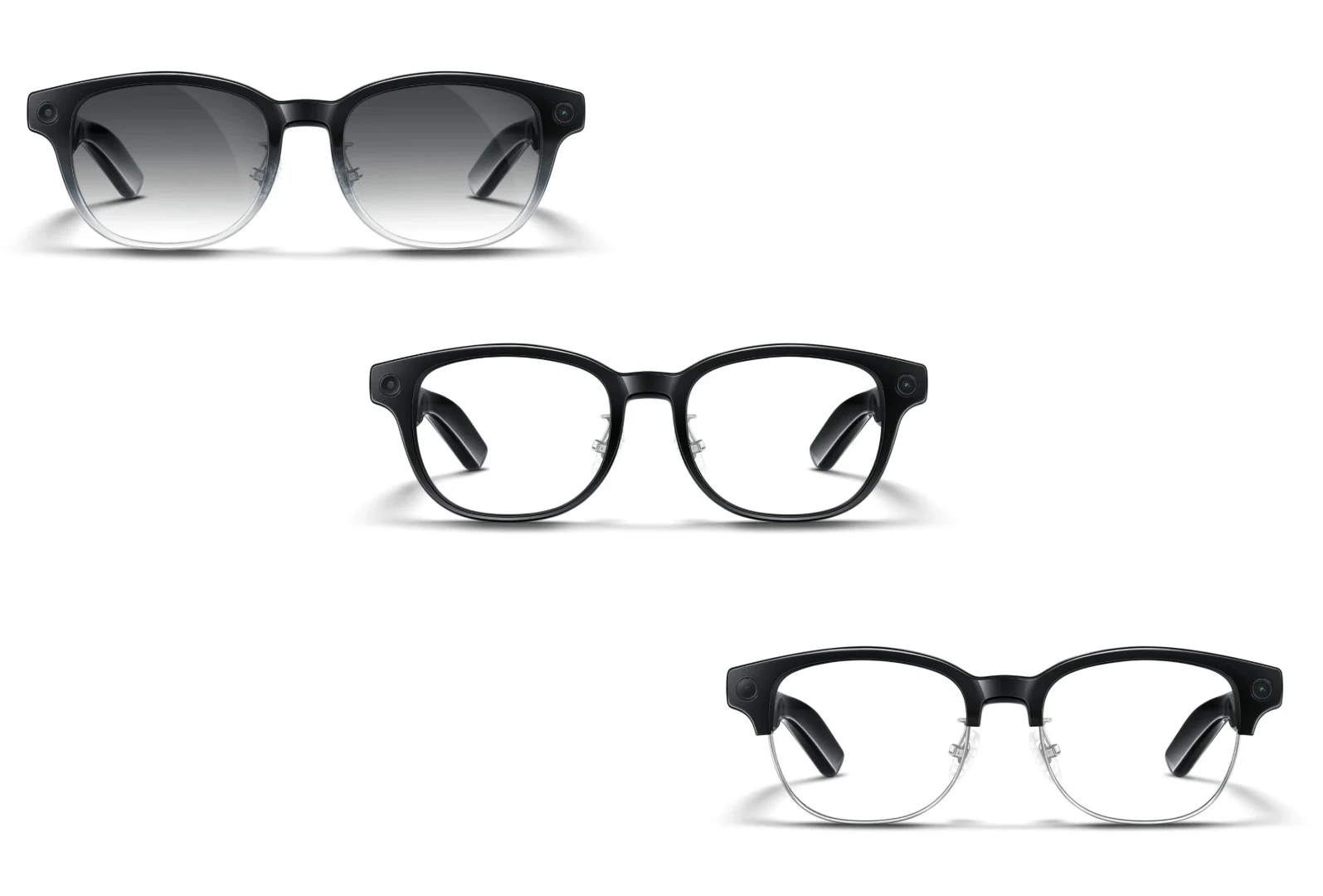
    They’ve upgraded the overall look, using a titanium alloy for the frame which is both lightweight and durable. Huawei has put effort into the weight distribution so they are more comfortable to wear for longer periods, weighing only about 35.5 grams. The temples of these glasses are quite thin, at just 6.25 millimeters thick, making them sleek. Also, with an IP54 rating, these glasses are dust and water resistant, so sweat or light rain won’t damage them.

    Variants and Aesthetic Options

    The Huawei AI Glasses come in three different styles to match personal preferences. The Titanium Silver Gray variant features a semi-rimless design, giving a semi-open look. Meanwhile, the Shimmering Silver option has a classic full-rim sunglasses frame, and the Modern Black is a full-rim optical style. These choices make the device versatile for different fashion tastes.

    Power and Processing Capabilities

    The core of these glasses is a brand-new AI chip with a dual-engine setup. This dual processing system manages the AI functionalities smoothly. Users can activate the AI assistant by voice or a dedicated button. Remarkably, it can recognize voices even when there’s a lot of background noise, and it can pick up quiet speech at just 47dB, making it highly effective in busy environments.

    Camera and Imaging Features

    The smart glasses pack a 12MP camera with a 1/2.8 sensor, capable of recording videos at 1920 x 1440 resolution at 30fps. They can also take high-resolution images of up to 4092 × 3072 pixels. Huawei introduces HDR Vivid Standard support, the first time for AI smart glasses, along with AI RAW support for sharper images. The device can automatically correct tilted shots and stabilizes images with Electronic Image Stabilization (EIS). The low-light mode enables better shots in dark settings.

    Connectivity and Additional Functionalities

    Captured media files are automatically uploaded to the connected smartphone’s gallery, and users can preview images on their smartwatches. You can easily switch between the glasses’ camera and your phone’s camera during live streams. Besides photography and video, the glasses also support contactless payments, smart home controls, and live translation. Huawei enhanced the speakers using its Histen algorithm for crystal-clear audio, and the triple-microphone array boosts sound pickup accuracy. Improved antenna design ensures faster Wi-Fi, better signal stability, and resistance to interference, even in dense areas.

    Battery, Storage, and Pricing

    The glasses house a 258mAh battery, offering up to 12 hours of usage on a single charge. A full charge takes just 45 minutes, thanks to the magnetic charging connector that can be used while charging. Storage is ample with 64GB built-in, perfect for saving photos and videos. The device supports Bluetooth 6.0, Wi-Fi 6, Bluetooth Multipoint, touch controls, and wear detection. Pricing varies: the Titanium Silver Gray and Modern Black are priced at CNY 2499 (~$367/€311), while Shimmering Silver costs CNY 2899 (~$425/€361). Pre-orders are open, with official release happening on April 25.

    Sources
  • Huawei Unveils New Wearables: Watch 4 Pro Space Exploration, Watch GT 4 Grass Green & Band 9

    Huawei Unveils New Wearables: Watch 4 Pro Space Exploration, Watch GT 4 Grass Green & Band 9

    Huawei recently unveiled three wearable gadgets on their official Weibo page: The Huawei Watch 4 Pro Space Exploration, Huawei GT 4 in Grass Green and Huawei Band 9.

    Huawei Watch 4 Pro Space Exploration

    Tomorrow will see the official debut of two wearable devices designed specifically to commemorate space exploration: Huawei Watch 4 Pro Space Exploration stands out with its design inspired by deep space travel; an official teaser video was recently released for this watch.

    This watch comes equipped with a sapphire glass display and durable exterior made of "ultra-tough diamond-like titanium," as well as an ultra-microcrystalline ceramic bezel to add both durability and premium appeal. In addition, its micro health check software and UWB Touchless Car Key capabilities make this watch ideal for everyday life; unfortunately they’re exclusive to Wenjie M9/Wenjie M7 models after an OTA update but won’t work with iOS devices.

    Huawei Watch GT 4

    Now available in an all new Grass Green color variant, Huawei’s Watch GT 4 smartwatch boasts an extended 14 day battery life, over 100 fitness tracker options (over 100 sports!) and advanced health monitoring features like sleep tracking, heart rate monitoring and SpO2 levels monitoring. Furthermore, this AMOLED display with customizable watch faces, precise GPS and Bluetooth calling abilities as well as HarmonyOS 4.0 operating software is fully compatible with both Android and iOS devices allowing for multiplatform compatibility and seamless compatibility when connected.


    Huawei Unveils New Wearables: Watch 4 Pro Space Exploration, Watch GT 4 Grass Green & Band 9

    Huawei Band 9

    New to Huawei’s wearable devices is the Huawei Band 9, an intelligent band designed for people interested in health monitoring. Officially launched globally last month, this band represents its company’s expansion in wearable devices.

    Huawei plans to create extra excitement by hosting five nights of live streams for five consecutive nights, each covering one of Huawei’s product categories – starting off with wearable products on April 8th at 7.00 PM for unveiling three devices!

    Tomorrow at 10:08 AM, pre-orders of these wearables will become available via all channels in China, with an official sales launch set for April 12th at the same time.


    Huawei Unveils New Wearables: Watch 4 Pro Space Exploration, Watch GT 4 Grass Green & Band 9
  • DSCC Forecasts Wearables to Lead MicroLED Market

    DSCC Forecasts Wearables to Lead MicroLED Market

    Forecast Analysis of the MicroLED Market

    Summary

    Display Supply Chain Consultants (DSCC), a renowned research entity specializing in display industry evaluation, has unveiled an extensive forecast analysis concerning the MicroLED market. The forecast anticipates substantial growth and transformative market dynamics by the year 2028, elucidating emerging patterns and obstacles within the realm of MicroLED displays.

    MicroLED’s Ascendancy in Wearable Technologies

    The advent of MicroLED technology is poised to revolutionize the display landscape owing to its superior characteristics relative to traditional LED displays. MicroLED displays boast enhanced energy efficiency, diminished risk of burn-in, and prolonged longevity. By virtue of their pixel-level light sources, MicroLED displays deliver heightened contrast, accelerated response rates, and a gamut of vibrant hues, rendering them particularly suitable for devices necessitating top-tier display functionalities.

    Prognosticated Market Expansion

    DSCC foresees a burgeoning MicroLED market, surging to a value of $1.46 billion by 2028. This expansion is largely anticipated to be propelled by the integration of MicroLED technology in wearable gadgets such as smartwatches, AR glasses, and automotive screens. Wearables, characterized by compact screen dimensions and lower pixel densities, offer a conducive environment for MicroLED displays, thereby circumventing challenges associated with meager production yields in larger display formats.

    Impediments and Foreseen Innovations

    Notwithstanding its promise, the MicroLED market is confronted with impediments. The sluggish adoption of AR/VR applications and plausible setbacks in anticipated products like Apple’s MicroLED smartwatch have necessitated adjustments in DSCC’s projections. The inaugural MicroLED smartwatch, targeting the upscale market segment, is anticipated to debut next year, albeit the identity of the manufacturer remains undisclosed.

    Major Players and Strategic Blueprints

    Apple emerges as a pivotal entity in this evolving landscape. The company is poised to unveil its first Apple Watch (Ultra variant) furnished with a microLED display screen in the autumn of 2025, with large-scale manufacturing slated to commence in early 2026. Furthermore, Apple is strategizing to transition its Vision Pro headset from micro-OLED to MicroLED technology. Samsung, too, is charting its course by integrating Micro LED displays in its smartwatch lineup, potentially commencing with the "Galaxy Watch Ultra," with the overarching objective of displacing OLED technology within a span of a year.

    Optimistic Prognosis for the iPhone 15 Series

    DSCC’s evaluation portends a buoyant outlook for Apple’s iPhone 15 series, marked by a notable upswing in panel dispatches vis-à-vis antecedent iterations. The iPhone 15 Pro variants have garnered escalating popularity, clinching a commanding 71% stake in overall panel shipments. The escalated base price of the iPhone 15 Pro Max alongside consumers’ penchant for higher-capacity iterations have catalyzed a 5% uptick in the Average Selling Price (ASP) for the iPhone 15 series.