Category: Wearables

  • Citizen Titanium Watch Limited-Edition Blue Washi Dial

    Citizen Titanium Watch Limited-Edition Blue Washi Dial

    Key Takeaway

    – Citizen launched the first light-powered analog watch in 1976, pioneering Eco-Drive technology that eliminates battery changes.
    – The new limited edition AQ4094-58L features a blue washi paper dial, which is semi-transparent to allow light to reach the solar cells.
    – Limited to 400 pieces worldwide, it is powered by the Caliber A060 movement, accurate to ±5 seconds per year with a perpetual calendar until 2100.
    – The case and bracelet are made from Super Titanium with Duratect hardening, weighing only 87.7 g despite a 40 mm case.
    – Priced at approximately $4,200 USD, it includes a 5-year warranty and 10 bar water resistance.


    Five decades ago, Citizen changed perceptions of watch batteries.

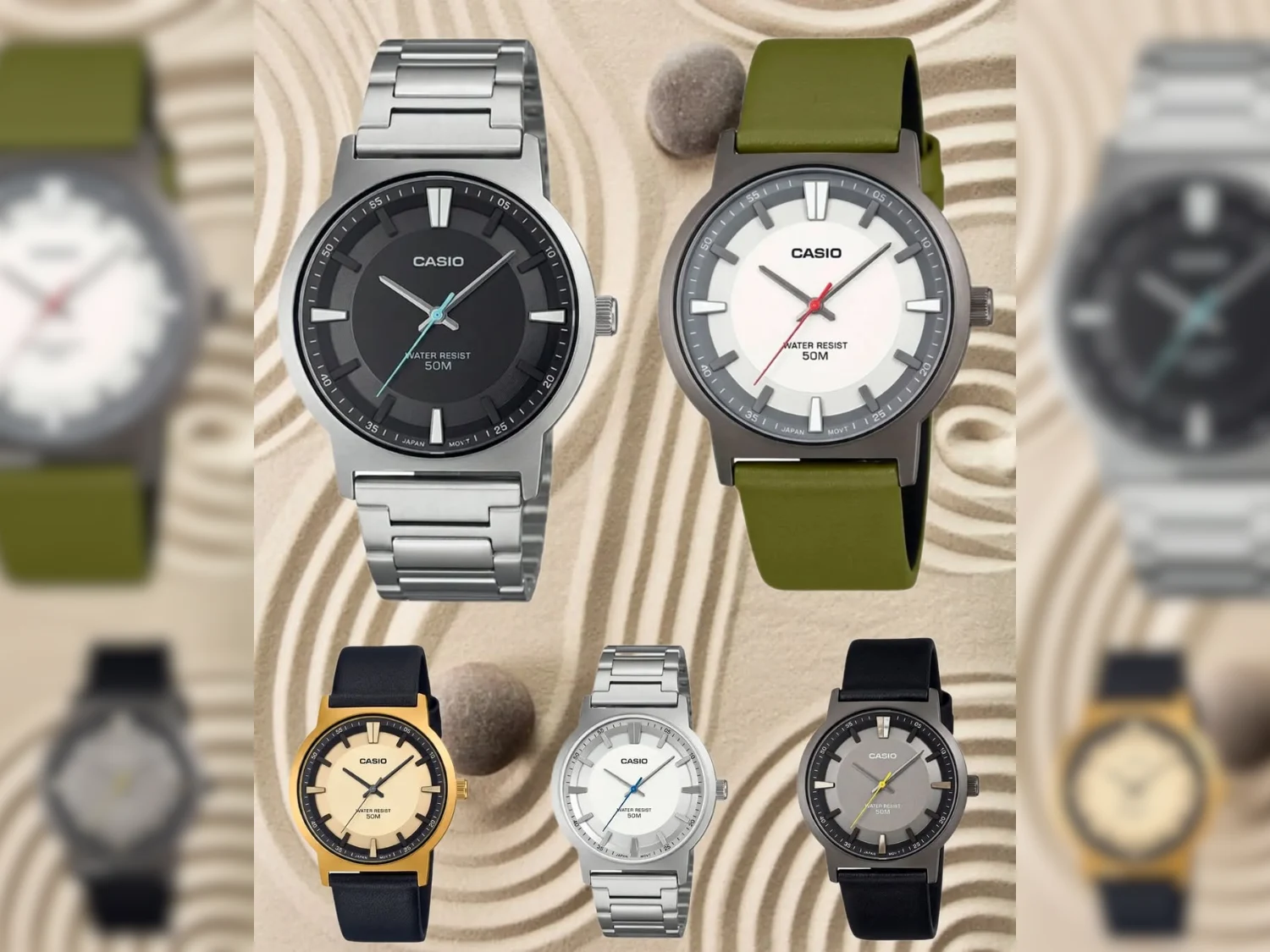
    Back in 1976, Citizen introduced the worlds first light-powered analog wristwatch, the technology now called Eco-Drive, which eliminates battery replacements completly by converting light into energy. To celebrate this milestone, the brand has debuts a new limited edition within its premium “The Citizen” line, with this Hong Kong exclusive featuring a blue washi paper dial not found on the global version.

    The limited edition AQ4094-58L

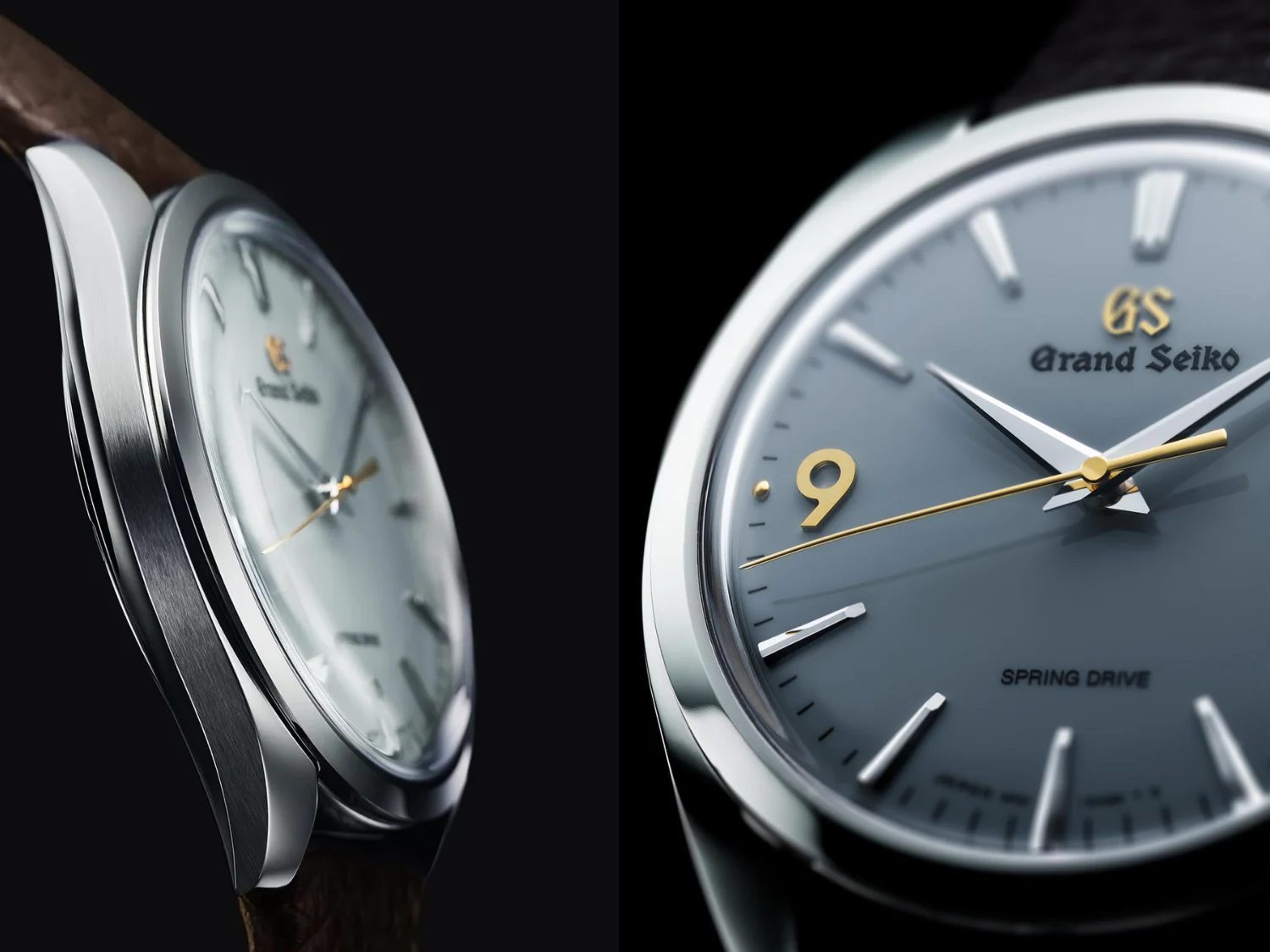
    The AQ4094-58L is limited to merely 400 pieces globally, which is tighter then the 650-piece allocation for the green-dialled AQ4091-56W that launched earlier in May 2026. The dial is constructed from traditional Japanese washi paper, chosen for both its aesthetic qualities and practical properties—washi paper is semi-transparent, allowing light to pass through to the solar cells beneath. The deep navy surface shows depth shifts depending on the angle of light, complemented by applied gold indices, dauphine hands, and the gold eagle emblem at six o’clock.

    Movement and materials

    Beneath that dial beats the Caliber A060 Eco-Drive movement, which is accurate to ±5 seconds per year and features a perpetual calendar programmed to work until 2100. The case and bracelet uses Super Titanium with Duratect surface hardening, reducing the total weight to just 87.7 grams despite the 40 mm case diameter. Additional specs includes sapphire glass with anti-reflective coating, plus 10 bar (100 meters) water resistance. Citizen previously released a washi paper dial for the 30th Anniversary Eco-Drive edition, making this 50th anniversary variant a continuation of the brands signature material for big releases.

    Pricing and warranty

    The AQ4094-58L carries a price tag of HK$32,880 (roughly $4,200 USD) and comes with a 5-year warranty. This particular Hong Kong variant provides a unique colour option for collectors seeking exclusivity.


    Sources

  • Garmin Emergency Features vs Apple: Life-Saving Costs Compared

    Key Takeaway

    – Garmin now offers a reduced-cost emergency satellite call for $7.99 via paused subscriptions, plus a $39.99 activation fee.
    – This change targets average smartwatch users (e.g., Fenix 8 Pro), not just serious outdoor adventurers with inReach handhelds.
    – Garmin appears stingy compared to Apple, which offers free satellite emergency communication for two years with no announced paywall.
    – The pricing may lead to reputational damage and long-term costs, as the choice of smartwatch can be life-or-death in emergencies.


    A necessary change?

    I fully expected this, and now it has happened: Garmin has reduced the cost of inReach in one specific scenario, likely the one most relevant to broad user groups. It is now possible to place at least an emergency call at an effective price of $7.99 by pausing the inReach subscription, and not only with various inReach devices, but also with Garmin smartwatches that support satellite communication. An initial activation fee of $39.99 also applies.

    Potentially problematic for the brand

    The move is not really surprising, but it probably will not protect Garmin from a potential marketing disaster and could end up costing the company more than lost inReach revenue at a lower level. This only partial change to the pricing structure seems problematic for two reasons. First, with the Fenix 8 Pro models, Garmin is targeting average users much more directly than it does with its inReach handhelds, even if those users are interested in sports. Put casually: Anyone who buys an inReach handheld is planning serious outdoor adventures and ideally also knows that such a subscription can be vital for survival.

    A different kind of customer

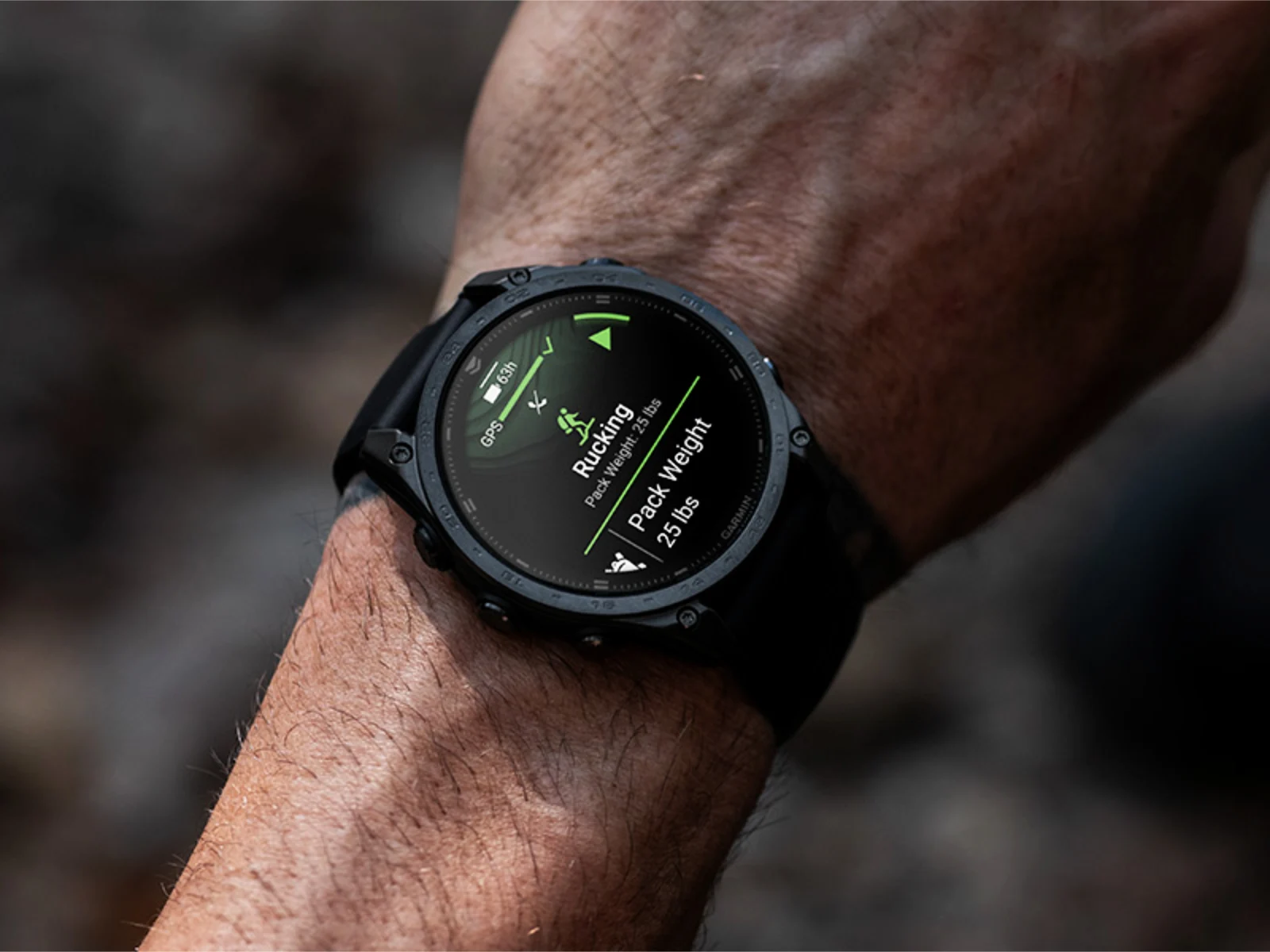
    That may not always be the case for customers who buy the Fenix 8 Pro or Quatix 8 Pro. Still, even a short hike in a dead zone, or a professional but ultimately not well-organized diving trip, can quickly turn into a fatal horror trip, or into the kind of story told well into old age about a successful helicopter rescue after what ultimately turned out to be a not-so-dramatic broken leg. It’s a bit of a gamble, requiring users to be very proactive about there subscription setup.

    Comparing to Apple

    Garmin looks particularly stingy compared with Apple: Satellite communication is free for the first two years after purchase, and there is no information yet for the period after that. Looking at the situation with iPhones as well, I strongly assume that Apple will at least not put basic emergency communication behind a paywall. This may sound somewhat naive, but in such cases, which are not exactly rare, the choice of smartwatch can quite literally decide between life and death, even if the smartwatch itself technically supports satellite communication.

    Long-term reputational risk

    Beyond the individual tragedy, this could also cause significant reputational damage for the otherwise very successful company and ultimately become much more expensive for Garmin in the long term. Average consumers might not understand why they need to pay extra for a life saving feature, especially when a rival offers it for free. It remains to be seen if Garmin will adjust there polices further, but for now the reaction from the market and potential buyers seems mixed at best.

    • Pricing specifics: $7.99 effective price per month for emergency call capability
    • Additional cost: $39.99 initial activation fee
    • Requires pausing the inReach subscription after activation
    • Works with Garmin inReach devices and select smartwatches (Fenix 8 Pro, Quatix 8 Pro)
    • Apple offers free satellite communication for first two years
    • No pricing information from Apple for period after two years
  • Apple Watch battery boost with HMO over LTPO OLED

    Key Takeaway

    – Apple Watch Series 11 battery life improvement is a marketing trick; real runtime is barely longer.
    – For longer battery life now, you need an Apple Watch Ultra or a smartwatch from another brand.
    – A major battery life upgrade is expected in 2027 with the Apple Watch Series 13.
    – This upgrade comes from using new HMO OLED displays from LG Display, which consume less power.
    – HMO OLED panels are not ready for mass production yet, missing the Series 12 release.


    Apple Watch Series 11 Battery Life Trickery

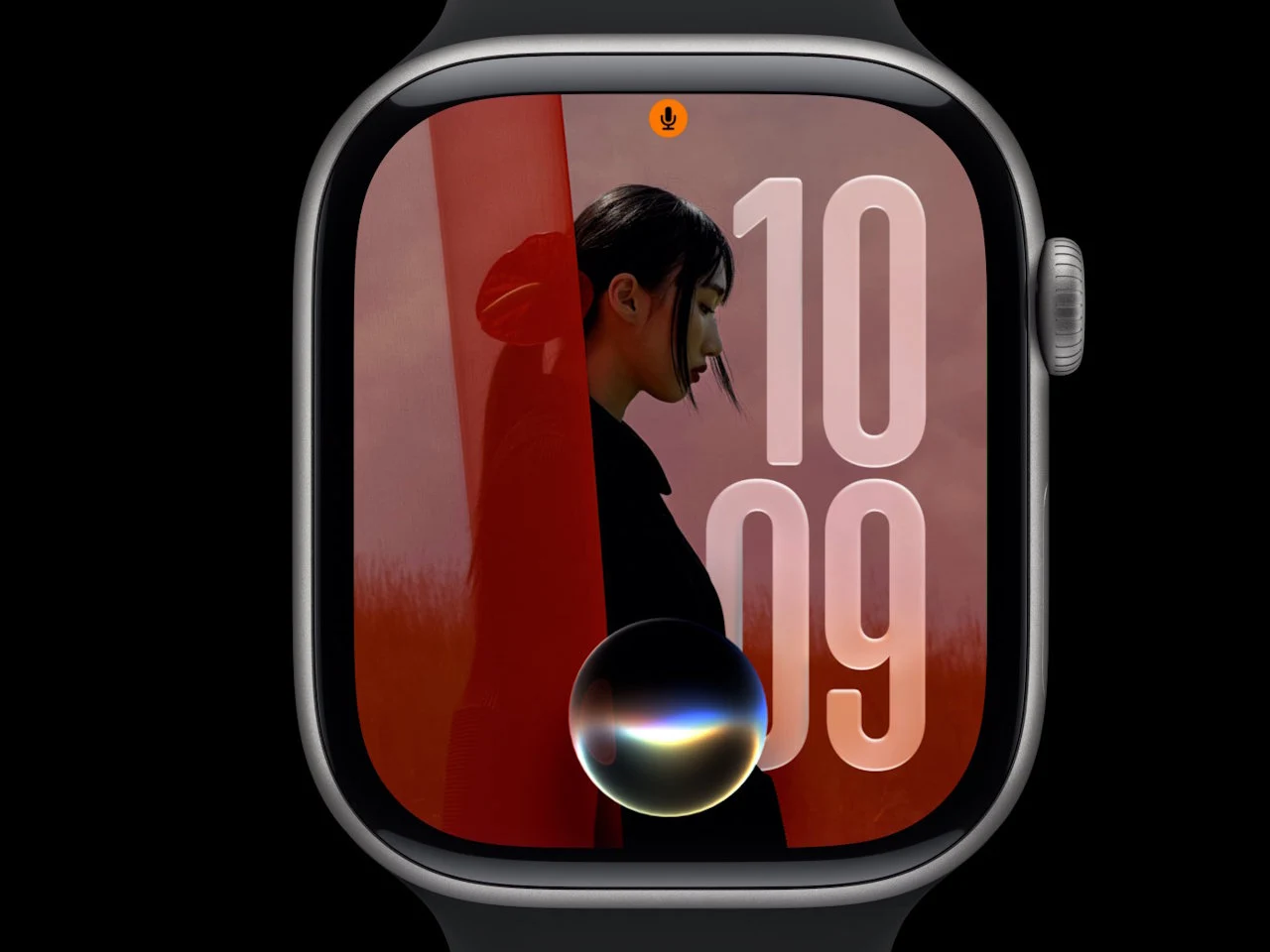
    Acording to Apple, the Apple Watch Series 11 achieves a battery life of 24 hours instead of the 18 hours that older models were supposed to achieve. However, this “upgrade” was only achieved by Apple bought by a trick. In practice, the battery life is hardly any longer. So if you want a longer runtime, you currently have to either go for the much larger and more expensive Apple Watch Ultra or a smartwatch from another manufacturer.

    Upcoming Apple Watch Ultra 4 Design and Series 12 Software

    This year, the Apple Watch Ultra 4 in particular is set to receive a new design, while the Apple Watch Series 12 is said to mainly benefit from software improvements. According to a new report from The Elec the Apple Watch could finally get a longer battery life in 2027.

    Future HMO OLED Technology for Better Battery

    This is because LG Display is currently developing a High-Mobility Oxide (HMO) TFT. This HMO OLED panel is intended to replace the LTPO OLED display of future Apple Watches. As LG Display will initially produce these panels in very small formats, the Apple Watch is the most likely product from the iPhone manufacturer to benefit from this technology first. HMO is said to have one major advantage over LTPO: lower power consumption.

    No Panels for Series 12, HMO Could Arrive in 2027

    It is still unclear when exactly the first HMO OLED panels will be delivered. As LG Display has not yet validated the panels for mass production, the displays will not be available for the Apple Watch Series 12. At the earliest, the panel might be ready to ship as part of the Apple Watch Series 13, which is expected to be launched in September 2027. The Elec | Giang duong (teaser image)

    Sources
  • Custom 3D Printed Fitbit Air Bands Available Now

    Custom 3D Printed Fitbit Air Bands Available Now

    Key Takeaway

    – Google released official Fitbit Air design guidelines, including exact dimensions, tolerances, and 2D CAD files for 3D printing custom bands.
    – All accessories must ensure sensor clearance for heart rate and SpO2 tracking, with the tracker constantly touching the skin.
    – The Fitbit Air consists of two main components: the “pebble” (sensors/battery) and the “sleeve” (connects to bands).
    – No subscription is required for core biometric tracking; advanced AI coaching costs $9.99/month or $99.99/year.
    – The device has a 7-day battery life and fully charges in 90 minutes via a USB-C magnetic puck.


    Google Just Dropped Fitbit Air Design Files

    So Google recently launched the Fitbit Air, and now they’ve decided to spice things up a little by introducing a new addition for DIY fans. Google released the official Fitbit Air design guidelines featuring the trackers exact dimensions, tolerance margins and 2D CAD files, so you can 3D print custom bands and accessories without any hassle.

    Exact Specs and Tolerances for Customization

    The guidelines provide exact mating dimensions, tolerances, and attach and detach force specifications. Fitbit Air is made up of two main components: the “pebble” housing the sensors, batteries and key components, and the “sleeve” which covers the pebble and connects to the bands. This means you can get creative with your design.

    Google’s Rules for Sensor Clearance

    According to Googles rules, all bands and accessories must allow for appropriate sensor clearance so that the heart rate and SpO2 sensors dont get blocked. Google also recommends that the tracker is constantly touching the skin and that the bands are made of skin-friendly materials to ensure proper readings and comfort.

    Battery Life and Charging Speeds

    Unlike the Whoop 5.0, the Fitbit Air does not require a subscription for core biometric tracking; the company only charges an optional $9.99 per month (or $99.99 annually) for its advanced Google Health Premium AI coaching. The device is also highly efficient, boasting a 7-day battery life and fully charging in just 90 minutes via a new USB-C magnetic puck.

    Sources
  • Whoop alternative: Open-source app kills expensive subscriptions

    Whoop alternative: Open-source app kills expensive subscriptions

    Key Takeaway

    – Goose is an open-source app that pulls health data from a Whoop 5.0 tracker entirely offline, bypassing the subscription.
    – It operates locally on iOS using SwiftUI for the interface and Rust for processing Bluetooth data packets.
    – The project is a raw, pre-alpha proof of concept with lag, iOS-only support, and no compatibility with older Whoop models.
    – An alternative is Google’s Fitbit Air, a subscription-light competitor to Whoop.


    Hardware subscription fatigue hits a boiling point

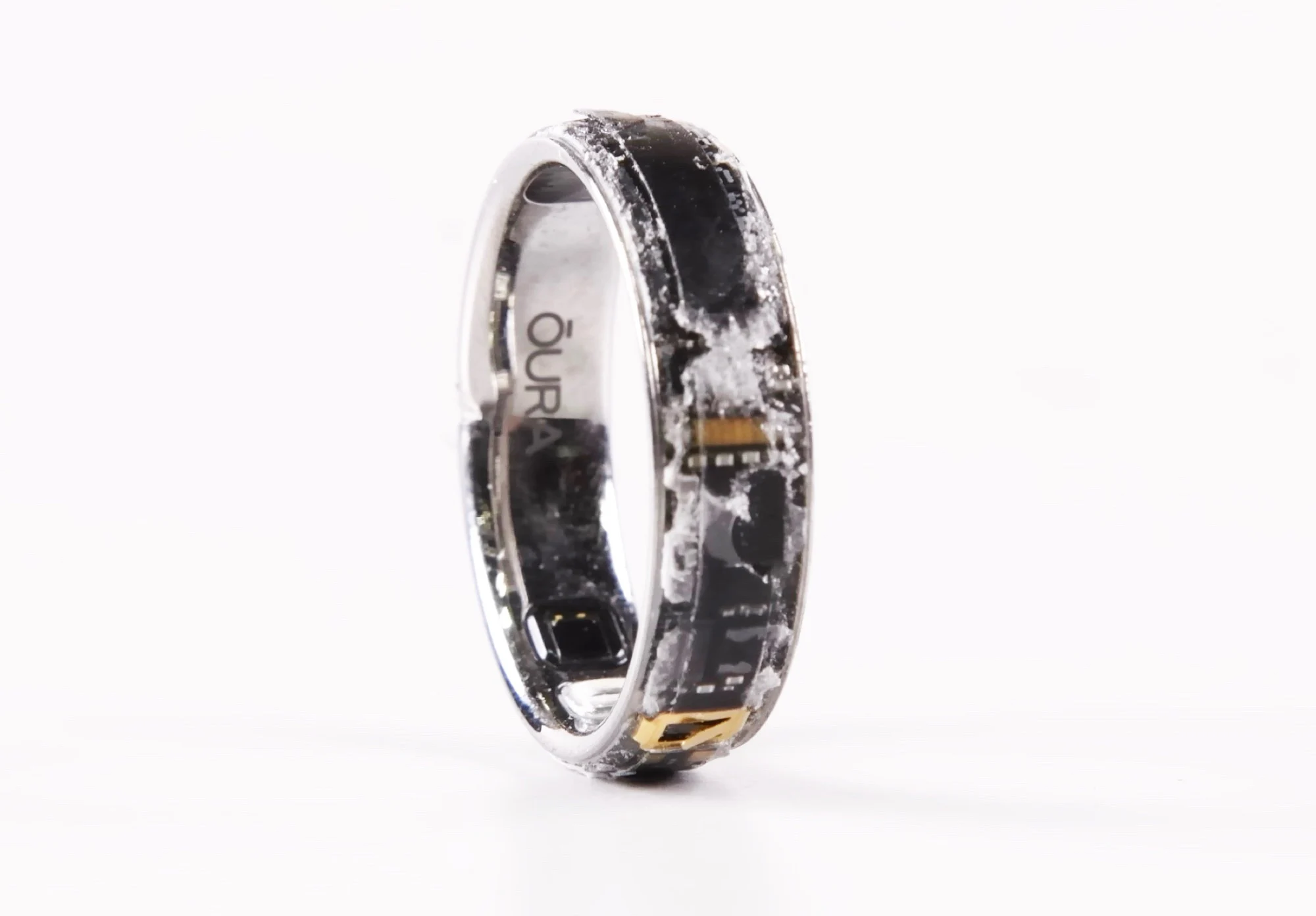
    Consumers are increasingly tired of buying a premium piece of technology, only to find that there own biometric data is locked behind a mandatory monthly paywall. We saw this friction recently when Oura Ring users began looking for subscription-free workarounds to access there data, and now the movement has arrived for screenless fitness trackers.

    Whoop’s business model under fire

    The primary target this time is Whoop. From it’s inception, the company has built its business model on the idea that the wearable is useless without an active subscription. If you stop paying the monthly fee, the device on your wrist essentially becomes a paperweight, leaving customers frustrated with there lack of control.

    An open-source challenger emerges

    However, an independent developer named Bennet is challenging that paradigm with an open-source project called Goose, which aims to see just how much utility can be squeezed out of the tracker without giving Whoop another dime. Announced recently on X, the project is a raw, pre-alpha proof of concept. It is far from a polished consumer application, but it successfully achieves the unthinkable: it pulls and displays health data directly from the wearable entirely offline.

    How the app bypasses the paywall

    I had a look at the GitHub files, and the app eliminates the need for external servers by operating as a local-first application. When the fitness band transmits data, the app uses standard Bluetooth connection protocols on your phone to intercept the raw data packets right out of the air, giving users back there own information without ongoing fees.

    Technical architecture and performance

    To handle this constant stream of data without melting your phone’s battery, the project uses a hybrid architecture. The user interface is built using SwiftUI, giving you a clean dashboard for tracking sleep, strain, and recovery metrics. Meanwhile, the heavy lifting of parsing and decoding those raw Bluetooth packets is handed off to a high-performance backend written in Rust. The two sides communicate locally on the device, ensuring your health data never leaves your phone, which is a big win for privacy.

    Limitations and current state

    Now, while the achievement is impressive, the project is still a developer’s playground rather than a viable alternative for the average user. Because the code is unoptimized, early builds suffer from quite a lot of processing lag. The app is also currently built exclusively for iOS devices, meaning Android users are locked out for the time being. There’s also no support for older hardware, and the app only works with the latest Whoop 5.0 model. If you don’t feel like trying out the app, Google recently launched Fitbit Air, a direct competitor to Whoop that doesn’t rely heavily on subscriptions. There’s also a Google Health premium subscription if you need more information.

    • Goose is an open-source project that bypasses Whoop’s subscription.
    • It uses Bluetooth to intercept data from the wearable directly.
    • The app is currently only available for iOS and Whoop 5.0.
    • Performance issues and processing lag are present in early builds.
    • Google’s Fitbit Air offers a subscription-free alternative.
    Sources
  • New Titanium Smart Ring: Haptics, Display, 30-Day Battery

    New Titanium Smart Ring: Haptics, Display, 30-Day Battery

    Key Takeaway

    – Built-in display for time, health metrics, and notifications directly on the ring
    – Vibration alerts for calls, messages, and social media (rare in smart rings)
    – 24/7 health tracking: heart rate, SpO2, sleep, HRV, and stress
    – Gesture control for smartphone interaction
    – $99.99 promotional price with 30-day battery life and 5ATM water resistance


    The SR15 Ultra is a titanium smart ring with a built-in display. It lets users check time, step count, heart rate, blood oxygen levels, sleep stats, and battery status directly on the ring without pulling out a phone. It also features a vibration notification system for calls, messages, alarms, and social media alerts.

    Health tracking covers your standard bases

    Continuous heart rate monitoring, SpO2, sleep quality, HRV, and stress tracking, all running 24/7. A gesture control system also lets users interact with smartphone apps through hand movements, though real-world accuracy for this kind of feature tends to vary. Weekly fitness reports and multi-sport mode round out the activity side.

    On paper, the hardware is decent for the price

    The ring is rated 5ATM water resistant, charges fully in two hours, and Rogbid claims up to 30 days of battery life with the included charging case. Bluetooth 5.2 handles connectivity, and it works with Android 9.0 and iOS 10.0 and above. Sizes run from US 8 through 14, with Black, Silver, and Gold finishes available.

    • The SR15 Ultra is available now at the Rogbid Store for $99.99.
    • The company adds that this is a promotional price tag that also includes a free mini fan while supplies last.


    Sources

  • Acer AR Vision GR0 & GI0 AI Smart Glasses Unveiled

    Acer AR Vision GR0 & GI0 AI Smart Glasses Unveiled

    Key Takeaway

    – Acer announced two smart glasses: the AR Vision GR0 (wired AR, $499.99) and the GI0 AI Glasses (AI-powered, $299.99).
    – The AR Vision GR0 creates a virtual 172-inch screen with dual micro-OLED 1080p displays, 60Hz refresh rate, and 3D support.
    – The GI0 AI Glasses feature Gemini AI for queries, translation, voice recording, a 12MP camera, and 32GB storage.
    – Both glasses have companion apps, with the AR Vision GR0 compatible with Android, iOS, and Windows, and the GI0 requiring Android 12+ or iOS 15+.
    – The GI0 AI Glasses launch in Q3 2026 (Australia) and Q4 2026 (Europe), with no North American release date announced.


    New Smart Glasses from Acer

    Alongside new computers, tablets, and handhelds, Acer has also announced two new smart glasses. The glasses are the Acer AR Vision GR0 which are AR glasses, and the Acer GI0 AI Glasses, which are smart glasses like the Ray-Ban Meta AI Glasses.

    Features of the AR Vision GR0

    The Acer AR Vision GR0 connects to a smartphone, laptop, or a device with display output support via a wired connection. When linked to a compatible device, the dual micro-OLED displays combine to project a virtual screen that’s up to 172 inches in size. This makes them suitable for gaming, watching movies, or even productive work. The AR Vision GR0 also has support for displaying 2D and 3D content.

    The two micro OLED displays have a resolution of 1920 × 1080 in 2D mode and a 3840 × 1080 resolution in 3D mode. They also have a 60Hz refresh rate, DCI-P3 color gamut, 24-bit color, a 50,000:1 contrast ratio, and 200 nits of brightness.

    Controls and Compatibility

    The Acer AR Vision GR0 features touch controls for adjusting the brightness and volume, built-in stereo speakers, a detachable light shield, and optional myopia magnetic lens. The glasses have an interpupillary distance of 64mm and weigh 69 grams. The Acer AR Vision GR0 glasses are compatible with Android, iOS, and Windows.

    Introducing the Acer GI0 AI Glasses

    The Acer GI0, on the other hand, are smart AI glasses powered by Gemini. Users can ask questions, request directions, and analyse images using the glasses. They also have support for instant translation and have a voice recording function, which can be useful when having a meeting.

    The Acer GI0 AI glasses have a 12MP camera that has an image resolution of 3024 × 4032 and can record in 1080p at 30fps. They also have 32GB of eMMC storage, stereo speakers, three microphones, Bluetooth 5.0, and Wi-Fi 5. There’s a 217mAh battery inside, but Acer doesn’t say how many hours of battery life users can expect. The glasses have a power input of 5W (5V 1A).

    Software and Companion App

    However, Acer states that the GI0 AI glasses have a companion app called the AspireSync and they can be connected to an Android smartphone (Android 12 and above) or iPhone (iOS 15 and above). They weigh just 46 grams (frames only).

    Pricing and Availability Details

    The Acer AR Vision GR0 glasses are priced at $499.99 in the US, €599 in Europe, and AUD 999 in Australia. That’s a significantly higher price than that of the Lenovo Legion Glasses Gen 2 which are currently available for $249.99 and have a 120Hz refresh rate, although the virtual display is smaller at 126 inches.

    The Acer GI0 AI glasses are much cheaper at $299.99 in the US, €399 in Europe, and AUD 599 in Australia. There’s no info on their release date for North America, but the two pairs of glasses will be available in Europe in the fourth quarter of 2026, while Australia will get them in the third quarter.

    Sources
  • Haylou Watch 3: $44 AMOLED Smartwatch, 45-Day Battery

    Key Takeaway

    – Low price of $44, but delivery not until mid-July
    – Large 1.85-inch AMOLED display with 1,000 nits brightness
    – No GPS module, limiting its use for outdoor endurance training
    – Water resistance rated at 1 ATM, not suitable for swimming
    – Claimed battery life up to 45 days, likely only with light use


    Affordable Smartwatch from a Rising Brand

    The manufacturer Haylou may no longer be entirely unknown to attentive readers, as the company mainly sells smartwatches at low prices. The Haylou Watch 3 is a new smartwatch that is being offered on Banggood for $44. Shipping and possible import fees are added on top. However, buyers will still have to wait a little, as delivery is not expected until mid-July. Products from the manufacturer are also listed on price comparison sites, but availability in Germany is not especially broad.

    What You Get for $44

    For this price, customers are likely to get a companion for everyday use in particular, rather than a real training computer for the wrist. The smartwatch comes with a 1.85-inch display, which is still relatively large, and has a resolution of 390 x 450 pixels. It is an AMOLED display, which should generally provide decent color reproduction. The maximum brightness is listed at 1,000 nits, while other smartwatches, such as the Amazfit Active 2 we tested, are sometimes significantly brighter.

    Limitations and Features to Consider

    Sports activities can be recorded, and heart rate can be measured, for example. There is no GPS module, which should be a clear limitation for outdoor endurance sessions. The smartwatch offers calling features and then works as a Bluetooth hands-free device for a paired smartphone. Water resistance is rated up to a test pressure of 1 ATM. Accordingly, Haylou refers to protection against accidental submersion and states that the watch is not suitable for swimming. Battery life is listed at up to 45 days, although that is likely only achievable with lighter use.


    Sources

  • Microsoft unveils Android AI device with Qualcomm, 5G to rival iPhone

    Microsoft unveils Android AI device with Qualcomm, 5G to rival iPhone

    Key Takeaway

    – Microsoft’s Project Solara introduces a “chip-to-cloud” platform for AI agent-first experiences, moving beyond traditional app-based smartphones.
    – The key hardware is a wearable “badge” with an always-connected, agent-centric UI, designed to replace the app grid on current phones.
    – The device uses an Android-based OS (Microsoft Device Ecosystem Platform) tailored for active AI agents, not conventional app launchers.
    – Microsoft is internally testing the badge and smart display among hundreds of employees, with plans for enterprise pilots in healthcare, retail, hospitality, and more.
    – Purpose-built, lightweight hardware is seen as essential for reaching true “agent-first” potential, with AI generating UIs instead of requiring native apps for every form factor.


    Project Solara Unveiled at Computex 2026

    At Computex 2026, Microsoft has officially unveiled Project Solara, an ambitious new “chip-to-cloud” platform designed to shift the focus of computing from the apps we use on our phones to AI agent-first experiences that do things for you (and instead of you). While the company revealed a stationary desk-based smart display concept that looks like a smart speaker/display combo, the real standout announcement is a portable wearable device, that hints at a future where the smartphone as we know it might be rendered obsolete. And despite the fact that Microsoft doesn’t call the device a “phone”, it sure has all of the hardware and software to do what your iPhone 17 Pro or Galaxy S26 Ultra can do.

    The Badge Hardware and Agent-Centric UI

    The badge, a crucial hardware element of Project Solara, is not just a digital ID (which is what it looks like) but a dedicated, always-connected interface for AI agents, says Microsoft. Currently designed for frontline and information workers, this wearable replaces the traditional app-based grid (that we know from phones) with a streamlined, agent-centric UI. Reportedly utilizing an Android-based OS for the device (specifically the Microsoft Device Ecosystem Platform), Microsoft says that the current “app-launcher” smartphone paradigm may be too cumbersome for the era of active AI agents.

    Internal Testing and Enterprise Pilots

    It’s important to note that even though they are still in their concept stage, the company is testing the badge and smart display devices internally among hundreds of employees, hoping to quickly move the wearable phone/computer from a concept to mainstream adoption. Having started internal testing, Microsoft prepares to begin enterprise pilot testing in the healthcare, retail, hospitality, financial services, legal, industrial, and field services. In related news, Qualcomm’s CEO said that “resistance is futile”, when it comes to adopting agentic AI-based devices and operating systems like the ones part of Project Solara.

    Strategic Timing and Competition with OpenAI

    Meanwhile, the timing of Project Solara likely isn’t a coincidence. With rumors swirling that OpenAI is fast-tracking its own AI-focused smartphone for a potential early 2027 launch, Microsoft is likely trying to position itself to be the dominant platform provider for this next hardware cycle. In case you’re wondering why today’s flagship smartphones can’t serve the same purpose as Microsoft and OpenAI’s upcoming AI agent phones/devices, the answer might be in the “stack”, according to Microsoft. While traditional phones rely on apps (as we know them), the company thinks that to truly reach “agent-first” potential, devices must be purpose-built, lightweight, and specialized for AI.

    Lowering Barriers for Hardware Ecosystem

    By lowering the barrier to entry for specialized hardware, using AI to handle UI generation rather than requiring developers to build native apps for every new form factor, Microsoft aims to make the hardware ecosystem as fluid as the software. All in all, whether Project Solara and the badge/phone/computer device (or its successor) can sucessfully disrupt the iPhone/Android space remains to be seen, but the message seems clear. The next battleground for AI might not be taking place in your browsers but in your pockets.

    Sources
  • Meta AI wearables: Glasses, pendants and more

    Meta AI wearables: Glasses, pendants and more

    Key Takeaway

    – Meta is developing an AI pendant (acquired via Limitless) for testing in 2026, with mixed user reception.
    – Up to four new smart glasses models are planned, including “Modelo,” “Luna,” and “Mojito VIP” in 2026.
    – Always-on “supersensing” glasses (“Artemis” and “SSG”) are being tested, powered by Meta AI and the unreleased Hatch agent.
    – A “Wearables for Work” business subscription service will leverage Meta’s AI models.
    – Meta aims to sell 10 million wearables in H2 2026 to offset Reality Labs’ $19 billion 2025 losses.


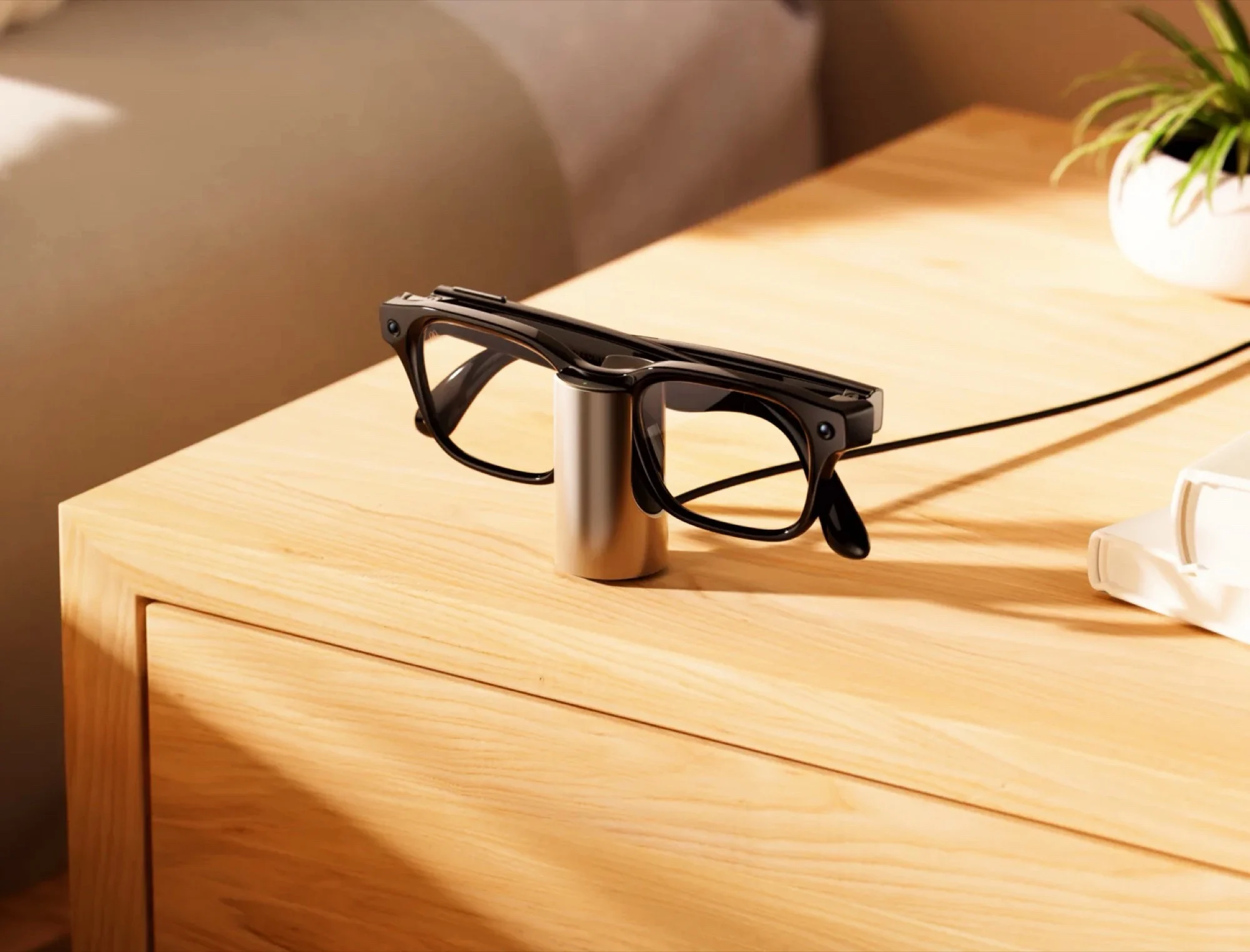
    Meta is currently working on a new artificial intelligence pendant, with plans to begin testing it next year. But this new venture does not come as a complete surprise considering that Meta acquired Limitless, the company that created the Pendant device, at the end of 2025. The product was a clip-shaped Bluetooth microphone that could be attached to a shirt or worn as a necklace, and it allowed users to listen to and record conversations during the day to generate summaries, transcriptions and a searchable database. Reception of the device, however, appears to be mixed, as this thread illustrates.

    New smart glasses and supersensing tech

    In addition to the pendant, Meta is said to be preparing up to four new smart glasses models. The initial model, with the codename “Modelo”, is scheduled to be launched this month, followed by “Luna” and “RBM2 Refresh” in the fall. Another model, called “Mojito VIP”, is expected to land in December. The company is also reportedly testing new “supersensing” glasses, featuring always-on cameras and sensors, called “Artemis” and “SSG”. These new devices are said to be powered by Meta’s AI models and by Hatch, an AI agent that has not yet been launched.

    Business subscriptions and sales targets

    Furthermore, the company also plans to offer a subscription service for businesses called “Wearables for Work”. Its objective is to expand the use of its AI models and encourage customers to pay for their subscriptions. Meta aims to sell 10 million wearables in the second half of 2026 in order to offset the losses of its research and development division, Reality Labs, which totalled $19 billion in 2025.

    An alternative to Meta’s pendant

    Readers who prefer a non-Meta pendant alternative are advised to check out the Plaud NotePin S ($179 at Amazon).

    Sources