
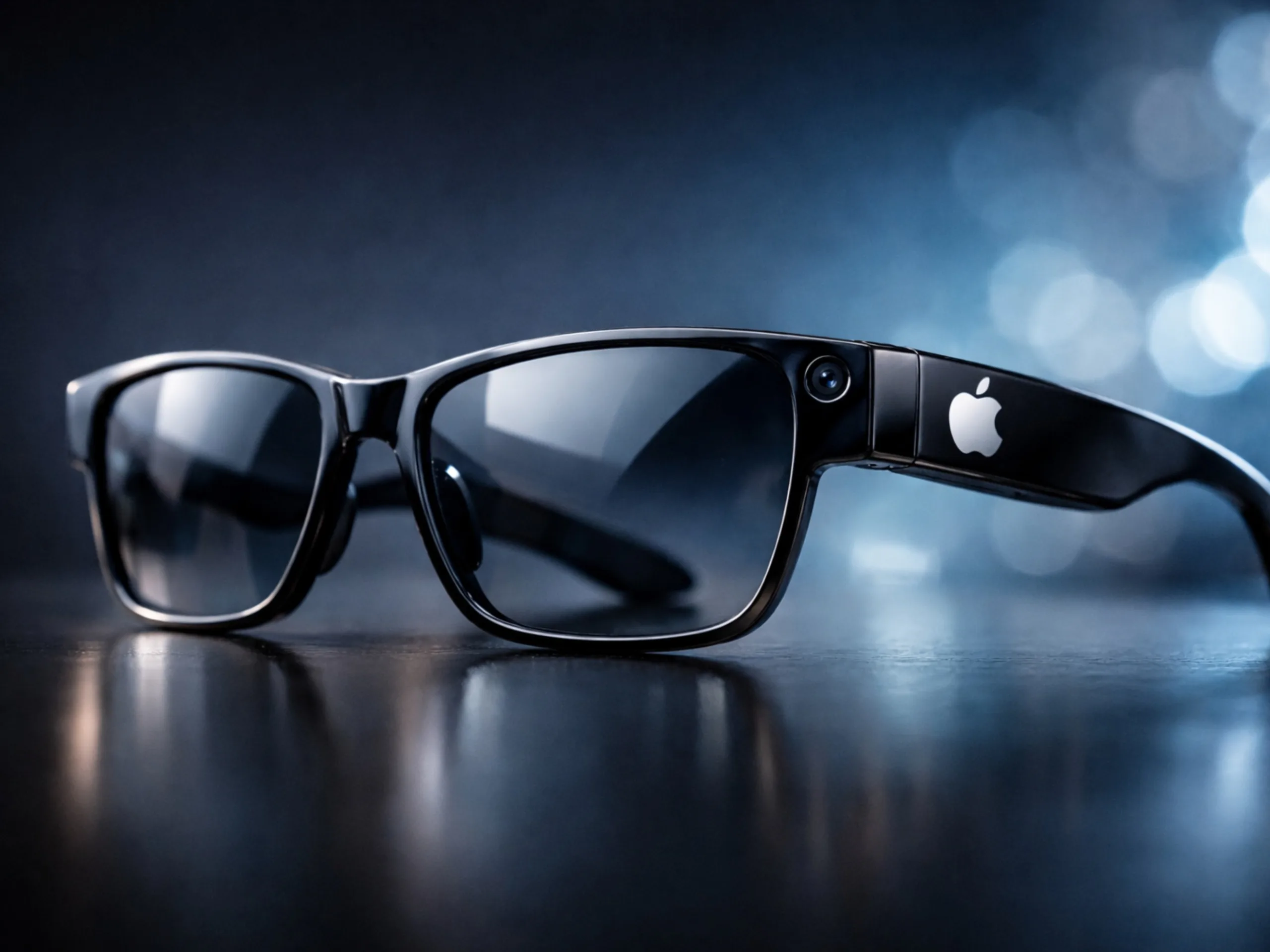
1. Apple is developing AI-powered smart glasses designed for everyday use, with a likely market launch in 2027.
2. The glasses will be tightly integrated with the iPhone and feature cameras, microphones, and sensors for environmental data capture.
3. Unlike traditional AR glasses, they are not expected to project content into the user’s view but will rely heavily on the iPhone for functionality.
4. Apple plans to use premium materials like acetate, positioning the glasses as a fashionable accessory and possibly targeting a higher price point.
Apple’s New Smart Glasses Development
Apple is working on a new pair of smart glasses, and it seems they’ve been testing several differnt design options lately. Based on a report from Bloomberg, which also got coverage from 9to5Mac, looks like Apple focusing on a specific kind of wearable. Instead of making complicated augmented reality glasses, they appear to be aiming for something more simple and AI-powered that could be used daily, and works well with the iPhone. Four different versions are currently in testing stages.
Potential Launch Timeline and Market Strategy
The release of these smart glasses might happen in late 2026 or early 2027, with the official market release expected sometime during 2027. These smart gadgets seem to fit into a bigger goal of creating AI-centered wearables. In addition, Mark Gurman mentions other Apple products like AirPods or camera pendants that might feature similar visual AI capabilities, hinting at a broader trend toward AI integration.
Technical Features and Functionalities
To understand how they work, the smart glasses are expected to include cameras, microphones, and various sensors to see and hear the environment around them. This data could then be utilized by AI to assist users, such as asking questions about nearby objects, filming photos or videos, playing music, or showing notifications from the iPhone. Nevertheless, unlike regular AR glasses, these don’t seem to project information directly into the user’s vision, making them more accessory-based, heavily relying on the iPhone itself. For example, the current iPhone 17 Pro costs approximately $1,345 according to Amazon.
Material Choice and Fashion Appeal
What makes these glasses even more interesting is the choice of materials. Instead of conventional plastic, Apple might use acetate material for their frames. Acetate is a high-end material made from natural raw elements like wood or cotton, known for its durability and stylish appearance. This suggests Apple may aim to position these smart glasses not just as a tech gadget but also as a fashionable accessory. But this added elegance could also mean a higher price point for the consumer.