Tag: Meta Ray-Ban

  • Apple Smart Glasses Leak: Launch Date, Features, Mainstream Goal

    Apple Smart Glasses Leak: Launch Date, Features, Mainstream Goal

    Key Takeaway

    – Apple is developing smart glasses (codename N50) to disrupt the eyewear market, positioning them as an alternative to traditional prescription glasses.
    – Target price range is the mid-tier market ($200–$500), leveraging Apple’s retail network and ecosystem of 2 billion devices.
    – Launch timeline delayed: internal unveil target is end of 2025, with market release expected in early 2027.
    – Faces stiff competition from Meta’s Ray-Ban partnership and must overcome skepticism about brand appeal in fashion eyewear.
    – Project has high priority with support from Tim Cook and incoming CEO John Ternus, offering at least two sizes and four frame designs.


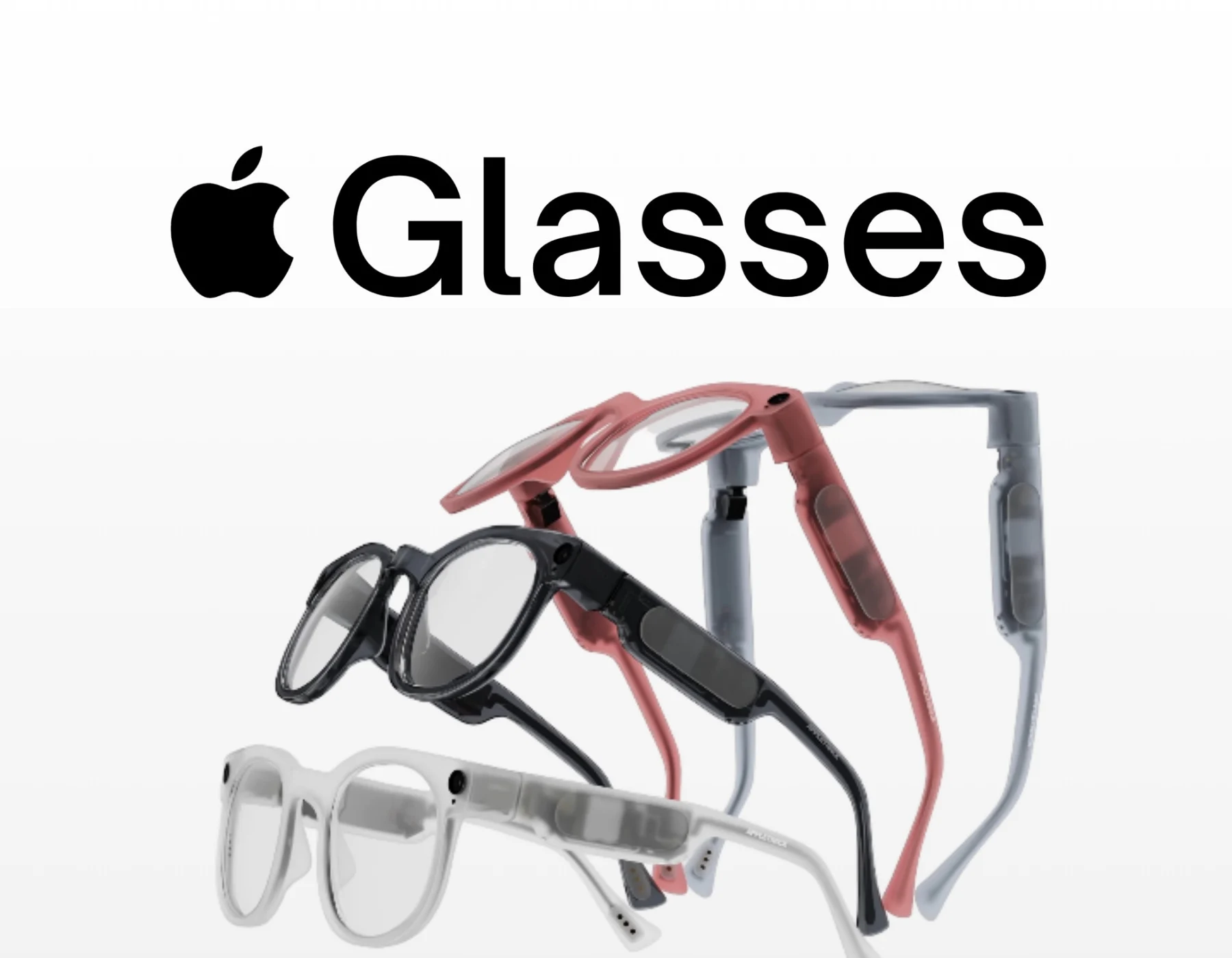
    According to a fresh report by top tipster Mark Gurman, the tech giant aims to disrupt the global eyewear market with the same strategy it used to overhaul the watch industry with the Apple Watch a decade ago. Apple is preparing to make a significant move into the wearable technology space with the development of its own Apple smart glasses, internally codenamed N50.

    Market Positioning and Strategy

    While Meta has gained early momentum with its camera-equipped smart glasses, Apple views the category as a market with massive growth potential, says the tipster. Rather than just competing with other tech companies, Apple is aiming to position its glasses as a direct alternative to traditional prescription and non-prescription eyewear. Cupertino is said to be targeting the mid-tier segment of the market, which are glasses typically priced between $200 and $500.

    Retail and Ecosystem Leverage

    The report highlights that by leveraging its global retail footprint, massive ecosystem of over 2 billion active Apple devices, and its reputation for premium design, the tech giant believes it can convince consumers to choose Apple-branded frames over traditional options from industry giants like EssilorLuxottica, Safilo, and Warby Parker. According to the insider info, Apple’s approach to the smart glasses includes:

    • Though initially aiming for an end-of-2026 launch, the N50 smart glasses project has faced development delays, says the leak.
    • Apple is now working toward an internal target to unveil the glasses by the end of next year, with a market release expected in early 2027.

    Competitive Challenges and Skepticism

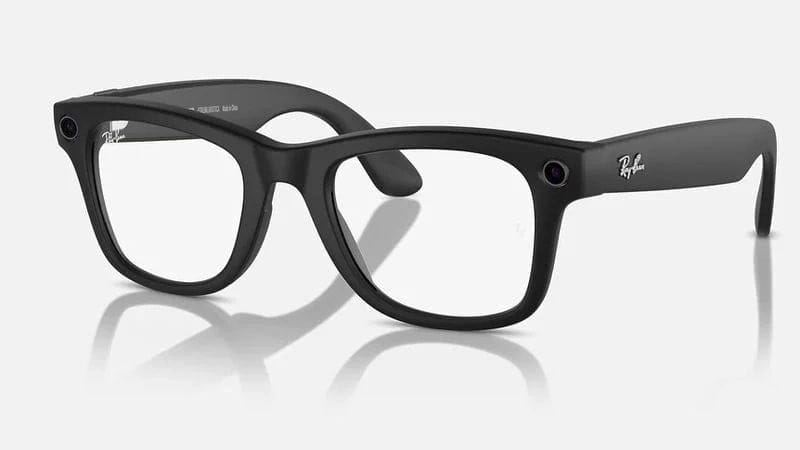
    That said, Apple faces stiff competition from Meta, which has already established successful retail partnerships with brands like Ray-Ban. Furthermore, the iPhone-maker will need to overcome the skepticism of whether the brand logo holds the same appeal for face-worn fashion as it does for consumer electronics, says the report. Nevertheless, Gurman assures that with top-level support from current CEO Tim Cook and incoming CEO John Ternus, the project has become one of the company’s highest priorities.

    Design Variations and Details

    In related news, Gurman previously revealed that the Apple smart glasses should come in at least two sizes and four different designs, including two rounded frames and two square models. Additionally, the device is expected to feature advanced sensors and integration with the Apple ecosystem, though specific technical specs remain under wraps for now.

    Sources
  • Rokid AI Glasses: Global Launch of $299 Screenless Smart Glasses

    Rokid AI Glasses: Global Launch of $299 Screenless Smart Glasses

    Key Takeaways

    1. Rokid’s AI Glasses Style are lightweight, screenless smart glasses focused on voice commands and audio features.
    2. The glasses offer a “prescription-first” option, allowing users to submit optical prescriptions for custom lenses.
    3. They utilize a dual-chip setup for efficient performance, separating low-power functions from demanding AI processes.
    4. Users can perform tasks through voice commands, including translations and navigation, without needing a phone screen.
    5. Priced at $299, the Style is cheaper than Meta’s Ray-Ban smart glasses and offers longer video recording time and wider AI support.


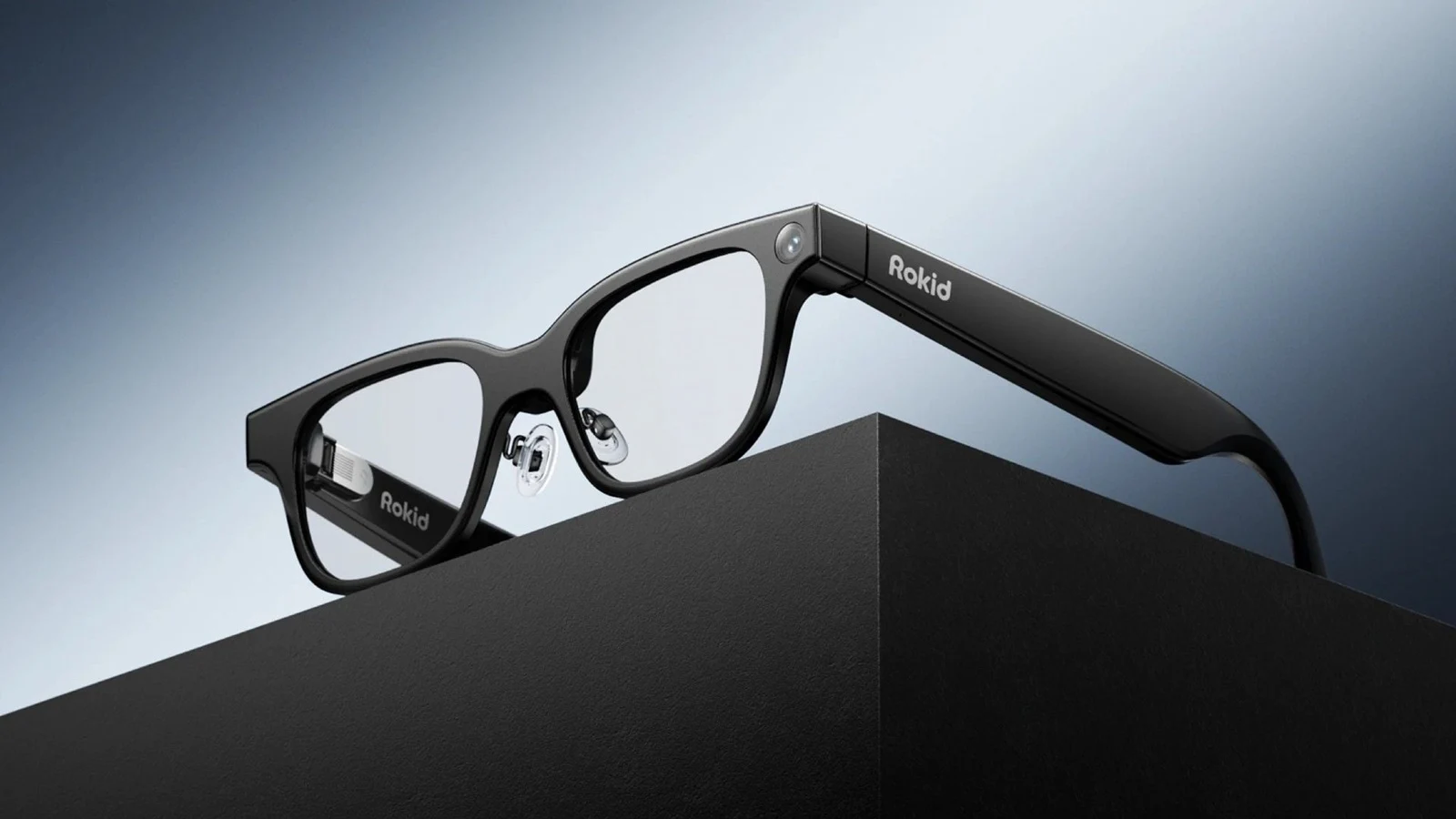
    Rokid is launching its latest AI Glasses Style globally, believing that consumers desire the advantages of AI smart glasses without a display. Following their introduction at CES 2026, these lightweight, screenless glasses will be available worldwide starting at $299 later this month, with online sales already underway.

    Unique Features of the AI Glasses Style

    Unlike Rokid’s previous AR glasses, the Ai Glasses Style completely lacks a heads-up display or micro-screen. Instead, they focus on voice commands, audio features, and a camera for everyday functionality.

    Rokid is promoting the Style as “prescription-first” eyewear. Customers can submit their optical prescriptions to have custom lenses made, allowing them to use the glasses for regular vision correction while also enjoying AI capabilities. Packages that include prescription photochromic lenses are priced higher, around $398, but they still offer a better deal compared to similar products from Meta’s Ray-Ban lineup.

    Advanced Technology Inside

    Rokid’s dual-chip setup efficiently separates low-power voice and sensor functionalities from more demanding AI processes. The company emphasizes its “open AI ecosystem,” allowing users to utilize various models and services instead of being tied to a single assistant.

    With voice commands like “Hey Rokid,” users can perform tasks such as real-time translations, meeting transcriptions, summarization, object recognition, and navigation prompts through open-ear speakers. There’s no need for an always-on phone screen, and the absence of a display helps minimize both weight and power consumption.

    Competitive Landscape

    Rokid’s strategy also increases competition for Meta’s Ray-Ban smart glasses line. The Style is priced $80 less than Meta’s current offerings in many regions, while boasting longer video recording time, a lighter design, and wider support for AI models — albeit without a fashion partnership or an included charging case.

    Source:
    Link


  • Apple to Launch Stylish Smart Glasses and New Camera AirPods

    Apple to Launch Stylish Smart Glasses and New Camera AirPods

    Key Takeaways

    1. Apple is developing a lighter, compact version of smart glasses aimed for everyday use, set to launch in 2026 after the Vision Pro 2 headset.
    2. The new smart glasses will feature cameras, speakers, and microphones for calls, navigation, music, and translation, focusing on design rather than groundbreaking technology.
    3. Apple’s approach is to create AR glasses that look like regular eyewear, avoiding the bulky designs of traditional headgear.
    4. There are considerations for integrating vision technology into other devices like the Apple Watch and AirPods, but progress is mixed with some projects on hold.
    5. Apple’s future in AI devices may diverge from the iPhone model, with potential challenges from competitors, including former chief designer Jony Ive working with OpenAI.


    In an effort to accelerate the launch of its Vision Pro 2 AR/VR headset, Apple has decided to set aside a lighter and more compact version that resembles standard glasses rather than bulky ski goggles.

    New Smart Glasses on the Horizon

    The project for smart glasses from Apple seems to be revived, but it will take the shape of a simpler gadget that can be used on a daily basis. This new device is comparable to the Meta AI Ray-Ban glasses, which are currently available for under $400 on Amazon.

    Expected to hit the market in 2026, the new smart glasses will come after the release of the Vision Pro 2 later this year. They are anticipated to be crafted from higher-quality materials and will likely have a more elegant appearance than Meta’s Ray-Bans. There’s also talk of a new generation of these glasses that could feature enhanced designs and ergonomics.

    Features and Functions

    Apple doesn’t plan to introduce any groundbreaking features with its 2026 smart glasses. Instead, they will distinguish themselves from the efforts of Meta and Google primarily through their design. The glasses are set to include cameras, speakers, and microphones to facilitate calls or voice commands, play music, provide navigation assistance, and offer translation on the move.

    This is a more modest approach compared to Apple’s ultimate vision of creating true AR glasses that enrich the real world with digital information overlays while still resembling regular eyewear, avoiding the awkwardness of traditional headgear.

    Future Innovations and Challenges

    Apple’s engineers are reportedly considering integrating vision technology into other wearables, such as a camera-equipped Apple Watch or AirPods. However, the Watch project has seemingly been put on hold, while work on AirPods with cameras is still progressing.

    After a rocky start with its iPhone AI rollout, Apple is searching for a successful approach to the next wave of AI devices that might diverge from the iPhone format. In a recent statement during the DOJ lawsuit against Google’s parent company, Eddy Cue from Apple hinted that “you may not need an iPhone 10 years from now as crazy as it sounds,” referencing the growing influence of AI-enabled devices.

    Adding to the challenges for Apple, former chief designer of the iPhone and Mac, Jony Ive, has joined OpenAI to work on the next generation of AI-powered devices. Although Apple has stronger brand recognition, other companies have struggled to develop dedicated AI gear, making the introduction of smart camera-equipped Apple AI glasses or AirPods a potentially wise decision, with their success dependent on design and pricing.

    Source:
    Link

  • Xiaomi Develops AI Glasses with Goertek, Launching Q2 2025

    Xiaomi Develops AI Glasses with Goertek, Launching Q2 2025

    Xiaomi is reportedly preparing to step into the AI glasses arena, joining forces with Goertek for its upcoming wearable tech, which is anticipated to launch in the second quarter of 2025. This debut is thought to align with the Mi Fan Festival scheduled for April.

    Ambitious Goals for Launch

    Sources reveal that Xiaomi’s CEO, Lei Jun, has ambitious plans for the glasses, aiming for at least 300,000 units in shipments. The new AI glasses are designed to compete with Meta’s Ray-Ban models, incorporating both AI features and high-end hardware specifications.

    Innovative Technology Features

    As per a report from "Intelligent Emergence," Xiaomi’s AI glasses will come equipped with an impressive array of tech-driven modules, featuring AI integration, audio headphone components, and camera modules. This technology is set to directly challenge Meta’s advanced eyewear collection. Additionally, it’s expected that these glasses will be released under Xiaomi’s main brand, marking a key milestone as the company expands its footprint in the wearable technology sector.

    Other brands like OPPO, Vivo, Huawei, Tencent, and ByteDance are also venturing into the AI glasses market. However, reports suggest that their projects are still in the early phases of development. Many industry analysts predict that these companies will likely launch their own AI glasses closer to late 2025.

    Rising Competition in Smart Glasses

    Xiaomi’s entry comes amid increasing competition in the smart glasses market, both in China and worldwide. Meta’s new AR product, the Meta Orion, launched in September 2024, features state-of-the-art AR technology and is expected to move into mass production by 2027.

    Meanwhile, other Chinese companies are also innovating in the smart glasses space. For example, Meizu has released several smart glasses, and Baidu’s newly unveiled “Xiaodu AI Glasses” are set to be available by early 2025.

    Xiaomi has previously dabbled in the smart glasses market, having introduced its Mijia Smart Audio Glasses earlier this year. These are primarily focused on offering a unique audio experience through air conduction technology. Priced at an affordable $63, they provide sound using ultrasonic speakers integrated into the frame, allowing for a distinct audio experience without the need for bulky headphone attachments. More information on the Mijia Smart Audio Glasses can be found here.

    As Xiaomi continues to pour resources into the wearable tech domain, its forthcoming AI glasses are expected to serve as a cost-effective alternative to the premium options available from Meta and other rivals.


    Image 1