Tag: AR glasses

  • Snap Specs AR Glasses Feature Dual Snapdragon Chips & Display

    Snap Specs AR Glasses Feature Dual Snapdragon Chips & Display

    Key Takeaway

    – AR display projects 51-degree FOV with 16 million colors, anchored to real world with 7ms latency
    – Features include notifications, navigation, AI real-world interaction, real-time translation subtitles, voice/hand controls
    – Equipped with speakers, microphones, cameras, LED recording indicator, two Snapdragon processors
    – Battery life of 4 hours; 20 hours with charging case
    – Launching fall 2026 at $2,195 in U.S., U.K., and France


    Flagship AR Glasses Unveiled

    Snap Specs are marketed as flagship AR glasses. At first glance, the wearable looks like a pair of conventional glasses, albeit with a relatively thick frame. However, the frame houses a whole range of advanced components, led by an AR display that is projected directly into the user’s field of view, covering a 51-degree field of view and capable of displaying 16 million colors.

    Display and Real-World Integration

    The display is said to feel about as large as a 24-inch desktop monitor when viewed from a normal working distance. Content is anchored in the real world and is designed to adapt to head movements with a latency of just 7 milliseconds. Among other things, this display can show incoming notifications, display a navigation app, or enable the AI assistant to interact with the real world, for example by highlighting the location of a car’s coolant filler cap in the user’s field of view.

    Control Methods and Hardware

    Real-time translations can be displayed as subtitles. The software can be controlled using voice commands and hand gestures. The glasses also feature speakers, microphones, and cameras, with an LED on the front that indicates when photos or videos are being captured. The glasses use two specialized Snapdragon processors and are expected to achieve a battery life of four hours; when paired with the charging case, a runtime of 20 hours is possible.

    Pricing and Launch Date

    The Snap Specs AR glasses are expected to launch in fall 2026 for $2,195, with shipments beginning first in the U.S., the U.K., and France. More details on the features are available at the official product page.

    Company Background

    Snap Inc. is the company behind these glasses, and theyve developed a immersive experiance that blends digital info with the real world. The device uses advanced sensors and software to track your head and hands, making it feel natural to interact with virtual elements. They focused on making the battery long-lasting so you can use it all day without needing to plug in, though the price reflects its cutting-edge technology and limited avalibility at launch.
    Sources

  • Acer AR Vision GR0 & GI0 AI Smart Glasses Unveiled

    Acer AR Vision GR0 & GI0 AI Smart Glasses Unveiled

    Key Takeaway

    – Acer announced two smart glasses: the AR Vision GR0 (wired AR, $499.99) and the GI0 AI Glasses (AI-powered, $299.99).
    – The AR Vision GR0 creates a virtual 172-inch screen with dual micro-OLED 1080p displays, 60Hz refresh rate, and 3D support.
    – The GI0 AI Glasses feature Gemini AI for queries, translation, voice recording, a 12MP camera, and 32GB storage.
    – Both glasses have companion apps, with the AR Vision GR0 compatible with Android, iOS, and Windows, and the GI0 requiring Android 12+ or iOS 15+.
    – The GI0 AI Glasses launch in Q3 2026 (Australia) and Q4 2026 (Europe), with no North American release date announced.


    New Smart Glasses from Acer

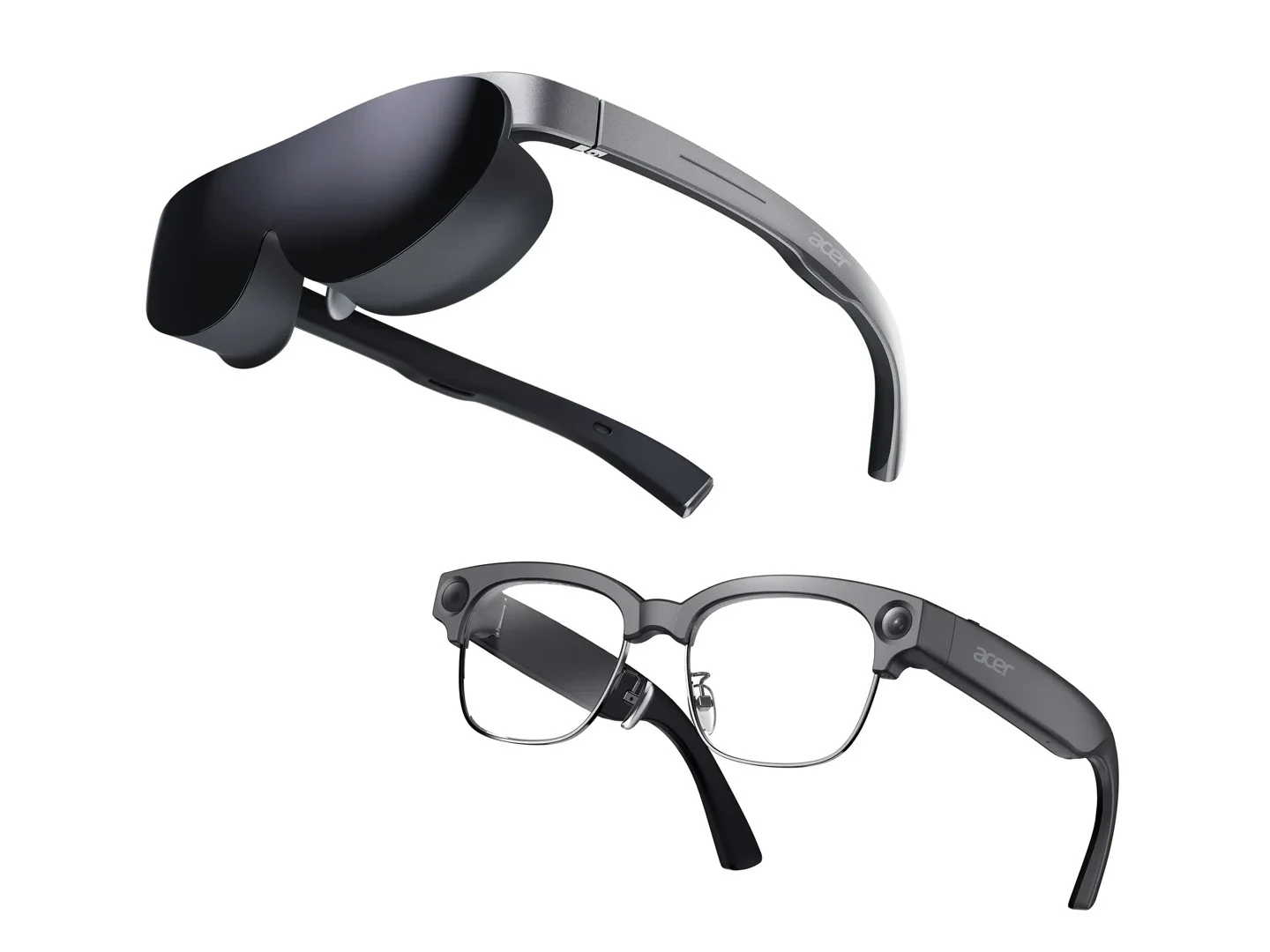
    Alongside new computers, tablets, and handhelds, Acer has also announced two new smart glasses. The glasses are the Acer AR Vision GR0 which are AR glasses, and the Acer GI0 AI Glasses, which are smart glasses like the Ray-Ban Meta AI Glasses.

    Features of the AR Vision GR0

    The Acer AR Vision GR0 connects to a smartphone, laptop, or a device with display output support via a wired connection. When linked to a compatible device, the dual micro-OLED displays combine to project a virtual screen that’s up to 172 inches in size. This makes them suitable for gaming, watching movies, or even productive work. The AR Vision GR0 also has support for displaying 2D and 3D content.

    The two micro OLED displays have a resolution of 1920 × 1080 in 2D mode and a 3840 × 1080 resolution in 3D mode. They also have a 60Hz refresh rate, DCI-P3 color gamut, 24-bit color, a 50,000:1 contrast ratio, and 200 nits of brightness.

    Controls and Compatibility

    The Acer AR Vision GR0 features touch controls for adjusting the brightness and volume, built-in stereo speakers, a detachable light shield, and optional myopia magnetic lens. The glasses have an interpupillary distance of 64mm and weigh 69 grams. The Acer AR Vision GR0 glasses are compatible with Android, iOS, and Windows.

    Introducing the Acer GI0 AI Glasses

    The Acer GI0, on the other hand, are smart AI glasses powered by Gemini. Users can ask questions, request directions, and analyse images using the glasses. They also have support for instant translation and have a voice recording function, which can be useful when having a meeting.

    The Acer GI0 AI glasses have a 12MP camera that has an image resolution of 3024 × 4032 and can record in 1080p at 30fps. They also have 32GB of eMMC storage, stereo speakers, three microphones, Bluetooth 5.0, and Wi-Fi 5. There’s a 217mAh battery inside, but Acer doesn’t say how many hours of battery life users can expect. The glasses have a power input of 5W (5V 1A).

    Software and Companion App

    However, Acer states that the GI0 AI glasses have a companion app called the AspireSync and they can be connected to an Android smartphone (Android 12 and above) or iPhone (iOS 15 and above). They weigh just 46 grams (frames only).

    Pricing and Availability Details

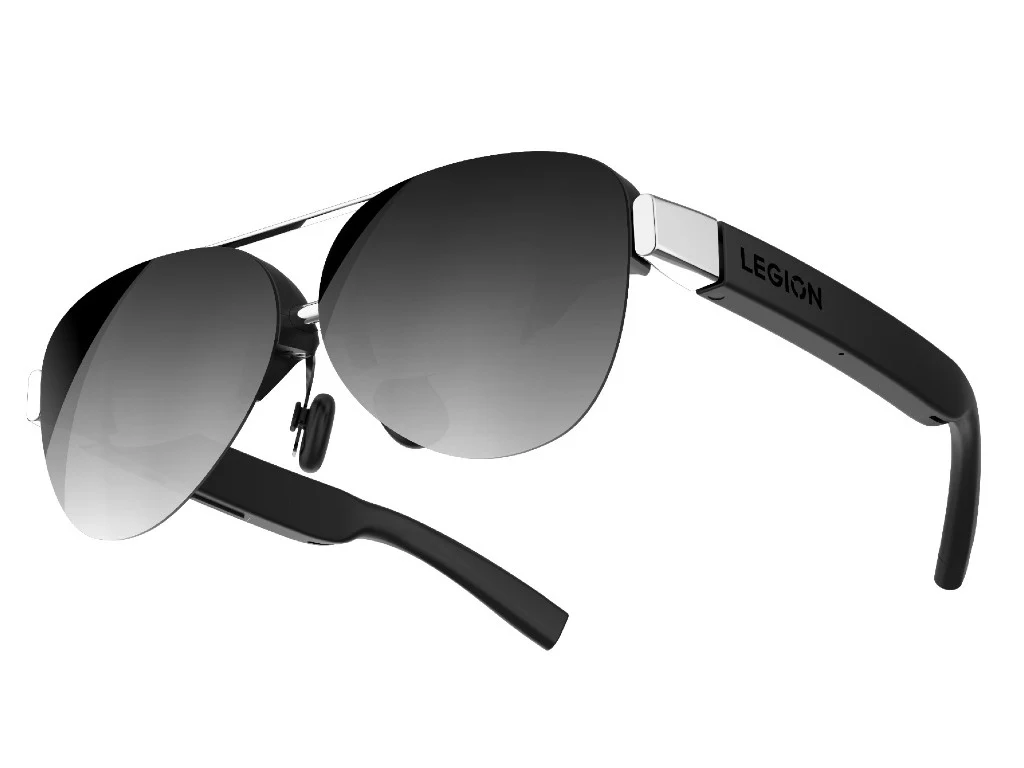
    The Acer AR Vision GR0 glasses are priced at $499.99 in the US, €599 in Europe, and AUD 999 in Australia. That’s a significantly higher price than that of the Lenovo Legion Glasses Gen 2 which are currently available for $249.99 and have a 120Hz refresh rate, although the virtual display is smaller at 126 inches.

    The Acer GI0 AI glasses are much cheaper at $299.99 in the US, €399 in Europe, and AUD 599 in Australia. There’s no info on their release date for North America, but the two pairs of glasses will be available in Europe in the fourth quarter of 2026, while Australia will get them in the third quarter.

    Sources
  • XREAL unveils affordable AR glasses with 1,600-nit display

    XREAL unveils affordable AR glasses with 1,600-nit display

    Key Takeaway

    – Lightweight design at 62 grams with adjustable, swappable front covers and 3D-printable options for customization.
    – High-brightness HDR displays (up to 1,600 nits) and a 50° field of view, delivering a large-imagery AR/video experience.
    – Primarily video/game viewing from connected devices (phones/laptops) rather than AI assistant interactions, positioned as an affordable AR video glasses option.
    – US launch in July priced at $299.


    Overview of the X by Xreal xbx a01+

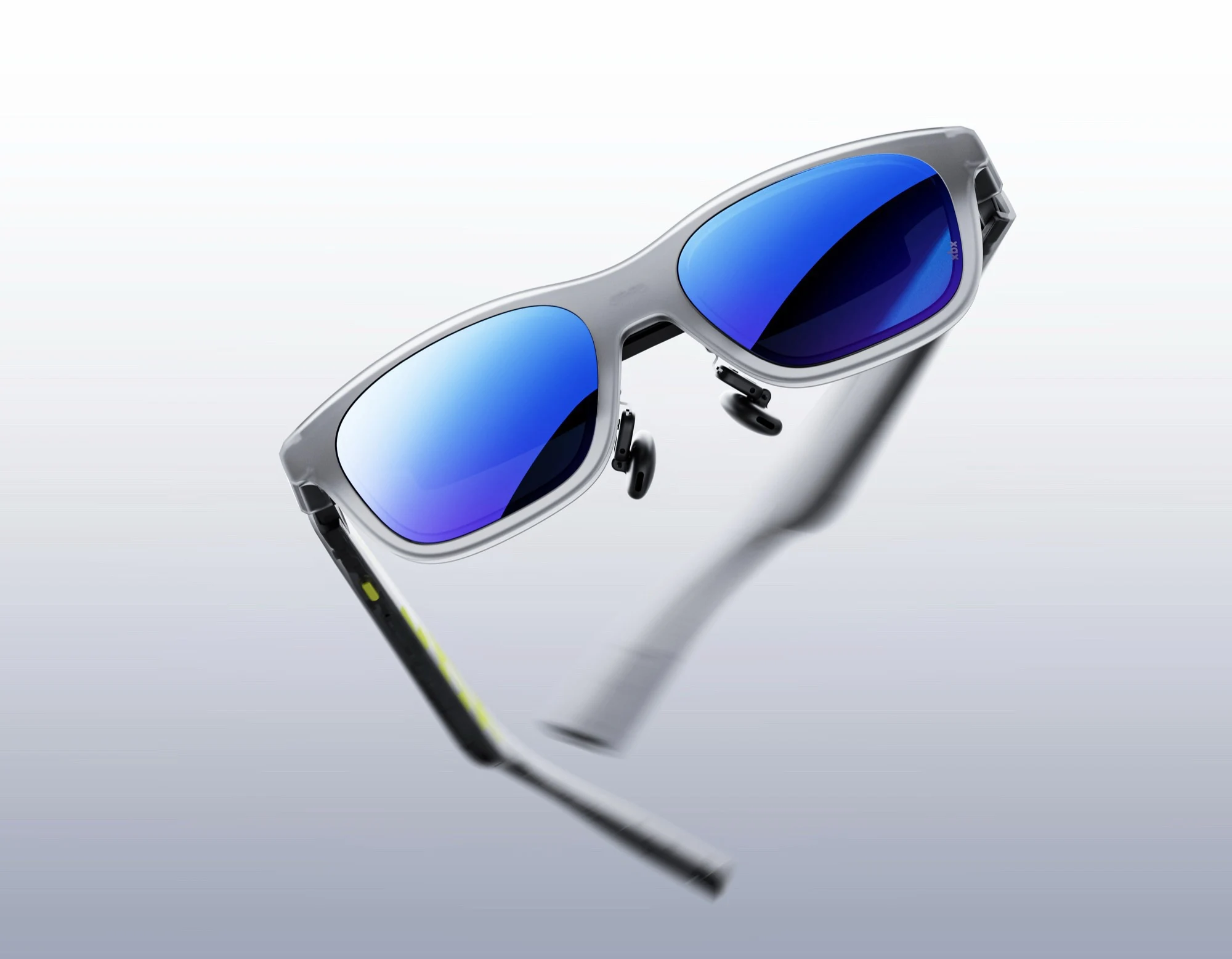
    With X by Xreal, the AR glasses specialist is launching a new subsidiary brand that is intended to stand for hipper, more affordable products. The first of these products is the so-called xbx a01+, AR video glasses that weigh just 62 grams, 20 grams less than the Xreal 1S ($449 on Amazon) and 10 grams less than the Xreal Air 2. This is intended to make them particularly comfortable to wear.

    Design and Build

    The front cover can be changed in a few simple steps to match the shape and color of the glasses to the current outfit. Clever: it is possible to produce front covers using a 3D printer. The temples house speakers. The heart of the xbx a01+, however, are the integrated HDR displays, which should achieve a brightness of 1,600 nits, making them easy to see even in bright daylight.

    Display and Usage

    Xreal advertises a field of view of 50 degrees, which is equivalent to a 147-inch television from a distance of 4 meters. xbx a01+ is more AR video glasses than smart glasses, as the display is primarily intended to show videos or games from a connected smartphone or laptop instead of accessing an AI assistant like the smart glasses from Meta, for example.

    Release and Pricing

    The X by Xreal a01+ AR glasses, also known as xbx a01+ for short, will be launched in the USA in July for $299.


    Sources

  • ROG Xreal R1 AR Glasses Pre-Order Price Tag Update

    ROG Xreal R1 AR Glasses Pre-Order Price Tag Update

    Key Takeaway

    – 240Hz micro OLED displays with 0.01ms response time and a 57° wide field of view, touted for ultra-fluid gaming visuals on AR glasses.
    – Priced at $849—significantly higher than Xreal’s One Pro ($599–$649) due to gaming-focused enhancements and co-branding with Asus ROG.
    – Electrochromic lenses with three tint levels and peak brightness of 700 nits (lower than some competitors, e.g., 1,200 nits on RayNeo Air 3S Pro).
    – Integrated ROG dock with a signal switch for easy display-source swapping, plus comfort-forward design, anchor mode with native 3 DoF, and Bose-built audio.

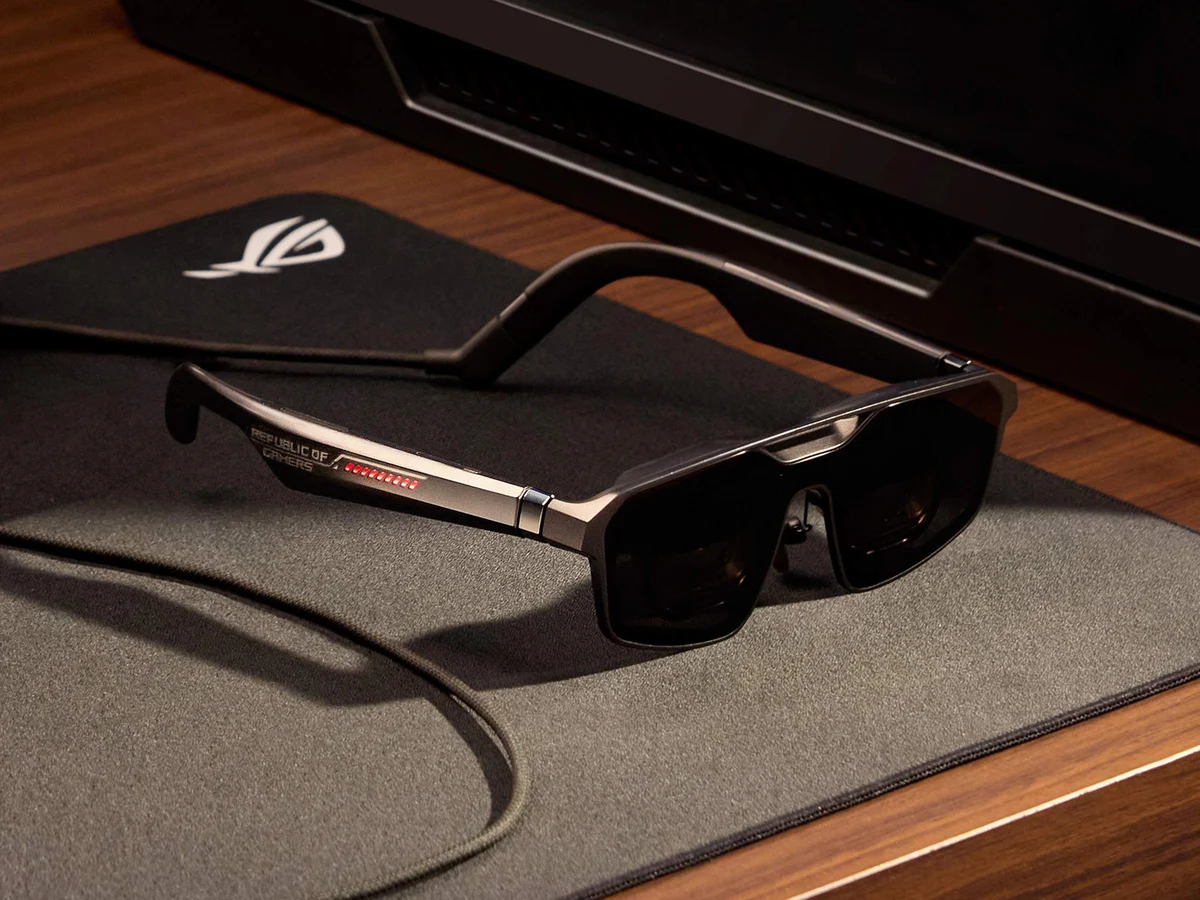
    Asus has just rolled out the ROG Xreal R1 in China after showcasing the gaming AR glasses at CES 2026, and they’re now open for purchase. The pre-order price sits higher than typical non-gaming AR glasses, signaling a premium for the gaming features and branding involved.

    Pricing snapshot

    The ROG Xreal R1 glasses are listed on the Xreal shop for 849, while Xreal’s top-end One Pro normally retails at 649 and can drop to 599 with occasional discounts. These co-branded AR glasses carry a handful of gaming-centric enhancements that set them apart from standard models in the market.

    Display and performance

    First off, they claim to be the first commercially available AR glasses with 240Hz refresh rate micro OLED displays. In contrast, non-gaming AR options typically max out at 120Hz. Xreal asserts a 0.01ms response time for the ROG glasses, which should translate into smoother motion and more fluid picture output for fast-paced gaming.

    Visual specs and field of view

    The micro OLED displays reportedly offer up to a 171-inch virtual screen size, though this isn’t groundbreaking since some AR glasses like the Rayneo Air 4 Pro reach around 201 inches. The R1 counters with a relatively wide field of view of 57°, which could contribute to a more immersive viewing experience during gameplay and AR tasks alike.

    Lenses and brightness

    The R1 includes electrochromic lens technology with three tint levels to help isolate the display from surrounding light. However, peak brightness sits at 700 nits, which is notably lower than last-gen devices like the RayNeo Air 3S Pro with 1,200 nits, suggesting usage conditions will influence perceived clarity in bright environments.

    Gaming-centric features

    Asus and Xreal have teamed up on several gaming-focused features for the R1. The bundled ROG dock includes a built-in signal switch for easy swaps of display source. Other highlights include a comfort-forward adjustable design, anchor mode with native 3 DoF, and an audio system described as being tuned with Bose technology. A promotional video is available to showcase these capabilities.

    Sources
  • Lenovo Legion Glasses Gen 2 Discount Dropping to $249.99 Permanent Deal

    Lenovo Legion Glasses Gen 2 Discount Dropping to $249.99 Permanent Deal

    Key Takeaway

    1. The Legion Glasses 2 are now available at a permanent lower price of $249.99 on Amazon and Lenovo’s website, down from their original $399.99 launch price.
    2. They feature micro-OLED displays with 1920 × 1080 resolution per eye, 120Hz refresh rate, and a 43.5° field of view.
    3. When connected to compatible devices, they can project a virtual monitor up to 126 inches in size.
    4. The glasses are lightweight at 65 grams and include features like built-in speakers, dual microphones, and a switch for 2D/3D modes.

    Introduction and Background

    It’s been over a year since Lenovo launched their Legion Glasses 2, also known as Legion Glasses Gen 2. These augmented reality (AR) glasses are capable of being connected to Lenovo’s Legion Go handheld devices to act as an expansive virtual monitor, but they also work with any gadget that has a USB-C video output. The versatility in compatibility makes it a pretty interesting gadget for gamers and tech enthusiasts alike.

    Pricing Evolution and Availability

    Initially, when they debuted at CES 2025, the Legion Glasses 2 was priced at $399.99. They then had a temporary discount in June 2025, dropping the price to $329.99. But if you missed that sale, there’s good news – the prices now seem to be permanently lower. Currently, these glasses are being sold at a seriously low price of $249.99, which is an incredible $150 discount from the original retail. It’s noteworthy that none of the official sellers mention this as a sale or discount, hinting that this might now be their normal retail price.

    Features and Specifications

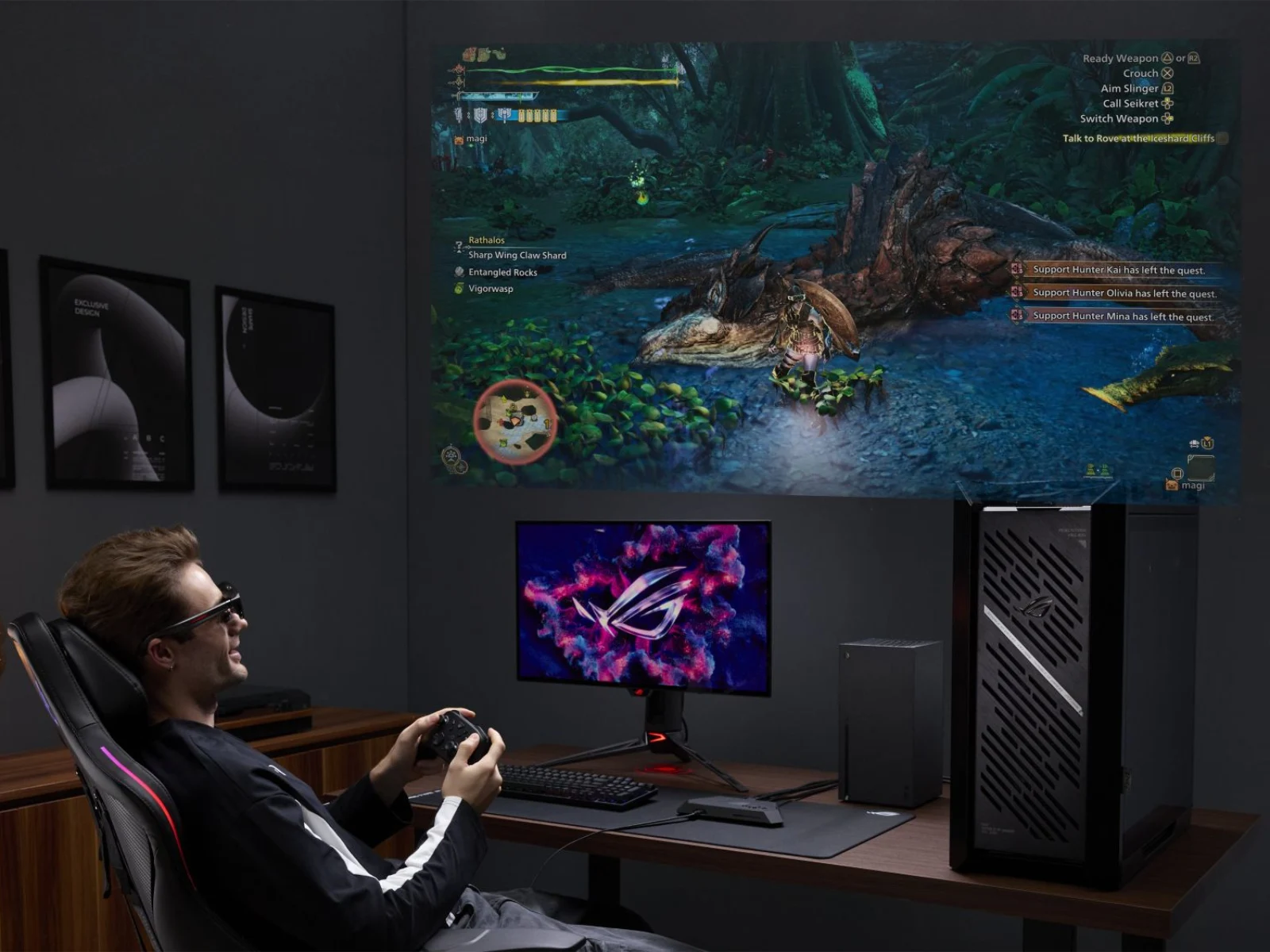
    The Legion Glasses 2 boasts micro-OLED displays, providing a resolution of 1920 × 1080 per eye, a refresh rate of 120Hz, and an impressive contrast ratio of 200,000:1. The display brightness peaks at 800 nits with a 43.5° field of view. When paired with the Legion Go S or similar compatible devices, they project a virtual screen up to 126 inches diagonally, making it feel like a massive display right in front of you. It is quite a remarkable feature for immersive gaming or work scenarios.

    Design and Accessories

    The lightweight design of these glasses at only 65 grams makes them very comfortable for prolonged use. They come with various added features including built-in speakers, dual microphones, and a switch button that easily toggles between 2D and 3D viewing modes. Lenovo supplies the Legion Glasses 2 with practical accessories such as a carrying case, magnetic light shield, nose pads, an anti-slip adapter, and even a frame for prescription lenses. This comprehensive set makes them a more versatile and userfriendly gadgets.

    Sources
  • Asus ROG Xreal R1 AR Glasses: 240Hz Refresh Rate & Bose Audio

    Asus ROG Xreal R1 AR Glasses: 240Hz Refresh Rate & Bose Audio

    Key Takeaways

    1. Asus is showcasing various gaming monitors and new AR glasses, the ROG Xreal R1, at CES 2026.
    2. The ROG Xreal R1 is co-developed with Xreal and continues the legacy of previous Xreal AR glasses.
    3. The AR glasses have limitations, including FHD resolution, a narrow 57-degree field of view, and only 3 degrees of freedom.
    4. The ROG Xreal R1 features a high 240 Hz refresh rate and Bose-tuned speakers for improved audio quality.
    5. The glasses will be released with the ROG Control Dock for connectivity, but pricing and full specifications are not yet available.


    Asus is showcasing a variety of gaming monitors at CES 2026 in Las Vegas this week. In addition to the ROG Swift OLED PG27UCWM and other models, the company has also introduced a new pair of augmented reality (AR) glasses.

    Collaboration with Xreal

    The ROG Xreal R1, as indicated by its name and the accompanying video, has been co-developed with Xreal rather than being a solely Asus product. This means these glasses aren’t smart glasses like the Ray-Ban Meta Gen 1 or Gen 2. Rather, they continue the legacy of previous Xreal AR glasses, such as the Xreal One Pro, which is currently priced at $649 on Amazon.

    Technical Limitations and Advantages

    Sadly, the limitations of older AR glasses persist, including the FHD (1,920 x 1,080) resolution, a somewhat narrow 57-degree field of view (FoV), and only 3 degrees of freedom (DoF). However, the ROG Xreal R1 does boast some notable advantages over competing AR glasses. Primarily, it offers an impressive 240 Hz refresh rate on its micro OLED displays, which is a step up from the 120 Hz maximum found in many current AR glasses.

    Audio and Connectivity Features

    The ROG Xreal R1 is equipped with Bose-tuned speakers, addressing a common issue with audio quality in many AR glasses. Furthermore, Asus promotes these glasses alongside the ROG Control Dock, an accessory that connects the ROG Xreal R1 to devices like PCs using DisplayPort 1.4 and HDMI 2.0 ports. Currently, Asus plans to release the ROG Xreal R1 and the ROG Control Dock before summer. However, the pricing and complete technical specifications are still unknown at this time.

    Source:
    Link


  • Rollme Smart Glasses: 8MP Camera, AI Translation, Dual Mics

    Rollme Smart Glasses: 8MP Camera, AI Translation, Dual Mics

    Key Takeaways

    1. Rollme’s VivaView AR glasses are priced at $69.99, offering impressive specifications for their cost.
    2. The design features lightweight frames with photochromic lenses that darken in sunlight, and controls on the right temple arm.
    3. The unique camera placement includes an 8MP Sony sensor for capturing first-person photos and videos, capable of recording 1200P anti-shake HD video.
    4. Additional features include wireless earbuds with AAC speakers and dual-silicone microphones for hands-free calls via Bluetooth.
    5. The glasses claim to have AI capabilities for voice assistance, real-time translation, and object recognition, though expectations should be realistic given their price point.


    The smart glasses market is becoming quite saturated with products that either cost a fortune (yes, we’re looking at Ray-Ban Meta) or just don’t perform well. Yet, Rollme’s new AR glasses seem to have potential, at least on paper, and they’re debuting with a specifications list that looks almost too impressive for their price of $69.99.

    Design and Features

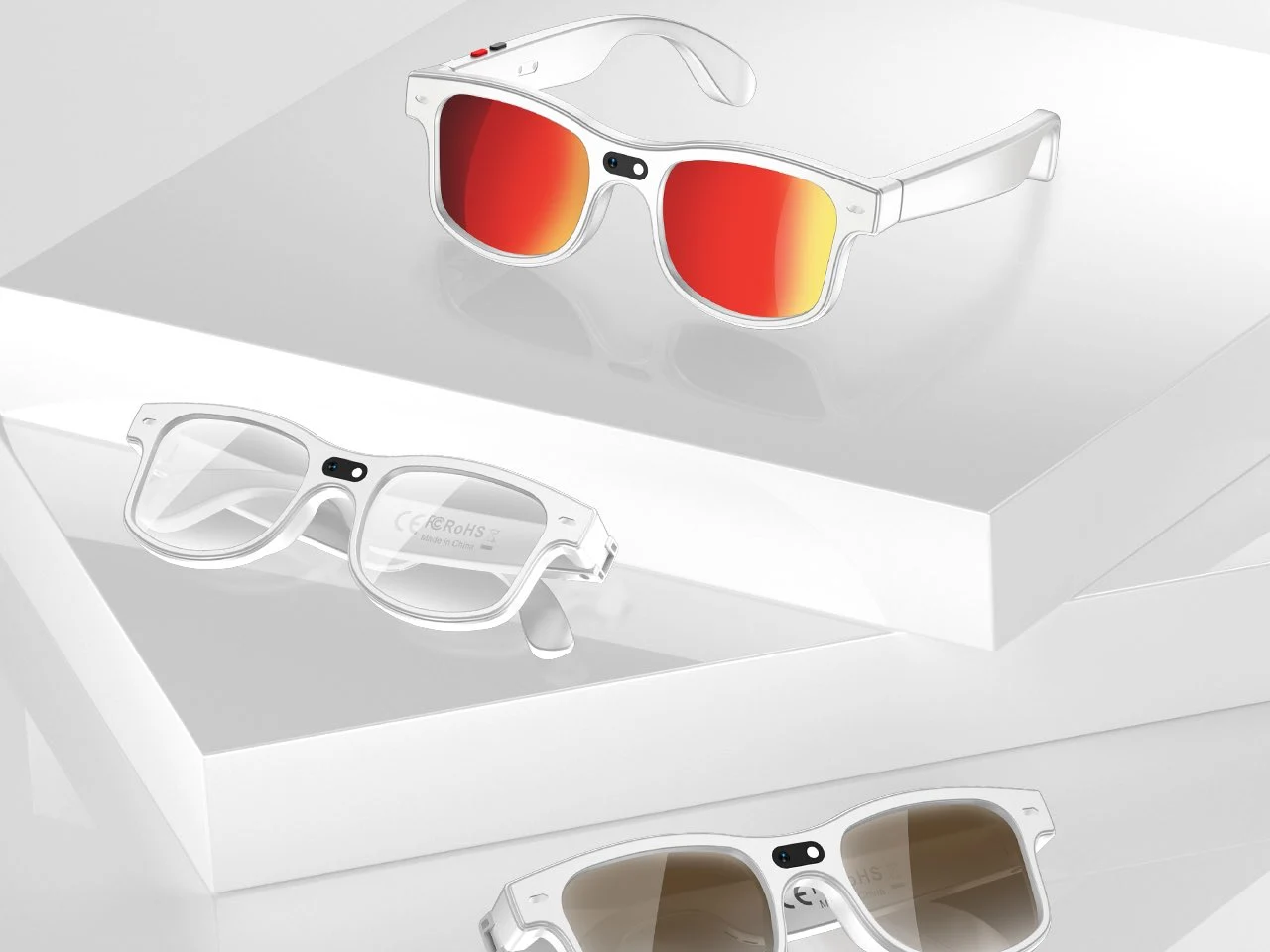
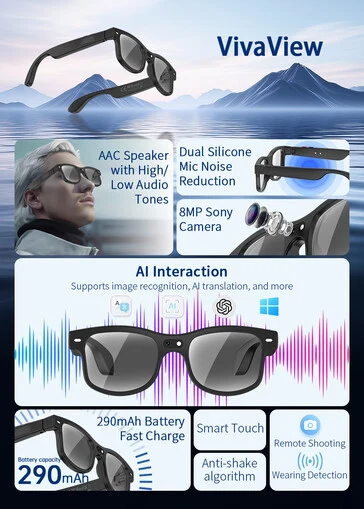
    The design of the VivaView glasses is quite simple. They come with lightweight frames available in black, white, or clear, and they feature photochromic lenses that automatically darken when exposed to sunlight—a nice addition at this price. The right temple arm houses two control buttons along with the charging port.

    Camera Innovations

    What sets these glasses apart from others is the unique camera placement. Rollme has situated the 8MP Sony sensor and a flash right in the middle of the bridge—not on the temple arm like many competitors do. This design is said to provide a “more natural perspective” for capturing first-person photos and videos. The camera is capable of recording “1200P anti-shake HD video.” While it’s not the highest resolution (Ray-Ban Meta Gen 2 can record in 3K), we can assume it’s at least better than 1080p.

    Additional Features

    As with many smart glasses, the VivaView also functions as wireless earbuds. They include AAC speakers for open-ear listening and dual-silicone microphones that reduce noise for hands-free calls via Bluetooth.

    Ambitious AI Capabilities

    Things get really interesting with the “AI” features. In addition to a regular voice assistant for reminders and weather updates, the VivaView claims to provide real-time translation and object recognition. The company says you can ask the assistant to play music, find recipes, or send messages, but the press release doesn’t specify which apps are supported or how it connects with other services.

    Realistic Expectations

    Major tech companies like Google and Meta have invested billions to make these features work, and they’re still not perfect. Honestly, we’re not expecting a $70 pair of glasses to deliver flawless real-time translation and object recognition. However, if you keep your expectations reasonable, the VivaView seems like a very appealing choice for those wanting to try out AR glasses without spending a huge amount of money on something like Ray-Ban Meta Glasses.

    Battery Life

    Finally, the VivaView glasses include a 290mAh battery, which the company claims can last a full day. It takes about 70 minutes to completely charge the glasses.

    Source:
    Link


  • Magic Leap Unveils Google AR Glasses with Raxium MicroLED Support

    Magic Leap Unveils Google AR Glasses with Raxium MicroLED Support

    Key Takeaways

    1. Magic Leap focuses on augmented reality (AR) glasses that overlay digital content onto the real world.
    2. The partnership with Google aims to enhance software development for AR, introducing a prototype for Android XR.
    3. Reference designs allow other manufacturers to create unique products without starting from scratch.
    4. The device uses Google’s Raxium microLED technology alongside Magic Leap’s optical components.
    5. The system features Gemini, which enables context-aware queries and can analyze visual content, like suggesting golf clubs on a course.


    Magic Leap is a company that focuses on augmented reality (AR) and has previously showcased AR glasses. These glasses are meant to overlay digital content onto the real world, allowing users to see information in their line of sight. There are many possible uses for these glasses, such as helping with daily tasks, enhancing travel experiences, or even supporting professionals in various fields.

    Collaboration with Google

    Google is also involved in the AR market and, due to its new partnership with Magic Leap, it seems poised to increase its software development efforts. Together, the two companies have unveiled a prototype that is meant to act as a reference design for Android XR. While these reference designs may not be sold as they are, they serve as a foundation for other companies to create their own unique products. In simpler terms, other manufacturers can add features and tweak the design without needing to build the core framework from scratch, similar to how the Android operating system functions.

    Technical Insights

    Magic Leap has shared some technical specifications about their device. It employs Google’s Raxium microLED technology, while the optical components and waveguide technology are from Magic Leap itself. A video showcases how the system works with Gemini, which allows for context-aware queries. Additionally, Gemini can dissect visual content, such as identifying the design of a building. When on a golf course, this model is even reported to suggest the appropriate golf club to use.

    Source:
    Link


  • Ultra-Light 4K Glasses with Speakers for Immersive Mobile Fun

    Ultra-Light 4K Glasses with Speakers for Immersive Mobile Fun

    Key Takeaways

    1. The Vision Mini glasses feature built-in screens and are lighter than smartphones or regular TVs.
    2. The product is currently funding on Kickstarter, requiring a minimum contribution of $279, and presents financial risks to backers.
    3. The glasses have a high resolution of 3,840 x 1,080 and a field of view of 65° for an immersive experience.
    4. They connect via USB-C/DP or HDMI and include dual stereo speakers for sound that doesn’t disturb others.
    5. The Vision Mini weighs 98 grams and is suitable for individuals with significant myopia, up to -7 diopters, without needing contact lenses.


    We’ve talked before about glasses that have screens built right in. These aren’t exactly AR glasses, which aim to enhance reality with features like navigation prompts on the display. Instead, they’re more like small screens or TVs you can wear as glasses. They are much lighter and easier to carry around than a smartphone or a regular TV.

    New Product Launch on Kickstarter

    A new product in this category, called the Vision Mini, is now up for grabs on Kickstarter. Anyone thinking about backing this project should be aware that there is a considerable financial risk involved, which includes the possibility that the product may never come to market or might not function as promised. Additionally, the company behind it is not well-known. Backers must contribute at least $279, plus shipping fees. The expected delivery date is March 2026.

    Specifications and Features

    The Vision Mini boasts a high resolution of 3,840 x 1,080. An important aspect of such a device is the field of view, which indicates how immersive the experience can be; for this model, it’s listed as 65°. The refresh rate is noted as 60 Hz, with a peak of 90 Hz. The manufacturer claims that individuals with significant myopia, up to -7 diopters, can use the device without needing contact lenses.

    Connectivity and Audio Experience

    The Vision Mini is designed to connect via USB-C/DP or HDMI, allowing it to mirror any connected device. It features two dual stereo speakers integrated into the temples, which are said to deliver immersive sound without bothering nearby people. Finally, the glasses are described as weighing 98 grams. For more information about the Vision Mini, you can check out the product page on their website.

    Source:
    Link


  • TCL RayNeo Air 4: First AR Glasses with Bang & Olufsen Audio

    TCL RayNeo Air 4: First AR Glasses with Bang & Olufsen Audio

    Key Takeaways

    1. AR glasses are becoming more popular for gaming and viewing on various devices, but they have audio quality issues compared to traditional screens.
    2. TCL has partnered with Bang & Olufsen to enhance the audio experience in their upcoming wearable devices.
    3. The partnership aims to improve sound tuning for next-generation AR glasses.
    4. RayNeo will launch new glasses featuring Audio by Bang & Olufsen, succeeding the micro-OLED Air 3s Pros.
    5. The new glasses, possibly named Thunderbird Air 4, are expected to debut in China in October 2025, with a global release planned for December 2025.


    AR glasses are becoming more common for gaming and viewing on a variety of devices like smartphones, consoles, handhelds, or PCs. However, they still have some downsides compared to traditional flat-screen options, with one significant issue being their built-in speakers.

    New Partnership for Enhanced Audio

    To tackle this issue, TCL has formed a new long-term “strategic licensing partnership” with a prominent name in audio technology. This partnership aims to improve the sound experience for users.

    The OEM has shared that Bang & Olufsen from Denmark will be providing sound tuning for the next generation of wearable devices that will be globally released. These products are being developed by the same engineers responsible for the company’s well-known audio equipment.

    Upcoming Releases

    RayNeo is set to introduce its first glasses featuring Audio by Bang & Olufsen, which are expected to be launched globally as the successors to the micro-OLED Air 3s Pros, currently priced at $299 on Amazon. The new glasses might be released as the Thunderbird Air 4 in China earlier, in October 2025, with the global launch planned for December of the same year.

    Source:
    Link