Tag: Snapdragon

  • Snap Specs AR Glasses Feature Dual Snapdragon Chips & Display

    Snap Specs AR Glasses Feature Dual Snapdragon Chips & Display

    Key Takeaway

    – AR display projects 51-degree FOV with 16 million colors, anchored to real world with 7ms latency
    – Features include notifications, navigation, AI real-world interaction, real-time translation subtitles, voice/hand controls
    – Equipped with speakers, microphones, cameras, LED recording indicator, two Snapdragon processors
    – Battery life of 4 hours; 20 hours with charging case
    – Launching fall 2026 at $2,195 in U.S., U.K., and France


    Flagship AR Glasses Unveiled

    Snap Specs are marketed as flagship AR glasses. At first glance, the wearable looks like a pair of conventional glasses, albeit with a relatively thick frame. However, the frame houses a whole range of advanced components, led by an AR display that is projected directly into the user’s field of view, covering a 51-degree field of view and capable of displaying 16 million colors.

    Display and Real-World Integration

    The display is said to feel about as large as a 24-inch desktop monitor when viewed from a normal working distance. Content is anchored in the real world and is designed to adapt to head movements with a latency of just 7 milliseconds. Among other things, this display can show incoming notifications, display a navigation app, or enable the AI assistant to interact with the real world, for example by highlighting the location of a car’s coolant filler cap in the user’s field of view.

    Control Methods and Hardware

    Real-time translations can be displayed as subtitles. The software can be controlled using voice commands and hand gestures. The glasses also feature speakers, microphones, and cameras, with an LED on the front that indicates when photos or videos are being captured. The glasses use two specialized Snapdragon processors and are expected to achieve a battery life of four hours; when paired with the charging case, a runtime of 20 hours is possible.

    Pricing and Launch Date

    The Snap Specs AR glasses are expected to launch in fall 2026 for $2,195, with shipments beginning first in the U.S., the U.K., and France. More details on the features are available at the official product page.

    Company Background

    Snap Inc. is the company behind these glasses, and theyve developed a immersive experiance that blends digital info with the real world. The device uses advanced sensors and software to track your head and hands, making it feel natural to interact with virtual elements. They focused on making the battery long-lasting so you can use it all day without needing to plug in, though the price reflects its cutting-edge technology and limited avalibility at launch.

    Sources

  • Pocket Micro 2: Ayaneo Reveals Processor & More Details

    Pocket Micro 2: Ayaneo Reveals Processor & More Details

    Key Takeaway

    – Upgrade to Snapdragon processor (replacing Helio G99)
    – Improved ergonomics and more comfortable controls
    – Longer battery life
    – Retains premium metal shell and glass front design
    – Likely higher starting price than the original Pocket Micro


    Pocket Micro 2 Gets Official Nod

    Ayaneo unveiled that its smallest handheld, the Pocket Micro is getting a successor. While that announcement didn’t come with lots of details, Ayaneo has now disclosed more specifics about the upcoming handheld which will debut as the Pocket Micro 2. The firm positions this gadget as a significent step up from its predecessor.

    Design and Ergonomics Enhancements

    Ayaneo describes the Pocket Micro 2 as a thoroughly upgraded horizontal retro Android handheld. First, it says the device will have superior ergonomics, which could be interpreted to suggest the Pocket Micro 2 might deviate from the flat back or boxy design of the Pocket Micro. Alternatively, it could keep the outward appearance of its predecessor but be more pleasant to grasp for extended periods. This is a key focus for the company.

    • Better ergonomics means potentionally a more curved back.
    • May retain metal shell and glass front of original.

    Ayaneo is also guaranteeing a dramatic improvement in performance. While the exact chipset isn’t revealed yet, it has been verified that the Helio G99 chip in the Pocket Micro will be swapped out with a Snapdragon processor. The more robust chip should grant the Pocket Micro 2 the ability to more effectively emulate retro gaming systems and handle more intensive games. This performance jump is crucial for emulation enthusiasts.

    Controls and Battery Life Upgrades

    Some critiques of the Pocket Micro pointed out the controls as being among its shortcomings. Ayaneo seems to have acknowledged that feedback, as it states the Pocket Micro 2 will include more comfortable controls. It also mentions the battery endurance will be extended, which was another flaw of the Pocket Micro. These fixes directly address user complaints from the original launch.

    Pricing and Retention of Premium Build

    Last but not least is that the Pocket Micro 2 will retain the upscale design of the original. So we can expect a metal chassis and glass front screen. Although, this also suggests it won’t be inexpensive, and with the high expense of RAM and storage, there’s a chance the Ayaneo Pocket Micro 2 will have a higher initial price point than its predecessor. This could make it a niche product for dedicated collectors.

    There’s still no release date yet for the gadget, but it seems Ayaneo’s approach is to slowly feed us information about the handheld. The company has been active on social media teasing features without committing to a timeline. Enthusiasts are left waiting for more concrete details.

    Sources
  • Galaxy Z Flip8 Exynos 2600 Regions: What to Know

    Galaxy Z Flip8 Exynos 2600 Regions: What to Know

    Key Takeaway

    – Galaxy Z Flip8 will use Samsung’s Exynos 2600 chip in South Korea and Europe, while other markets get Qualcomm Snapdragon.
    – This regional split is driven by cost-saving, as target buyers prioritize design and portability over raw performance.
    – Using the cheaper Exynos chip helps protect profit margins amid industry-wide shortages of RAM and flash memory.
    – The Galaxy Z Fold8 and Z Fold Wide models will continue using Qualcomm Snapdragon only, maintaining separate strategies.
    – The Exynos 2600 is readily available since it’s only used in select Galaxy S26 models outside North America, China, and Japan.


    A Shift in Samsung’s Chip Plan for the Galaxy Z Flip8

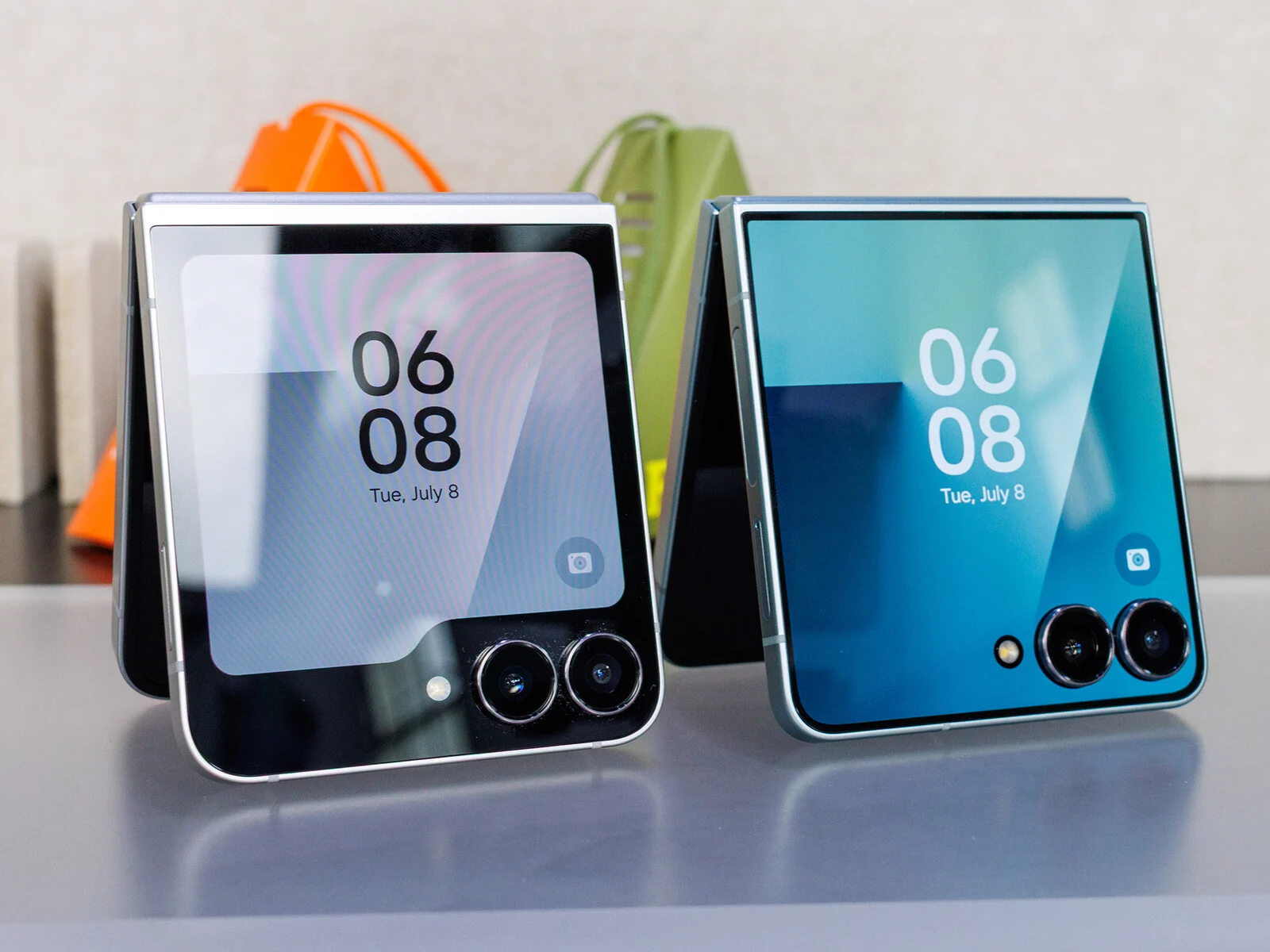
    Samsung is reportedly changing its chipset strategy for the upcoming Galaxy Z Flip8. The Galaxy Z Flip8 will divide its silicon by region, unlike last year’s Galaxy Z Flip7 that shipped globally with just the Exynos 2500. However, a report from The Bell states that the Galaxy Z Flip8 will feature the in-house Exynos 2600 in South Korea and Europe, while Qualcomm Snapdragon will power the rest of the global market.

    Why Exynos is a Better Fit Here

    This change is rooted in a combination of target demographics and production costs. According to a Samsung MX division insider, buyers of the Galaxy Z Flip are likely to value the design and portability of the device over raw processing power. Since the main selling point for this Demographic is not high performance, the company is fine using its in-house chips. The Galaxy Z Fold8 and the new Galaxy Z Fold Wide, however, will remain strictly Snapdragon.

    The Financial Logic Behind the Choice

    From a business perspective, the Exynos 2600 is a calculated decision to protect profit margins. The MX division is currently contending with higher component costs due to industry-wide shortages of RAM and flash memory. Samsung is using the cheaper Exynos chip to offset these costs, which should also help its LSI and foundry businesses.

    The Exynos 2600 is also easily available, as it’s only being used in the Galaxy S26 and S26+ models outside of North America, China and Japan. Samsung is reportedly gearing up to launch the Galaxy Z Flip8, Galaxy Z Fold8 and Z Fold Wide at a rumored event on July 22.

    Sources
  • Samsung Galaxy S27 Ultra: 3 Major Upgrades, Launch with S27 Pro

    Samsung Galaxy S27 Ultra: 3 Major Upgrades, Launch with S27 Pro

    Key Takeaway

    – Galaxy S27 Pro rumored with a 6.4-inch display, compact size akin to iPhone 17 Pro, and two-price-point lineup alongside the regular S27.
    – S27 Pro expected to gain a new camera sensor, larger battery, thinner body, and privacy display like S26 Ultra; may switch to Qualcomm Snapdragon globally.
    – S27 Ultra rumored for major upgrades: redesigned camera module, 200 MP main sensor with variable aperture and digital zoom replace, and a much larger battery, with lighter weight yet similar thickness.


    Galaxy S27 Pro Rumor Summary

    According to a new report on Naver the Samsung Galaxy S27 Pro uses a display with a diagonal of 6.4 inches, which would make the flagship smartphone almost as compact as the Apple iPhone 17 Pro. If this information is correct, Samsung would follow the example of Apple and offer two compact models at different price points with the Galaxy S27 and the Galaxy S27 Pro.

    Design and Core Expectations

    Compared to the Galaxy S26, the Galaxy S27 Pro is said to offer a new camera sensor, a larger battery and a thinner body. According to earlier rumors the compact flagship also inherits the privacy display of the Galaxy S26 Ultra to make sensitive screen content unrecognizable for people standing nearby, and will also be shipped worldwide with a Qualcomm Snapdragon instead of a Samsung Exynos chip, unlike the cheaper Galaxy S27.

    Ultra Model Upgrades

    The Samsung Galaxy S27 Ultra, on the other hand, is set to receive at least three significant upgrades. Firstly, Samsung is reportedly giving the flagship smartphone a revised design with a new camera module.

    Secondly, the cameras are to be modernized – rumors have been pointing to a 200 megapixel main camera with a new sensor and variable aperture, while the 10 MP telephoto camera with triple zoom is to be replaced by digital zoom. And thirdly, Samsung is reportedly installing a much larger battery instead of the 5,000 mAh battery of the Galaxy S26 Ultra.

    The Samsung Galaxy S27 Ultra is said to be lighter than its 214 gram predecessor, but remain almost exactly the same thickness.

    Sources
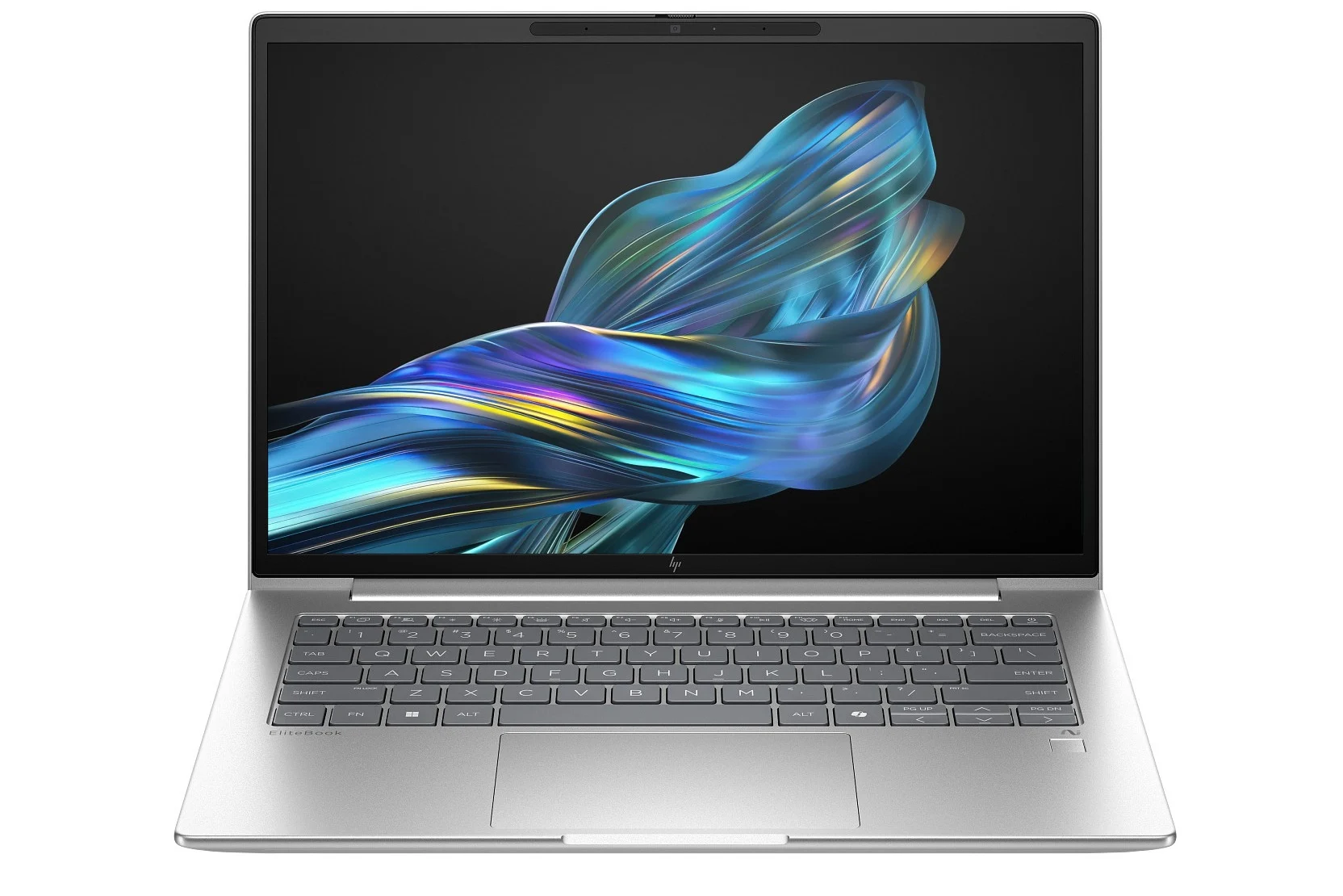
  • HP EliteBook 6 G1q 14 Lacks Key Feature Found in Other Laptops

    HP EliteBook 6 G1q 14 Lacks Key Feature Found in Other Laptops

    Key Takeaways

    1. The EliteBook 6 G1q offers solid performance and features at a more affordable price compared to other EliteBook models.
    2. It has more ports than some pricier models, but lacks an integrated Smart Card reader.
    3. The Snapdragon-powered model cannot support a discrete GPU, unlike Intel versions which can be upgraded.
    4. The integrated NPU in the EliteBook 6 G1q is more powerful, reaching up to 45 TOPS, enhancing AI feature performance.
    5. The absence of a Smart Card reader may affect compatibility due to the Snapdragon processor running on Windows ARM.


    The EliteBook 6 G1q, powered by Snapdragon, offers a solid performance and feature set, especially considering it’s one of the more affordable models in the EliteBook range. It actually comes with more ports than some of the pricier EliteBook 8 14 models. However, it is missing an integrated Smart Card reader, regardless of the configuration or SKU chosen.

    Configurations and Limitations

    In our latest review, we pointed out that the Qualcomm EliteBook 6 G1q 14 cannot be equipped with an integrated Smart Card reader, unlike the AMD and Intel versions of this same model. Additionally, it does not support a discrete GPU, whereas the Intel version can be upgraded with an optional GeForce RTX 3050. The absence of a Smart Card reader is probably related to the Snapdragon processor, which operates on Windows ARM, rather than the standard x64, thus affecting compatibility.

    Performance Advantages

    On the plus side, the EliteBook 6 G1q 14 boasts a more powerful integrated NPU that reaches up to 45 TOPS, compared to less than half that on the Intel or AMD models. Because of this, the Snapdragon system tends to be faster and more efficient for running Co-Pilot+, HP Poly Cam Pro, and other features that are powered by AI. Depending on your office’s reliance on a Smart Card reader, the system has its own set of advantages.

  • Qualcomm Announces Quick Share for Snapdragon Devices Coming Soon

    Qualcomm Announces Quick Share for Snapdragon Devices Coming Soon

    Key Takeaways

    1. The Pixel 10 and its family are the first Android phones to share files with iPhones using Quick Share.
    2. Qualcomm confirmed that Snapdragon-powered devices will soon support Quick Share.
    3. The feature is expected to expand beyond Tensor-powered devices to other Android smartphones.
    4. MediaTek and Samsung have not commented yet, but the feature may also come to their devices.
    5. Quick Share might be available on other gadgets like tablets and Chromebooks in the future.


    The Pixel 10 and its family are the first Android phones that can share files with iPhones through Quick Share. Google has mentioned that it is planning to extend this feature to more Android smartphones. Meanwhile, Qualcomm has verified that Snapdragon-powered devices will also get this capability.

    Snapdragon’s Announcement

    This confirmation was shared by the official Snapdragon account on X. They referenced a post from the Android account that introduced the feature. The Snapdragon post expressed excitement, saying, “Can’t wait for people to use this once enabled on Snapdragon in the near future.”

    Wider Availability

    The announcement indicates that this feature won’t just be limited to Tensor-powered devices like the Pixel 10, which you can find on Amazon for $599. It also suggests that we can expect this feature to come to other smartphones soon. While MediaTek and Samsung haven’t made any comments yet, the feature should also be rolling out to devices with MediaTek and Exynos chips.

    Future Prospects

    Besides smartphones, there’s a chance that this feature might soon be available on other gadgets like tablets and Chromebooks, since those devices also support Quick Share.

    Source:
    Link


  • Ayaneo Launches Pocket Fit Handheld and Budget Konkr Brand

    Ayaneo Launches Pocket Fit Handheld and Budget Konkr Brand

    Key Takeaways

    1. Ayaneo introduced a new sub-brand called Konkr, focusing on better price-to-performance ratios.
    2. The first product under the Konkr brand is the Konkr Pocket Fit, with a launch timeline described as ‘soon’.
    3. The Konkr Pocket Fit features a curved design, bezelless display, and multiple shoulder buttons.
    4. It is powered by a Qualcomm Snapdragon chipset, promising flagship performance, and has a 6-inch display with a 144 Hz refresh rate.
    5. A larger 7-inch model is planned, which will include an 80 Wh battery, but no details about the Konkr Fit’s appearance were shared.


    Ayaneo has just finished its Strategic Sharing Session, where it introduced a new product roadmap. As mentioned last week, there was an expectation that a new device would be unveiled today. However, this was not the case. Instead, Ayaneo announced an entirely new sub-brand known as Konkr, along with other product reveals.

    New Sub-Brand Announcement

    According to the CEO of the company, Konkr aims to offer a better price-to-performance ratio compared to current Ayaneo products. However, Ayaneo has not yet disclosed the price for its first Konkr gaming handheld. Additionally, the launch timeline for the initial Konkr devices has only been described as ‘soon’, with the first one being the Konkr Pocket Fit.

    Design and Features

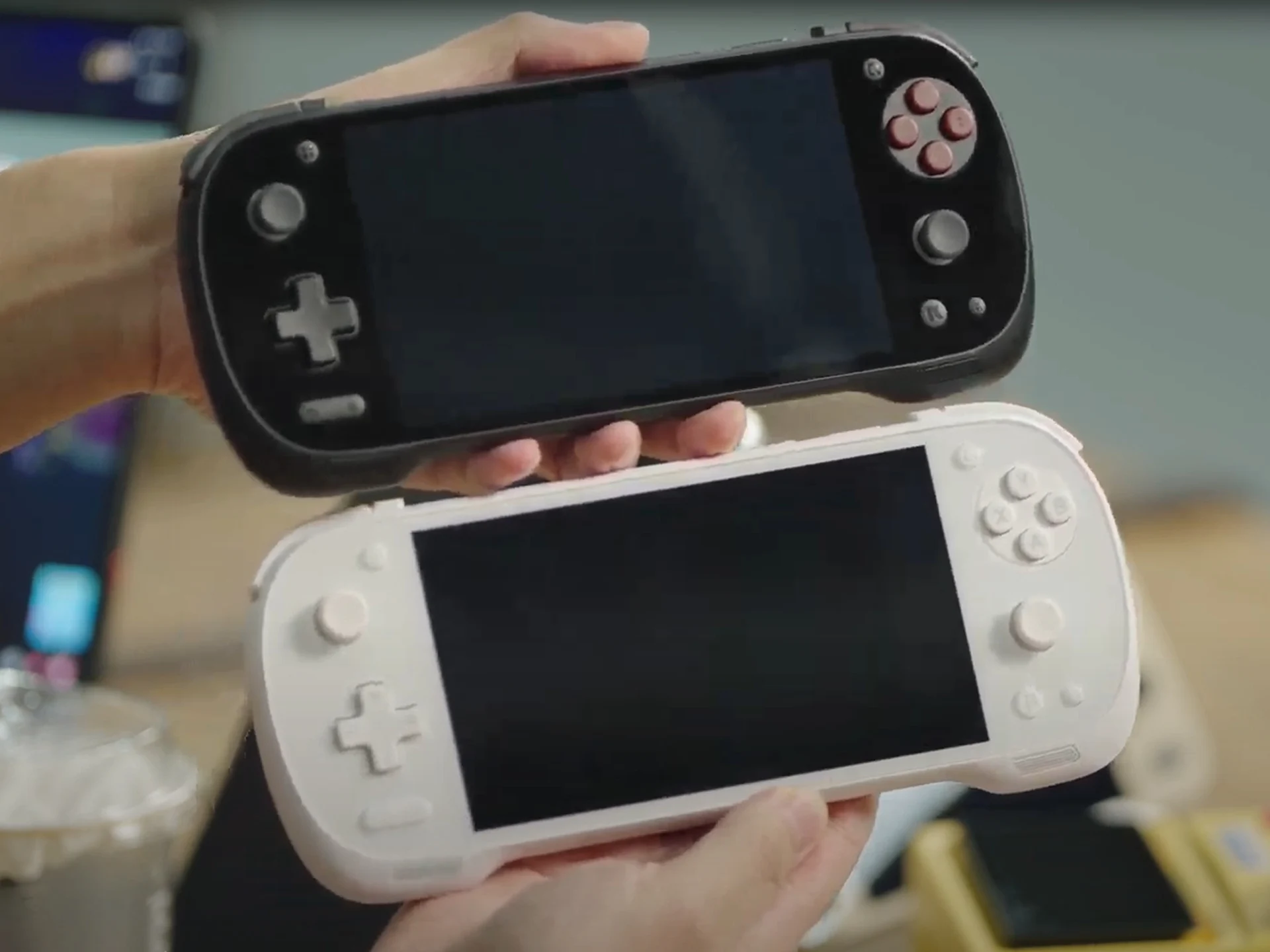
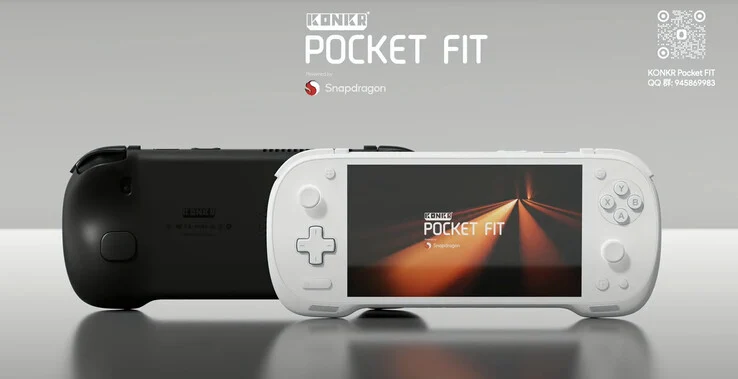
    As seen in the images provided, the Konkr Pocket Fit keeps Ayaneo’s familiar design elements found in other Pocket-branded gaming devices, such as the recent Pocket Evo, which is currently priced at $524.95 on Amazon. The Pocket Fit features a distinctly curved design and a bezelless display, along with three sets of shoulder buttons and two buttons located on the rear.

    Ayaneo has yet to specify the chipset that powers the Pocket Fit. However, it has mentioned that the device uses a Qualcomm Snapdragon chipset, promising ‘flagship performance’. Furthermore, this device boasts a 6-inch display with a refresh rate of 144 Hz. There are plans for a larger 7-inch model that will also feature an 80 Wh battery. Unfortunately, the company chose not to disclose what the Konkr Fit looks like during the product sharing session today.

    Source:
    Link


  • Xiaomi Teases Poco F7 with Early Photos and Unboxing Video

    Xiaomi Teases Poco F7 with Early Photos and Unboxing Video

    Key Takeaways

    1. Xiaomi is launching the Poco F7 on June 24, with plans for a global release, including India.
    2. The Poco F7 features a stylish design with a metal frame and a unique camera setup, but the green accents are purely aesthetic.
    3. A Limited Edition version of the Poco F7 will also be available globally, showcasing a semi-transparent design.
    4. The standard Poco F7 will include a Qualcomm Snapdragon processor and a 50 MP main camera with Optical Image Stabilization.
    5. More specifications and details will be revealed during the launch event, with a video preview available from TechTablets.


    Xiaomi has unveiled the Poco F7 as it prepares for the full launch on June 24. The company is dedicated to making this device available not just in India, but also worldwide. Interestingly, proof of its Indian presence has appeared on Geekbench.

    Design and Features

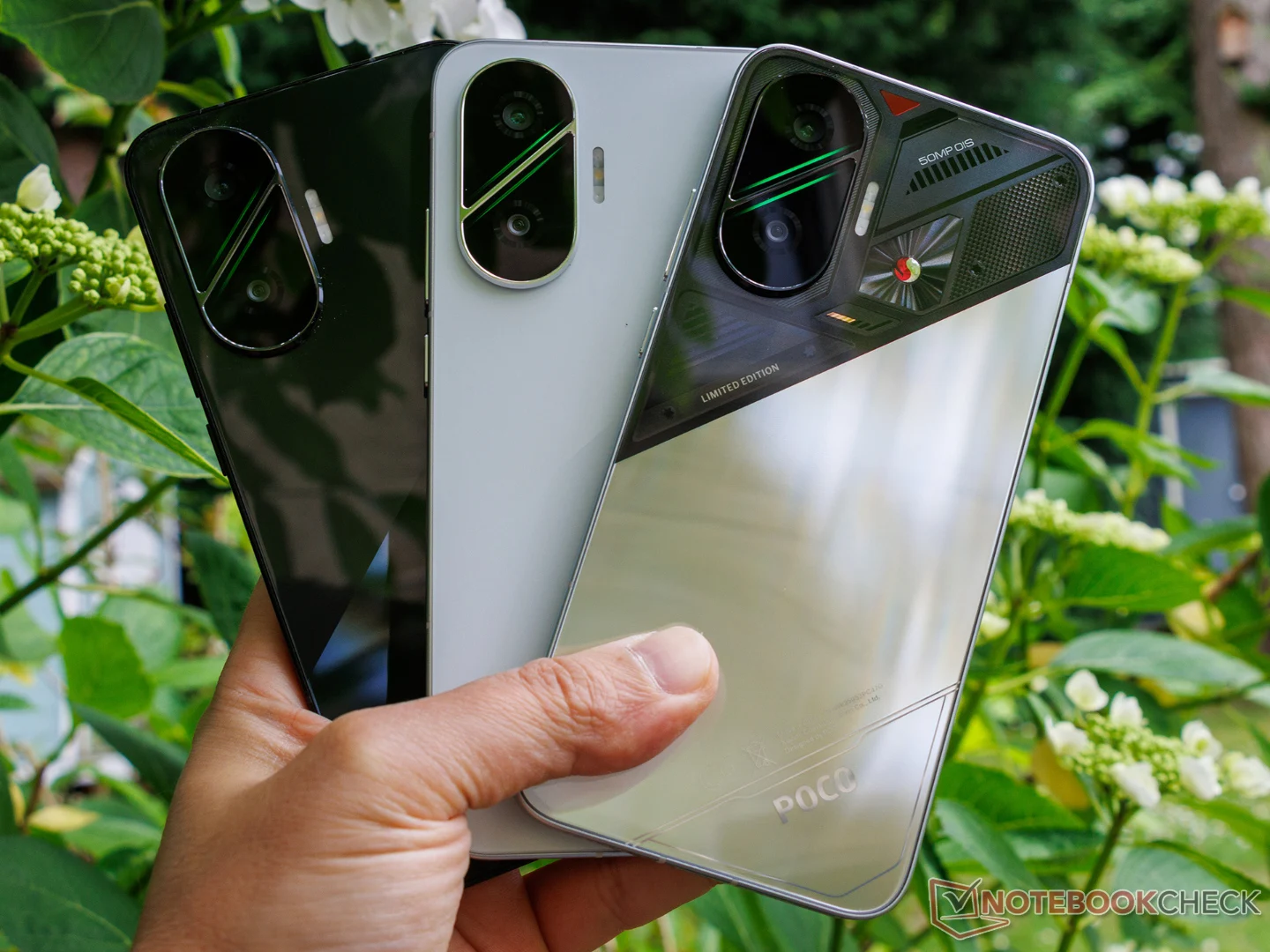
    As we approach the launch, Xiaomi has shared images of the Poco F7 in its three available colors. These images reveal that the device is crafted with a metal frame, complemented by matching buttons and a striking camera setup. Despite its stylish appearance, the green accents on the lenses are merely for aesthetics and are not functioning LEDs.

    Limited Edition and Specifications

    In addition, it appears that the Limited Edition version will also be released globally. This special model features a semi-transparent design and confirms that the Poco F7 will come equipped with a Qualcomm Snapdragon processor and a 50 MP main camera with Optical Image Stabilization, similar to the Poco F7 Pro (curr. $599.99 on Amazon). Unfortunately, we cannot disclose any more specifications at this moment. For additional insights, check out the video from TechTablets below in advance of the launch event next Tuesday.

    Source:
    Link

  • Doubts About New Xbox Console Being Arm-Based Due to Backward Compatibility

    Doubts About New Xbox Console Being Arm-Based Due to Backward Compatibility

    Key Takeaways

    1. A recent job listing suggests a possible shift to Arm-based Snapdragon processors for a new Xbox console, moving away from the current AMD x86 architecture.
    2. Jez Corden from Windows Central doubts this shift due to backward compatibility concerns, stating that new Xbox systems could launch as early as 2027.
    3. The Qualcomm job ad indicates a focus on supporting next-generation Surface and Xbox products, but Corden claims the next Xbox will likely use familiar hardware instead of Qualcomm chips.
    4. An Xbox handheld using Arm technology could be more power-efficient than AMD x86 options, but Microsoft prioritizes backward compatibility and game preservation.
    5. Microsoft is focusing on enhancing its Windows user interface for gamers while continuing hardware development, despite the uncertainty surrounding the next Xbox console.


    A recent job listing hints that a new Xbox console might use an Arm-based Snapdragon processor. This would mark a significant change from the AMD x86 architecture that current Microsoft consoles depend on. Nevertheless, Jez Corden from Windows Central thinks that backward compatibility concerns make this concept somewhat unlikely. Previously, Corden mentioned that new Xbox systems could be launched as early as 2027.

    Job Posting Insights

    The Qualcomm job advertisement, found by Brad Sams, is for a Sales Director position in Redmond, Washington, which is home to Microsoft. One responsibility of the role includes “supporting the sell-in activities for the next generation of Surface and Xbox products built on Snapdragon solutions.” The selected candidate would also “assist in defining the next generation Surface and Xbox portfolios.”

    Hardware Expectations

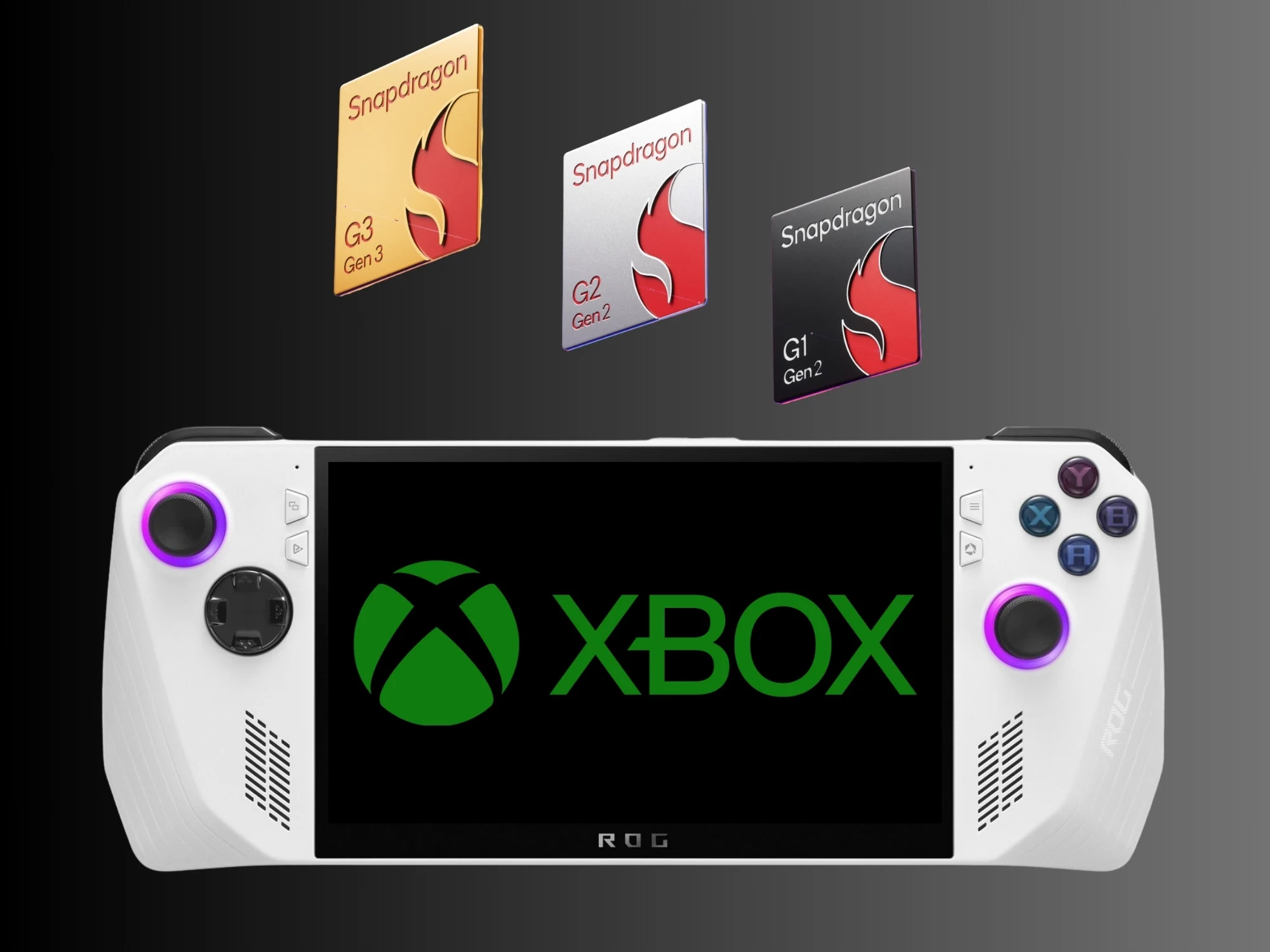
    Despite what the job ad suggests, Jez Corden is quite sure that the next Xbox console will use hardware that gamers are already familiar with. He has confirmed with a source that the consoles “are not based on Qualcomm chips.” Corden feels that replicating Xbox games made for the x86 architecture would be too complicated. However, the individual in the Qualcomm position could enhance gaming experiences on the 12-inch Surface Pro, which operates on an Arm-based chip. Many similar Microsoft devices have trouble playing or even allowing the installation of Xbox games.

    Efficiency and Future Plans

    An Xbox handheld utilizing Arm technology would be more power-efficient. It would outperform AMD x86 options like the Asus ROG Ally in terms of energy consumption. However, Microsoft prioritizes backward compatibility and game preservation. In fact, the rumored Project Kennan is said to be a partnership with Asus, likely resembling the ROG Ally. Rather than altering hardware, Microsoft seems to be concentrating on making its Windows user interface more friendly for gamers.

    Although many aspects of the upcoming Xbox consoles remain unclear, even with the removal of Snapdragon support, it’s evident that Microsoft is still committed to hardware development while releasing titles on various platforms.

    Source:
    Link

  • OnePlus 13s: Upcoming Compact Flagship with Plus Key Feature

    OnePlus 13s: Upcoming Compact Flagship with Plus Key Feature

    Key Takeaways

    1. OnePlus is set to launch the OnePlus 13s in India, showcasing its complete design.
    2. The device will feature the Qualcomm Snapdragon chipset, similar to premium devices like the Samsung Galaxy S25.
    3. A new button called the ‘Plus Key’ will replace the previous Alert Slider, offering over seven customizable shortcuts.
    4. The OnePlus 13s will not be released in Europe or North America, unlike the OnePlus 13T, which is available for global import.
    5. Specific launch dates for the OnePlus 13s in India have not been announced, but excitement is growing among fans.


    OnePlus is keeping fans in suspense as it unveils more information about the upcoming OnePlus 13s, which is set to launch in India. Earlier this week, the company showcased the complete design of its new compact flagship. Before that, it had already announced that the OnePlus 13s would be powered by the same Qualcomm Snapdragon chipset found in other premium small devices, such as the Samsung Galaxy S25 (currently priced at $599.97 – refurbished on Amazon).

    The New Plus Key

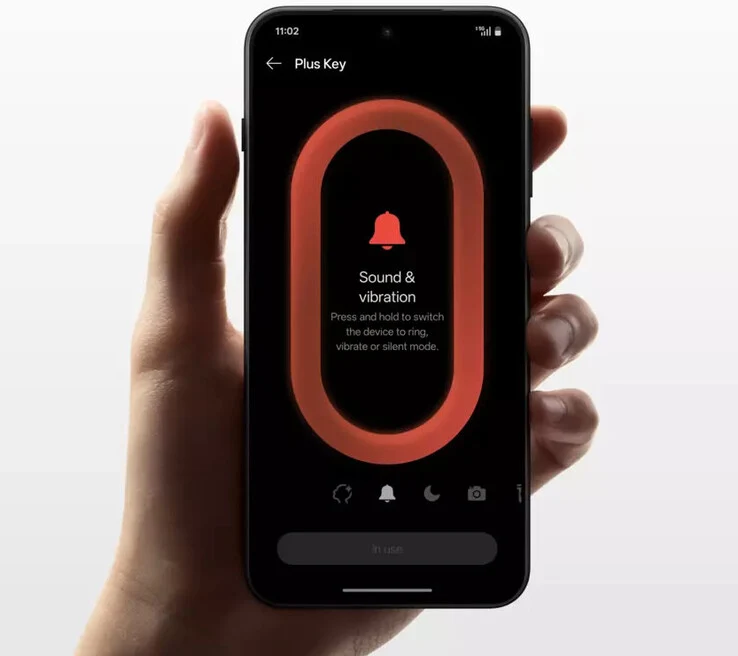
    Recently, OnePlus has introduced details regarding the device’s new button, which takes the place of the Alert Slider seen in previous OnePlus models. While this hardware change has been known for a while, today is the first time OnePlus has named the new button the ‘Plus Key’.

    According to a tweet shared by the company, the Plus Key will allow users to choose from a variety of over seven shortcuts. This includes a feature to activate an AI assistant. Additionally, the Plus Key can be set up for functions like taking screenshots, turning on the flashlight, or even switching the ringer, similar to what the old Alert Slider did.

    Availability and Pricing

    At this point, it remains unclear when the OnePlus 13s will actually hit the market. However, OnePlus has already stated that this model will not be released in Europe or North America. On the other hand, the OnePlus 13T is available for import globally, starting at $599, and it is expected that the OnePlus 13s will have nearly identical specifications.

    OnePlus India has not provided specific launch dates yet, but anticipation is certainly building among fans and tech enthusiasts alike.

    Source:
    Link