Tag: Samsung Galaxy S21 FE

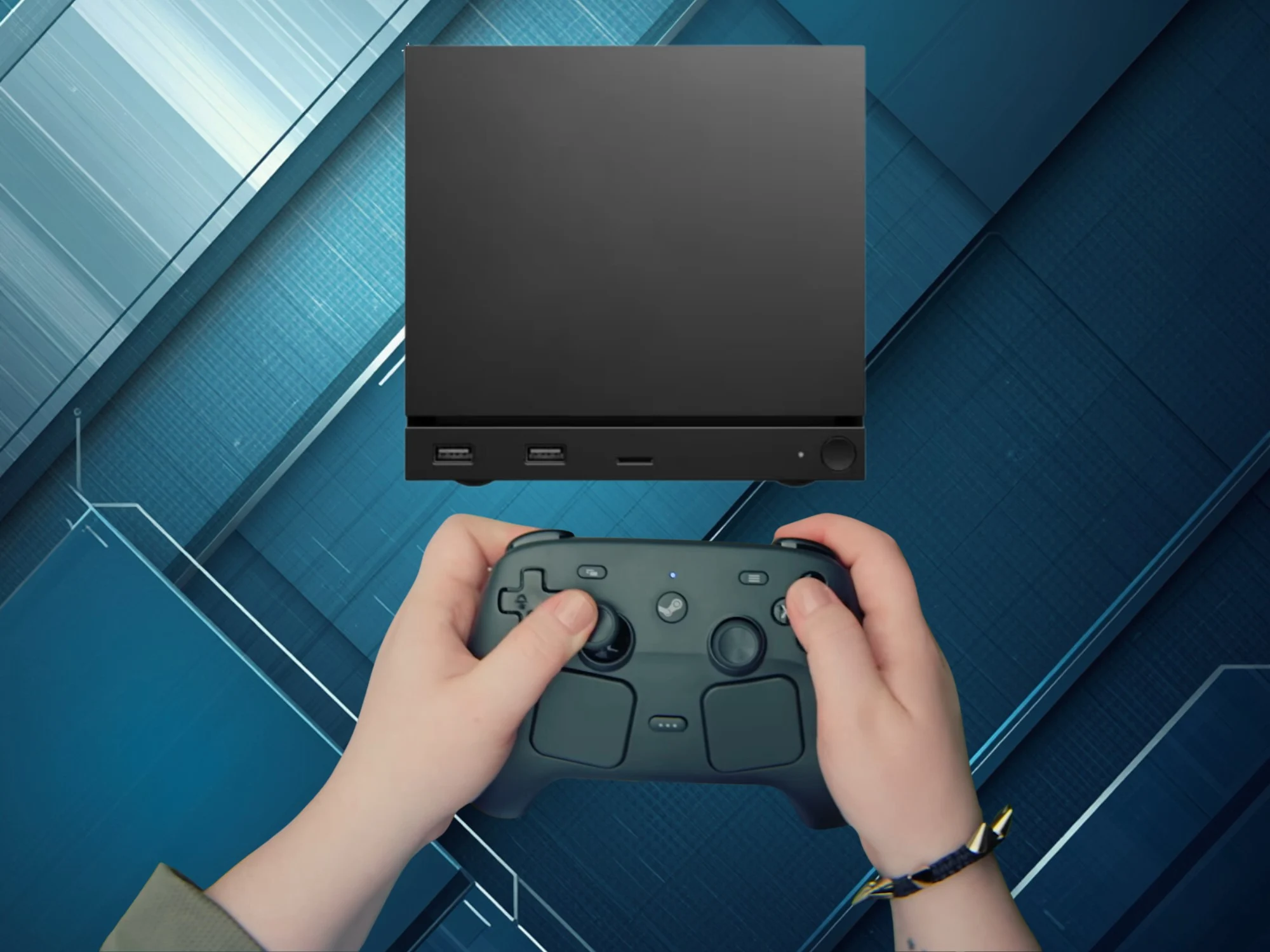
  • Steam Controller Delay to 2027 Hints at Steam Machine Disappointment

    Steam Controller Delay to 2027 Hints at Steam Machine Disappointment

    Key Takeaway

    – Steam Controller sold out in under 30 minutes; scalpers are reselling for high profits.
    – Valve introduced a reservation queue (like Steam Deck) and purchase limits to combat scalping.
    – Best-case restock is September; worst-case buyers may not receive the controller until 2027.
    – High memory and SSD prices threaten the affordability and availability of the upcoming Steam Machine.
    – Valve is amassing supply for the Steam Machine, but component shortages could still delay or limit production.


    Valve Provides Another Update on Steam Controller Availability

    Valve has provided another update on the availability of its Steam Controller, and unfortunatley gamers who haven’t ordered the accessory may need to wait until 2027. By using a reservation system, the manufacturer can avoid chaos on the Steam Machine release date, but fans worry that hampered by high memory prices the mini PC could prove even more elusive than the controller it self.

    Gamers Disappointed by May 4th Launch

    The May 4th launch of Valve’s latest hardware was a real letdown for gamers who had waited for over 10 years for a new controller. The device sold out in less than 30 minutes, with scalpers hoarding and reselling units for sizeable profits, leaving many fans empty handed and frustrated with the whole situation.

    Reservation Queue and Purchase Limits

    Responding to complaints, the company opened a reservation queue inspired by the Steam Deck and also limited purchases to accounts created before April 27th. Nevertheless, the June 18th bulletin didn’t inspire much confidence for Steam Frame or Steam Machine release date satisfaction, as the most optimistic projection for a restock is September while unlucky buyers may not receive the peripheral in 2026.

    Valve underestimated demand for the accessory

    Valve underestimated the demand for the accessory, a mistake it hopes not to make with the SteamOS console. Import records to its U.S. offices suggest that it’s amassing a large supply, though facing a component shortage it’s questionable how quickly it can produce the compact living room PC thats expected to follow.

    Steam Machine Specs and Pricing Concerns

    Unlike the Steam Controller, the mini PC’s specs include 16 GB of DDR5 RAM and along with inflated memory prices SSD values are breaking new ground. It’s also possible that the crisis will lead to lower demand than analysts had initially anticipated, so if the manufacturer can’t obtain parts at a reasonable cost it could push the Steam Machine price beyond what even the most fervent fans can afford.

    Encouraging signs for a Summer 2026 launch

    It may not be long before the console alternative launches because Valve hasn’t changed its Summer 2026 estimate, but there have been encouraging signs recently. SteamDB and SteamOS updates could validate a leak about the reservations starting on June 30th, giving hope to those still waiting for the device.


    Sources
  • Snap Specs AR Glasses Feature Dual Snapdragon Chips & Display

    Snap Specs AR Glasses Feature Dual Snapdragon Chips & Display

    Key Takeaway

    – AR display projects 51-degree FOV with 16 million colors, anchored to real world with 7ms latency
    – Features include notifications, navigation, AI real-world interaction, real-time translation subtitles, voice/hand controls
    – Equipped with speakers, microphones, cameras, LED recording indicator, two Snapdragon processors
    – Battery life of 4 hours; 20 hours with charging case
    – Launching fall 2026 at $2,195 in U.S., U.K., and France


    Flagship AR Glasses Unveiled

    Snap Specs are marketed as flagship AR glasses. At first glance, the wearable looks like a pair of conventional glasses, albeit with a relatively thick frame. However, the frame houses a whole range of advanced components, led by an AR display that is projected directly into the user’s field of view, covering a 51-degree field of view and capable of displaying 16 million colors.

    Display and Real-World Integration

    The display is said to feel about as large as a 24-inch desktop monitor when viewed from a normal working distance. Content is anchored in the real world and is designed to adapt to head movements with a latency of just 7 milliseconds. Among other things, this display can show incoming notifications, display a navigation app, or enable the AI assistant to interact with the real world, for example by highlighting the location of a car’s coolant filler cap in the user’s field of view.

    Control Methods and Hardware

    Real-time translations can be displayed as subtitles. The software can be controlled using voice commands and hand gestures. The glasses also feature speakers, microphones, and cameras, with an LED on the front that indicates when photos or videos are being captured. The glasses use two specialized Snapdragon processors and are expected to achieve a battery life of four hours; when paired with the charging case, a runtime of 20 hours is possible.

    Pricing and Launch Date

    The Snap Specs AR glasses are expected to launch in fall 2026 for $2,195, with shipments beginning first in the U.S., the U.K., and France. More details on the features are available at the official product page.

    Company Background

    Snap Inc. is the company behind these glasses, and theyve developed a immersive experiance that blends digital info with the real world. The device uses advanced sensors and software to track your head and hands, making it feel natural to interact with virtual elements. They focused on making the battery long-lasting so you can use it all day without needing to plug in, though the price reflects its cutting-edge technology and limited avalibility at launch.


    Sources

  • Xbox Strategy Chief: In-Game Ads Next Big Gaming Move

    Xbox Strategy Chief: In-Game Ads Next Big Gaming Move

    Key Takeaway

    – In-game ads are projected to become the norm to make gaming more affordable.
    – Ads offer an untapped revenue source amid declining traditional sales growth.
    – Ad-supported tiers can expand access without eliminating premium, ad-free options.
    – Smart ad placements could help cost-sensitive players access major franchises.
    – The approach has mixed reception, praised for immersion but criticized by some players.


    Longtime video game analyst Matthew Ball published a report in 2026 arguing that in-game ad placements would become the norm to make gaming more affordable for everyone

    Fast-forward a few months, and Ball, now the chief strategy officer of Xbox as of late May 2026, still believes that in-game ads can help make gaming consoles or PC gaming less expensive. In his earlier “State of Video Gaming in 2026” report published this year, he argued that in-game ad placements in console and PC titles are largely untapped revenue sources that the video game industry needs to adopt as traditional sales and revenue growth decline over time. Now that he’s reporting directly to Xbox’s new CEO, Asha Sharma, he’s still sticking to his perspective.

    Ball’s Current View on the Industry’s Financial State

    Matthew Ball sat down at The Game Business Live event on June 8 to discuss the current landscape of big-budget gaming, including the financial problems and social woes that plague the video game industry. He explained, “There is a two-sided problem. The costs have gone up way too high on development, and at the same point, everyone feels terrible with prices going up on hardware or software, or microtransactions. That is a challenge. It’s not good if that is the only option.” He shifted the conversation to streaming to get his point across, as it is the clearest real-world example that ad-supported tiers can expand access without killing premium options.

    Streaming as a Model for In-Game Ads

    Ball continued: “In excess of 100% of net adds in the United States for years and years have been on the ad-supported tier. That has not excluded anyone from ad-free experiences. Those products are still there. They’re still popular.” What Ball is trying to say is that it’s not about whether any type of ad can be shoved into every game. It’s about whether smart placements could give more people a way into franchises they might otherwise skip.

    Comparisons to Real-World In-Game Marketing

    This is somewhat similar to a move pulled by Techland to advertise and market Dying Light: The Beast, adding billboards for the mainline sequel to the zombie parkour survival game in its prior game, Dying Light 2: Stay Human. However, even this type of ad placement has received mixed reactions, with some loving the immersion while others express disdain. Without digressing further, Ball continued, “The question is, are there opportunities that allow the people who can’t afford, or wouldn’t try, to have an onboard to our properties and franchises?”

    Ball’s Final Stance on Achieving Accessibility

    He reiterated that the industry must explore these placements carefully to avoid alienating players, but the potential for reducing hardware and software costs remains significant. The overall message from Ball is that in-game advertisements, when done respectfully and integratively, could be a key solution for making high-end gaming experiences more accessible to a broader audience without ruining the experience for those who can afford premium options.

    • Ball’s report from 2026 originally proposed in-game ads as a norm
    • He now serves as chief strategy officer at Xbox
    • Streaming ad tiers show that premium options remain viable
    • Techland’s billboard ads in Dying Light 2 recieved mixed reactions
    • Ball emphasizes smart placements over forced ads
    Sources
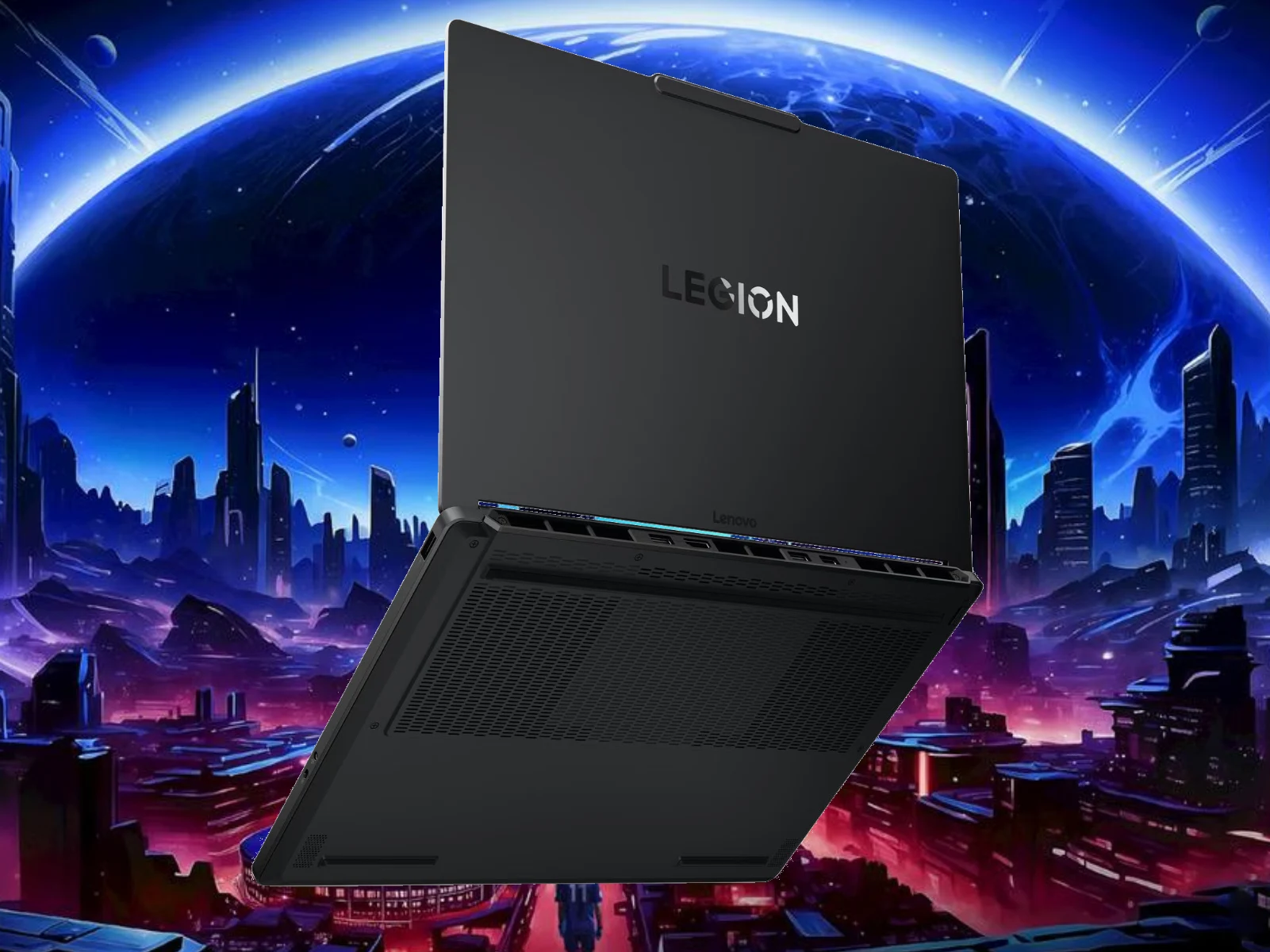
  • Lenovo Launches 15-Inch Compact Gaming Laptop with 1000-nit OLED

    Lenovo Launches 15-Inch Compact Gaming Laptop with 1000-nit OLED

    Key Takeaway

    – New Legion 5i 15IAX11 is smaller and thinner than its predecessor.
    – Features a larger 15.3-inch OLED display with 2560×1600 resolution, 165Hz refresh, and 1000 nits peak HDR brightness.
    – Packs an 80Wh battery, dual SSD slots (PCIe 5.0 and 4.0), and supports up to 32 GB DDR5-5600 RAM.
    – Currently available in the US with a Core Ultra 7 251HX and RTX 5060, priced at $2,959.
    – RTX 5070 and Core Ultra 9 options are planned for later in 2026.


    Lenovo’s New Gaming Machine Hits the US

    Towards the end of last month, Lenovo released its new Legion 5i across multiple markets, including Australia, East Asia, Southeast Asia and Europe. Now, the company has followed up by bringing that same laptop to North America, albeit in a limited form for the time being.

    Design and Size Changes from the Previous Model

    For context, the new Legion 5i 15IAX11 replaces Lenovo’s Raptor Lake-based model we reviewed in October 2025 (curr. $1,735 on Amazon). However, Lenovo’s Gen 11 model departs from its predecessor in several areas. For instance, the Legion 5i 15IAX11 is around 10 mm shorter than Lenovo’s Gen 10 model. Also, the new Legion 5 is between 5% and 16% thinner, depending on how you cut it.

    Display and Internal Specs Revealed

    Nonetheless, this year’s model contains a larger OLED display. Now spanning 15.3-inches, the glossy display outputs at 2,560 x 1,600 pixels with a 165 Hz refresh rate and 1,000 nits peak brightness in HDR mode, or 500 nits when viewing SDR content. Moreover, Lenovo includes an 80 Wh battery as standard with M.2 2242 (PCIe 5.0) and M.2 2280 (PCIe 4.0) SSD slots. The Legion 5i 15IAX11 supports up to 32 GB of DDR5-5600 RAM too, although only 16 GB can be configured in the US at the moment.

    Processor and Pricing Constraints

    Additionally, Lenovo limits the gaming laptop to a Core Ultra 7 251HX processor, a 3 nm processor that contains four more efficiency cores and two fewer threads than the Core i7-13650HX in the Gen 10 model we reviewed. Currently, Lenovo charges $2,959 for the Legion 5i 15IAX11 with a GeForce RTX 5060 laptop GPU featuring the same 115 W TGP as its predecessor. GeForce RTX 5070 12 GB and Core Ultra 9 290HX Plus options should be available later in 2026.


    Sources

  • Canon Plans 3 New PowerShot Cameras and App

    Canon Plans 3 New PowerShot Cameras and App

    Key Takeaway

    – Canon to release a flagship PowerShot compact camera in 2026 with a newly developed sensor, priced under $1,000.
    – New design prioritizes photography over video, breaking from the G7 X Mark III era.
    – Two additional compact cameras planned: a superzoom with large sensor and wide zoom range, plus a mainstream model.
    – All three cameras expected to launch within the next 12 months.
    – Canon is developing a replacement for the Camera Connect app with new, unspecified features.


    Rumors about a Canon PowerShot compact camera with a large sensor emerged back in April, and now CanonRumors has now been able to find out more about Canon’s plans for the compact camera market. As previously reported, a flagship compact camera with Canon PowerShot branding is to be launched on the market in 2026 with a completely newly developed sensor. Although this camera will have a slightly smaller sensor than the new Panasonic Lumix L10, it will also cost less than $1,000, making it an appealing option for enthusiast photographers looking for a portable yet powerful device.

    Design Departure from the G7 X Mark III

    What is new is the information that this compact camera will be fundamentally different from the PowerShot G7 X Mark III, meaning that Canon is to develop a new design for a compact camera with a focus on photography instead of video for the first time in years. This shift in strategy suggests Canon is listening to feedback from users who prioritise still image quality over video features, potentially leading to improved ergonomics and a more dedicated shooting experience.

    Two Additional Compact Cameras in Development

    Canon is also said to be developing two other compact cameras – a superzoom camera, which will combine a relatively large sensor for this product category with a lens with a particularly wide zoom range, and a more affordable mainstream compact camera. According to CanonRumors, all three of these cameras will be launched within the next twelve months, although the schedules of products not yet announced are subject to change at any time.

    Canon is rumored to be developing a brand new smartphone app to replace Canon Camera Connect, although it is not yet known what new features this app will bring. Camera Connect already allows users to wirelessly transfer photos from a camera, remotely control the camera, enhance photo metadata with GPS coordinates and perform firmware updates, but the new application may improve connectivity and introduce advanced editing tools or cloud integration features.

    Sources
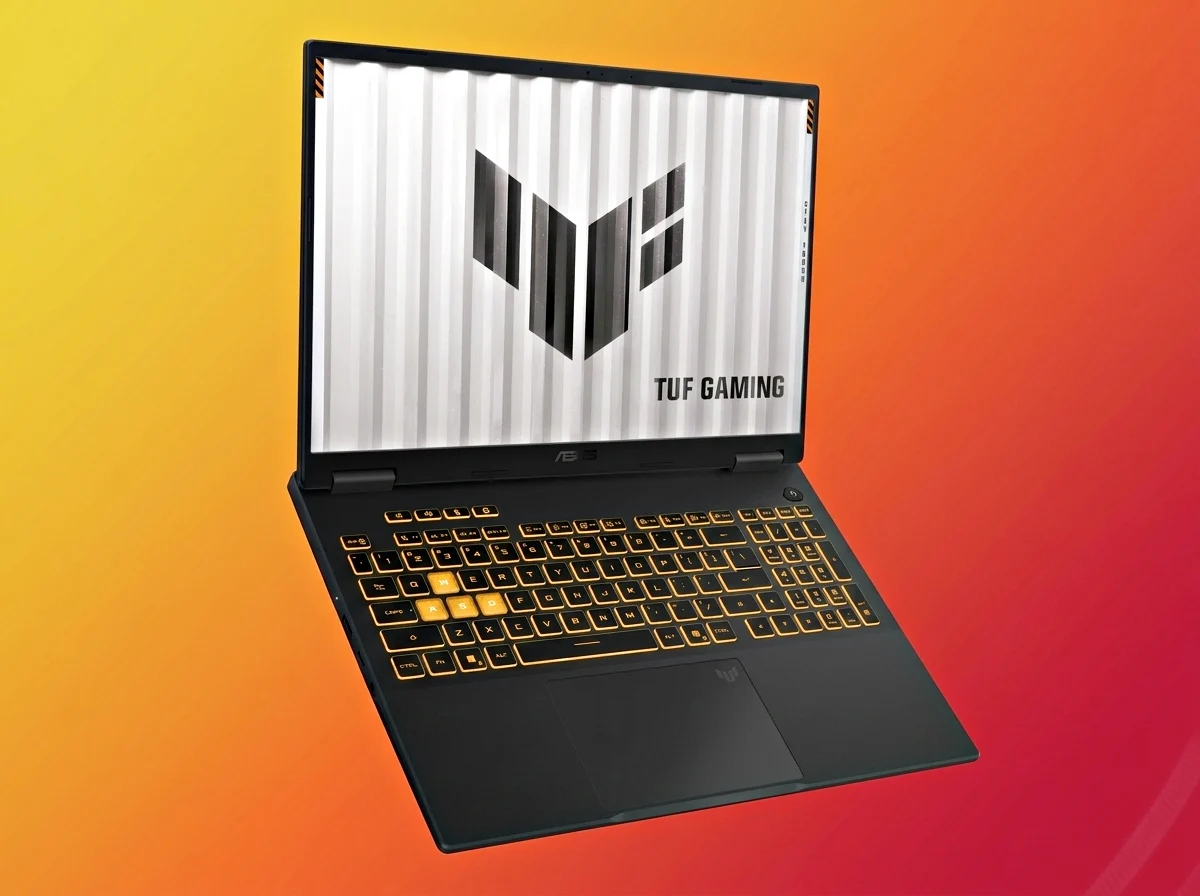
  • Asus TUF Gaming A16 Laptop: RTX 50, Expert Cooling & Durability

    Asus TUF Gaming A16 Laptop: RTX 50, Expert Cooling & Durability

    Key Takeaway

    – New 2026 TUF Gaming 16 features an all-black, anti-fingerprint design.
    – Powered by up to Intel Core i7-14650HX and Nvidia RTX 5070 (85W TGP).
    – Emphasizes quiet, sustained performance with a new cooling system.
    – Cooling uses three heat pipes and dual 80-blade fans, limiting noise to 40dB in Turbo Mode.
    – Pricing and availability not yet announced.


    Asus’s New Gaming Machine

    Asus has launched the 2026 TUF Gaming 16, a new 16-inch laptop that tries to balance high-performance gaming with practical user-centric features. The latest addition to the TUF line still got that signature look, but now it have a all-black finish with an anti-fingerprint coating. Under the hood its getting up to a Intel Core i7-14650HX and up to a Nvidia GeForce RTX 5070 Laptop GPU that supports up to 85W TGP.

    Keeping it Cool and Quiet

    A key highlight of this years model is its emphasis on sustained quiet performance. The cooling system uses three heat pipes and two 80-blade fans, and Asus claims it limits fan noise to only 40dB when running in Turbo Mode. Also the internal airflow design blows air across the motherboard to help keep the small surface-mounted parts cool when you play games for many hours.

    Release Details Still Pending

    So, the price tag and exactly where you’ll be able to buy this thing hasn’t been confirmed yet. Everyone is expecting more details to come out as the launch date of the product get closer. Asus is being kind of quiet about the exact numbers right now, you understand.

    Sources
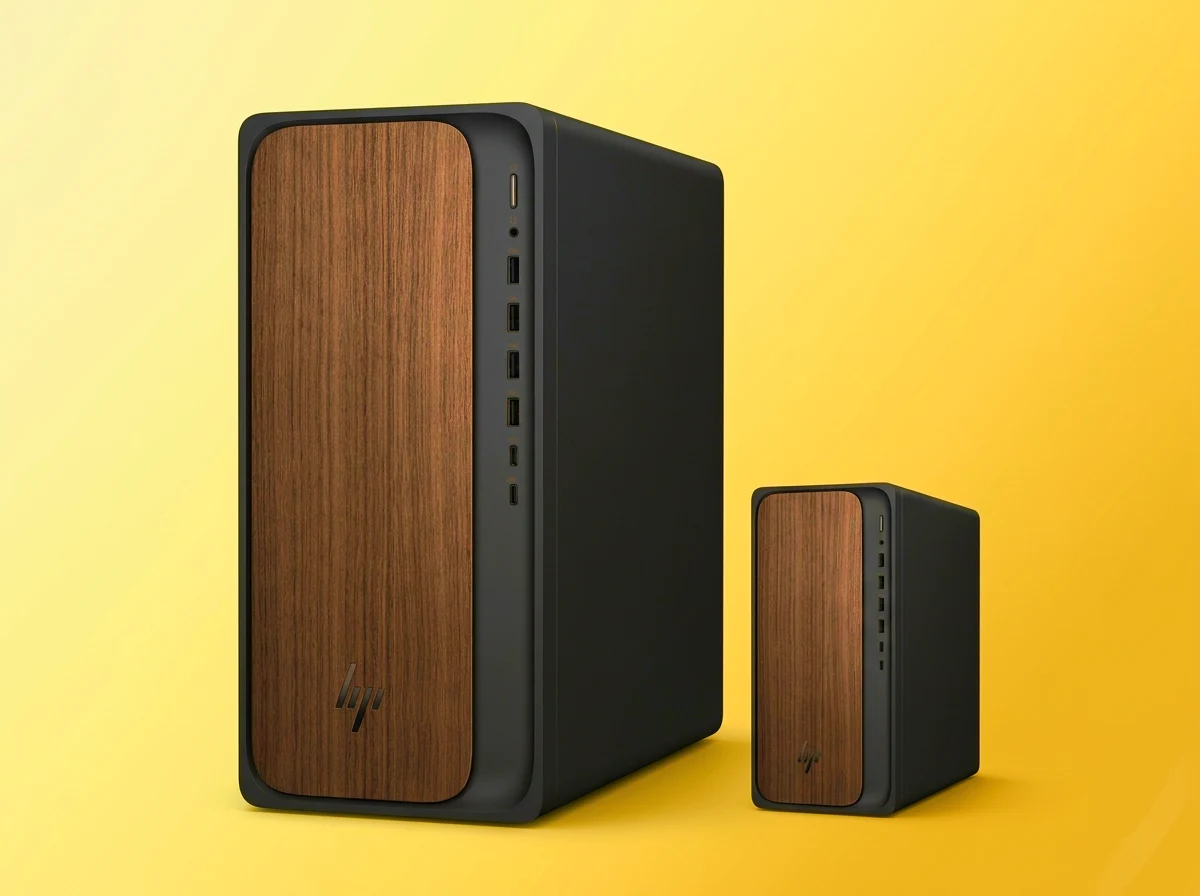
  • HP OmniDesk Mini: World’s First AI Mini PC with Intel Core Ultra

    HP OmniDesk Mini: World’s First AI Mini PC with Intel Core Ultra

    Key Takeaway

    – HP expands AI PC portfolio with the OmniDesk Mini Desktop PC, billed as the world’s first “Mini AI PC” with Thunderbolt Share.
    – Device features compact design replacing bulky towers, targeting high performance in a small footprint.
    – Launch is part of broader HP strategy integrating Nvidia RTX Spark platform across notebooks and desktops.
    – OmniDesk Mini expected for August 2026 release; pricing TBA, and no images shared yet.


    HP’s Big AI Push with a Tiny Desktop

    HP has just anounced a major expansion of they’re AI-focused PC lineup, and the star of the show is the brand new HP OmniDesk Mini Desktop PC. This here device is being called the worlds first “Mini AI PC” that includes Thunderbolt Share, and they reckon it’s meant to take the place of them bulky old towers with a much smaller but still powerful shape.

    Key Specs and Features for the OmniDesk Mini

    The launch is part of a broader HP strategy to integrate the new Nvidia RTX Spark platform across its lineup, including upcoming notebooks and more desktop options. There’s a lot of focus on making this thing compact yet capable, which should appeal to folks who don’t want a massive case sitting under they’re desk taking up all the room.

    • They’re calling it the first Mini AI PC with Thunderbolt Share
    • It uses the new Nvidia RTX Spark platform
    • Compact footprint designed to replace traditional towers
    • Part of a larger expansion across notebooks and desktops

    Pricing and Availability Details

    The HP OmniDesk Mini Desktop PC is expected to hit the market in August 2026. Official pricing details will be announced closer to the retail launch date. What’s interesting is that HP hasn’t shared any images of the OmniDesk Mini Desktop PC yet, which is a bit odd since most companies show off the hardware right away when they make a big announcement like this.

    Sources
  • Surface Laptop Ultra: RTX Spark & Mini-LED Power

    Surface Laptop Ultra: RTX Spark & Mini-LED Power

    Key Takeaway

    – Powered by Nvidia’s new RTX Spark SoC with up to 128 GB RAM
    – Features a 15-inch mini-LED display with 2,000 nits peak brightness
    – Designed with improved repairability and a full port selection (HDMI, USB-C, USB-A, SD card, headphone jack)
    – Likely very expensive, continuing Microsoft’s trend of premium pricing
    – Release timeline uncertain—may not launch properly until 2027


    New Surface Laptop Ultra: Power and Price

    Microsoft has unveiled what could easily be one of its most powerful Surface-branded laptops to launch in 2026. Dubbed as the Surface Laptop Ultra, it runs Nvidia’s shiny new RTX Spark SoC with support for up to 128 GB of RAM. It might cost you an arm and a leg, though, which, at this point, seems the bare minimum to get any powerful machine.

    Display and Battery Life Details

    Unfortunately, Microsoft’s blog post announcing the Surface Laptop Ultra is bereft of details. It boasts of ‘all day’ battery life, something even Nvidia claimed in its RTX Spark reveal. For the screen, the laptop employs a 15-inch mini-LED panel with 2,000 nits peak brightness and 262 PPI pixel density, tacitly implying it is a 3.2K-3.5K panel with a 16:10 aspect ratio.

    Ports and Repairability

    Microsoft says the Surface Laptop Ultra comes with all the ports required for creative workloads, namely HDMI, USB-C, USB-A, an SD card slot, and a headphone jack. Unlike previous Surface laptops that were notoriously hard to repair, this one has supposedly been designed with repairability in mind.

    Availabilty and Pricing Concerns

    The Microsoft Surface Laptop Ultra will be available for purchase later this year. However, Moore’s Law is Dead stated that RTX Spark-powered machines wouldn’t be available properly until 2027. Based on its specs, and the general tendency for Microsoft to overprice its laptops, the Surface Laptop Ultra won’t be cheap.

    Sources
  • GTA 6 Launch Date Locked: Take-Two’s $8B Impact Risk

    GTA 6 Launch Date Locked: Take-Two’s $8B Impact Risk

    Key Takeaway

    – GTA VI release date confirmed: November 19, 2026, with Take-Two branding it as a landmark, year-one driver for strong financial performance.
    – Fiscal guidance hinges on the launch: FY2027 Net Bookings projected at $8.0–$8.2B, ~20% higher than FY2026, driven by the new title.
    – Solid financial footing: Q4 Net Bookings of $1.58B and full-year revenue of $6.66B; balance sheet strengthened with reduced short-term debt ahead of the release.
    – Platform exclusivity at launch: GTA VI is confirmed for PS5 and Xbox Series X|S only, with no PC release announced at this time.


    After years of waiting and one high-profile delay, Grand Theft Auto VI’s launch date is now cemented: November 19, 2026. Take-Two Interactive confirmed the date in its official Q4 fiscal year 2026 earnings report (published May 21), and the company’s financial projections make clear this is not a placeholder.

    In this paragraph the voice shifts to a formal journalistic tone, detailing the milestone with precise timing. It emphasizes that the date is now official and notes the publication date of the earnings report as May 21, underscoring that the announcement comes from a credible corporate disclosure. The language remains tight and factual, yet carries a sense of anticipation for fans and investors alike, acknowledging the long wait and the significance of a concrete launch window rather than rumors or speculative timelines.

    Take-Two’s initial outlook for fiscal year 2027 projects Net Bookings of $8.0 to $8.2 billion, a roughly 20% jump over the $6.72 billion the company posted this year. CEO Strauss Zelnick explicitly named the November 19th launch as the primary engine behind that forecast. He referred to the upcoming year one that will “establish new record levelsx of operating performance.” That kind of forward guidance, which has now been disclosed to investors and regulators, will carry consequences if it proves wrong — which makes a sudden delay far less likely than it has ever been.

    The second paragraph adopts a more analytical yet accessible style, discussing financial projections and management commentary. It preserves quoted phrases to reflect exact language from the report while explaining the implications of setting expectations in public forums. The cadence blends corporate numbers with strategic interpretation, and keeps the reader aware that such guidance raises stakes for future performance and potential timing shifts.

    The fiscal health backing the launch is solid. Take-Two exceeded its own Q4 guidance — the company reported $1.58 billion in quarterly Net Bookings. Full-year revenue rose 18% to $6.66 billion, driven by NBA 2K, GTA Online, and mobile titles from Zynga. The company also cleared $1.1 billion in short-term debt during the year. It improved its balance sheet ahead of what it expects to be a “landmark release.”

    This paragraph reads like an earnings recap with a pragmatic, straightforward vibe. It enumerates concrete figures: quarterly Net Bookings at $1.58 billion, annual revenue at $6.66 billion, and a debt payoff of $1.1 billion, attributing these outcomes to key product segments such as NBA 2K, GTA Online, and Zynga’s mobile games. The tone asserts that these financials strengthen the confidence surrounding the upcoming title without sensationalism, while hinting at strategic balance-sheet management pre-launch.

    GTA 6 is confirmed exclusively for PS5 (curr. $475 for a renewed unit) and Xbox Series X|S at launch, with no PC release announced.

    The fourth paragraph switches to a concise, tech-market oriented update about platform exclusivity and hardware pricing. It communicates the stated platform strategy, including the note about PS5 and Xbox Series X|S, and the absence of a PC release at launch. The narrative keeps a practical buyer’s perspective, acknowledging current resale and renewal prices for the target hardware while avoiding speculation about future PC timing or port plans.


    Sources
  • 8Bitdo Ultimate 3E Controller for Xbox: Preorder Date & Release Month

    8Bitdo Ultimate 3E Controller for Xbox: Preorder Date & Release Month

    Key Takeaway

    – The 8BitDo Ultimate 3E Controller for Xbox will be available to pre-order starting May 26 and released in August 2026.
    – It will cost $149.99, higher than the Lavender Dusk model ($99.99) due to additional features.
    – Key features include removable faceplate, swappable ABXY module, replaceable metal D-Pad, swappable thumbsticks, RGB fire rings, hall-effect triggers, wireless charging dock, 1,000Hz PC polling rate, and 18-hour battery life.

    the news about 8BitDo’s latest Xbox controller drops a few hints, but the details still stir curiosity for fans waiting on a new upgrade. this update comes after the lavender dusk edition and shifts focus toward a premium 3e model with several intriguing features that set it apart from its siblings. the timing for pre-orders and release has moved into a clearer window, though the path there felt a little bumpy for some observers.

    pre-order window and release timing

    according to a post on x from the manufacturer, orders for the ultimate 3e controller will begin on may 26, with a planned release in august. the cadence mirrors the lavender dusk version, which also hit shelves later in the year after a spring reveal. this timing gives retailers and buyers a predictable schedule, while still leaving a small gap for potential adjustments before shipping begins.

    pricing and comparison with lavender dusk

    the ultimate 3e is priced at $149.99, which places it above the lavender dusk model that goes for $99.99. the higher price tag reflects several enhanced features not found on the standard ultimate 3 controller. such pricing differences are common when a device carries modular or premium components that appeal to enthusiasts who want customization and durability in one package.

    while the lavender dusk edition had a more modest feature set, the 3e adds a flexible design ethos and a few luxury touches that justify the delta for some buyers. the market will likely compare these two models side by side, weighing the cost against the added capabilities and build quality that the 3e brings to the table.

    feature set and design notes

    the ultimate 3e keeps many hallmarks of the 3 line, including tmr joysticks, remappable r4 and l4 bumpers, dual back buttons, and hall effect triggers with trigger stops. a notable addition is the no-contact points wireless charging dock, which reduces wear and simplifies charging for ongoing play sessions. these core elements make this model feel familiar to fans while offering extra polish.

    on top of those foundations, the 3e introduces a removable faceplate, a swappable abxy module, a replaceable metal d-pad, swappable thumbsticks, and rgb fire rings. these modular features are aimed at players who want to tailor the controller to personal preferences or specific games, though they also add complexity to maintenance and setup for some users.

    other specifications include an audio jack, six-axis motion control, a 1,000hz polling rate for pc users, and a 1,400mah battery that supports up to 18 hours of use. compatibility spans wireless and wired connections with xbox consoles and pc, and the device also supports android and apple devices via bluetooth, widening its appeal across platforms.

    final notes on availability indicate a deliberate push toward a high-end niche audience, while keeping common ground with broader xbox and pc ecosystems. the combination of premium parts, modular design, and cross-platform compatibility paints a picture of a versatile device calibrated for diverse playstyles.

    Sources