Tag: Nvidia RTX Spark

  • HP Mini PC with Nvidia RTX Spark, 128GB RAM, ConnectX-7

    HP Mini PC with Nvidia RTX Spark, 128GB RAM, ConnectX-7

    Key Takeaway

    – HP’s unnamed RTX Spark mini PC features a bold, prototype-level design with unlabeled ports.
    – It includes two proprietary Nvidia ConnectX-7 data-center-grade ports, which may not appear in the final retail version.
    – HP is one of several OEMs that have not published press releases or announced pricing/availability for their RTX Spark mini PCs.
    – The overall marketing and rollout of Nvidia’s RTX Spark mini PCs at Computex 2026 has been lackluster, despite their potential to compete with Apple’s Mac Mini and Mac Studio.


    First Look at HP’s Mysterious New Mini PC

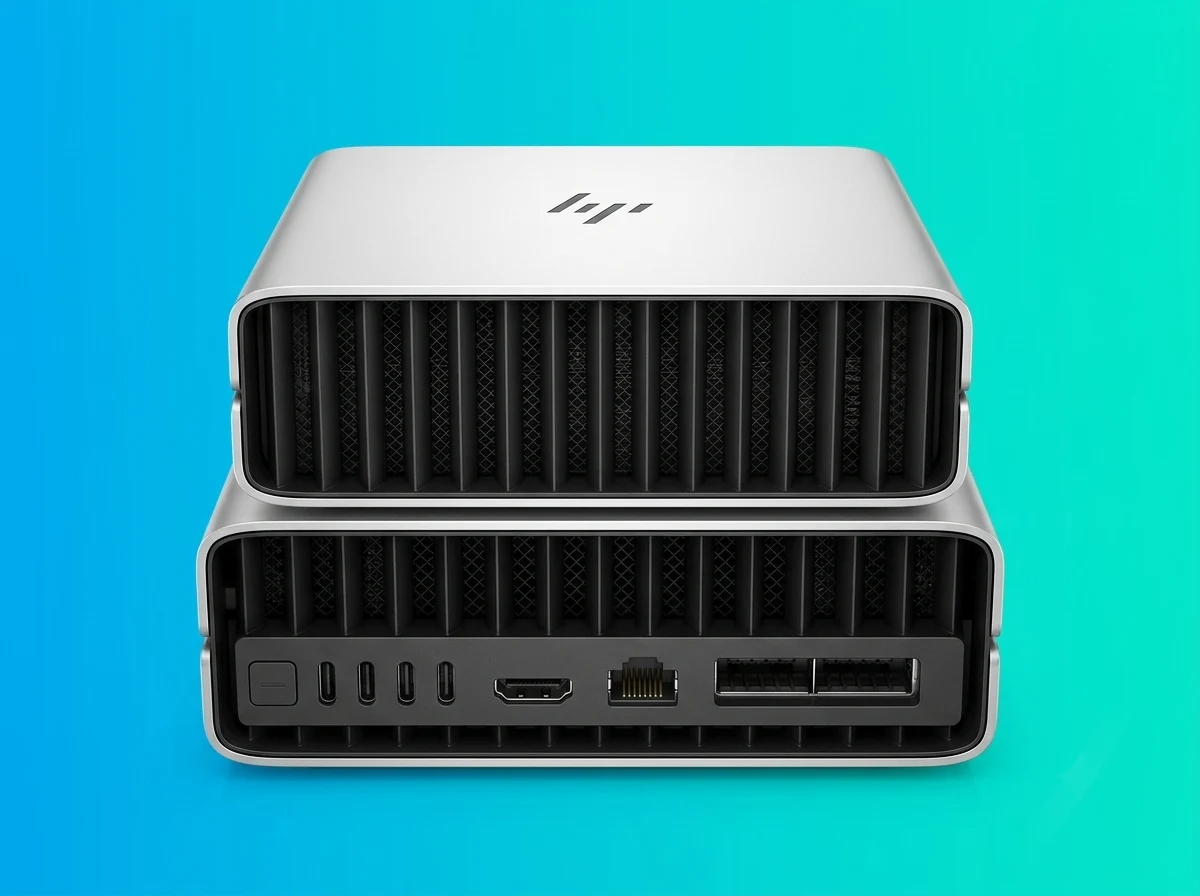
    While the new HP OmniDesk Mini Desktop PC was unveiled as the world’s first “Mini AI PC” to feature Thunderbolt Share, the company’s first RTX Spark-powered mini PC somehow went unnder the radar in the first few days of Computex 2026. However, the wait is now over, as we can reveal hands-on images of HP’s RTX Spark mini PC, which might just have the boldest design of all new Nvidia RTX Spark-powered mini PCs announced at Computex (from Asus, Dell, MSI, and Lenovo).

    The Name is Still a Mystery

    What’s interesting is that HP hasn’t decided on a name yet. As bizarre as it sounds, none of the reports from Computex 2026 mention a name for the mini PC, while HP’s press release for the new OmniBook Ultra 16 and OmniBook X 14 explicitly says the mini PC is indeed on the way but doesn’t share a name for it. On top of that, none of the ports on the PC are labeled, which signals we might be looking at a prototype of the final design.

    Unique Ports and Connectivity

    Speaking of ports, the I/O layout of HP’s RTX Spark mini PC is similar to other RTX Spark mini PCs but, at the same time, it stands out due to the inclusion of two proprietary Nvidia ConnectX-7 ports. Whether the data-center-grade ports will remain on the final retail version of the PC or they are exclusive to the units showcased at Computex remains to be seen. Perhaps HP is planning to launch two completely different RTX Spark mini PCs (and this has something to do with the whole naming mystery).

    The I/O on HP’s RTX Spark mini PC is as follows:

    • 2x Nvidia ConnectX-7 ports
    • Standard USB Type-A and Type-C ports
    • HDMI and DisplayPort outputs
    • Ethernet jack
    • Audio jack

    Pricing and Availability Still Undisclosed

    As the story with all new Nvidia Spark RTX laptops and mini PCs goes, HP is yet to announce pricing and availability for its nameless RTX Spark mini PC. Strangely enough, while the naming mystery stands out, HP is one of several OEMs refusing to publish press releases on their new RTX Spark mini PCs, even though they were officially revealed at Computex 2026.

    All in all, the hardware marketing around Nvidia’s new chips seems to be rather lackluster following Computex 2026. That’s somewhat bizarre considering these new mini PCs (and laptops) are supposed to be game-changing for the prosumer Windows market and even rival Apple’s super-popular Mac Mini and Mac Studio.
  • Surface Laptop Ultra specs, upgrades officially revealed

    Surface Laptop Ultra specs, upgrades officially revealed

    Key Takeaway

    – Nvidia RTX Spark platform with 1 petaflop of AI compute and up to 128GB unified memory for intensive local AI processing
    – Significantly improved thermal system with 2.5x the capacity of the 15-inch Surface Laptop 7th Edition
    – 15-inch mini-LED PixelSense Ultra display with 2,000 nits peak HDR brightness and 262 ppi
    – User-replaceable SSD and larger trackpad, distinguishing it from competitors like the MacBook Pro
    – Slim, lightweight design (under 18mm thick, under 4.5 lbs) with port selection including USB-C, USB-A, HDMI, and SD card reader


    Microsoft Just Dropped New Details About the Surface Laptop Ultra

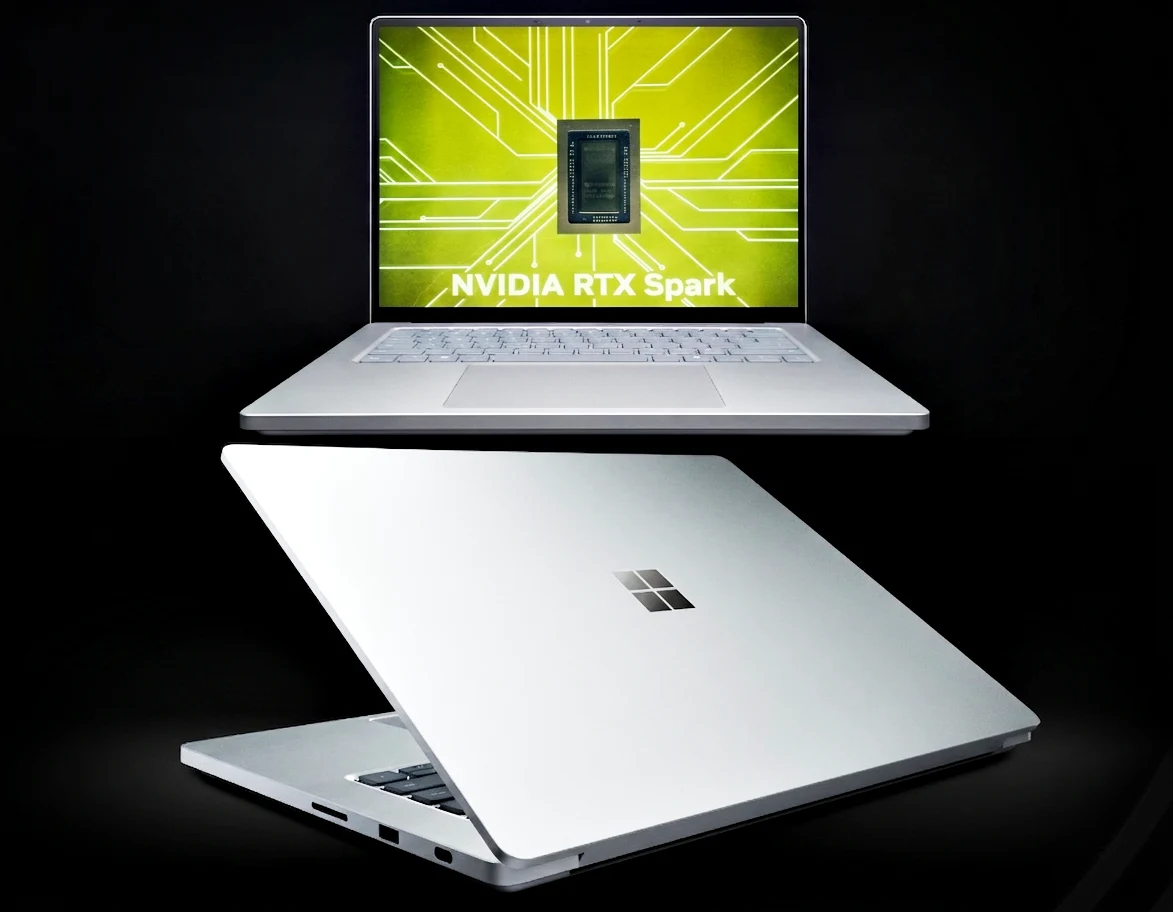
    Microsoft has just revealed everything we didn’t know about the new Nvidia RTX Spark-powered Surface Laptop Ultra, providing a comprehensive look at the hardware and design elements that set its new premium laptop apart from its predecessor and the competition. Based on the specs the company shared, the Laptop Ultra appears to prioritize localized AI processing and modular maintenance, moving away from the more restrictive design language of previous Surface models.

    Core Hardware and the Nvidia RTX Spark Platform

    Of course, at the heart of the laptop is the new Nvidia RTX Spark platform, which aims to handle intensive local workloads by pairing an efficient CPU with an RTX GPU capable of delivering one petaflop of AI compute. To support these demands, the system utilizes up to 128GB of unified memory, enabling users to run larger models directly on-device, which aims to reduce reliance on cloud computing and lower latency.

    Thermal Performance and Display Specifications

    Speaking of performance, thermals have been a frequent point of critique for the Surface line, and Microsoft claims this new model incorporates a thermal system providing up to 2.5 times the capacity of the 15-inch Surface Laptop 7th Edition, likely necessary to manage the higher power of the RTX Spark. As far as the display is concerned, you are looking at a 15-inch mini-LED PixelSense Ultra touchscreen with a 3:2 aspect ratio. It offers a pixel density of 262 ppi and a peak HDR brightness of 2,000 nits, clearly aiming to appeal to pro content creators.

    • 15-inch mini-LED PixelSense Ultra touchscreen
    • 3:2 aspect ratio
    • 262 ppi pixel density
    • 2,000 nits peak HDR brightness

    Design, Ports, and User Replaceable SSD

    You get a choice of two colors (Platinum and Nightfall), while the chassis is less than 18mm thick, weighing under 4.5 pounds, which is in line with Apple’s MacBook Pro 16. To make the whole package lighter, apparently, you get a compact charger designed for easy portability, which Microsoft refuses to show. This might have something to do with the mysterious new USB-C port on the right side of the laptop, which might or might not be magnetic. Speaking of ports, you get three USB-C ports, one USB-A port, HDMI, a headphone jack, and a full-size SD card reader. However, the big news here is something we can’t be taking for granted. The Surface Laptop Ultra has a user-replaceable SSD, which is something you can’t find in competing laptops like Apple’s MacBook Pro. Meanwhile, the trackpad is over 30% larger than previous iterations.

    Market Positioning and Release Window

    All in all, it’s not hard to tell that Microsoft is positioning the Surface Laptop Ultra as the MacBook Pro running Windows 11. From the design, down to the Nvidia chip, the similarities are undeniable. Therefore, the Laptop Ultra is likely going to be judged based on how well it stacks up against the current industry standard in the prosumer laptop market. Pricing, availability, and details on the different SKUs for the Nvidia RTX Spark-powered Surface Laptop Ultra are expected to be announced at a later date. Meanwhile, the actual release is likely to take place in the fall. That said, it won’t be a surprise if reviews of the Surface Laptop Ultra start popping up earlier.

    Stay tuned!

    Sources
  • Lenovo Launches Nvidia RTX Spark Laptop 15-Inch SD Slot

    Lenovo Launches Nvidia RTX Spark Laptop 15-Inch SD Slot

    Key Takeaway

    – Lenovo’s Yoga Pro 9n is the first laptop revealed with Nvidia’s new RTX Spark superchip, combining a Grace CPU and Blackwell GPU.
    – It features up to 128GB RAM, 1 petaflop of AI performance, and promises “all-day battery life” for creators, gamers, and AI work.
    – The 15-inch laptop includes top-firing speakers, a backlit keyboard, a large trackpad with pen support, HDMI, and an SD card slot.
    – Pricing is estimated at $1,799 to $2,899, competing with Apple’s M5 MacBook Pro lineup.
    – Official launch details are unconfirmed, but Spark RTX laptops are expected to ship in fall 2026.


    Lenovo Shows Off Its First RTX Spark Laptop

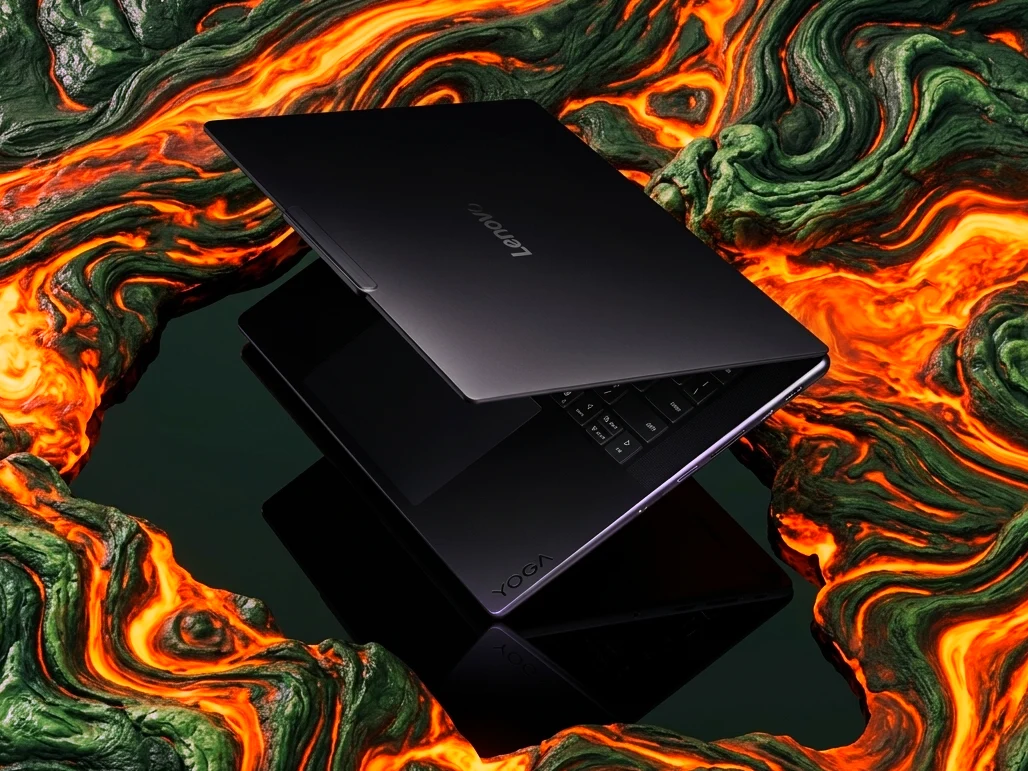
    Lenovo has (sort of) officially revealed its first laptop powered by the new Nvidia RTX Spark, the Lenovo Yoga Pro 9n, which appears to follow the design of the Yoga Pro 9i. While the next-gen Yoga laptop is on full display at Computex 2026, and an official teaser video has been shared online, the company hasn’t (technically) detailed the hardware just yet. However, thanks to reports from the event, we have more info.

    Under the Hood of the Yoga Pro 9n

    Of course, at the core of the Yoga Pro 9n the Nvidia RTX Spark superchip. In its fastest flavor, the platform pairs a 20-core Nvidia Grace CPU with an Nvidia Blackwell-based RTX GPU; up to 128GB of RAM, and up to 1 petaflot of AI performance. According to Nvidia and Lenovo, the Spark RTX-powered Yoga Pro 9n is built for agents and AI, creators, and gamers, while offering “all-day battery life”.

    Design and Ports Revealed in Teasers

    The short video shared by Lenovo reveals the laptop from a distance, confirming a 15-inch screen, and a familiar Yoga aesthetic. The remaining details we have come from hands-on reports from Computex, which confirm the laptop has top-firing speakers, a backlit keyboard, and a large trackpad with pen support so you can use it for drawing.

    We can also spot the presence of an HDMI port and an SD card slot from the images, which (unsurprisingly) confirms the Lenovo Yoga Pro 9n is made for creators and professionals, who might need to use external displays and transfer large video files.

    Pricing and Launch Timeline

    Naturally, official pricing and launch date for the Lenovo Yoga Pro 9n haven’t been shared yet. Most new laptops with the RTX Spark are expected to hit the shelves this fall. One thing’s for sure, and it is that the Lenovo Yoga 9n will face some stiff competition from the likes of Dell, Asus and Microsoft.

    In related news, according to market analyst Morgan Stanley, Spark RTX laptops like the Lenovo Yoga Pro 9n could start at $1,799 and $2,899, depending on the chip (N1 or N1x). This is in the same ballpark as the base M5 MacBook Pro and an M5 Pro 16-inch MacBook Pro.

  • Nvidia RTX Spark laptop prices, Surface Laptop Ultra, Dell XPS 16

    Nvidia RTX Spark laptop prices, Surface Laptop Ultra, Dell XPS 16

    Key Takeaway

    – RTX Spark laptops with N1x chip to start at $2,899; N1 models at $1,799
    – Pricing places them in MacBook Pro territory for base specs (16/32GB RAM, 512GB/1TB storage)
    – Actual retail prices will vary widely; premium models could be significantly higher
    – 8 laptop models announced at Computex 2026, expanding to 30 laptops and 10 desktops by fall
    – Additional devices from Acer and Gigabyte expected, but rivalry with MacBook Pro remains unproven


    Pricing Insights on Nvidia’s New RTX Spark Platform

    As the excitment builds around Nvidia’s new RTX Spark platform, fresh insights from a Morgan Stanley report, a firm widely respected for its deep market analysis, have shed light on potential pricing for upcoming RTX Spark laptops. According to the info, laptops (and presumably PCs) equipped with the N1x chip could carry a price tag of at least $2,899, while entry-level N1 models may start at $1,799, which points to potential MacBook Pro price territory. These estimates likely relate to base SKUs featuring closer to 16/32GB of RAM and 512/1TB of storage rather than a model with 128GB of RAM and a 4TB SSD.

    Real-World Pricing Variables

    It is important to note that actual retail pricing will (undoubtedly) vary widely, and some premium laptops powered by the RTX Spark could be significantly more expensive depending on manufacturer and the specs. Several laptop models featuring the Nvidia RTX Spark platform were announced at Computex 2026. Here are the RTX Spark laptops unveiled so far:

    • MSI Raider GE18 Spark
    • ASUS ROG Zephyrus G16 Spark
    • Lenovo Legion Pro 7i Spark
    • HP Omen 17 Spark
    • Dell XPS 16 Spark
    • Samsung Galaxy Book5 Spark
    • Razer Blade 18 Spark
    • Framework 16 Spark

    Expanding Lineup and Competition

    While these eight models are the primary announcements from Computex, Nvidia has stated that the initial lineup is expected to grow to 30 laptop models and 10 desktop models by the time they become available this fall. Additional devices from brands like Acer and Gigabyte are also expected to follow. Whether Nvidia’s high-performance chips can truly challenge established rivals like the MacBook Pro remains to be seen. Morgan Stanley via Wccftech

    Sources
  • Dell unveils Nvidia RTX creator laptop: 16-inch OLED, 128GB RAM

    Dell unveils Nvidia RTX creator laptop: 16-inch OLED, 128GB RAM

    Key Takeaway

    – Dell’s XPS 16 Creator Edition challenges the Surface Laptop Ultra and MacBook Pro M5 by focusing on the creative professional market.
    – It is among the first laptops to feature Nvidia’s RTX Spark platform, enabling local AI and high-performance computing in a slim form factor.
    – Key specs include up to 128GB of unified memory, a Tandem OLED display with True Black HDR 600, and built-in SD card reader and HDMI port.
    – The laptop balances slim design with robust thermal and processing demands for modern AI and creative workflows.
    – Pricing and launch date are unannounced, with RTX Spark laptops expected in fall 2026.


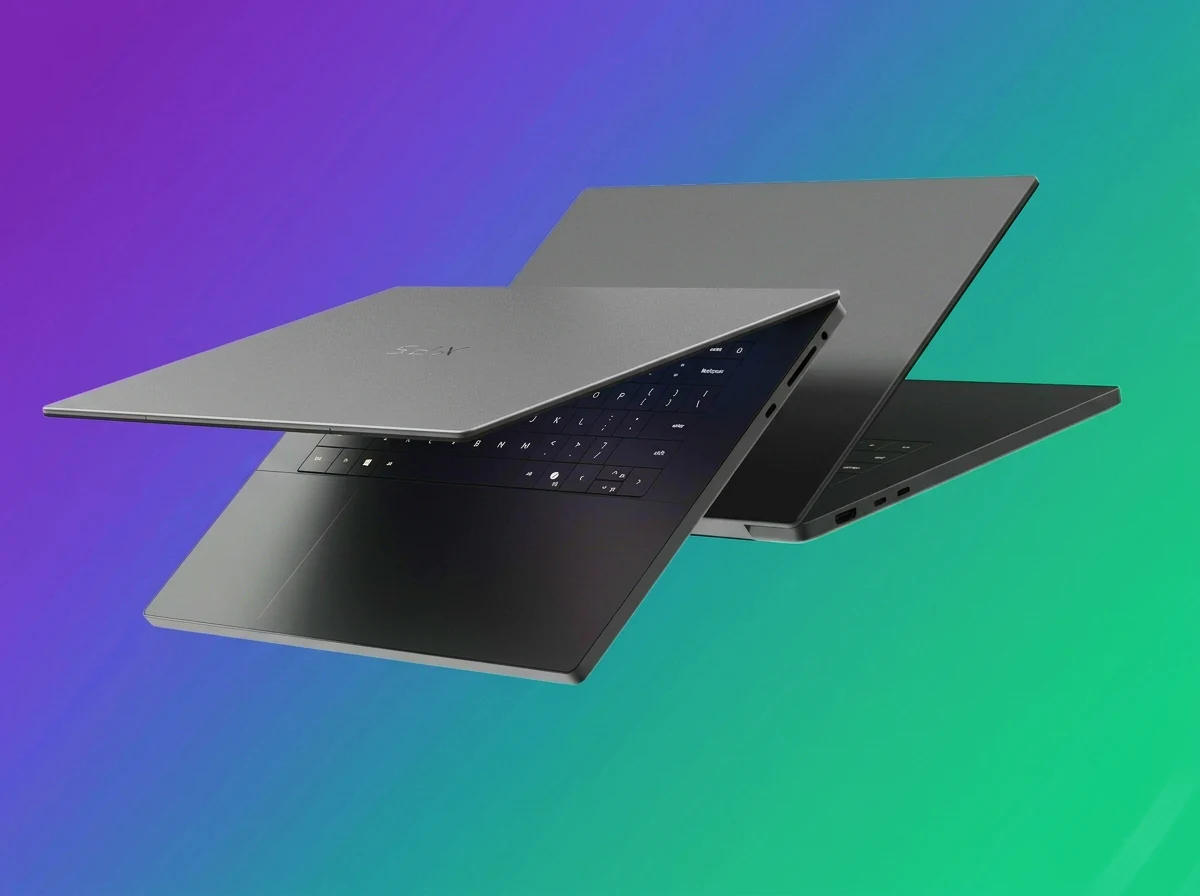
    After unveiling its MacBook Neo rival, Dell has officially challenged the just-announced Surface Laptop Ultra and Apple’s MacBook Pro M5 series by announcing the upcoming Dell XPS 16 Creator Edition, starting a monumental shift for the premium laptop line.

    Bridging Productivity and Workstation Power

    Designed to bridge the gap between traditional productivity machines and high-performance workstations, the new laptop is among the first to feature the newly announced Nvidia RTX Spark platform. This architecture is really quiet a big deal for portable systems.

    Core Specifications of the RTX Spark

    The core of the XPS 16 Creator Edition is the integration of Nvidia’s RTX Spark architecture. Nvidia’s new chips are engineered to bring a full-stack AI environment to slim, portable form factors. By combining a high-performance RTX GPU with an ultra-efficient CPU and up to 128GB of unified memory, Dell aims to provide power users and AI developers with local computing capabilities previously reserved for bulkier systems. This means you don’t need a huge desktop anymore to run heavy AI models.

    For creative professionals, this RTX Spark-powered XPS 16 translates into tangible workflow improvements: rendering tasks can be completed much faster, video editing timelines will feel smoother, and complex 3D models can be manipulated in real time without lag.

    Display and Port Selection Upgrades

    While performance is the headliner, Dell has focused on practical usability for creators who work on the move. The XPS 16 Creator Edition features a Tandem OLED display capable of True Black HDR 600, ensuring high color accuracy for pro-grade design and color grading. The screen also supports a high refresh rate and covers the full DCI-P3 color gamut for vibrant visuals.

    Built-in Connectivity Returns

    Addressing common pain points for portable laptops, the XPS 16 Creator Edition also features a built-in SD card reader and an HDMI port (just like the Surface Laptop Ultra and MacBook Pro). This welcome upgrade aims to reduce the reliance on dongles for photographers and videographers who frequently offload media. It supports USB-C charging aswell, but having these legacy ports is a major plus.

    With the XPS 16 Creator Edition, Dell is positioning its flagship laptop to compete more directly in the professional creative market currently dominated by Apple’s Macs, while balancing the slim aesthetic of the XPS series with the robust thermal and processing demands of modern AI and creative workflows.

    Future Plans and Launch Window

    Dell says that the new XPS 16 Creator Edition is only the first step in the company’s collaboration with Nvidia, and there’s more to come. Pricing and an official launch date haven’t been announced yet, but most new RTX Spark laptops are expected to debut in the fall of 2026. There will be more models revealed later that also use this platform.


    Sources

  • MSI Unveils World’s First 16-Inch 2-in-1 RTX Spark Laptop

    MSI Unveils World’s First 16-Inch 2-in-1 RTX Spark Laptop

    – World’s first laptop with Nvidia RTX Spark platform
    – 16-inch UHD+ Tandem OLED display with 1,000+ nits peak brightness
    – Calman Verified Delta E <1 color accuracy and 100% DCI-P3 coverage - 2-in-1 convertible design with laptop, tablet, tent, and presentation modes - Optimized for local AI tasks, LLMs, creative workflows, and high-def gaming[/key]


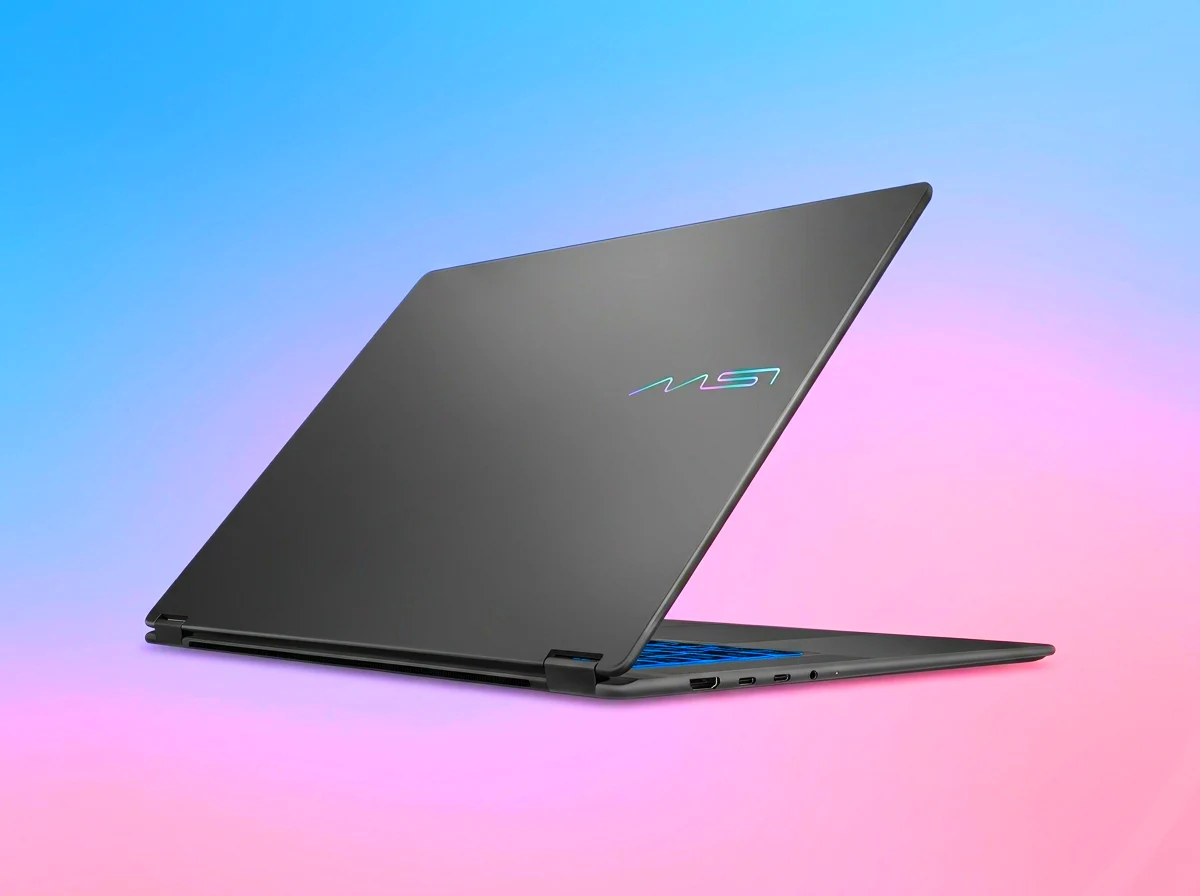
    MSI Officially Pulls Back the Curtain on the Prestige N16 Flip AI+

    MSI has officially pulled back the curtain on the 2-in-1 Prestige N16 Flip AI+ laptop, which marks a significant milestone in mobile computing as the world’s first laptop to feature the newly-unveiled Nvidia RTX Spark platform, says MSI. The device is designd to cater to the convergence of creative workflows, AI development, and high-def gaming, aiming to deliver high-performance capabilities within a premium, thin-and-light 2-in-1 chassis. As an RTX Spark-powered laptop, the Prestige N16 Flip AI+ is going to be competing directly with the newly-announced Microsoft Surface Laptop Ultra, the Asus ProArt P16 and P14, and the HP OmniBook Ultra 16 and X 14, amongst more upcoming laptops booting Nvidia’s RTX Spark.

    Display and Specifications

    The N16 Flip AI+ has a 16-inch UHD+ Tandem OLED display. Utilizing a dual-layer emissive structure, this panel stacks two OLED layers to boost light output. The result is a display capable of exceeding 1,000 nits of peak brightness, while simultaneously improving panel longevity and power efficiency compared to standard OLED solutions. For creative professionals, the display is Calman Verified with a Delta E less than 1 color accuracy rating and covers 100% of the DCI-P3 color gamut. The inclusion of a variable refresh rate (VRR) ensures that the screen remains fluid during gaming sessions and video editing tasks.

    • 16-inch UHD+ Tandem OLED display
    • Peak brightness exceeding 1,000 nits
    • Calman Verified with Delta E <1 color accuracy
    • 100% DCI-P3 color gamut coverage
    • Variable refresh rate (VRR) support

    Form Factor and Productivity Features

    MSI has leaned into the 2-in-1 form factor, allowing the device to transition between laptop, tablet, tent, and presentation modes. To support this, the company has included several productivity-focused features. According to MSI, the RTX Spark is engineered from the ground up to support the “next wave” of Windows PC experiences. By integrating Nvidia’s full-stack AI platform and the complete suite of RTX technologies, the Prestige N16 Flip AI+ is designed to handle demanding local AI tasks, such as personal agents and large language models (LLMs), without sacrificing the portability and all-day battery life typically associated with thin-and-light ultrabooks.

    AI and Performance Positioning

    With the Prestige N16 Flip AI+, MSI is positioning itself at the forefront of the AI-PC transition, betting that the combination of RTX-accelerated graphics and the 2-in-1 design will define the high-end laptop segment for the coming year. The device is build to support high-load creative apps and gaming while keeping a slim profile, which is a challange for many ultrabooks. MSI claims the RTX Spark platform enables these capabilites without overheating or draining the battery too quick.


    Sources

  • Nvidia N1X vs Apple M5 Max: Expected Performance Gap

    Nvidia N1X vs Apple M5 Max: Expected Performance Gap

    Key Takeaway

    – Nvidia’s RTX Spark (N1X) is an ARM chip with up to 20 CPU cores and 6,144 CUDA cores, directly competing with Apple M5 Max and laptop CPUs from Intel/AMD/Qualcomm.
    – CPU single-core performance trails the Apple M5 Max by ~30% and Snapdragon X2 Elite by ~20%, but matches current Intel and AMD chips.
    – GPU performance is expected to sit between a GeForce RTX 5070 and 5070 Ti laptop GPU, outperforming Apple M5 Pro/Max in gaming but slightly behind in synthetic/creative tasks.
    – The fastest N1X variant operates at a TDP of 45-80W, enabling use in both mini PCs and future laptops.
    – First laptops with the N1X are expected in fall 2026, and its value depends on pricing relative to laptops with discrete RTX 5070 Ti or RTX 5080 GPUs.


    Nvidias New Chip Takes Aim at Apple and Intel

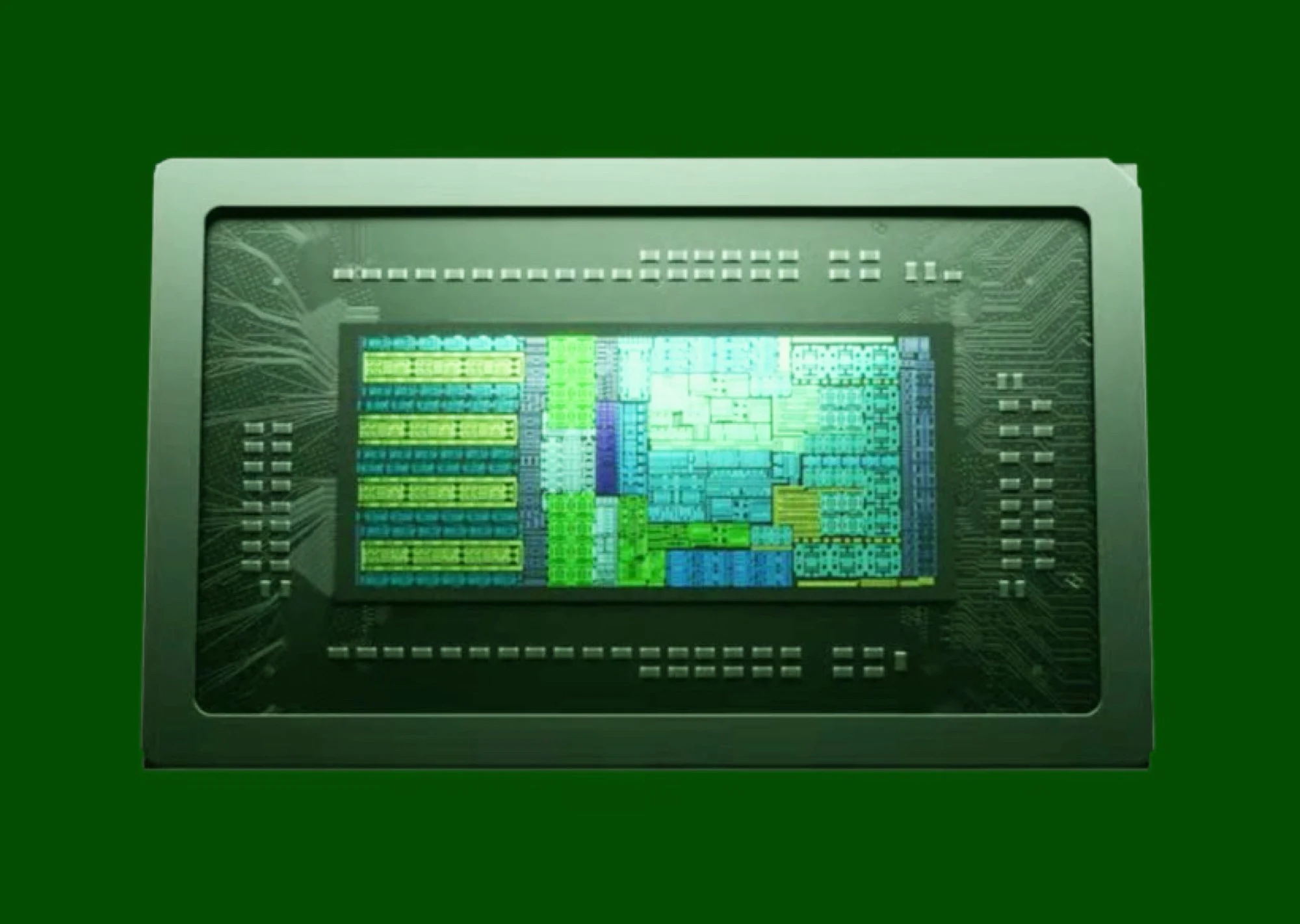
    At Computex, Nvidia presented a “new” chip that is directly competing against the Apple M5 Max and is therefore likely to compete with processors from Intel, AMD and Qualcomm in the laptop and mini PC segment. The Nvidia RTX Spark, also known as the Nvidia N1X, is practically identical on paper to the DGX Spark. This is because the Nvidia N1X also uses an ARM processor with 20 cores, a Blackwell iGPU with 6,144 CUDA compute units and up to 128 GB LPDDR5X memory. One new feature is that the chip will also be installed in laptops in the future. On the other hand, Nvidia is now also offering cheaper variants, including an N1X with 18 CPU cores and 5,120 shaders, as well as an N1 with either 10 or 12 processor cores and 2,048 to 2,560 CUDA cores. The fastest N1X can be operated with a TDP of 45 to 80 watts.

    Performance Expectations and Benchmarks

    While Nvidia has not published any benchmarks, the company is advertising the chip not only for AI applications, but also for gaming and creative professionals. The performance of the chip can already be estimated based on benchmarks of technically comparable products before the first laptops with N1X are expected to be launched on the market in fall 2026. As the comparison of the Nvidia GB10 with the current laptop processors of the competition shows, the single-core performance falls almost 30 percent behind the Apple M5 Max and almost 20 percent behind the Snapdragon X2 Elite, and is roughly on a par with the current chips from Intel and AMD. The multi-threaded benchmark shows a similar picture: the Nvidia N1X is almost a third slower than the Apple M5 Pro and Apple M5 Max, but is almost on a par with the Intel Ultra 9 290HX Plus.

    Graphics Power and Gaming Viability

    The performance of the graphics chip should be between the Nvidia GeForce RTX 5070 laptop GPU and the GeForce RTX 5070 Ti laptop GPU. Although the GPU of the N1X has slightly more compute units than the GeForce RTX 5070 Ti laptop GPU, it is operated with a significantly lower TDP and should therefore achieve lower GPU clocks. As our benchmarks show, the GPU should sit between the Apple M5 Pro and M5 Max in synthetic benchmarks and creative apps, while Nvidia should have the edge in games thanks to better drivers. After all, the Nvidia RTX Spark should far outperform both AMD Ryzen Strix Halo and the Snapdragon X2 Elite in terms of GPU performance.

    Cost and Final Considerations

    However, whether the chip will be worthwhile for gaming enthusiasts depends not least on how expensive it is compared to laptops with GeForce RTX 5070 Ti or RTX 5080 laptop GPUs. This preview only serves as a rough classification, as no laptops or mini PCs with Nvidia RTX Spark are yet available for testing.


    Sources

  • Asus Pro-Grade Mini PC: RTX Spark, 140W Cooling, 128GB RAM

    Asus Pro-Grade Mini PC: RTX Spark, 140W Cooling, 128GB RAM

    Key Takeaway

    – Powered by Nvidia RTX Spark superchip with 1 petaflop AI performance
    – Fits 128GB unified memory, handling 90GB+ 3D scenes and 120B-parameter LLMs
    – Compact 150x150x51mm chassis with 140W thermal headroom for sustained workloads
    – High-bandwidth connectivity and storage for professional studios and edge AI
    – Part of Asus ProArt ecosystem, compatible with AI tools like Creator Hub, MuseTree, and StoryCube


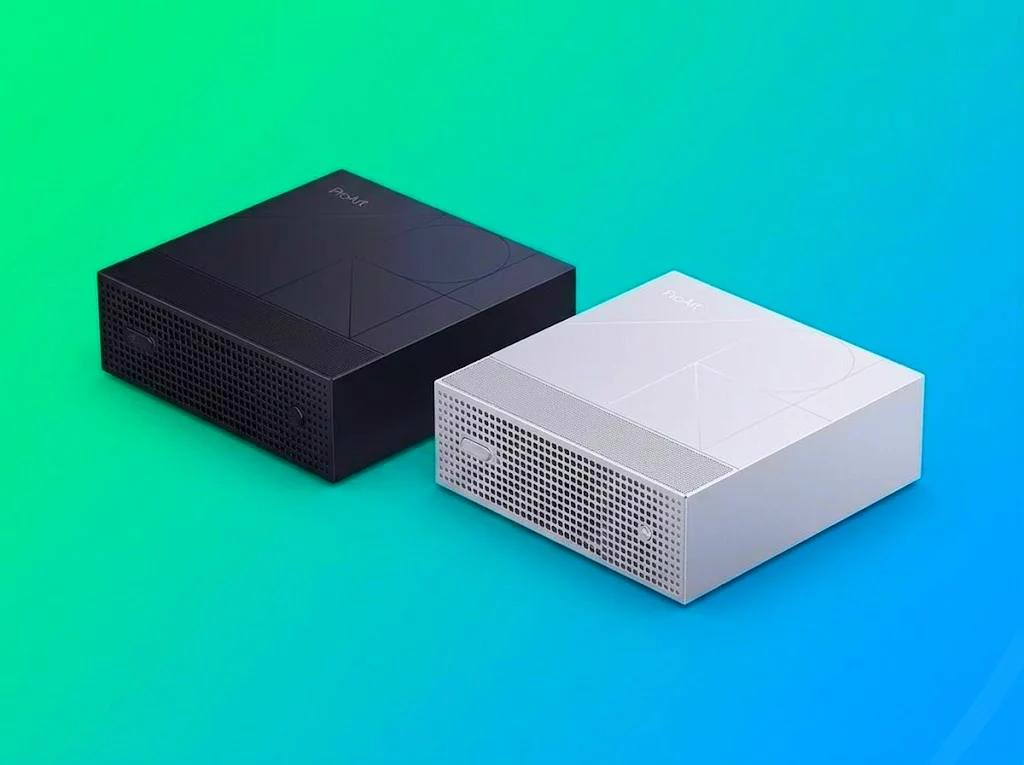
    Along side the anouncement of the new ProArt P16 and P14 MacBook Pro rivals, Asus has unveiled the new ProArt Mini PC, a direct competitor to the just-announced HP OmniDesk mini PC. Designed to bring workstation-class generative AI and large-scale rendering capabilities for those who don’t have a large desk, Asus’ Mac Studio rival is built entirely around the new Nvidia RTX Spark superchip platform.

    Small Size, Massive AI Power

    Despite measuring only 150x150x51mm, the ProArt Mini PC is engineered to handle intensive AI workloads that typically require much larger hardware. The tiny PC is powered by the Nvidia RTX Spark superchip, which integrates an Nvidia Blackwell-based RTX GPU with 6,144 CUDA cores and a 20-core Nvidia Grace CPU.

    Unified Memory and Insane Performance

    The system utilizes a unified memory architecture supporting up to 128GB of RAM. By allowing dynamic memory allocation between system and graphics resources, the device is optimized to handle massive datasets, such as 90GB+ 3D scenes or 120B-parameter Large Language Models (LLMs) with up to 1 million tokens of context. Asus rates the system at 1 petaflop of AI performance.

    Maintaining performance stability in a chassis this small requires sophisticated thermal management. The ProArt Mini PC features a dedicated thermal architecture designed to provide up to 140W of thermal headroom, ensuring the hardware can sustain long-duration rendering and AI training tasks without performance throttling.

    Connectivity and Storage Options

    To meet the requirements of professional studios and edge AI deployment, the unit includes high-bandwidth connectivity and storage options:

    • High-speed networking for rapid data transfer
    • Expandable storage for large datasets
    • Multiple display outputs for complex workflows

    The ProArt Mini PC is positioned as a foundational device for the broader Asus creative ecosystem. It is fully compatible with the suite of AI-optimized software Asus is rolling out for the ProArt series, including the ProArt Creator Hub for resource management and specialized tools like MuseTree and StoryCube for generative workflows.

    Availibility and Pricing

    The system is designed for professional developers and content creators who need to deploy AI agent-ready infrastructure in small-footprint environments. Asus has confirmed that the ProArt Mini PC will be available starting in the fall of 2026, with further configuration and pricing details to be released closer to the launch date.


    Sources

  • Asus Unveils RTX Spark MacBook Pro Rivals: 14 & 16-Inch 4K, 128GB RAM

    Asus Unveils RTX Spark MacBook Pro Rivals: 14 & 16-Inch 4K, 128GB RAM

    – New ProArt laptops (P16, P14) and Mini PC debut with Nvidia RTX Spark superchip.
    – Unified memory architecture with up to 128GB RAM and 1 petaflop AI performance.
    – Can run 120B-parameter LLMs, generate 4K AI video, and render 90GB+ 3D scenes.
    – Chassis is 13% thinner and 16% lighter, with up to 99.9 Wh battery.
    – Features Lumina Pro OLED displays with Delta E < 1 color accuracy.[/key]


    New AI Workstations at Computex

    Asus has officially pulled the curtain back on a new generation of AI-focused creative workstations laptops at Computex 2026. Headlined by the ProArt P16 (H7607), ProArt P14 (H7407), and a new ProArt Mini PC, the lineup is the first to be built around the Nvidia RTX Spark superchip, a platform designed specifically to handle the demands of personal AI agents and complex creative workflows.

    The Nvidia RTX Spark Architecture

    The core of this new lineup is the Nvidia RTX Spark superchip, which transitions away from traditional discrete CPU/GPU configurations. The platform pairs a 20-core Nvidia Grace CPU with an Nvidia Blackwell-based RTX GPU, connected via the high-speed NVLink-C2C interconnect. The system utilizes a unified memory architecture, supporting up to 128GB of RAM, which allows for dynamic allocation between system and graphics tasks.

    Breakthrough Performance Numbers

    According to Asus, the platform delivers up to 1 petaflop of AI performance, featuring fifth-generation Tensor Cores capable of FP4 precision. This compute power is intended to support heavy-duty tasks such as running 120B-parameter Large Language Models (LLMs) with up to 1 million tokens of context, generating 4K AI video, and rendering 90GB+ 3D scenes. Asus has overhauled the chassis design for the new P16 and P14, resulting in a frame that is 13% thinner and 16% lighter than the previous generation.

    Battery Life and Build Quality

    Despite the reduction in size, the laptops include high-capacity batteries (up to 99.9 Wh) to maintain all-day longevity. The display technology remains a priority for the ProArt series. Both models utilize Asus Lumina Pro OLED technology with a Delta E < 1 color accuracy rating. The laptops will be available in "Nano Black" and "Neo White" finishes, featuring an anti-smudge coating and haptic touchpads.


    Sources

  • HP unveils thinnest RTX Spark laptop: 128GB RAM, all-day battery

    HP unveils thinnest RTX Spark laptop: 128GB RAM, all-day battery

    Key Takeaway

    – HP launches “world’s first AI mini PC” (OmniDesk) and first laptops with Nvidia’s RTX Spark platform.
    – RTX Spark integrates a Blackwell-based GPU and a 20-core Arm-based Grace CPU for data-center-grade AI.
    – These laptops are designed as “personal AI computers” for running complex local AI agents autonomously.
    – They handle secure data analysis, multi-step tasks, and workflow management beyond basic apps.
    – OmniBook Ultra 16 and OmniBook X 14 arriving later this year; pricing and specs still undisclosed.


    HP’s New Laptops with Nvidia RTX Spark

    In addition to the new OmniDesk Mini Desktop PC, known as the “world’s first AI mini PC”, HP wants to redefine the thin-and-light laptop catagory by announcing the new OmniBook Ultra 16 and OmniBook X 14, the first HP laptops to feature Nvidia’s new RTX Spark platform. These machines are not just iterative updates, they represent a fundamental shift in what a laptop can do, bringing supercomputer-like capabilities to a portable form factor for the first time.

    Nvidia’s Superchip Inside

    By integrating Nvidia’s “superchip” architecture, which combines a high-performance Blackwell-based GPU with a 20-core Arm-based Grace CPU, HP aims to bring data-center-grade AI power to portable devices. This combination is a big deal, it means the laptop can handle massive AI workloads without needing a constant internet connection or cloud server. The chip’s design is specifically tuned for efficiency and raw processing, making it suitable for professionals on the go.

    More than a Productivity Tool

    The RTX Spark platform transforms these laptops from traditional productivity tools into “personal AI computers”, says HP. Engineered to move beyond simple app launching, these systems are purpose-built to run complex local AI agents that can manage workflows, handle secure data analysis, and execute multi-step tasks autonomously. This capability is a huge leap forward, allowing users to delegate complicated tasks to their device and get results much faster than before.

    Launch and Availibility

    Both the HP OmniBook Ultra 16 and OmniBook X 14 are expected to arrive later this year. While exact configurations and pricing are still under wraps, the series represents a major shift toward local AI supercomputing for creators, developers, and gamers alike. The lack of specific pricing details is disapointing but the promise of these machines is exciting, we will have to wait and see what HP charges for this next-gen technology.

    Sources