Tag: AI PC

  • Minisforum MS-03 & M2 Pro AI Mini PCs with Powerful NPU

    Minisforum MS-03 & M2 Pro AI Mini PCs with Powerful NPU

    Key Takeaway

    – Four new local AI devices announced: MS-03, M2 Pro mini PCs, S5 and N5 Max NASs.
    – M2 Pro offers up to 180 TOPS AI performance with Intel Panther Lake and eGPU support via OCuLink.
    – N5 Max NAS provides massive storage (up to 200 TB) and a local AI assistant via MinisOpenClaw software.
    – MS-03 features up to 50 TOPS NPU, WiFi 7, and dual SFP+ ports.
    – S5 NAS is a fanless, all-flash unit with 24-33 TOPS, WiFi 7, and Bluetooth 6.


    Minisforum’s New Local AI Devices at Computex 2026

    Minisforum has announced four devices capable of running local AI apps at Computex 2026 – the M2 Pro and MS-03 mini PCs and the S5 and N5 Max NASs. These systems are targeted toward users who want to run artifical inteligence models withought relying entierly on cloud services.

    MS-03 Mini PC Specifications

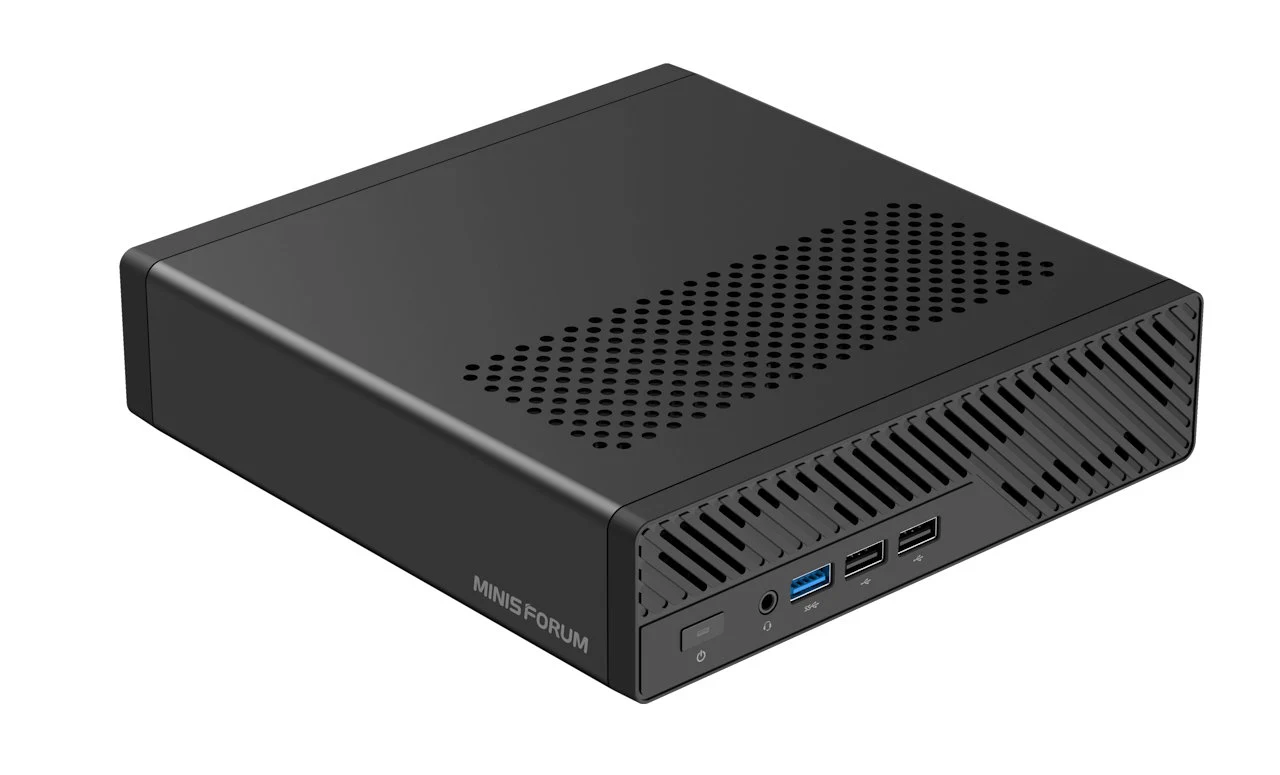
    The MS-03 updates the previous MS-01 model with faster Intel Panther Lake CPUs paired with DDR5 7200 RAM, two M.2 2280 NVMe SSD slots, and WiFi 7. Its NPU provides up to 50 TOPS of AI compute power. It has one 2.5G LAN jack, one 10G LAN jack, an HDMI 2.1 port with FRL support, five USB-A ports, two USB-C ports, two SFP+ ports, and a 3.5 mm headphone jack. This model is good for basic local AI tasks.

    M2 Pro Mini PC with Copilot Button

    The M2 Pro is powered by Intel Panther Lake CPUs capable of providing up to 180 TOPS of AI performance thanks to its fast Xe3 integrated GPU and up to 128 GB of LPDDR5X 8533 RAM. An external GPU (eGPU) can be added to increase AI compute power through the OCuLink port. Large AI models can be stored in up to three M.2 2280 SSDs. Uniquely, the M2 Pro has a Microsoft Copilot button and microphone on the front panel, giving users quick access to the chatbot.

    M2 Pro I/O and Mounting Options

    It has three USB-A ports, three USB4 ports, one HDMI port, one DP port, one 2.5G LAN jack, one 10G LAN jack, an SD card slot, a 3.5 mm headphone jack, and a security cable slot. The metal body M2 Pro can be VESA mounted on the back of monitors. The toatl AI TOPS is impressive for a tiny form factor.

    N5 Max NAS with Massive Storage

    The N5 Max NAS is powered by a 16C/32T AMD Ryzen AI Max+ 395 CPU running MinisCloud, Windows 11 Pro, or Linux OS, coupled with 64 GB of LPDDR5x 8533 RAM and a 128 GB system disk installed in one of the five M.2 2280 NVMe storage slots (8TB each). The NAS has five 3.5” SATA hard drive bays (32 TB each), giving the NAS a maximum storage capacity of 200 TB.

    Cooling and Connectivity

    Besides five cooling fans, the NAS also has one HDMI 2.1 FRL port, three USB4 ports, three USB-A ports, two 10 GbE LAN jacks, and a security cable slot. The combination of 126 TOPS of AI compute power along with MinisOpenClaw software enables owners to run a local AI assistant free of recurring costs. Advanced AI-powered file features such as semantic search will be added by the end of 2026.

    S5 All-Flash NAS Details

    The S5 All-Flash NAS was previously launched in Xiamen during a joint Minisforum and Intel event. The NAS is powered by an Intel Core 300 CPU running MinisCloud OS, paired with 12 GB of LPDDR5X 7500 RAM, 64 GB of UFS 2.2 storage, and up to five M.2 2280 NVME solid state drives (8 TB each). It has two USB-A ports, two USB4 ports, one 2.5G LAN jack, one 10G LAN jack, one HDMI port, and a security cable slot.

    Networking and AI Performance

    The unit can also be networked using WiFi7 and Bluetooth 6 connectivity. The fanless unit provides 24 to 33 TOPS of AI compute power. This is a more afforable option for light AI workloads and home media serving.
    Sources

  • MSI Unveils World’s First 16-Inch 2-in-1 RTX Spark Laptop

    MSI Unveils World’s First 16-Inch 2-in-1 RTX Spark Laptop

    – World’s first laptop with Nvidia RTX Spark platform
    – 16-inch UHD+ Tandem OLED display with 1,000+ nits peak brightness
    – Calman Verified Delta E <1 color accuracy and 100% DCI-P3 coverage - 2-in-1 convertible design with laptop, tablet, tent, and presentation modes - Optimized for local AI tasks, LLMs, creative workflows, and high-def gaming[/key]


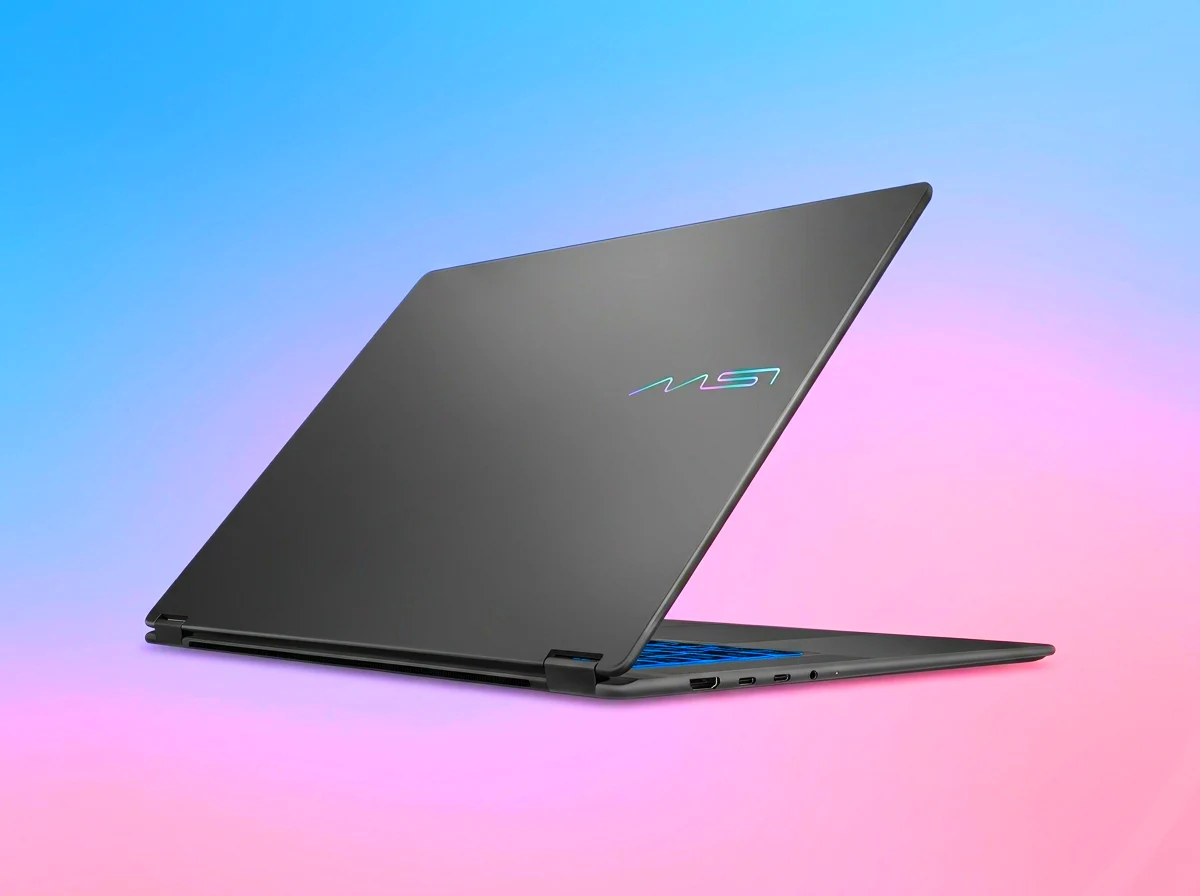
    MSI Officially Pulls Back the Curtain on the Prestige N16 Flip AI+

    MSI has officially pulled back the curtain on the 2-in-1 Prestige N16 Flip AI+ laptop, which marks a significant milestone in mobile computing as the world’s first laptop to feature the newly-unveiled Nvidia RTX Spark platform, says MSI. The device is designd to cater to the convergence of creative workflows, AI development, and high-def gaming, aiming to deliver high-performance capabilities within a premium, thin-and-light 2-in-1 chassis. As an RTX Spark-powered laptop, the Prestige N16 Flip AI+ is going to be competing directly with the newly-announced Microsoft Surface Laptop Ultra, the Asus ProArt P16 and P14, and the HP OmniBook Ultra 16 and X 14, amongst more upcoming laptops booting Nvidia’s RTX Spark.

    Display and Specifications

    The N16 Flip AI+ has a 16-inch UHD+ Tandem OLED display. Utilizing a dual-layer emissive structure, this panel stacks two OLED layers to boost light output. The result is a display capable of exceeding 1,000 nits of peak brightness, while simultaneously improving panel longevity and power efficiency compared to standard OLED solutions. For creative professionals, the display is Calman Verified with a Delta E less than 1 color accuracy rating and covers 100% of the DCI-P3 color gamut. The inclusion of a variable refresh rate (VRR) ensures that the screen remains fluid during gaming sessions and video editing tasks.

    • 16-inch UHD+ Tandem OLED display
    • Peak brightness exceeding 1,000 nits
    • Calman Verified with Delta E <1 color accuracy
    • 100% DCI-P3 color gamut coverage
    • Variable refresh rate (VRR) support

    Form Factor and Productivity Features

    MSI has leaned into the 2-in-1 form factor, allowing the device to transition between laptop, tablet, tent, and presentation modes. To support this, the company has included several productivity-focused features. According to MSI, the RTX Spark is engineered from the ground up to support the “next wave” of Windows PC experiences. By integrating Nvidia’s full-stack AI platform and the complete suite of RTX technologies, the Prestige N16 Flip AI+ is designed to handle demanding local AI tasks, such as personal agents and large language models (LLMs), without sacrificing the portability and all-day battery life typically associated with thin-and-light ultrabooks.

    AI and Performance Positioning

    With the Prestige N16 Flip AI+, MSI is positioning itself at the forefront of the AI-PC transition, betting that the combination of RTX-accelerated graphics and the 2-in-1 design will define the high-end laptop segment for the coming year. The device is build to support high-load creative apps and gaming while keeping a slim profile, which is a challange for many ultrabooks. MSI claims the RTX Spark platform enables these capabilites without overheating or draining the battery too quick.


    Sources

  • HP unveils thinnest RTX Spark laptop: 128GB RAM, all-day battery

    HP unveils thinnest RTX Spark laptop: 128GB RAM, all-day battery

    Key Takeaway

    – HP launches “world’s first AI mini PC” (OmniDesk) and first laptops with Nvidia’s RTX Spark platform.
    – RTX Spark integrates a Blackwell-based GPU and a 20-core Arm-based Grace CPU for data-center-grade AI.
    – These laptops are designed as “personal AI computers” for running complex local AI agents autonomously.
    – They handle secure data analysis, multi-step tasks, and workflow management beyond basic apps.
    – OmniBook Ultra 16 and OmniBook X 14 arriving later this year; pricing and specs still undisclosed.


    HP’s New Laptops with Nvidia RTX Spark

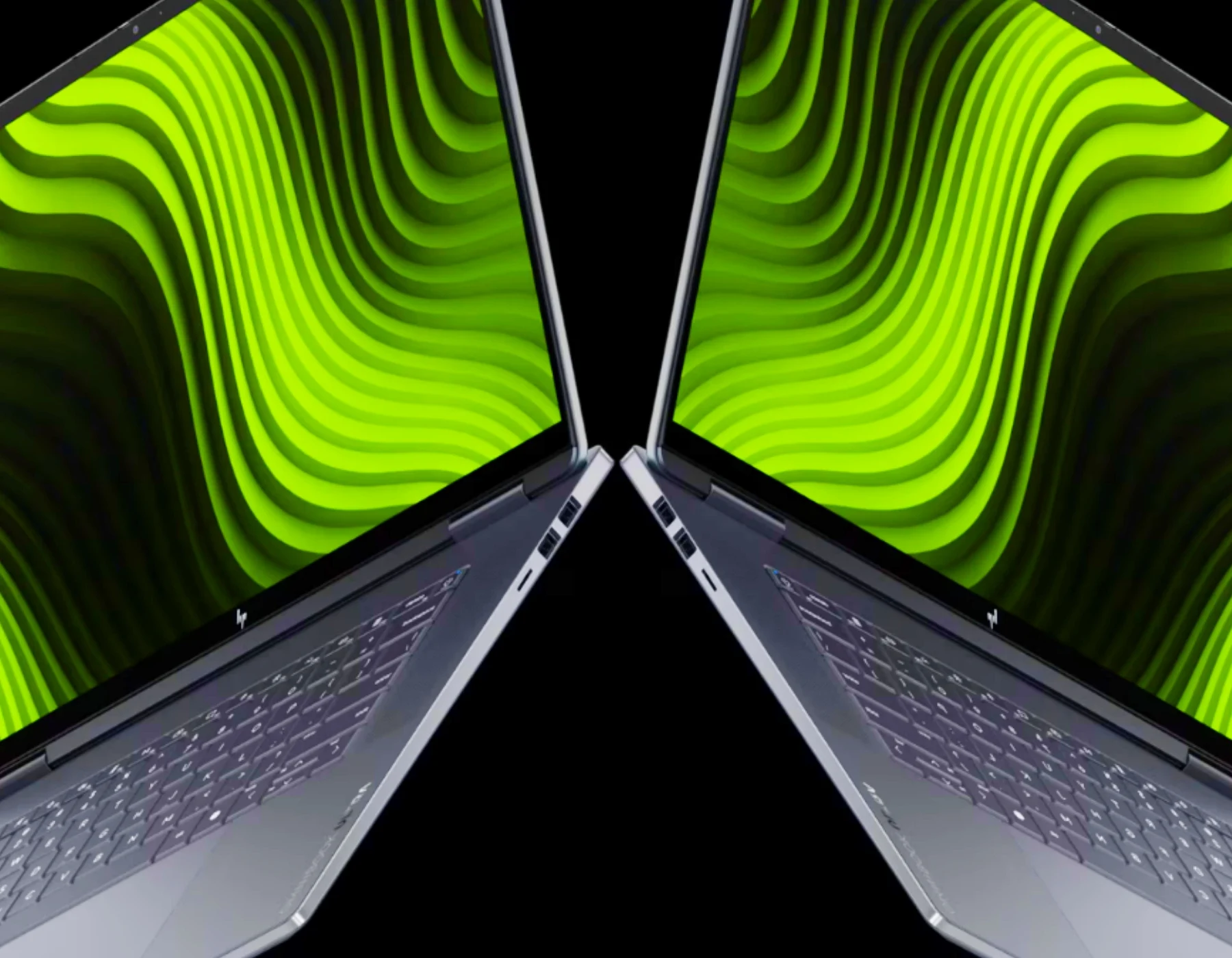
    In addition to the new OmniDesk Mini Desktop PC, known as the “world’s first AI mini PC”, HP wants to redefine the thin-and-light laptop catagory by announcing the new OmniBook Ultra 16 and OmniBook X 14, the first HP laptops to feature Nvidia’s new RTX Spark platform. These machines are not just iterative updates, they represent a fundamental shift in what a laptop can do, bringing supercomputer-like capabilities to a portable form factor for the first time.

    Nvidia’s Superchip Inside

    By integrating Nvidia’s “superchip” architecture, which combines a high-performance Blackwell-based GPU with a 20-core Arm-based Grace CPU, HP aims to bring data-center-grade AI power to portable devices. This combination is a big deal, it means the laptop can handle massive AI workloads without needing a constant internet connection or cloud server. The chip’s design is specifically tuned for efficiency and raw processing, making it suitable for professionals on the go.

    More than a Productivity Tool

    The RTX Spark platform transforms these laptops from traditional productivity tools into “personal AI computers”, says HP. Engineered to move beyond simple app launching, these systems are purpose-built to run complex local AI agents that can manage workflows, handle secure data analysis, and execute multi-step tasks autonomously. This capability is a huge leap forward, allowing users to delegate complicated tasks to their device and get results much faster than before.

    Launch and Availibility

    Both the HP OmniBook Ultra 16 and OmniBook X 14 are expected to arrive later this year. While exact configurations and pricing are still under wraps, the series represents a major shift toward local AI supercomputing for creators, developers, and gamers alike. The lack of specific pricing details is disapointing but the promise of these machines is exciting, we will have to wait and see what HP charges for this next-gen technology.

    Sources
  • HP OmniDesk Mini: World’s First AI Mini PC with Intel Core Ultra

    HP OmniDesk Mini: World’s First AI Mini PC with Intel Core Ultra

    Key Takeaway

    – HP expands AI PC portfolio with the OmniDesk Mini Desktop PC, billed as the world’s first “Mini AI PC” with Thunderbolt Share.
    – Device features compact design replacing bulky towers, targeting high performance in a small footprint.
    – Launch is part of broader HP strategy integrating Nvidia RTX Spark platform across notebooks and desktops.
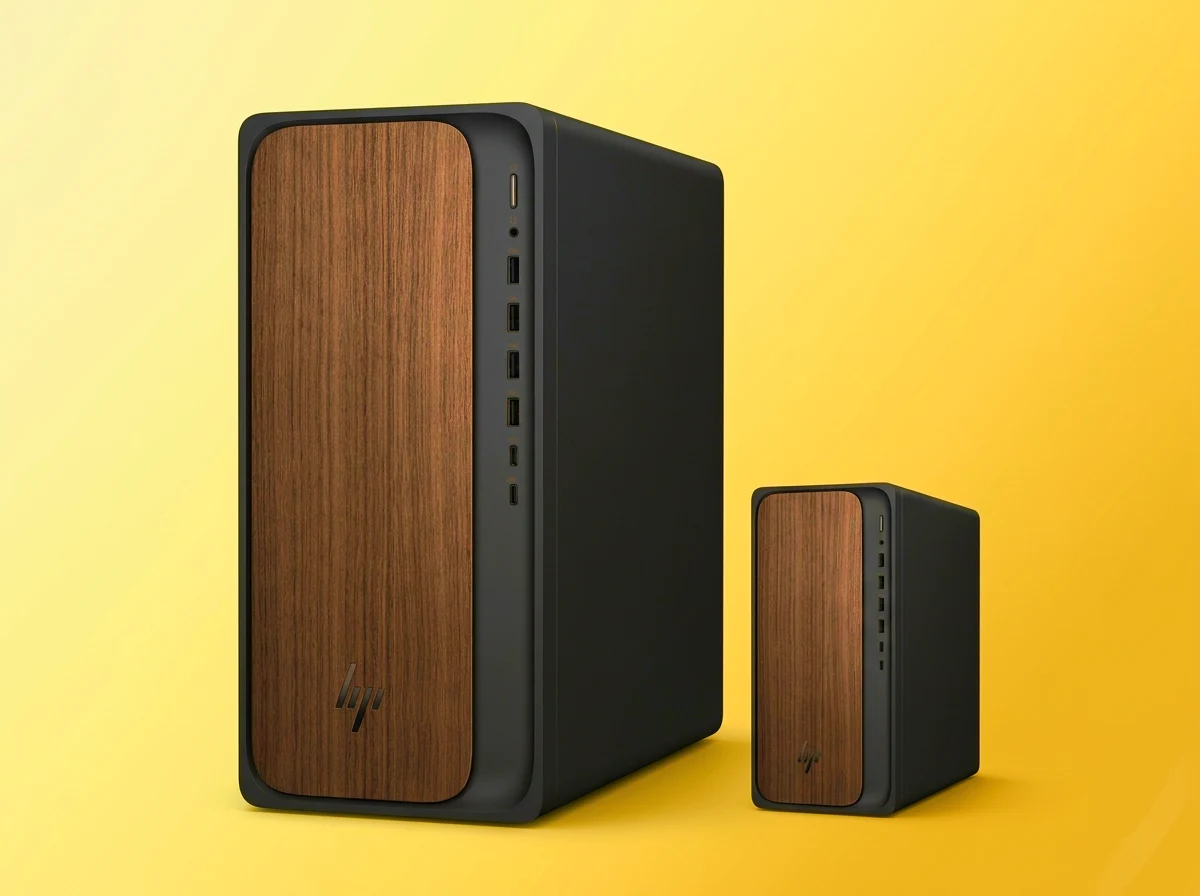
    – OmniDesk Mini expected for August 2026 release; pricing TBA, and no images shared yet.


    HP’s Big AI Push with a Tiny Desktop

    HP has just anounced a major expansion of they’re AI-focused PC lineup, and the star of the show is the brand new HP OmniDesk Mini Desktop PC. This here device is being called the worlds first “Mini AI PC” that includes Thunderbolt Share, and they reckon it’s meant to take the place of them bulky old towers with a much smaller but still powerful shape.

    Key Specs and Features for the OmniDesk Mini

    The launch is part of a broader HP strategy to integrate the new Nvidia RTX Spark platform across its lineup, including upcoming notebooks and more desktop options. There’s a lot of focus on making this thing compact yet capable, which should appeal to folks who don’t want a massive case sitting under they’re desk taking up all the room.

    • They’re calling it the first Mini AI PC with Thunderbolt Share
    • It uses the new Nvidia RTX Spark platform
    • Compact footprint designed to replace traditional towers
    • Part of a larger expansion across notebooks and desktops

    Pricing and Availability Details

    The HP OmniDesk Mini Desktop PC is expected to hit the market in August 2026. Official pricing details will be announced closer to the retail launch date. What’s interesting is that HP hasn’t shared any images of the OmniDesk Mini Desktop PC yet, which is a bit odd since most companies show off the hardware right away when they make a big announcement like this.

    Sources
  • Nvidia N1X vs MacBook Neo: AI PC era may flop due to cost and Windows

    Nvidia N1X vs MacBook Neo: AI PC era may flop due to cost and Windows

    Key Takeaway

    – N1X/N1 laptop shipments expected at ~10 million units over two years, initially niche for “AI power users”
    – Hardware alone insufficient for broad PC upgrade cycle; Windows currently seen as a bottleneck
    – Most consumer AI interaction remains cloud-based, not local; AI PC narrative hasn’t driven sales
    – Apple MacBook Neo selling strongly, 2026 forecast doubled to 10 million units on non-AI factors
    – True on-device AI adoption requires deep OS-level integration of user data and workflows, not just hardware


    Nvidias New Chip Plans Leak Out

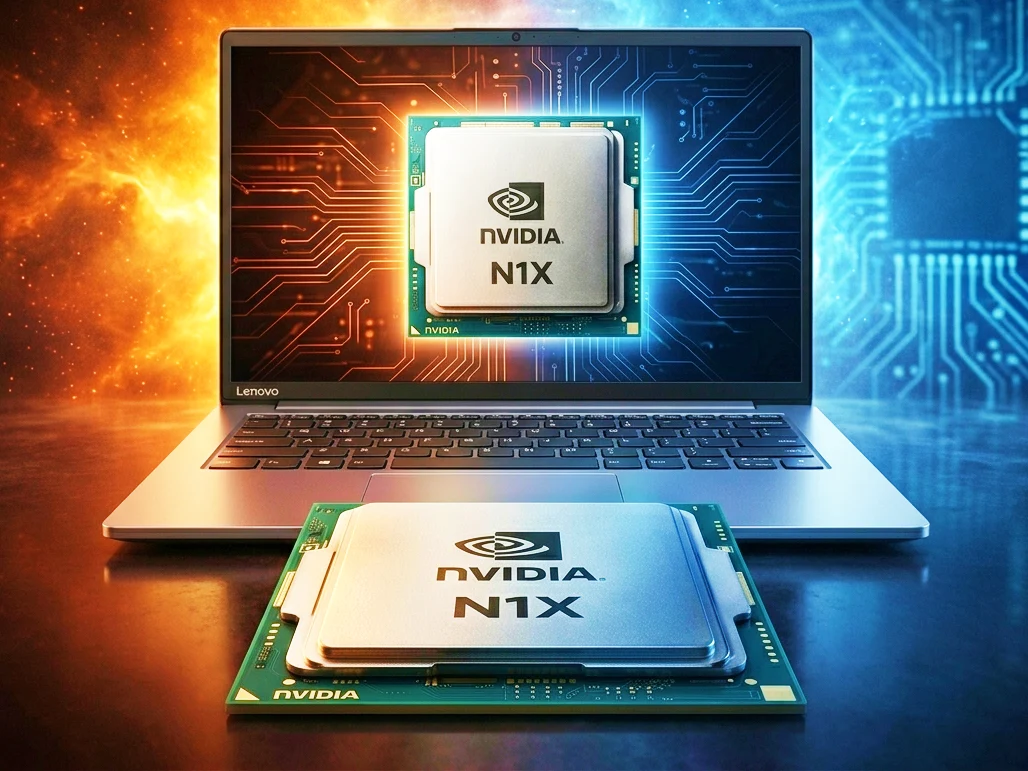
    Following Nvidias “New era of PC” announcement, and the detailed leak of the N1X and N1 chips, a new supply chain report by top analyst Ming-Chi Kuo suggests that shipments for laptops utilizing Nvidia’s anticipated N1X and N1 processors are projected to reach approximatley 10 million units over the next two years. Currently, these devices are viewed as a niche offering specifically for “AI power users” who require on-device compute capabilities. According to Kuo, the potential for upward revisions in these shipment forecasts will depend on several factors that are complecated to predict.

    Memory and Processing Viable Alternatives

    Kuo notes that for power users running Large Language Models (LLMs) locally, the N1 series of chips offers a viable alternative to the Mac, particularly regarding memory and on-device processing capabilites. However, he emphasises that hardware specs alone may not be enough to drive a broader PC upgrade cycle, suggesting Windows might act as the bottleneck. The report highlights that the primary way consumers interact with AI on both Windows and Mac platforms remains through cloud-based services, which is interesting to note for the future.

    Cloud Services Still The Main Driver

    Whether users are accessing LLMs via web browsers or calling them through APIs, the core compute burden is currently handled by cloud providers, not the local hardware. Kuo points out that the current “AI PC” narrative has seen little impact on actual market sales or consumer intrest. Instead, the most significent market activity in 2026 has been driven by non-AI-specific factors, which shifts the focus onto other hardware segments entirely.

    MacBook Neo Outselling Expectations

    The analyst highlights the strong performance of Apple’s MacBook Neo (which has been selling like hotcakes), noting that 2026 shipment forecasts for the model were revised up by roughly 100%, climbing from 5 million to 10 million units, a consumer intrest driven primarily by: better battery life, a lighter chassis, and improved display technology rather then any AI features. Ultimately, Kuo argues that the true “upgrade cycle” for on-device AI requires more than hardware to succeed.

    Operating System Remains The Bottleneck

    While the N1X/N1 might provide a new balance of power, memory, and portability, the primary reason for mass adoption might still be the operating system, which is lagging behind. Currently, AI integration in PC operating systems is largely limited to specific features in first-party applications or limited workflow connections, making it hard for users. To move beyond the current status quo, the analyst suggests that OS-level support is nessecary to deeply integrate user data and workflows across applications while maintaining privacy, which remains the primary challenge for the broader AI PC segment according to Ming-Chi Kuo.

    Sources