Tag: Ming-Chi Kuo

  • Nvidia N1X vs MacBook Neo: AI PC era may flop due to cost and Windows

    Nvidia N1X vs MacBook Neo: AI PC era may flop due to cost and Windows

    Key Takeaway

    – N1X/N1 laptop shipments expected at ~10 million units over two years, initially niche for “AI power users”
    – Hardware alone insufficient for broad PC upgrade cycle; Windows currently seen as a bottleneck
    – Most consumer AI interaction remains cloud-based, not local; AI PC narrative hasn’t driven sales
    – Apple MacBook Neo selling strongly, 2026 forecast doubled to 10 million units on non-AI factors
    – True on-device AI adoption requires deep OS-level integration of user data and workflows, not just hardware


    Nvidias New Chip Plans Leak Out

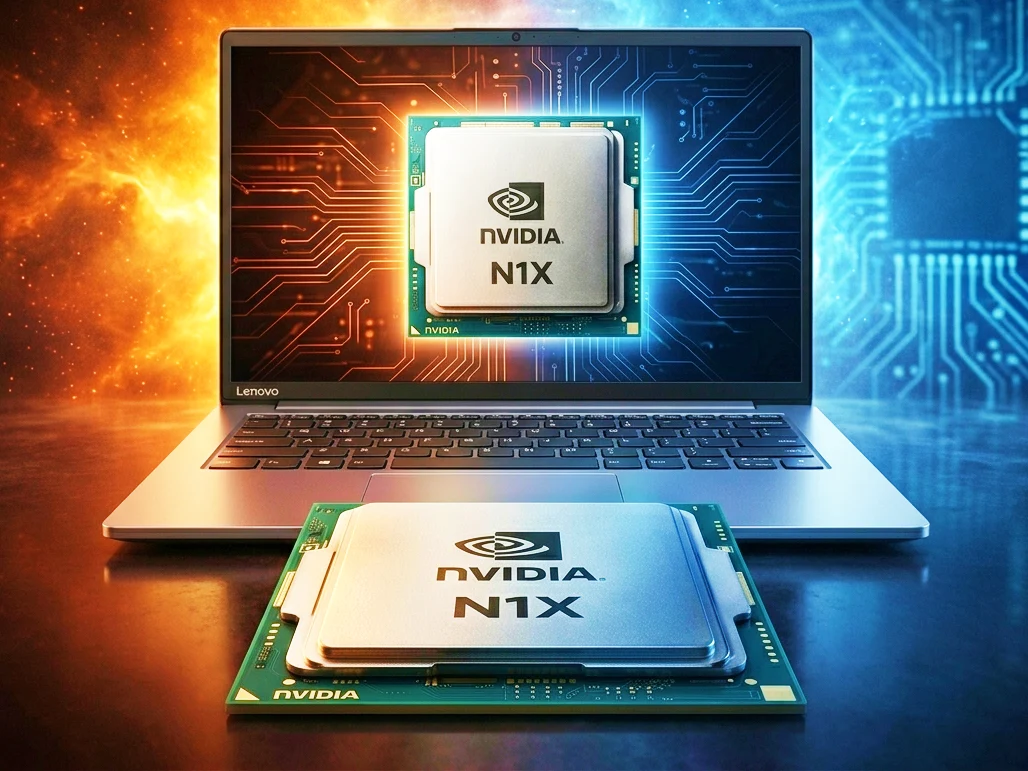
    Following Nvidias “New era of PC” announcement, and the detailed leak of the N1X and N1 chips, a new supply chain report by top analyst Ming-Chi Kuo suggests that shipments for laptops utilizing Nvidia’s anticipated N1X and N1 processors are projected to reach approximatley 10 million units over the next two years. Currently, these devices are viewed as a niche offering specifically for “AI power users” who require on-device compute capabilities. According to Kuo, the potential for upward revisions in these shipment forecasts will depend on several factors that are complecated to predict.

    Memory and Processing Viable Alternatives

    Kuo notes that for power users running Large Language Models (LLMs) locally, the N1 series of chips offers a viable alternative to the Mac, particularly regarding memory and on-device processing capabilites. However, he emphasises that hardware specs alone may not be enough to drive a broader PC upgrade cycle, suggesting Windows might act as the bottleneck. The report highlights that the primary way consumers interact with AI on both Windows and Mac platforms remains through cloud-based services, which is interesting to note for the future.

    Cloud Services Still The Main Driver

    Whether users are accessing LLMs via web browsers or calling them through APIs, the core compute burden is currently handled by cloud providers, not the local hardware. Kuo points out that the current “AI PC” narrative has seen little impact on actual market sales or consumer intrest. Instead, the most significent market activity in 2026 has been driven by non-AI-specific factors, which shifts the focus onto other hardware segments entirely.

    MacBook Neo Outselling Expectations

    The analyst highlights the strong performance of Apple’s MacBook Neo (which has been selling like hotcakes), noting that 2026 shipment forecasts for the model were revised up by roughly 100%, climbing from 5 million to 10 million units, a consumer intrest driven primarily by: better battery life, a lighter chassis, and improved display technology rather then any AI features. Ultimately, Kuo argues that the true “upgrade cycle” for on-device AI requires more than hardware to succeed.

    Operating System Remains The Bottleneck

    While the N1X/N1 might provide a new balance of power, memory, and portability, the primary reason for mass adoption might still be the operating system, which is lagging behind. Currently, AI integration in PC operating systems is largely limited to specific features in first-party applications or limited workflow connections, making it hard for users. To move beyond the current status quo, the analyst suggests that OS-level support is nessecary to deeply integrate user data and workflows across applications while maintaining privacy, which remains the primary challenge for the broader AI PC segment according to Ming-Chi Kuo.

    Sources
  • ChatGPT-OpenAI Phone Specs: 2nm MediaTek SoC, LPDDR6, UFS 5.0, Release Date Leak

    ChatGPT-OpenAI Phone Specs: 2nm MediaTek SoC, LPDDR6, UFS 5.0, Release Date Leak

    Key Takeaway

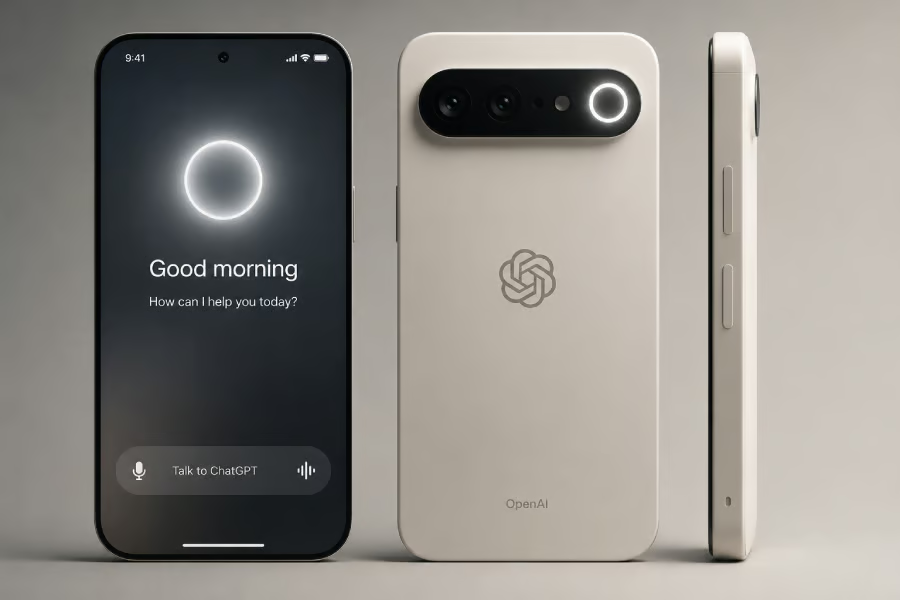
    – OpenAI reportedly plans a smartphone defined by AI agents, with launch targeted for H1 2027 and aims to compete as a premium device similar to iPhone 18 Pro and Galaxy S27.
    – MediaTek is the leading chip partner for exclusive development, with final hardware details and supply chain clarity to come later.
    – Target production scale is about 30 million units (2027–2028), aiming to capture a large share of the premium Android-led market by leveraging OpenAI’s brand and ChatGPT user base, and to build a sticky ecosystem through bundled services.


    New insights from Ming-Chi Kuo about an AI-driven OpenAI smartphone

    New insights from industry analyst Ming-Chi Kuo say OpenAI is accelerating its push into the smartphone market, aiming to launch a smartphone defined entirely by “AI agents” rather than traditional apps. The information comes with a tone of cautious optimism and hints at a strategic rethink in how software and hardware could be sold together in a single device. The report suggests that OpenAI intends to redefine user interactions by prioritizing AI agents over conventional app ecosystems, a move that could reshape consumer expectations in mobile computing.

    Launch timeline and market positioning

    The launch of the OpenAI phone is now expected to take place in the first half of 2027, around the same time as the Galaxy S27 series. Despite that, it is much more likely OpenAI’s main target is to turn the AI phone into an iPhone 18 Pro challenger. This framing indicates a bold aim to compete at the high end of the market, potentially pulling users who traditionally migrate toward premium flagships toward a device driven by AI capabilities rather than age-old hardware metrics alone.

    Speculations about hardware partners and final specs

    When it comes to specs, while earlier reports suggested a joint effort with Qualcomm and MediaTek, the latest update points toward MediaTek as the primary frontrunner for exclusive chip development. But there’s more. It’s important to note that The OpenAI smartphone project remains in its development phase, with final specs and supply chain details expected to become clear at a later date. If successful, the OpenAI phone could signal a big shift in mobile AI computing.

    Market strategy and potential production scale

    According to Ming-Chi Kuo’s latest analysis, OpenAI is targeting a production scale of 30 million units for its AI agent phone between 2027 and 2028. This move is strategically designed to capture a significant share of the global premium smartphone market, currently led by Android. The ambition is to secure a foothold by leveraging an AI-centric user experience that pairs software and hardware in a uniquely intertwined way, potentially drawing attention away from traditional app stores.

    Brand leverage and ecosystem integration

    Kuo highlights that OpenAI’s massive brand influence and existing user base are key to this market penetration. Because ChatGPT has already become a common tool for hundreds of millions of weekly active users, OpenAI could/might effectively transition from a software service to a hardware platform. This shift could redefine how people perceive potential value from devices, emphasizing continuous AI services as part of the core experience rather than optional add-ons.

    Subscription bundling and long-term user engagement

    By bundling the device with subscription services, OpenAI gains a “sticky” ecosystem that locks in users, similar to how Apple leverages the iPhone to drive service revenue. Or at least that’s the plan. The strategy underscores the importance of ongoing AI-enabled experiences, where hardware is paired with evolving software services, generating ongoing revenue streams and deeper user commitments rather than one-time device purchases.


    Sources

  • Apple MacBook Neo 2 May Not Include Touch Support, Says Analyst

    Apple MacBook Neo 2 May Not Include Touch Support, Says Analyst

    Key Takeaways

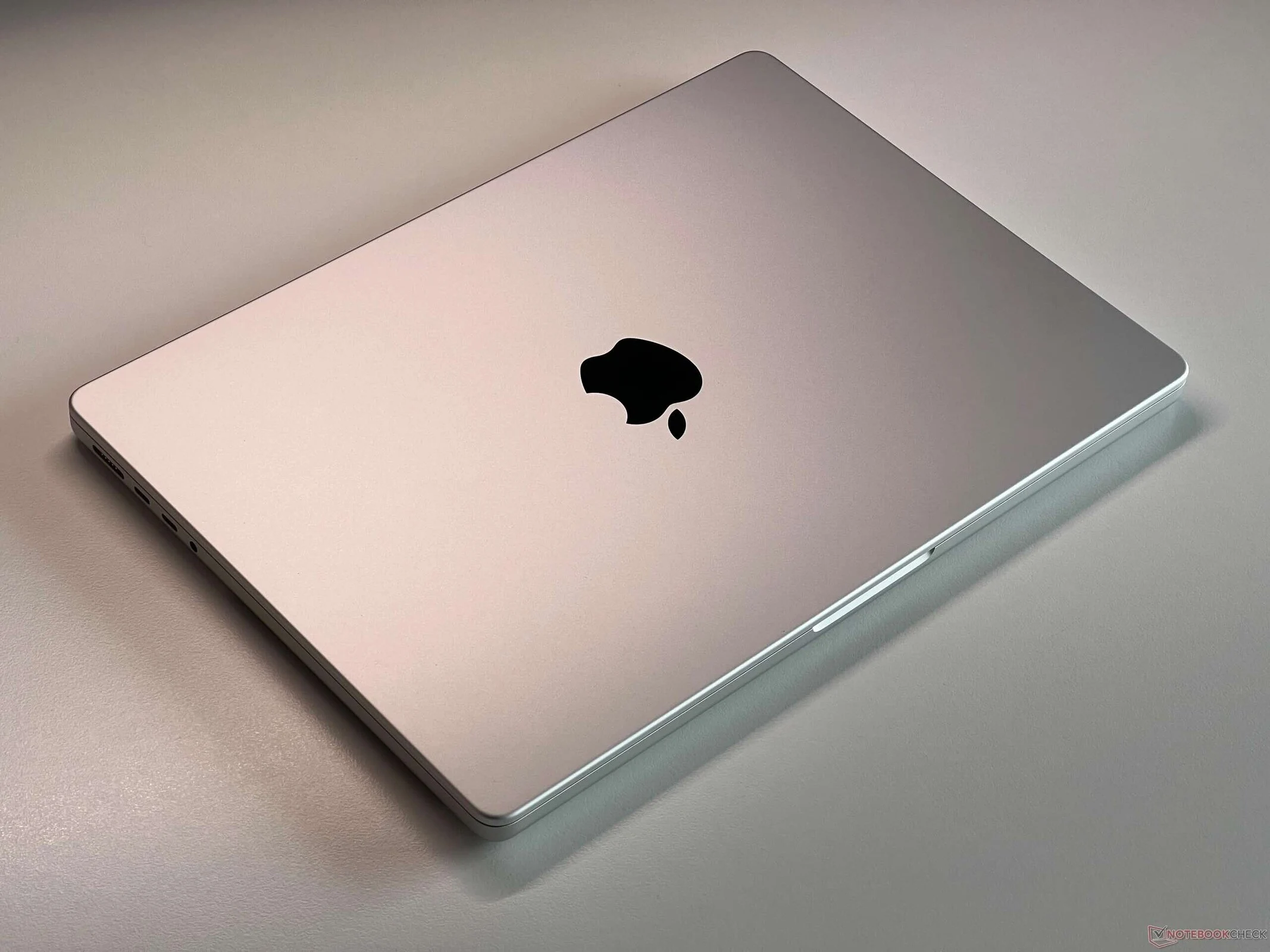
    1. The MacBook Neo is Apple’s first laptop priced under $600, featuring an A18 Pro chip and a solid build.
    2. It has a 13-inch Retina display with 500 nits brightness, providing a strong visual experience.
    3. Rumors about a touchscreen for the MacBook Neo 2 have been dismissed, according to analyst Ming-Chi Kuo.
    4. The initial touchscreen idea aimed to compete with Chromebooks, which are popular in educational settings.
    5. The MacBook Neo outperforms many Chromebooks in performance, display quality, and desktop application support.


    MacBook Neo Makes Waves

    Recently, the MacBook Neo has captured attention as Apple’s first laptop priced under $600. Powered by the A18 Pro chip, this notebook does come with its share of issues, yet it still boasts a solid build and a 13-inch Retina display with 500 nits brightness, offering a visually pleasing experience.

    Touchscreen Speculations

    After the launch, there were rumors surrounding the upcoming MacBook Neo 2, hinting that it would include a touchscreen display, as suggested by well-known analyst Ming-Chi Kuo. However, a later update from Kuo indicated that the plans for a touch display might be off the table, mentioning “industry checks” as the reasoning behind this shift.

    Competing in the Market

    Kuo pointed out that the initial idea of equipping the next MacBook Neo with a touchscreen was aimed at making it competitive against Chromebooks, many of which come with touch capabilities and are popular in schools. While Kuo didn’t elaborate on why these plans were scrapped, it’s reasonable to think that the costs of components played a significant role.

    When we look at the Apple MacBook Neo (which is priced at $599 on Amazon), it clearly outperforms many Chromebooks in terms of performance, display quality, and it also supports desktop applications fully, setting it apart in the crowded market.

    Source:
    Link


  • iPhone 18 Pro and Pro Max Prices Expected to Stay the Same

    iPhone 18 Pro and Pro Max Prices Expected to Stay the Same

    Key Takeaways

    1. Apple introduced the MacBook Neo and iPhone 17e, both priced at $599, targeting a wider audience amid high RAM and storage costs.
    2. Industry analyst Ming-Chi Kuo suggests that the upcoming iPhone 18 may maintain similar pricing to previous models, with staggered release timings for different versions.
    3. Kuo believes steady pricing could help Apple increase its market share, especially as AI features are integrated into its products.
    4. The iPhone 18 Pro and Pro Max are expected to have notable upgrades but may not see a price increase; new devices are set to be revealed in September.
    5. Projected shipments for the MacBook Neo in 2026 are slightly lower due to delayed mass production, but the model is expected to perform well; MacBook Air models may transition to OLED displays by 2028 or 2029.


    Apple has just unveiled a variety of new products, enhancing its offerings in laptops, smartphones, and tablets. Given today’s market with extremely high prices for RAM and storage, Apple introduced a $599 laptop called the MacBook Neo and a $599 smartphone dubbed the iPhone 17e aimed at a wider audience. This indicates that the upcoming iPhone 18 may not experience a price hike compared to its earlier versions, or at least that’s what a source from the industry suggests.

    Insights from Ming-Chi Kuo

    Industry analyst Ming-Chi Kuo shared some details on social media regarding Apple’s plans for OLED technology in its future products. Concerning the new iPhones, Kuo indicated that Apple might keep the pricing steady, although he mentioned, “iPhones launching in 2H.” This year, Apple is anticipated to stagger release timings and only introduce the iPhone 18 Pro and Pro Max, with the standard iPhone 18 set to debut in 2027. For the base model of the iPhone 18, Apple might opt to absorb costs again and price it similarly to the existing model.

    Market Impact of Pricing Decisions

    Kuo believes that maintaining the current pricing will allow Apple to grow its market share even further, especially as its AI features and services become fully integrated. However, it remains uncertain whether the prices for the iPhone 18 Pro and Pro Max will increase. The new devices are expected to be revealed in September, featuring some notable upgrades while keeping the same design aesthetics.

    In relation to the rest of the product lineup, Kuo noted that the projected shipments for the MacBook Neo in 2026 are slightly lower because it began mass production three months later than planned. Nonetheless, it is still expected to perform well due to its appealing price. Additionally, it will likely take several years for the MacBook Air models to transition to OLED displays, probably by 2028 or 2029. Overall, MacBook shipments in 2026 are anticipated to hit 25 million units, which would match sales figures from the peak period of the COVID era.

    Source:
    Link


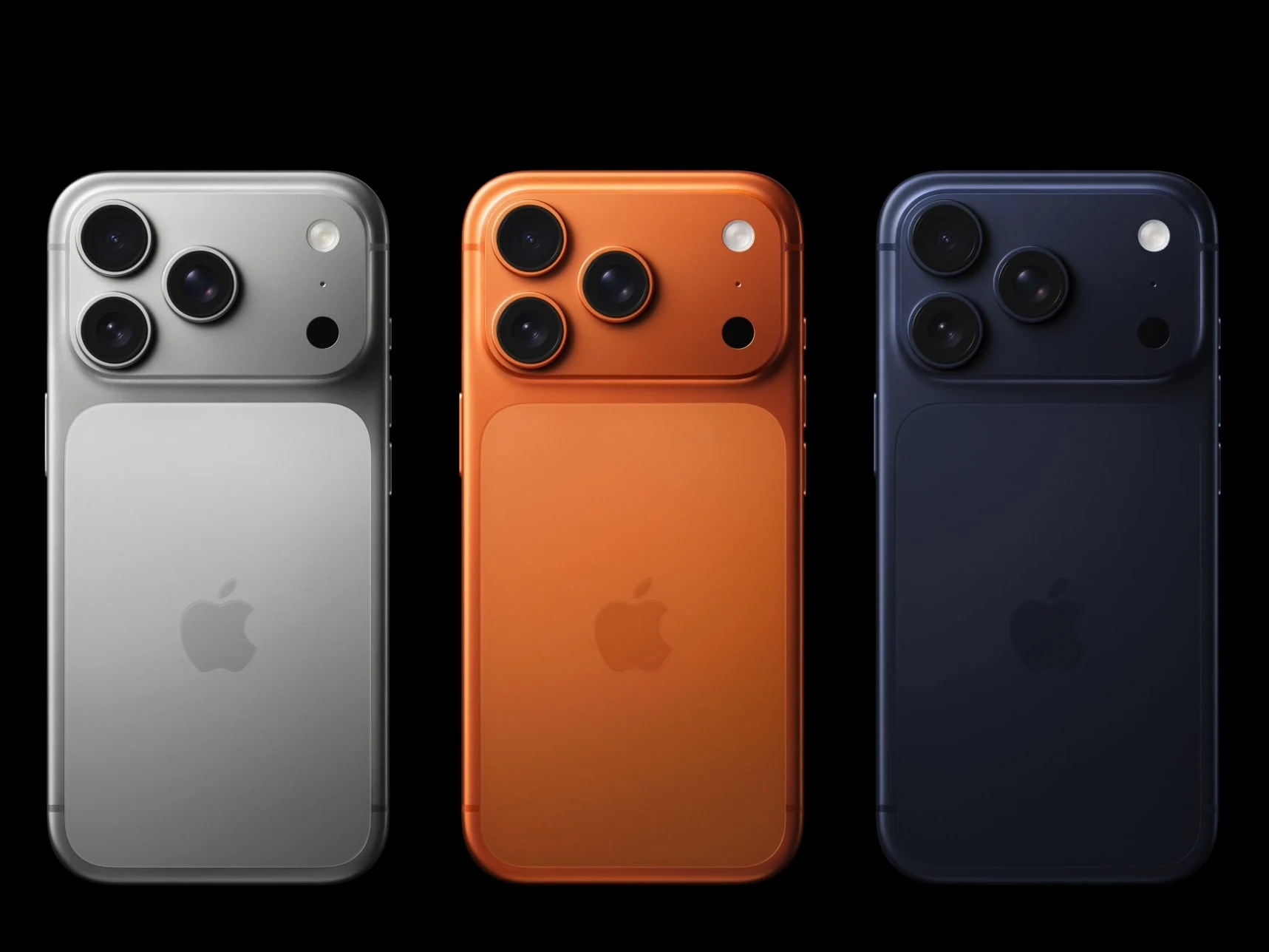
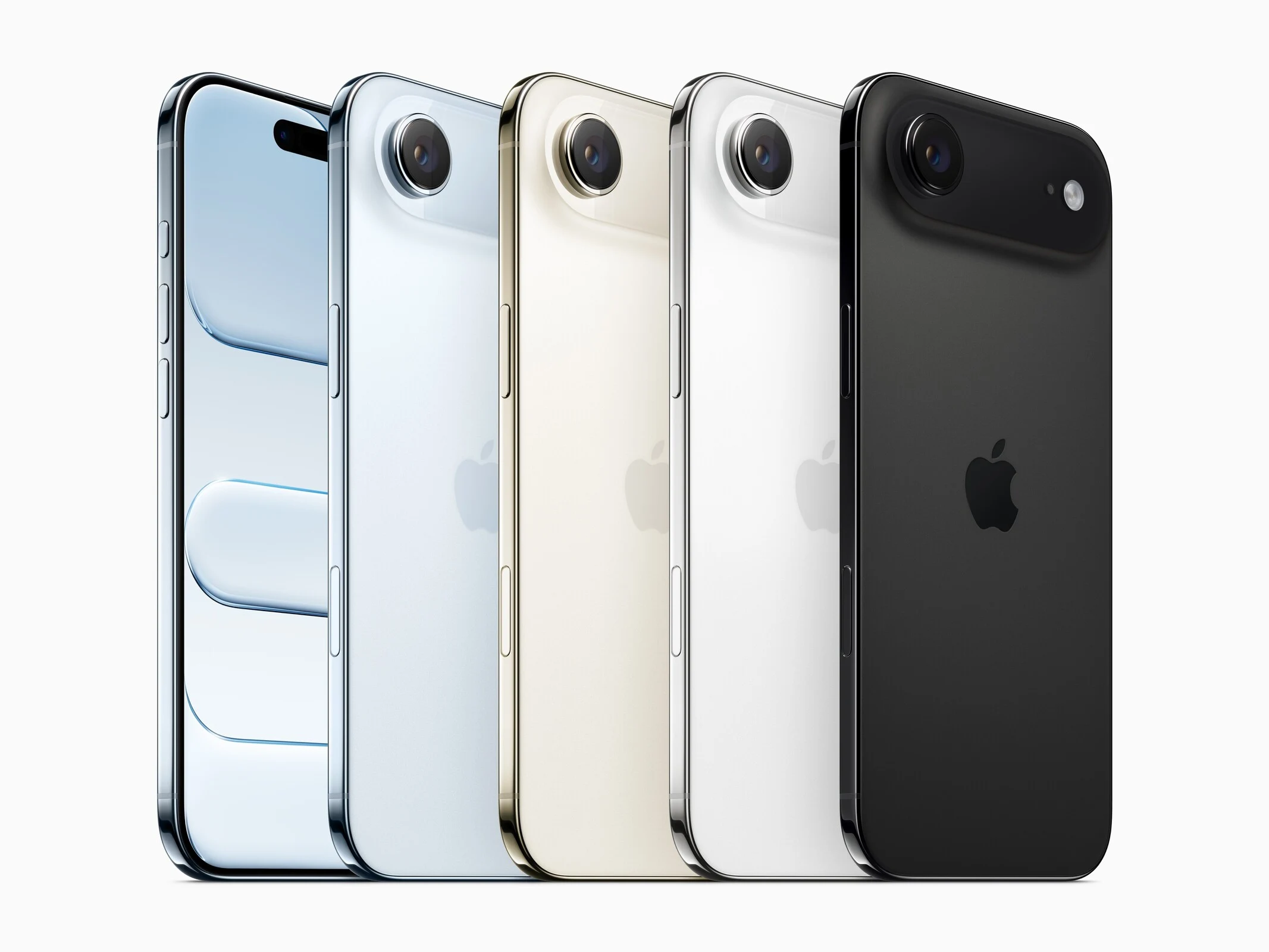
  • Apple iPhone Air Faces Flop: Low Demand and Rumors of Discontinuation

    Apple iPhone Air Faces Flop: Low Demand and Rumors of Discontinuation

    Key Takeaways

    1. Apple is reportedly halting production of the iPhone Air due to lower-than-expected demand outside China, with a possibility of discontinuation by 2026.
    2. Suppliers for the iPhone Air may cut production capacity by up to 80% by early 2026, as Apple focuses on its more popular standard and Pro models.
    3. The smartphone market may see the introduction of the Galaxy S26 Plus from Samsung, replacing the Galaxy S25 Edge, while Apple’s plans for the iPhone Plus remain uncertain.
    4. The potential discontinuation of the iPhone Air could discourage Chinese brands from launching ultra-slim smartphones, limiting innovation in the market.
    5. These developments are speculative, and the future decisions of Samsung and Apple should be viewed with caution.


    It appears that Samsung is not alone in struggling with the ultra-slim smartphone vision, as new rumors are popping up indicating that the Apple iPhone Air is not performing as well as Apple expected outside of China. This follows the news that Samsung will not be launching a new version of the Galaxy S25 Edge in 2026.

    Rumors from Weibo

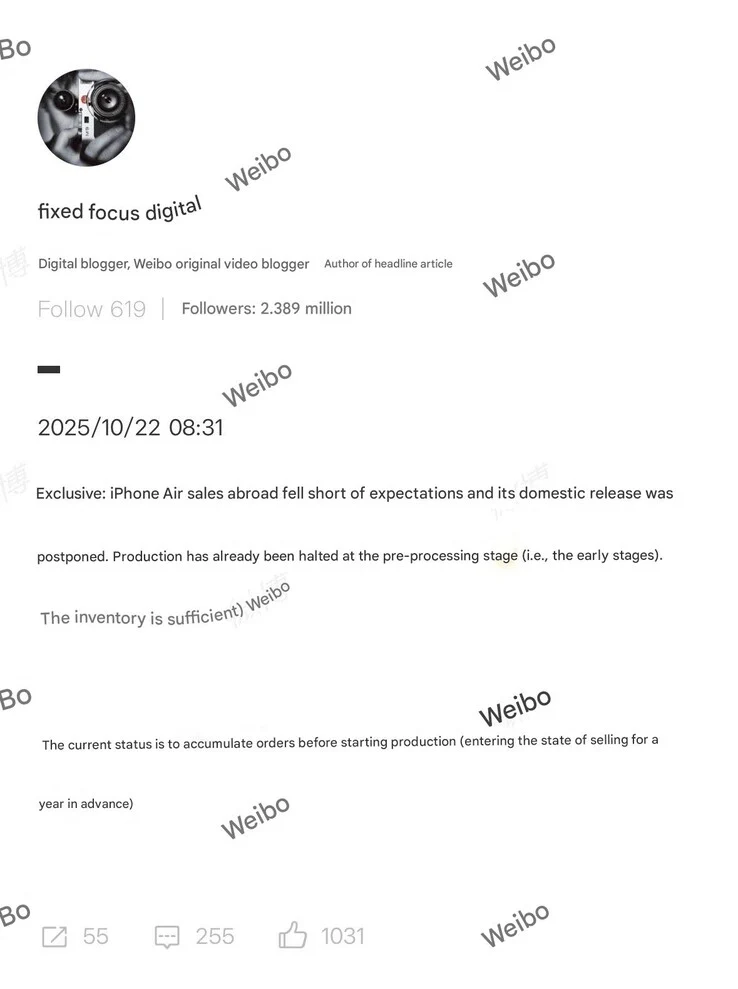
    The latest buzz surrounding the Apple iPhone Air comes from a rumor shared on Weibo, as reported by Jukan on X. This rumor suggests that due to demand being colder than anticipated, Apple has changed its production plans for the iPhone Air. The production has reportedly been “halted” at the pre-processing phase because there’s enough stock, and it will only pick up again when orders increase.

    In simpler terms, Apple isn’t making iPhone Air units continuously like it does for its more sought-after models. If demand doesn’t pick up, this could mean the end of the iPhone Air by 2026, a possibility pointed out by well-known analyst Ming-Chi Kuo on X.

    Supplier Adjustments

    According to Ming-Chi Kuo, a large number of iPhone Air suppliers are “expected to cut capacity by as much as 80%” by the first quarter of 2026. Furthermore, Apple is likely to cease sourcing components that have long lead times, which can include critical items like SoCs and rare earth minerals used in internal hardware, by the end of 2025. Kuo believes that this is because the standard and Pro iPhone models can meet most of the demand, which “leaves little opportunity to create new market segments,” a situation Apple has previously faced with the iPhone Mini and Plus.

    The Future of Smartphones

    So, what does this mean for the smartphone industry? To begin with, there are rumors that Samsung plans to introduce the Galaxy S26 Plus to take the place of the Galaxy S25 Edge next year. While it’s uncertain if Apple will also reconsider its decision to discontinue the iPhone Plus, there is a possibility that the company might take a similar approach. Additionally, we have the iPhone Fold to anticipate, with rumors hinting at a possible release in 2026 or 2027.

    This discontinuation may also imply that many Chinese brands will steer clear of launching their ultra-slim smartphones. This is unfortunate since the smartphone market has matured, and genuinely exciting launches are increasingly rare.

    As usual, all of this remains speculative, and we cannot be certain about the paths Samsung and Apple will choose. Therefore, it’s wise to consider this information with a bit of skepticism.

    Source:
    Link


  • iPhone 17 Surpasses Xiaomi 17 Sales; Shipments Drop Below Xiaomi 15

    iPhone 17 Surpasses Xiaomi 17 Sales; Shipments Drop Below Xiaomi 15

    Key Takeaways

    1. Xiaomi unveiled the Xiaomi 17, Xiaomi 17 Pro, and Xiaomi 17 Pro Max on September 25th, featuring new designs, upgraded screens, and improved cameras.
    2. Analyst Ming-Chi Kuo predicts a 20% decline in shipments for the Xiaomi 17 series compared to the previous Xiaomi 15 series, with total shipments expected to fall short of 8 million units.
    3. The standard Xiaomi 17, initially expected to account for 50-55% of total shipments, may only represent 15-20% due to lower-than-anticipated demand.
    4. Strong competition from the iPhone 17, which has received positive reviews for its enhancements, is impacting the demand for the Xiaomi 17.
    5. The Xiaomi 17 Pro and 17 Pro Max will not be released outside of China, creating uncertainty about global sales performance.


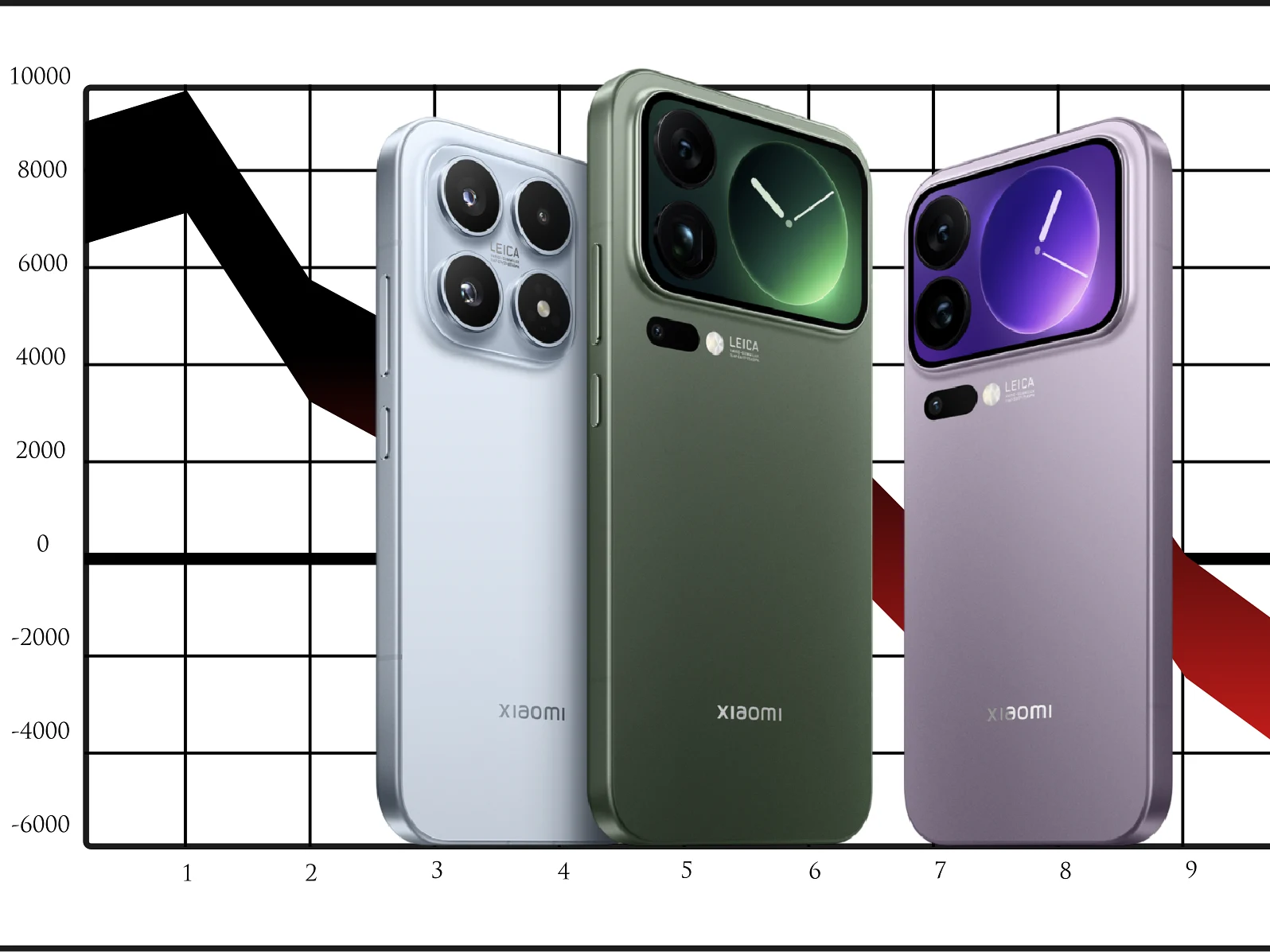
    After waiting for months filled with leaks and speculations, Xiaomi has officially unveiled the Xiaomi 17, Xiaomi 17 Pro, and Xiaomi 17 Pro Max on September 25th in China. These three devices come with eye-catching new designs, upgraded screens, substantial batteries, and entirely new camera setups. Notably, the Xiaomi 17 Pro and Xiaomi 17 Pro Max have stylish secondary displays on their backs. Nevertheless, renowned analyst Ming-Chi Kuo has pointed out that, despite the impressive hardware of the Xiaomi 17 lineup, these new models are expected to sell less than the previous Xiaomi 15 series.

    Demand Insights

    In a post on X, Ming-Chi Kuo highlighted that, according to their industry research, the current demand for the Xiaomi 17 suggests a 20% decline in shipments compared to the initial goal of 10 million units. This reduced shipment forecast is primarily due to low interest in the standard Xiaomi 17, leading to total shipments for the Xiaomi 17 series being projected to fall short of 8 million.

    Sales Expectations

    The standard Xiaomi 17 was predicted to be the leading model in the Xiaomi 17 series, making up 50-55% of total shipments. However, according to Ming-Chi Kuo, the weaker-than-anticipated demand for the basic Xiaomi 17 might only allow it to account for 15-20% of the overall shipments. It seems unlikely that the increased sales of the Xiaomi 17 Pro and Xiaomi 17 Pro Max will make up for this significant shortfall.

    At first glance, Ming-Chi Kuo’s recent shipment forecasts for the Xiaomi 17 series appear contradictory to Xiaomi’s announcement of record sales figures. However, the initial reception at launch might not be the best measure of the long-term demand for a smartphone. For the Xiaomi 17 to surpass the sales of the Xiaomi 15, it will need to attract new buyers, specifically those who are not already loyal customers.

    Market Competition

    So, what might be causing the Xiaomi 17 to lag behind the anticipated sales figures?

    Ming-Chi Kuo attributes this to the strong performance of the standard iPhone 17, which has significantly impacted the demand for the Xiaomi 17. Unlike earlier iPhone releases, this year’s base iPhone 17 has showcased major hardware enhancements, including a fresh 120 Hz display, new 48 MP Fusion cameras, and other features. These improvements have received positive feedback from both the public and the media, leading to the base iPhone 17 enjoying robust popularity in China.

    The analyst further speculates that if the demand for the Xiaomi 17 does not pick up during China’s National Day Golden Week, the company may need to consider reducing prices on certain models to boost sales.

    Future Outlook

    Ming-Chi Kuo’s recent sales analysis of the Xiaomi 17 focuses solely on the Chinese market, leaving it uncertain how the phones will perform on a global scale. Unfortunately, it’s disappointing that Xiaomi is not planning to release the Xiaomi 17 Pro and 17 Pro Max outside of China, as only the Xiaomi 17 and Xiaomi 17 Ultra are expected to have a worldwide launch.

    Source:
    Link


  • iPhone 17 Demand Surpasses iPhone 16, Pro Max Leads Preorders

    iPhone 17 Demand Surpasses iPhone 16, Pro Max Leads Preorders

    Key Takeaways

    1. Apple launched the iPhone 17 lineup, with preorders starting on September 12, showing greater interest than the iPhone 16 series.
    2. Production for the iPhone 17 Pro Max, Pro, and standard versions is set to increase by 25% in Q3 2025, with longer wait times for these models.
    3. The iPhone 17 Pro Max is the standout model, with production targets expected to rise by 60% compared to the iPhone 16 Pro Max.
    4. The iPhone Air is experiencing a slower launch due to eSIM regulation issues in China, with lower demand indicated by shorter delivery times.
    5. Current wait times for the iPhone 17 Pro and Pro Max are up to three and four weeks, while the iPhone Air and base iPhone 17 are expected to ship on launch day, September 19.


    Apple recently revealed its latest iPhone 17 lineup last Tuesday. Preorders began on Friday, September 12. According to analyst Ming-Chi Kuo, initial preorder figures indicate that these new models are garnering greater interest than the iPhone 16 series did last year.

    Production Plans Increase

    Kuo mentions that the anticipated production for the iPhone 17 Pro Max, Pro, and standard versions in Q3 2025 is set to increase by 25% compared to the previous year. Additionally, the wait times for these three variants are slightly longer, which aligns with the insights from JP Morgan.

    Pro Max Takes the Lead

    JP Morgan has pointed out a growing interest in the standard iPhone 17, but Kuo emphasizes that the iPhone 17 Pro Max is the standout model in this collection. Production targets for this flagship device are expected to rise by around 60% when compared to the iPhone 16 Pro Max, despite similar delivery timelines. For context, JP Morgan reported that customers can expect to wait about four days for the iPhone 17 Pro and around 21 days for the iPhone 17 Pro Max, contrasting with the six and 20 days for the iPhone 16 Pro and 16 Pro Max in their initial preorder week.

    Slower Start for iPhone Air

    Interestingly, the new iPhone Air, which is thinner and lighter, has not seen as strong of a launch as the other models. This could be partly attributed to its postponed release in China due to eSIM regulation problems. Currently, preorders for the iPhone Air are set to ship on the launch day, suggesting demand may be lower compared to the iPhone 16 Plus, which had a two-week delivery time, according to Kuo. Nonetheless, Apple’s production strategy for the Air is about three times that of the iPhone 16 Plus, hinting that the company anticipates increased demand in the future.

    The iPhone 17 series is still available for preorder on the Apple Store. In the United States, both the iPhone Air and the base iPhone 17 are expected to be delivered on launch day, September 19. However, the iPhone 17 Pro and iPhone 17 Pro Max are now experiencing wait times of up to three and four weeks, respectively.

    Ming-Chi Kuo shared this information on X (as referenced above), with additional insights coming from JP Morgan via Investing, and Apple.

    Source:
    Link


  • Apple M5 MacBook Pro May Miss 2025 Launch Deadline

    Apple M5 MacBook Pro May Miss 2025 Launch Deadline

    Key Takeaways

    1. The M5 SoC for MacBook Pros is now expected to be released in 2026, contrary to earlier rumors of a 2023 launch.
    2. The A20 Pro SoC for the iPhone 18 Pro series will transition to a new manufacturing process that may reduce costs and improve efficiency.
    3. Confusion exists around Apple’s upgrade cycles, with M-series chips not following the same timeline as A-series chips.
    4. The M4 MacBook Pro remains a viable option for those needing a new laptop soon, as the M5 models likely won’t offer significant upgrades.
    5. The M2 Pro and Max chips had a 15-month gap from their predecessors, while the M3 Pro and Max were released just 9 months later, indicating inconsistent release patterns for M-series chips.


    There is no doubt that many Mac users are eagerly waiting for the M5 SoC, which is anticipated to be released in the last quarter of this year. However, while earlier rumors suggested that the MacBook Pro would get the M5 upgrade this year, a new update from a trusted source suggests otherwise.

    Changes in Chip Technology

    In his latest newsletter, Ming-Chi Kuo mentioned that the A20 Pro SoC, expected in the iPhone 18 Pro series, will move from TSMC’s InFO (Integrated Fan-Out) to WMCM (Wafer Multi-Chip Module). This change will incorporate the underfill and molding processes, which could help reduce material costs and streamline “process steps” to enhance yields. Kuo also pointed out that the M5 chips are not likely to make the transition to WMCM and will instead be used in the “2026” MacBook Pros.

    Implications for MacBook Pro Release

    Kuo’s reference to the upcoming MacBook Pro models as 2026 versions likely signifies that he believes these products won’t launch this year. Mark Gurman previously indicated that MacBook Pros equipped with M5 chipsets would debut by the end of this year, though he mentioned last month that Apple was “considering” delaying the laptops to early 2026.

    Confusion Surrounding Upgrade Cycles

    As always, Apple’s upgrade timeline for MacBooks is puzzling. The M2 Pro and Max versions arrived 15 months after the M1 Pro and Max, while the M3 Pro and Max were released just 9 months following their predecessors. The high-end M4 SoCs reverted to a 12-month cycle, and it now seems that the high-end M5 chips will surpass that 12-month timeframe once again. Given Apple’s strict adherence to a 12-month cycle for A-series SoCs, it raises questions why the M-series chips are treated any differently.

    For those who urgently need a new laptop, it may not be a big loss to purchase an M4 MacBook Pro instead, as the M5 MacBook Pros are unlikely to have significant design or external upgrades. The M4 MacBook Pro is currently priced at $1,299 on Amazon.

    Source:
    Link


  • Samsung Galaxy Z Fold 8: Crease-Free Display Ahead of iPhone Fold

    Samsung Galaxy Z Fold 8: Crease-Free Display Ahead of iPhone Fold

    Key Takeaways

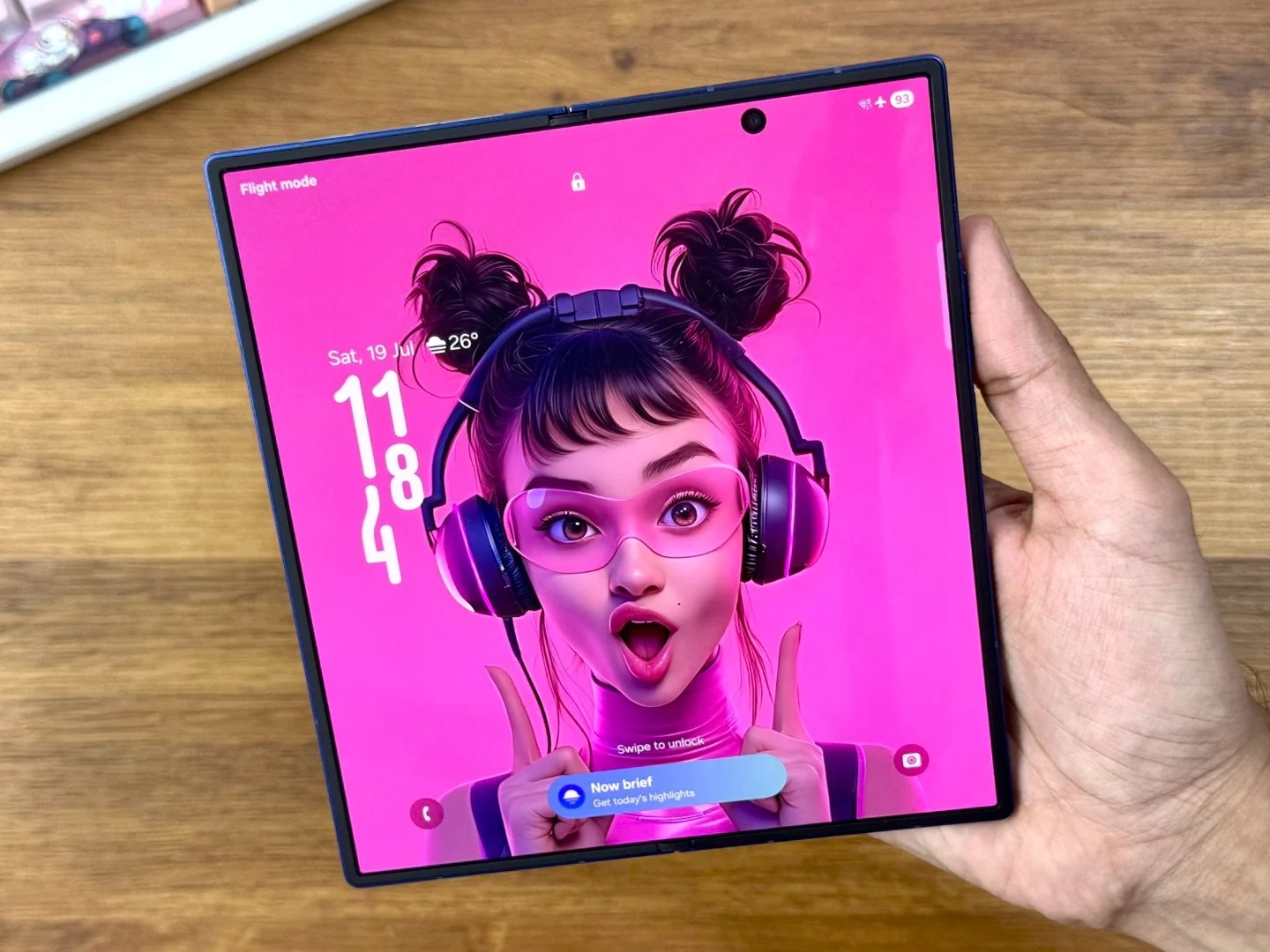
    1. Ming-Chi Kuo, a respected analyst, predicts that Apple and Samsung will use crease-free display technology for their foldable devices in 2026.
    2. Early reports indicate that the Galaxy Z Fold7 has significantly reduced the visibility of its screen crease compared to previous models.
    3. Apple’s demand for a fully crease-free display is motivating Samsung to enhance its foldable technology.
    4. Both companies may use ASP laser-drilled metal plates beneath the AMOLED screens to eliminate creases.
    5. Fans can look forward to foldable devices with improved displays from Apple and Samsung in 2026.


    Such early leaks should always be taken with a grain of salt, but this one is from a well-known analyst who is respected by many Apple fans. It remains to be seen if Ming-Chi Kuo’s forecast will actually happen. From his examination of Apple’s supply chain, he believes that both Apple and Samsung will choose a display that doesn’t have any creases for their foldable devices next year.

    Galaxy Z Fold7 Improvements

    The Galaxy Z Fold7 appears to have made notable advancements in this area, based on what early users have reported. They mention that the crease in the middle of the flexible AMOLED screen is much less visible compared to the last version. This is also encouraging news for Samsung enthusiasts, as Apple’s strict demands for a fully crease-free display in the anticipated iPhone Fold, which is set to debut in September 2026, is pushing Samsung to keep up.

    Innovative Display Solutions

    Ming-Chi Kuo suggests that both Apple and Samsung will implement a display technology that features ASP laser-drilled metal plates placed beneath the AMOLED screen. This setup is expected to come from a single manufacturer and will help eliminate the unsightly crease at the fold. Fans of both companies can get excited about foldable devices with crease-free displays hitting the market in 2026.

    Ming-Chi Kuo’s insights are always worth noting, and this prediction aligns with the current trends in smartphone technology.

    Source:
    Link

  • iPhone Fold vs Galaxy Fold7: Key Advantage Revealed

    iPhone Fold vs Galaxy Fold7: Key Advantage Revealed

    Key Takeaways

    1. The iPhone Fold is expected to have a completely crease-free display due to an innovative metal plate that reduces bending stress.
    2. Samsung Display will supply Apple with the crease-free displays, indicating that future Galaxy Fold models may also adopt similar technology.
    3. The iPhone Fold is anticipated to debut next year, potentially before the next Samsung Galaxy Fold model.
    4. Apple aims to provide significant hardware upgrades in the iPhone Fold, including a better hinge design.
    5. Manufacturing costs for the iPhone Fold may be lower than expected, although it remains uncertain how this will affect consumer pricing.


    According to a fresh analysis from the prominent Apple expert Ming-Chi Kuo, it appears that the forthcoming foldable iPhone, likely to be called the iPhone Fold, will provide a significant enhancement over the current foldable smartphones in the market.

    A Crease-Free Display

    In detail, the iPhone Fold is expected to feature a display that is entirely “crease-free,” thanks to an innovative metal plate designed to reduce the ‘bending stress’ that typically causes creases in foldable screens. Without such a feature, frequent bending results in stress points along the crease, leading to visible lines, a common issue in today’s foldables, including the latest Samsung Galaxy Fold7, which is available for pre-order at $1,999 on Amazon.

    Samsung’s Contribution

    The report also mentions that Samsung Display will be providing Apple with the specially designed crease-free foldable displays, suggesting that Samsung’s next major update to its Galaxy Fold series, probably the Fold8, might also include similar crease-free technology. It is rumored that the iPhone Fold could debut sometime next year at the earliest, which raises the possibility that the Fold8 could launch with this advanced display tech before the iPhone.

    Apple’s Hardware Approach

    Naturally, Apple’s strategies can change at any time. It’s widely acknowledged that, unlike its software, Apple aims to refine its hardware thoroughly before making it public. According to Mark Gurman, the iPhone Fold is set to feature impressive hardware upgrades compared to existing foldable devices, including a significantly better hinge.

    In addition, a recent study suggests that the manufacturing costs for the iPhone Fold may be lower than previously anticipated, though it remains unclear if this will benefit consumers in terms of pricing. Ultimately, how Apple decides to price its eagerly awaited foldable iPhone will likely play a vital role in determining its overall success.

    Source:
    link