
Tag: N1

  • Mac-Inspired Nvidia RTX Spark Dell XPS Mini PC: 128GB RAM

    Mac-Inspired Nvidia RTX Spark Dell XPS Mini PC: 128GB RAM

    Key Takeaway

    – Dell XPS RTX Spark Mini PC is a direct competitor to Apple Silicon Macs, launching the new Spark RTX platform.
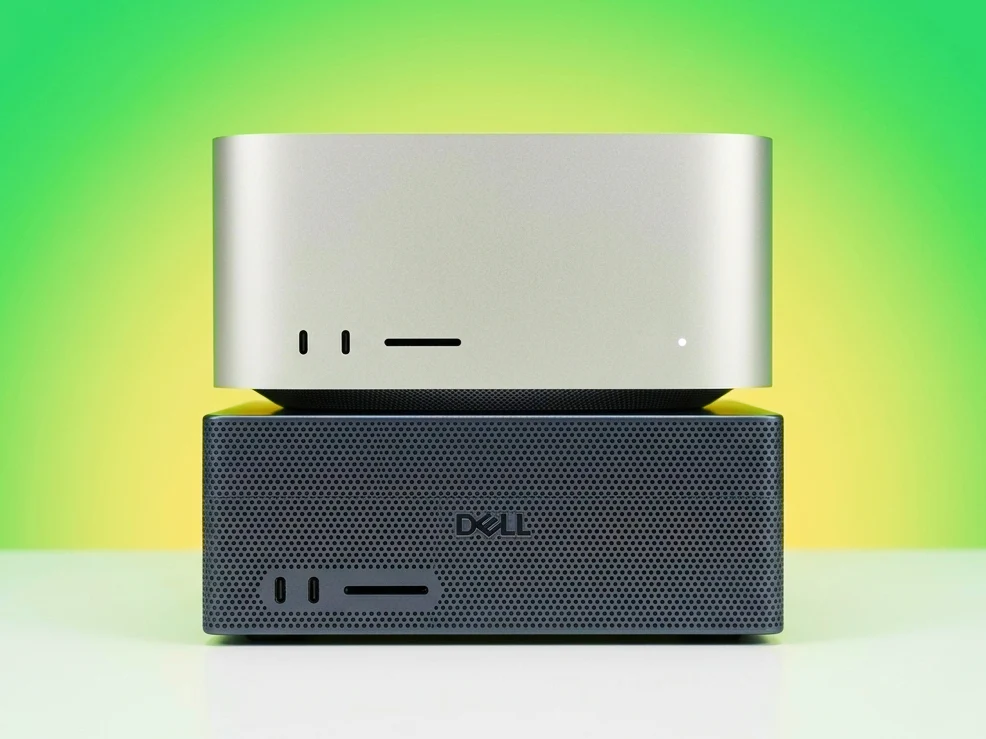
    – The dark gray design resembles the Mac Studio, with side vents and a removable bottom lid for SSD access.
    – Port selection and thermal headroom vary by manufacturer; Dell’s cooling capacity is unconfirmed.
    – The RTX Spark platform comes in N1x and N1 variants, with pricing and availability still unannounced by Dell.


    Dell’s New XPS Mini PC

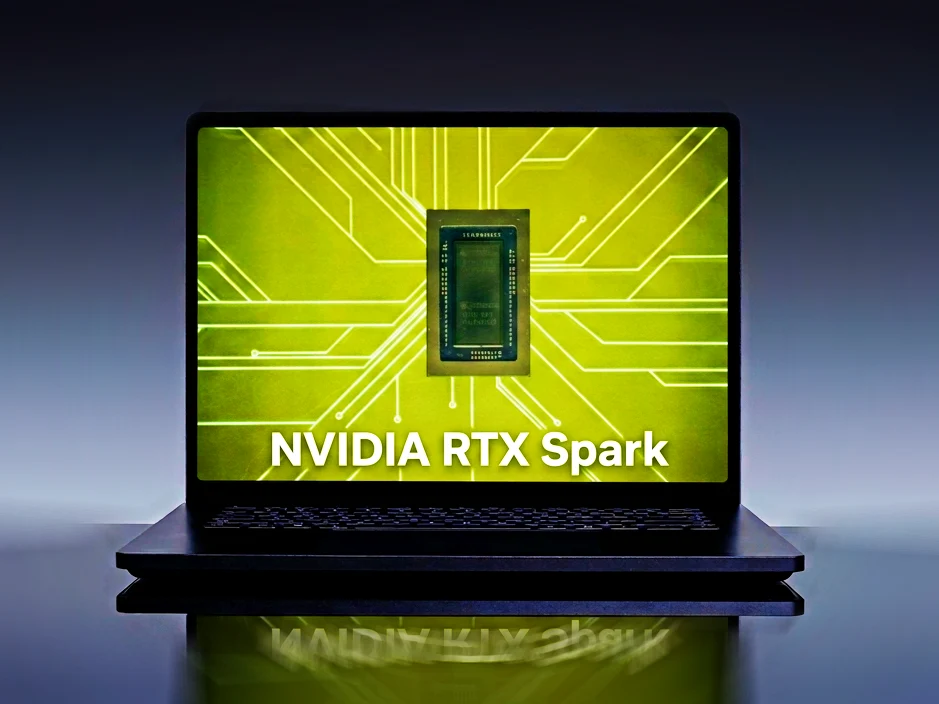
    Computex 2026 has been one of the most important tech events for Nvidia and Windows in recent years, and that’s all thanks to the brand-new Spark RTX platform, which is the direct competitor to the ARM-based Apple Silicon found in Macs, which has been a game-changer in modern computing. And with a bit of a delay, we now have our first look at the “Dell XPS RTX Spark Desktop”, the company’s first mini PC utilizing the new Spark RTX series of chips.

    Design and Build

    And yes, for the record, the dark gray Dell PC is the most Mac Studio-looking Nvidia RTX Spark mini PC we’ve seen yet (at least from the front). Reportedly, the vents are on the sides of the chassis, and the removable bottom lid should give you access to the SSD. The port selection on the new Dell XPS RTX Spark Mini PC is as follows:

    • USB-C with Thunderbolt support
    • USB-A ports
    • HDMI 2.1
    • Ethernet
    • Headphone jack

    While the RTX Spark-powered Asus ProArt Mini PC is built around 140W of thermal headroom, we can’t assume Dell is targeting the same number, because cooling capacity depends on each manufacturer’s specific chassis design and performance priorities.

    Platform Scalability and Performance

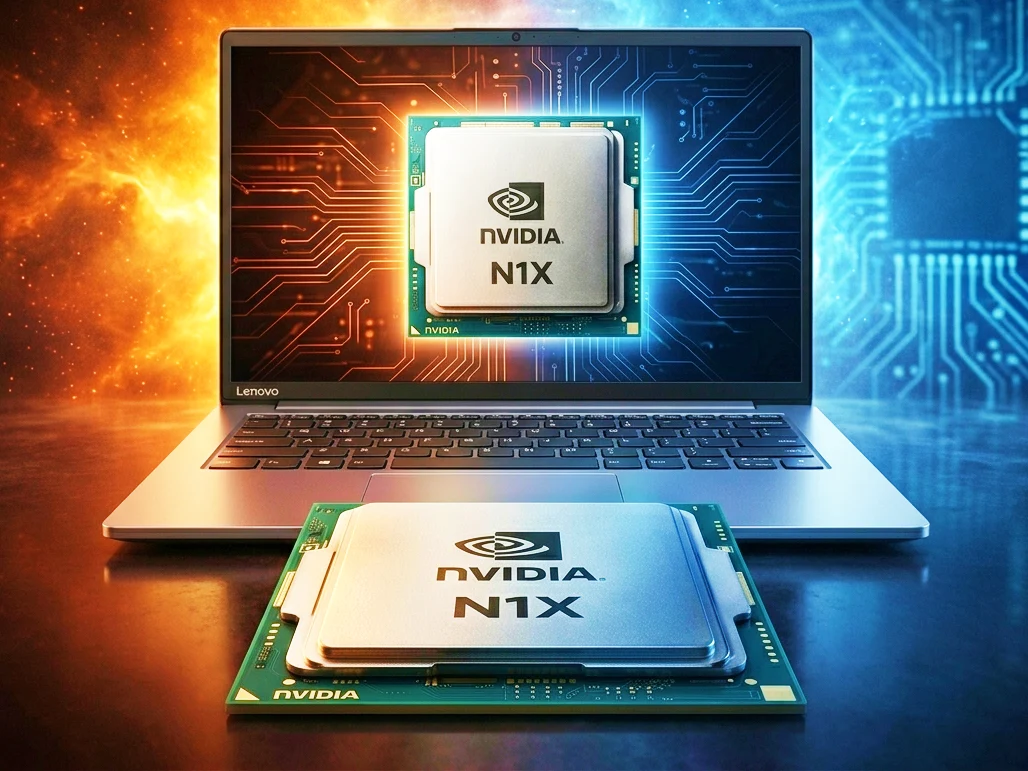
    The RTX Spark platform is scalable, and different manufacturers may choose lower power targets to prioritize factors like fan noise, portability, or cost. In case it’s unclear, the Dell XPS RTX Spark Mini PC uses the exact same RTX Spark platform as the newly-announced Dell XPS 16 Creator Edition laptop. The RTX Spark is expected to arrive in two main flavors, dubbed the N1x and N1. Configurations and pricing will vary widely, depending on RAM and SSD size.

    Pricing and Availability

    Just like with all other Nvidia Spark RTX laptops and mini PCs, Dell is yet to announce pricing and availability for the Dell XPS RTX Spark Mini PC. In fact, this early reveal is a collection of official specs and features based on hands-on previews. Strangely enough, Dell is one of the few OEMs refusing to publish press releases on their new RTX Spark mini PCs, even though they were officially revealed at Computex 2026.

    Sources

  • Nvidia RTX Spark laptop prices, Surface Laptop Ultra, Dell XPS 16

    Nvidia RTX Spark laptop prices, Surface Laptop Ultra, Dell XPS 16

    Key Takeaway

    – RTX Spark laptops with N1x chip to start at $2,899; N1 models at $1,799
    – Pricing places them in MacBook Pro territory for base specs (16/32GB RAM, 512GB/1TB storage)
    – Actual retail prices will vary widely; premium models could be significantly higher
    – 8 laptop models announced at Computex 2026, expanding to 30 laptops and 10 desktops by fall
    – Additional devices from Acer and Gigabyte expected, but rivalry with MacBook Pro remains unproven


    Pricing Insights on Nvidia’s New RTX Spark Platform

    As the excitment builds around Nvidia’s new RTX Spark platform, fresh insights from a Morgan Stanley report, a firm widely respected for its deep market analysis, have shed light on potential pricing for upcoming RTX Spark laptops. According to the info, laptops (and presumably PCs) equipped with the N1x chip could carry a price tag of at least $2,899, while entry-level N1 models may start at $1,799, which points to potential MacBook Pro price territory. These estimates likely relate to base SKUs featuring closer to 16/32GB of RAM and 512/1TB of storage rather than a model with 128GB of RAM and a 4TB SSD.

    Real-World Pricing Variables

    It is important to note that actual retail pricing will (undoubtedly) vary widely, and some premium laptops powered by the RTX Spark could be significantly more expensive depending on manufacturer and the specs. Several laptop models featuring the Nvidia RTX Spark platform were announced at Computex 2026. Here are the RTX Spark laptops unveiled so far:

    • MSI Raider GE18 Spark
    • ASUS ROG Zephyrus G16 Spark
    • Lenovo Legion Pro 7i Spark
    • HP Omen 17 Spark
    • Dell XPS 16 Spark
    • Samsung Galaxy Book5 Spark
    • Razer Blade 18 Spark
    • Framework 16 Spark

    Expanding Lineup and Competition

    While these eight models are the primary announcements from Computex, Nvidia has stated that the initial lineup is expected to grow to 30 laptop models and 10 desktop models by the time they become available this fall. Additional devices from brands like Acer and Gigabyte are also expected to follow. Whether Nvidia’s high-performance chips can truly challenge established rivals like the MacBook Pro remains to be seen. Morgan Stanley via Wccftech

    Sources
  • Nvidia N1X vs MacBook Neo: AI PC era may flop due to cost and Windows

    Nvidia N1X vs MacBook Neo: AI PC era may flop due to cost and Windows

    Key Takeaway

    – N1X/N1 laptop shipments expected at ~10 million units over two years, initially niche for “AI power users”
    – Hardware alone insufficient for broad PC upgrade cycle; Windows currently seen as a bottleneck
    – Most consumer AI interaction remains cloud-based, not local; AI PC narrative hasn’t driven sales
    – Apple MacBook Neo selling strongly, 2026 forecast doubled to 10 million units on non-AI factors
    – True on-device AI adoption requires deep OS-level integration of user data and workflows, not just hardware


    Nvidias New Chip Plans Leak Out

    Following Nvidias “New era of PC” announcement, and the detailed leak of the N1X and N1 chips, a new supply chain report by top analyst Ming-Chi Kuo suggests that shipments for laptops utilizing Nvidia’s anticipated N1X and N1 processors are projected to reach approximatley 10 million units over the next two years. Currently, these devices are viewed as a niche offering specifically for “AI power users” who require on-device compute capabilities. According to Kuo, the potential for upward revisions in these shipment forecasts will depend on several factors that are complecated to predict.

    Memory and Processing Viable Alternatives

    Kuo notes that for power users running Large Language Models (LLMs) locally, the N1 series of chips offers a viable alternative to the Mac, particularly regarding memory and on-device processing capabilites. However, he emphasises that hardware specs alone may not be enough to drive a broader PC upgrade cycle, suggesting Windows might act as the bottleneck. The report highlights that the primary way consumers interact with AI on both Windows and Mac platforms remains through cloud-based services, which is interesting to note for the future.

    Cloud Services Still The Main Driver

    Whether users are accessing LLMs via web browsers or calling them through APIs, the core compute burden is currently handled by cloud providers, not the local hardware. Kuo points out that the current “AI PC” narrative has seen little impact on actual market sales or consumer intrest. Instead, the most significent market activity in 2026 has been driven by non-AI-specific factors, which shifts the focus onto other hardware segments entirely.

    MacBook Neo Outselling Expectations

    The analyst highlights the strong performance of Apple’s MacBook Neo (which has been selling like hotcakes), noting that 2026 shipment forecasts for the model were revised up by roughly 100%, climbing from 5 million to 10 million units, a consumer intrest driven primarily by: better battery life, a lighter chassis, and improved display technology rather then any AI features. Ultimately, Kuo argues that the true “upgrade cycle” for on-device AI requires more than hardware to succeed.

    Operating System Remains The Bottleneck

    While the N1X/N1 might provide a new balance of power, memory, and portability, the primary reason for mass adoption might still be the operating system, which is lagging behind. Currently, AI integration in PC operating systems is largely limited to specific features in first-party applications or limited workflow connections, making it hard for users. To move beyond the current status quo, the analyst suggests that OS-level support is nessecary to deeply integrate user data and workflows across applications while maintaining privacy, which remains the primary challenge for the broader AI PC segment according to Ming-Chi Kuo.

    Sources
  • Jon L. Noble Plays World of Warcraft Using Mind Control Skills

    Jon L. Noble Plays World of Warcraft Using Mind Control Skills

    Key Takeaways

    1. Neuralink has introduced the N1, a wireless brain-computer interface aimed at helping individuals with severe paralysis gain independence in using digital tools.
    2. The implantation process for the N1 is relatively easy, allowing patients to return home shortly after surgery.
    3. Users can control devices, such as computers, using their thoughts, providing a new level of interaction.
    4. After 80 days, users like Jon Noble reported positive experiences, including playing complex games like World of Warcraft without using their hands.
    5. The N1 technology is still in early clinical stages, but it represents a significant shift in how brain-computer interfaces can enhance the lives of people with disabilities.


    Neuralink, a US-based firm focused on brain-computer connections, has introduced a totally implantable wireless system known as the N1. This system is designed to capture signals from the brain and turn them into commands for computers or other devices. The company’s primary goal is to help individuals with severe paralysis gain more independence when using digital tools. An initial study is currently in progress to assess the safety and effectiveness of this implant.

    Simple Implantation Process

    Noble himself noted that the process of implantation was surprisingly easy. He was put under general anesthesia, and then 1,024 electrodes were placed in his brain. As reported by the German site Golem, he returned home the day after the operation and felt much better by the third day. The real test of everyday use began in the second week when the system was connected to a MacBook and set up by Neuralink engineers. By the third week, he found the controls to be quite natural.

    A New Gaming Experience

    What’s particularly remarkable is Noble’s claim that on day 80, he was able to play World of Warcraft for the first time using just his thoughts. The first raid was a bit challenging, but afterward, it felt like “pure magic.” He now says he can explore Azeroth without using his hands and move swiftly through the game. Golem echoes this sentiment, describing the experience as “magical,” “clever,” and “addictive.”

    A Transformative Journey

    After 100 days, Noble’s feelings about the implant are overwhelmingly positive. He expressed that he can hardly envision life without it; it has not only provided him with a new means to interact with computers but has also transformed his way of living.

    Noble’s experience signifies a notable shift in how brain-computer interfaces are viewed publicly. Instead of just controlling a cursor, a complex and popular game like World of Warcraft takes the spotlight. This development makes the technology seem less like a mere experimental project and more like a practical tool that could enhance independence and digital engagement for people with disabilities. Nevertheless, it’s important to recognize that the Neuralink N1 is still in its early clinical stages and has a long journey ahead before it becomes a common technology in daily life.

    Source:
    Link