Tag: brain-computer interface

  • Jon L. Noble Plays World of Warcraft Using Mind Control Skills

    Jon L. Noble Plays World of Warcraft Using Mind Control Skills

    Key Takeaways

    1. Neuralink has introduced the N1, a wireless brain-computer interface aimed at helping individuals with severe paralysis gain independence in using digital tools.
    2. The implantation process for the N1 is relatively easy, allowing patients to return home shortly after surgery.
    3. Users can control devices, such as computers, using their thoughts, providing a new level of interaction.
    4. After 80 days, users like Jon Noble reported positive experiences, including playing complex games like World of Warcraft without using their hands.
    5. The N1 technology is still in early clinical stages, but it represents a significant shift in how brain-computer interfaces can enhance the lives of people with disabilities.


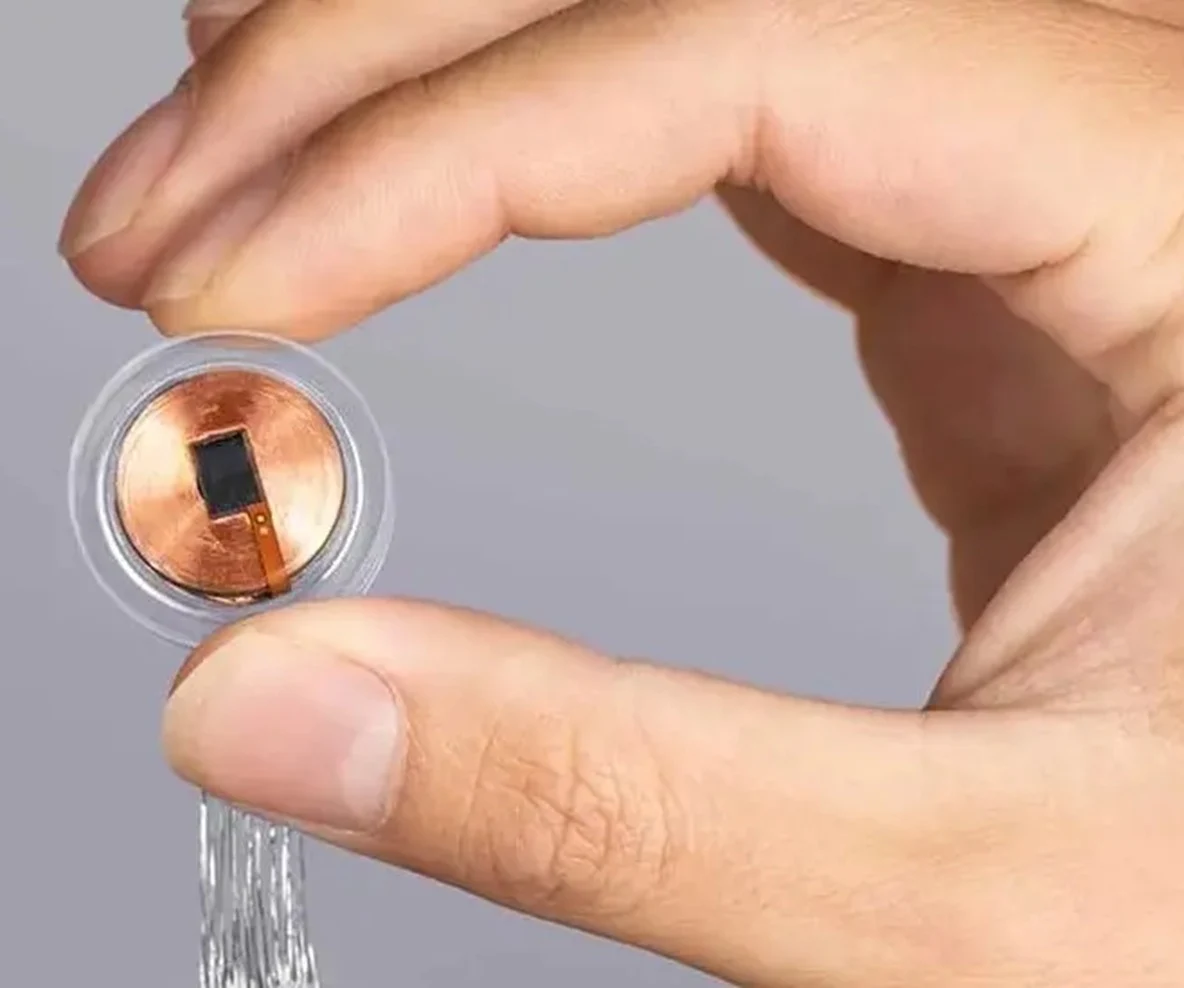
    Neuralink, a US-based firm focused on brain-computer connections, has introduced a totally implantable wireless system known as the N1. This system is designed to capture signals from the brain and turn them into commands for computers or other devices. The company’s primary goal is to help individuals with severe paralysis gain more independence when using digital tools. An initial study is currently in progress to assess the safety and effectiveness of this implant.

    Simple Implantation Process

    Noble himself noted that the process of implantation was surprisingly easy. He was put under general anesthesia, and then 1,024 electrodes were placed in his brain. As reported by the German site Golem, he returned home the day after the operation and felt much better by the third day. The real test of everyday use began in the second week when the system was connected to a MacBook and set up by Neuralink engineers. By the third week, he found the controls to be quite natural.

    A New Gaming Experience

    What’s particularly remarkable is Noble’s claim that on day 80, he was able to play World of Warcraft for the first time using just his thoughts. The first raid was a bit challenging, but afterward, it felt like “pure magic.” He now says he can explore Azeroth without using his hands and move swiftly through the game. Golem echoes this sentiment, describing the experience as “magical,” “clever,” and “addictive.”

    A Transformative Journey

    After 100 days, Noble’s feelings about the implant are overwhelmingly positive. He expressed that he can hardly envision life without it; it has not only provided him with a new means to interact with computers but has also transformed his way of living.

    Noble’s experience signifies a notable shift in how brain-computer interfaces are viewed publicly. Instead of just controlling a cursor, a complex and popular game like World of Warcraft takes the spotlight. This development makes the technology seem less like a mere experimental project and more like a practical tool that could enhance independence and digital engagement for people with disabilities. Nevertheless, it’s important to recognize that the Neuralink N1 is still in its early clinical stages and has a long journey ahead before it becomes a common technology in daily life.

    Source:
    Link


  • Samsung’s New Wearable Tech: Brain-Reading Device in Development

    Samsung’s New Wearable Tech: Brain-Reading Device in Development

    Key Takeaways

    1. Samsung is developing an around-the-ear EEG prototype in response to competition from rivals like Apple.
    2. The Ear-EEG is being created in partnership with Hanyang University’s Department of Biomedical Engineering.
    3. It uses a brain-computer interface to monitor brain activity, allowing for use outside laboratory settings.
    4. Key applications include drowsiness detection for learning habits and AI-driven entertainment feedback with high accuracy.
    5. The release timeline for a consumer version of the Ear-EEG is uncertain, and it could compete with existing products like the Muse S Athena headband.


    Samsung is developing a novel around-the-ear electroencephalogram (EEG) prototype. In the last few years, they have struggled to keep pace with rivals like Apple, which has advanced earbuds that feature biometric tracking; for example, the AirPods Pro 3 can keep tabs on your heart rate.

    Collaboration with Academia

    The Samsung Ear-EEG is being created in collaboration with the Department of Biomedical Engineering at Hanyang University in South Korea. This device employs a brain-computer interface that sends the user’s brain activity to the gadget, making it suitable for use outside of a laboratory environment.

    Applications of the Ear-EEG

    Samsung identifies two key uses for the Ear-EEG. The first is drowsiness detection, which tracks how the user’s focus diminishes over time. The company believes that this information could be useful for examining learning habits and enhancing educational practices. The second application is in marketing or entertainment, suggesting that when used with artificial intelligence, the device can determine if a person is enjoying video content with an impressive 92.86% accuracy.

    Samsung points out that their Ear-EEG research has appeared in the peer-reviewed IEEE Sensors Journal. However, it remains uncertain when or if Samsung will release a consumer version of the Ear-EEG. Any application aimed at consumers could rival devices like the Muse S Athena headband, which is currently priced at $474.99 on Amazon Marketplace.

    Source:
    Link


  • Neuralink Begins Human Trials for Thought-to-Text Brain Implant

    Neuralink Begins Human Trials for Thought-to-Text Brain Implant

    Key Takeaways

    1. Neuralink is starting a clinical trial for its brain implant in October, approved by the FDA.
    2. The trial aims to demonstrate the ability to convert thoughts into text, targeting healthy individuals by the decade’s end.
    3. The long-term vision includes enabling healthy individuals to receive implants that detect thoughts.
    4. The immediate goal is to improve the lives of those with severe medical conditions through a brain-computer interface.
    5. Currently, Neuralink’s technology allows paralyzed individuals to control computers with their thoughts, with plans to enhance interaction with AI.


    Neuralink, a company founded by Elon Musk, is set to initiate a clinical trial for its human brain implant in the United States starting in October. This trial aims to showcase the technology’s potential to convert thoughts into text, with plans to implant chips in the brains of healthy individuals by the end of the decade.

    FDA Approval and Upcoming Trials

    According to DJ Seo, the president of Neuralink, the company has received the green light from the US Food and Drug Administration (FDA) to use a device with an investigational exemption for this trial. Seo made this announcement during an event at the Korea Foundation for Advanced Studies in Seoul this week.

    Vision for the Future

    Seo explained the objectives of the trial, stating, “We’re currently picturing a future where in about 3 to 4 years, we will have someone who is otherwise healthy receiving a Neuralink implant. If you can envision saying something, we would be able to detect that thought.”

    Nevertheless, in the short run, Neuralink’s goal is to improve the quality of life for individuals suffering from severe medical issues by creating a brain-computer interface that allows the brain to connect wirelessly with electronic devices.

    Advancing Technology

    At present, Neuralink is testing chips that enable individuals with paralysis to control a computer using their thoughts. However, the company aims to advance its technology further by reading signals directly from the brain. Seo also mentioned that this upgrade will allow users to interact with Artificial Intelligence (AI) models using their minds.

    Source:
    Link


  • China’s 2030 Plan for Global BCI Leadership

    China’s 2030 Plan for Global BCI Leadership

    Key Takeaways

    1. Timeline for Development: China aims to transition BCI technology from experimental phases to practical applications by 2027 and develop a competitive BCI industry with global leaders by 2030.

    2. Integration of Regulators: The plan incorporates regulators early in the BCI development process to accelerate progress, contrasting with the U.S. FDA approach.

    3. Innovation Focus: Emphasis on creating advanced implantable electrodes, non-invasive sensors, low-power chips, and real-time decoding software to improve BCI technology.

    4. Diverse Applications: BCI technology will be applied in assistive devices, surgical robots, consumer wearables, and industrial uses, enhancing safety and efficiency in various sectors.

    5. International Standards and Funding: China plans to set global BCI standards and will support funding through various sources, while inviting foreign research and manufacturing to establish in the country.


    China has released an “Implementation Plan for Promoting Innovation and Development of the Brain-Computer Interface (BCI) Industry,” created with input from seven government ministries. This plan shows a unified effort to advance BCI technology. The goal is to transition BCIs from experimental phases to practical clinical applications by 2027, while also nurturing competitive domestic companies by 2030. Unlike the FDA-focused approach in the U.S., China is integrating regulators into the process right from the start to speed things up.

    Goals for 2027 and 2030

    By 2027, China hopes to achieve significant progress in electrodes, chips, and devices that would enable their use in various sectors, including manufacturing, healthcare, and consumer industries, aiming to establish two to three industrial hubs. By 2030, the country plans to have a secure and dependable BCI industry, featuring a handful of globally significant leaders and a pipeline of specialized small and medium-sized enterprises, all contributing to a competitive ecosystem. To facilitate this, the Central Science and Technology Commission will oversee coordination, encouraging both central and local governments to work together on pilot projects and scaling efforts more effectively.

    Focus Areas and Innovations

    The plan emphasizes creating implantable electrodes that offer more channels and better body compatibility, along with enhanced materials and clearer signal quality. It also promotes new types of non-invasive electrodes and sensors that utilize alternative signals, such as light or electrical impulses, to extract more detailed information. For computing needs, the strategy promotes the use of low-power implantable chips, real-time decoding software, and mass production of wearable devices. Reports from state media highlight early advancements, including the creation of domestic BCI chips and 128-channel electrodes designed for stable, long-term functionality.

    Diverse Applications

    The range of applications includes assistive technologies merging brain signals with electromyography, electrooculography, electrocardiography, and near-infrared signals, as well as developing surgical robots that can operate with submicron precision and improved imaging capabilities. Plans also extend to consumer and industrial uses, such as non-invasive wearables aimed at enhancing driver alertness and ensuring workplace safety.

    Moreover, Beijing intends to set international standards and promote them globally, while also reinforcing data protection regulations to ensure brain privacy. There will be additional guidelines for registering BCI medical devices. Funding will be drawn from national and small business funds, industry-finance platforms, and insurance options to reduce risks tied to new products. The plan also invites foreign research facilities and manufacturing plants to establish operations in China.

    Source:
    Link


  • Apple Developing Brain Implants for Disability Device Control

    Apple Developing Brain Implants for Disability Device Control

    Key Takeaways

    1. Apple is collaborating with start-up Synchron to develop brain-computer interface (BCI) technology using thought signals.
    2. The Stentrode implant, created by Synchron, can detect neuronal activities and control devices like the iPhone via 16 electrodes.
    3. Users, like Mark Jackson with ALS, can operate devices using the Stentrode implant, but navigation speed is currently limited compared to traditional methods.
    4. Tom Oxley, CEO of Synchron, emphasizes the need for a standardized approach for BCI devices, which Apple plans to introduce by the end of 2025.
    5. A dedicated standard from Apple could significantly enhance BCI accessibility and impact how individuals with disabilities interact with technology.


    According to the Wall Street Journal (WSJ), Apple is working together with a start-up called Synchron to explore new ways for controlling devices using thought signals, which are basically neural impulses. Synchron has created the Stentrode implant, a brain-computer interface (BCI) that is inserted like a stent into a vein located above the motor cortex in the brain. This device has 16 electrodes that can detect delicate neuronal activities related to movement and turn these signals into commands to control devices like the iPhone. Since 2019, ten individuals have received the Stentrode implant.

    User Experience

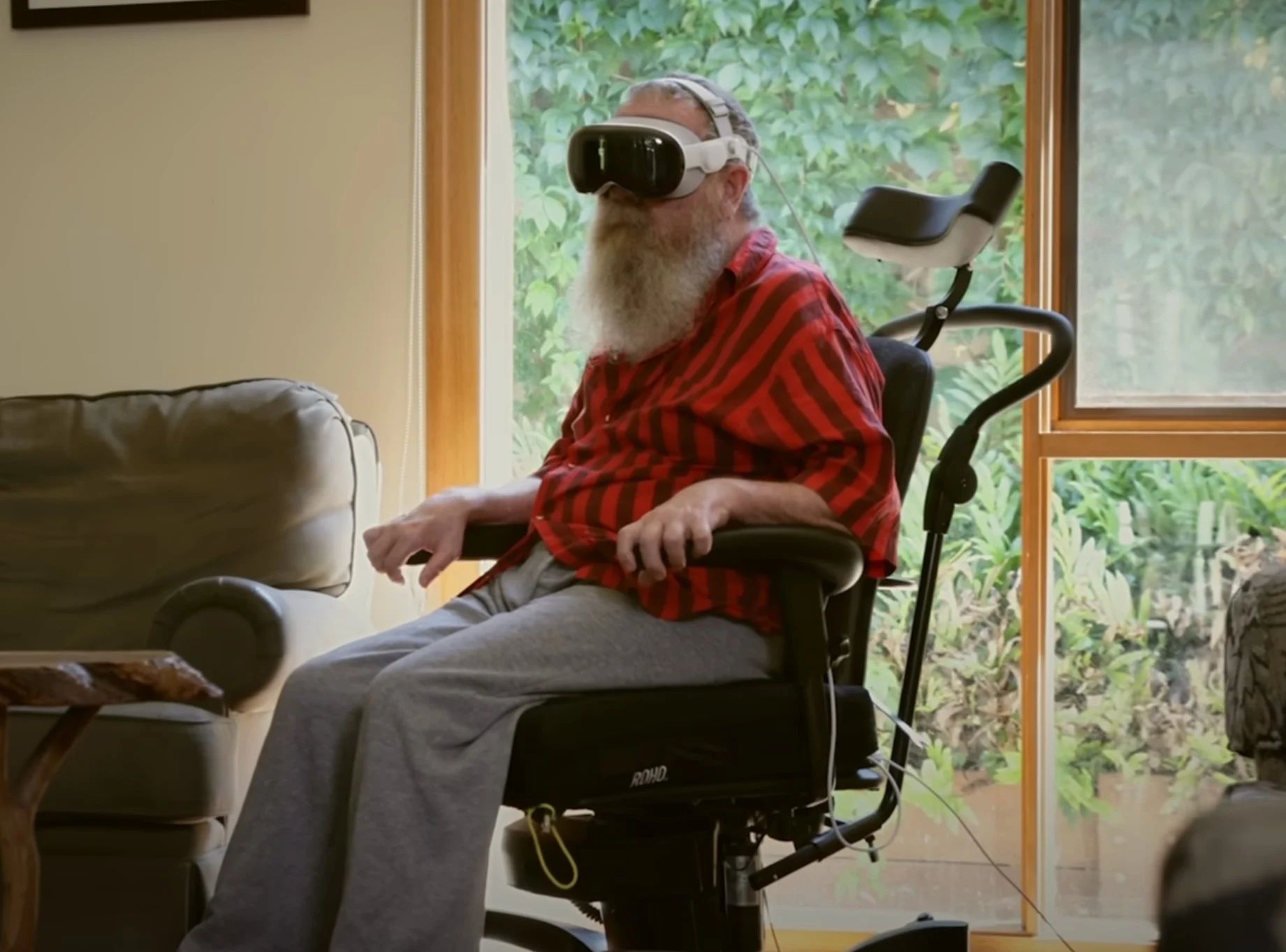
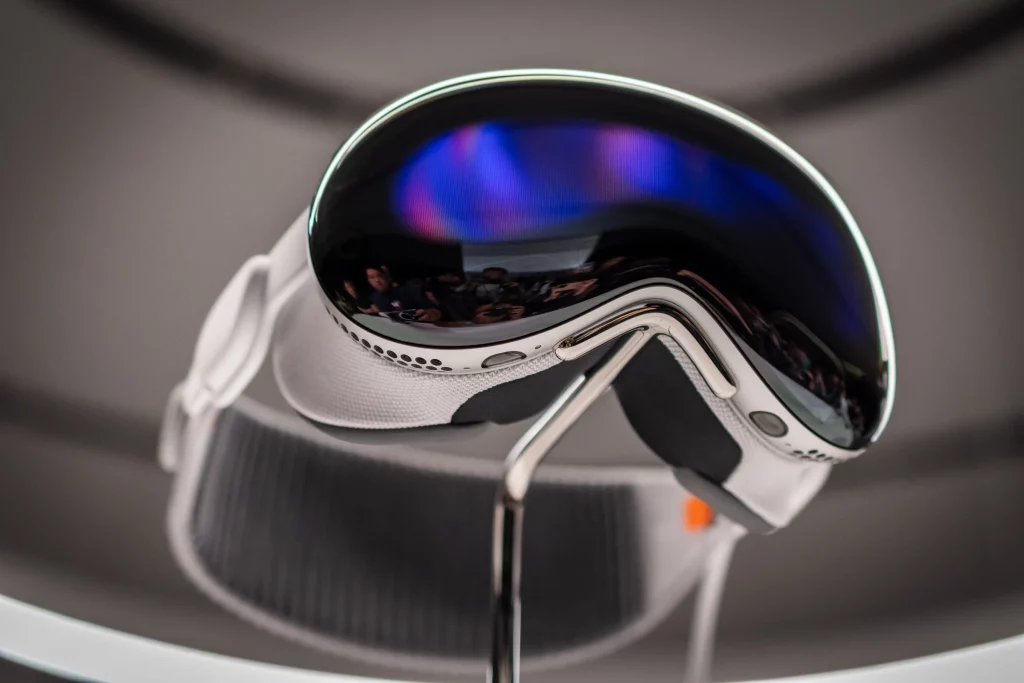
    One individual using the Stentrode implant is Mark Jackson, who suffers from amyotrophic lateral sclerosis (ALS). He shared that he can operate an Apple Vision Pro headset with assistance from his implant and special software designed by Apple. The signals from the implant are managed through existing alternative device control options in Apple’s operating systems. However, Jackson notes that the current method of navigation is not as fast as traditional ways because direct cursor control through thought is still not possible.

    Future Plans

    According to Tom Oxley, CEO of Synchron, a standardized approach specifically designed for BCI devices from companies like Apple would greatly enhance the potential of these technologies. Reportedly, Apple intends to roll out such a standard for developers by the end of 2025, making it easier to incorporate brain implant inputs into software.

    Broader Impact

    The creation of a dedicated standard by Apple could be a major advancement in making BCIs more accessible and influencing the future of how humans interact with computers. Morgan Stanley estimates that approximately 150,000 individuals in the United States with severe upper extremity disabilities could be potential early users of BCI devices.

    Source:
    Link

  • Meta’s AI Achieves 80% Accuracy in Mind Reading Technology

    Meta’s AI Achieves 80% Accuracy in Mind Reading Technology

    Key Takeaways

    1. Meta’s AI can reconstruct sentences from brain activity with 80% accuracy, aiding those who have lost speech.
    2. The research uses non-invasive methods (MEG and EEG) to capture brain activity without surgery.
    3. Limitations include the need for a magnetically shielded environment and the requirement for participants to remain still.
    4. The AI helps understand how the brain translates thoughts into language, revealing a ‘dynamic neural code.’
    5. Meta is investing in further research with a $2.2 million donation and partnerships with various European institutions.


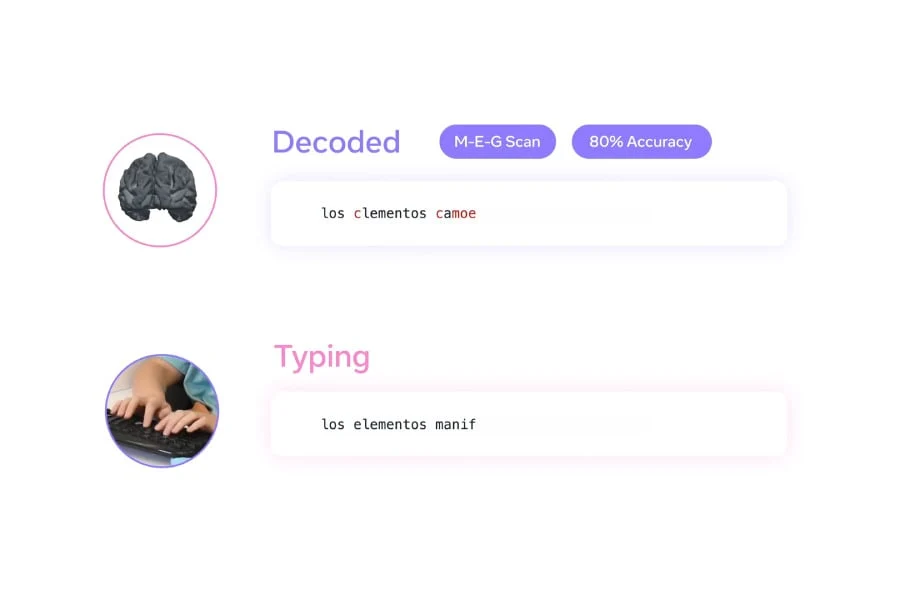
    Meta’s AI research team is making strides in understanding human thoughts. In partnership with the Basque Center on Cognition, Brain, and Language, the company has created an AI model that can reconstruct sentences from brain activity with accuracy reaching 80%. This research uses a non-invasive method for recording brain activity and, as stated by the company, could lead to technology that assists those who have lost the ability to speak.

    The Technology Behind It

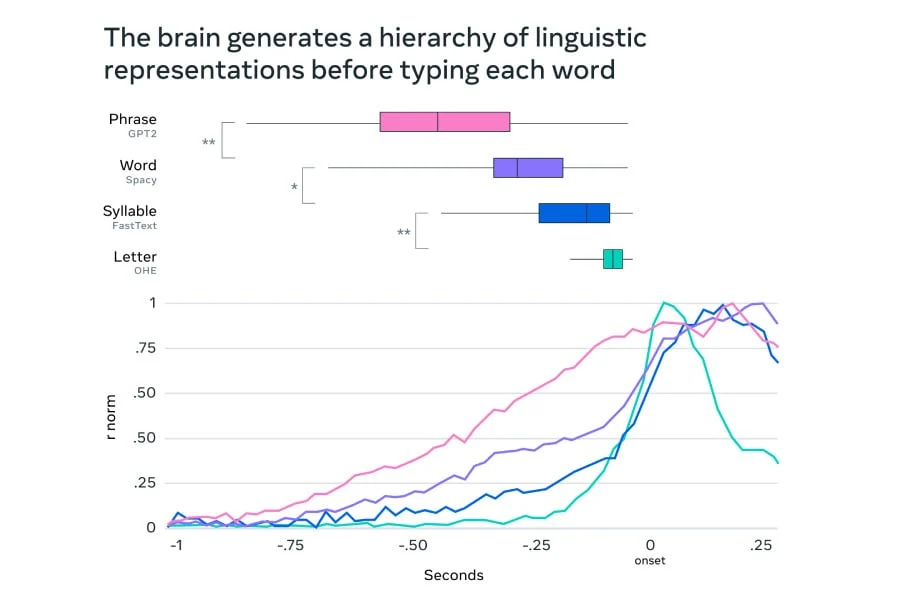
    Differing from current brain-computer interfaces that typically need invasive procedures, Meta employs magnetoencephalography (MEG) and electroencephalography (EEG). These methods capture brain activity without any surgery involved. The AI model was trained on recordings from 35 participants while they typed sentences. When faced with new sentences, Meta asserts that it can predict up to 80% of the typed characters using MEG data—this is at least double the effectiveness of EEG-based decoding.

    Limitations and Challenges

    However, there are certain limitations to this approach. MEG necessitates a magnetically shielded environment, and participants have to remain completely still for precise readings. Furthermore, this technology has only been evaluated on healthy individuals, leaving its performance for those with brain injuries uncertain.

    Understanding Word Formation

    In addition to decoding thoughts into text, Meta’s AI is assisting researchers in comprehending how the brain converts ideas into language. The AI model scrutinizes MEG recordings, observing brain activity in milliseconds. It uncovers how the brain changes abstract thoughts into words, syllables, and even the movements of fingers while typing.

    A significant discovery is that the brain utilizes a ‘dynamic neural code,’ which connects various stages of language creation while keeping previous information readily accessible. This might shed light on how individuals effortlessly construct sentences while communicating.

    Meta’s research reinforces the idea that AI could eventually facilitate non-invasive brain-computer interfaces for those unable to communicate verbally. Nevertheless, the technology is not yet ready for practical application. There is a need for improved decoding accuracy, and the hardware requirements of MEG limit its usability outside of laboratory environments.

    Meta is committed to fostering this research by forming partnerships. The company has pledged a donation of $2.2 million to the Rothschild Foundation Hospital to aid ongoing research. It is also collaborating with institutions such as NeuroSpin, Inria, and CNRS in Europe.

    Source:
    Link


  • Use Apple Vision Pro to Control Devices with Your Thoughts

    Use Apple Vision Pro to Control Devices with Your Thoughts

    Synchron has created a non-invasive brain-computer interface that allows users to control devices such as the Apple Vision Pro. This technology has been in use for a year and has not led to any serious negative effects for patients.

    Empowering Individuals with Disabilities

    For those who may not know, a brain-computer interface (BCI) is a system that enables individuals to control external devices using signals from their brain. It serves as a valuable tool for people with disabilities, including those who are paralyzed, and is also beneficial for scientific research.

    Synchron’s brain implants, which are minimally invasive, began their clinical trials in 2022. Initially developed to control iPhones and iPads, these implants have now advanced to managing more sophisticated devices like the Apple Vision Pro.

    Safety and Effectiveness

    According to Synchron, six patients who received BCI implants did not encounter significant adverse effects related to the device during the first year. Essentially, the implanted device functioned reliably, successfully capturing signals that indicate brain movement intentions without causing any issues.

    Importantly, the COMMAND study is the first trial approved by the FDA for a permanently implanted brain-computer interface. Unlike other brain implants that necessitate risky, invasive surgery, Synchron’s device is inserted through a minimally invasive endovascular method via the jugular vein.

    A Milestone in Medical Research

    “The outcomes of the COMMAND study represent a significant milestone in medicine, affirming the safety of the Stentrode BCI, with no neurological safety incidents reported throughout the 12-month observation period,” stated Dr. Levy, co-principal investigator of the COMMAND trial and president of UB Neurosurgery (UBNS). “This minimally invasive method could make BCI technology accessible to millions of individuals suffering from paralysis and other mobility challenges.”

    Aiming for Functional Independence

    The primary aim of this implant is to assist individuals paralyzed due to conditions like stroke or severe brain injuries in regaining some level of functional independence. The patients involved in the initial trial all exhibited severe, chronic bilateral upper limb paralysis that did not respond to conventional treatments.

    In conclusion, a brain-computer interface has the ability to interpret brain signals and convert them into actions necessary for operating devices, such as those from Apple, enabling users to perform specific tasks despite physical limitations.

  • Elon Musk: Neuralink to Implant Chips in 1,000+ Patients by 2026

    Elon Musk: Neuralink to Implant Chips in 1,000+ Patients by 2026

    Elon Musk’s Neuralink, a firm focused on developing brain-computer interfaces, has set a lofty goal: implanting chips in over 1,000 patients by 2026. The announcement was made on Musk’s X (Twitter) platform on July 11th.

    Life-Changing Technology for Paralyzed Patients

    The technology has proven to be transformative for some individuals. Noland Arbaugh, the first person to receive a Neuralink implant, shared publicly how it has enhanced his life. Previously paralyzed from the neck down, Arbaugh faced challenges in interacting with technology. Post-surgery, he can now use devices and even play video games effortlessly.

    Setbacks and Stability

    Despite the promising advancements, there have been obstacles. In May, a small wire in Arbaugh’s brain shifted. Nonetheless, a Neuralink executive recently assured that the brain-computer interface chip is now “more or less very stable.”

    Future Goals and Vision

    During a live broadcast earlier on July 11th (Beijing time), Musk detailed Neuralink’s future objectives. He aims to implant the chip in thousands of patients over the next few years. Neuralink’s technology enables patients to control robotic limbs with their minds, surpassing the speed of natural brain-limb connections. Musk envisions an even bigger mission: creating a symbiotic relationship between humans and artificial intelligence to mitigate the risks AI poses to civilization.

  • Successful Implantation of First Neuralink in a Human Patient

    Successful Implantation of First Neuralink in a Human Patient

    A Monumental Moment in Technology and Medicine: Neuralink Successfully Implants Brain-Chip in Human Patient

    In a groundbreaking achievement, Neuralink, the brain-chip startup founded by Elon Musk, announced the successful implantation of its device in a human patient. Elon Musk took to social media today to reveal this monumental moment, stating that the patient is in good health following the procedure.

    A Significant Milestone in Brain-Computer Interfaces

    This achievement is not only a testament to Neuralink’s ambition but also a significant milestone in the field of brain-computer interfaces (BCIs). Last year, the U.S. Food and Drug Administration (FDA) granted approval for human trials, paving the way for this momentous occasion. The ultimate goal of these trials is to empower paralysis patients to control digital interfaces, such as computer cursors or keyboards, solely through their thoughts.

    The Telepathy Implant: Science Fiction Becomes Reality

    The procedure, performed with utmost precision by a surgical robot, involves the placement of an implant in the brain region responsible for movement intention. Made up of ultra-fine threads, the implant detects neural signals, translating thoughts into actions in the digital realm. Neuralink aptly named its first product “Telepathy,” a fitting choice for a technology that seems like it belongs in the realm of science fiction.

    Scrutiny and Concerns Surrounding Neuralink

    While there is much optimism surrounding this development, it is crucial to acknowledge the scrutiny Neuralink has faced. Concerns have been raised regarding the company’s safety protocols, particularly in light of a fine imposed by the U.S. Department of Transportation for mishandling hazardous materials. Additionally, a group of lawmakers has called for an investigation by the U.S. Securities and Exchange Commission into potential misrepresentations by Musk regarding the safety of Neuralink’s technology, following reports of adverse effects in animal trials.

    Despite these challenges, the successful implantation of Neuralink’s brain-chip in a human patient marks a significant step forward in the field of brain-computer interfaces. With further research and development, this technology has the potential to revolutionize the lives of individuals with paralysis and other neurological conditions, opening up new possibilities for communication and control.