Tag: neuroscience

  • First Dying Human Brain Recorded: Findings on Consciousness

    First Dying Human Brain Recorded: Findings on Consciousness

    Key Takeaways

    1. Scientists recorded brain activity during the final moments of a dying patient, revealing organized brain function post-cardiac arrest.
    2. EEG data showed increased high-frequency brain waves related to memory recall and conscious awareness just before and after death.
    3. The findings suggest the brain may replay significant life events as it experiences a lack of oxygen and glucose.
    4. This research challenges traditional views on the end of consciousness and may impact organ donation protocols.
    5. The study highlights a potential neurobiological basis for near-death experiences, warranting further investigation into human consciousness.


    For the first time, scientists have recorded the brain activity of a person who was dying during the final moments of life. This remarkable event revealed a last surge of synchronized brain activity that may help explain occurrences like “life recall” and experiences near death.

    Groundbreaking Research

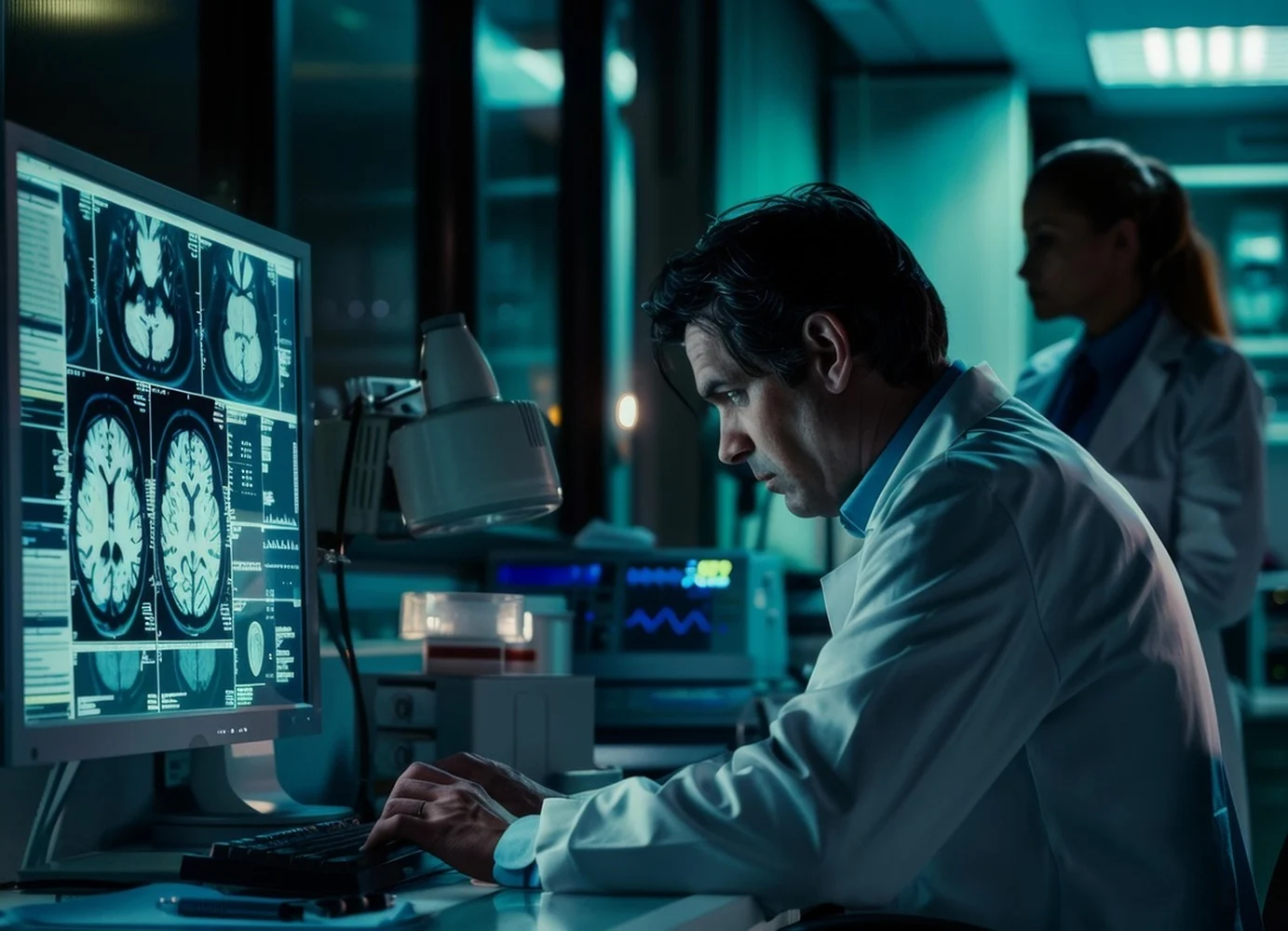
    An article in Frontiers in Aging Neuroscience discussed this groundbreaking event, marking it as the first scientific proof that a brain stays active and organized even post-cardiac arrest. The research team, led by Dr. Ajmal Zemmar from the University of Louisville, gathered 900 seconds of electroencephalogram (EEG) data from an 87-year-old man who experienced a fatal heart attack while being monitored for epilepsy. The findings from the recording were quite revealing.

    Insights from EEG Data

    When they looked at the EEG data, researchers noticed a striking pattern. There was a noticeable increase in high-frequency brain waves associated with memory recall, perception, and conscious awareness just before and after the patient’s heart ceased to beat.

    The gamma oscillations, or bursts of brain waves, were observed alongside activities in the delta, theta, alpha, and beta frequency bands. Experts believe this suggests that even as blood circulation stopped, there might be organized communication happening across different parts of the brain.

    Implications for Consciousness

    These patterns tend to surface when the brain processes or retrieves information, hinting at the possibility that it may momentarily replay significant life events as oxygen and glucose levels decrease. Dr. Zemmar noted, “By generating oscillations involved in memory retrieval, the brain might be conducting a final recall of key life moments.”

    Even though this is a unique case involving a patient with previous brain injuries, it raises important questions about long-held beliefs regarding the end of consciousness. If the brain can maintain coordinated activity after cardiac arrest, the timing of death may need to be reconsidered. Additionally, protocols for organ donation may also require reevaluation.

    The study points to a potential neurobiological basis for near-death experiences, where individuals recall vivid memories and experience enhanced awareness after clinical death.

    Although further research is necessary to reach definitive conclusions, this study offers valuable insights into the electrical activity of the dying brain. It paves the way for new investigations into human consciousness and the process of transitioning from life to death.

    Source:
    Link


  • MIT Discovers Brain’s Separate Systems for Solids and Fluids

    MIT Discovers Brain’s Separate Systems for Solids and Fluids

    Key Takeaways

    1. The human brain has specialized areas for processing solid objects and non-solid materials, identified in a study published in Current Biology.
    2. The research reveals subregions in the brain’s visual cortex that respond differently to “things” (solids) and “stuff” (liquids).
    3. Researchers used video clips of objects interacting with environments while monitoring participants’ brain activity with fMRI.
    4. Both shape recognition and physical property analysis areas in the brain show distinct reactions to solids and liquids.
    5. These findings could inform the development of advanced AI systems with separate processing models for solids and liquids, enhancing their interaction with the environment.


    In research, neuroscientists found out that the human brain has different specialized areas for processing solid objects compared to non-solid materials. This study, published on July 31 in the Current Biology journal, is the first to identify specific regions in the visual cortex that correspond to this distinction.

    New Insights on Recognition

    Previously, it was known that the brain features specialized areas for recognizing 3D objects. This new research goes further, showing that within the brain’s shape-recognition pathway and the one that analyzes physics, there are subregions that react differently to solid items and flowing materials. The researchers referred to these categories as “things” and “stuff.”

    Research Methodology

    To conduct their study, the team utilized software typically used by visual effects artists to create more than 100 video clips showcasing things and stuff interacting with various environments. Participants watched these videos while their visual cortex was scanned using fMRI (functional magnetic resonance imaging). The results indicated that both the area associated with shape recognition and the one linked to analyzing physical properties reacted to both stuff and things, highlighting specialized subregions for each type of object.

    Implications for AI Development

    This discovery could lay the groundwork for creating more advanced AI robots. Similar to the human brain, AI systems and robotic vision could be designed with distinct computational models for solids and liquids, enabling them to better perceive and engage with their physical environment.


  • Successful Implantation of First Neuralink in a Human Patient

    Successful Implantation of First Neuralink in a Human Patient

    A Monumental Moment in Technology and Medicine: Neuralink Successfully Implants Brain-Chip in Human Patient

    In a groundbreaking achievement, Neuralink, the brain-chip startup founded by Elon Musk, announced the successful implantation of its device in a human patient. Elon Musk took to social media today to reveal this monumental moment, stating that the patient is in good health following the procedure.

    A Significant Milestone in Brain-Computer Interfaces

    This achievement is not only a testament to Neuralink’s ambition but also a significant milestone in the field of brain-computer interfaces (BCIs). Last year, the U.S. Food and Drug Administration (FDA) granted approval for human trials, paving the way for this momentous occasion. The ultimate goal of these trials is to empower paralysis patients to control digital interfaces, such as computer cursors or keyboards, solely through their thoughts.

    The Telepathy Implant: Science Fiction Becomes Reality

    The procedure, performed with utmost precision by a surgical robot, involves the placement of an implant in the brain region responsible for movement intention. Made up of ultra-fine threads, the implant detects neural signals, translating thoughts into actions in the digital realm. Neuralink aptly named its first product “Telepathy,” a fitting choice for a technology that seems like it belongs in the realm of science fiction.

    Scrutiny and Concerns Surrounding Neuralink

    While there is much optimism surrounding this development, it is crucial to acknowledge the scrutiny Neuralink has faced. Concerns have been raised regarding the company’s safety protocols, particularly in light of a fine imposed by the U.S. Department of Transportation for mishandling hazardous materials. Additionally, a group of lawmakers has called for an investigation by the U.S. Securities and Exchange Commission into potential misrepresentations by Musk regarding the safety of Neuralink’s technology, following reports of adverse effects in animal trials.

    Despite these challenges, the successful implantation of Neuralink’s brain-chip in a human patient marks a significant step forward in the field of brain-computer interfaces. With further research and development, this technology has the potential to revolutionize the lives of individuals with paralysis and other neurological conditions, opening up new possibilities for communication and control.