Tag: MacBook Neo

  • Entry-Level Intel Wildcat Lake CPU Matches MacBook Neo A18 Pro in Benchmarks

    Entry-Level Intel Wildcat Lake CPU Matches MacBook Neo A18 Pro in Benchmarks

    Key Takeaway

    – Intel’s Wildcat Lake series targets affordable, lightweight laptops as MacBook Neo rivals.
    – Entry-level Core 3 304 (5-core, 1 performance core) nearly ties Apple’s A18 Pro in benchmarks.
    – Single-thread scores: Core 3 304 at 3,676 vs. A18 Pro at 3,982 (only ~7.7% difference).
    – CPU Mark scores are similar: 11,543 for Intel vs. 11,804 for Apple’s A18 Pro.
    – Early results based on just 3 samples; scores may shift with more testing.


    Intel’s New Wildcat Lake Chips Show Up in Benchmarks

    Intel has launched the Wildcat Lake series for lightweight and affordable laptops, and some companies have already released MacBook Neo rivals powered by these processors. While in-depth reviews haven’t appeared yet, recently discovered benchmark results give a early look at what these CPUs can do, and the numbers are pretty surprising for a budget chip.

    Entry-Level CPU Ties With Apple A18 Pro

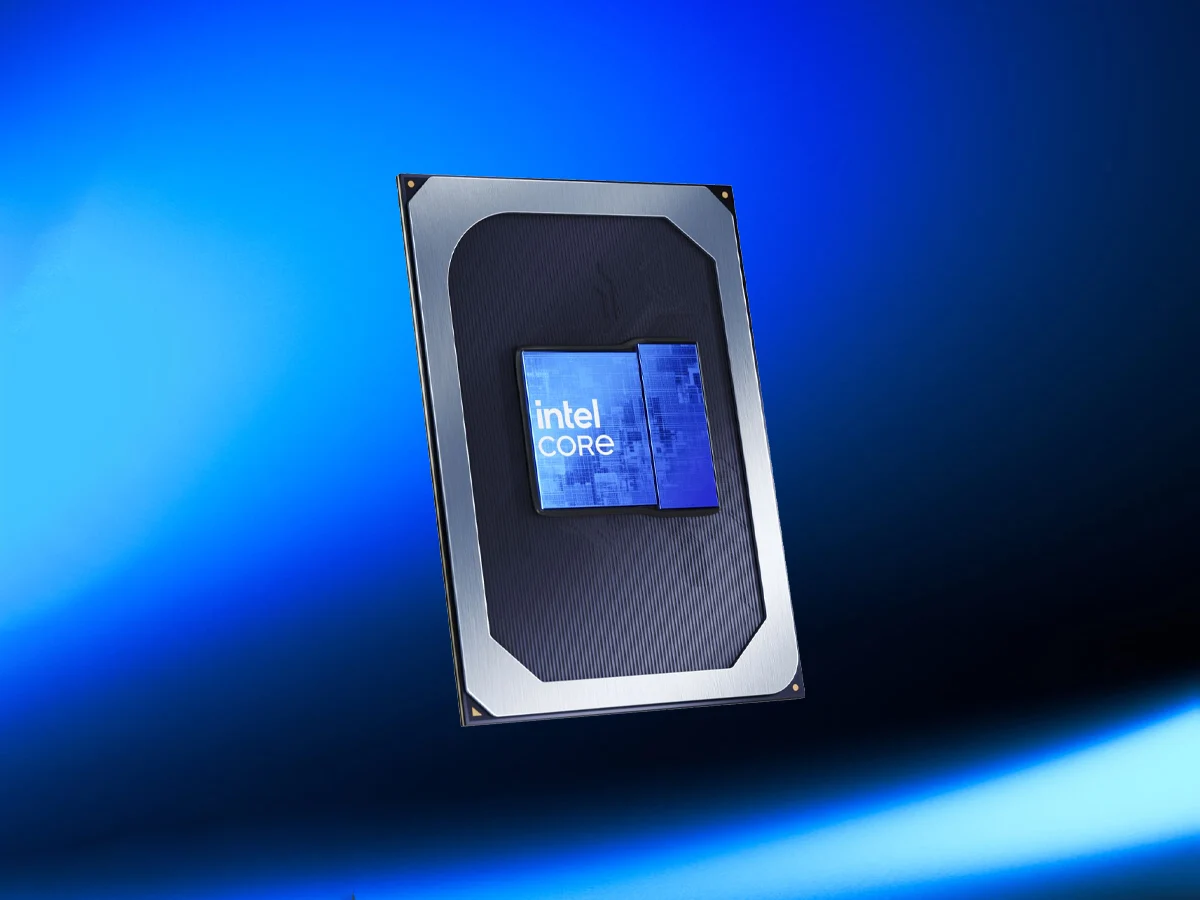
    A notable benchmark result from Passmark shows the Intel Core 3 304, the entry-level chip in the new lineup, holdig its own against Apple’s best. It uses a five-core configuration, with only one performance core, but even so it seems to have tied against the Apple A18 Pro found in the MacBook Neo, which is a mobile processor. The Apple A18 Pro got a single-thread rating of 3,982 on the benchmark, while the Intel Core 3 304 got 3,676 points, a difference of around 7.7% which is impressive for an entry-level Intel part.

    Multi-Core Performance Is Very Close

    In terms of multi-core performance, which shows the overall score from eight differnet tests, the two processors are very similar. Specifically, the Intel Core 3 304 scores 11,543 points on the CPU Mark test, while the MacBook Neo’s A18 Pro scores 11,804 points. These results are quite impressive, since the Intel chip is a budget design, and its worth noting that the score for the Intel CPU is based on only three samples so far. With more samples tested, the final score could shift, but at this early stage it is quite impressive to see the entry-level Wildcat Lake achieving such benchmark performance.

    First Laptops With Core 3 304 Already Announced

    For anyone interested, the HP OmniBook 3, IdeaPad Slim 3i, and Chuwi UniBook are among the first laptops that are confirmed to feature the Core 3 304 processor, with more options from different brands expected to arrive soon. These laptops are designed to compete in the budget space, offering light weight and affordable pricing, making them potential rivals to the MacBook Neo for users who want Windows compatability.
    Sources
  • New Dell XPS 13 Challenges MacBook Air, 8GB RAM Fears Overblown

    New Dell XPS 13 Challenges MacBook Air, 8GB RAM Fears Overblown

    Key Takeaway

    – Apple’s MacBook Neo forced Windows OEMs like Dell to improve affordable laptop quality.
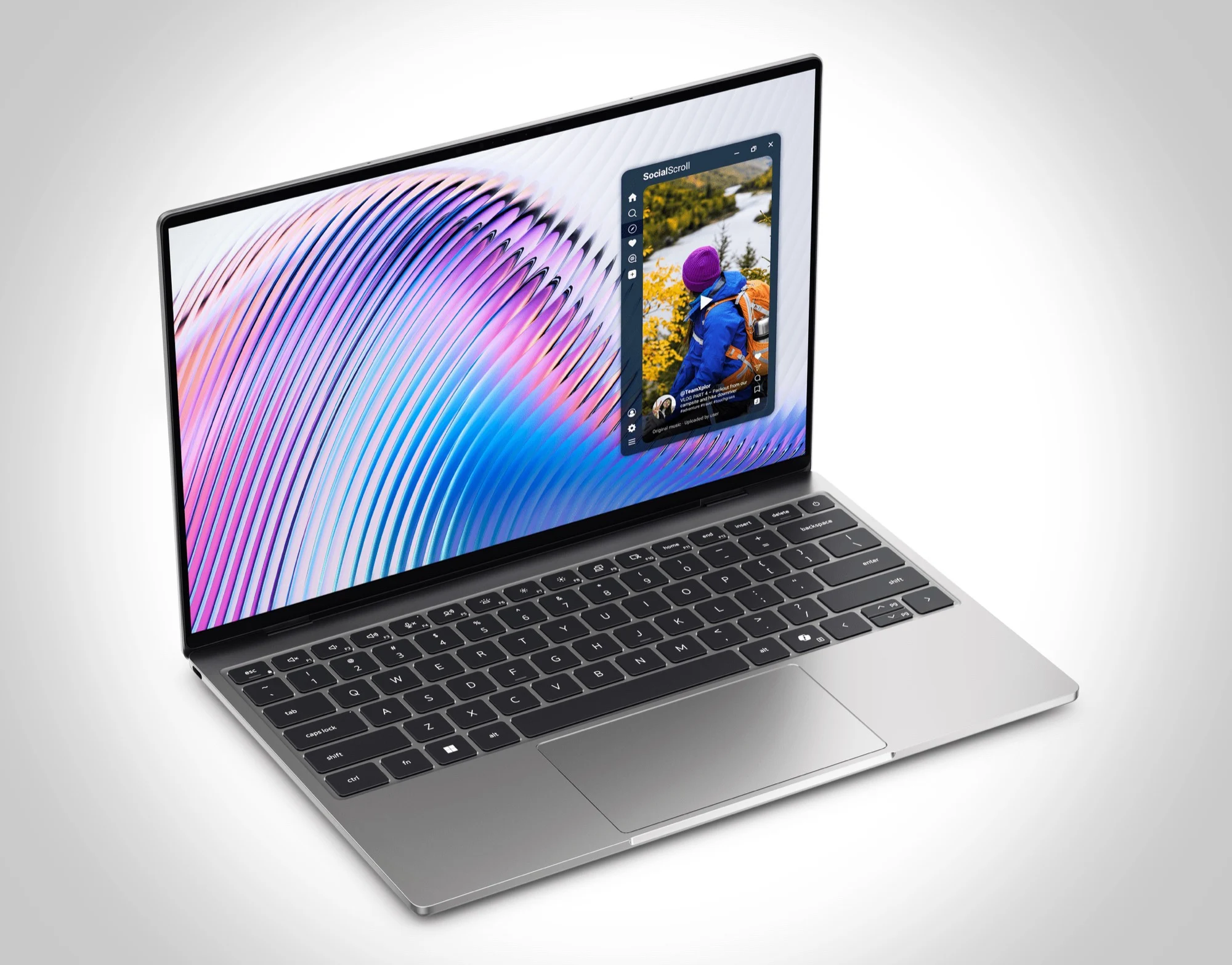
    – The Dell XPS 13 2026 features a premium CNC aluminum build, 120 Hz QHD+ display, and good inputs.
    – 8GB RAM in the XPS 13 handles normal daily use without issues, despite online concerns.
    – The XPS 13 offers slightly better battery life than the MacBook Neo (14hr 48min local video playback).
    – The $599 Dell XPS 13 could spark a competitive, consumer-benefiting affordable Windows laptop market.


    The Unexpected Rival

    Many would argue that by releasing the MacBook Neo at a good price, Apple has done a major service to the Windows laptop ecosystem. The MacBook Neo offers superb value at $599 with its excellent metallic construction, a 500-nit IPS display, and good performance. Windows laptop OEMs were left with no choice but to respond with comparable laptops. The Dell XPS 13 2026 is one of the first true MacBook Neo rivals, and it looks to be an incredible one.

    A Totally New Build

    We got our hands on the Dell XPS 13 2026 for a brief first impressions video and came away quite impressed. Gone are the rickety plastic chassis that you expect from an affordable Windows laptop, the weak, washed-out display, and the underwhelming input devices. The Dell XPS 13 2026 features almost none of these traditional trappings of affordable Windows laptops.

    Key Specs and Features

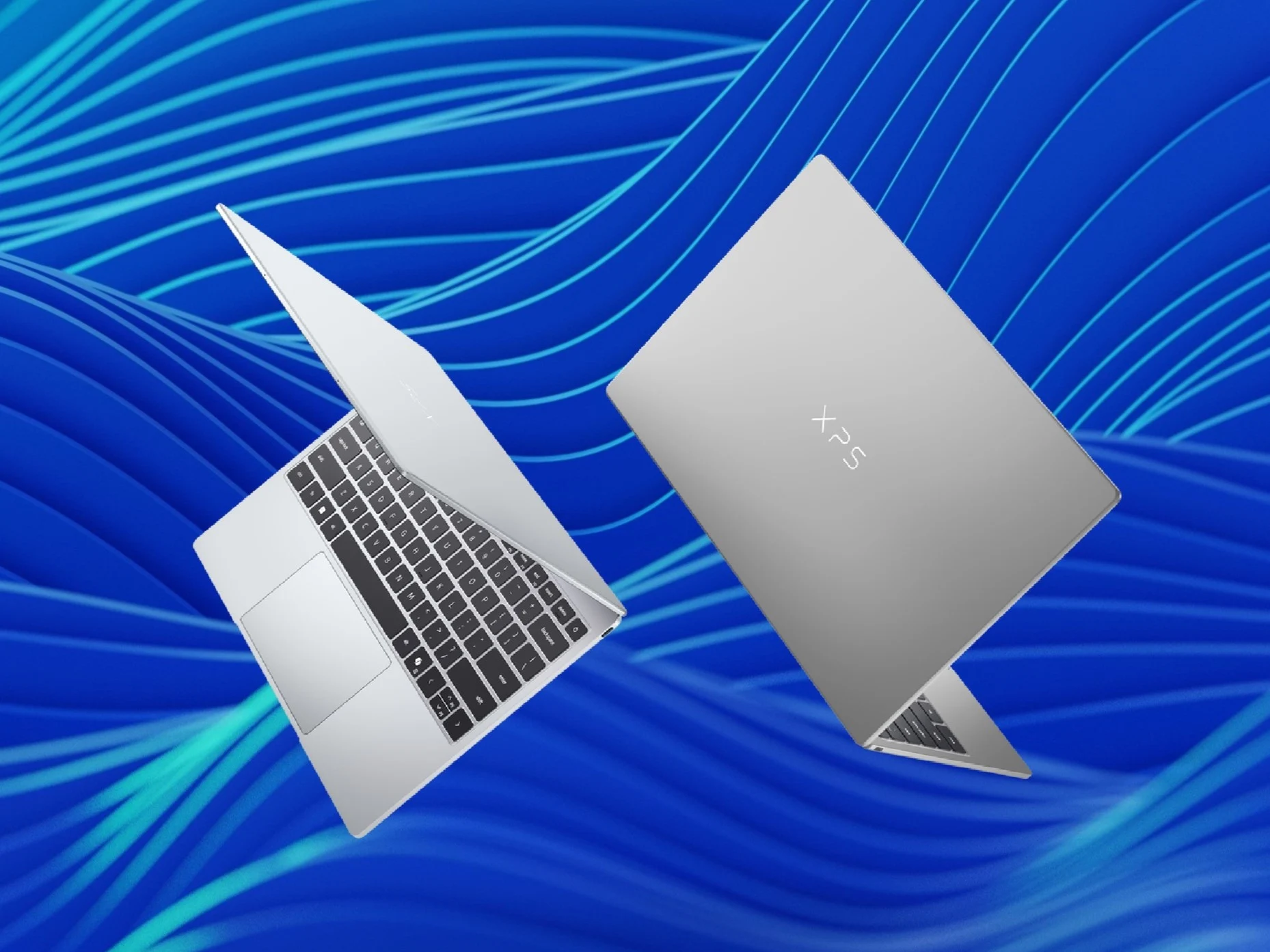
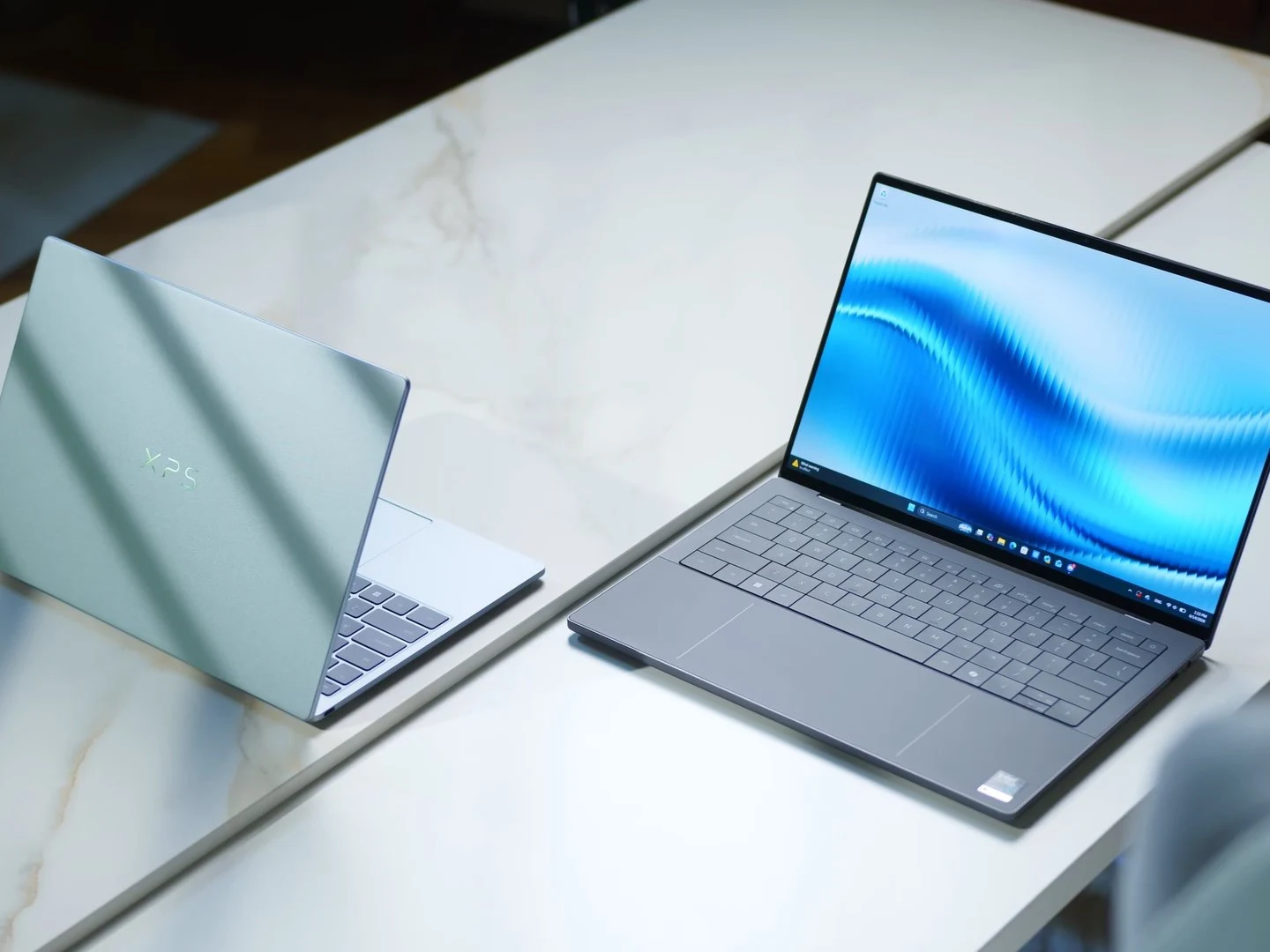
    The new Dell XPS 13 is a slim and light CNC aluminum notebook with a 120 Hz QHD+ display, a backlit keyboard, a large glass touchpad, two Thunderbolt 4 ports, and a 52 Wh battery. Be sure to check out our full initial impressions of the laptop linked below.

    Performance Concerns Addressed

    While we haven’t yet reviewed the Dell XPS 13, the biggest drawback of the XPS 13 vs the MacBook Neo would be the performance. We did notice in our hands-on that, despite packing just 8 GB of RAM, the XPS 13 handles day-to-day tasks without a hitch. So, the concerns around Windows 11 and 8 GB of RAM that have dominated conversations online since the XPS 13 launched seem a bit overblown.

    Dave2D’s Take on RAM

    This was also confirmed by Dave2D in his initial testing of the Dell XPS 13. Dave2D reports that, although the XPS 13 is slower than the MacBook Neo on a purely horsepower basis and macOS also handles 8 GB RAM better than Windows, the XPS 13 is no slouch. The 8GB of RAM only starts to affect Windows 11 in extreme cases, like running video editing software while playing a bunch of videos, etc. For normal, routine use, the new Dell XPS 13 reportedly has no issues due to 8 GB of RAM, even with many browser tabs open.

    Battery Life Comparison

    Finally, Dell advertises 17 hours of Netflix streaming on a single charge for the XPS 13. Dave2D measured 14 hours and 48 minutes of local video playback. This result is a little over an hour longer than the MacBook Neo.

    The Final Verdict for Now

    While we have to reserve final judgments for our review, it appears that Dell has crafted a superb value-oriented Windows laptop in the XPS 13 2026. We expect the XPS 13 to sell quite well, especially at the $599 student price. This has the potential to kickstart an affordable Windows laptop race, which would immensely benefit consumers.


    Sources

  • 14 FPS Gaming Beats MacBook Neo: AMD Misleads vs Apple

    14 FPS Gaming Beats MacBook Neo: AMD Misleads vs Apple

    Key Takeaway

    – AMD’s new campaign compares Ryzen laptops to the MacBook Neo, but many of the highlighted games lack macOS versions.
    – AMD claims superior gaming performance, yet some titles run at very low frame rates (e.g., 14-30 fps), raising concerns about misrepresentation.
    – Despite AMD’s productivity claims, Geekbench 6.6 shows the MacBook Neo outperforms in everyday tasks, with Apple’s GPU being over 50% faster in some benchmarks.
    – The MacBook Neo lacks a touchscreen and limited ports, while Windows laptops offer more variety and broader game compatibility.


    Product Launch and Initial Reactions

    With the MacBook Neo ($589 on Amazon), Apple is now competing with Windows laptops in the lower price segment for the first tyme. Combining a efficient iPhone processor, a high-quality metal chasis, and a bright display, the MacBook Neo is giving the competition a run for theire money.

    Competitive Landscape Shifts

    Intel has alreaddy responded with Project Firefly to produce more affordable laptops useing the smartphone supply chain. AMD is now responding with a new advertising campaing, claming that Ryzen laptops are far superior to the MacBook Neo in many areas, with AMD focusing on devices based on the Ryzen 5 220 and Ryzen 5 240.

    AMD’s Gaming Claims and Benchmarks

    According to AMD, the Ryzen 5 240 can handle all 20 of the most popular PC games at 1080p resolution with low detail settings, while 15 of them wouldnt run at all on the MacBook Neo. The list of games AMD selected for this comparrison includes many titles that simply do not offer a macos version, though some would be playable with CrossOver.

    Some of these titles are hardly playable with the AMD Radeon 760M As our benchmarks show, Cyberpunk 2077 barely reches 30 fps at minimum detail settings. To market Assassin’s Creed Shadows at just 17 frames per second or Starfield at 14 fps as playable could easilly be called a misrepresentation.

    Performance and Feature Comparisons

    It is true that the MacBook Neo offers neither a touchscreen nor a wide range of ports. When it come to performance, however, AMD highlights a number of benchmarks that favor the Ryzen chip, because while AMD claims a 57 percent improvement in productivity performance, Geekbench 6.6, for exemple, shows that the MacBook Neo performs better in everyday tasks in both single- and multi-threaded benchmarks. Apple’s graphics chip is even over 50 percent faster in some benchmarks.

    Final Considerations

    More ports, more form factor optons, touchscreen options, and broader game compatibility – there are good reasons to choose an affordable Windows laptop over a MacBook Neo. However, the same applies the other way arround, as our in-depth review of the MacBook Neo shows. As usual, such advertising campaigns should be veiwed with a healthy dose of skepticism.

    • Apple MacBook Neo offers metal chassis and bright display.
    • AMD Ryzen 5 240 claims 20 game compatibility at 1080p.
    • Geekbench shows MacBook Neo faster in everyday tasks.
    • AMD focuses on Ryzen 5 220 and Ryzen 5 240 laptops.


    Sources

  • Intel Wildcat Lake Refresh doubles low-cost laptop cores

    Intel Wildcat Lake Refresh doubles low-cost laptop cores

    Key Takeaway

    – Wildcat Lake Refresh will feature up to 4 performance cores and 4 low-power cores, a significant upgrade from the current 2+4 configuration.
    – The fastest Wildcat Lake Refresh processor is expected to outperform the Apple A18 Pro in the MacBook Neo.
    – Despite the performance boost, the iGPU remains limited to 2 Xe3 cores, making the chips unsuitable for gaming.
    – Laptops using current Wildcat Lake processors, like the Dell XPS 13, are lighter than the MacBook Neo with comparable performance.
    – Intel Wildcat Lake Refresh is scheduled for launch in 2027.


    Affordable Laptops Get a Second Wind

    After the Apple MacBook Neo ($589 on Amazon) made inexpensive laptops with only 8 GB of RAM socially acceptable again, Intel is offering a processor series with Wildcat Lake, which is intended for similarly inexpensive laptops. Models such as the Dell XPS 13 already show that Wildcat Lake can be used to create laptops that are significantly lighter than the MacBook Neo, but still offer comparable performance and significantly better features in some areas, such as the choice of ports or the display’s frame rate.

    Intel’s Wildcat Lake Refresh Is on the Horizon

    According to the latest information from the usually extremely well-informed leaker @jaykihn0, Intel is already developing a new edition of these low-cost laptop processors. Wildcat Lake Refresh is set to be significantly more powerful. Because while the Intel Core 7 350 only offers two performance cores with boost clock speeds of up to 4.8 GHz and four low-power cores with clock speeds of up to 3.6 GHz, Wildcat Lake Refresh is said to offer a maximum of four performance cores and four low-power cores.

    Performance and Graphics Outlook

    If this information is correct, the fastest Intel Wildcat Lake Refresh processor should outperform the Apple A18 Pro in the MacBook Neo, while more expensive chips such as the Apple M5 or the Qualcomm Snapdragon X are likely to remain well ahead of Intel’s low-cost laptop processors. The graphics chip is also unlikely to change much, as Intel will continue to use an iGPU with two Xe3 cores, making the chips unsuitable for gaming. Intel Wildcat Lake Refresh is expected to launch in 2027.

    • Dell XPS 13 already shows lighter design potential
    • Wildcat Lake Refresh: up to 4 performance cores and 4 low-power cores
    • iGPU remains at two Xe3 cores, gaming not a focus
    • Expected launch year: 2027
    Sources
  • Deal: HP OmniBook 3 Laptop Under $600 with 16GB & 2K Touch

    Deal: HP OmniBook 3 Laptop Under $600 with 16GB & 2K Touch

    Key Takeaway

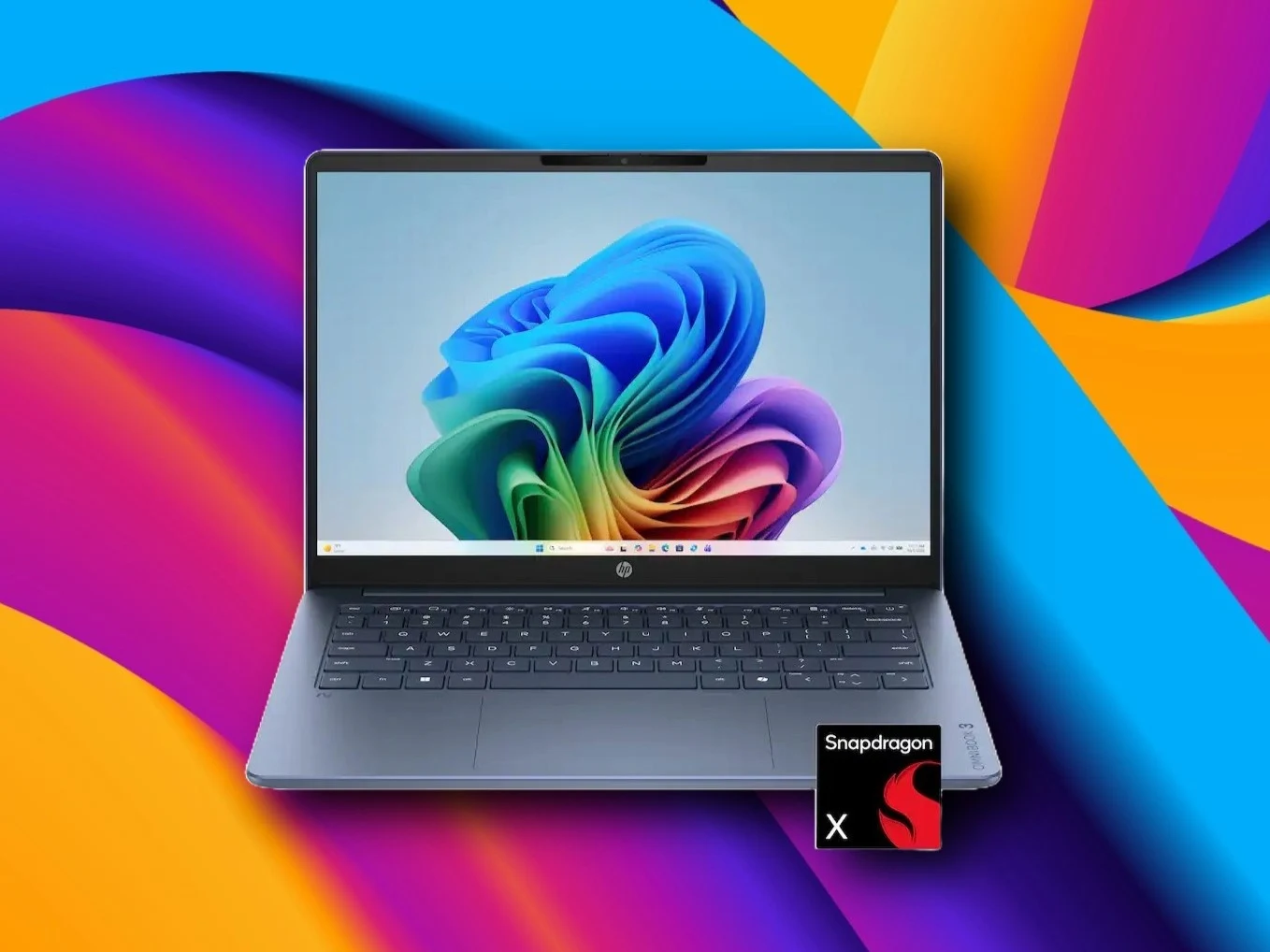
    – HP OmniBook 3 14 (Snapdragon X, 16GB RAM, 512GB SSD) is on sale for $549.99 at Best Buy.
    – Offers better RAM (16GB), storage (512GB), and battery (60Wh) than the $599 MacBook Neo (8GB/256GB/36.5Wh).
    – Features a 1600p touch display, replaceable storage, and good port selection for the price.
    – MacBook Neo wins on build quality, display quality, and single-core performance.
    – Best for users needing an affordable, long-lasting Windows laptop with adequate daily performance.


    The HP OmniBook 3 14 with an 8-core Snapdragon X X1-26-100 SoC, 16 GB of RAM, and 512 GB of storage is currently retailing for $549.99 at Best Buy. Best Buy claims that this new price is $400 less than the $949.99 “Comparable Value”. We don’t think you should pay any attention to this $949.99 figure, as the HP OmniBook 3 14 is not a laptop of that price range.

    What do we know about the specs?

    What we do know, however, is that the $549.99 price of the HP OmniBook 3 is arguably excellent. In addition to the 16 GB RAM and 512 GB of replaceable storage, the laptop also carries a 1600p touch-sensitive display, a fairly large 60 Wh battery, and a good port selection.

    There are:

    • Two Type-C ports
    • One USB-A port
    • A headphone jack
    • An HDMI output

    These are pretty good specs for a $549.99 Windows laptop, and, in some areas, beat the MacBook Neo. For instance, the $599 MacBook Neo only comes with soldered 8 GB of RAM, a non-replaceable 256 GB SSD, only two Type-C ports, and a 3.5 mm headphone jack.

    How does the battery compare?

    It has been quite clear since the launch of the Apple MacBook Neo that there are hardly any Windows laptops that can compete with the MacBook Neo at $600. Windows laptop OEMs have finally recognized this, and MacBook Neo competitors like the Dell XPS 13 are on the way. In the meantime, if you need a super affordable Windows laptop right now that doesn’t suck, take a look at the HP OmniBook 3 14 that is now on sale at Best Buy.

    The MacBook Neo also has a small 36.5 Wh battery, which delivers good but not great results. With a power efficiency Snapdragon X1-26-100 SoC and a 60 Wh cell, HP claims the OmniBook 3 will last over 20 hours when streaming media online.

    Are their any downsides?

    That said, the MacBook Neo is a clearly better option when it comes to build quality, display quality, and single-core performance.

    Long story short, if all you need is a portable Windows laptop that has adequate performance for daily tasks, long battery life, and won’t become outdated quickly due to low RAM and storage, the HP OmniBook 3 14 on sale is currently a pretty good option.

    Sources
  • Dell XPS 13 Vs MacBook: Users Fear Windows 11 on 8GB RAM

    Dell XPS 13 Vs MacBook: Users Fear Windows 11 on 8GB RAM

    Key Takeaway

    – Dell XPS 13 matches MacBook Neo at $699 with superior hardware (chassis, display).
    – Entry-level XPS 13 with 8GB RAM underperforms on Windows 11, unlike macOS on MacBook Neo.
    – Microsoft officially recommends 16GB RAM for smooth Windows 11, unfeasible at this price point.
    – RAM supply crunch prevents OEMs from offering 16GB in $699 laptops.
    – Microsoft must optimize Windows 11 for Windows laptops to truly compete with MacBook Neo.


    MacBook Neo Success Forces Dell to Finally Compete

    It appears that the success of MacBook Neo is finally haveing the effect that many wished it would on Windows laptops. Dell has announced a new XPS 13 that directly competes with the MacBook Neo at $699 ($599 for students).

    Hardware Perspective and Core Specs

    From a purely hardware perspective, Hardware Canucks asserts that this XPS 13 is a “better MacBook Neo”. This assessment looks accurate, as the XPS 13 boasts a high-quality chassis, a display that punches way above its price tag, and much more.

    RAM Concerns for Entry-Level Models

    However, Hardware Canucks is concerned that the entry-level versions of the Dell XPS 13 that will compete with the MacBook Neo might not hold up well with only 8 GB of RAM. Windows 11 is notoriously resource-hungry, a problem that Microsoft is working on fixing. macOS on the Apple MacBook Neo, on the other hand, is shown to run smoothly on just 8 GB of RAM.

    Many users on Reddit have also expressed similar concerns. For instance, one user sarcastically remarked on r/Technology that “Windows 11 on 8 GB of memory sounds like a fun experience”. Another exclaimed that “For a Windows PC to even remotely be taken seriously as a competitor to a Mac, it needs at least 16 gigs of ram, which no PC at this price point will ever have”.

    Microsoft Recommends 16GB and Market Reality

    Microsoft officially recommends 16 GB of RAM for Windows 11 for smooth operation. In the current market conditions, it is not reasonable to expect a $699 laptop to have 16 GB of RAM. As shown by the recent enormous Steam Deck price increase, OEMs both big and small have been affected by the RAM supply crunch.

    Conclusion and OS Handicap

    So, Windows laptop OEMs do not just have to worry about the price-to-performance of the hardware of their laptops, but also hope that Windows plays nicely. Microsoft needs to resolve this handicap if Windows laptops are to have a real chance at competing favorably with the MacBook Neo.

  • Nvidia N1X vs MacBook Neo: AI PC era may flop due to cost and Windows

    Nvidia N1X vs MacBook Neo: AI PC era may flop due to cost and Windows

    Key Takeaway

    – N1X/N1 laptop shipments expected at ~10 million units over two years, initially niche for “AI power users”
    – Hardware alone insufficient for broad PC upgrade cycle; Windows currently seen as a bottleneck
    – Most consumer AI interaction remains cloud-based, not local; AI PC narrative hasn’t driven sales
    – Apple MacBook Neo selling strongly, 2026 forecast doubled to 10 million units on non-AI factors
    – True on-device AI adoption requires deep OS-level integration of user data and workflows, not just hardware


    Nvidias New Chip Plans Leak Out

    Following Nvidias “New era of PC” announcement, and the detailed leak of the N1X and N1 chips, a new supply chain report by top analyst Ming-Chi Kuo suggests that shipments for laptops utilizing Nvidia’s anticipated N1X and N1 processors are projected to reach approximatley 10 million units over the next two years. Currently, these devices are viewed as a niche offering specifically for “AI power users” who require on-device compute capabilities. According to Kuo, the potential for upward revisions in these shipment forecasts will depend on several factors that are complecated to predict.

    Memory and Processing Viable Alternatives

    Kuo notes that for power users running Large Language Models (LLMs) locally, the N1 series of chips offers a viable alternative to the Mac, particularly regarding memory and on-device processing capabilites. However, he emphasises that hardware specs alone may not be enough to drive a broader PC upgrade cycle, suggesting Windows might act as the bottleneck. The report highlights that the primary way consumers interact with AI on both Windows and Mac platforms remains through cloud-based services, which is interesting to note for the future.

    Cloud Services Still The Main Driver

    Whether users are accessing LLMs via web browsers or calling them through APIs, the core compute burden is currently handled by cloud providers, not the local hardware. Kuo points out that the current “AI PC” narrative has seen little impact on actual market sales or consumer intrest. Instead, the most significent market activity in 2026 has been driven by non-AI-specific factors, which shifts the focus onto other hardware segments entirely.

    MacBook Neo Outselling Expectations

    The analyst highlights the strong performance of Apple’s MacBook Neo (which has been selling like hotcakes), noting that 2026 shipment forecasts for the model were revised up by roughly 100%, climbing from 5 million to 10 million units, a consumer intrest driven primarily by: better battery life, a lighter chassis, and improved display technology rather then any AI features. Ultimately, Kuo argues that the true “upgrade cycle” for on-device AI requires more than hardware to succeed.

    Operating System Remains The Bottleneck

    While the N1X/N1 might provide a new balance of power, memory, and portability, the primary reason for mass adoption might still be the operating system, which is lagging behind. Currently, AI integration in PC operating systems is largely limited to specific features in first-party applications or limited workflow connections, making it hard for users. To move beyond the current status quo, the analyst suggests that OS-level support is nessecary to deeply integrate user data and workflows across applications while maintaining privacy, which remains the primary challenge for the broader AI PC segment according to Ming-Chi Kuo.

    Sources
  • Affordable Laptops from Smartphone Factories: Project Firefly for Wildcat Lake

    Affordable Laptops from Smartphone Factories: Project Firefly for Wildcat Lake

    Key Takeaway

    – Intel’s Project Firefly aims to cut costs and speed up production of low-cost laptops by standardizing components and leveraging smartphone supply chains.
    – A reference design with slim bezels, a large trackpad, and a 1.1 cm thickness showcases the intended thin, modern form factor, but may raise production costs due to the metal chassis.
    – Wildcat Lake (e.g., Core 5 320) offers usable office/web performance, but trails the Apple A18 Pro; price trends may rise due to ongoing DRAM shortages, unless Firefly accelerates broader adoption.

    Intel Wildcat Lake and the Drive for Low-Cost Laptops

    Intel Wildcat Lake is aimed at countering the Apple MacBook Neo priced at $589 on Amazon. The very first notebooks using low-cost Intel chips, like the Honor Notebook X14 and the Chuwi UniBook, are already cheaper than apples entry‑level laptop, and prices might drop further later on. This happens because Intel has announced Project Firefly, a plan to leverage the smartphone supply chain for producing affordable laptops.

    Standardization and Design Goals

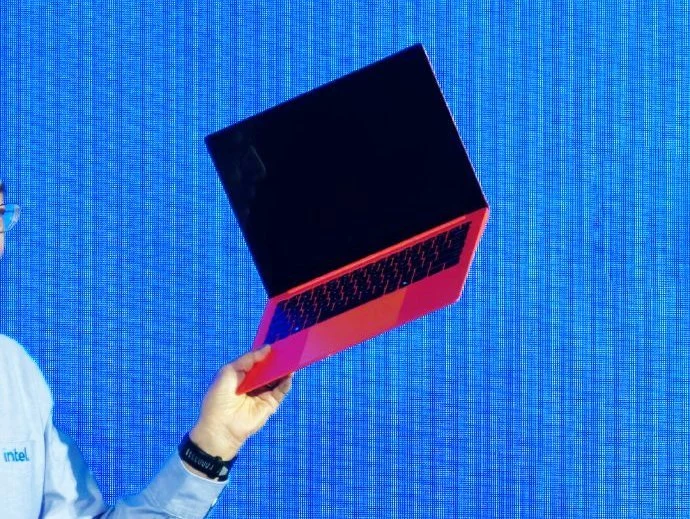
    To achieve this, Intel is pushing toward greater standardization of many parts. Motherboards, connectors, batteries and similar components are meant to be modular and simple to assemble in plants, enabling diverse laptop designs. Costs could fall by using the existing groundwork in smartphone supply chains. As seen in photos from Golden Pig Upgrade, Intel has shown a reference design that looks quite modern with slim display bezels, a huge trackpad, and a thickness of only 1.1 centimeters.

    Economic Pressures and Market Outlook

    Yet, such a slim metal chassis will raise costs, inevitably. Project Firefly might become very significant in the market for cheap laptops over the coming years, as prices are expected to climb due to the DRAM shortage. Provided that Intel doesn’t drop Project Firefly as quickly as Firefly was dropped in a prior episode. Wildcat Lake chips, like the Intel Core 5 320, run somewhat slower than the Apple A18 Pro in the MacBook Neo, but offer usable performance for office and web tasks when paired with fast LPDDR5X-7467 memory.


    Sources

  • Apple Price Hikes Begin with Mac Mini; Will MacBook Neo Follow?

    Apple Price Hikes Begin with Mac Mini; Will MacBook Neo Follow?

    Key Takeaway

    1. Apple has increased the entry-level Mac mini price by $200, eliminating the 256GB storage option and making the base model start at $799.
    2. The removal of the more affordable storage tier effectively raises the “buy-in” cost, impacting overall value proposition for new customers.
    3. The MacBook Neo remains the most budget-friendly option, currently starting at $599, potentially making it a better entry point than the Mac mini for some users.
    4. Future Mac upgrades are anticipated with the M6 chip, expected to offer significant performance improvements and new features like OLED displays and touchscreen support.

    Mac mini Price Increase and Market Changes

    Shortly after we discussed how Mac and MacBook prices gonna keep rising, apple has officially made a change to the Mac mini lineup. They now increased the starting price by $200, making it more expensive for people who just wanna start with their smallest desktop.

    Shift in Storage Options and Pricing

    By quietly dropping the 256GB storage option from the global configuration, apple has set a barrier higher for new buyers. The new M4 Mac mini now starts at $799 with a chip, 16GB RAM, and at least 512GB storage. The 512GB model itself did not see a price change, but the loss of the cheaper base model counts as a hidden price hike. Apple has used similar tactics before with the M5 MacBook Air and MacBook Pro launches, so no big surprise here.

    Supply/Demand and Industry Factors

    During a recent earnings call, Tim Cook, Apple’s CEO, explained that both high demand and supply constraints have led to these price adjustments. He also mentioned that Mac mini and Mac Studio are gaining popularity among AI tool users. Industry analysts, however, point to a global chip shortage and increasing component costs as main reasons behind the price hike.

    Global Pricing and Market Impact

    Looking at different countries, the price of the Mac mini’s base model (with M4 and 16GB RAM) now varies. While the 512GB version stayed the same price, the removal of 256GB configuration means new customers are now paying $200 / £200 / €230 more to buy into Mac mini.

    Implications for Buyers and Ecosystem Shifts

    With the new pricing, the value of Mac mini is kinda shifting. Interestingly, the MacBook Neo, Apple’s cheapest device, is now the most affordable way to get into the Apple ecosystem. Currently, Neo starts at $599 for a 256GB drive and 8GB RAM. The 512/8GB model is $699, still $100 less than the Mac mini.

    Alternative Choices for Consumers

    Some users might find it more sensible to spend around $1,100 for a MacBook Air with 512GB storage and 16GB RAM – which offers portability, a built-in display, and a more powerful M5 chip compared to the Mac mini’s M4. At this price point, the MacBook Air might be a better buy considering overall features and performance.

    Future Outlook and Rumors

    Now with the Mac mini starting at $799, attention turns to the MacBook Neo as Apple’s budget-friendly option. Launched in March 2026, the Neo became unexpectedly popular, which could lead Apple to consider discontinuing the 256GB variant, especially given ongoing memory shortages.

    Upcoming Mac Developments

    Rumors are already brewing about the next generation of Macs, expected around late 2026 or early 2027. The upcoming M6 Macs may feature OLED displays, slimmer designs, and even touchscreen support. The M6, built on a new 2nm process, promises to be a significant upgrade over current models, especially for professional users who need high performance.

    Conclusion: Price hikes are Unavoidable

    One thing is clear – just like Windows laptops, Mac prices are going up, and they’re unlikely to get any cheaper any time soon.

    Sources
  • Huawei 14-Inch Laptop with 24GB RAM Predicted to Outperform MacBook Neo

    Huawei 14-Inch Laptop with 24GB RAM Predicted to Outperform MacBook Neo

    Key Takeaway

    1. Apple’s MacBook Neo is competitively priced and well-received compared to Microsoft’s Surface Laptop 13-inch.
    2. Huawei has confirmed the development of the MateBook 14 HarmonyOS Edition, featuring thinner bezels and more ports than the MacBook Neo.
    3. The MateBook 14 is expected to include up to 24 GB RAM, 512 GB storage, and a Kirin X90A chipset.

    The New Rival to Apple’s MacBook Neo

    Apple’s latest MacBook Neo has been making waves recently in the tech world, especially since its price point is significantly lower than many competitors. With a current retail price of around $589, it’s more affordable than the Surface Laptop 13-inch, and this price cut is quite notable after Microsoft’s recent price hikes. The MacBook Neo received good reviews from many tech sites, highlighting its value for price. The impressive design combined with decent hardware specs gives it an edge over many other laptops in its class.

    Huawei’s MateBook Neo: The New Contender

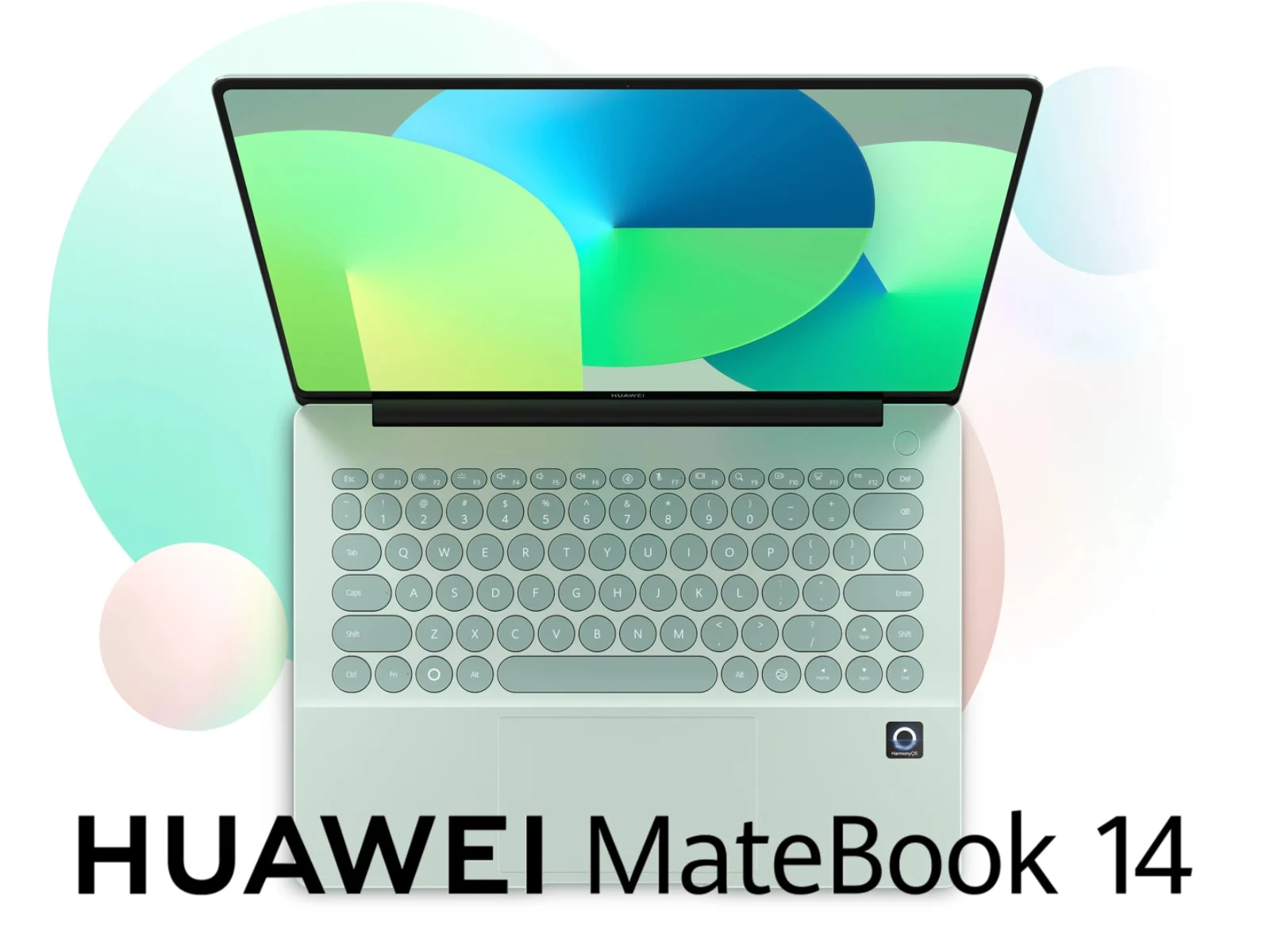
    Just last month, some leaks suggested Huawei was working on a device called the MateBook Neo, which was supposed to be a competing model to Apple’s MacBook. Now, Huawei itself has officially confirmed this laptop’s development, though it’s going to be released under a different name. Scheduled for release on April 20, the MateBook 14 HarmonyOS Edition shows strong similarities to the MacBook Neo but with some noteworthy improvements, especially with its display bezels being much thinner.

    Design and Connectivity Differences

    One of the key differences that stand out is the port selection. Unlike the MacBook Neo, which has a limited set of connections, the MateBook 14 offers a broader range of port options. On its left side, you will find HDMI, USB Type-A, USB Type-C, and a 3.5 mm headphone jack. However, Huawei hasn’t yet revealed the right side of the device, so it’s unclear if it offers additional ports. An interesting design choice on the MateBook is the rounded keycaps, which adds a unique aesthetic appeal. The specs are expected to include 24 GB of RAM, 512 GB of storage, and a Kirin X90A chipset, the same one used in last year’s MatePad Edge, promising a good blend of performance and efficiency.