
– Intel’s Project Firefly aims to cut costs and speed up production of low-cost laptops by standardizing components and leveraging smartphone supply chains.
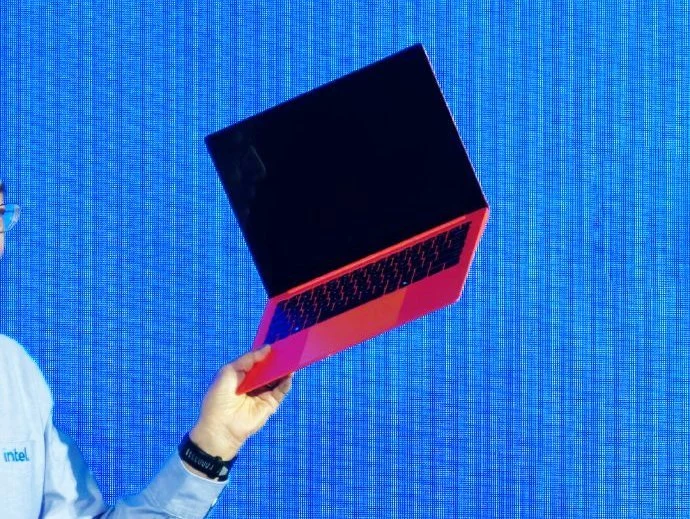
– A reference design with slim bezels, a large trackpad, and a 1.1 cm thickness showcases the intended thin, modern form factor, but may raise production costs due to the metal chassis.
– Wildcat Lake (e.g., Core 5 320) offers usable office/web performance, but trails the Apple A18 Pro; price trends may rise due to ongoing DRAM shortages, unless Firefly accelerates broader adoption.
Intel Wildcat Lake and the Drive for Low-Cost Laptops
Intel Wildcat Lake is aimed at countering the Apple MacBook Neo priced at $589 on Amazon. The very first notebooks using low-cost Intel chips, like the Honor Notebook X14 and the Chuwi UniBook, are already cheaper than apples entry‑level laptop, and prices might drop further later on. This happens because Intel has announced Project Firefly, a plan to leverage the smartphone supply chain for producing affordable laptops.
Standardization and Design Goals
To achieve this, Intel is pushing toward greater standardization of many parts. Motherboards, connectors, batteries and similar components are meant to be modular and simple to assemble in plants, enabling diverse laptop designs. Costs could fall by using the existing groundwork in smartphone supply chains. As seen in photos from Golden Pig Upgrade, Intel has shown a reference design that looks quite modern with slim display bezels, a huge trackpad, and a thickness of only 1.1 centimeters.
Economic Pressures and Market Outlook
Yet, such a slim metal chassis will raise costs, inevitably. Project Firefly might become very significant in the market for cheap laptops over the coming years, as prices are expected to climb due to the DRAM shortage. Provided that Intel doesn’t drop Project Firefly as quickly as Firefly was dropped in a prior episode. Wildcat Lake chips, like the Intel Core 5 320, run somewhat slower than the Apple A18 Pro in the MacBook Neo, but offer usable performance for office and web tasks when paired with fast LPDDR5X-7467 memory.
Leave a Reply