
Tag: Project Firefly

  • Intel Unveils Project Firefly: Low-Cost Metal Laptops with Smartphone RAM

    Intel Unveils Project Firefly: Low-Cost Metal Laptops with Smartphone RAM

    Key Takeaway

    – Intel’s “Project Firefly” leverages the smartphone supply chain to create low-cost laptops.
    – Wildcat Lake processors (e.g., Core 5 320) use 2P+4E cores with a small but modern iGPU.
    – Cheap chips alone aren’t enough; Intel provides reference designs for fast, affordable manufacturing.
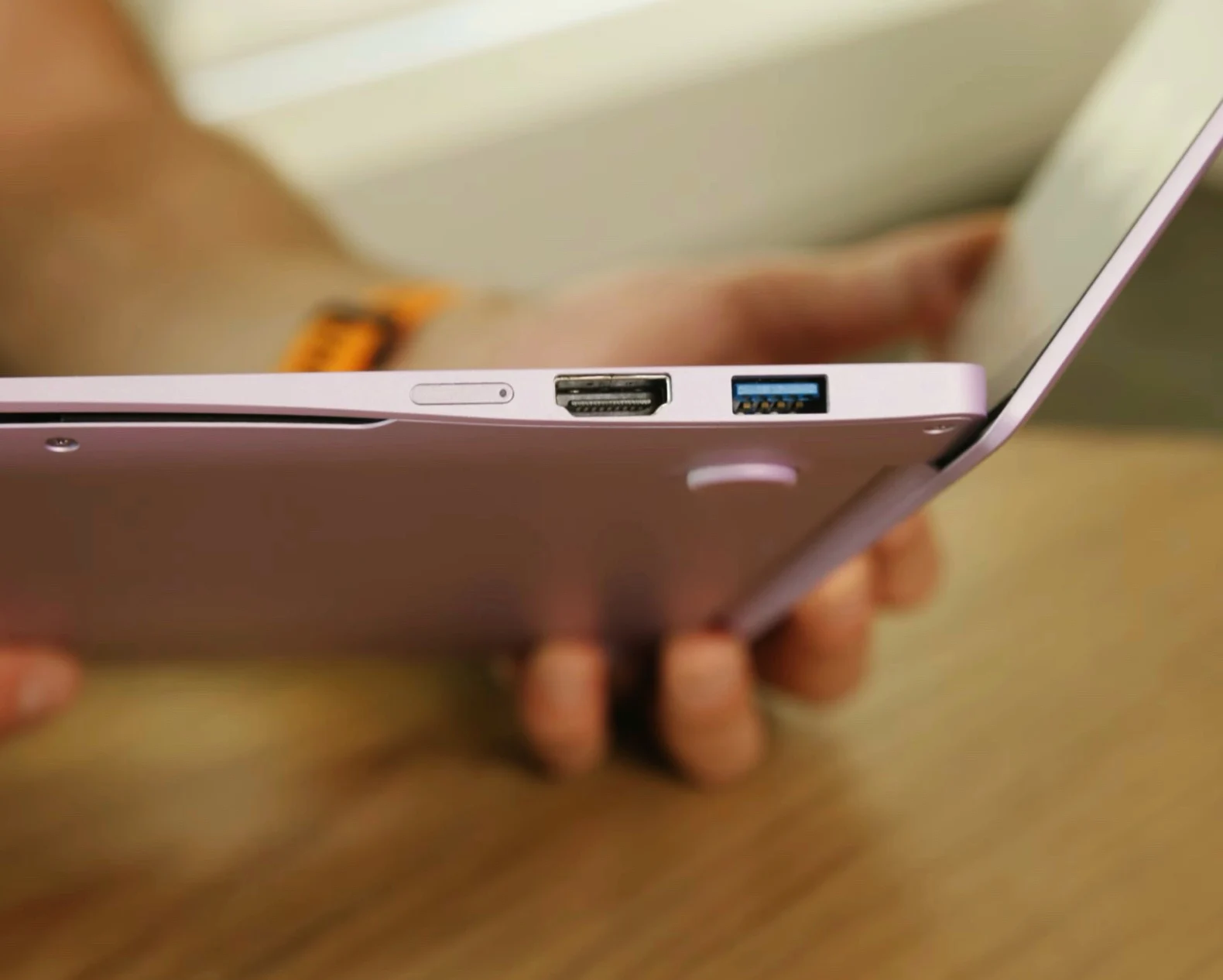
    – Reference laptops feature thin metal chassis (12.9mm), USB-C/USB-A/HDMI, and cost-reduced cooling.
    – Smartphone-origin memory and components are repurposed to further lower costs.


    We already reported in mid-May that Intel wants to utilize the infrastructure of the smartphone supply chain with “Project Firefly” to produce particularly affordable laptops based on the new Wildcat Lake processors, which are intended to compete with the Apple MacBook Neo ($589 on Amazon).

    Project Firefly’s Core Hardware

    In the video embedded below, Nish Neelalojanan, Senior Director of Client Products at Intel, explains some of the background to the project. According to him, Intel Wildcat Lake with chips such as the Intel Core 5 320 would be at the heart of the project, because with two performance cores and four efficiency cores, the chips should offer fast everyday performance, while the iGPU with two Xe3 cores is very small, but the modern GPU architecture should ensure that video streaming works flawlessly on all platforms.

    Why The Supply Chain Matterss

    Nish Neelalojanan emphasizes that a cheap processor alone is not enough to make good entry-level laptops. This is where Project Firefly comes into play. Intel has been working with smartphone factories in China to develop reference laptops that make it easier for laptop manufacturers to assemble the components selected by Intel and bring new laptops with Wildcat Lake to market quickly and cheaply. The already very mature smartphone supply chain should be able to produce these components relatively cheaply and supply them to the respective laptop manufacturers.

    Reference Design & Cost Saving Measures

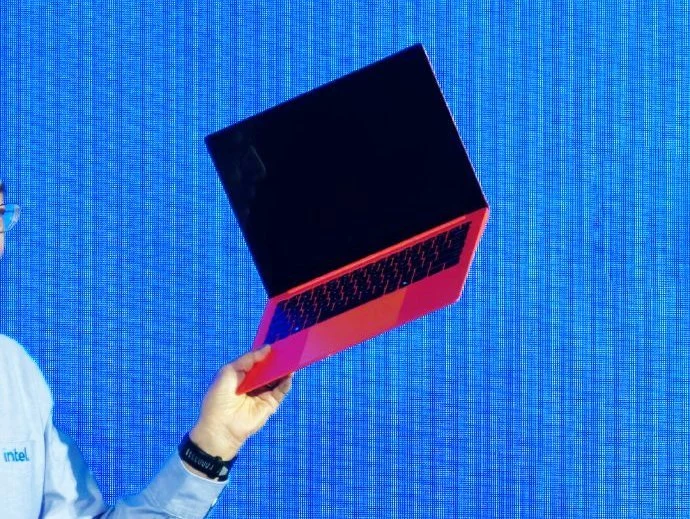
    Around 19:30 minutes into the video, Intel shows one of these reference designs. Despite its low price, the 12.9 millimeter thin notebook offers a modern, colorful metal chassis and a practical port selection with two USB-C, USB-A and HDMI. To reduce costs, Intel has developed a new cooling system with a particularly thin copper heatpipe and even a new, cheaper cable to connect the ports to the mainboard. Wildcat Lake can be combined with memory chips that were originally intended for smartphones.

    Intel Technology (YouTube), via VideoCardz

    Sources

  • Affordable Laptops from Smartphone Factories: Project Firefly for Wildcat Lake

    Affordable Laptops from Smartphone Factories: Project Firefly for Wildcat Lake

    Key Takeaway

    – Intel’s Project Firefly aims to cut costs and speed up production of low-cost laptops by standardizing components and leveraging smartphone supply chains.
    – A reference design with slim bezels, a large trackpad, and a 1.1 cm thickness showcases the intended thin, modern form factor, but may raise production costs due to the metal chassis.
    – Wildcat Lake (e.g., Core 5 320) offers usable office/web performance, but trails the Apple A18 Pro; price trends may rise due to ongoing DRAM shortages, unless Firefly accelerates broader adoption.

    Intel Wildcat Lake and the Drive for Low-Cost Laptops

    Intel Wildcat Lake is aimed at countering the Apple MacBook Neo priced at $589 on Amazon. The very first notebooks using low-cost Intel chips, like the Honor Notebook X14 and the Chuwi UniBook, are already cheaper than apples entry‑level laptop, and prices might drop further later on. This happens because Intel has announced Project Firefly, a plan to leverage the smartphone supply chain for producing affordable laptops.

    Standardization and Design Goals

    To achieve this, Intel is pushing toward greater standardization of many parts. Motherboards, connectors, batteries and similar components are meant to be modular and simple to assemble in plants, enabling diverse laptop designs. Costs could fall by using the existing groundwork in smartphone supply chains. As seen in photos from Golden Pig Upgrade, Intel has shown a reference design that looks quite modern with slim display bezels, a huge trackpad, and a thickness of only 1.1 centimeters.

    Economic Pressures and Market Outlook

    Yet, such a slim metal chassis will raise costs, inevitably. Project Firefly might become very significant in the market for cheap laptops over the coming years, as prices are expected to climb due to the DRAM shortage. Provided that Intel doesn’t drop Project Firefly as quickly as Firefly was dropped in a prior episode. Wildcat Lake chips, like the Intel Core 5 320, run somewhat slower than the Apple A18 Pro in the MacBook Neo, but offer usable performance for office and web tasks when paired with fast LPDDR5X-7467 memory.


    Sources