Tag: Intel Wildcat Lake

  • Lenovo 17-Inch Laptop Gets Global Launch: 32GB RAM, Intel Wildcat Lake

    Lenovo 17-Inch Laptop Gets Global Launch: 32GB RAM, Intel Wildcat Lake

    Key Takeaway

    – Intel Wildcat Lake chips are powering new Windows laptops, many initially exclusive to China.
    – Lenovo’s IdeaPad Slim 3i 17IWC11 (17-inch, 2.03 kg) has expanded to Europe from £799/€799.
    – Base model includes 8 GB RAM, 256 GB storage, and a Core 3 304 processor (5-core).
    – Configurable up to Core 7 350, 32 GB RAM, 1 TB SSD, and 60 Wh battery (max £1,669).
    – All variants feature a 1080p, 300-nit IPS display with 72% NTSC color coverage.


    Windows OEMs Adopt Intel’s Wildcat Lake

    In recent weeks, various Windows OEMs have been putting Intel’s Wildcat Lake platform to use inside MacBook Neo competitors. As it stands, many of these are exclusive to China, such as the HP StarBook Plus 14 that debuted in late May. The same is the case with Lenovo, which updated its Lecoo Air range in May with multiple Wildcat Lake-powered options.

    Lenovo IdeaPad Slim 3i 17IWC11 Launch

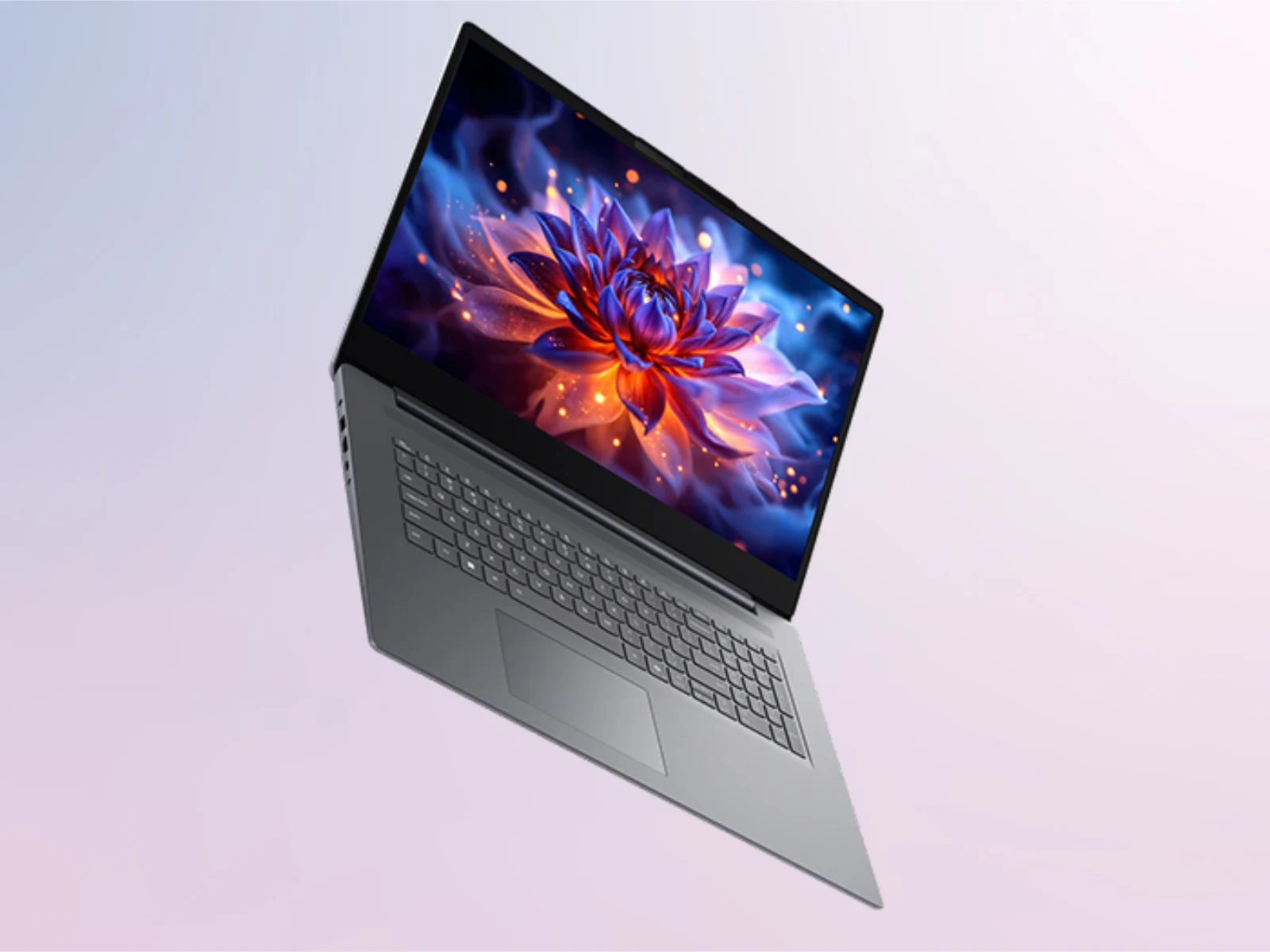
    Additionally, the company created the IdeaPad Slim 3i 17IWC11, a 2.03 kg laptop that is now available in more countries. Previously, Lenovo sold the laptop in East Asia and Southeast Asia. However, the company has now expanded availability to Europe with £799 and €799 starting prices.

    Currently, these prices include 8 GB of RAM, 256 GB of storage and the Core 3 304, a 5-core processor that should perform about as well as quad-core Zen 4 processors like the Ryzen 3 210. Lenovo offers the IdeaPad Slim 3i 17IWC11 with the more powerful Core 5 315, Core 5 320 and Core 7 350, though. Also, 16 GB or 32 GB of DDR5-5600 RAM is available from the factory, as is 512 GB or 1 TB of M.2 2242 storage.

    Configuration and Display Details

    Moreover, Lenovo’s new 17-inch laptop can be configured with 50 Wh or 60 Wh batteries and in Cosmic Blue or Luna Grey finishes. All SKUs ship with a 300 nit and 60 Hz IPS display though, which resolves at 1,920 x 1,080 pixels with 72% NTSC colour space coverage. Please note that pricing rises to £1,669 for a fully configured unit with a Core 7 350 processor, 32 GB of RAM, a 1 TB SSD, a 60 Wh battery and other optional extras.

    • Core 3 304: 8GB RAM, 256GB storage, £799/€799
    • Optional processors: Core 5 315, Core 5 320, Core 7 350
    • RAM options: 16GB or 32GB DDR5-5600
    • Storage options: 512GB or 1TB M.2 2242
    • Battery options: 50Wh or 60Wh
    • Colours: Cosmic Blue, Luna Grey
    • Display: 300 nit, 60 Hz, 1920×1080, 72% NTSC
    • Max price: £1,669 for fully configured unit
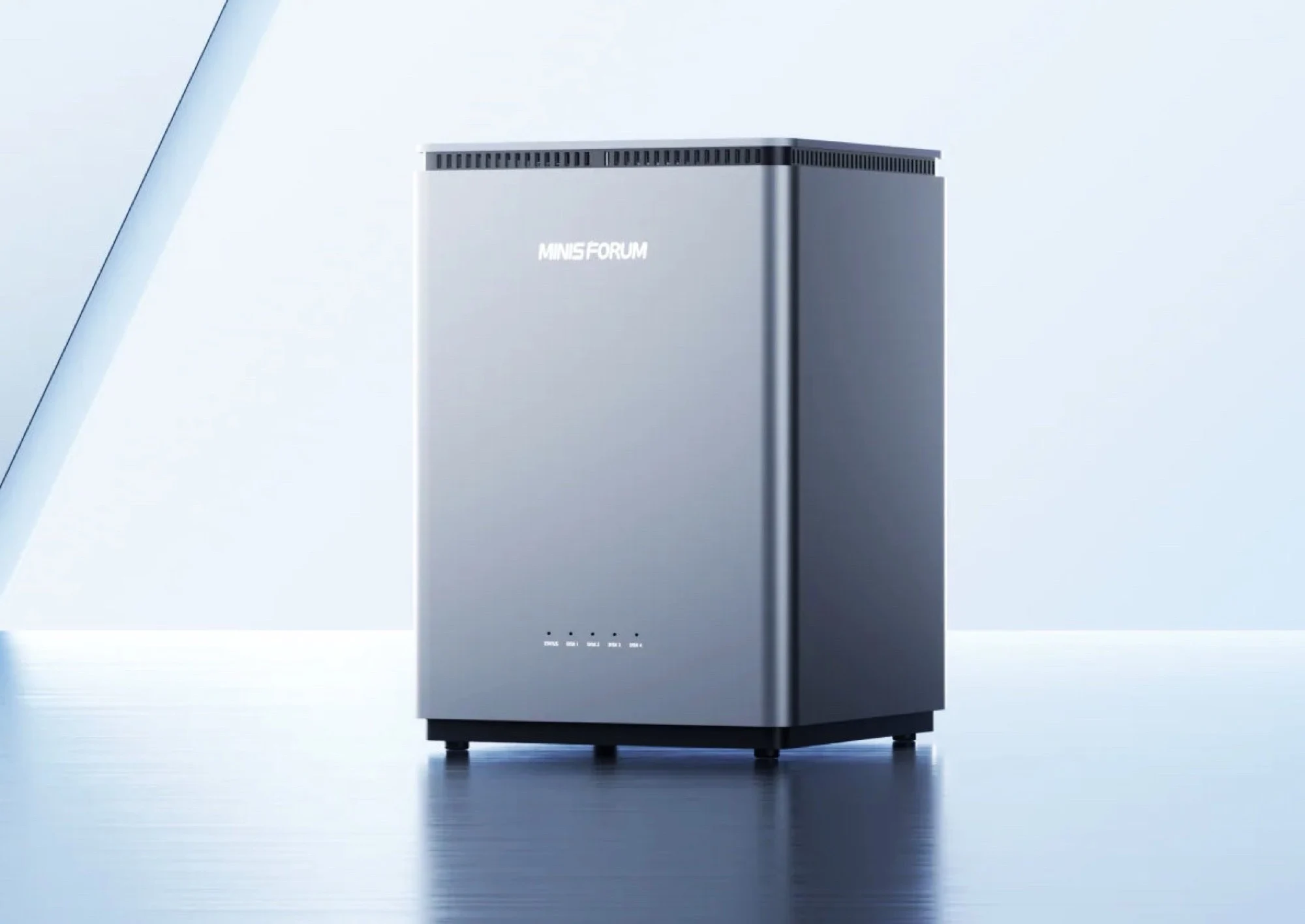

  • Minisforum N4: NAS with Wildcat Lake, Wi-Fi 7, USB 4

    Minisforum N4: NAS with Wildcat Lake, Wi-Fi 7, USB 4

    Key Takeaway

    – Wildcat Lake targets Apple MacBook Neo competitors but is also ideal for low-cost, high-performance NAS.
    – Minisforum N4 NAS likely uses a 6-core Intel Core 3 305 (2P+4E, up to 4.3GHz), much faster than the common Core 3 N350.
    – Comes with 16GB RAM, dual M.2 PCIe 4.0 x1 slots, and four 3.5-inch drive bays.
    – Offers premium connectivity: USB4, 10GbE, 2.5GbE, Wi-Fi 7, and HDMI.
    – Integrated AI accelerator on some chips enables local AI apps like OpenClaw; price and launch date unconfirmed.


    Intel Wildcat Lake’s Target Use Case

    Intel Wildcat Lake is primarily intended for competitors to the Apple MacBook Neo, but the relatively inexpensive chips with low power consumption are also suitable for network storage, as shown not least by the new Minisforum N4 NAS. The processor family is design to offer a balance of cost and performance for light weight computing tasks.

    Unconfirmed Specifications and RAM Details

    Minisforum has not yet confirmed exactly which chip is being used, apart from the fact that it has six processor cores. This means that it’s at least the Intel Core 3 305 which, with two performance cores, four efficiency cores and boost clocks of up to 4.3 GHz, is already much faster than the Intel Core 3 N350, which is widely used in low-cost NAS. Minisforum also installs 16 GB of RAM in the device for multitasking.

    Connectivity and Storage Options

    Intel Wildcat Lake also offers a relatively high bandwidth and enables Minisforum to install two M.2 slots, which are connected via PCIe 4.0 x1. In addition, the NAS offers space for four 3.5-inch hard disks and a modern selection of connections, including USB 4 (USB-C), two USB-A ports, 10 Gbit/s Ethernet, 2.5 Gbit/s Ethernet and Wi-Fi 7, so that a wireless connection to the home network can also be establish.

    AI Accelerator and Chassis Design

    Some chips in the Wildcat Lake series also have an integrated AI accelerator, which would allow OpenClaw to be used on the NAS, for example. An HDMI port is available for connecting a monitor for direct configuration. The NAS chassis is made of metal and the hard drives can be accessed by removing the top cover for easy upgrades. Minisforum has not yet confirmed when or at what price the N4 NAS will be launched on the market.

    Sources
  • Asus Unveils First NUC Mini-PC for Cloud Computing

    Asus Unveils First NUC Mini-PC for Cloud Computing

    Key Takeaway

    – Cheaper alternative to NUC 16 Pro with Intel Wildcat Lake processors
    – First “Cloud PC” device designed for Windows 365, requiring constant online connection
    – Available with Windows 365, Windows 11 Home, or Windows 11 Pro
    – Base model includes 8 GB RAM and 128 GB storage, supports up to 64 GB RAM and 2 TB storage
    – Pricing and availability still unknown


    Asus’s New Mini PC Revealed

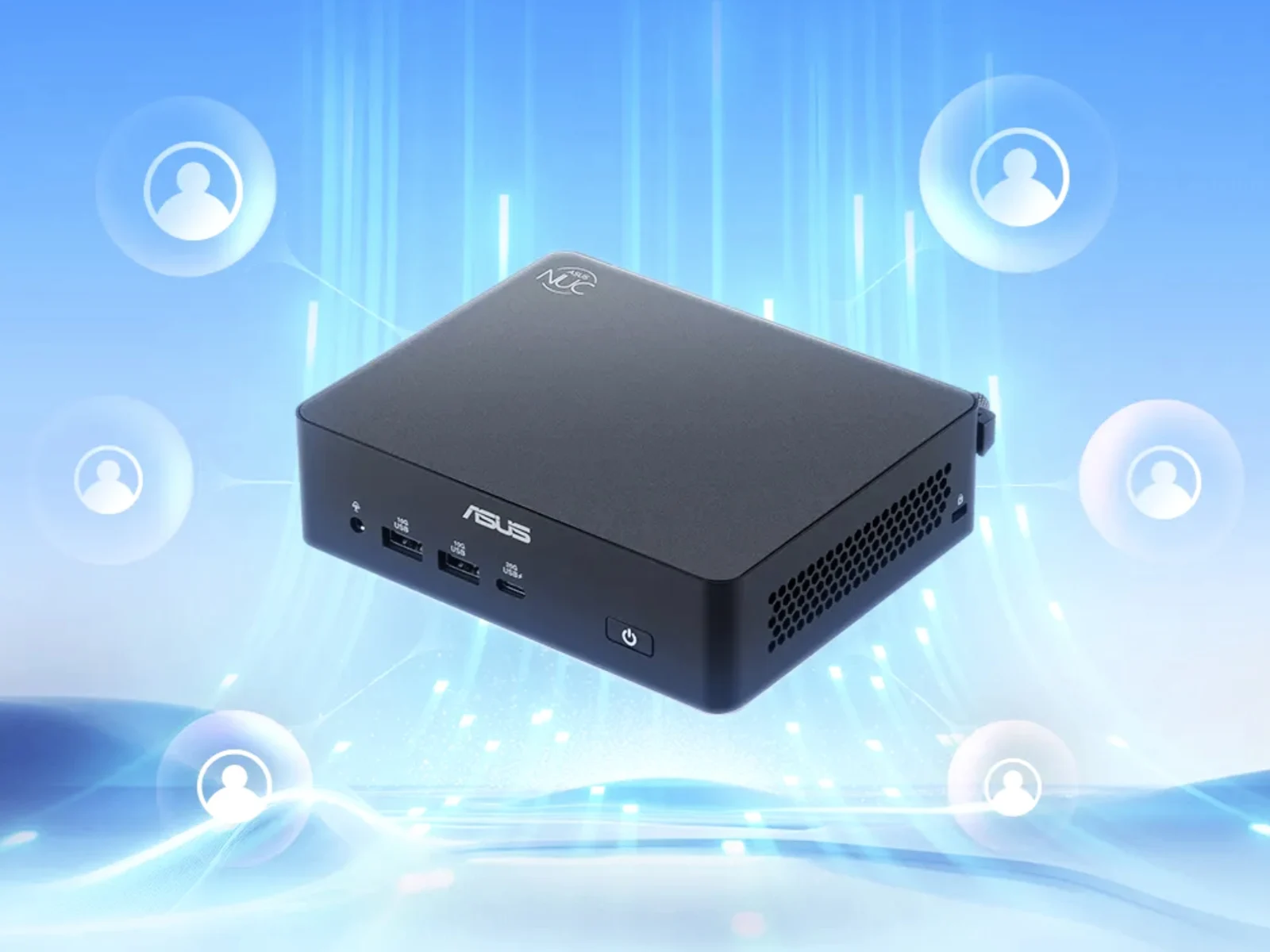
    Asus presented the NUC 16 today at Computex 2026 in Taipei. In short, the NUC 16 is a cheaper alternative to the existing NUC 16 Pro (curr. $599) with Intel Wildcat Lake processors. By contrast, the NUC 16 Pro comes with up to the Core Ultra X9 388H from Intel’s Panther Lake generation.

    Cloud-Focused Version Announced

    At the same time, the company has unveiled the NUC 16 for Windows 365. In a press release, Asus describes the latter as its ‘first Cloud PC device’, adding that the NUC 16 for Windows is a purpose-built solution designed for seamless integration with Windows 365. By shifting the entire desktop experience to the cloud, this device eliminates the risks associated with local data storage while providing a secure, responsive, and familiar environment.

    From that wording, it seems that the NUC 16 for Windows 365 operates entirely in the cloud and must always be online to function. However, Asus’ mentions that the mini-PC will be available with Windows 365 or Windows 11 Home and Windows 11 Pro. Unfortunately, the company has not clarified further yet.

    Specifications and Pricing Details

    Setting that aside, the NUC 16 for Windows 365 will be available with the Core 3 304. The slowest option in Intel’s Wildcat Lake family, the Core 3 304 features a single Cougar Cove P-Core and four Darkmont LP E-cores. Also, the processor contains an iGPU with 1 Xe3 core. According to Asus, the NUC 16 for Windows 365 supports up to 64 GB of RAM and 2 TB of PCIe Gen 4 storage, too. Only 8 GB of RAM and 128 GB of storage will be included, though. Pricing and availability remain unknown for now, just like the regular NUC 16.


    Sources

  • Intel Combats DRAM Shortage Using Less, Older Memory

    Intel Combats DRAM Shortage Using Less, Older Memory

    Key Takeaway

    – AI giants like OpenAI and Anthropic are consuming most DRAM capacity, driving up consumer prices for PCs and laptops.
    – Intel is addressing the DRAM crisis by keeping Raptor Lake (with DDR4 support) active for cheaper memory options.
    – Wildcat Lake targets the low-end market with 8 GB single-channel DDR4, while Raptor Lake covers mid-to-high segments.
    – Intel is validating more RAM suppliers, including from China and Indonesia, to offer cheaper alternatives.
    – The DRAM crisis is expected to last until at least 2028, making further price increases likely.


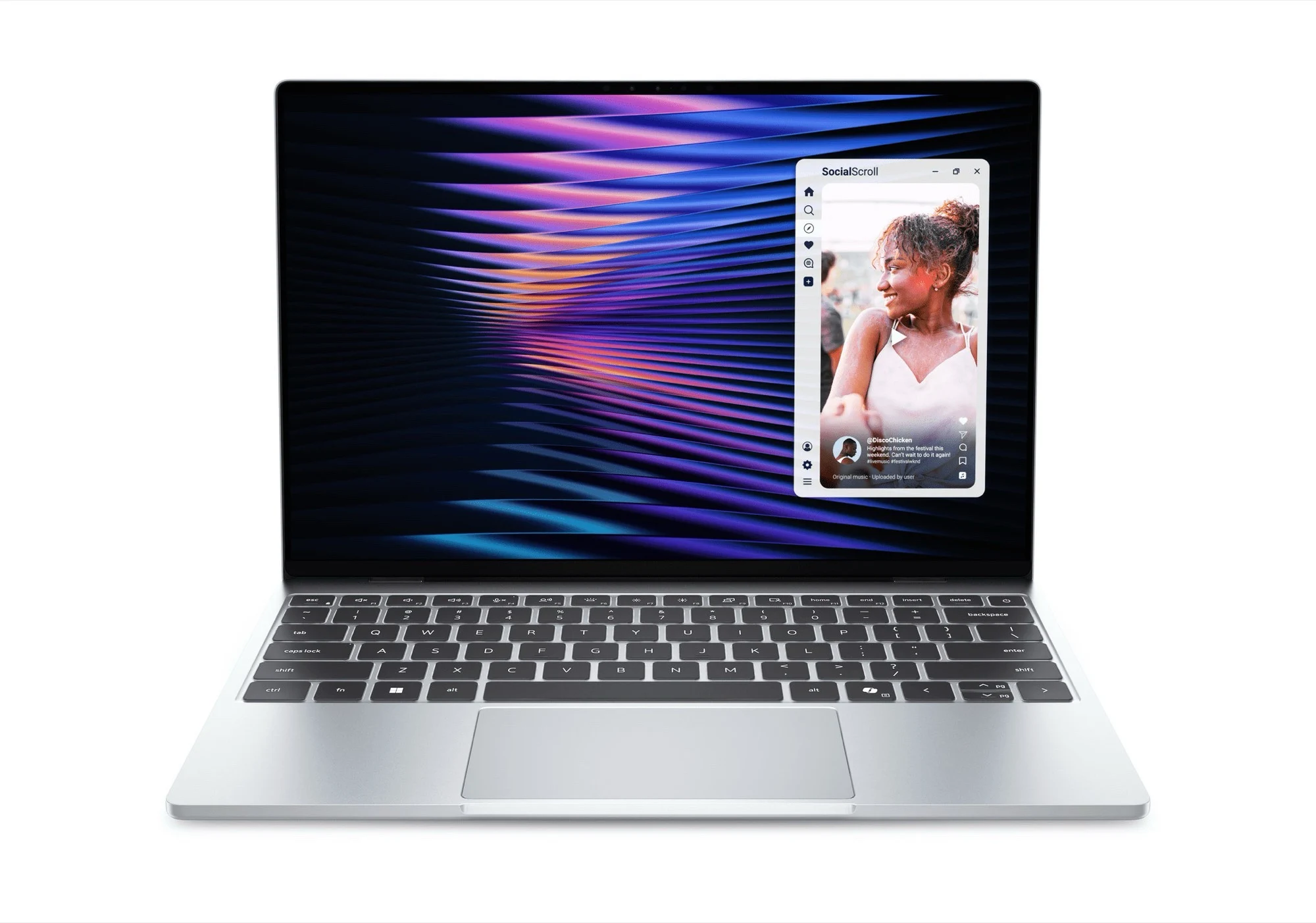
    So the big AI companies like OpenAI and Anthropic are hogging all the worlds DRAM capacity, leaving consumers to pay through the nose for the scraps left over for PCs, laptops, and gaming handhelds. The market has already reacted to this, because after the Apple MacBook Neo, the new Dell XPS 13 now only comes with 8GB RAM, while Acer has even hinted at laptops with only 4GB RAM.

    Intel’s Answer to the DRAM Shortage

    Intel spoke to Tom’s Hardware about the DRAM crisis. According to this, Wildcat Lake in the lower price segment and Raptor Lake in the mid to higher price segment would currently be the answer to the crisis, because while Wildcat Lake is often offered with 8GB RAM in a single-channel configuration, while Raptor Lake still supports DDR4, both in desktop and laptops. The older RAM standard is currently somewhat cheaper, as a kit with 2 x 16GB DDR4 RAM sticks currently costs $199, while DDR5 costs $449.

    Raptor Lake Is Here to Stay

    Intel says Raptor Lake is far from being phased out and they plan to keep offering processors which support older RAM standards for as long as that makes sense. Intel is also collaborating with more RAM suppliers, including from China and Indonesia, to approve as many products as possible and offer customers a wider selection of potentially cheaper memory.

    Future Price Hikes Likely

    With these steps Intel can at best dampen the price increases, but if the DRAM crisis continues at least until 2028 as expected, further price increases are unlikely to be avoidable. Intel, via Tom’s Hardware

    Sources
  • HP unveils MacBook Neo rival with Intel Wildcat Lake OLED display

    HP unveils MacBook Neo rival with Intel Wildcat Lake OLED display

    Key Takeaway

    – OLED 14-inch display with 1920×1200 resolution, 60Hz, 16:10 aspect ratio, and 100% DCI-P3 color coverage (peak brightness not disclosed).
    – HP StarBook Plus 14 powered by Intel Core 5 320 (Wildcat Lake) with 6-core CPU and 2-core Xe3 iGPU, 16GB LPDDR5X RAM, and 512GB SSD (upgradeable).
    – Slim, lightweight chassis at ~1.3 kg and 13.7 mm thick, with a rich port selection and a 59Wh battery, plus 65W fast charging. Pricing started at CNY 5,998 (~$882) in China, with a global debut anticipated.


    HP has introduced the StarBook Plus 14 in China with an OLED display

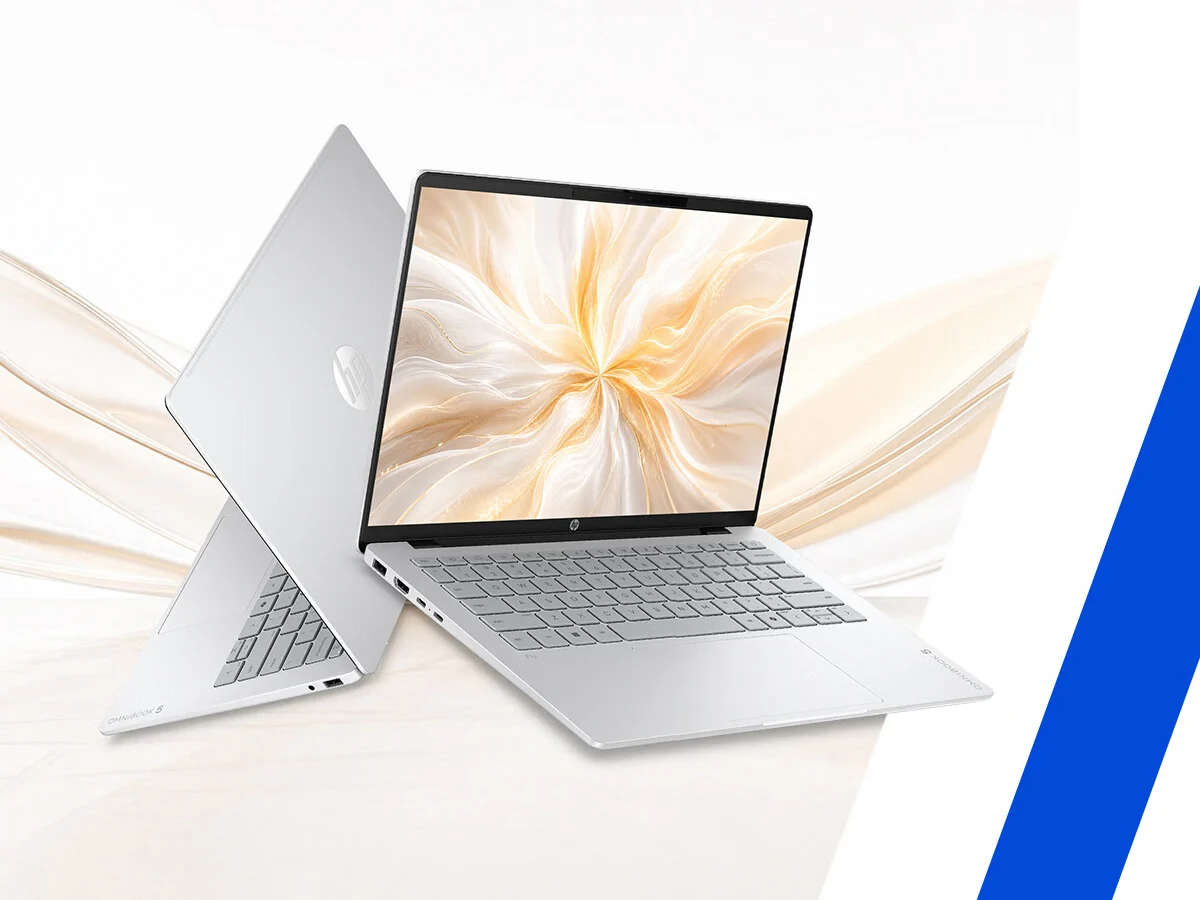
    HP has introduced the StarBook Plus 14, a new Intel Wildcat Lake laptop, in China. It stands as a slightly expensive rival to the MacBook Neo, but it’s worth noting that HP’s offering comes with an OLED display, which is a better option than the IPS display on the Apple laptop.

    Display details and specification notes

    Of course, HP didn’t fully detail the touchscreen OLED display. For instance, the company didn’t specify the peak brightness rating, but it did confirm that it’s a 60Hz screen with a resolution of 1920×1200 pixels and a 16:10 aspect ratio. This 14-inch panel is also said to have a 100% DCI-P3 color coverage. There are some details that could be clearer, yet the core specs remain compelling for those who value color accuracy and a crisp image, even if brightness is still unconfirmed.

    Processor, memory, and storage configuration

    Under the hood, the HP StarBook Plus 14 features the Intel Core 5 320, a mid-range processor from the Wildcat Lake range. It pairs the 6-core CPU with the 2-core Xe3 iGPU, and HP has equipped the laptop with 16GB of LPDDR5X RAM. As for storage, the pre-configured option has a 512GB SSD, which should be upgradeable (1TB Samsung 990 Pro curr. $249.99 on Amazon).

    Build, weight, and ports

    The company further highlights the slim and light build of the laptop. HP says that it weighs 1.3kg (about 2.86lbs) and measures as thin as 13.7mm. While it has a thin form factor, there’s a good number of ports, including: A 59Wh battery, an IR infrared camera with physical shutters, and 65W fast charging support are among the other highlights of the laptop.

    Pricing and market availability

    In China, the HP StarBook Plus 14 launched with an initial price of CNY 5,998, around $882. It’s expected to make a global debut alongside the other Wildcat Lake laptops that were introduced recently.

    HP on JD (machine translated)


    Sources

  • Lenovo Wildcat Lake Laptops: New MacBook Neo Alternatives

    Lenovo Wildcat Lake Laptops: New MacBook Neo Alternatives

    Key Takeaway

    – Three Lecoo-branded laptops (Air 13, Air 14, Air 15) powered by Intel Wildcat Lake; top model is Core i5-320.
    – Air 13: 13.3″ 2560×1600, 120Hz, anti-glare 400 nits, 16GB/512GB, 14.3mm thick, ~24W.
    – Air 15: 15.3″ 1920×1200, ~15.6mm thick, ~27W, similar core specs to Air 13.
    – Air 14: Core i5-315, 12GB RAM, 12.95mm thick, 1kg, 60Hz, 300 nits, ~15W; weakest of the trio.
    – Pre-orders in China start May 26, 2026; global debut likely under IdeaPad branding, pricing not yet announced.

    Lenovo Unveils Lecoo Laptops in China Aiming at Affordability

    Lenovo has introduced three new Lecoo-branded laptops in China, and they are expected to rival the MacBook Neo in terms of affordability. This brand-new laptop line is powered by the Intel Wildcat Lake processors, with the top-end option being the Core 5 320. The announcement signals Lenovo’s push into a market segment seeking balance between price and performance, though precise pricing remains undisclosed for now and may vary by region.

    Air 13: A Compact, Matte Display Powerhouse

    While all three come with slim and lightweight designs, the Air 13 is the smallest of the bunch. It comes with a 13.3-inch display with a resolution of 2560×1600 pixels and a 120Hz refresh rate. Lenovo says that it’s an anti-glare matte screen with 100% sRGB coverage and a brightness rating of 400 nits, which is the only disadvantage that the panel has against the Liquid Retina display of the MacBook Neo (available on Amazon).

    Air 13 Specs and Performance

    The Lecoo Air 13 features the Intel Core 5 320, a mid-range option from the Wildcat Lake lineup. It’s paired with 16GB of RAM and 512GB of PCIe 4.0 storage. Lenovo didn’t share whether other specifications of the laptop will be available. It measures 14.3mm thick and is said to offer stable performance with around 24W power consumption.

    Air 15: Bigger Screen, Similar Core

    Among the other two, the Air 15 shares a similar set of specs, but its display measures 15.3 inches and has a resolution of 1920×1200 pixels. It also has a slightly larger form factor, measuring 15.6mm thick, and this system is said to offer stable performance with around 27W of power consumption.

    Air 14: The Entry-level Option

    As for the Air 14, it’s the weakest of the three. It’s powered by the Core 5 315, a slightly less capable processor than the one powering the other two. Lenovo has paired it with 12GB of RAM, which is still higher than the 8GB of RAM the MacBook Neo maxes out at.

    Display and Portability Notes

    This middle-of-the-line laptop has a slower screen, maxing out at a 60Hz refresh rate, and is dimmer, having a brightness rating of 300 nits. On the bright side, it’s the slimmest of them all. Lenovo says that it measures 12.95mm and weighs 1kg (about 2.2lbs). It can offer a stable performance at lower power consumption, which is highlighted at 15W.

    Launch Details and Potential Branding

    Sources
  • Affordable Laptops from Smartphone Factories: Project Firefly for Wildcat Lake

    Affordable Laptops from Smartphone Factories: Project Firefly for Wildcat Lake

    Key Takeaway

    – Intel’s Project Firefly aims to cut costs and speed up production of low-cost laptops by standardizing components and leveraging smartphone supply chains.
    – A reference design with slim bezels, a large trackpad, and a 1.1 cm thickness showcases the intended thin, modern form factor, but may raise production costs due to the metal chassis.
    – Wildcat Lake (e.g., Core 5 320) offers usable office/web performance, but trails the Apple A18 Pro; price trends may rise due to ongoing DRAM shortages, unless Firefly accelerates broader adoption.

    Intel Wildcat Lake and the Drive for Low-Cost Laptops

    Intel Wildcat Lake is aimed at countering the Apple MacBook Neo priced at $589 on Amazon. The very first notebooks using low-cost Intel chips, like the Honor Notebook X14 and the Chuwi UniBook, are already cheaper than apples entry‑level laptop, and prices might drop further later on. This happens because Intel has announced Project Firefly, a plan to leverage the smartphone supply chain for producing affordable laptops.

    Standardization and Design Goals

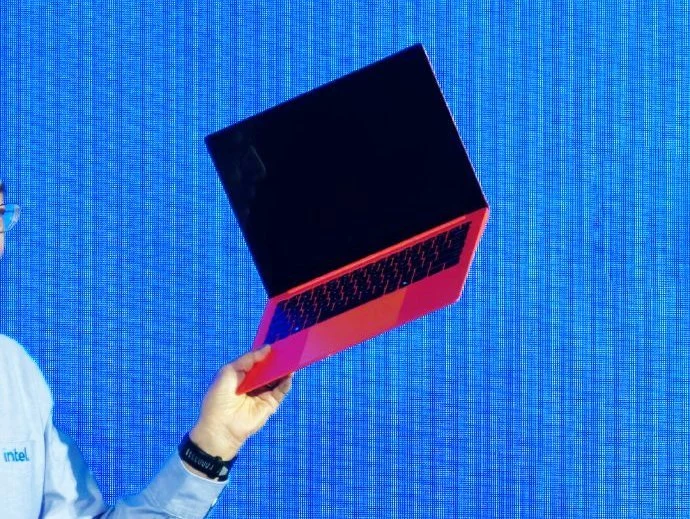
    To achieve this, Intel is pushing toward greater standardization of many parts. Motherboards, connectors, batteries and similar components are meant to be modular and simple to assemble in plants, enabling diverse laptop designs. Costs could fall by using the existing groundwork in smartphone supply chains. As seen in photos from Golden Pig Upgrade, Intel has shown a reference design that looks quite modern with slim display bezels, a huge trackpad, and a thickness of only 1.1 centimeters.

    Economic Pressures and Market Outlook

    Yet, such a slim metal chassis will raise costs, inevitably. Project Firefly might become very significant in the market for cheap laptops over the coming years, as prices are expected to climb due to the DRAM shortage. Provided that Intel doesn’t drop Project Firefly as quickly as Firefly was dropped in a prior episode. Wildcat Lake chips, like the Intel Core 5 320, run somewhat slower than the Apple A18 Pro in the MacBook Neo, but offer usable performance for office and web tasks when paired with fast LPDDR5X-7467 memory.


    Sources

  • Chuwi Neo vs MacBook: Affordable Intel Wildcat Lake Laptop

    Chuwi Neo vs MacBook: Affordable Intel Wildcat Lake Laptop

    Key Takeaway

    – Competitively priced starting at around $449 with the UniBook, aiming to undercut MacBook Neo on cost.
    – Core specs: Intel Core 3 304 (Wildcat Lake) with 5-core CPU and 1-core Xe iGPU, 8GB LPDDR5X RAM, 256GB PCIe 3.0 SSD.
    – Display and ports: 14-inch 1920×1200, likely 60Hz, full set of ports (2x USB-C, 3x USB-A, SD, HDMI, RJ45) with Wi-Fi 6 and Bluetooth 5.2.
    – Battery and OS: 53.38Wh容量, Windows 11 Pro preinstalled (user may opt for debloated Windows or Linux).
    – Unknowns: Real-world performance, display refresh rate specifics, and runtime efficiency remain to be confirmed as launch details unfold.

    Chuwi has introduced its first Intel Wildcat Lake laptop, the UniBook, and as the brand shares, it’s expected to start at around $449, meaning it will be more affordable than the MacBook Neo. Of course, it’s still unclear how well it will compare in terms of performance.

    Overview and pricing

    The UniBook is powered by the Intel Core 3 304, the starting option from the Wildcat Lake lineup with a 5-core CPU and 1-core Xe3 iGPU. Chuwi pairs the processor with 8GB of LPDDR5X RAM, and the starting configuration is expected to sport a 256GB PCIe 3.0 SSD.

    Display and graphics

    On the front, the Chuwi UniBook features a 14-inch display with 1920×1200 pixels resolution and 100% sRGB coverage. The company doesn’t mention the refresh rate, meaning that it’s likely a 60Hz panel. These specs make the display inferior to the 13-inch Liquid Retina display found on the MacBook Neo (available on Amazon).

    Ports and wireless

    Of course, the port configuration appears to be a bit better, with the Chuwi UniBook featuring two USB-C, three USB-A, an SD card slot, one HDMI, and one RJ45 Ethernet. For wireless connectivity, the laptop features WiFi 6 and Bluetooth 5.2. A 53.38Wh battery powers the internals, which can be seen as an improvement over the Neo, but it’s still unclear how good the runtime will be.

    Software and launch details

    While Chuwi shared the core specs, the company hasn’t revealed any detailed images yet. However, the brand mentions that there will be a 180° hinge, and the only picture shared shows it in a sleek grey colorway. It’s set to ship with Windows 11 Pro installed, which can be an issue for the 8GB system RAM, but the good part is that users will have the freedom to install a debloated version of Windows or simply shift to Linux. The company is expected to share more details on the launch and availability soon.


    Sources

    • Intel Wildcat Lake laptop rivals MacBook Neo with affordable launch price

      Intel Wildcat Lake laptop rivals MacBook Neo with affordable launch price

      Key Takeaway

      – Competitively priced in China (around $590 after subsidies) with a 14″ design and lightweight 1.39 kg chassis.
      – Powered by Intel Core i5-320 Wildcat Lake, 16GB LPDDR5x RAM, 512GB storage, capped at 28W Smart Mode 35W peak, cooling tuned for performance.
      – Display: 14″ LCD 1920×1200, 60Hz, 300 nits; weaker than MacBook Neo’s 2408×1506 and 500 nits Retina panel.
      – Ports: two USB-A 3.2 Gen 1, one USB-C, one HDMI, plus 3.5mm audio; battery 60Wh, Wi-Fi 6E, BT 5.1.
      – Global launch planned as Honor MagicBook X14 2026, marking the first Intel Wildcat Lake laptop availability.

      Honor has launched the 2026 Notebook X14, and it’s the first Intel Wildcat Lake laptop to be commercially available. In China, the launch price is CNY 4,399, about $646, which positions it as a direct rival to the Apple MacBook Neo when it comes to the price. National subsidies further drop the price, making it stand at around $590.

      Under the hood and performance

      Under the hood, this new laptop features the Intel Core 5 320 processor, one of the mid-range options from the Wildcat Lake lineup. It features 6 CPU cores and has the 2-core Xe3 iGPU. Honor claims that the cooling setup allows the laptop to deliver 35W of performance, with the Smart Mode keeping it at 28W while ensuring quiet operating noise.

      Memory and storage

      The processor has support for up to 64GB of RAM, but Honor is offering only one configuration of the laptop. It brings 16GB of LPDDR5x RAM and 512GB of storage (2TB Samsung 990 Pro curr. $429.99 on Amazon). On the front, there’s a 14-inch LCD with a 60Hz refresh rate and 1920×1200 pixels resolution, and it has a peak brightness rating of 300 nits.

      Display and port choices

      These display specs are inferior when compared to the Retina display of the MacBook Neo, which has a higher resolution of 2408×1506 pixels and a peak brightness rating of 500 nits. Honor’s 2026 Notebook X14 has a slightly better port configuration, though. It sports two USB Type-A 3.2 Gen 1, one full-featured USB-C, one HDMI, and one 3.5mm audio port.

      Design and battery

      As for the design, Honor kept the form factor relatively slim, with the chassis measuring as thin as 16.9mm, and the laptop weighs 1.39kg (about 3.06lbs). A 60Wh battery, WiFi 6E, and Bluetooth 5.1 are among the other highlights of the 2026 Notebook X14.

      Launch and global debut

      This Intel Wildcat Lake laptop is also expected to make a global debut, but as the Honor MagicBook X14 2026. Check out the full spec sheet attached below to learn more about the laptop.


      Sources

    • Intel Wildcat Lake: Surprisingly Costly but Slower Than MacBook Neo

      Intel Wildcat Lake: Surprisingly Costly but Slower Than MacBook Neo

      Key Takeaway

      1. Wildcat Lake chips are priced at $340 (Core 5 320) and $426 (Core 7 360) for 1,000 units, making them relatively expensive for performance-oriented laptop processors.
      2. The chips feature dual performance cores, four low-power cores, and a Xe3 iGPU with two cores, with a power dissipation range up to 22 watts with a fan.
      3. Benchmark results show Wildcat Lake’s Core 5 320 performs significantly better than some AMD rivals but is slightly slower than certain Apple MacBook processors.

      Intel Wildcat Lake was recently announced in mid-April and is quickly making its way into affordable laptop markets. Yet, till now, no laptops using Wildcat Lake are available to purchase, and manufacturers haven’t confirmed any prices for these chips. Intel Ark has recently shed some light on the pricing details for these new processors.

      Pricing Details Revealed

      According to the info, the Intel Core 5 320 is priced at $340 for 1,000 units, and the Intel Core 7 360 goes for $426, also based on a wholesale order of a thousand chips. It should be noted discounts might very well be offered when buying in larger amounts. The prices are quite high considering that just a few years ago, Intel’s gaming-focused laptop processors were sold at comparable prices. Interestingly, Intel hasn’t announced prices for the upcoming “Panther Lake” models, which are expected to be more powerful.

      Specifications & Performance

      Both the Core 5 320 and Core 7 360 feature two high-performance cores, four efficiency cores, and a Xe3 integrated GPU with two cores. As we’ve seen from tests on a reference machine, Wildcat Lake chips can operate on a power dissipation of up to 11 watts without a fan, but with a fan, they can go up to 22 watts TDP. This flexibility indicates their potential for various form factors and thermal designs.

      Benchmarks & Real-world Results

      Results from early benchmark tests on some laptop models with the Core 5 320 suggest it scores around 2,564 points in single-thread and 8,122 points in multi-core performance on Geekbench. These scores make it nearly twice as quick as AMD’s Ryzen 5 7520U, yet it trails behind Apple’s MacBook Neo, which scores roughly 11.1% higher at a price of about $589. The newer Intel Core Ultra 5 325, on the other hand, promises a significant 36% boost in performance.