Tag: Intel Raptor Lake

  • Intel Combats DRAM Shortage Using Less, Older Memory

    Intel Combats DRAM Shortage Using Less, Older Memory

    Key Takeaway

    – AI giants like OpenAI and Anthropic are consuming most DRAM capacity, driving up consumer prices for PCs and laptops.
    – Intel is addressing the DRAM crisis by keeping Raptor Lake (with DDR4 support) active for cheaper memory options.
    – Wildcat Lake targets the low-end market with 8 GB single-channel DDR4, while Raptor Lake covers mid-to-high segments.
    – Intel is validating more RAM suppliers, including from China and Indonesia, to offer cheaper alternatives.
    – The DRAM crisis is expected to last until at least 2028, making further price increases likely.


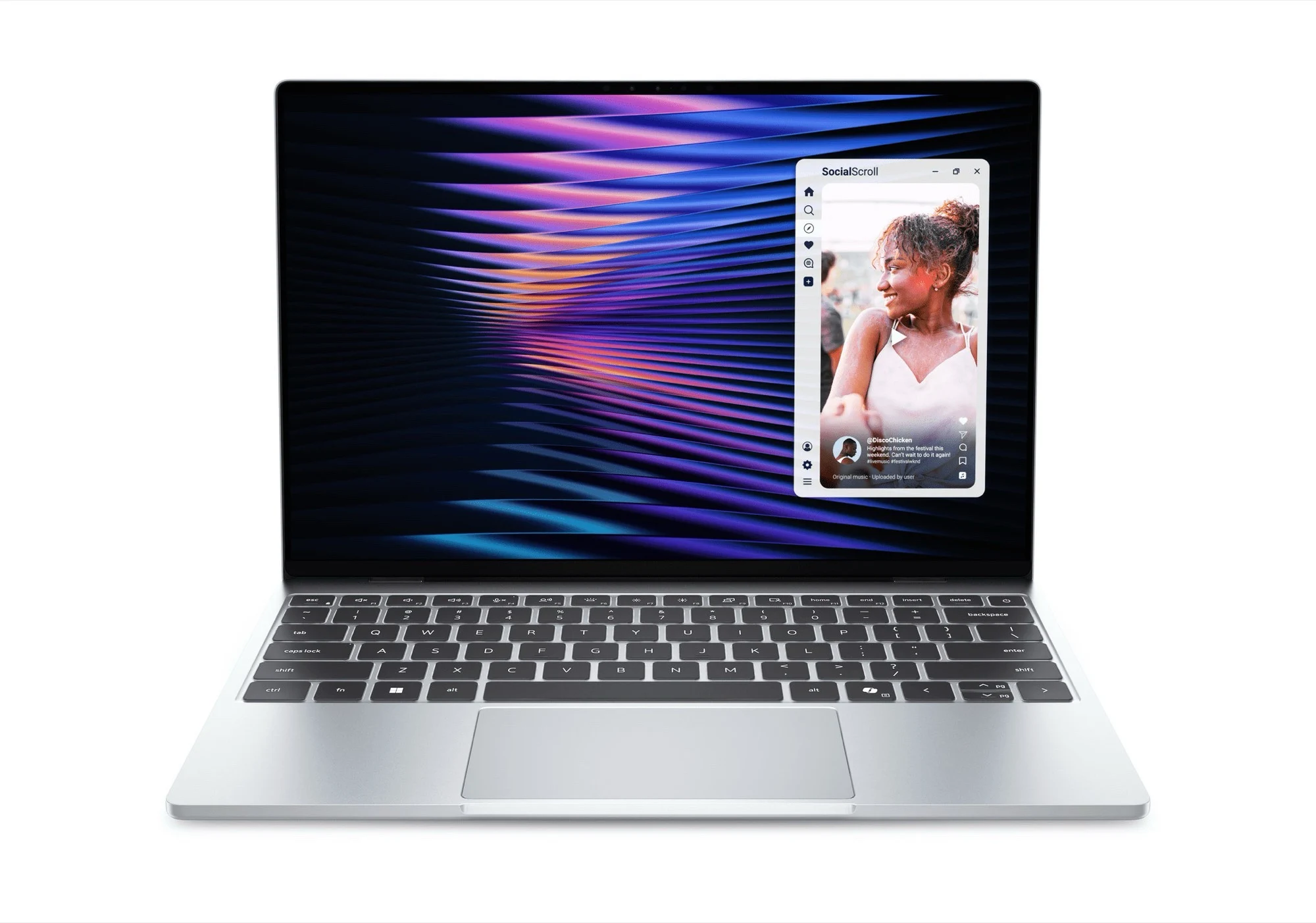
    So the big AI companies like OpenAI and Anthropic are hogging all the worlds DRAM capacity, leaving consumers to pay through the nose for the scraps left over for PCs, laptops, and gaming handhelds. The market has already reacted to this, because after the Apple MacBook Neo, the new Dell XPS 13 now only comes with 8GB RAM, while Acer has even hinted at laptops with only 4GB RAM.

    Intel’s Answer to the DRAM Shortage

    Intel spoke to Tom’s Hardware about the DRAM crisis. According to this, Wildcat Lake in the lower price segment and Raptor Lake in the mid to higher price segment would currently be the answer to the crisis, because while Wildcat Lake is often offered with 8GB RAM in a single-channel configuration, while Raptor Lake still supports DDR4, both in desktop and laptops. The older RAM standard is currently somewhat cheaper, as a kit with 2 x 16GB DDR4 RAM sticks currently costs $199, while DDR5 costs $449.

    Raptor Lake Is Here to Stay

    Intel says Raptor Lake is far from being phased out and they plan to keep offering processors which support older RAM standards for as long as that makes sense. Intel is also collaborating with more RAM suppliers, including from China and Indonesia, to approve as many products as possible and offer customers a wider selection of potentially cheaper memory.

    Future Price Hikes Likely

    With these steps Intel can at best dampen the price increases, but if the DRAM crisis continues at least until 2028 as expected, further price increases are unlikely to be avoidable. Intel, via Tom’s Hardware
    Sources
  • Intel Raptor Lake Refresh to Use 700-Series Motherboards and Chips

    Intel Raptor Lake Refresh to Use 700-Series Motherboards and Chips

    Key Takeaway

    1. Intel commits to supporting Raptor Lake Refresh CPUs and 700-series motherboards for the long term.
    2. Raptor Lake CPUs support both DDR4 and DDR5 memory, providing flexibility amid volatile memory prices.
    3. Intel’s strategy emphasizes continuing the availability and relevance of Raptor Lake despite the transition to Arrow Lake.

    Intel’s Commitment to Raptor Lake Refresh

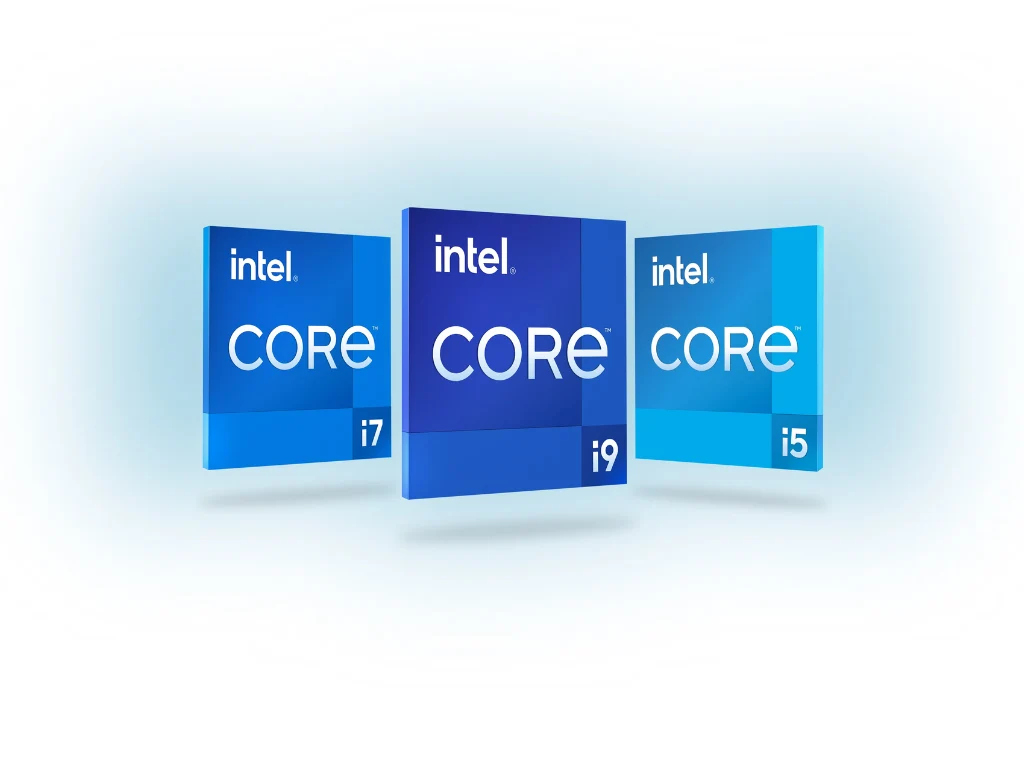
    Intel has reassured gamers and PC builders that their Raptor Lake Refresh processor lineup, part of the 14th-generation Core CPUs, are going to stay in the market for a while. The company emphasizes that Raptor Lake isn’t just a temporary release but a long-term product, promising continued production and support for 700-series motherboards and the LGA 1700 socket. This ensures that users will still be able to find these chips and compatible boards without much trouble. The company makes sure that even with the move towards newer technologies like Arrow Lake, their older CPU generations remains accessible for users who prefer them.

    Support For Different Memory Types

    Despite shifting focus to Arrow Lake, Intel recognizes the importance of maintaining support for existing infrastructures, especially given the unpredictable memory market prices these days. Raptor Lake Refresh CPUs support not just DDR5 but also DDR4 memory, which is far more affordable. Users can choose between the two based on their motherboard compatibility, making the upgrade process more flexible. Meanwhile, Arrow Lake will only support DDR5, limiting options but encouraging newer technology adoption. This approach appeals to budget-conscious consumers who may not want to jump straight to DDR5 just yet.

    Intel’s Strategic Plans and Industry Collaboration

    In an interview with Club386, Robert Hallock, Intel’s VP and GM of Client Segment Technical Marketing, explained why the firm heavily invests in Raptor Lake Refresh. He said, “Raptor Lake is a big part of our strategy. I want to be very clear about that. It’s really, really good, even with multiple generations of hardware from other vendors coming after it, so it’s not going anywhere. I want to be clear that Raptor Lake will continue to be abundantly available.” This statement shows Intel’s dedication to supporting its existing processors and ensuring market stability. The company also collaborates with motherboard manufacturers to create dual DDR4 and DDR5 support, making future upgrades easier for consumers.

    Motherboard Options and Future Trends

    • Manufacturers like ASRock have already developed motherboards such as the H610 Combo, which features 2 DDR4 slots and 4 DDR5 slots. This provides users with a flexible upgrade path, enabling them to start with DDR4 and switch to DDR5 later, as prices stabilize.
    • The trend toward versatile motherboard designs is gaining ground, hinting that in the coming years, more options will become available for different user needs. This flexibility is especially beneficial as the market moves forward into 2026 and beyond.

    Performance of Raptor Lake CPUs with DDR4

    One of the most attractive features of Raptor Lake processors is their impressive gaming performance, even with cheaper DDR4 memory. They outperform some older AMD Ryzen models that are limited to the AM4 socket, highlighting their competitiveness. This makes Raptor Lake an appealing choice for gamers and PC enthusiasts who want high performance without investing heavily in the latest memory modules. As the market continues to evolve, Intel’s decision to support both DDR4 and DDR5 memory options ensures they remain a cost-effective and powerful choice for users in the future.

    Sources
  • Acemagic Launches Intel M5 Mini PC with Limited-Time Discounts

    Acemagic Launches Intel M5 Mini PC with Limited-Time Discounts

    Key Takeaways

    1. Acemagic’s new mini PC, the M5, is available for pre-order with special discounts until February 10, 2026.
    2. The base model is priced at $679, and the higher-end version is $749, with a $40 discount available using code “M5PRE40.”
    3. The M5 features Intel’s Raptor Lake HX processors, with the entry-level model using the Core i7 14650HX and the advanced version using the Core i9 14900HX.
    4. Both models come with 32GB of DDR4 RAM and a pre-installed 1TB SSD, with an option to upgrade to 64GB of RAM and a 4TB SSD.
    5. While the M5 has a satisfactory selection of ports, it lacks advanced options like USB4 or OCuLink, making it more suitable for productivity tasks rather than gaming.


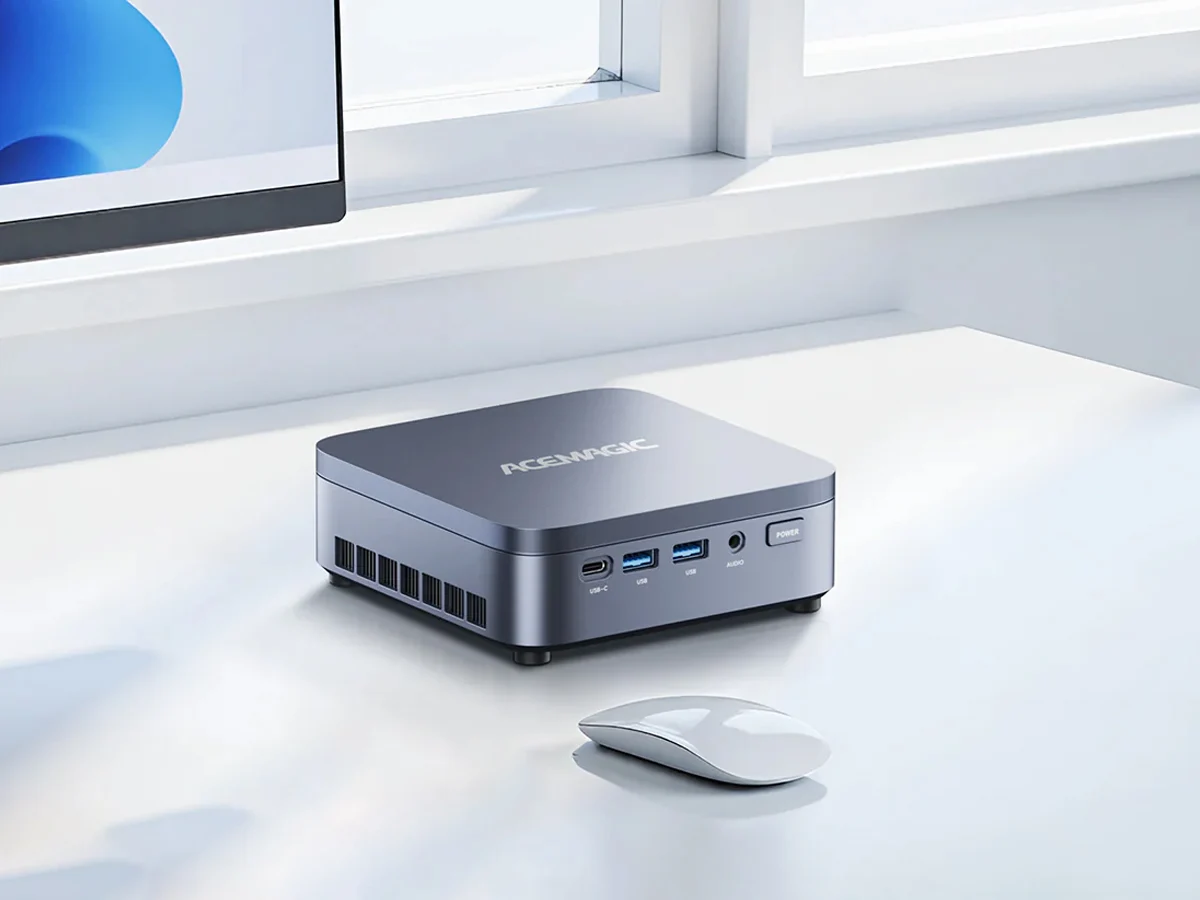
    Acemagic has launched a new mini PC powered by Intel, called the M5, which is now available for pre-order at special discounted rates. These discounts are part of the promotional campaign associated with the system’s release.

    Pricing Options

    There are two different configurations you can choose from. The base model is priced at $679, while the higher-end version costs $749. If you use the discount code “M5PRE40,” you can save $40 off the total price, lowering the configurations to $639 and $719, respectively. Keep in mind that this promotional deal will expire on February 10, 2026.

    Performance Specifications

    The Acemagic M5 is equipped with Intel’s Raptor Lake HX processors. The entry-level model features the Intel Core i7 14650HX, which is a solid mid-range choice, while the more advanced version comes with the Core i9 14900HX, designed for high performance.

    The company claims that the mini PC has an effective cooling system that maintains the CPU’s temperature under heavy loads, boasting a performance capacity of up to 55W.

    Memory and Storage

    Both versions of the mini PC come with 32GB of DDR4 RAM operating at 3200MHz, with an option to upgrade the memory to a maximum of 64GB. For storage, there’s a PCIe 4.0 slot that can accommodate a 4TB SSD. Acemagic will provide the mini PC with a pre-installed 1TB SSD in both versions (Silicon Power 2TB currently priced at $245.97 on Amazon).

    Although the Acemagic M5 is compact in size, it offers a variety of ports. The configuration of ports is as follows:

    While the port selection is satisfactory, it would have been nice to include a USB4 or OCuLink port. Without these options, the Acemagic M5 may not be the best choice for gaming due to its basic integrated GPU. However, it is well-suited for productivity tasks and office use. For more details, check out the spec sheet below.

  • MSI Mini PC: 20-Core CPU, 64GB DDR5 RAM, Versatile Ports

    MSI Mini PC: 20-Core CPU, 64GB DDR5 RAM, Versatile Ports

    Key Takeaways

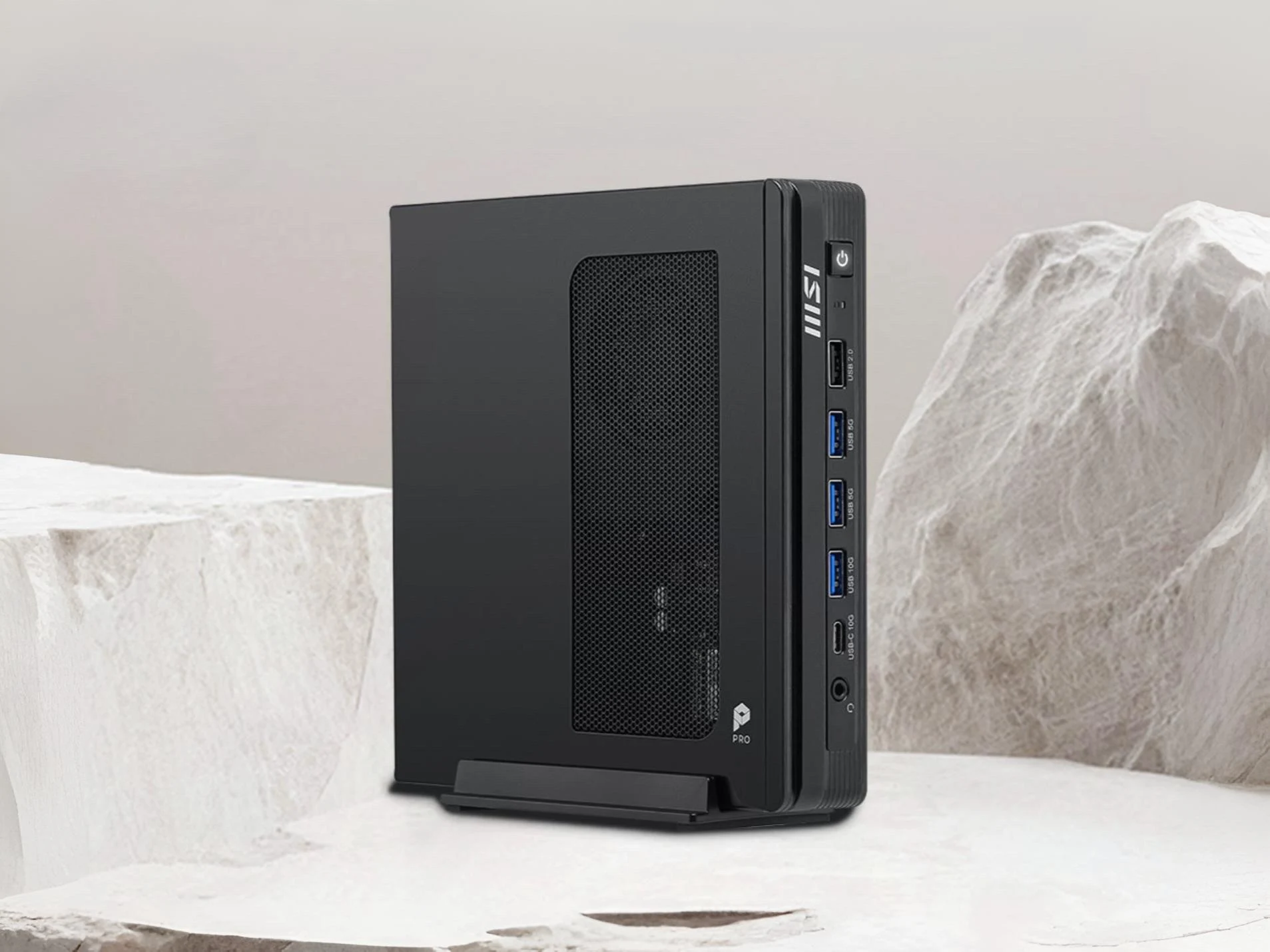
    1. The MSI PRO DP10 A14MG mini PC features desktop-grade 14th Gen Intel processors, including options up to a powerful 20-core Core i7 14700.
    2. It has a compact design with a volume of just 1.1 liters and supports up to 64 GB of DDR5-5600 RAM.
    3. Integrated graphics are limited, making it suitable for basic tasks but not ideal for gaming or graphics-intensive applications.
    4. Connectivity options include WiFi 6E/7 and Bluetooth 5.0/5.3/5.4, with unique features like powering on via certain MSI monitors.
    5. Pricing and availability are currently unclear, and potential buyers might consider alternatives like the AMD Hawk Point-powered GMKtec K12.


    MSI has been in the mini PC game for a while, and their newest offering showcases desktop-grade Intel processors in a compact design. Aimed primarily at the office and business sectors, the latest mini PC named the PRO DP10 A14MG comes with some appealing specifications.

    Performance and Specifications

    This MSI PRO DP10, which has a volume of just 1.1 liters, is equipped with the latest 14th Gen Intel Raptor Lake CPUs, including the powerful 20-core Core i7 14700. For those on a budget, there’s also the option of the dual-core Pentium Gold G7400 CPU. Other available options include the quad-core i3 14100 and the 10-core i5 14400 CPU.

    The top-tier 20-core Core i7 14700 should deliver solid performance in synthetic benchmarks, competing closely with the AMD Ryzen 7 9700X. While synthetic benchmarks provide only part of the picture, it’s clear that the i7 14700 is more than capable of handling nearly any task. It also has two SO-DIMM slots, which can support up to 64 GB of DDR5-5600 RAM. Storage is via a single M.2 2280 (PCIe Gen3 x 4) slot.

    Graphics and Connectivity

    However, the GPU performance of the MSI PRO DP10 mini PC leaves a bit to be desired, as there isn’t an option for dedicated graphics. The integrated graphics on these processors are only suitable for the simplest tasks, and they struggle with even mid-range gaming. On the connectivity front, the I/O options are quite good, outlined below:

    For wireless networking, it supports WiFi 6E/7 along with Bluetooth 5.0/5.3/5.4. A unique feature of the DP10 mini PC is its ability to be powered on using the monitor’s power button, provided it’s connected to certain MSI monitors. Enterprise users will appreciate additional features like dTPM 2.0 support and chassis intrusion detection. For further information, customers can check out MSI’s official website for the DP10 mini PC.

    Pricing and Alternatives

    The details regarding pricing and availability remain uncertain at this moment, but updates should come soon. The absence of robust GPU options or even an OCuLink port may disappoint many mini PC fans. For those individuals, alternatives like the AMD Hawk Point-powered GMKtec K12 could be a more suitable choice, which is currently sold for $600 on Amazon.

    MSI via TechPowerUp

    Source:
    Link