Tag: DRAM crisis

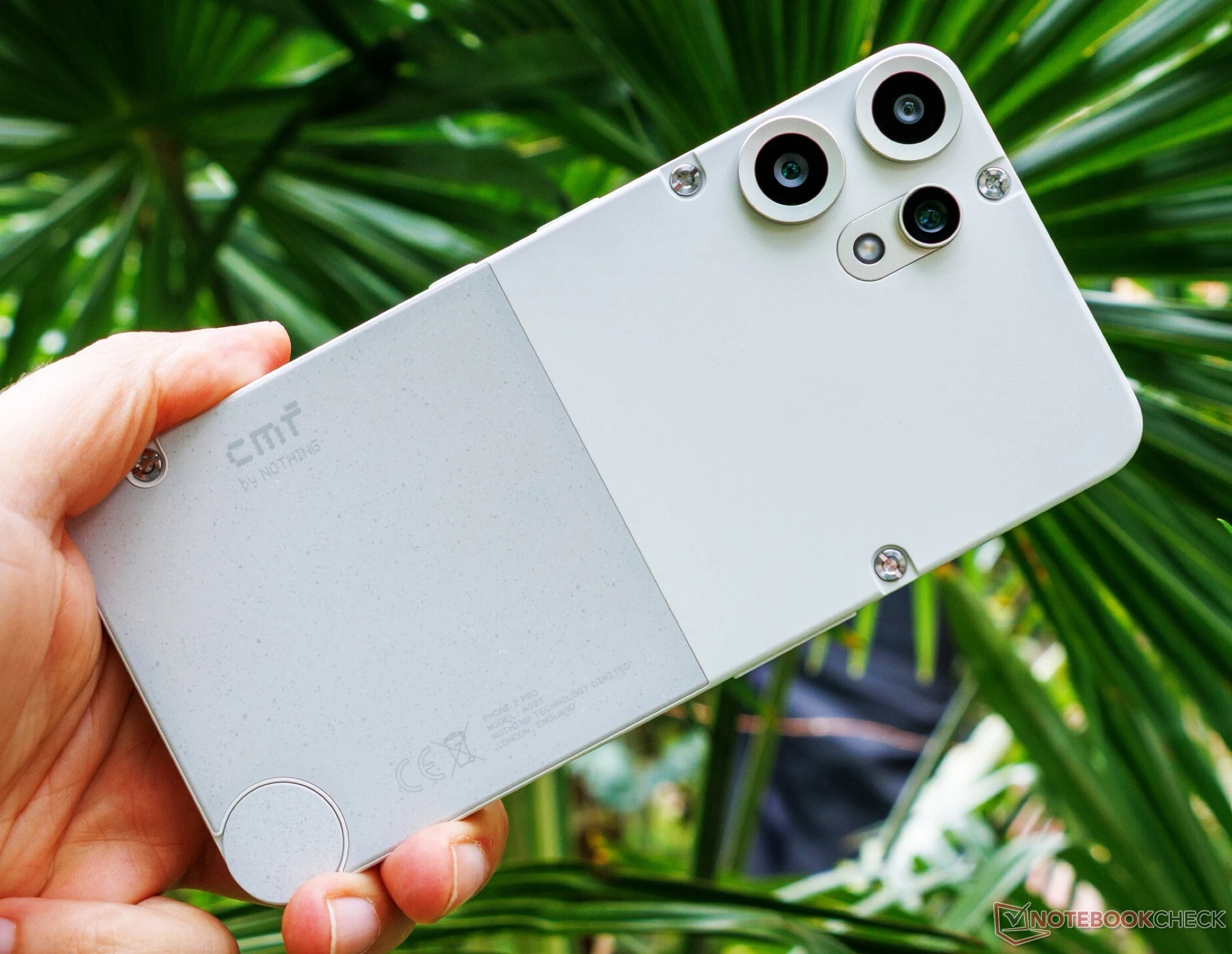
  • Affordable Nothing CMF Phone Hit by DRAM Crisis

    Affordable Nothing CMF Phone Hit by DRAM Crisis

    Key Takeaway

    – CMF Phone 2 Pro removed from Nothing’s official website due to rising DRAM/NAND costs.
    – No new CMF Phone will launch in 2026; high memory prices prevent delivering better specs at a budget price.
    – Nothing will focus on other CMF product categories less affected by the DRAM crisis.
    – Nothing Phones are unaffected, as their higher price points allow for offsetting memory cost increases.
    – The DRAM crisis is expected to last several years; last year’s models are a better buy for affordable mid-range phones.


    The dram crisis is not only making mid-range and flagship smartphones more expensive. The rapidly rising costs of RAM and flash storage are even more noticeable in cheaper models. Nothing is now responding by removing the affordable CMF Phone 2 Pro from its lineup. The device can still be found at some retailers, but it is no longer listed on Nothing’s official website.

    Confirmation from Nothing’s Co-Founder

    Nothing co-founder Akis Evangelidis also confirmed in the X post embedded below that no new CMF Phone will launch in 2026. Nothing had been working on a successor to the CMF Phone 2 Pro, but given the very high prices for DRAM and NAND, the company simply would not be able to bring a smartphone to market that offers better specs than the CMF Phone 2 Pro while still being priced appropriately for Nothings budget CMF sub-brand.

    Strategic Shift to Other Products

    Instead, Nothing plans to focus on other product categories and launch several new CMF products that are not as heavily affected by the dram crisis. This change in plans only affects CMF Phones, not Nothing Phones, which are usually positioned at somewhat higher prices and therefore have more room to offset higher memory costs either through hardware compromises or a price increase. The DRAM crisis is expected to last for several more years, so anyone looking for an affordable mid-range smartphone in the coming months may be better off considering last years models rather than waiting for new ones.

    Akis Evangelidis (X)

    Sources
  • Even before price hikes: How overpriced Apple’s RAM and SSD are

    Even before price hikes: How overpriced Apple’s RAM and SSD are

    Key Takeaway

    – Apple confirmed unavoidable price hikes due to the DRAM crisis.
    – Apple can absorb the cost increases thanks to historically high profit margins on RAM and SSDs.
    – Apple charges roughly double for RAM and triple for SSDs compared to open-market prices.
    – Price increases are primarily to protect profit margins, not to cover costs.


    Apple-CEO Tim Cook has officially confirmed

    That price increases due to the DRAM crisis would be “unavoidable,” after the costs of RAM and NAND flash memory have risen dramatically since last October. Yet Apple would be well-equipped to weather crises thanks to its formerly extremely high profit margins on RAM and SSDs.

    Comparison of Apple’s current RAM and SSD prices

    As a comparison of Apple’s current RAM and SSD prices with those of brand-name products on the open market shows, a price increase would by no means be necessary to cover costs, meaning that Apple would primarily be using higher prices to protect its profit margins. Since M.2 SSDs and RAM on SO-DIMMs are not technically identical to Apple’s soldered chips, this comparison serves only as a rough guide to contrast current DRAM and NAND prices with the upgrade costs in the Apple Store.

    Apple still charges roughly twice as much

    As the comparison shows, Apple still charges roughly twice as much for most RAM upgrades as one would pay on the open market. The difference is even more striking when it comes to flash storage. While a 4 TB M.2 PCIe 4.0 SSD from a brand-name manufacturer currently costs around $459, Apple charges $1,200.

    Apple has not yet confirmed

    Apple has not yet confirmed how much the planned price increases will be. What is certain, however, is that Apple is achieving very high profit margins on RAM and SSD upgrades even without price increases, despite the DRAM crisis.

    Sources
  • MSI Claw 8 EX AI+ Price Revealed with Arc G3 Extreme

    MSI Claw 8 EX AI+ Price Revealed with Arc G3 Extreme

    Key Takeaway

    – MSI Claw 8 EX AI+ priced at $1,799.99 (MSI Store) and $1,699 (Newegg).
    – Significantly more expensive than the previous MSI Claw 8 AI+ model ($1,119).
    – Features Intel Arc B390 GPU, making it one of the most powerful handhelds available.
    – Includes an 80 Wh battery, 120 Hz 8-inch display, Hall-effect triggers/sticks, and Thunderbolt 4 ports.
    – Price increase attributed to the DRAM crisis; device costs as much as a mid-range gaming laptop.


    Pricing Finally Revealed

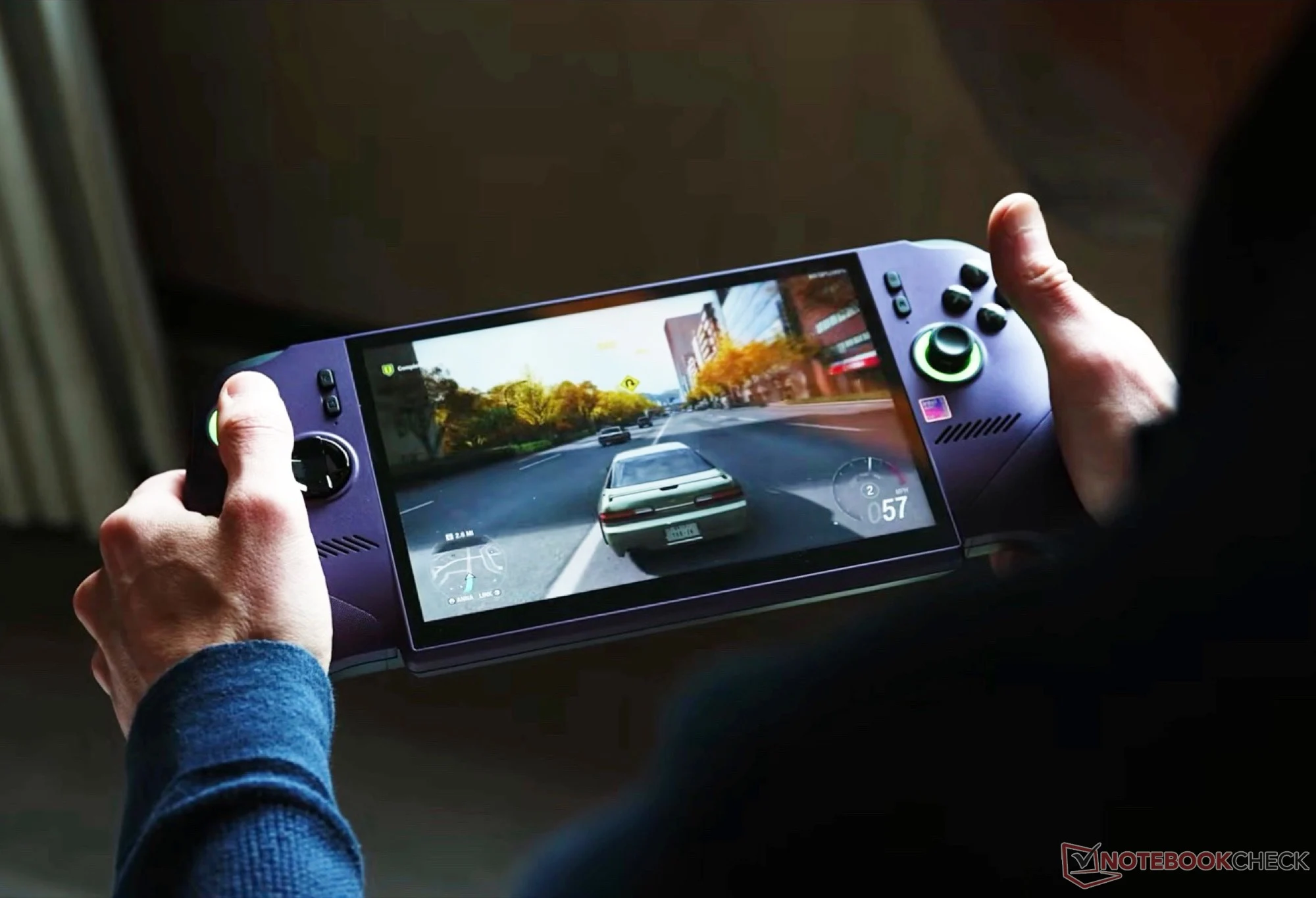
    The MSI Claw 8 EX AI+ was officially unveiled at Computex in early June, though MSI had not yet confirmed any pricing details at launch. Finally, the MSI Store confirms the price, but its anything but affordable. Thats because the MSI Claw 8 EX AI+ with Intel Arc G3 Extreme, 32 GB of LPDDR5x-8,533 RAM, and a 1 TB SSD costs $1,799.99.

    Retailers such as Newegg list the same model for $1,699. This makes the new model significantly more expensive than the older MSI Claw 8 AI+ ($1,119 on Amazon), which features an Intel Core Ultra 7 258V with 32 GB of RAM and a 1 TB SSD. The higher list price is likely due in no small part to the DRAM crisis. Those willing to pay the price of a mid-range gaming laptop for a gaming handheld should at least recieve top-notch specs.

    Display and Controls Excellence

    Because with the Intel Arc B390, the device is among the most powerful handhelds on the market. The 8-inch display offers a resolution of 1,920 x 1,200 pixels, a refresh rate of 120 Hz, and a decent brightness of 500 nits; it can fully display the sRGB color space. The triggers and analog sticks use Hall-effect sensors to prevent stick drift.

    MSI has equipped the device with an exceptionally large 80 Wh battery, which can be charged via USB-C at up to 65 watts. The Windows handheld can be easily transformed into a desktop PC via the two Thunderbolt 4 ports when connected to a docking station.

    Connectivity and Portability

    Wi-Fi 7, Bluetooth 6.0, a microSD Express slot, a 3.5 mm headphone jack, and 2 x 2-watt stereo speakers round out the features of this 784-gram gaming handheld.

    • Intel Arc B390 processor
    • 32 GB LPDDR5x-8,533 RAM
    • 1 TB SSD
    • 8-inch display, 120 Hz, 500 nits
    • 80 Wh battery, 65W USB-C charging
    • Two Thunderbolt 4 ports
    • Wi-Fi 7 and Bluetooth 6.0
    • MicroSD Express slot
    • 3.5 mm headphone jack
    • 2 x 2-watt stereo speakers
    • Weight: 784 grams


  • AMD RDNA 5 Gaming GPUs Launch Possibly Delayed to 2028

    AMD RDNA 5 Gaming GPUs Launch Possibly Delayed to 2028

    Key Takeaway

    – AMD Radeon RX 9070 and 9070 XT launched spring 2025, followed by a DRAM crisis.
    – No RDNA 5 gaming GPUs expected until 2027–2028, a three-year gap from the RX 9070 XT.
    – Traditional two-year GPU launch cycle is obsolete.
    – High demand from AI companies (OpenAI) prioritizes profitable server chips over gaming GPUs.
    – Global chip production overload delays new gaming hardware.


    Next-Gen AMD Gaming GPUs Delayed to 2027

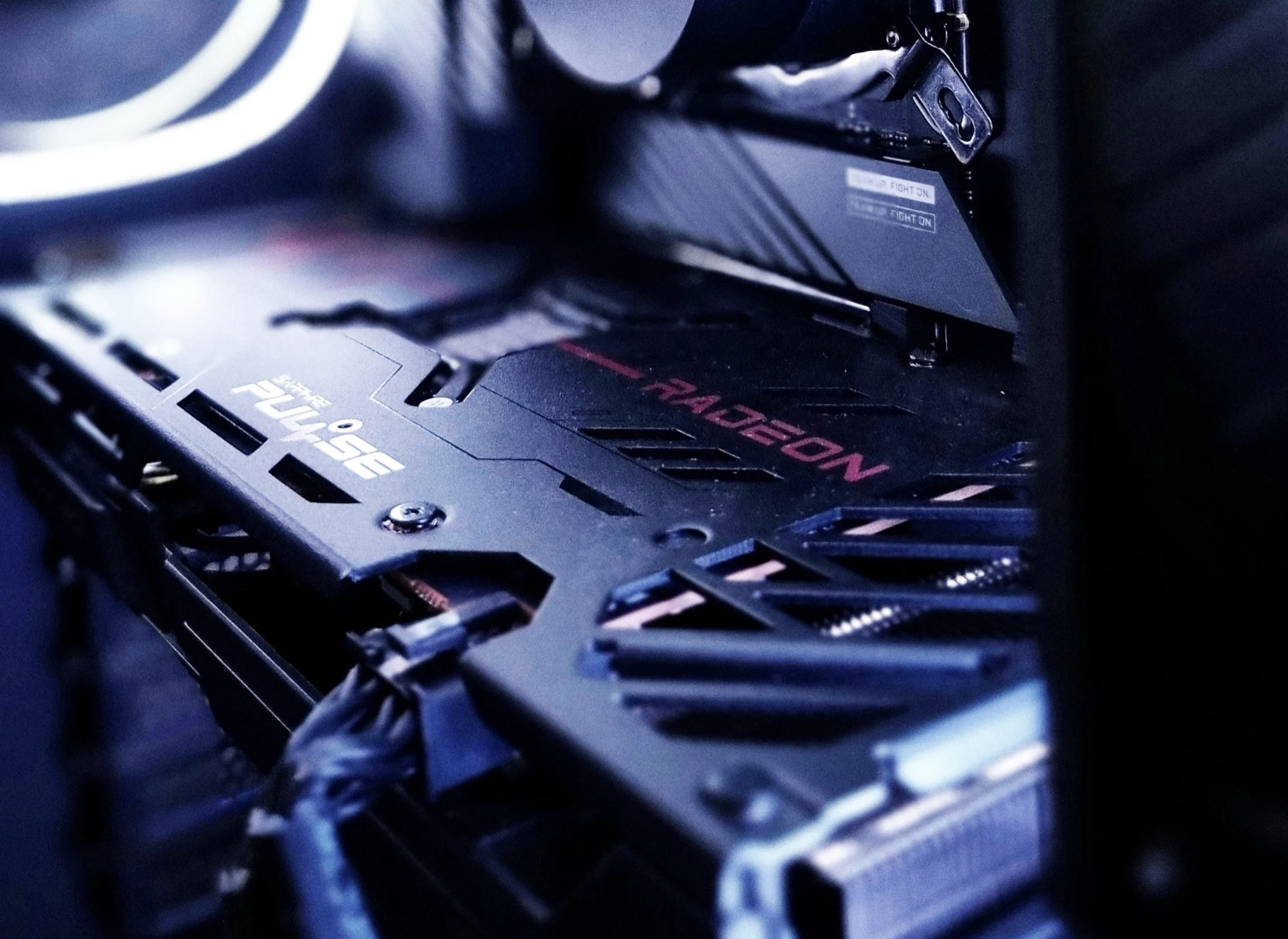
    The AMD Radeon RX 9070 and Radeon RX 9070 XT were launched in spring 2025, only shortly after Nvidia GeForce RTX 5000. In the second half of 2025, the DRAM crisis hit and not only drove up the prices of RAM, SSDs and graphics cards, but also caused the cancellation of Nvidia GeForce RTX 5000 Super. It seems that gaming enthusiasts will also have to wait a while longer for the next generation of AMD graphics cards.

    Board Partners Speak at Computex

    Tweakers spoke to several board partners who sell AMD Radeon desktop graphics cards at Computex in Taiwan. Some board partners expect the first gaming graphics cards based on the AMD RDNA 5 architecture to ship in the second or third quarter of 2027, while others said they are more likely to ship in late 2027 or early 2028. This means that there could be three years between the launch of the Radeon RX 9070 XT and its successor.

    Traditional Launch Cycles Are Over

    The usual launch cycle, in which graphics cards are first launched on the market, followed by a refresh a year later and a successor two years later, is therefore a thing of the past. The reason for the delays is the extremely high demand for chips and DRAM from AI giants such as OpenAI – selling expensive server processors and GPUs brings more profit, and as global production capacities for computer chips are currently overloaded, it hardly makes sense for companies such as Nvidia and AMD to bring “cheap” gaming products onto the market and no longer produce as many expensive server chips.


    Sources
  • Intel Combats DRAM Shortage Using Less, Older Memory

    Intel Combats DRAM Shortage Using Less, Older Memory

    Key Takeaway

    – AI giants like OpenAI and Anthropic are consuming most DRAM capacity, driving up consumer prices for PCs and laptops.
    – Intel is addressing the DRAM crisis by keeping Raptor Lake (with DDR4 support) active for cheaper memory options.
    – Wildcat Lake targets the low-end market with 8 GB single-channel DDR4, while Raptor Lake covers mid-to-high segments.
    – Intel is validating more RAM suppliers, including from China and Indonesia, to offer cheaper alternatives.
    – The DRAM crisis is expected to last until at least 2028, making further price increases likely.


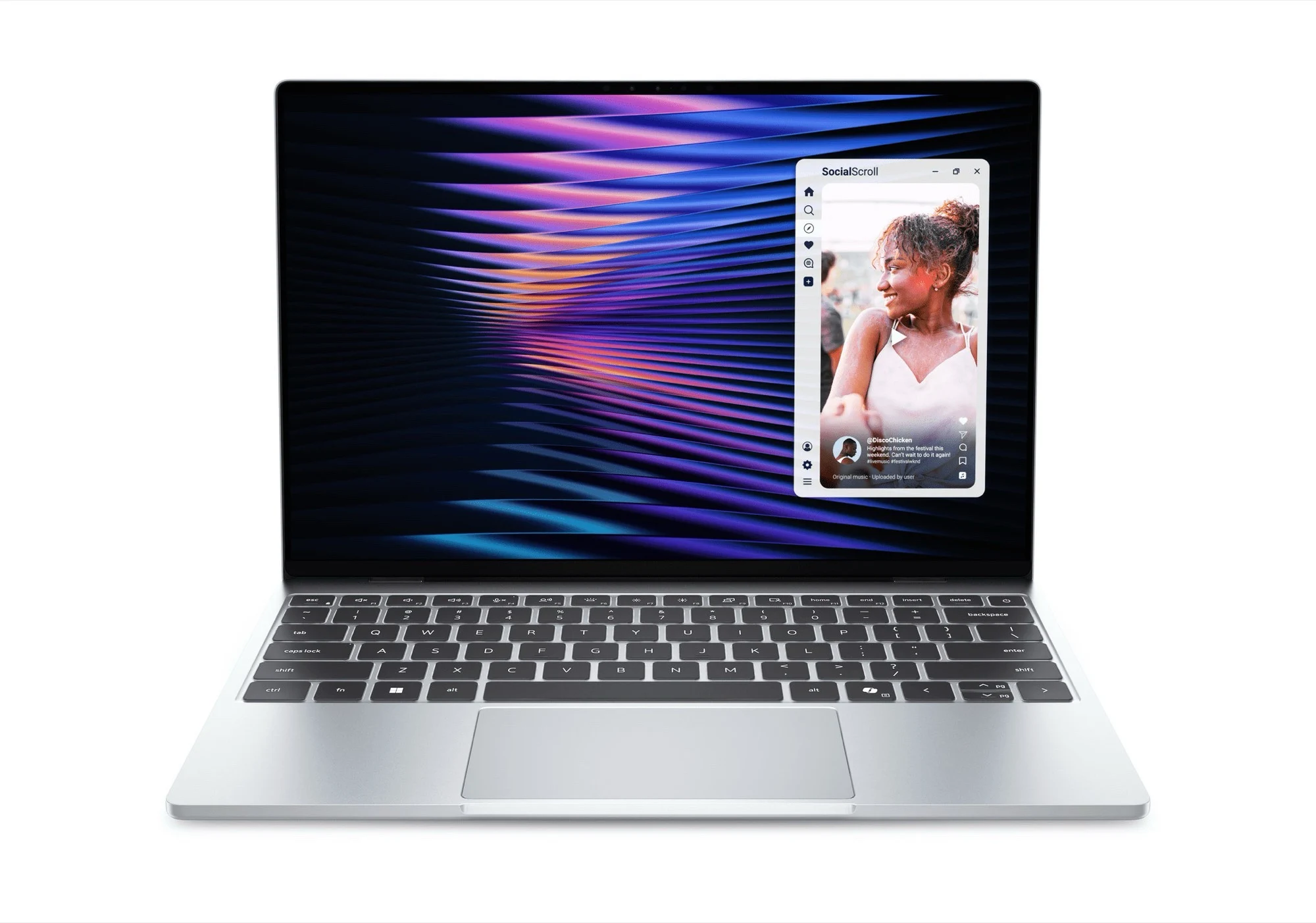
    So the big AI companies like OpenAI and Anthropic are hogging all the worlds DRAM capacity, leaving consumers to pay through the nose for the scraps left over for PCs, laptops, and gaming handhelds. The market has already reacted to this, because after the Apple MacBook Neo, the new Dell XPS 13 now only comes with 8GB RAM, while Acer has even hinted at laptops with only 4GB RAM.

    Intel’s Answer to the DRAM Shortage

    Intel spoke to Tom’s Hardware about the DRAM crisis. According to this, Wildcat Lake in the lower price segment and Raptor Lake in the mid to higher price segment would currently be the answer to the crisis, because while Wildcat Lake is often offered with 8GB RAM in a single-channel configuration, while Raptor Lake still supports DDR4, both in desktop and laptops. The older RAM standard is currently somewhat cheaper, as a kit with 2 x 16GB DDR4 RAM sticks currently costs $199, while DDR5 costs $449.

    Raptor Lake Is Here to Stay

    Intel says Raptor Lake is far from being phased out and they plan to keep offering processors which support older RAM standards for as long as that makes sense. Intel is also collaborating with more RAM suppliers, including from China and Indonesia, to approve as many products as possible and offer customers a wider selection of potentially cheaper memory.

    Future Price Hikes Likely

    With these steps Intel can at best dampen the price increases, but if the DRAM crisis continues at least until 2028 as expected, further price increases are unlikely to be avoidable. Intel, via Tom’s Hardware

    Sources
  • Acer Hints at 4GB RAM Laptop Comeback with Cost Cuts

    Acer Hints at 4GB RAM Laptop Comeback with Cost Cuts

    Key Takeaway

    – The MacBook Neo offers premium build and features (aluminum chassis, 500 nits display, large multi-touch trackpad) at a mid-range price, but relies on a smartphone-class processor with only 8 GB RAM.
    – Snapdragon-based laptops (including upcoming Snapdragon C) target sub-$300 price points, likely sacrificing chassis quality and displays to achieve the low cost, with uncertain performance.
    – RAM and storage costs (8 GB RAM, 512 GB SSD) and DRAM market pressures could influence the appeal and value of these budget laptops in the near term.


    Overview

    The Apple MacBook Neo competes with mid-range laptops with Windows – Apple uses a smartphone processor and only 8 GB of RAM, but offers a high-quality aluminum chassis, a 500 nits bright display and a large multi-touch trackpad, which is rarely found in this price range. There is some intrigue around how this device stacks up against more traditional notebooks, especially given the emphasis on build quality and display brightness. In this space, consumers may weigh the premium feel against overall performance, portability, and battery life in daily tasks.

    Pricing and Potential Competition

    While some laptops with Qualcomm Snapdragon X are already available at a similar price to the MacBook Neo, the brand new Qualcomm Snapdragon C will enable even more affordable laptops, which will be offered at prices starting at around $300. It is still unclear how much performance buyers will get for this price, as Qualcomm has not published any details about the chip’s specifications or even benchmarks for the launch. There is probably no way around a plastic chassis and modest display for a $300 laptop. As a result, buyers might need to temper expectations regarding sustained performance and expansion options in this segment.

    Memory and Storage Notes

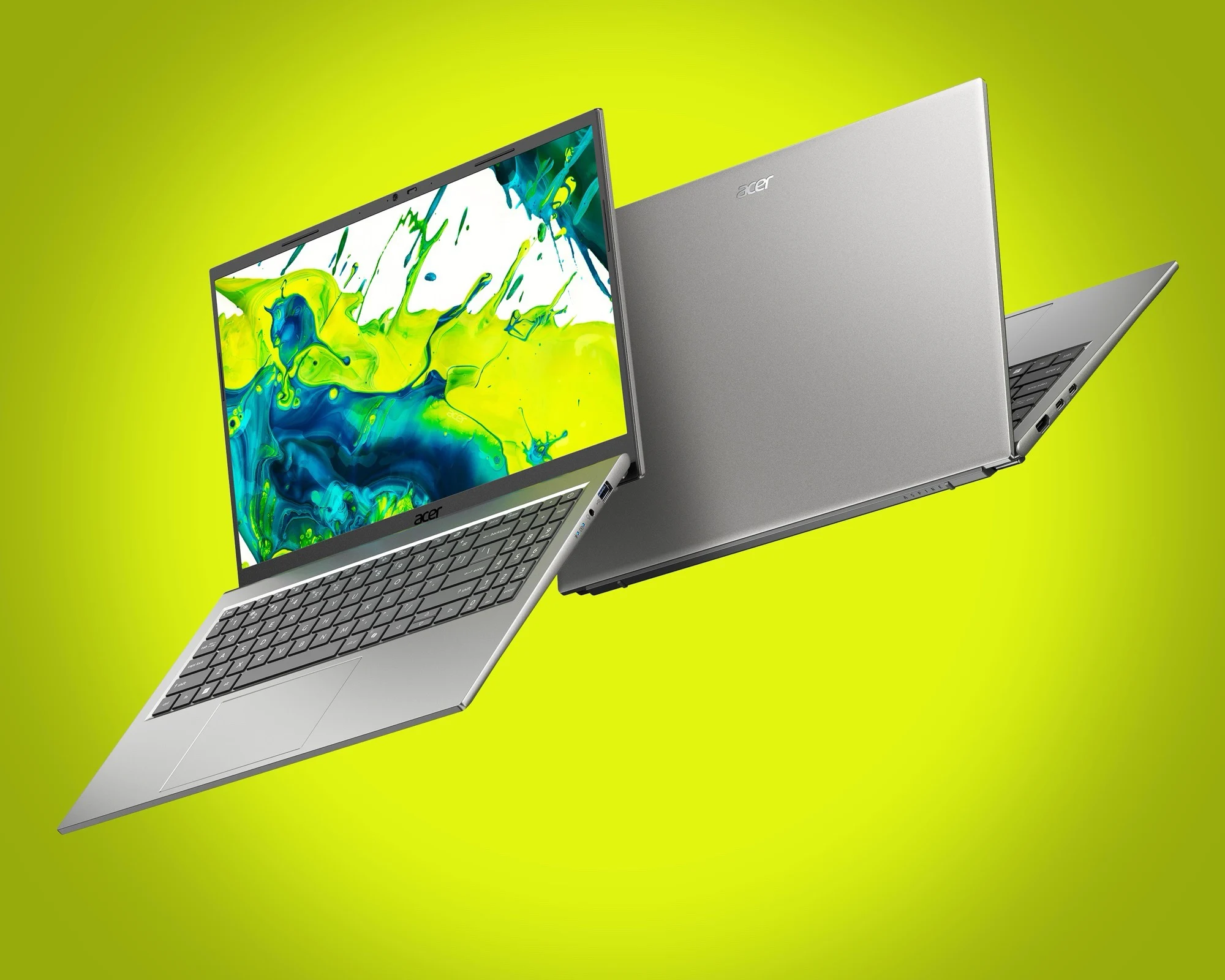
    However, the memory configuration could also evoke memories of netbooks. The data sheet for the Acer Aspire Go 15, the first laptop with Snapdragon C, states that the laptop comes with “up to” 8 GB of RAM and an “up to” 512 GB SSD. According to Microsoft, Windows 11 also runs on laptops with only 4 GB RAM and a 64 GB SSD. With 8 GB of laptop RAM already costing around $120 due to the DRAM crisis, it is not difficult to understand why $300 laptops could save money in this area in particular. The DRAM crisis could make cheap laptops far less attractive over the next few years.

    Acer

    In this landscape, Acer is one of the brands experimenting with compact, affordable hardware configurations that aim to balance price with the practical needs of everyday computing. Such approach could appeal to students, travelers, or casual users who prioritize portability and longer battery life over raw performance. The evolving market dynamics around RAM costs and mobile chip efficiency will likely influence how aggressive manufacturers can be with entry-level pricing while offering usable multitasking experiences.


    Sources

  • Rising DRAM Costs Expected to Decrease Smartphone Production

    Rising DRAM Costs Expected to Decrease Smartphone Production

    Key Takeaways

    1. The ongoing DRAM crisis is driving up prices for RAM, SSDs, and hard drives, making devices more expensive.
    2. The percentage of production costs for RAM and flash storage in smartphones is expected to rise from 10-15% to 30-40% in 2026.
    3. Smartphone prices may increase as manufacturers face higher production costs, especially impacting budget-friendly models.
    4. Global smartphone production is projected to decline by 10% to around 1.135 billion units in 2026, with a possible drop exceeding 15%.
    5. Chinese smartphone makers will be most affected, while companies like Apple and Samsung may manage the crisis better due to their pricing strategies and in-house production capabilities.


    The ongoing DRAM crisis is causing a rise in the prices of RAM, SSDs, and hard drives. This situation is also affecting the costs of DRAM and NAND chips for manufacturers of laptops and smartphones. As a result, many devices are becoming more expensive. A recent report from TrendForce highlights that the price for a standard smartphone setup featuring 8 GB of RAM and 256 GB of flash storage has surged by 200% since the first quarter of 2025.

    Rising Production Costs

    Last year, RAM and flash storage represented merely 10 to 15% of the production expenses for an average smartphone. However, this year, it’s projected that these components will account for 30 to 40% of total costs. Price hikes are anticipated throughout 2026, as the DRAM situation is likely to deteriorate due to increasing demand from AI companies. For many manufacturers, raising smartphone prices for consumers may become unavoidable. This is especially true for budget-friendly mid-range smartphones, which generally have lower profit margins compared to premium models.

    Impact on Smartphone Production

    According to TrendForce experts, global smartphone production is expected to fall by 10% to around 1.135 billion units in 2026. Depending on how prices for RAM and storage develop, the decline could exceed 15%. Smartphone makers in China are predicted to feel the most impact, while Apple, with the relatively higher price of the iPhone 17, has more flexibility to manage the increased production costs. In addition, Samsung, which produces its own RAM and storage, is forecasted to navigate the crisis more effectively.

    Source:
    Link


  • Apple iPhone 18 Pro Max Price Predictions Amid RAM Crisis

    Apple iPhone 18 Pro Max Price Predictions Amid RAM Crisis

    Key Takeaways

    1. iPhone 17 Pro may see a price increase due to rising RAM and storage costs.
    2. The Apple A20 Pro processor for the iPhone 18 Pro will likely be more expensive due to advanced manufacturing processes.
    3. Apple might accept lower profit margins to maintain prices for the iPhone 18 Pro and Pro Max.
    4. Expected pricing for the iPhone 18 Pro (256GB) is $1,099 and $1,199 for the iPhone 18 Pro Max.
    5. Apple could negotiate with suppliers and find cost-cutting measures for components like displays and cameras.


    Over the last few weeks, there have been whispers that the next version of the iPhone 17 Pro might come with a higher price tag. Reports indicate that Apple’s RAM expenses have doubled because of the ongoing DRAM crisis, and prices for NAND flash storage are also on the rise.

    Rising Processor Costs

    Moreover, the anticipated Apple A20 Pro processor that will likely drive the iPhone 18 Pro could be much pricier than the Apple A19 Pro. This increase is due to the new chipset being built on TSMC’s advanced 2nm manufacturing process in Taiwan. According to MacRumors, analyst Jeff Pu suggests that Apple might take on these elevated costs and settle for lower profit margins. As a result, it seems that the starting prices for the iPhone 18 Pro and iPhone 18 Pro Max will remain the same as those of the iPhone 17 Pro and iPhone 17 Pro Max.

    Pricing Expectations

    If these assertions hold water, the iPhone 18 Pro featuring 256GB of storage would be priced at $1,099, while the iPhone 18 Pro Max with the same storage would come in at $1,199 in the US. To minimize the effect of rising costs on profit margins, Apple could push hard in negotiations with suppliers, particularly with DRAM manufacturers like SK hynix and Samsung. There are also indications that Apple might have discovered ways to cut costs on other essential components, such as the display and cameras. The iPhone 18 series is expected to make its debut in September.

    Source:
    Link


  • Apple Faces DRAM Crisis, iPhone 18 Price Hike Expected

    Apple Faces DRAM Crisis, iPhone 18 Price Hike Expected

    Key Takeaways

    1. Apple faces supply agreement issues with DRAM suppliers Samsung and SK Hynix, affecting production capabilities.
    2. The company has secured a Long-Term Agreement for DRAM supply lasting until the first half of 2026 but couldn’t finalize its usual annual deal.
    3. The iPhone 18 series is set to launch in September 2023, with potential price increases due to the DRAM shortage.
    4. Apple plans to stagger the release of the iPhone 18 models, with some expected releases pushed to 2027.
    5. Significant DRAM price increases of up to 70% and NAND flash prices up to 100% are predicted, impacting Apple’s product pricing.


    It was just a matter of time before the current DRAM shortage would start affecting Apple and their production capabilities. According to a recent report from a Korean news source, the tech giant from Cupertino has struggled to finalize its usual agreements with DRAM suppliers Samsung and SK Hynix, which might lead to increased prices for the upcoming iPhone 18 series and other Apple gadgets.

    Supply Agreement Issues

    The report from ZDNet Korea reveals that Apple has only managed to secure a Long-Term Agreement (LTA) for DRAM supply that will last until the first half of 2026. The company relies on SK Hynix and Samsung for its DRAM needs, and due to the ongoing memory crisis, Apple couldn’t get its normal annual deal. As a result, the anticipated iPhone 18 series, set to launch in September this year, may face a price increase.

    Upcoming Launches

    It seems that Apple is planning to stagger the release of the iPhone 18 series, introducing the iPhone 18 Pro, Pro Max, and Fold this year. However, the base iPhone 18 and iPhone 18e are expected to be released in 2027, along with the iPhone Air 2. There’s a chance that some of these models might not have a higher price at launch. Likewise, Apple may manage to roll out the iPhone 17e, M5 Pro, and M5 Max MacBook Pro models without the added DRAM cost.

    Price Increase Predictions

    A previous leak from a well-known insider, which referenced data from research company Omdia, indicated potential price hikes of 70% for DRAM (LPDDR) and about 100% for NAND flash. Another source suggested that the prices for 12GB LPDDR5X RAM chips jumped from $25 to $29 to around $70 due to surging demand. Like many other manufacturers, Apple is not immune to these trends, and customers might start feeling the effects as soon as September this year.


    Source:
    Link