Tag: SSD

  • Even before price hikes: How overpriced Apple’s RAM and SSD are

    Even before price hikes: How overpriced Apple’s RAM and SSD are

    Key Takeaway

    – Apple confirmed unavoidable price hikes due to the DRAM crisis.
    – Apple can absorb the cost increases thanks to historically high profit margins on RAM and SSDs.
    – Apple charges roughly double for RAM and triple for SSDs compared to open-market prices.
    – Price increases are primarily to protect profit margins, not to cover costs.


    Apple-CEO Tim Cook has officially confirmed

    That price increases due to the DRAM crisis would be “unavoidable,” after the costs of RAM and NAND flash memory have risen dramatically since last October. Yet Apple would be well-equipped to weather crises thanks to its formerly extremely high profit margins on RAM and SSDs.

    Comparison of Apple’s current RAM and SSD prices

    As a comparison of Apple’s current RAM and SSD prices with those of brand-name products on the open market shows, a price increase would by no means be necessary to cover costs, meaning that Apple would primarily be using higher prices to protect its profit margins. Since M.2 SSDs and RAM on SO-DIMMs are not technically identical to Apple’s soldered chips, this comparison serves only as a rough guide to contrast current DRAM and NAND prices with the upgrade costs in the Apple Store.

    Apple still charges roughly twice as much

    As the comparison shows, Apple still charges roughly twice as much for most RAM upgrades as one would pay on the open market. The difference is even more striking when it comes to flash storage. While a 4 TB M.2 PCIe 4.0 SSD from a brand-name manufacturer currently costs around $459, Apple charges $1,200.

    Apple has not yet confirmed

    Apple has not yet confirmed how much the planned price increases will be. What is certain, however, is that Apple is achieving very high profit margins on RAM and SSD upgrades even without price increases, despite the DRAM crisis.
    Sources
  • DRAM Crisis: EU RAM & SSD Prices Rise Slightly in June

    DRAM Crisis: EU RAM & SSD Prices Rise Slightly in June

    Key Takeaway

    – AI-driven demand has caused DRAM and SSD prices to surge dramatically since October 2025.
    – After prices more than quadrupled by January 2026, they have largely stagnated, with only 1% monthly increases recently.
    – DDR5 industrial costs keep rising, but consumer prices are stable due to high inventories and weak demand.
    – DDR3 and DDR4 prices fell slightly in June, making older memory a better value.
    – M.2 SSDs cost about double last year’s prices, with large 8TB DRAM-cached models spiking 24% in June.


    Memory Market Sees Stalled Growth After Massive Surge

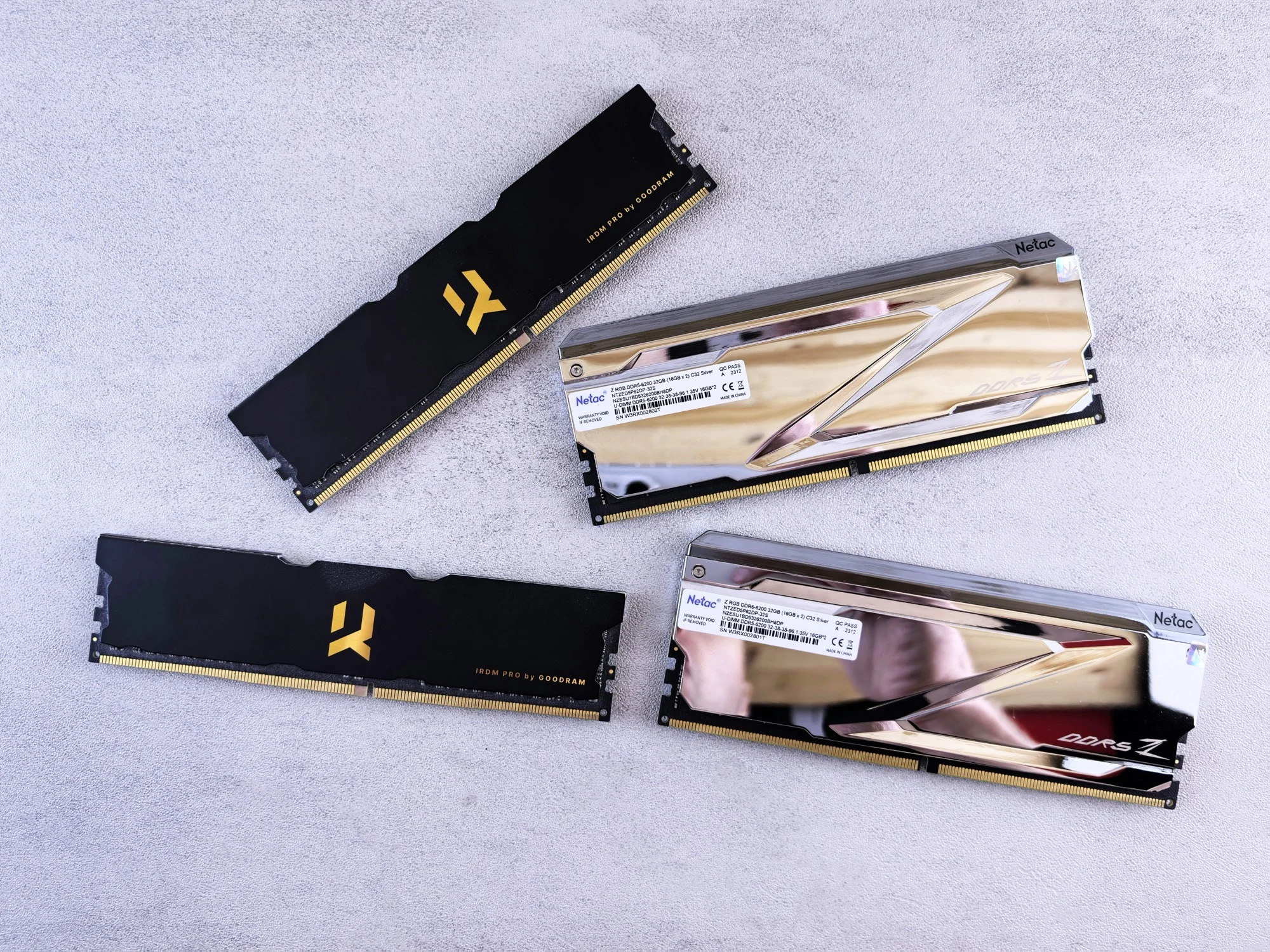
    Since October 2025, big AI names like OpenAI have been driving up demand for DRAM and NAND flash memory, causing prices for RAM and SSDs to skyrocket. 3D Center has kept a close eye on RAM prices in the German retail market from the start, tracking the costs of various memory kits to show how they’ve shifted throughout this period.

    Price Movements in 2026 Show a Mixed Bag

    After costs more than quadrupled between September 2025 and January 2026, they’ve essentially flatlined. In March, prices actually fell by 7 percent; in April, there was no change; and in May and now also in June, average DDR5 RAM prices have crept up by 1 percent each month. While DRAM costs for industrial buyers have kept climbing over recent months, these hikes haven’t trickled down to regular shoppers yet.

    DDR4 and DDR3 Offer Better Value Right Now

    Prices for DDR3 and DDR4 memory actually dropped a bit in June and are now “only” a little over three times what they were last year. For anyone on a DDR4-compatible platform, it’s currently smarter to stick with that older memory standard. M.2 SSDs now cost roughly twice as much as they did a year ago, with a modest 1.8 percent average rise in June, though large 8 TB SSDs with DRAM cache have gotten 24 percent pricier, hitting a minimum of €1,029; an 8 TB WD_Black SN850X even rings in at $1,499 in the US.

    Consumer Market Remains Stable Despite Industrial Pressures

    Even though industrial customers are facing ongoing cost increases, end consumers are seeing a different story. This is likely tied to high inventory piles and weak demand, plus the fact that retail prices were raised much faster and steeper at the end of 2025 compared to what industrial clients experienced. Meanhwile, the overall trend shows prices are mostly holding steady after the initial explosive growth from the AI-driven crunch.

    3D Center| Andrey Matveev

    Sources
  • Acer Announces Price Increase for Products Starting February 20

    Acer Announces Price Increase for Products Starting February 20

    Key Takeaways

    1. The tech sector is experiencing a significant memory shortage, causing rising prices for RAM, SSDs, and GPUs.
    2. Acer plans to increase prices for its PC products starting on February 20, 2026, with purchases before February 19 remaining at current prices.
    3. The price rise is attributed to increasing costs for memory and SSDs, affecting products sold through Acer’s official online store.
    4. It is uncertain if the price hike will be global or limited to Japan, as the announcement was made via Acer’s Japanese account.
    5. Products likely to see price increases include laptops, tablets, and pre-built gaming PCs, while peripherals are expected to remain unaffected.


    The tech sector is facing a serious memory shortage, with prices for RAM, SSDs, and GPUs rising sharply in recent months due to high demand and limited supply. Many brands have already adjusted their prices, and Acer is set to follow suit.

    Upcoming Price Increase Announcement

    Acer announced on its Predator Gaming JPN X account that it will be increasing the prices of its PC products starting on February 20, 2026. Customers have a brief opportunity to purchase items at current prices, as any buys made before February 19 will remain unaffected.

    Reasons Behind the Price Rise

    In their post, Acer cited increasing costs for memory and SSDs as the primary factors for this change. The company mentioned that it will update prices for products sold through its official online store, while also indicating that some items might not see any price change.

    Uncertainty About Global Impact

    Currently, it’s unclear if this price hike will be global or limited to Japan. Since the announcement was made via Acer’s Japanese account, it’s possible the increase is specific to that region. However, considering the widespread memory shortage, it wouldn’t be surprising to see similar price adjustments in other countries.

    While the specific products affected by this increase are not yet known, it’s reasonable to assume that items containing RAM or storage—like laptops, tablets, and pre-built gaming PCs—will see price increases. Peripherals are likely to be unaffected, as they do not rely on memory or storage components.

    Source:
    Link


  • Tim Sweeney: RAM Price Hike Crisis Is Here to Stay

    Tim Sweeney: RAM Price Hike Crisis Is Here to Stay

    Key Takeaways

    1. Rising Prices: SSDs and RAM prices are increasing significantly, making PC gaming less budget-friendly.

    2. Production Shift: Factories are reallocating DRAM production to meet AI demands, reducing the availability of DDR5 for consumer devices.

    3. Impact of AI Projects: OpenAI’s agreements with major chip manufacturers are drastically cutting global DRAM supply, leading to higher consumer prices.

    4. Gamers’ Frustration: Many gamers are expressing dissatisfaction online about the soaring prices of RAM and GPUs, attributing the issue to the demands of AI companies.

    5. Broader Component Effects: Other storage solutions, like SSDs and HDDs, are also facing price increases due to the same supply chain pressures, affecting console prices and future gaming hardware.


    As prices for PC parts keep rising globally, SSDs and RAM are two areas that have seen huge increases and are likely to keep climbing in the near future, making PC gaming a lot less budget-friendly than it once was. Reports show that contract prices for DRAM have gone up by 171%, even beating the recent sharp jump in gold prices. Tim Sweeney, the CEO of Epic Games, shared a tweet expressing concern about RAM prices, saying:

    Factories are shifting their top DRAM production to satisfy AI demands where data centers are offering much higher bids than makers of consumer devices.

    Shift in Production

    While server-grade RDIMM memory and HBM are essential for AI servers, companies are reallocating production to fulfill the rising need for those servers, which is cutting down on DDR5 manufacturing. Sweeney’s remark was a response to a tweet that compared RAM prices from October to current trends. A user noted, “I bought 64GB of RAM four weeks ago for $240,” he said. “That same kit is now priced at $498,” he added, sharing an image showing the price for the kit at $260 on October 13th, which has now jumped to $498.

    Impact of AI Projects

    OpenAI’s “Stargate” initiative has recently made deals with Samsung and SK Hynix for up to 900,000 DRAM wafers each month. This alone reduces the global DRAM supply by 40%, putting consumers at a higher price point, in an industry that takes a long time to adapt to sudden increases in demand. Samsung, SK Hynix, and Micron have all redirected resources to HBM and advanced nodes, making HBM production very profitable. For instance, Micron has already allocated all of its output for 2026 to HBM.

    Gamers Respond

    Gamers around the world have taken to the internet to express their frustrations, with many criticizing how AI companies have pushed high-end GPUs and consumer-grade RAM beyond the reach of the average PC gamer. “I’ve been saving for months to get the Corsair Dominator 64GB CL30 kit,” a Reddit post mentioned. “It was about $280 when I checked,” the post continued, “Now on PCPartPicker, it’s $547 for the same kit? That’s nearly a 100% increase in just a few months!” The comment section is full of backlash against AI firms. Smartphones and consoles also seem to be affected by this shortage, with Microsoft’s Xbox expected to be hit hard due to its memory choices.

    Broader Component Effects

    RAM isn’t the only part feeling the pressure; there are rising reports of storage solutions being impacted globally, with SSDs, HDDs, and MicroSD cards starting to face similar challenges. Microsoft is already contemplating another price increase for its console products, and analysts predict that the Steam Machine will be significantly more expensive than initially thought, depending on the prices of these soaring components at that time.

    Source:
    Link


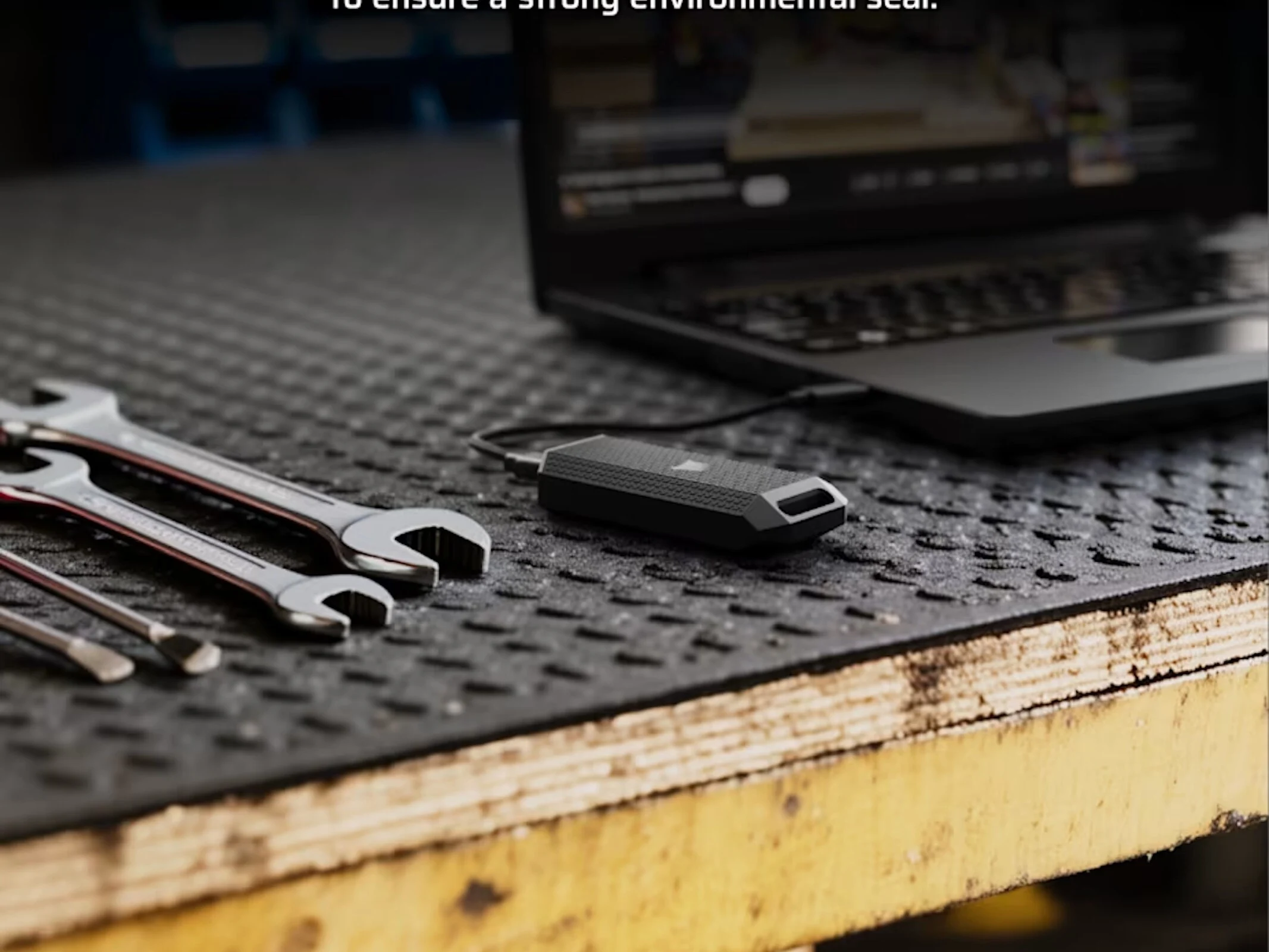
  • Corsair EX400U Survivor: 4TB Rugged USB 4 SSD at 4000MB/s

    Corsair EX400U Survivor: 4TB Rugged USB 4 SSD at 4000MB/s

    Key Takeaways

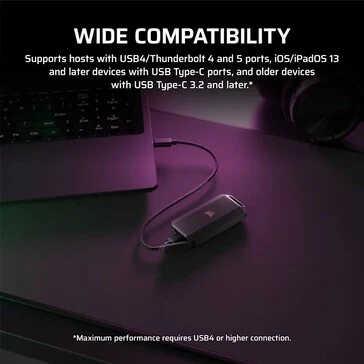
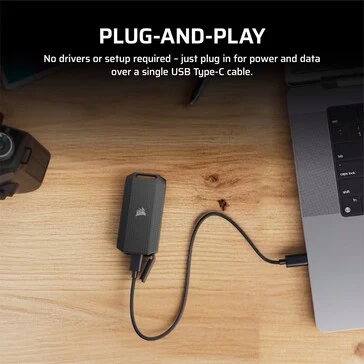
    1. The Corsair EX400U Survivor SSD offers storage options of 1, 2, and 4 terabytes, with prices starting at $145 for the 1 TB model and $410 for the 4 TB version.
    2. It connects via USB 4, achieving data transfer speeds up to 40 GBit/s, with maximum read speeds of 4,000 MByte/s and write speeds of 3,600 MByte/s under ideal conditions.
    3. The SSD is designed to be durable, weighing 149 grams and able to withstand vibrations and physical impacts within certain limits.
    4. It operates effectively in temperatures between 0 to 70 °C and meets IP55 standards for water and dust resistance, although it is not fully waterproof.
    5. The EX400U Survivor comes with a strap for easy attachment to a backpack, enhancing its portability.


    The Corsair EX400U Survivor is a newly released SSD that aims to provide a level of durability. It is currently available in shops, offering storage options of one, two, and four terabytes. The price starts at $145 for the 1 TB model, while the 4 TB version is priced at $410.

    Performance Specifications

    No matter which model you pick, they all promise impressive data transfer rates. The device connects through USB 4, reaching speeds of up to 40 GBit/s. It boasts a maximum read speed of 4,000 MByte/s and a maximum write speed of 3,600 MByte/s. However, it’s important to note that these speeds can only be achieved in ideal conditions, particularly with sequential data transfers. Moreover, the entire data transfer process needs to support such high speeds. For instance, when transferring data from a hard drive, this can quickly become a limiting factor.

    Robust Design

    The EX400U is noted to weigh 149 grams and is marketed as somewhat sturdy. It’s built to endure vibrations and physical impact within certain limits and operates effectively in temperatures ranging from 0 to 70 °C. Corsair claims that the EX400U meets IP55 standards, offering some level of protection against water and dust damage, though it can still suffer serious harm if fully submerged, as IP55 only guarantees defense against water jets. Additionally, the EX400U Survivor can be conveniently attached to a backpack with the included strap.

    Corsair’s

    Source:
    Link


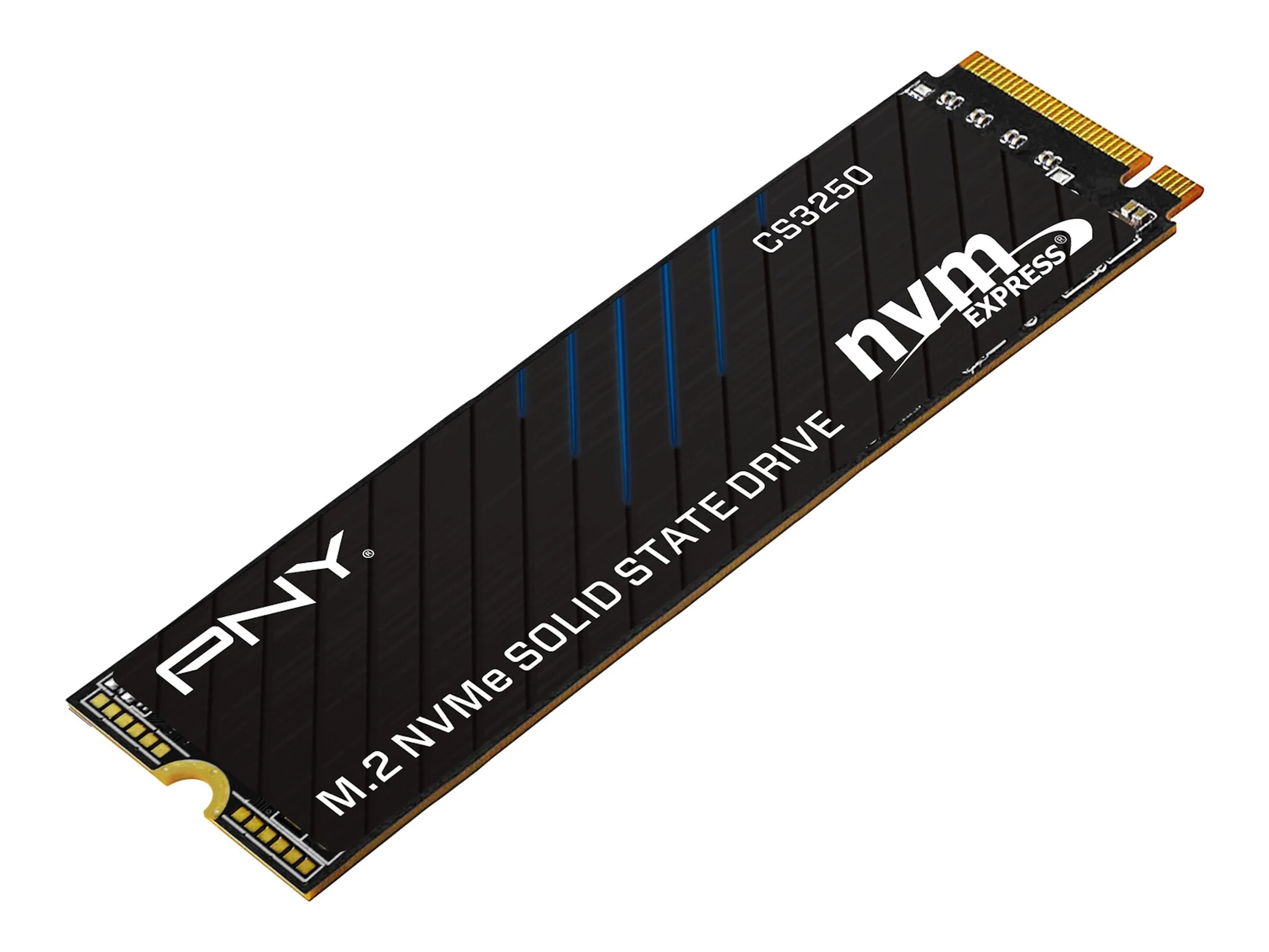
  • PNY CS3250 PCIe 5.0 SSD: Fast Storage in Two Models

    PNY CS3250 PCIe 5.0 SSD: Fast Storage in Two Models

    Key Takeaways

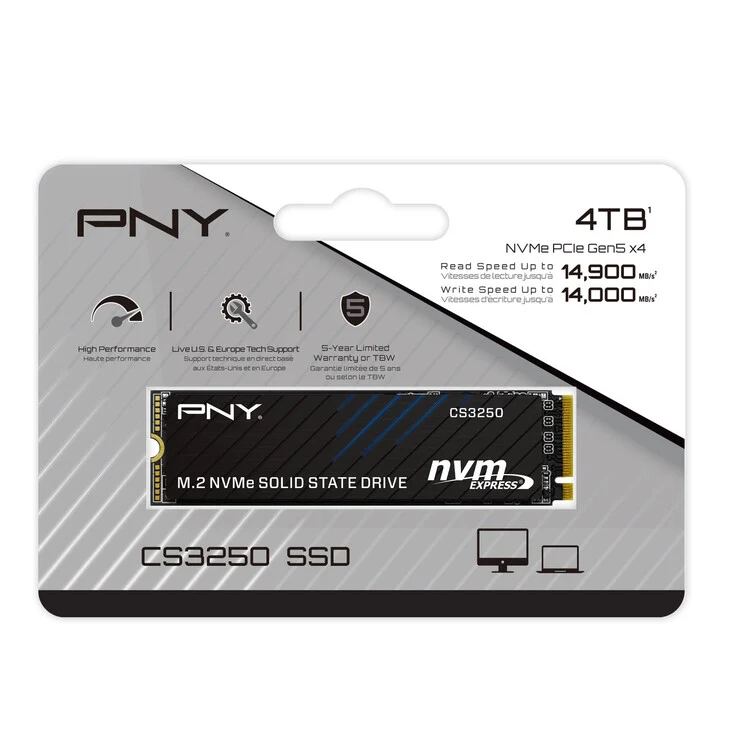
    1. PNY launched the CS3250 SSD, which features high-speed performance with a maximum read speed of up to 14,900 MB/s.
    2. The 1 TB version has a maximum write speed of 13,500 MB/s, while the 2 TB version reaches 14,000 MB/s.
    3. Both models use the M.2 2280 format and connect via four PCIe 5 lanes, allowing for significantly faster transfer rates than PCIe 4.
    4. The durability of the SSD is rated at 1,500,000 operating hours (MTBF), though details on cache are not provided.
    5. Pricing is set at $126 for the 1 TB model and $220 for the 2 TB model, with a 4 TB version expected to launch soon.


    PNY has launched a new SSD called the CS3250, which is quite powerful. This storage device is incredibly fast, though its specific maximum write speed can vary based on the model you choose. For instance, the 1 TB version can achieve a maximum write speed of 13,500 MB/s, which is slightly lower than the 14,000 MB/s that the 2 TB version can offer. However, both models boast a maximum read speed of up to 14,900 MB/s. In real-world use, the difference in write and read speeds between these two models is not likely to be noticeable, as these rates mainly apply to sequential data transfers.

    Specifications and Connectivity

    These storage units come in the widely used M.2 2280 format and connect using four PCIe 5 lanes, which is essential for reaching such high transfer rates; in comparison, PCIe 4 caps out around 8,000 MB/s. Naturally, the SSD incorporates 3D flash cells, yet the manufacturer has not provided detailed information regarding the presence of a cache. If the cache becomes full, there could be a significant drop in data transfer speed. The durability of the SSD is rated at 1,500,000 operating hours (MTBF).

    Pricing and Future Models

    The price for the 1 TB model is set at $126, while the 2 TB model will cost $220. Additionally, a 4 TB version is expected to be released soon, but the exact launch date has not been revealed yet.


  • Adata SR800: Wireless Power Bank & SSD with 2,000 MB/s Speed

    Adata SR800: Wireless Power Bank & SSD with 2,000 MB/s Speed

    Key Takeaways

    1. Combination Device: The Adata SR800 Magnetic Power Bank SSD merges a wireless power bank and a magnetic SSD into a compact and portable accessory.

    2. Magnetic Compatibility: It features a magnetic ring for attachment to iPhones and Qi2-compatible devices, and offers a 5,000 mAh battery with wireless charging up to 15 W.

    3. Modular Design: The SSD can be securely slid into the power bank and used as a removable external drive for laptops, allowing for data backup and high-resolution media capture.

    4. Handy Features: The device includes a built-in kickstand for hands-free use and has compact dimensions, making it easy to carry.

    5. Warranty Information: Adata offers a one-year warranty for the power bank and a five-year warranty for the SSD, although pricing and availability details are not yet disclosed.


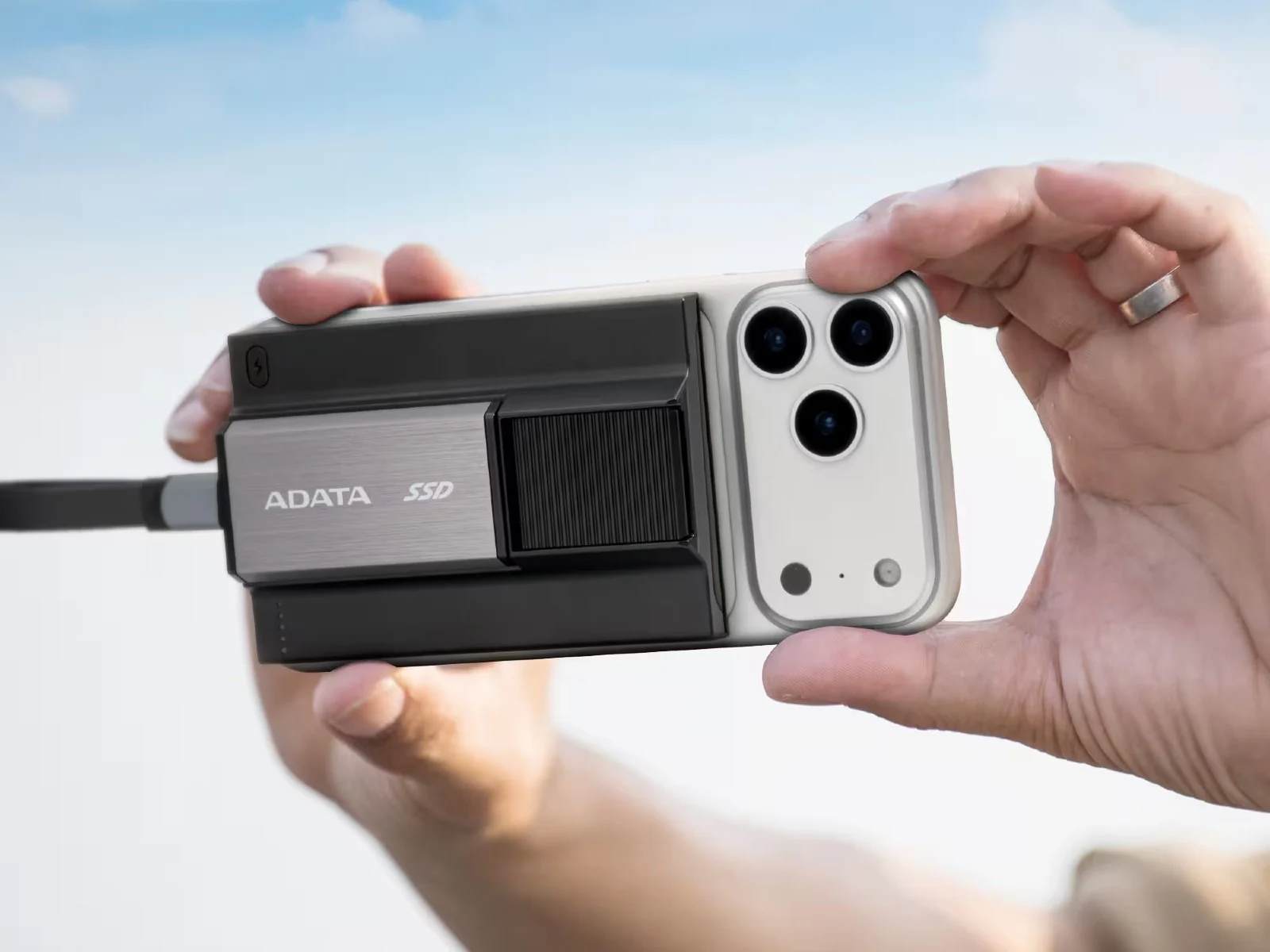
    Adata has launched an innovative accessory aimed at mobile creators. The new SR800 Magnetic Power Bank SSD merges the capabilities of a wireless power bank, similar to the Anker Zolo, and a magnetic SSD, like the Corsair EX400U we previously examined, into a sleek and portable device that weighs less than 200 grams.

    Magnetic Features

    The Adata SR800 is equipped with a magnetic ring, which enables it to attach to the latest iPhones and Qi2-compatible devices, including the Google Pixel 10 series. It boasts a battery capacity of 5,000 mAh and supports wireless charging at a maximum of 15 W. Additionally, it has a USB-C port that enhances charging speeds to 20 W; however, this is still less than the newer Qi2.2 power banks that can achieve up to 25 W wirelessly.

    Modular Design

    Despite this, the SR800 showcases an intelligent modular design that allows users to slide the SSD into the power bank and hold it securely. A USB-C port is also available for connecting to a smartphone, enabling users to back up data or capture high-resolution media, such as 4K or ProRes, without facing storage constraints. The SSD can be removed and utilized as a conventional external drive for laptops.

    Handy Features and Warranty

    Other notable features include a built-in kickstand for easy hands-free operation. The power bank’s dimensions are 4.2 x 2.86 x 0.88 inches, while the removable SSD measures 2.55 x 1.37 x 0.43 inches. Adata provides a one-year warranty for the power bank and a five-year warranty for the SSD.

    Adata has not yet shared information regarding pricing or when the product will be available.

    Source:
    Link


  • Huawei Launches Affordable First Consumer SSD at Low Price

    Huawei Launches Affordable First Consumer SSD at Low Price

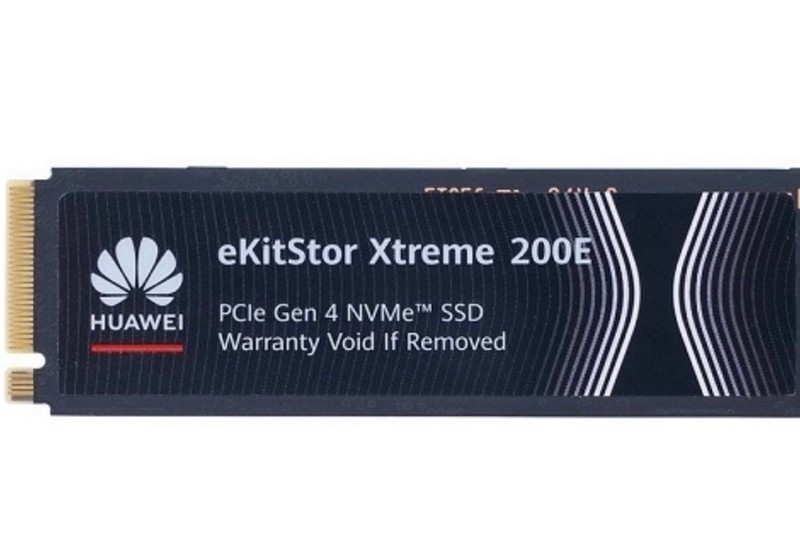
    Huawei has taken a significant step into the consumer storage realm by introducing its eKitStore Xtreme 200E series SSDs. These drives are now up for grabs in South Korea, with a price that’s catching everyone’s attention. The 1 TB version is priced at around $32, which is a price that’s much lower than what current competitors are offering in the high-performance storage market.

    A New Direction for Huawei

    Launched in June 2024, the eKitStore Xtreme 200E series marks Huawei’s shift from server-focused storage to consumer-oriented products. These SSDs come with notable specifications, featuring read speeds of up to 7,400 MB/s and write speeds that hit 6,700 MB/s using the PCIe 4.0 interface. While these numbers don’t match the latest PCIe 5.0 drives that can reach about 14,000 MB/s, they still hold their ground against other PCIe 4.0 options.

    What’s Inside the Drive?

    The details about the internal parts of the eKitStore Xtreme 200E are not fully disclosed, but it is known to utilize QLC NAND and operates without DRAM. The names of the companies behind the controller and NAND remain a mystery. Due to U.S. sanctions on Huawei, it’s likely that the components are sourced from local suppliers, potentially including companies like YMTC for NAND and MaxioTech for controllers. There’s also a chance that Huawei is using its skills in server SSDs to create its own controller.

    The 1 TB model’s price is set at 47,500 South Korean won (around $32), making it a strong contender in terms of price-to-performance ratio. However, there are lingering doubts about how long this pricing strategy can last and whether it will reach markets outside of South Korea.

    Analysts Weigh In

    Experts in the industry point out that keeping such a low price while still making a profit could be difficult, even with all components sourced from within the country. The current pricing might be a temporary or promotional tactic aimed at helping Huawei gain traction in the consumer storage sector.

    This launch represents Huawei‘s ongoing strategy to broaden its consumer products lineup while dealing with international trade hurdles. This could potentially mark a new phase in the competitive arena of the global SSD market.

    Source: Link

  • PNY CS2150 SSD Launches with 10GB/s Read Speed via PCIe Gen5

    PNY CS2150 SSD Launches with 10GB/s Read Speed via PCIe Gen5

    PNY believes that replacing your current SSD with the CS2150 is the best way to improve load times, performance, and overall gaming experience on a PC. This is especially true if your system has other modern components that meet at least DDR5 and DirectX 12 standards, like the XLR8 Gaming-series memory and RTX 4000-series graphics cards, as heavily suggested by the OEM.

    Features and Compatibility

    The new M.2 2280 SSD is compatible with Microsoft DirectStorage, which is available for PCs running Windows 10 version 1909 or later. It’s also promoted as a useful tool for productivity, thanks to its TCG Opal 2.0 feature that could enhance security at the hardware level.

    Durability and Reliability

    PNY claims that the CS2150 is a “highly durable” SSD, boasting a mean time between failure (MTBF) rating of 1.5 million hours. Additionally, it employs a low-density parity check (LDPC) error-correction code (ECC) algorithm to ensure data integrity.

    Pricing and Models

    The CS2150 SSD is currently available in a 1TB version, which has a maximum read speed of up to 10.2GB/s and a write speed of up to 8.3GB/s. There’s also a higher-end 2TB model that features a read speed of up to 10.3GB/s and a write speed of 8.6GB/s.

    On Amazon, you can find these models listed at their suggested retail prices of $99.99 for the 1TB and $179.99 for the 2TB, both of which come with a 5-year limited warranty or total bytes written (TBW) in the United States.their suggested retail prices of $99

    Source: Link


    Image 1
    Image 1