
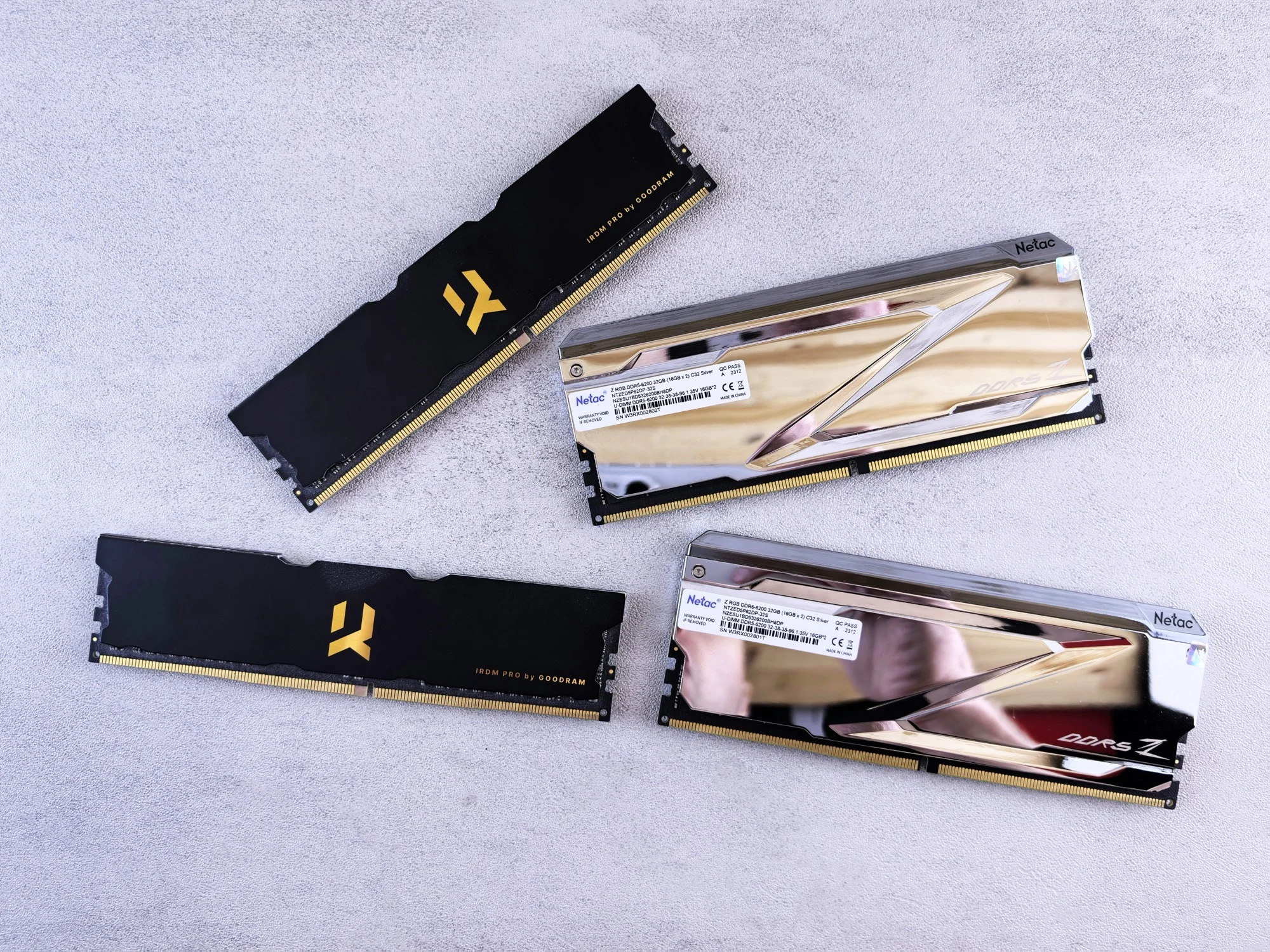
– AI-driven demand has caused DRAM and SSD prices to surge dramatically since October 2025.
– After prices more than quadrupled by January 2026, they have largely stagnated, with only 1% monthly increases recently.
– DDR5 industrial costs keep rising, but consumer prices are stable due to high inventories and weak demand.
– DDR3 and DDR4 prices fell slightly in June, making older memory a better value.
– M.2 SSDs cost about double last year’s prices, with large 8TB DRAM-cached models spiking 24% in June.
Memory Market Sees Stalled Growth After Massive Surge
Since October 2025, big AI names like OpenAI have been driving up demand for DRAM and NAND flash memory, causing prices for RAM and SSDs to skyrocket. 3D Center has kept a close eye on RAM prices in the German retail market from the start, tracking the costs of various memory kits to show how they’ve shifted throughout this period.
Price Movements in 2026 Show a Mixed Bag
After costs more than quadrupled between September 2025 and January 2026, they’ve essentially flatlined. In March, prices actually fell by 7 percent; in April, there was no change; and in May and now also in June, average DDR5 RAM prices have crept up by 1 percent each month. While DRAM costs for industrial buyers have kept climbing over recent months, these hikes haven’t trickled down to regular shoppers yet.
DDR4 and DDR3 Offer Better Value Right Now
Prices for DDR3 and DDR4 memory actually dropped a bit in June and are now “only” a little over three times what they were last year. For anyone on a DDR4-compatible platform, it’s currently smarter to stick with that older memory standard. M.2 SSDs now cost roughly twice as much as they did a year ago, with a modest 1.8 percent average rise in June, though large 8 TB SSDs with DRAM cache have gotten 24 percent pricier, hitting a minimum of €1,029; an 8 TB WD_Black SN850X even rings in at $1,499 in the US.
Consumer Market Remains Stable Despite Industrial Pressures
Even though industrial customers are facing ongoing cost increases, end consumers are seeing a different story. This is likely tied to high inventory piles and weak demand, plus the fact that retail prices were raised much faster and steeper at the end of 2025 compared to what industrial clients experienced. Meanhwile, the overall trend shows prices are mostly holding steady after the initial explosive growth from the AI-driven crunch.
3D Center| Andrey Matveev
Leave a Reply