Tag: DRAM

  • Buy iPhone 18 Pro at $1,399: Analysts Predict Price Hike

    Buy iPhone 18 Pro at $1,399: Analysts Predict Price Hike

    Key Takeaway

    – Apple CEO Tim Cook confirmed future price increases for iPhones, iPads, and Macs, citing rising DRAM and NAND costs.
    – TechInsights estimates the cheapest iPhone 18 Pro will cost between $1,299 and $1,399, up from the iPhone 17 Pro’s $1,099.
    – The estimate assumes Apple maintains a 47% gross margin, resulting in a $1,371 retail price excluding expensive camera hardware.
    – DigiTimes suggests the base iPhone 18 model may launch in spring 2027 at the same price, implying Apple might accept a smaller margin on some models.


    iPhones, iPads, and Macs Are Getting Costlier, Confirms Tim Cook

    Apple-CEO Tim Cook has recently affirmed that iPhones, iPads, and Macs will becom more expensive in the future, a move Apple pins on rising DRAM and NAND costs. But interestingly, Apple continues to charge memory and SSD prices that are far above market rates, raising eyebrows. While Tim Cook hasnt yet given specifics on how severe these hikes will be, the Wall Street Journal shared an estimate from TechInsights analysts that is based on internal analysis and price trends. These numbers paint a clear picture of what is coming for consumers.

    TechInsights Predicts Big Price Jump for iPhone 18 Pro

    According to this estimate, the cheapest Apple iPhone 18 Pro is expected to set you back between $1,299 and $1,399, with the upper end of this range being more likely. For comparison, the iPhone 17 Pro with 256 GB of storage now costs $1,099 in the U.S. If this forecast is accurate, models with more storage, along with the iPhone 18 Pro Max and the rumored iPhone Ultra, will likely be even pricier. It’s a steep climb from where we are now, and many will feel the pinch.

    How Apple Might Keep Their Margins High

    According to TechInsights, their estimate is based on the idea that Apple still aims to keep a gross margin of 47 percent. Given the increased production costs, this formula would result in a retail price of $1,371 – and that’s not even including the significantly more expensive camera hardware. Surprisingly, DigiTimes assumes the base model of the iPhone 18 series will launch in spring of 2027 at the same price, meaning Apple may have to accept a smaller margin on select models to stay competitive. The Wall Street Journal also covered these findings.
    Sources
  • DRAM Crisis: EU RAM & SSD Prices Rise Slightly in June

    DRAM Crisis: EU RAM & SSD Prices Rise Slightly in June

    Key Takeaway

    – AI-driven demand has caused DRAM and SSD prices to surge dramatically since October 2025.
    – After prices more than quadrupled by January 2026, they have largely stagnated, with only 1% monthly increases recently.
    – DDR5 industrial costs keep rising, but consumer prices are stable due to high inventories and weak demand.
    – DDR3 and DDR4 prices fell slightly in June, making older memory a better value.
    – M.2 SSDs cost about double last year’s prices, with large 8TB DRAM-cached models spiking 24% in June.


    Memory Market Sees Stalled Growth After Massive Surge

    Since October 2025, big AI names like OpenAI have been driving up demand for DRAM and NAND flash memory, causing prices for RAM and SSDs to skyrocket. 3D Center has kept a close eye on RAM prices in the German retail market from the start, tracking the costs of various memory kits to show how they’ve shifted throughout this period.

    Price Movements in 2026 Show a Mixed Bag

    After costs more than quadrupled between September 2025 and January 2026, they’ve essentially flatlined. In March, prices actually fell by 7 percent; in April, there was no change; and in May and now also in June, average DDR5 RAM prices have crept up by 1 percent each month. While DRAM costs for industrial buyers have kept climbing over recent months, these hikes haven’t trickled down to regular shoppers yet.

    DDR4 and DDR3 Offer Better Value Right Now

    Prices for DDR3 and DDR4 memory actually dropped a bit in June and are now “only” a little over three times what they were last year. For anyone on a DDR4-compatible platform, it’s currently smarter to stick with that older memory standard. M.2 SSDs now cost roughly twice as much as they did a year ago, with a modest 1.8 percent average rise in June, though large 8 TB SSDs with DRAM cache have gotten 24 percent pricier, hitting a minimum of €1,029; an 8 TB WD_Black SN850X even rings in at $1,499 in the US.

    Consumer Market Remains Stable Despite Industrial Pressures

    Even though industrial customers are facing ongoing cost increases, end consumers are seeing a different story. This is likely tied to high inventory piles and weak demand, plus the fact that retail prices were raised much faster and steeper at the end of 2025 compared to what industrial clients experienced. Meanhwile, the overall trend shows prices are mostly holding steady after the initial explosive growth from the AI-driven crunch.

    3D Center| Andrey Matveev

    Sources
  • SK Hynix to Triple DRAM Capacity by 2034 Amid Memory Crunch

    SK Hynix to Triple DRAM Capacity by 2034 Amid Memory Crunch

    Key Takeaway

    – SK hynix accelerated its DRAM wafer production capacity goal, now targeting a tripling by 2034 instead of 2045.
    – New fabrication plants in Yongin, South Korea, will double capacity within five years, with full completion moved up by over a decade.
    – Despite the expansion, DRAM and HBM memory will remain scarce through 2030 due to relentless AI data center demand.
    – Memory prices are at all-time highs, with consumer DRAM costs rising sharply—e.g., a 32GB DDR5 kit jumped 19% in three months.
    – Prepayments and multi-year reservations for memory chips are becoming standard as the ongoing shortage persists.


    South Korean DRAM manufacturing giant SK hynix, known for creating storage solutions, DRAM, and memory modules for consumer and enterprise setups, including HBM high-bandwidth memory for AI data centers, has announced a milestone. The company predicts it will triple its overall silicon wafer production capacity by 2034, ten years earlier than previously expected.

    Massive Construction Plans Accelerated

    SK Hynix is currently constructing four large chip fabrication and production plants in Yongin, South Korea. The initial phase of this massive project is scheduled for completion in early 2027. According to SK Group Chairman Chey Tae-won, the full construction roadmap has been substantially accelerated.

    Chairman Reveals Ambitious Timeline

    SK Group initially expected to complete the DRAM and memory fabrication plants by 2045, but now the finish line has been moved up to 2034. Chey Tae-won also sat down for an interview with Nikkei Asia and detailed the ambitious scale of SK hynix’s project. He said: “Since we’re proceeding with the plan to expand as much as possible, our calculations show that our wafer capacity will double within five years. But honestly, once all these facilities are built, it won’t just double; it will triple by around 2034.” He tempered expectations among those hoping to get their hands on readily available memory in the future by stating, “There is currently no way to move faster than this. People are already saying that even this won’t be enough.”

    Immediate Pressure Remains High

    While these projections and accelerated timelines are important steps to boost DRAM production and increase overall supply, they still won’t be able to relieve the immediate pressure and demand from AI data centers and hyperscalers. DRAM and HBM memory are expected to remain scarce through 2030, with many companies offering prepayments and multi-year reservations due to the ongoing chip shortage.

    Industry Wide Expansion Expected

    Memory production plants are expected to increase in the coming years as Samsung, SK hynix, and Micron expand chip production. However optimistically SK Group may frame it, the memory crunch is still ongoing, memory and storage prices are at an all-time high, and certain DRAM and HBM memory chips are literally worth more than their weight in gold in 2026.

    Consumer DRAM prices are on track to push towards fresh highs, and the market is already pricing in a perceived shortage yet again. A 32GB DDR5 Corsair RAM kit has increased from $370 to $440 over the past 3 months, representing an additional 19% premium.

    Sources
  • Samsung Strike Could Cost Up to $66.7B

    Samsung Strike Could Cost Up to $66.7B

    Key Takeaway

    – DRAM crisis has driven record profits for memory makers, with Samsung’s memory division posting a 4,800% profit surge in Q1 2026.
    – Samsung restricts employee bonuses to 50% of regular annual income; union seeks a 15% operating-profit bonus pool and removal of the cap.
    – An 18-day strike (May 21–June 7) with >50,000 workers could cost Samsung production up to 3 trillion won per day, with total impact up to 100 trillion won due to pre-shutdown and delayed ramp-up.
    – The strike risks worsening the DRAM shortage by significantly reducing global DRAM and NAND production for several weeks.

    The DRAM crisis has unsurprisingly led to record profits for memory manufacturers such as Samsung Semiconductor. In the first quarter of 2026 alone, Samsung was able to increase profits in its memory division by 4,800 percent, a surge that has surprised many observers and investors alike. Yet the benefits of this extraordinary performance are not evenly shared within the company. Samsung restricts bonus payments to a maximum of 50 percent of regular annual income, a policy that has sparked discontent among rank-and-file employees who feel the windfall is skewed toward executives and shareholders rather than the workforce.

    Industry profits vs worker bonuses

    To address what it calls persistent inequities, the union is pressing Samsung to set aside 15 percent of operating profits to be paid out to employees as part of a bonus pool. It also demands that the current maximum limit on bonus payments be abolished altogether, arguing that workers deserve a fair share of the profits generated by the company’s recent success. In response, the union has announced plans for a prolonged strike, an 18-day strike from May 21 to June 7, with more than 50,000 employees expected to participate.

    Strike timeline and scale

    Analysts warn that this strike could be costly for Samsung, as downtime mounts and supply chains strain. Every day of production downtime is expected to result in a loss of up to 3 trillion won (approx. $2 billion). However, production will be interrupted for much longer than three weeks, as Samsung will have to shut down production almost a week in advance and it will take two to three weeks before production can be resumed at full capacity. For this reason, the total cost of this strike is estimated at up to 100 trillion won (approx. $66.7 billion). This strike could also further exacerbate the DRAM crisis, as global DRAM and NAND production will be significantly reduced for several weeks.

    Projected economic toll

    Beyond the immediate financial implications, the strike threatens to deepen the global DRAM shortages that have already unsettled manufacturers and customers alike. If production remains curtailed for weeks, suppliers may scramble for alternative memory sources, and prices could swing unpredictably. Stakeholders should watch how the company balances incentives for its workers with its long‑term strategy in a market still dominated by supply constraints and volatile demand.

  • Lenovo Warns Buyers: Act Fast for Lowest Prices Amid Memory Shortage

    Lenovo Warns Buyers: Act Fast for Lowest Prices Amid Memory Shortage

    Key Takeaways

    1. Memory costs are expected to keep rising, prompting Lenovo’s President to advise customers to purchase quickly.
    2. Demand for AI server infrastructure remains strong, with current prices likely to be the lowest for the next 6 to 12 months.
    3. Price quotes can change rapidly, and stock availability is a significant concern for customers.
    4. Larger organizations face delays in completing orders, leading to reduced purchases or less desirable alternatives.
    5. Laptop prices may soon increase due to decreasing component inventories, making discounts less common.


    Despite the increase in memory costs, several manufacturers of laptops, desktops, and servers have been careful not to scare their customers. Nevertheless, Ryan McCurdy, the North American President for Lenovo, shared a clear view of the ongoing situation. He believes that the costs for components will keep rising. In a discussion with CRN, he emphasized that partners should consider making their purchases as soon as they can.

    AI Server Demand Stays Strong

    McCurdy pointed out that the need for AI server infrastructure is not showing any signs of letting up. Because of this constant demand, the company is urging customers to act quickly. He mentioned to the tech news outlet that the current prices are at the lowest they will be for the next 6 to 12 months.

    Sadly, some customers are discovering that the prices they get quoted can change in less than 12 hours. A systems integrator shared with CRN that the availability of stock is just as significant a worry as the pricing. His company attempted to secure a substantial number of GPU-accelerated servers from Dell, only to find out that they had sold out later that very same day.

    Challenges for Larger Customers

    Other big customers, such as schools and organizations, are also having trouble finishing their orders on time. Ideally, these transactions would be completed right away, but the entire process could take weeks. Consequently, Lenovo partners are either purchasing less equipment or opting for alternatives that are not as desirable.

    The memory shortage is also affecting smaller clients who are looking to buy laptops or desktops. McCurdy believes that deals with suppliers have positioned Lenovo in a “better spot than many to manage this situation.” However, DRAM makers like Samsung and SK Hynix are hesitant to agree on fair long-term contracts.

    Pricing and Discounts May Change

    In many instances, laptops produced by major brands have not seen a price increase compared to months ago. However, this is expected to change as component inventories decrease. Buyers might find that discounts are harder to come by, and laptop promotions may end sooner than they anticipated.

    Putting together a custom PC while keeping to a budget can be an even tougher challenge. Ultimately, prebuilt systems will start to mirror the higher prices for memory and the inflated costs of Nvidia GPUs or SSDs.

    Source:
    Link


  • Samsung Employees Accused of Taking Bribes Amid DDR5 RAM Price Surge

    Samsung Employees Accused of Taking Bribes Amid DDR5 RAM Price Surge

    Key Takeaways

    1. Samsung is investigating possible kickbacks from distributors amid a memory shortage, indicating potential internal corruption issues.
    2. The demand for DRAM, particularly for AI data centers, is driving DDR5 prices to new highs, with predictions of sustained high prices until at least 2028.
    3. There are suspicions that senior Samsung employees in Taiwan may have violated internal rules related to the memory supply chain.
    4. Consumer distrust in memory manufacturers is rising due to increased prices and perceived neglect from companies like Micron.
    5. Despite current challenges, some experts believe DDR5 prices may improve in the near future, potentially benefiting the overall hardware market.


    Whenever a part becomes hard to find, some people try to make money from the situation. In this instance, it looks like Samsung workers might be taking advantage of the memory shortage. According to DigiTimes, some suppliers in Taiwan are said to have received kickbacks from distributors. This prompted the company to start an investigation, which led to changes in its marketing and sales teams.

    Increasing Demand for Memory

    With DRAM supplies running low, Samsung and other big players are focusing on AI data centers. As demand from businesses grows rapidly, DDR5 prices have reached new highs. Certain analysts predict that prices won’t decrease until 2028 or even later. Consequently, anyone who can get their hands on this memory could earn significant profits.

    Potential Bribery Issues

    It’s not clear how much distributors were prepared to pay Samsung employees or the size of possible bribes. Nevertheless, when buying in large quantities, the chance for profit was likely very high.

    Samsung has been quiet about the report, which isn’t surprising. However, DigiTimes suggests that the chip manufacturer has recently interviewed several employees in Taiwan. There are suspicions that even workers at the “senior management level” may have violated internal rules. The issue might also reach beyond Taiwan, with possible connections in Singapore and China.

    Consumer Distrust Grows

    Nowadays, consumers have more reasons to be skeptical of memory makers. Other companies, like Micron, have stopped their Crucial brand, leaving buyers feeling neglected. The rising costs are not just affecting DRAM; storage prices are also going up. Samsung denied a rumor that it would stop making SSDs, which could have made the situation worse.

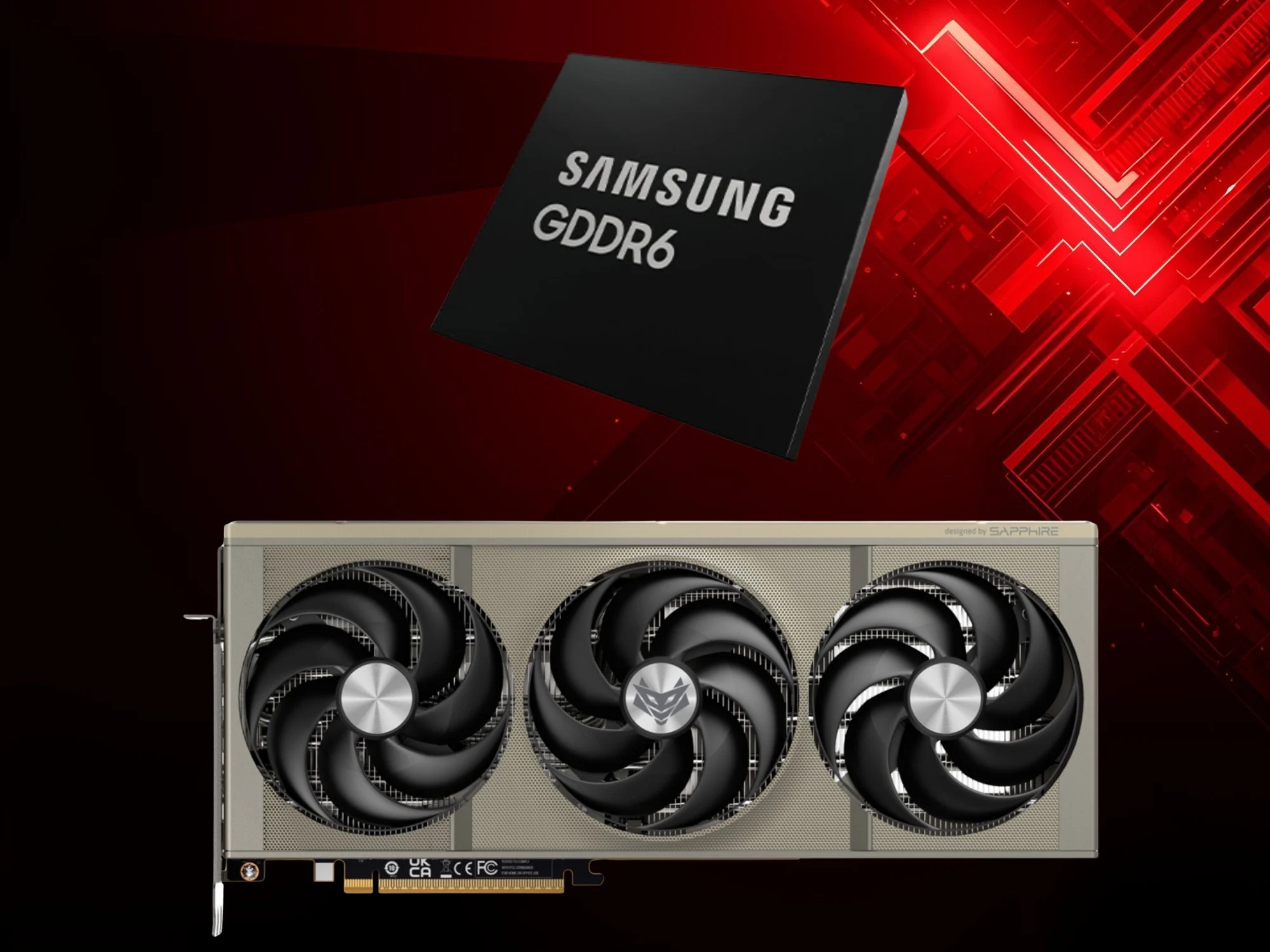
    The whole hardware sector is facing challenges, as buyers are paying extra for essential parts. Still, not every company has such a dark view of the future of PC building. A representative from Sapphire PR thinks that DDR5 prices might improve in about six months, which would also help the VRAM used by GPUs. Until that happens, distributors will search for any way to buy and resell the memory at inflated prices.

    Source:
    Link


  • DDR5 RAM Prices May Drop in 6 Months, Says Sapphire GPU PR Manager

    DDR5 RAM Prices May Drop in 6 Months, Says Sapphire GPU PR Manager

    Key Takeaways

    1. DDR5 prices are causing frustration among gamers, affecting their ability to complete PC setups and potentially raising costs for other components like GPUs.
    2. Sapphire’s PR manager, Edward Crisler, suggests that prices could stabilize within six months, despite current concerns about the memory market.
    3. High memory prices may lead some gamers to delay purchasing other PC components, impacting the overall hardware market.
    4. Crisler compares the current situation to past tariff impacts, noting that while some prices are rising, they are not as severe as DDR5 price increases.
    5. Even if DDR5 prices remain high, consumers are likely to adapt, finding ways to optimize older hardware and adjust memory usage in their setups.


    With surprising DDR5 prices, the negative feelings about memory costs are increasing. This situation is hitting gamers trying to finish new PC setups. It also puts other parts, like GPUs that depend on VRAM, at risk of price increases. However, Sapphire’s PR manager is advising consumers to stay calm. Contrary to other forecasts, Edward Crisler believes prices could stabilize in just six months.

    Insights from the Podcast

    According to Wccftech, Crisler was featured on The Hardware Unboxed Podcast, where a portion of the discussion centered on the DRAM issue. He recognizes that the current climate is serious and may be more troubling than many consumers understand. If memory prices stay high, some gamers might hold off on purchasing cases, motherboards, and other components. This could create a significant problem for the whole hardware market.

    Looking Ahead

    Even with the gloomy near-term view, Crisler holds a more hopeful outlook for 6-8 months down the line. The Sapphire spokesperson points out that “there’s a lot of uncertainty taking place in the market.” With this ambiguity, some buyers are bracing for the worst possible outcome.

    Market Comparisons

    Crisler likens the current scenario to when tariffs were introduced in the U.S. Some retailers quickly changed their product inventories, even for items not directly impacted by the tariffs. While certain components are still pricier, the rises are not as drastic as the recent increases in DDR5 prices.

    Even though Crisler’s remarks may sound comforting, many experts do not share such an upbeat view. Signals from the DRAM manufacturers indicate that memory prices might remain high until at least 2028. Major companies like Samsung and SK Hynix are hesitant to boost production, despite the strong demand from AI data centers. An oversupply could jeopardize their future earnings.

    Adapting to Changes

    Even if DDR5 memory does not become cheaper, Crisler believes that consumers will find ways to adjust. He points out how enthusiasts have shown flexibility when other components became scarce or overly priced. One strategy could be to use less memory in laptops and desktops. Regardless of whether a manufacturer identifies a solution, gamers have managed to optimize older hardware and setups.

    Source:
    Link


  • Samsung Poised to Regain Top DRAM Spot Amid Earnings Surge

    Samsung Poised to Regain Top DRAM Spot Amid Earnings Surge

    Key Takeaways

    1. Samsung’s operating profits reached over 18 trillion won (about US$12.2 billion) in Q4 2025, primarily from its Device Solutions division.
    2. The Device Solutions segment generated more than 15 trillion won, marking a 422% increase compared to the previous year.
    3. Samsung is expected to regain the top position in DRAM revenue rankings, previously held by SK hynix since Q1 2025.
    4. Rising DRAM prices, driven by increased demand from AI infrastructure and data centers, are contributing to Samsung’s profit surge.
    5. The average price for an 8 GB DDR4 module exceeded $8 in November, a 15.7% increase from October, with projections for further significant rises.


    According to sources in the industry that were reached by Yonhap News Agency, Samsung has made over 18 trillion won (about US$12.2 billion) in operating profits during the fourth quarter of 2025. Most of this revenue will come from the company’s Device Solutions (DS) division, which handles memory and foundry operations. It is estimated that this segment has produced more than 15 trillion won, marking a staggering increase of 422 percent compared to the previous year.

    A Shift in the Market

    This significant profit is likely to elevate Samsung back to the leading position in the DRAM revenue rankings, a spot that SK hynix took in the first quarter of 2025 after holding the top spot for 33 years. SK hynix capitalized on the AI surge to boost its high-bandwidth memory (HBM) chip business significantly.

    Reports from Yonhap indicate that Samsung’s resurgence in the market is largely due to the rising prices of DRAM. The rapid expansion of AI infrastructure, including data centers, is driving memory costs to unprecedented levels. Meanwhile, Samsung is also striving to enhance its HBM technology to match the capabilities of SK hynix’s products.

    Pricing Trends

    The average price for an 8 GB DDR4 module surpassed the $8 threshold in November, reflecting a 15.7 percent increase from the month before. This rise is even more pronounced compared to the $1.35 levels recorded in March, and it is projected to escalate by as much as 50 percent from Q3 to Q4.

    Source:
    Link


  • Tim Sweeney: RAM Price Hike Crisis Is Here to Stay

    Tim Sweeney: RAM Price Hike Crisis Is Here to Stay

    Key Takeaways

    1. Rising Prices: SSDs and RAM prices are increasing significantly, making PC gaming less budget-friendly.

    2. Production Shift: Factories are reallocating DRAM production to meet AI demands, reducing the availability of DDR5 for consumer devices.

    3. Impact of AI Projects: OpenAI’s agreements with major chip manufacturers are drastically cutting global DRAM supply, leading to higher consumer prices.

    4. Gamers’ Frustration: Many gamers are expressing dissatisfaction online about the soaring prices of RAM and GPUs, attributing the issue to the demands of AI companies.

    5. Broader Component Effects: Other storage solutions, like SSDs and HDDs, are also facing price increases due to the same supply chain pressures, affecting console prices and future gaming hardware.


    As prices for PC parts keep rising globally, SSDs and RAM are two areas that have seen huge increases and are likely to keep climbing in the near future, making PC gaming a lot less budget-friendly than it once was. Reports show that contract prices for DRAM have gone up by 171%, even beating the recent sharp jump in gold prices. Tim Sweeney, the CEO of Epic Games, shared a tweet expressing concern about RAM prices, saying:

    Factories are shifting their top DRAM production to satisfy AI demands where data centers are offering much higher bids than makers of consumer devices.

    Shift in Production

    While server-grade RDIMM memory and HBM are essential for AI servers, companies are reallocating production to fulfill the rising need for those servers, which is cutting down on DDR5 manufacturing. Sweeney’s remark was a response to a tweet that compared RAM prices from October to current trends. A user noted, “I bought 64GB of RAM four weeks ago for $240,” he said. “That same kit is now priced at $498,” he added, sharing an image showing the price for the kit at $260 on October 13th, which has now jumped to $498.

    Impact of AI Projects

    OpenAI’s “Stargate” initiative has recently made deals with Samsung and SK Hynix for up to 900,000 DRAM wafers each month. This alone reduces the global DRAM supply by 40%, putting consumers at a higher price point, in an industry that takes a long time to adapt to sudden increases in demand. Samsung, SK Hynix, and Micron have all redirected resources to HBM and advanced nodes, making HBM production very profitable. For instance, Micron has already allocated all of its output for 2026 to HBM.

    Gamers Respond

    Gamers around the world have taken to the internet to express their frustrations, with many criticizing how AI companies have pushed high-end GPUs and consumer-grade RAM beyond the reach of the average PC gamer. “I’ve been saving for months to get the Corsair Dominator 64GB CL30 kit,” a Reddit post mentioned. “It was about $280 when I checked,” the post continued, “Now on PCPartPicker, it’s $547 for the same kit? That’s nearly a 100% increase in just a few months!” The comment section is full of backlash against AI firms. Smartphones and consoles also seem to be affected by this shortage, with Microsoft’s Xbox expected to be hit hard due to its memory choices.

    Broader Component Effects

    RAM isn’t the only part feeling the pressure; there are rising reports of storage solutions being impacted globally, with SSDs, HDDs, and MicroSD cards starting to face similar challenges. Microsoft is already contemplating another price increase for its console products, and analysts predict that the Steam Machine will be significantly more expensive than initially thought, depending on the prices of these soaring components at that time.

    Source:
    Link