
Key Takeaways
1. Memory costs are expected to keep rising, prompting Lenovo’s President to advise customers to purchase quickly.
2. Demand for AI server infrastructure remains strong, with current prices likely to be the lowest for the next 6 to 12 months.
3. Price quotes can change rapidly, and stock availability is a significant concern for customers.
4. Larger organizations face delays in completing orders, leading to reduced purchases or less desirable alternatives.
5. Laptop prices may soon increase due to decreasing component inventories, making discounts less common.
Despite the increase in memory costs, several manufacturers of laptops, desktops, and servers have been careful not to scare their customers. Nevertheless, Ryan McCurdy, the North American President for Lenovo, shared a clear view of the ongoing situation. He believes that the costs for components will keep rising. In a discussion with CRN, he emphasized that partners should consider making their purchases as soon as they can.
AI Server Demand Stays Strong
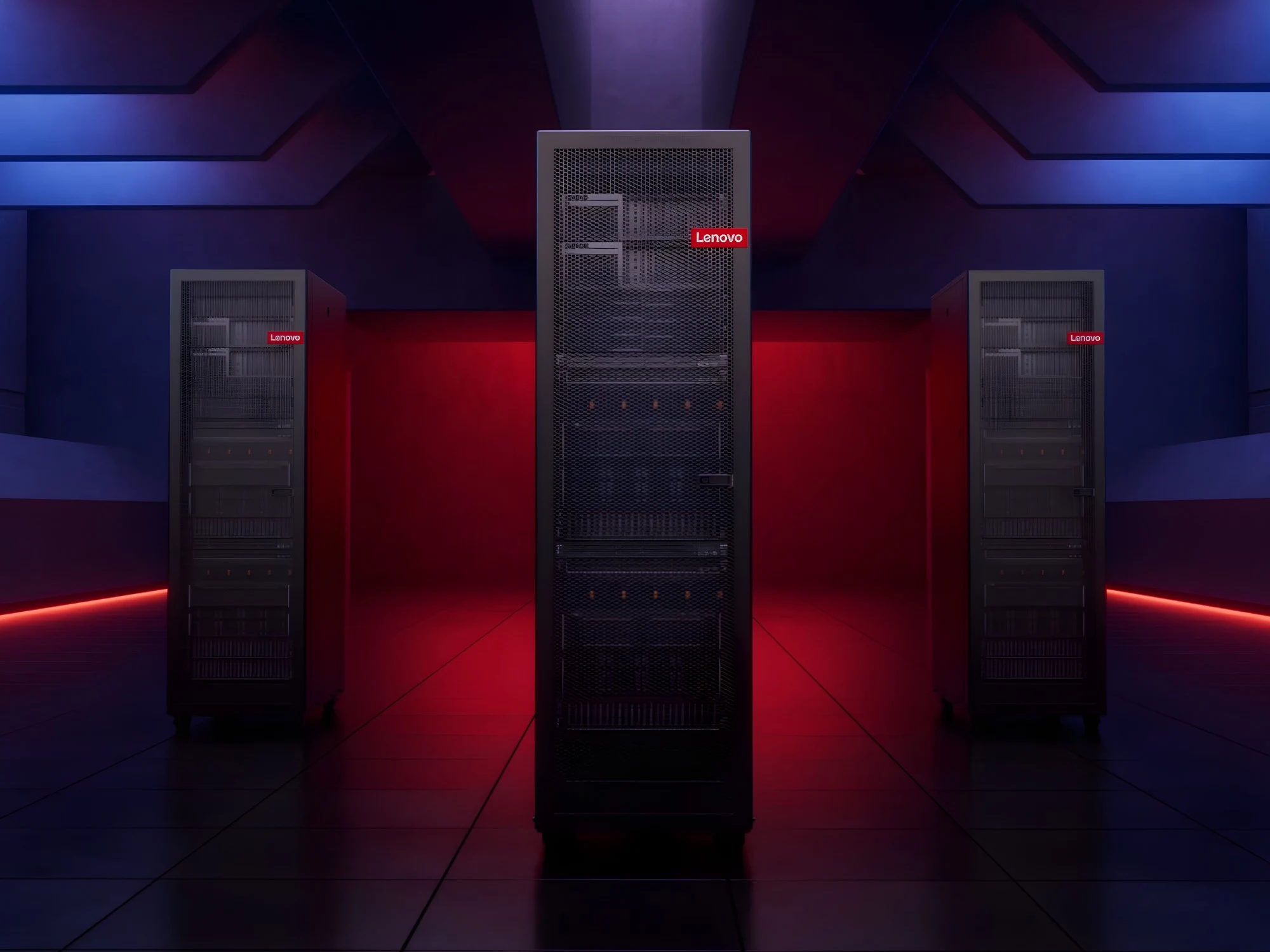
McCurdy pointed out that the need for AI server infrastructure is not showing any signs of letting up. Because of this constant demand, the company is urging customers to act quickly. He mentioned to the tech news outlet that the current prices are at the lowest they will be for the next 6 to 12 months.
Sadly, some customers are discovering that the prices they get quoted can change in less than 12 hours. A systems integrator shared with CRN that the availability of stock is just as significant a worry as the pricing. His company attempted to secure a substantial number of GPU-accelerated servers from Dell, only to find out that they had sold out later that very same day.
Challenges for Larger Customers
Other big customers, such as schools and organizations, are also having trouble finishing their orders on time. Ideally, these transactions would be completed right away, but the entire process could take weeks. Consequently, Lenovo partners are either purchasing less equipment or opting for alternatives that are not as desirable.
The memory shortage is also affecting smaller clients who are looking to buy laptops or desktops. McCurdy believes that deals with suppliers have positioned Lenovo in a “better spot than many to manage this situation.” However, DRAM makers like Samsung and SK Hynix are hesitant to agree on fair long-term contracts.
Pricing and Discounts May Change
In many instances, laptops produced by major brands have not seen a price increase compared to months ago. However, this is expected to change as component inventories decrease. Buyers might find that discounts are harder to come by, and laptop promotions may end sooner than they anticipated.
Putting together a custom PC while keeping to a budget can be an even tougher challenge. Ultimately, prebuilt systems will start to mirror the higher prices for memory and the inflated costs of Nvidia GPUs or SSDs.
Source:
Link

Leave a Reply