
Tag: HBM

  • SK Hynix to Triple DRAM Capacity by 2034 Amid Memory Crunch

    SK Hynix to Triple DRAM Capacity by 2034 Amid Memory Crunch

    Key Takeaway

    – SK hynix accelerated its DRAM wafer production capacity goal, now targeting a tripling by 2034 instead of 2045.
    – New fabrication plants in Yongin, South Korea, will double capacity within five years, with full completion moved up by over a decade.
    – Despite the expansion, DRAM and HBM memory will remain scarce through 2030 due to relentless AI data center demand.
    – Memory prices are at all-time highs, with consumer DRAM costs rising sharply—e.g., a 32GB DDR5 kit jumped 19% in three months.
    – Prepayments and multi-year reservations for memory chips are becoming standard as the ongoing shortage persists.


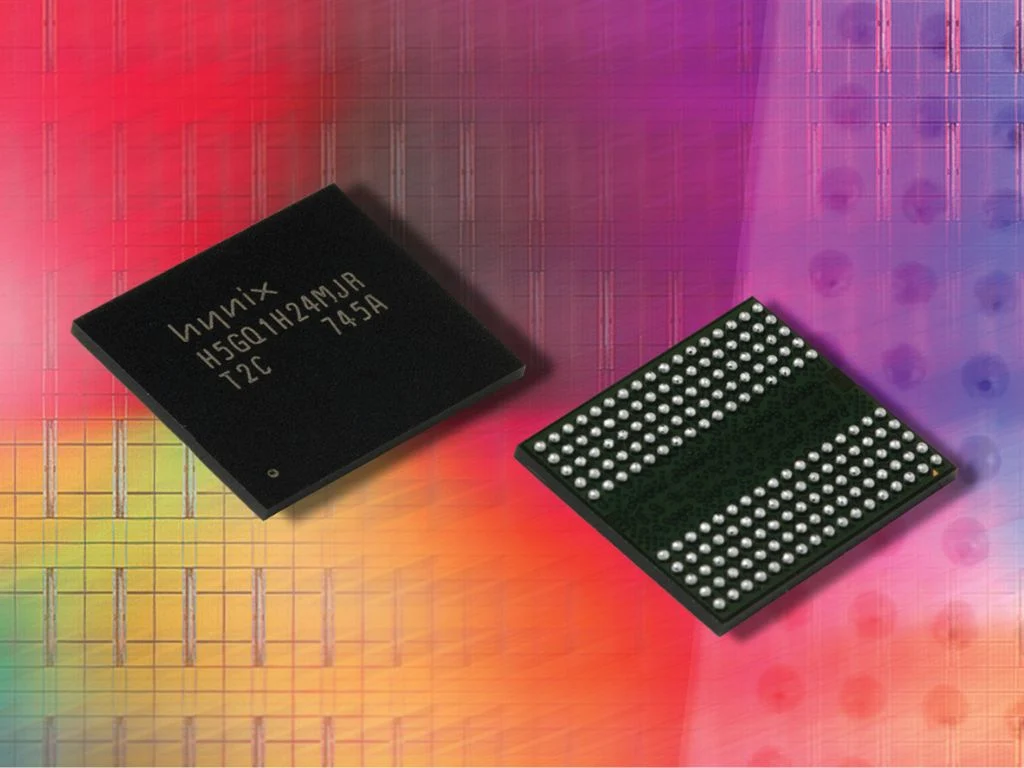
    South Korean DRAM manufacturing giant SK hynix, known for creating storage solutions, DRAM, and memory modules for consumer and enterprise setups, including HBM high-bandwidth memory for AI data centers, has announced a milestone. The company predicts it will triple its overall silicon wafer production capacity by 2034, ten years earlier than previously expected.

    Massive Construction Plans Accelerated

    SK Hynix is currently constructing four large chip fabrication and production plants in Yongin, South Korea. The initial phase of this massive project is scheduled for completion in early 2027. According to SK Group Chairman Chey Tae-won, the full construction roadmap has been substantially accelerated.

    Chairman Reveals Ambitious Timeline

    SK Group initially expected to complete the DRAM and memory fabrication plants by 2045, but now the finish line has been moved up to 2034. Chey Tae-won also sat down for an interview with Nikkei Asia and detailed the ambitious scale of SK hynix’s project. He said: “Since we’re proceeding with the plan to expand as much as possible, our calculations show that our wafer capacity will double within five years. But honestly, once all these facilities are built, it won’t just double; it will triple by around 2034.” He tempered expectations among those hoping to get their hands on readily available memory in the future by stating, “There is currently no way to move faster than this. People are already saying that even this won’t be enough.”

    Immediate Pressure Remains High

    While these projections and accelerated timelines are important steps to boost DRAM production and increase overall supply, they still won’t be able to relieve the immediate pressure and demand from AI data centers and hyperscalers. DRAM and HBM memory are expected to remain scarce through 2030, with many companies offering prepayments and multi-year reservations due to the ongoing chip shortage.

    Industry Wide Expansion Expected

    Memory production plants are expected to increase in the coming years as Samsung, SK hynix, and Micron expand chip production. However optimistically SK Group may frame it, the memory crunch is still ongoing, memory and storage prices are at an all-time high, and certain DRAM and HBM memory chips are literally worth more than their weight in gold in 2026.

    Consumer DRAM prices are on track to push towards fresh highs, and the market is already pricing in a perceived shortage yet again. A 32GB DDR5 Corsair RAM kit has increased from $370 to $440 over the past 3 months, representing an additional 19% premium.

    Sources
  • Micron and SK Hynix Join Samsung in Trillion-Dollar Club

    Micron and SK Hynix Join Samsung in Trillion-Dollar Club

    Key Takeaway

    – AI demand for HBM memory has driven three major chip manufacturers (Micron, SK Hynix, Samsung) to trillion-dollar market caps simultaneously for the first time.
    – Micron’s revenue surged 196% year-over-year, and its stock jumped 19% after UBS tripled its valuation.
    – Manufacturers are shifting production capacity from conventional DRAM/NAND to AI chips, causing global shortages.
    – Dell CEO warns that supply for laptops, PCs, and smartphones will lag behind demand until at least 2028.
    – Consumers should expect significantly higher prices for tech devices over the next two years.


    Two years ago, RAM were the least promising sector of the chip market

    A well-established business with tight margins and headlines about price drops and excess inventory. Now, AI has turned everything upside down: US manufacturer Micron Technology and South Korean manufacturer SK Hynix recently surpassed the trillion-dollar milestone in market capitalization just 24 hours apart, a milestone that Samsung had reached some weeks ago. For the first time in history, the world’s three major memory manufacturers simultaneously achieved one of the highest stock market valuations. Micron’s value soared 19% on Wall Street, recording its biggest single-session gain since 2011. This historic move came immediately after UBS, a major investment bank, tripled the company’s valuation from $535 to $1,625. SK Hynix’s stock price has also experienced a rise, thus heralding a new boom in the technology sector.

    The Main Driving Force: High Bandwidth Memory (HBM)

    The main driving force behind this unprecedented boom is HBM (High Bandwidth Memory), a type of specialized chip used by Nvidia GPUs for the processing of immense volumes of data needed to run large-scale AI models. The technology is required to run AI-powered supercomputers, which would otherwise simply freeze and become inoperative. Micron’s Q2 revenue for 2026 amounted to $23.9 billion, representing a 196% increase over the same quarter last year. In addition, the company’s Q3 revenue estimate for the following quarter is projected to rise to $33 billion.

    Impacts on Consumers and Conventional Memory Prices

    This trend is having a direct impact on everyday consumers. Chip manufacturers, by redirecting a large part of their capacity to the production of AI chips, are diverting resources and efforts away from the production of conventional DRAM and NAND memory, which are used in laptops, desktop PCs and smartphones, pushing up prices globally. Dell CEO Michael Dell has publicly warned that demand for these devices is expected to continue to outpace current supply until at least 2028, further exacerbating DRAM and NAND shortages and price hikes. In sum, the tech market is likely to become considerably more expensive for consumers over the next two years.


  • YMTC and CXMT Collaborate on HBM to Enhance China’s AI Memory

    YMTC and CXMT Collaborate on HBM to Enhance China’s AI Memory

    Key Takeaways

    1. YMTC aims to enter the DRAM sector through a partnership with CXMT, focusing on high-bandwidth memory (HBM) for AI accelerators.
    2. U.S. policies pose challenges for China’s chip production efforts, complicating access to tools and imposing new restrictions on HBM.
    3. CXMT is advancing towards HBM3 production, with estimates for commencement between 2026 and 2027, but it still trails behind South Korean competitors.
    4. YMTC’s expertise in hybrid bonding and advanced packaging is pivotal for HBM manufacturing, contributing to a growing local ecosystem.
    5. YMTC plans to invest in DRAM R&D equipment and collaborate with CXMT to develop next-gen DRAM, targeting domestic markets initially due to export restrictions.


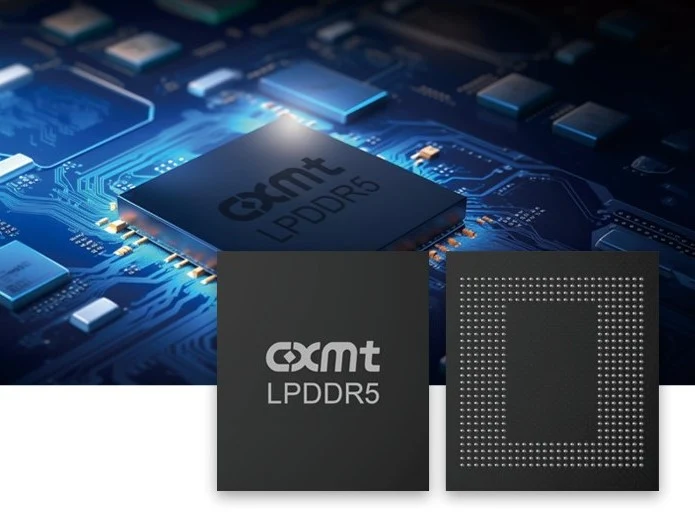
    Yangtze Memory Technologies Corp. (YMTC), which is the top NAND flash manufacturer in China, is said to be looking to break into the DRAM sector. They are seeking a partnership with ChangXin Memory Technologies (CXMT) to concentrate on high-bandwidth memory (HBM) specifically designed for AI accelerators. Should this collaboration take place, it would merge the leading NAND and DRAM companies in China, indicating the increasing importance of HBM in the tech landscape.

    U.S. Policies Complicate Progress

    Shifts in U.S. policies add layers of difficulty to this venture. The Bureau of Industry and Security introduced new rules in December 2024 that impose specific restrictions on HBM and have made it harder for China to access tools for chip production. This situation complicates China’s efforts to enhance its advanced memory capabilities. Licensing for Chinese fabs is also becoming more detailed; for instance, reports indicate that TSMC’s facility in Nanjing has lost its fast-track status. Consequently, export regulations now play a crucial role in determining how and when local HBM projects can be developed.

    Speeding Up Production

    Despite these challenges, there are still capability gaps that need addressing. CXMT is said to have produced HBM2 and is rapidly progressing towards HBM3, with Chinese sources hinting that production might commence between 2026 and 2027. Analysts, however, believe that CXMT is still a few years behind its South Korean rivals, even though they are making strides. The difference is considerable, but if local packaging and integration can keep up with this momentum, China might establish a formidable domestic supply chain.

    Expertise in Hybrid Bonding

    YMTC is bringing its expertise in hybrid bonding to the table, though it lacks experience in DRAM production. The company’s Xtacking architecture, which employs wafer-to-wafer bonding, has garnered favorable reviews from third parties. This method is well-suited for HBM as the stack heights rise and thermal management becomes crucial. A local ecosystem for packaging is forming, with CXMT and Wuhan Xinxin working on HBM packaging while Tongfu Microelectronics has initiated assembly processes. Advanced packaging, which links memory to processors, is now a central component of HBM manufacturing.

    Plans for Equipment Acquisition

    In addition, reports suggest that YMTC is planning to invest in equipment for DRAM research and development. The company is likely to collaborate with CXMT to create next-gen DRAM for HBM and to boost production in the near term. Experts see this potential partnership as a long-term strategy to challenge South Korean competitors. However, limited access to necessary tools and customer qualification standards will probably steer initial Chinese HBM offerings toward domestic markets.

    Source:
    Link


  • Huawei set to launch world’s first HBM DRAM smartphone before Apple

    Huawei set to launch world’s first HBM DRAM smartphone before Apple

    Key Takeaways

    1. High-bandwidth memory (HBM) may soon be available in smartphones, moving beyond its current use in AI-centric hardware.
    2. Advanced smartphones currently use low-power DDR5X (LPDDR5X) RAM, which offers ~68 GB/s performance but may need an upgrade for future demands.
    3. The next generation of mobile RAM could include low-latency wide I/O DRAM (LLW DRAM), enhancing AI capabilities but not reaching ~2TB/s bandwidth.
    4. New mobile RAM technology is expected to achieve speeds of up to 128 GB/s.
    5. Apple is a strong contender to introduce HBM smartphones, but Huawei and Samsung may also lead the market with their developments.


    High-bandwidth memory (HBM) is typically found in the top-tier AI-centric hardware from companies like AMD and NVIDIA. However, new whispers suggest that this technology could soon be appearing in pocket-sized devices.

    Current Smartphone RAM Trends

    At present, the most advanced smartphones utilize RAM that relies on low-power DDR5X (or LPDDR5X), favored for its efficiency and speed. Even though it can reach around ~68 gigabytes per second (GB/s) performance, this may soon not be enough, encouraging manufacturers to consider a major upgrade.

    Future Needs in Mobile RAM

    The next evolution in mobile RAM could be crucial to keep pace with the growing requirements of powerful artificial intelligence (AI) in the near future.

    However, a reliable leaker, Fixed Focus Digital, claims that the so-called smartphone HBM (or ‘mobile HBM’) won’t actually hit the nearly ~2TB/s bandwidth. Instead, it will resemble a newly developed type of low-latency wide I/O DRAM (or LLW DRAM), designed to enhance AI capabilities.

    Next-Gen Speed Capabilities

    In its current state, this new technology is expected to reach impressive processing speeds of up to 128GB/s.

    When it comes to being the first to introduce ‘HBM smartphones,’ Apple and its iPhones are seen as strong contenders. Yet, another company may actually beat them to the market.

    This other potential frontrunner could be Huawei; however, with Samsung also producing HBM and LLW RAM, they are in an excellent position to lead this anticipated upgrade.

    Source:
    Link