Tag: Micron

  • Micron and SK Hynix Join Samsung in Trillion-Dollar Club

    Micron and SK Hynix Join Samsung in Trillion-Dollar Club

    Key Takeaway

    – AI demand for HBM memory has driven three major chip manufacturers (Micron, SK Hynix, Samsung) to trillion-dollar market caps simultaneously for the first time.
    – Micron’s revenue surged 196% year-over-year, and its stock jumped 19% after UBS tripled its valuation.
    – Manufacturers are shifting production capacity from conventional DRAM/NAND to AI chips, causing global shortages.
    – Dell CEO warns that supply for laptops, PCs, and smartphones will lag behind demand until at least 2028.
    – Consumers should expect significantly higher prices for tech devices over the next two years.


    Two years ago, RAM were the least promising sector of the chip market

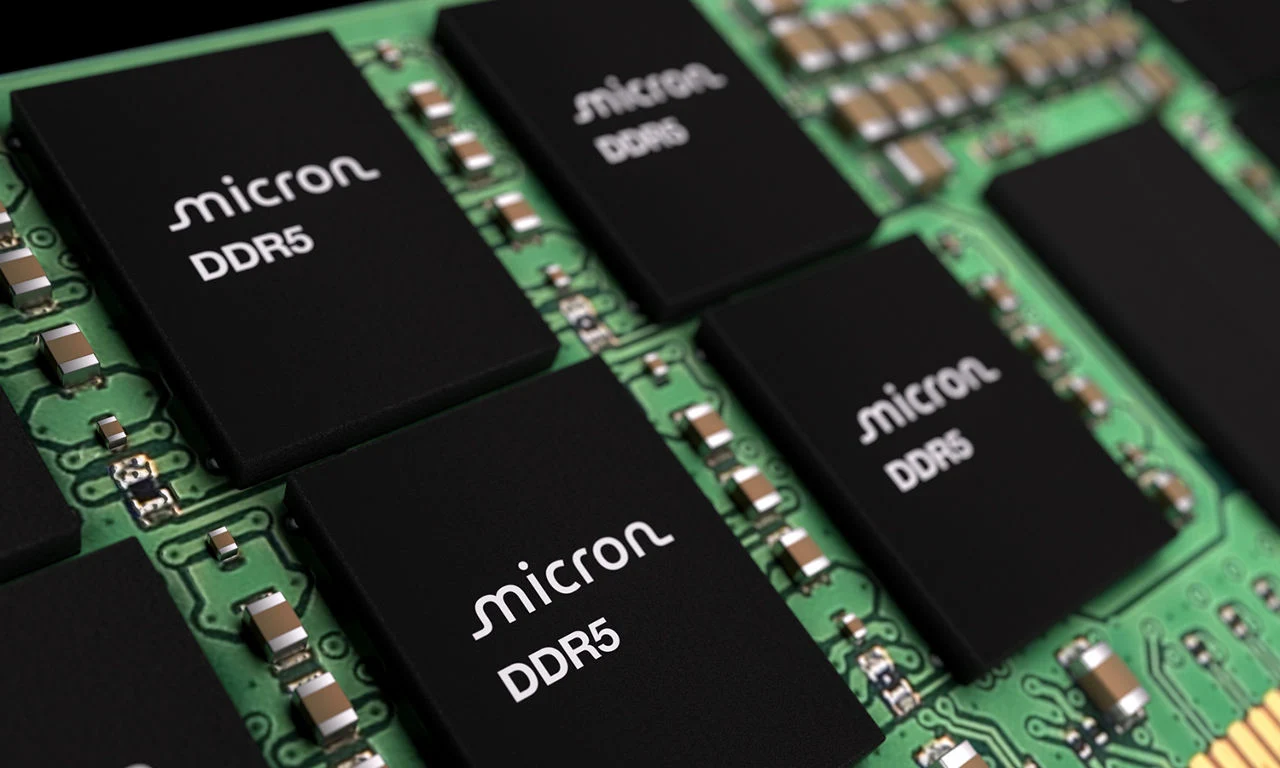
    A well-established business with tight margins and headlines about price drops and excess inventory. Now, AI has turned everything upside down: US manufacturer Micron Technology and South Korean manufacturer SK Hynix recently surpassed the trillion-dollar milestone in market capitalization just 24 hours apart, a milestone that Samsung had reached some weeks ago. For the first time in history, the world’s three major memory manufacturers simultaneously achieved one of the highest stock market valuations. Micron’s value soared 19% on Wall Street, recording its biggest single-session gain since 2011. This historic move came immediately after UBS, a major investment bank, tripled the company’s valuation from $535 to $1,625. SK Hynix’s stock price has also experienced a rise, thus heralding a new boom in the technology sector.

    The Main Driving Force: High Bandwidth Memory (HBM)

    The main driving force behind this unprecedented boom is HBM (High Bandwidth Memory), a type of specialized chip used by Nvidia GPUs for the processing of immense volumes of data needed to run large-scale AI models. The technology is required to run AI-powered supercomputers, which would otherwise simply freeze and become inoperative. Micron’s Q2 revenue for 2026 amounted to $23.9 billion, representing a 196% increase over the same quarter last year. In addition, the company’s Q3 revenue estimate for the following quarter is projected to rise to $33 billion.

    Impacts on Consumers and Conventional Memory Prices

    This trend is having a direct impact on everyday consumers. Chip manufacturers, by redirecting a large part of their capacity to the production of AI chips, are diverting resources and efforts away from the production of conventional DRAM and NAND memory, which are used in laptops, desktop PCs and smartphones, pushing up prices globally. Dell CEO Michael Dell has publicly warned that demand for these devices is expected to continue to outpace current supply until at least 2028, further exacerbating DRAM and NAND shortages and price hikes. In sum, the tech market is likely to become considerably more expensive for consumers over the next two years.
     

  • Micron VP Justifies Shift from Gamers to AI for Enterprise Demand

    Micron VP Justifies Shift from Gamers to AI for Enterprise Demand

    Key Takeaways

    1. DRAM prices have increased significantly since late 2025 due to high demand from AI companies, affecting supply chains.
    2. Micron has decided to close its Crucial consumer memory division to focus on enterprise clients, particularly in the AI sector.
    3. The closure of Crucial has received backlash from gamers and tech experts who value consumer products.
    4. Micron aims to still support consumers indirectly by providing DRAM to major brands like Dell and Asus.
    5. The ongoing DRAM supply shortage may worsen, with other companies like SK Hynix potentially shifting focus away from consumers as well.


    Gamers who are not completely oblivious are probably aware of the troubling state of memory prices lately. Since late 2025, the cost of DRAM has soared, driven by the massive demand from AI companies that are overwhelming the supply chains.

    Micron’s Controversial Move

    In response to this situation, Micron has made the contentious choice to close its consumer memory and storage division, Crucial, and redirect its efforts mostly toward enterprise clients, particularly the AI giants. This decision has drawn significant backlash from gamers and tech experts who focus on consumer products.

    In a recent chat with Wccftech, Christopher Moore, a Vice President at Micron, discussed the reasoning behind the closure of the Crucial brand. Moore explained that Micron is still aiming to cater to consumers globally by providing DRAM to major clients like Dell and Asus, which hold a big slice of the consumer market.

    Focus on Enterprise Demand

    Moore also acknowledged that the demand in the data center industry is too significant to overlook. Thus, tapping into the ever-growing enterprise market is crucial for the company’s overall strategy.

    …we see it as our mission to assist consumers worldwide. We’re simply doing this through different means. We still have a large presence in the client and mobile sectors. Additionally, we are, of course, supporting our data center clients. Currently, the total addressable market (TAM) for data centers is expanding at a rapid pace. We want to ensure that we contribute to fulfilling that TAM effectively.

    Given that Micron is fundamentally a business focused on maximizing profits, prioritizing high-margin enterprise customers over individual consumers is a strategic decision that makes sense, even if it understandably frustrates gamers and tech enthusiasts.

    Industry Trends and Future Implications

    The DRAM supply shortage is not expected to resolve itself anytime soon, as some original equipment manufacturers (OEMs) are resorting to extreme measures to secure long-term agreements with suppliers. Recent whispers in the industry also suggest that another key player, SK Hynix, may follow Micron’s footsteps and shift its focus away from consumers to cater to enterprise clients, which could leave everyday buyers in an even tougher spot.

    Source:
    Link


  • SK Hynix May Leave Consumer DRAM and NAND Business After Micron’s Move

    SK Hynix May Leave Consumer DRAM and NAND Business After Micron’s Move

    Key Takeaways

    1. A shortage of DRAM is causing rising RAM prices for DIY builders and affecting consumer electronics like laptops and GPUs.

    2. Micron will stop selling consumer DRAM starting February 2026, meaning Crucial-branded RAM and SSDs will no longer be available.

    3. Rumors suggest SK Hynix may consider exiting the consumer DRAM and NAND market, impacting various manufacturers and major OEMs.

    4. If SK Hynix exits, Samsung could become the leading supplier, while Chinese companies like CXMT might gain market share.

    5. The market is expected to remain unstable until 2028, leaving consumers and manufacturers in a challenging situation.


    The consumer memory sector is facing some serious challenges. A shortage of DRAM from key memory manufacturers has led to rising RAM prices for DIY builders, and this issue is also expected to impact consumer electronics like laptops and GPUs. To make matters worse, Micron declared in December 2025 that it would halt the sale of consumer DRAM starting in February 2026. Consequently, the well-known Crucial-branded RAM and SSDs will no longer be available after that date.

    Possible Changes from SK Hynix

    It appears that Micron’s actions may have prompted SK Hynix to consider its own exit from the consumer DRAM and NAND market, according to a rumor posted by Jukan on X. Unlike Micron, SK Hynix does not market RAM and storage products under its own brand. Therefore, if SK Hynix decides to withdraw from the RAM and storage sector, it would impact not only third-party RAM and SSD manufacturers but also major consumer hardware OEMs like Dell.

    Potential Market Impact

    SK Hynix is among the largest, if not the largest, suppliers of consumer DRAM and NAND storage globally. Thus, if the company does indeed leave the consumer market, it would severely impact the overall industry.

    On the other hand, if SK Hynix exits, Samsung would become the leading supplier of memory and NAND worldwide. This scenario might also present a significant opportunity for Chinese companies like CXMT to strengthen their foothold in the international market. Reports indicate that HP is already looking to CXMT to fulfill its DRAM requirements.

    Uncertainty Ahead

    Although SK Hynix’s potential exit from the consumer market remains unverified, the circulation of such rumors highlights the dire situation. Predictions suggest that the market may not stabilize until 2028, leaving many with little choice but to hope for improvement.

    Source:
    Link


  • Samsung to Halt SATA SSD Production, Prices to Rise for 18 Months

    Samsung to Halt SATA SSD Production, Prices to Rise for 18 Months

    Key Takeaways

    1. Samsung is planning to completely exit the SATA SSD market, impacting consumer prices significantly.
    2. SATA SSDs still represent a large portion of retail sales, especially in budget segments, making their absence a concern for price stability.
    3. The removal of Samsung’s SATA SSDs could lead to supply shortages, raising prices for both SATA and NVMe drives.
    4. Unlike brand reshuffles, Samsung’s exit means a genuine decrease in supply, potentially causing panic buying among consumers and builders.
    5. Future pricing trends may improve by 2027, but the availability of low-cost SATA SSDs from Samsung is likely over.


    Samsung is said to be getting ready to shut down its SATA SSD production. A well-known hardware leaker has stated that this decision might have a bigger impact on consumer prices than Micron’s choice to stop its Crucial-branded consumer RAM. This information comes from Tom, who runs the Moore’s Law Is Dead YouTube channel. He claims that various sources in distribution and retail have confirmed Samsung’s long-term exit from the SATA SSD market. This news follows a report stating that Samsung has increased DDR5 memory prices by as much as 60%.

    Impact on Retail Sales

    Even though interest in SATA SSDs is decreasing among enthusiasts, they still play a significant role in retail sales. They make up a large portion of the best-selling SSDs on major sites like Amazon, especially in budget and upgrade categories. Tom points out that losing a major manufacturer like Samsung could restrict supply and lead to higher SSD prices across the board, at least in the near to medium term.

    Supply Concerns

    Tom emphasizes that the main concern isn’t whether SATA SSDs are outdated, but how much they still contribute to the market. He mentions that around 20% of Amazon’s top SSD bestsellers are still SATA-based, with Samsung drives being a significant part of this. If that quantity is removed from the market, even gradually, it lowers the overall availability of SSDs, which raises prices for both SATA and NVMe drives.

    This aligns with a recent forecast from memory expert Dave Eggleston, who told Tom during a podcast, while addressing a question from the audience, that NAND SSDs might be the next PC components to see price hikes.

    A Different Scenario

    Tom also notes that Samsung’s decision is quite different from a brand reshuffle. Sources indicate that Samsung intends to completely stop SATA SSD production after completing current contracts, instead of just supplying the same NAND under different consumer brands. This results in a real supply decrease, not merely a change in branding. Moreover, the potential difficulty in sourcing SATA could lead to panic buying among system builders and companies that still depend on this interface, which Tom believes would further drive up short-term prices.

    In contrast, he compares Samsung’s situation with Micron’s choice to reduce the Crucial consumer RAM brand, which he sees as mostly symbolic regarding its market impact. Micron, similar to Samsung and SK Hynix, already provides memory chips directly to other brands like G.Skill and ADATA. Therefore, the supply remains mostly unchanged even without the Crucial-branded kits.

    Future Price Trends

    Looking into the future, Tom mentions that industry forecasts indicate pricing pressure could decrease once manufacturers shift back towards consumer hardware, likely by 2027. This shift would be fueled by local AI workloads and next-gen consoles needing fast SSDs and ample RAM. However, he warns that while SSD prices might eventually lower, the days of inexpensive SATA SSDs are probably over, especially from Samsung.

    Moore’s Law Is Dead

    Source:
    Link


  • Crucial to Honor RAM and SSD Warranties Amid Micron Changes

    Crucial to Honor RAM and SSD Warranties Amid Micron Changes

    Key Takeaways

    1. Micron is leaving the consumer market, ending the Crucial brand after 30 years.
    2. The company is shifting focus to more profitable sectors, particularly AI and enterprise clients, due to rising memory costs.
    3. Increased demand for AI data centers is driving up prices, benefiting major memory manufacturers like Samsung and SK Hynix.
    4. Crucial product warranties will remain valid, and products will still be sold until the end of February.
    5. Industry trends suggest the consumer memory market is being deprioritized in favor of higher profits from AI-related sectors.


    One of the leading memory manufacturers, Micron, has declared its departure from the consumer market, marking the end of the well-known Crucial brand after thirty years.

    Shift in Focus

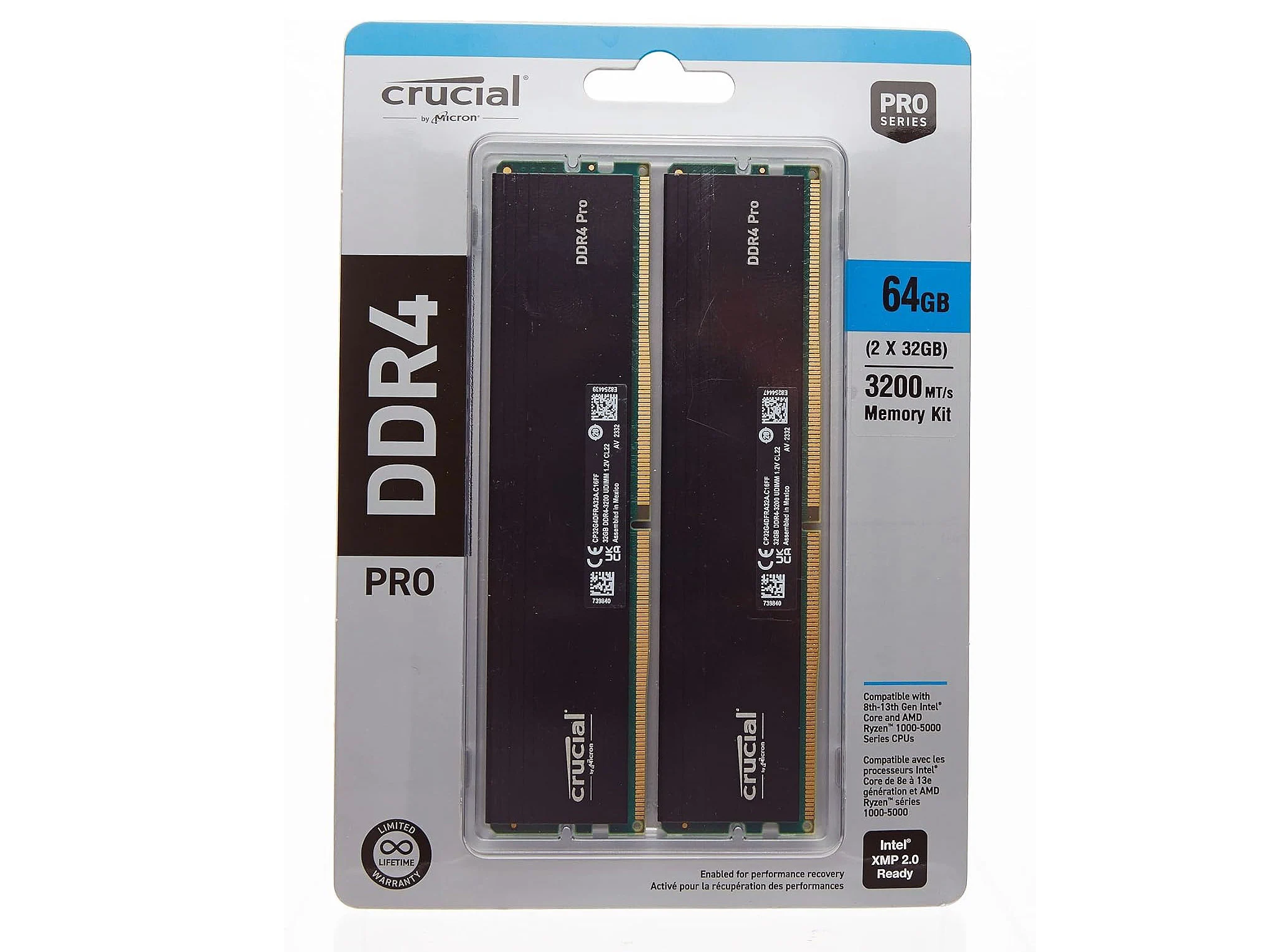
    This decision comes as the two largest memory firms, Samsung and SK Hynix, have discovered they can charge Nvidia significantly more for the premium memory used in its graphics cards and AI chipsets, and the market is willing to absorb those prices. In contrast, the consumer memory sector has been sidelined, as it’s not as profitable. For example, the 64GB Crucial Pro memory kit has seen a decrease in price on Amazon, yet it remains twice the price it was just a month ago.

    Rise of AI Demand

    The soaring demand for AI data centers by virtually all major companies in Silicon Valley is driving this unusual hike in memory costs. As a result, Micron announced it would stop producing Crucial RAM or SSD goods for retail consumers, turning its focus toward the AI sector and enterprise clients moving forward.

    “Micron has made the tough choice to exit the Crucial consumer business to enhance supply and support for our larger, strategic customers in faster-growing segments,” the statement said, highlighting the significant profits being made in AI data centers.

    Future of Crucial Products

    Existing Crucial product warranties will remain valid, and Micron will continue to sell its RAM and SSDs through regular retail channels until the end of February. After that, the Crucial consumer brand will disappear completely.

    Recently, some industry insiders suggested that Samsung may have faced similar issues when its MX division, responsible for the Galaxy S26 series, was not given preferred pricing for mobile memory by the DX semiconductor sector. A Samsung representative has reached out to deny these allegations, stating:

    “Recent reports that Samsung’s DS division has turned down specific customer requests are unfounded and false. We are in constant communication with global customers to meet industry demands.”

    Still, there is ample indirect evidence suggesting that the consumer memory market is being sacrificed for the sake of AI profits, and Micron’s announcement serves as further proof that this trend, along with high memory prices, could persist.

    Source:
    Link


  • Micron DDR5 Modules Reach 9200MT/s with EUV Lithography

    Micron DDR5 Modules Reach 9200MT/s with EUV Lithography

    Key Takeaways

    1. Micron Technology is the first memory manufacturer to produce DDR5 modules using sixth-generation 10nm-class DRAM with EUV lithography, improving speed and efficiency.
    2. The new 16 GB DDR5 modules can reach speeds up to 9200MT/s, a 15% performance increase, along with over a 20% reduction in power consumption.
    3. Micron’s advancements will benefit various sectors, including data centers, mobile devices, and automotive systems, enhancing performance and energy efficiency.
    4. Major collaborations with AMD and Intel are underway, focusing on validating Micron’s new DDR5 products for improved server and AI performance.
    5. Micron’s 1γ DRAM chips are currently manufactured in Japan, with plans to expand EUV lithography production in Japan and Taiwan.


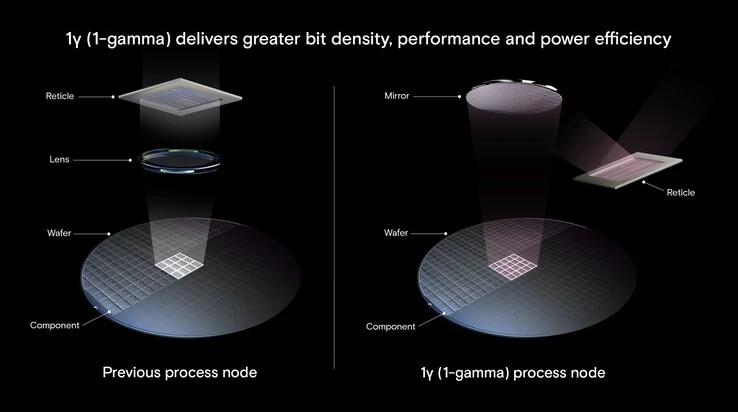
    Micron Technology has recently achieved a significant milestone by becoming the first memory manufacturer to send out sample versions of DDR5 modules created using its latest sixth-generation 10nm-class DRAM node, referred to as 1γ (1-gamma). This marks the first instance where Micron employs EUV (extreme ultraviolet) lithography in its production process. This advancement leads to notable improvements in speed, energy efficiency, and production yields.

    Enhanced Performance

    With this innovative technique, Micron’s 16 GB DDR5 integrated circuits can hit speeds of up to 9200MT/s. This represents a commendable 15 percent increase in performance compared to the earlier 1β (1-beta) generation, all the while achieving over a 20 percent reduction in power usage. Moreover, the new production method enhances bit density by more than 30 percent, which might help lower costs as the manufacturing process becomes more established.

    Advancing AI Technology

    Scott DeBoer, who serves as Micron’s executive vice president and chief technology & products officer, stated, “Micron’s know-how in creating unique DRAM technologies, together with our strategic application of EUV lithography, has led to a strong lineup of advanced 1γ-based memory products ready to advance the AI ecosystem.”

    Micron aims to utilize the 1γ node for a wide array of future memory solutions, such as:

    Data center applications: This will provide up to a 15 percent boost in performance while enhancing energy efficiency to manage power use and heat.
    Mobile devices: LPDDR5X versions will facilitate state-of-the-art AI features directly on smartphones or tablets.
    Automotive systems: LPDDR5X running at speeds of up to 9600MT/s will enhance capacity, improve product longevity, and offer better performance.

    Collaborations with Major Players

    Both AMD and Intel have commenced validation of Micron’s new DDR5 offerings. Amit Goel, Corporate VP of Server Platform Solutions Engineering at AMD, emphasized how this partnership fits with the company’s initiatives to continuously refine its EPYC processors and consumer-focused hardware. On the other hand, Dr. Dimitrios Ziakas from Intel pointed out the benefits of improved energy efficiency and higher density, which will positively impact server settings and AI-focused PCs.

    Currently, Micron manufactures these 1γ DRAM chips at its plants in Japan, where the organization installed its first EUV lithography system in 2024. As production scales up, Micron intends to deploy more EUV machinery at its facilities in both Japan and Taiwan.

    Source:
    Link


  • Micron and Samsung Lead the Way in Navigating Tensions and Tech at Shanghai’s CIIE

    Micron and Samsung Lead the Way in Navigating Tensions and Tech at Shanghai’s CIIE

    The landscape of the global semiconductor industry is seeing a mix of competition and cooperation, as illustrated by the recent China International Import Expo (CIIE) in Shanghai. Amid a backdrop of heightened chip rivalry and trade tensions, particularly between the U.S. and China, this expo has become a hotspot for demonstrating commitment and technological prowess.

    China’s government is pushing hard for chip self-sufficiency

    At the CIIE, heavyweights like Micron, ASML, and Samsung have marked their territory, showcasing their latest advancements and securing their foothold in the Chinese market. These displays come at a time when the Chinese government is pushing hard for chip self-sufficiency, a move prompted by international trade challenges.

    Interestingly, while some like Micron and Samsung are making bold appearances despite facing sales bans and restrictions, others like Nvidia have opted out, maintaining a conspicuous absence. This reflects a strategic dance where companies must balance their global market aspirations with the regulatory tightrope of international trade policies.

    Micron’s presence, in particular, signals a possible thawing of tensions with Beijing, as the company deployed a significant team to the expo despite past security review setbacks. This points to the intricate relationship businesses have with politics, where economic interests often lead to softened stances and renewed dialogue.

    ASML and Samsung also used the expo to assert their influence and technological edge. Samsung’s introduction of its advanced 3-nanometre chip technology contrasts with its China-based plants’ focus on more mature-node chips, highlighting the complex interplay between innovation and production strategies.

    AMD‘s focus on AI solutions and its declaration of AI as a strategic priority showcases the industry’s pivot towards future technologies. However, the absence of companies like Nvidia underlines the reality that the tech industry’s future is not just about innovation but also about navigating the geopolitical chessboard.