Tag: DRAM Pricing

  • Low-Cost 12.9-Inch Apple MacBook May Not Be So Affordable

    Low-Cost 12.9-Inch Apple MacBook May Not Be So Affordable

    Key Takeaways

    1. DRAM pricing issues are affecting both consumers and businesses, particularly due to increased demand from AI developments.
    2. Apple is facing supply chain challenges, impacting its ability to maintain planned prices for the upcoming budget-friendly MacBook.
    3. The new low-cost MacBook, set to launch at the “Apple Experience” event, targets the budget laptop market and aims to attract students.
    4. Pricing predictions for the MacBook have shifted, with potential costs now estimated between $699 and $749, higher than initially expected.
    5. Apple may adopt a unique marketing strategy for the new MacBook, similar to the 12-inch MacBook released in 2015, to differentiate it from the more powerful MacBook Air.


    The current situation with DRAM pricing has caused a stir for both consumers and businesses. The excitement around AI has depleted supplies, negatively impacting regular buyers while also hitting major brands hard.

    Apple’s Supply Chain Struggles

    Apple is famed for its expertise in managing supply chains effectively, generally handling unexpected changes in component costs quite well. Nevertheless, recent reports from DigiTimes indicate that the tech giant is now beginning to feel the pressure, particularly when it comes to sticking to its planned prices for the forthcoming budget-friendly MacBook.

    New Low-Cost MacBook Launch

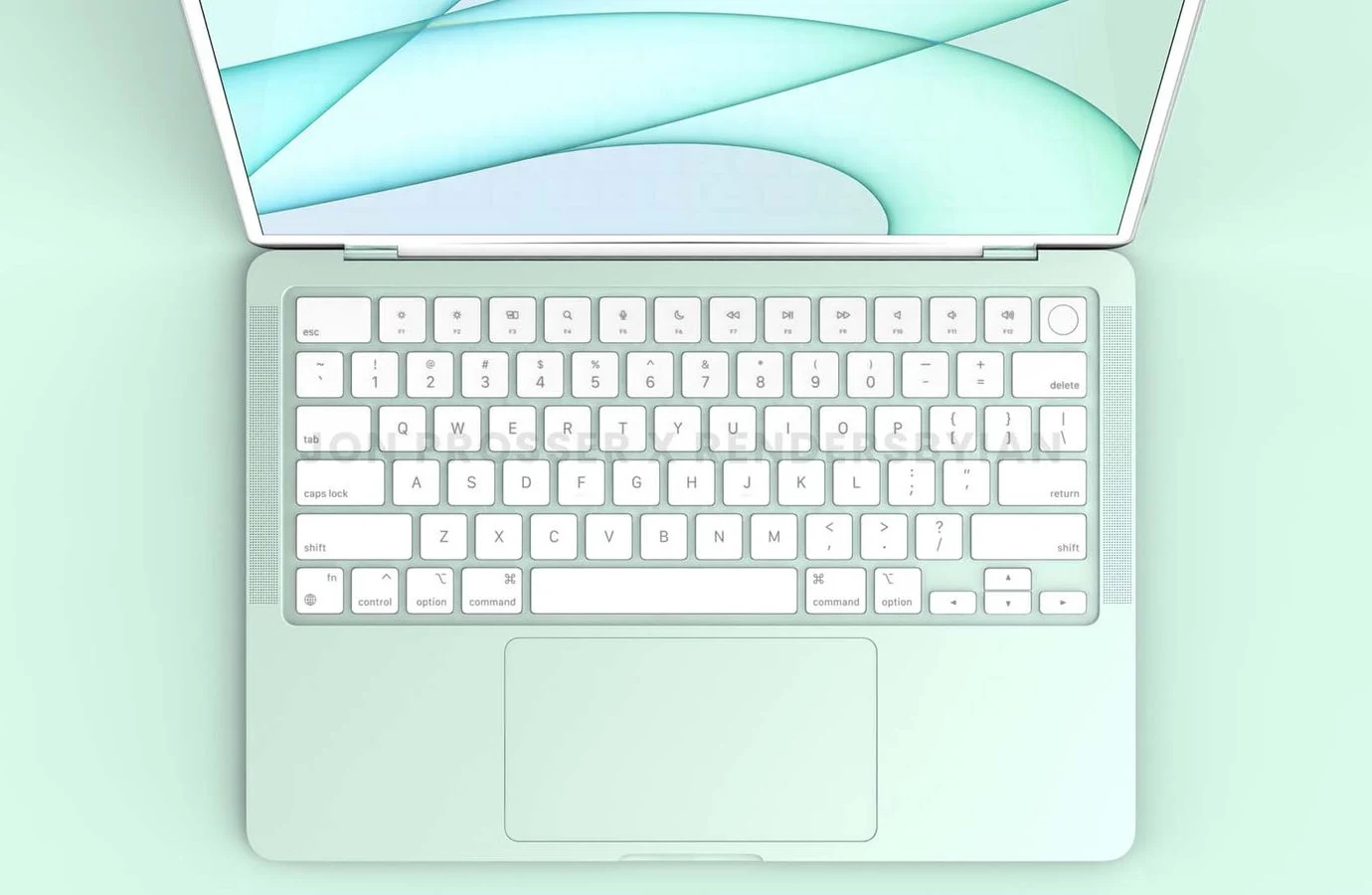
    Set to launch early next month at the three-day “Apple Experience” event, this new affordable MacBook aims to dive into the budget laptop market, especially targeting students. It will feature an A-series SoC, probably the A18 Pro, with only 8 GB of RAM, a 12.9-inch screen, and come in a range of fun colors.

    Pricing Predictions Adjusted

    Initially, industry experts had suggested a price range of about $599 to $699 for the MacBook. But given the current circumstances, it seems likely that Apple may not be able to stick to this pricing. According to DigiTimes, a more realistic price could now be between $699 and $749.

    With the MacBook Air featuring the M4 SoC available for just $899 on Amazon, the lower-priced MacBook might struggle to compete at $749. The MacBook Air offers a significantly faster M4 SoC, double the RAM, and a bigger display.

    Potential Positioning Strategy

    That being said, Apple might choose to market this new product in a different way, similar to how it handled the 12-inch MacBook released in 2015. That model was also less powerful compared to the MacBook Pro, which was sold at the same price point. With only about a week left before the unveiling, Apple fans won’t have to wait much longer to see what happens next.

    DigiTimes’

    Source:
    Link


  • Micron VP Justifies Shift from Gamers to AI for Enterprise Demand

    Micron VP Justifies Shift from Gamers to AI for Enterprise Demand

    Key Takeaways

    1. DRAM prices have increased significantly since late 2025 due to high demand from AI companies, affecting supply chains.
    2. Micron has decided to close its Crucial consumer memory division to focus on enterprise clients, particularly in the AI sector.
    3. The closure of Crucial has received backlash from gamers and tech experts who value consumer products.
    4. Micron aims to still support consumers indirectly by providing DRAM to major brands like Dell and Asus.
    5. The ongoing DRAM supply shortage may worsen, with other companies like SK Hynix potentially shifting focus away from consumers as well.


    Gamers who are not completely oblivious are probably aware of the troubling state of memory prices lately. Since late 2025, the cost of DRAM has soared, driven by the massive demand from AI companies that are overwhelming the supply chains.

    Micron’s Controversial Move

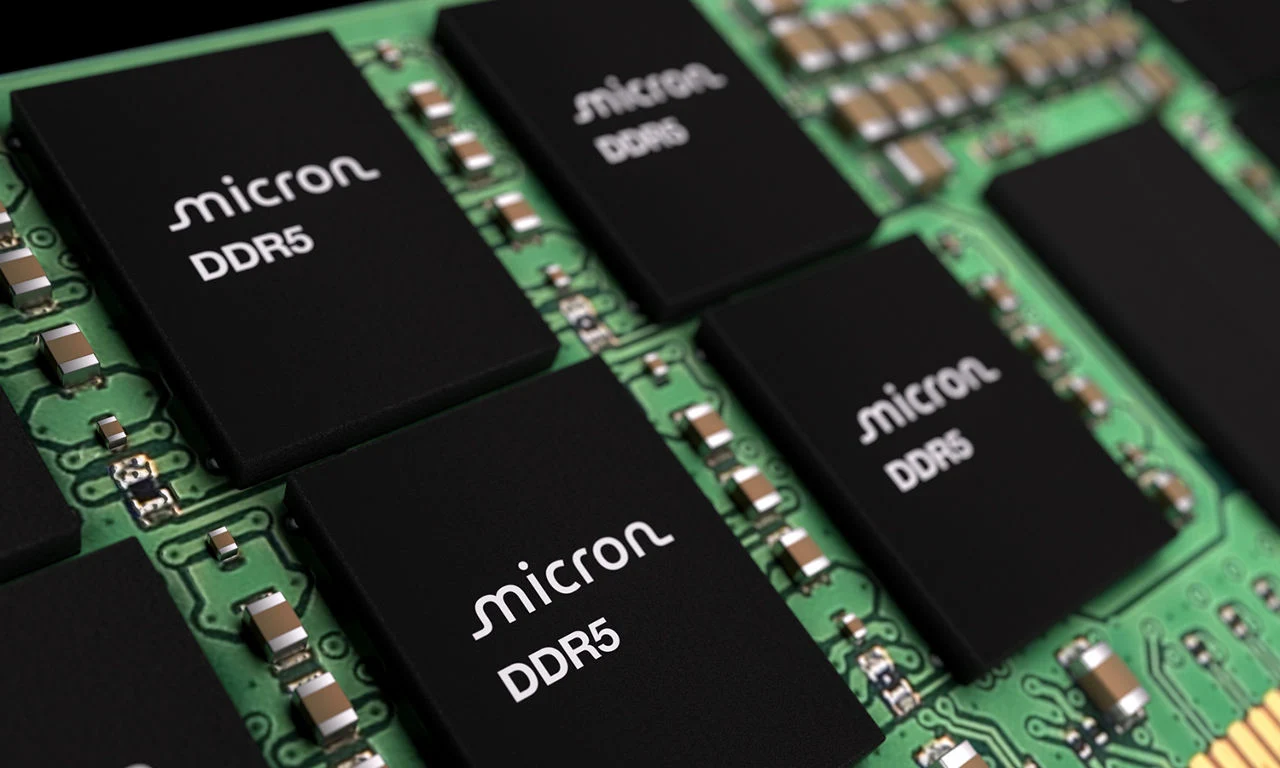
    In response to this situation, Micron has made the contentious choice to close its consumer memory and storage division, Crucial, and redirect its efforts mostly toward enterprise clients, particularly the AI giants. This decision has drawn significant backlash from gamers and tech experts who focus on consumer products.

    In a recent chat with Wccftech, Christopher Moore, a Vice President at Micron, discussed the reasoning behind the closure of the Crucial brand. Moore explained that Micron is still aiming to cater to consumers globally by providing DRAM to major clients like Dell and Asus, which hold a big slice of the consumer market.

    Focus on Enterprise Demand

    Moore also acknowledged that the demand in the data center industry is too significant to overlook. Thus, tapping into the ever-growing enterprise market is crucial for the company’s overall strategy.

    …we see it as our mission to assist consumers worldwide. We’re simply doing this through different means. We still have a large presence in the client and mobile sectors. Additionally, we are, of course, supporting our data center clients. Currently, the total addressable market (TAM) for data centers is expanding at a rapid pace. We want to ensure that we contribute to fulfilling that TAM effectively.

    Given that Micron is fundamentally a business focused on maximizing profits, prioritizing high-margin enterprise customers over individual consumers is a strategic decision that makes sense, even if it understandably frustrates gamers and tech enthusiasts.

    Industry Trends and Future Implications

    The DRAM supply shortage is not expected to resolve itself anytime soon, as some original equipment manufacturers (OEMs) are resorting to extreme measures to secure long-term agreements with suppliers. Recent whispers in the industry also suggest that another key player, SK Hynix, may follow Micron’s footsteps and shift its focus away from consumers to cater to enterprise clients, which could leave everyday buyers in an even tougher spot.

    Source:
    Link


  • Samsung Increases DDR5 Contract Prices by Over 100%

    Samsung Increases DDR5 Contract Prices by Over 100%

    Key Takeaways

    1. Samsung has raised DDR5 contract prices by over 100%, reaching $19.2 per Jukan, leading to ongoing high prices for DRAM.
    2. DDR4 prices are also increasing, with 16 GB now costing $18, impacting budget options for consumers and OEMs.
    3. Spot prices for DDR5 have significantly inflated in December, with no signs of price decreases for DDR4 either.
    4. OEMs are likely to pass the increased memory costs onto consumers, potentially raising prices for laptops and smartphones.
    5. Immediate purchases of memory products are advised, as significant price increases are expected in early 2026, with improvements not anticipated until 2027.


    It seems that the extremely high prices of DRAM are likely to continue, as Samsung has supposedly raised the contract price for DDR5 by more than 100%. This abrupt rise has pushed the DDR5 contract price to $19.2 per Jukan on X. According to reports from Taiwanese media, Jukan states that Samsung has told “downstream customers,” or OEMs, that there is “no stock!”

    DDR4 Prices on the Rise Too

    In addition to the increase in DDR5 prices, the contract pricing for DDR4 DRAM has also surged. Jukan mentions that the cost for 16 GB of DDR4 DRAM has now reached $18. Therefore, OEMs and consumers looking at DDR4 memory as a temporary, budget-friendly option may now face similar price hikes as those seen with DDR5.

    Spot Prices and Future Expectations

    Lastly, Taiwanese media has noted that, against the hopes of a gradual price decrease, spot prices for DDR5 memory have experienced even more significant inflation in December. DDR4 memory costs are also climbing, with “no signs of stopping.”

    Samsung’s increase in DDR5 contract pricing will directly impact the OEMs who purchase memory chips in bulk, and it’s likely that these OEMs will pass the extra costs on to consumers. For instance, Lenovo might raise the prices of its 2026 laptop models to reflect the new DDR5 pricing. Laptop manufacturers may also cut down on the memory in entry-level models to save money. The same could apply to smartphone producers like Apple and Samsung.

    So, if you find yourself needing a new phone, laptop, or desktop RAM right away, it could be wise to purchase what you need immediately. We anticipate significant price increases in the first quarter of 2026, and improvements are not expected until 2027.

    Source:
    Link