Tag: AI Data Centers

  • RAMageddon: How Much Will Your 2026 PC Cost?

    Key Takeaway

    – DDR5 memory prices have surged 3-4x year-over-year, driven by AI data centers consuming wafer capacity for high-margin HBM.
    – Memory now accounts for ~35% of a laptop’s component cost (up from 15-18%), leading to 15-30% price hikes from major PC brands.
    – The shortage has reversed the move to 16 GB RAM standard, with 8 GB notebooks returning to the market.
    – No relief expected before late 2027 to 2028, as new fabrication plants won’t reach volume production until then.
    – Decision advice: buy now if you need more memory; only wait if the upgrade is discretionary and you can risk further price increases.


    RAMageddon Hits Notebooks Hard

    The RAM shortage has spreaded from cheap DIY memory kits to the prices of whole notebooks, with the cheapest 32 GB DDR5 kit costing around $439 on June 15, up from about $375 less than two weeks prior. Last year, the same kit cost only $80 to $120, a massive three to four times price jump. Memory is now the most unstable cost part in a laptop, and the lack of supply has went from a issue only for PC builders to one that hits everyone.

    Why AI Data Centers Are to Blame

    The cause behind this huge price rise is simple: AI data centers. They’re taking up a bigger and bigger piece of global memory production, backed by roughly $650 billion in 2026 AI spending from four big U.S. companies. The three main suppliers, Samsung, SK Hynix, and Micron, are moving wafers from regular DDR5 to higher-profit HBM. There is also a structural detail that makes this different from past memory shortages: 1 GB of HBM uses about three to four times the wafer space of standard DRAM, so every AI-focused wafer is one taken away from PC memory.

    Consumers Feel It in Laptop Prices

    Consumers feel this directly in laptop costs too. HP told investors that memory now makes up about 35 percent of a PC’s part cost, up from 15 to 18 percent just one quarter earlier. Other brands, such as Dell, Lenovo, Acer, and ASUS, have raised prices by 15 to 30 percent, meaning midrange notebooks that used to cost $900 could go above $1,200. There is also another side to this ongoing shortage: 8 GB laptops, which once seemed to be dieing out, are now coming back, replacing the 16 GB standard.

    No Relief Until Late 2027

    Experts agree that there will be no real relief before late 2027, possibly going into 2028, as new factories wont reach full production until then. Gartner predicts a combined DRAM and SSD price surge of over 130 percent by the end of the year, with PC prices riseing by an average of 17 percent and shipments falling by 10.4 percent. This means the shortage is not going away any time soon for consumers.

    What to Do About Your Upgrade

    In the end, anyone planing an upgrade faces a choice that comes down to need. If a machine needs more memory or storage now, it is worth buying today; waiting for 2025 prices means betting against providers whose production is fully booked, and it risks more increases. Only a not-necessary upgrade justifies waiting, given the slight softening that may happen as buyers hesitate and stop buying. The decison is tough but clear.
  • Samsung Strike Could Raise Memory Prices Amid Union Profit Dispute

    Samsung Strike Could Raise Memory Prices Amid Union Profit Dispute

    Key Takeaway

    1. Workers in Samsung’s chip production are demanding higher wages and bonuses, citing more aggressive incentives from competitors like SK Hynix.
    2. The potential for a prolonged strike could significantly reduce memory output, intensifying shortages and driving up prices across the industry.
    3. Financial ramifications include possible losses of up to $11.7 billion for Samsung if an extensive shutdown occurs, benefitting rivals.

    Demand for AI Chips Elevates Samsung’s Revenue

    AI data center demand has been driving up revenue for companies like Samsung, making the production of critical components so lucrative that workers are now seeking a bigger cut. The ongoing talks about wages and bonuses hit a bump, as production halts could lead to an increase in memory prices, affecting the whole industry.

    Workers Eye Big Bonuses and Wage Hikes

    The story, which was covered by a news source behind a paywall, reveals that Samsung workers are reportedly ready to accept a bonus of around $340,000 per employee. Still, the company’s hesitant attitude towards promising the same yearly perks adds tension. Both sides appear to disagree about how long the AI boom will last, influencing their negotiations.

    Comparison with Competitors and Industry Tensions

    • Employees claim SK Hynix offers its staff more generous incentives, with bonuses possibly reaching an extra $900,000 by next year.
    • The union also demands a 7% wage increase and removal of a 50% cap on bonuses.

    Recent Industrial Actions and Market Risks

    On April 23rd, a strike involving about 40,000 union members disrupted a factory in Pyeongtaek. It caused a sharp decrease in output—estimated at 58%—highlighting how sensitive the supply chain is for memory chips. Prolonged stoppages could worsen memory shortages and push prices even higher.

    Potential Strike and Financial Implications

    If workers’ demands are not meet, an 18-day strike planned from late May to early June could happen. Experts warn that such a strike might make Samsung lose up to $11.7 billion, giving its competitors a big advantage during the disruption.

    Broader Impact on Memory and Tech Markets

    The focus on high-bandwidth memory (HBM) used in AI applications could ripple into other types of DRAM, affecting PC and gamer markets. With only a few manufacturers like SK Hynix and Micron capable of supplying modules, a Samsung strike could lead to shortages, making DDR5 memory even harder for consumers and builders to find.

  • Samsung Delivers Premium HBM4 Memory for Nvidia’s AI Needs

    Samsung Delivers Premium HBM4 Memory for Nvidia’s AI Needs

    Key Takeaways

    1. Samsung has started shipping its new HBM4 memory, targeting Nvidia GPUs and AI data centers.
    2. The price of HBM4 memory is around $500 per unit, double that of the previous HBM3E, contributing to Samsung’s stock surge.
    3. HBM4 memory performs at 13 Gbps, exceeding JEDEC benchmarks by 46% and achieving 3.3 TB/s bandwidth, surpassing Nvidia’s needs.
    4. The advanced 10nm-class 6th-generation DRAM process and 4nm foundational die enhance performance, with improved heat dissipation and energy efficiency.
    5. Samsung can currently supply up to 36 GB of HBM4 memory, with plans for a 48 GB option and ongoing development of HBM4E memory set for sampling in 2026.


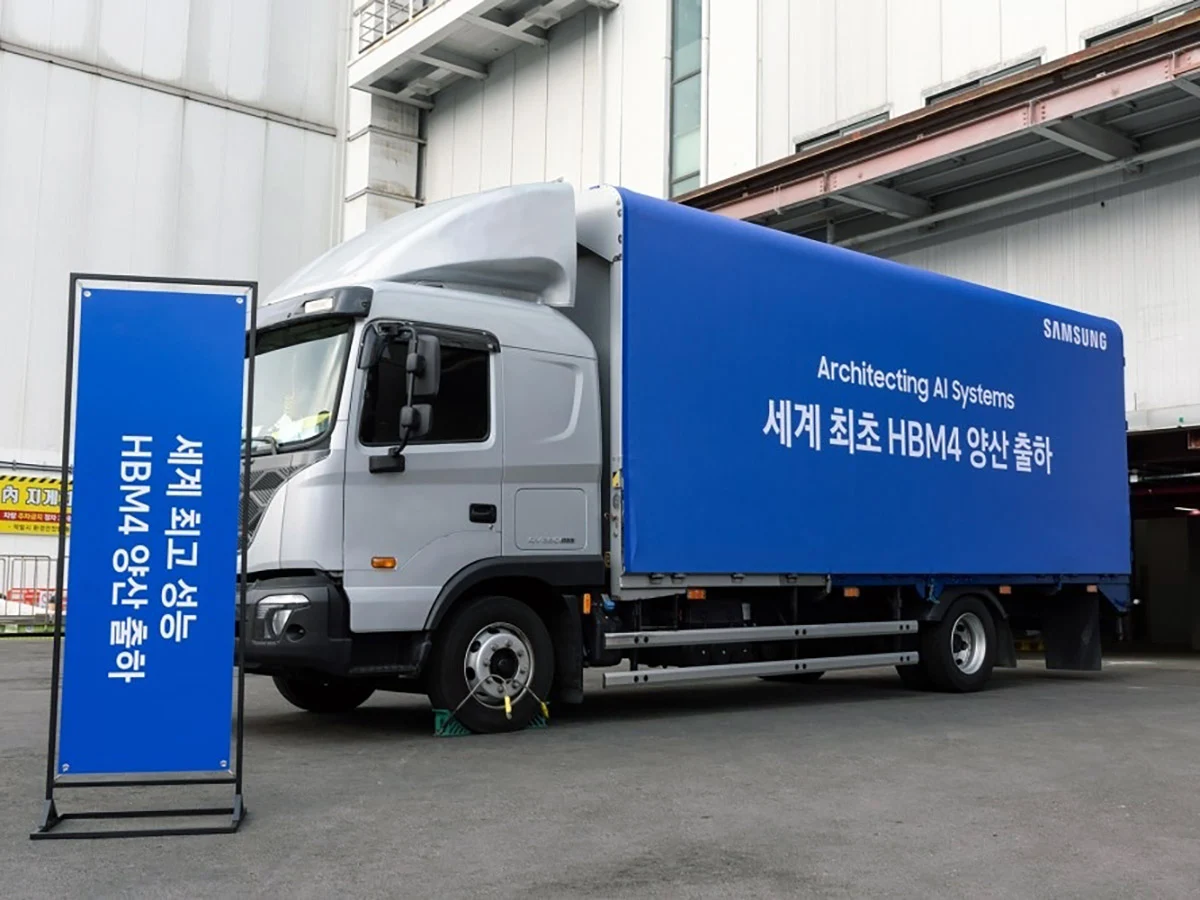
    Samsung has revealed that it has begun the first shipments of its new HBM4 memory, which is aimed at applications like Nvidia GPUs and related AI data centers.

    Pricing Details

    Reports indicate that Nvidia and other clients are shelling out nearly $500 each for Samsung’s HBM4 memory, which is twice the cost of the previous HBM3E high-bandwidth memory. This price hike has led to Samsung’s stock reaching a record high, and the company’s management is optimistic about another prosperous year, fueled by the ongoing memory shortage.

    Performance Breakthroughs

    Currently, memory manufacturers are demanding a premium for every unit they create, but Samsung claims that its HBM4 AI memory has exceeded both the Joint Electron Device Engineering Council (JEDEC) benchmarks and Nvidia’s specifications. The operating speed of HBM4 can hit an impressive 13 Gbps, which is 46% above JEDEC’s standards. Moreover, its total memory bandwidth can reach up to 3.3 TB/s per stack, significantly surpassing the 3 TB/s requirement from clients like Nvidia.

    Advanced Technology

    Samsung achieved this remarkable performance by preemptively utilizing the 10nm-class 6th-generation 1c DRAM process, with the foundational die produced at 4nm, in contrast to the 14nm 1a DRAM used for the HBM3 version. This allows for substantial room for enhancements in both process and performance. To handle the heat generated, Samsung crafted the core die and data transmission systems using low-power and low-voltage technologies, resulting in 30% improved heat dissipation and 40% enhanced energy efficiency compared to the HBM3 memory currently employed in Nvidia’s Blackwell series AI graphics cards.

    Future Prospects

    At present, Samsung can deliver up to 36 GB of HBM4 memory using a 12-layer stack, but it can also create a 16-layer stack for a total of 48 GB once Nvidia finalizes its GPU design and budget. Samsung assures that it will maintain a steady supply of these premium HBM4 chips, stating it will “continue to secure stable supply capabilities to meet the growing mid- to long-term demand, particularly from AI and data centers.” Furthermore, Samsung plans to begin sampling its next-generation HBM4E memory in the latter half of 2026.

    Source:
    Link


  • Crucial to Honor RAM and SSD Warranties Amid Micron Changes

    Crucial to Honor RAM and SSD Warranties Amid Micron Changes

    Key Takeaways

    1. Micron is leaving the consumer market, ending the Crucial brand after 30 years.
    2. The company is shifting focus to more profitable sectors, particularly AI and enterprise clients, due to rising memory costs.
    3. Increased demand for AI data centers is driving up prices, benefiting major memory manufacturers like Samsung and SK Hynix.
    4. Crucial product warranties will remain valid, and products will still be sold until the end of February.
    5. Industry trends suggest the consumer memory market is being deprioritized in favor of higher profits from AI-related sectors.


    One of the leading memory manufacturers, Micron, has declared its departure from the consumer market, marking the end of the well-known Crucial brand after thirty years.

    Shift in Focus

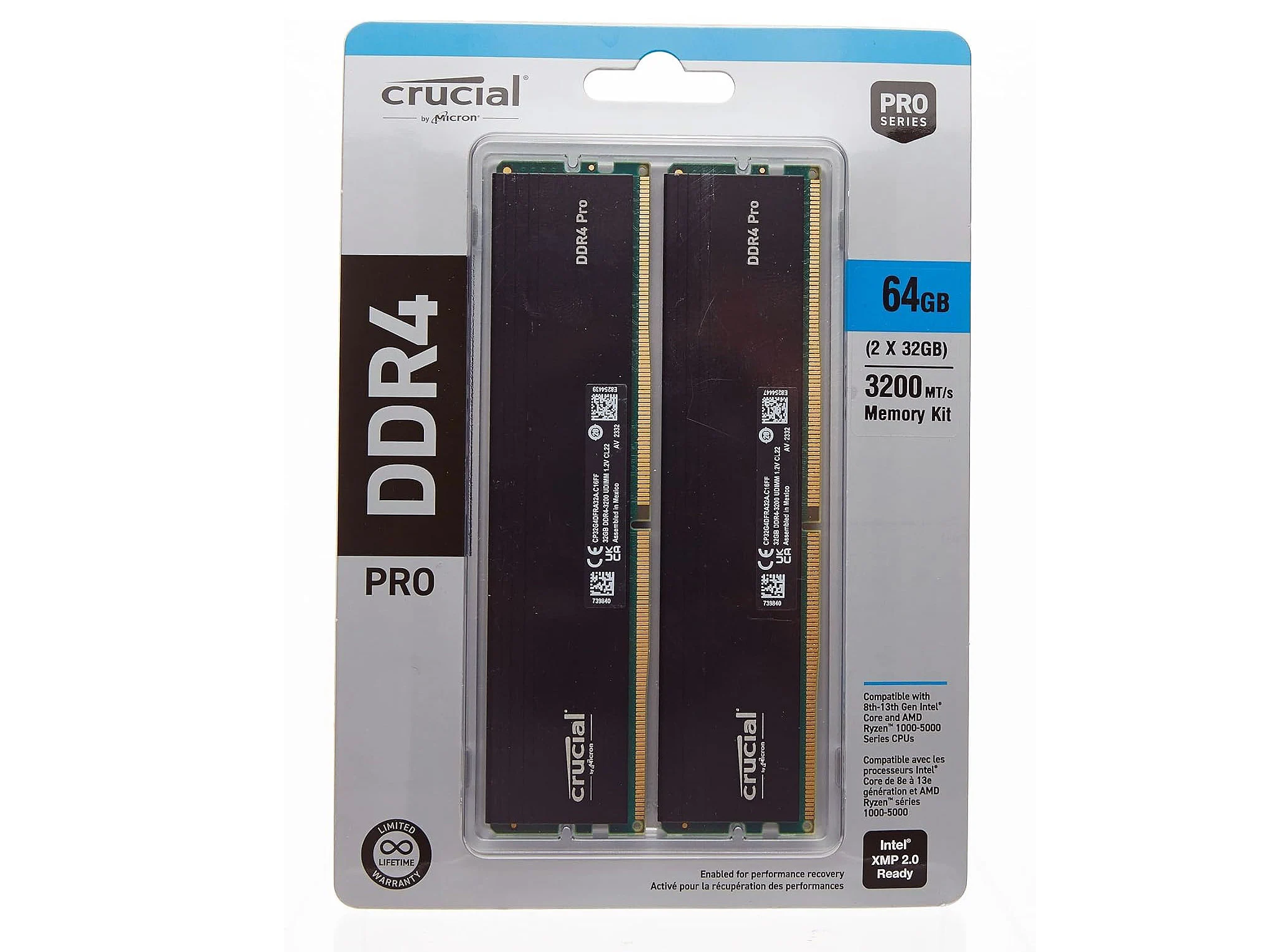
    This decision comes as the two largest memory firms, Samsung and SK Hynix, have discovered they can charge Nvidia significantly more for the premium memory used in its graphics cards and AI chipsets, and the market is willing to absorb those prices. In contrast, the consumer memory sector has been sidelined, as it’s not as profitable. For example, the 64GB Crucial Pro memory kit has seen a decrease in price on Amazon, yet it remains twice the price it was just a month ago.

    Rise of AI Demand

    The soaring demand for AI data centers by virtually all major companies in Silicon Valley is driving this unusual hike in memory costs. As a result, Micron announced it would stop producing Crucial RAM or SSD goods for retail consumers, turning its focus toward the AI sector and enterprise clients moving forward.

    “Micron has made the tough choice to exit the Crucial consumer business to enhance supply and support for our larger, strategic customers in faster-growing segments,” the statement said, highlighting the significant profits being made in AI data centers.

    Future of Crucial Products

    Existing Crucial product warranties will remain valid, and Micron will continue to sell its RAM and SSDs through regular retail channels until the end of February. After that, the Crucial consumer brand will disappear completely.

    Recently, some industry insiders suggested that Samsung may have faced similar issues when its MX division, responsible for the Galaxy S26 series, was not given preferred pricing for mobile memory by the DX semiconductor sector. A Samsung representative has reached out to deny these allegations, stating:

    “Recent reports that Samsung’s DS division has turned down specific customer requests are unfounded and false. We are in constant communication with global customers to meet industry demands.”

    Still, there is ample indirect evidence suggesting that the consumer memory market is being sacrificed for the sake of AI profits, and Micron’s announcement serves as further proof that this trend, along with high memory prices, could persist.

    Source:
    Link


  • Gneuton’s Waste Heat Water Purification for AI Data Centers 2026

    Gneuton’s Waste Heat Water Purification for AI Data Centers 2026

    Key Takeaways

    1. Gneuton has launched a thermal distillation system that purifies water using waste heat from gas turbine-powered AI data centers, enhancing efficiency and sustainability.
    2. The system captures excess heat from gas turbines to operate a closed distillation process, making it sustainable and carbon-neutral without needing outside energy.
    3. Gneuton’s technology features a modular and scalable design, capable of producing millions of gallons of purified water per year, potentially lowering costs and generating income for data centers.
    4. CEO Brad Martineau envisions transforming AI infrastructure into a net-positive source of fresh water, particularly for ecosystems facing shortages, focusing on regenerative technologies.
    5. Gneuton’s patented technology is set for commercial pilots in key AI centers across North America, Europe, and Asia within six months, and can also be adapted for other industrial heat sources.


    Gneuton, based in Pittsburgh, Pennsylvania, has launched a new thermal distillation system that purifies water using waste heat generated from gas turbine-powered AI data centers. On September 22, 2025, the company introduced a patented method that turns excess heat from gas turbines into clean, drinkable water, enhancing both efficiency and sustainability on a grand scale.

    Water Needs in AI Centers

    As stated in the company’s press release, AI data centers, especially those utilizing efficient gas turbines, are using significant amounts of water for cooling and daily functions, a trend that is likely to grow as AI technology progresses. Gneuton has developed a system that captures leftover heat from turbines and employs it to operate a closed, efficient distillation process. This technology removes the need for outside energy sources and is touted as sustainable and carbon-neutral.

    Modular and Scalable Design

    The technology from Gneuton features modular designs that can easily be integrated into large data centers. It is scalable and reportedly capable of producing millions of gallons of purified water each year per installation. The system is crafted to lower water expenses for data centers, and it might even allow them to generate income by selling water or credits.

    CEO Brad Martineau expressed, “At Gneuton, our goal is to change AI infrastructure from one of the world’s biggest consumers of fresh water into significant net-positive sources of fresh water, particularly for ecosystems experiencing critical shortages. We think the future of AI should be regenerative, not extractive.” He continued, “That’s why we’re leading the way in technologies that reuse thermal waste and improve energy-water cycles to help replenish the environments on which AI relies.”

    Global Patents and Future Plans

    The firm claims its technology is patented worldwide and has undergone testing to ensure it operates reliably and remains unique. Although primarily intended for gas turbine-powered facilities, the system can also be modified for other industrial heat sources.

    The company aims to begin its first commercial pilots within six months in key AI centers across North America, Europe, and Asia.

    Source:
    Link


  • Samsung Increases DRAM and Flash Memory Prices by Up to 30%

    Samsung Increases DRAM and Flash Memory Prices by Up to 30%

    Key Takeaways

    1. Price Increases: Samsung has raised prices for LPDDR4X, LPDDR5X chips, and UFS/eMMC storage, with increases up to 30% for LPDDR5X.

    2. Market Drivers: The price hikes are driven by the upcoming launch of new mobile devices and increased demand for data centers, particularly for AI applications.

    3. Shifts in Memory Usage: There is a growing demand for GPU memory chips as more companies are investing in AI, redirecting graphics DRAM from traditional uses.

    4. Anticipated Price Surge: The memory price rise was expected due to prior inventory drops and companies stockpiling chips to avoid tariffs.

    5. Future Trends: Analysts predict that the current demand will continue to outstrip supply, leading to higher prices for smartphones, laptops, and SSDs into next year.


    After SanDisk and Micron, Samsung, a major player in mobile device memory, has informed OEMs of a price hike for its LPDDR4X and LPDDR5X chips, along with UFS and eMMC flash storage products.

    Price Increases Across the Board

    SanDisk has announced a 10% increase in MSRP for its memory products, while Samsung’s price adjustments mimic this starting point and can escalate up to 30% for the LPDDR5X memory chips. These chips are integral to high-end flagship devices such as the Galaxy Z Fold 7, which is currently offered at a $300 discount on Amazon, as well as tablets and laptops.

    Reasons Behind the Move

    This bold decision is believed to be driven by the upcoming launch of sought-after mobile devices and the rising demand for data centers that support the AI boom. Furthermore, the demand for GPU memory chips is growing. Graphics DRAM, once primarily used in gaming consoles or graphics cards, is increasingly being redirected to server GPUs executing machine learning tasks, fueled by substantial investments in AI features from nearly all leading tech firms.

    Market Trends and Predictions

    The memory price surge from Samsung, SanDisk, Micron, and others has been anticipated since spring, despite a temporary price drop caused by excess inventory. In subsequent quarters, some companies began stockpiling chips to avoid potential tariffs during a 90-day grace period, while simultaneously depleting inventories due to a quicker rollout of new products. This has set the stage for the recent announcements regarding memory price increases.

    The decline in DDR4 memory inventory, combined with the fast-paced construction or upgrading of AI data centers—which require numerous enterprise-grade SSDs—has led to the current price hikes, as demand now surpasses supply, industry analysts say. This trend is expected to persist into next year, possibly leading to higher prices for smartphones, laptops, and SSDs to match the growing demand.

    Source:
    Link


  • Google Delays 2030 Net-Zero Goal Due to Rising AI Data Center Energy Use

    Google Delays 2030 Net-Zero Goal Due to Rising AI Data Center Energy Use

    Key Takeaways

    1. Google has removed its “pursue net-zero by 2030” ambition from its main website, marking a shift from previous commitments.
    2. The company’s current emissions goals include achieving net-zero emissions by 2030, but the target is now presented as more of a “moonshot” than a firm promise.
    3. Google’s electricity consumption increased by 26% in 2024, raising overall greenhouse gas emissions by 48% due to the expansion of data centers.
    4. McKinsey forecasts a need for $6.7 trillion in global investments by 2030 to meet computing requirements, driven largely by AI data centers.
    5. Analysts highlight a “climate strategy crisis” in the tech industry as rising energy demands challenge the viability of emissions reduction targets.


    Google has recently removed its “pursue net-zero by 2030” ambition from its website in late June, and has changed “Operating sustainably” to “Our operations”. This net-zero commitment is now only found in the appendix of Google’s latest environmental report, instead of being highlighted on their main site. Canada’s National Observer was the first to spot this change and looked into the site’s history to trace the edits. This marks a significant shift from Google CEO Sundar Pichai’s assurance in 2020 to operate on carbon-free energy all day, every day by 2030.

    Current Emissions Goals

    The tech giant asserts that it still seeks to achieve net-zero emissions throughout its operations and value chain by 2030, boasting a 12 percent decline in data-center emissions for 2024. Although the Data Centers Sustainability page still mentions the 2030 net-zero target, the wording has been altered to present it more like a “moonshot” rather than a firm promise.

    Rising Electricity Consumption

    In 2024, Google’s electricity usage surged by 26 percent, reaching an impressive 32.2 terawatt-hours (more than Ireland’s yearly consumption), largely due to new data centers coming online. The company’s overall greenhouse gas emissions increased 48 percent year on year amid the AI boom. A single Gemini chat message utilizes about 0.24 watt-hours, indicating how electricity usage grows with increased adoption.

    Future Investment Projections

    McKinsey predicts a staggering $6.7 trillion in global investments by 2030 to satisfy computing requirements, with AI data centers alone needing a substantial $5.2 trillion, potentially increasing new electricity demand by up to 70 percent. U.S. data centers are anticipated to account for 12 percent of the national load by 2030.

    Analysts are pointing out a widespread “climate strategy crisis” in the industry as energy demand skyrockets, making some reduction targets appear meaningless without reliable paths to achieve them. There are also political hurdles regarding clean energy; the Trump administration’s position on climate initiatives and discussions about “incredibly clean” coal add complexity to corporate messaging. It’s unclear whether Google’s shift will be mirrored by other major tech firms, as Microsoft and Amazon continue to emphasize net-zero as a key focus in their recent reports.

    Source:
    Link


  • Google Signs Deals to Cut AI Energy Use During Peak Hours

    Google Signs Deals to Cut AI Energy Use During Peak Hours

    Key Takeaways

    1. Google has signed agreements with U.S. power companies to reduce electricity use at AI data centers during peak demand times.
    2. The initiative aims to improve grid stability and speed up the connection of new data centers without needing more power infrastructure.
    3. This approach to energy management for AI operations is novel compared to practices in other sectors like manufacturing and cryptocurrency mining.
    4. Google is committed to workforce development, investing $10 million to train electricians and support new energy source approvals.
    5. Energy consumption from AI is expected to triple by the end of the decade, highlighting the need for innovative solutions in energy management.


    Google has made its first agreements with U.S. power companies to reduce electricity consumption at its AI data centers during times when the power grid is heavily loaded. This initiative is part of a broader strategy to tackle increasing energy challenges as AI technologies rapidly evolve.

    New Agreements and Their Purpose

    The contracts, signed with Indiana Michigan Power and the Tennessee Valley Authority, allow these power providers to request Google to temporarily decrease certain AI operations, such as machine learning processes that require significant electricity. Google states that this adaptability will speed up the connection of new data centers, decrease the necessity for constructing additional power infrastructure, and assist in maintaining grid stability during heatwaves or periods of high power demand.

    “Large electricity loads like data centers can now be interconnected more quickly,” Google mentioned in a blog entry, noting that the program is advantageous for both grid operators and utility consumers.

    A Novel Approach to Energy Management

    While reducing power usage during peak times is a common practice in sectors like manufacturing and cryptocurrency mining, specifically doing this for AI operations is relatively novel. Google’s strategy draws on previous experiments where it shifted tasks to different locations or times based on the availability of cleaner or less expensive energy.

    The tech giant also highlighted its commitment to workforce development and grid policy. In April 2025, Google revealed a $10 million initiative to train more electricians and supported efforts to expedite approvals for new energy sources, including small modular reactors and geothermal energy.

    The Future of AI Energy Use

    As energy consumption from AI is projected to triple by the decade’s end, officials have cautioned that data centers might expand quicker than the power supply in some regions of the U.S. Google’s actions could serve as a model for other cloud service providers, although similar agreements have not yet been confirmed by companies like Microsoft or Amazon.

    Source:
    Link


  • Nvidia Blackwell AI Chips Overheat in Server Racks Issues

    Nvidia Blackwell AI Chips Overheat in Server Racks Issues

    Nvidia’s Blackwell AI chips might be delayed again due to overheating issues in server racks that can hold up to 72 GPUs. According to The Information (via Reuters), Nvidia has asked its suppliers to modify the design of these high-capacity racks and is collaborating with them to enhance thermal efficiency.

    Collaboration with Partners

    A spokesperson from Nvidia stated to Reuters, "Nvidia is working with leading cloud service providers as an integral part of our engineering team and process. The engineering iterations are normal and expected." This highlights the company’s ongoing commitment to address the challenges faced during development.

    Previous Delays

    This isn’t the first instance of delays related to Blackwell. Back in August, Bloomberg shared that Nvidia had to adjust the chip design to ensure it would be more compatible with the Hopper H100 data centers. This history of modifications raises questions about the stability of the release timeline.

    Concerns from Major Companies

    In March, Nvidia had assured that the new chips would be on the market by the second quarter of the year, but those plans changed due to the recent setbacks. The Information reports that companies like Microsoft, Google, and Meta are now anxious about how these delays could impact their schedules for deploying the new chips in their data centers, which may also slow down the release of next versions of their AI-based products.

    As reported by Reuters and Bloomberg, the situation remains critical for Nvidia and its partners.

    Source: Link,Link


  • Bees Halt Meta’s Plan for First Nuclear-Powered AI Data Center

    Bees Halt Meta’s Plan for First Nuclear-Powered AI Data Center

    Meta has had to abandon its ambitions for a nuclear-powered AI data center in the United States due to environmental hurdles. The company initially aimed to establish a facility that would utilize emissions-free energy from a recognized nuclear plant operator, positioning Meta as one of the pioneering tech entities to look into nuclear energy specifically for AI processing.

    Environmental Challenges Arise

    Unfortunately, the discovery of a rare bee species on the selected location for the data center introduced regulatory and environmental challenges, which ultimately resulted in the cessation of the project. This unexpected finding presented significant issues that Meta could not navigate, leading to the decision to halt the initiative.

    The Quest for Sustainable Energy

    Big tech firms are increasingly turning to nuclear power as a solution for their energy needs in AI advancement, primarily because AI models necessitate immense computational capabilities, resulting in high energy consumption, often 24/7. Conventional energy sources, particularly fossil fuels, face difficulties in offering sustainable and scalable energy without boosting carbon emissions.

    In contrast, nuclear energy provides a reliable, emissions-free power source that aligns with the environmental goals and long-term objectives of the tech industry, making it an attractive option for companies like Meta.

    A Setback for Meta’s Nuclear Goals

    During an all-hands meeting, CEO Mark Zuckerberg shared his frustration, indicating that the company was ready to proceed with the nuclear supplier to guarantee clean energy for the facility. Although Meta’s nuclear aspirations for this particular site are currently on hold, the company is still considering other pathways to obtain low-carbon energy. This strategy is in line with a larger movement among tech giants such as Microsoft, Google, and Amazon, all of which have recently expressed interest in nuclear energy for their data centers.

    For instance, Microsoft has entered into a 20-year contract to obtain energy from the historic Three Mile Island nuclear facility, which has been renamed the Crane Clean Energy Center, to fuel its own AI projects. Meanwhile, Google and Amazon are investing in small modular reactors (SMRs), which are compact nuclear units designed for safer and more flexible implementation, with Google anticipating that its reactors will be active by 2030.

    Looking Ahead

    Meta is still dedicated to investigating further clean energy sources to support its data-heavy AI operations. The tech industry’s growing dependence on nuclear energy highlights the increasing energy demands of AI and the essential role of clean energy in achieving sustainability objectives. Nevertheless, for the time being, the presence of at-risk wildlife and the regulatory environment have shifted Meta’s plans for a nuclear-driven AI future.


    Image 1