Tag: memory prices

  • Samsung Strike Could Raise Memory Prices Amid Union Profit Dispute

    Samsung Strike Could Raise Memory Prices Amid Union Profit Dispute

    Key Takeaway

    1. Workers in Samsung’s chip production are demanding higher wages and bonuses, citing more aggressive incentives from competitors like SK Hynix.
    2. The potential for a prolonged strike could significantly reduce memory output, intensifying shortages and driving up prices across the industry.
    3. Financial ramifications include possible losses of up to $11.7 billion for Samsung if an extensive shutdown occurs, benefitting rivals.

    Demand for AI Chips Elevates Samsung’s Revenue

    AI data center demand has been driving up revenue for companies like Samsung, making the production of critical components so lucrative that workers are now seeking a bigger cut. The ongoing talks about wages and bonuses hit a bump, as production halts could lead to an increase in memory prices, affecting the whole industry.

    Workers Eye Big Bonuses and Wage Hikes

    The story, which was covered by a news source behind a paywall, reveals that Samsung workers are reportedly ready to accept a bonus of around $340,000 per employee. Still, the company’s hesitant attitude towards promising the same yearly perks adds tension. Both sides appear to disagree about how long the AI boom will last, influencing their negotiations.

    Comparison with Competitors and Industry Tensions

    • Employees claim SK Hynix offers its staff more generous incentives, with bonuses possibly reaching an extra $900,000 by next year.
    • The union also demands a 7% wage increase and removal of a 50% cap on bonuses.

    Recent Industrial Actions and Market Risks

    On April 23rd, a strike involving about 40,000 union members disrupted a factory in Pyeongtaek. It caused a sharp decrease in output—estimated at 58%—highlighting how sensitive the supply chain is for memory chips. Prolonged stoppages could worsen memory shortages and push prices even higher.

    Potential Strike and Financial Implications

    If workers’ demands are not meet, an 18-day strike planned from late May to early June could happen. Experts warn that such a strike might make Samsung lose up to $11.7 billion, giving its competitors a big advantage during the disruption.

    Broader Impact on Memory and Tech Markets

    The focus on high-bandwidth memory (HBM) used in AI applications could ripple into other types of DRAM, affecting PC and gamer markets. With only a few manufacturers like SK Hynix and Micron capable of supplying modules, a Samsung strike could lead to shortages, making DDR5 memory even harder for consumers and builders to find.

  • Memory Price Surge Sparks PC Market Growth Amid DRAM Shortage and 60% Price Increase

    Memory Price Surge Sparks PC Market Growth Amid DRAM Shortage and 60% Price Increase

    Key Takeaway

    1. Despite concerns, PC shipments increased in Q1 2026, driven by panic buying and upgrades.
    2. Rising DRAM prices (up to 100%, with projections of 50-60% further increase) threaten to reverse growth trends.
    3. Larger OEMs like Apple and Lenovo are better positioned to continue sales, while smaller companies face difficulties.
    4. Elevated memory costs and Windows 10 support end impacted purchasing patterns, especially in the entry-level market.
    5. The overall market outlook is cautious, with expectations of decreased demand and fewer new models if high memory prices persist.

    Market Resilience Despite Rising Memory Costs

    Despite fears about sky-high memory prices hurting sales, the electronics market still did quite well in the first quarter of 2026. The research from Counterpoint shows that worldwide shipments of PCs increased by 3.2% compared to the same time last year. Even with the boost from Windows 11 updates, there is worry that the expected 60% hike in DRAM prices might change the current upward trend.

    Manufacturers and Consumer Behavior

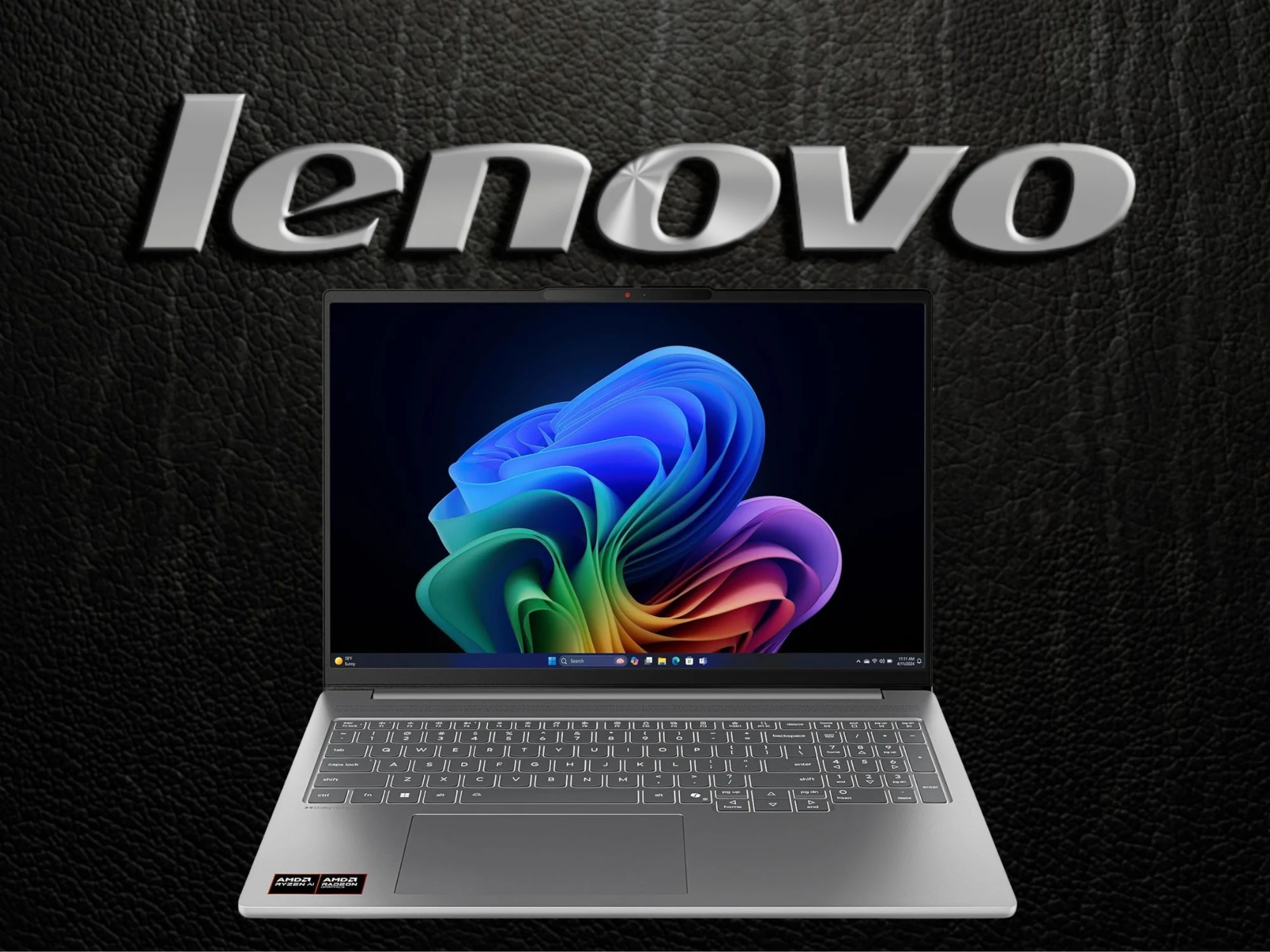
    In the current scenario, companies such as Lenovo, Asus, and Apple saw sales spike, largely because customers hurried to buy before prices got even higher. Lenovo’s team pushed customers to act quickly, resulting in a 9% increase in shipment numbers over last year. Asus experienced a notable 20% rise, mainly driven by the memory shortage that compelled many to purchase new laptops faster.

    Impact on Different OEMs and Market Segments

    Apple appears to be in a stronger position to handle the supply issues, with the MacBook Neo already helping to push orders up 11% year over year. Meanwhile, smaller Original Equipment Manufacturers (OEMs) are struggling to keep up. They don’t have the same bargaining power or long-term deals with big DRAM manufacturers like Samsung and SK Hynix, making their situation more difficult.

    Historical and Technological Factors

    A major reason for the price rise was the end of support for Windows 10, forcing users to buy new compatible laptops. Additionally, the release of advanced processors like Qualcomm’s Snapdragon X2 Elite and other AI-enhanced chips has spurred more companies to upgrade their computer systems to accommodate AI functions.

    Outlook for the Rest of 2026

    Looking ahead, the outlook for the rest of the year is less optimistic. The surge in shipments was driven by early buying, not ongoing demand. Prices for DDR5 RAM have soared up to 100% since late 2025, and experts like TrendForce forecast that prices could climb by another 50-60% in the next quarter.

    Long-term Market Challenges

    The ongoing high prices could lead to lower laptop and desktop sales, especially if memory supplies stay tight. Manufacturers might slow down releasing new models, and some companies like MSI are already shifting focus from consumer gaming products to enterprise AI servers, which bring higher profits. In particular, low-end markets are highly vulnerable, with many gamers delaying new builds due to unaffordable DDR5 RAM prices.


    Sources

  • 128GB DDR5 RAM Now $4199: Is Memory Shortage Still an Issue?

    128GB DDR5 RAM Now $4199: Is Memory Shortage Still an Issue?

    Key Takeaway

    1. Memory prices, especially DDR5 RAM, are significantly inflated, with some kits priced far above their typical market value due to oversupply and high demand from enterprise sectors.
    2. Retailers like Micro Center still have ample stock, but products are often sold at exaggerated prices, leading consumers to believe industry exploitation occurs despite no actual shortage.
    3. The high prices are linked to sustained demand from AI data centers and enterprise customers, which maintains elevated manufacturing focus on high-bandwidth memory and related hardware.
    4. While some prices for consumer RAM are beginning to stabilize or drop, overall costs may remain high or even increase further due to ongoing enterprise demand and manufacturing trends.

    Memory Prices Skyrocket Despite Plenty of Stock

    Deal hunters who hunt for cheap PC parts at Micro Center are finding that prices for memory chips have shot way up. A Reddit post showed a 128GB DDR5 RAM kit costing a crazy $4199. Even though the shelves are still full, many buyers feel like the industry is taking advantage of them by jacking up the prices beyond reason.

    Overpriced RAM in Retail Stores

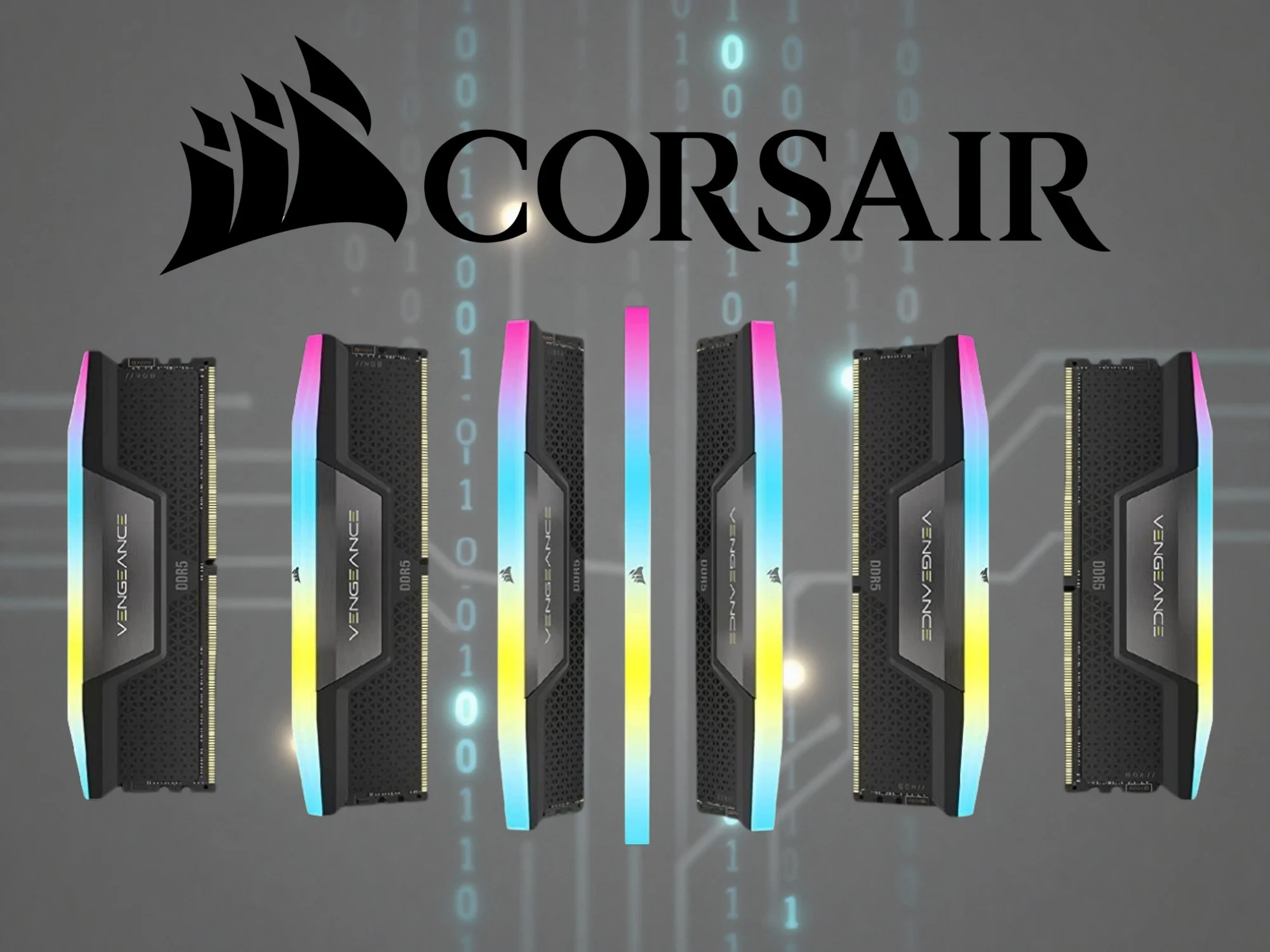
    According to Redditor Hell-Diver7, he couldn’t believe his eyes when he checked out a Micro Center store. The guy spotted two sticks of Corsair Vengeance DDR5-6400 RAM, each 64GB, with a price tag that was higher than some top-tier graphics cards. Luckily, those same modules are now cheaper on their website. Still, most of the high-end items in the snapshot have not become any cheaper, fueling frustration among tech enthusiasts who believe they are being ripped off.

    Excess Stock or Inflated Prices? It’s Complicated

    It’s not just a single retailer feeling the heat. Roth_Skyfire, a user from another area, mentioned that there’s loads of RAM still in stock—like hundreds of packs—but they’re all priced way more than they used to be, sometimes five times higher. He added that he doesn’t believe there’s a real shortage of memory, just that the vendors are pushing prices up on goods that no one wants to buy at those levels.

    Rising Costs for Storage Devices

    With manufacturers like Samsung and Micron focused on serving AI data centers, it’s no surprise that SSD prices are also soaring. Even when on sale, a buyer has to shell out around $700 for a 4TB NVMe SSD. Much like the fancy RAM modules, stores aren’t running out of these storage options. They’re simply continuing to price them high, probably because of ongoing demand from institutional buyers.

    Market Trends and Future Expectations

    Many gamers and consumers are speculating that the current oversupply might lead to a collapse in memory prices. Some models of Corsair Vengeance are already selling at more reasonable prices across different shops. Still, if costs stay high, average users may have to keep paying more, at least for the foreseeable future.

    Industry Growth and Demand

    Recent reports suggest that Samsung’s enterprise demand remains very strong. A Korean tech news site revealed that the company has locked in long-term deals at prices about 30% higher than three months ago. As AI companies continue investing heavily, factories are likely to prioritize producing high-bandwidth memory (HBM), keeping supply tight for consumer markets.

    Will Prices Drop or Rise? The Uncertainty Exists

    Some experts believe that any discounts on regular DRAM are only temporary. It’s possible that DDR5 prices could even go higher in the future, especially since many of the memory modules now on shelves were probably produced months ago. Meanwhile, manufacturers are not worried about flagging retail sales because they’re focused on sectors like AI and data centers, which still demand high-end memory solutions.

    Sources
  • DDR5 RAM Prices Drop Up to 30% Amid Ongoing Memory Shortage

    DDR5 RAM Prices Drop Up to 30% Amid Ongoing Memory Shortage

    Key Takeaway

    1. DDR5 prices are decreasing globally, with notable drops in China, though these may be temporary fluctuations.
    2. Memory manufacturers like SK Hynix and Samsung maintain stable contract prices despite market declines.
    3. Demand driven by AI applications, such as data center models and HBM, provides some stability for suppliers.
    4. Recent reductions in OpenAI’s order volume and Google’s AI efficiency improvements may influence future DRAM and HBM consumption.
    5. Analysts view the current price drops as short-term adjustments, with ongoing monitoring needed for potential market shifts.


    Recently, the prices of DDR5 have seen slight reduction across many sales points. Many folks believe that Google’s TurboQuant tech might help ease the global memory shortage. In a recent article from TrendForce, it was revealed that the biggest price drops are happening in China. But experts warn that this could just be a temporary fluctuation, not a permanent change.

    Market Trends and Regional Differences

    According to TrendForce, buyers in the U.S. and Europe are starting to notice the costs of DRAM falling. For example, a Corsair Vengeance 32GB DDR5 RAM kit was found priced at only $379.99, marking its lowest sale price in months, especially on some popular online stores. Meanwhile, in some Asian countries, the price adjustments are bigger, showing more substantial declines.

    Price Drop Details and Impact in China

    In China, popular 16GB DDR5-5600 and DDR5-6000 sticks from well-known brands are going for about 25-30% less than their previous high prices. A more significant decline was seen with a 32GB module costing CNY 3,000, which dropped to CNY 1,950, converting roughly to around $283 USD. This has led to more affordable options for consumers in that region.

    Stock Market Movements and Industry Response

    Shares of big chip manufacturers like SK Hynix and Samsung have fallen recently. Still, the report says that the chipmakers are not overly worried about these changes. Sources from Taiwan mention that “contract prices from major memory suppliers have remained completely stable,” indicating confidence in the market despite the price fluctuations.

    Demand Influences and Future Predictions

    The need for DRAM mainly comes from computer builders, but the real driver of the demand is the booming AI industry. These advanced models, especially in data centers, require large amounts of High Bandwidth Memory (HBM). Suppliers often have fixed, long-term agreements with companies like Nvidia, which helps keep pricing stable even when the market fluctuates.

    Effects of AI Development and Market Concerns

    Some industry watchers think that the news about OpenAI might be a good thing, even though they aimed for a big share of the global supply. There was some blame aimed at OpenAI for causing the memory shortage, but recent reports show they are actually reducing their order quantities after earlier meetings with suppliers. Google’s AI tools like TurboQuant promise to cut down the use of DRAM and HBM significantly. However, with models getting more complex, there’s worry that the demand for memory might grow even more, making the market tighter.

    Summary of Current Market Outlook

    TrendForce says the recent DDR5 price drops are mainly “a short-term, consumer-driven adjustment.” Industry experts will keep an eye on whether these lower prices lead to any larger market shifts in the future.


    Sources
  • DDR5 RAM Prices Fall Unusually After TurboQuant Announcement

    DDR5 RAM Prices Fall Unusually After TurboQuant Announcement

    Key Takeaways

    1. DDR5 RAM prices are starting to stabilize, with recent price drops observed, particularly for Corsair memory modules in the U.S.
    2. In Europe, memory prices are also falling, signaling a general trend toward decreasing costs.
    3. The ongoing memory shortage continues to make DRAM expensive for many consumers, despite some stabilization in prices.
    4. Google’s TurboQuant AI compression algorithm could potentially reduce memory usage significantly, which may help address future memory demand.
    5. The future of DDR5 RAM prices remains uncertain, as increased demand from AI models may focus manufacturers on enterprise clients rather than gamers.


    High memory prices have caused big problems for gamers on both consoles and PCs. However, there are hints that DDR5 RAM costs are starting to stabilize. According to Wccftech, Corsair memory modules are seeing an interesting decline on Amazon in the U.S. Additionally, Google’s TurboQuant AI compression algorithm seems to promise further good news for buyers.

    Price Drops in Europe and Beyond

    Notebookcheck recently shared that memory prices are falling in parts of Europe. This trend appears to have reached the U.S., although it mainly involves a single brand. For instance, a 32GB RGB variant of Corsair Vengeance DDR5 RAM is currently priced at $379.99, down from its former high of $439.99. The unlit version has also seen price drops, indicating a general decrease from its peak.

    Ongoing Memory Challenges

    Sadly, the ongoing memory shortage means that much of the DRAM remains too expensive for many customers. PCPartPicker, which monitors component prices, reveals that while some prices are stabilizing, they are not really dropping. Nonetheless, Google’s recent announcement could bring some long-term relief.

    On March 24th, the tech giant provided more details about its TurboQuant algorithm. This new technology aims to tackle the increasing demand for key-value (KV) cache memory by AI models. The improvement could potentially lower memory usage by up to six times while enhancing performance. In theory, this means that complex models would require less DRAM and HBM, which could help alleviate the memory shortage.

    Uncertain Future for Prices

    Stock prices for major suppliers like SK Hynix and Samsung fell after investors received this news. However, TurboQuant may not lead to lower memory prices for everyday consumers. It’s possible that data centers will start using even larger AI models that need more memory modules. This would mean that manufacturers might keep focusing on enterprise clients rather than gamers.

    Unless a real solution emerges or the AI boom fizzles out, it seems unlikely that DDR5 RAM prices will see a significant drop. Since GPUs and storage are also feeling the pinch, putting together gaming PCs has become tricky. To make matters worse, several consoles are losing their appeal, with Sony recently announcing a sharp rise in the MSRPs of the PS5 and PS5 Pro.

    Wccftech, Google Blog, Amazon, PCPartPicker

    Source:
    Link


  • Intel CPU Prices to Rise 10% Due to Memory Cost Surge

    Intel CPU Prices to Rise 10% Due to Memory Cost Surge

    Key Takeaways

    1. Intel is set to raise prices on PC CPUs by about 10% starting later this month, affecting various mainstream processors.
    2. The price increase is attributed to rising expenses in the semiconductor supply chain, particularly due to high demand for AI infrastructure.
    3. Intel holds about 70% of the PC CPU market share, meaning their price changes will significantly impact OEM profit margins.
    4. Memory prices have surged, with increases up to 180% quarter-over-quarter, impacting overall laptop manufacturing costs.
    5. Higher component costs may lead to tighter profit margins for PC manufacturers and potentially higher prices for end-users, especially in the notebook market.


    Intel has been quite busy lately with announcements of new Core Ultra processors for both laptops and desktops. In addition to these new releases, the company is said to be planning a price increase for its existing PC CPU range. As reported by the Korean news source ETNews, Intel has notified its major clients that it will raise prices on PC CPUs by about 10% starting later this month. This change will affect a broad spectrum of its mainstream processors, not just one specific area. The price hike will take place at the OEM level, meaning that PC makers will incur higher costs for CPUs, but there has not been any confirmation regarding changes to retail or MSRP prices yet.

    Reasons Behind the Increase

    The price increase is reportedly linked to the rising expenses in the semiconductor supply chain. Memory prices have seen a significant surge in the past few months, driven by higher demand associated with AI infrastructure and the expansion of data centers. This situation has led to imbalances in supply across various sectors of the industry. More resources are being allocated to AI-related components instead of consumer PC parts.

    Market Dynamics

    Pricing for CPUs is crucial for the total manufacturing costs of PCs. According to industry sources mentioned in the report, Intel holds approximately 70% of the PC CPU market share, meaning any change in prices will have a direct and noticeable effect on OEM profit margins. Companies like AMD and Qualcomm are also growing their presence in this market, but Intel remains the leading provider.

    Impact on Manufacturers

    Moreover, the financial strain isn’t just confined to processors. Memory prices are climbing at an extraordinary rate, with market data showing increases of up to 180% quarter-over-quarter. Other research indicates that combined CPU and memory costs could represent as much as 58% of a laptop’s total materials cost, especially for mainstream laptops priced around $900, as per TrendForce.

    Consequently, PC manufacturers might encounter tighter profit margins as input costs rise. The report also suggests that ongoing inflation in component prices may result in higher prices for end-users, particularly in the notebook market, depending on how much of the cost increase is passed down.

    Source:
    Link


  • Nintendo President Addresses Switch 2 Price Increase Due to Costs

    Nintendo President Addresses Switch 2 Price Increase Due to Costs

    Key Takeaways

    1. Medium to Long-Term Strategy: Nintendo is accumulating parts for gaming devices as part of a long-term plan and believes rising memory prices won’t impact short-term profitability.

    2. Price Increase Uncertainty: President Shuntaro Furukawa did not confirm whether a price increase for the Switch 2 is unavoidable, stating he cannot comment on hypotheticals.

    3. Preparedness for Higher Costs: Nintendo is ready for increased component costs, potentially utilizing stockpiles of LPDDR5X RAM or fixed-price contracts, though these solutions may be temporary.

    4. Sales Performance Challenges: Sales of the Switch 2 are lagging behind its predecessor’s performance during the same period in 2017, with some regions facing stock issues.

    5. Impact on Consumer Behavior: Higher console prices could deter Switch owners from upgrading, but currently, rising memory prices are not expected to strain Nintendo fans financially.


    Unprecedented memory prices are causing an increase in the costs of gaming PCs, and consoles are facing challenges too. Kyoto Shimbun (paywalled) inquired with Nintendo President Shuntaro Furukawa regarding the possible impacts on their latest handheld device. The Patents Watch Bluesky account shared some important points, including a question about whether the price of the Switch 2 might rise.

    Medium to Long-Term Strategy

    Furukawa stated that accumulating parts for their gaming devices is part of a “medium to long-term business plan.” He dismissed the idea that the rising memory prices will impact their profitability in the short run. Nevertheless, the company will keep an eye on how the shortage, driven by AI data centers, develops over time.

    Price Increase Uncertainty

    The interviewer sought to find out if a price increase for the Switch 2 was unavoidable. Unfortunately, the Nintendo President did not provide a definitive answer about any adjustments to its MSRP, stating, “I cannot comment on hypotheticals.”

    Preparedness for Higher Costs

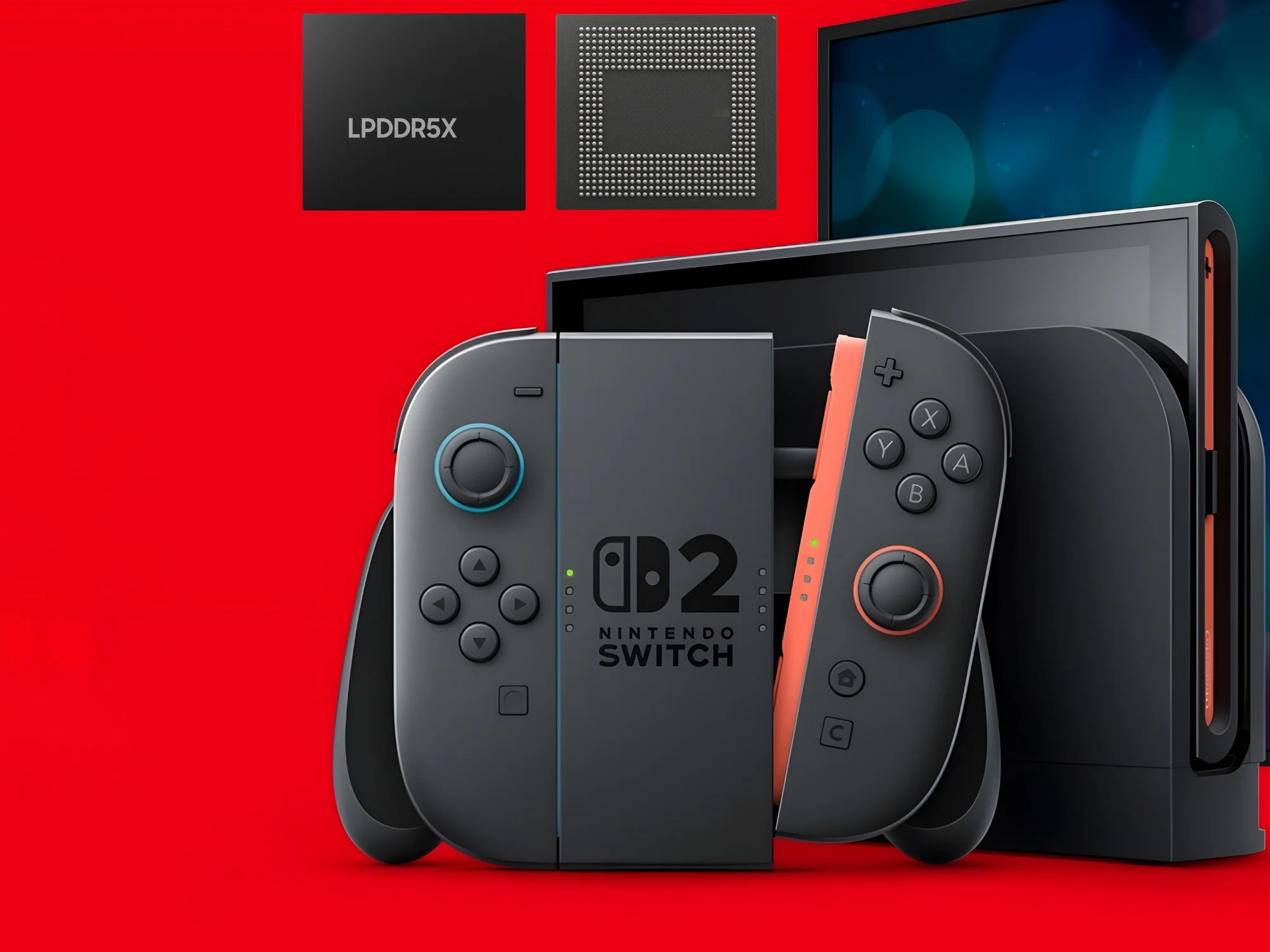
    Gamers can take comfort in knowing that Nintendo is ready to cope with increased component expenses. Their factories might still hold a substantial stock of LPDDR5X, a mobile version of DDR5 RAM. Alternatively, they could rely on fixed-price contracts, even though memory manufacturers are currently shying away from such deals. However, the crisis could persist until 2028, suggesting that these solutions could only be temporary.

    Before the recent challenges, tariffs had already compelled the company to rethink its strategies. The Switch 2 launched at its anticipated price, but the original Switch and its accessories did not fare as well. Furukawa acknowledged that the extra costs did affect Nintendo’s financial projections. Consumers might face higher prices as a result, but he also desires for as many customers as possible to embrace new hardware.

    Sales Performance Challenges

    The executive refrained from commenting on the drop in Switch 2 sales across various regions. During the holiday period, the console’s sales performance was behind that of its predecessor in 2017. While stock levels were sufficient in some areas, stores in Japan continue to face challenges in meeting demand. Conversely, these gamers have access to a more affordable, region-free handheld.

    An increase in console prices could deter even more Switch owners from upgrading. Still, it seems that for now, rising memory prices won’t impose additional financial strain on Nintendo fans.

    Source:
    Link