
Key Takeaways
1. DDR5 RAM prices are starting to stabilize, with recent price drops observed, particularly for Corsair memory modules in the U.S.
2. In Europe, memory prices are also falling, signaling a general trend toward decreasing costs.
3. The ongoing memory shortage continues to make DRAM expensive for many consumers, despite some stabilization in prices.
4. Google’s TurboQuant AI compression algorithm could potentially reduce memory usage significantly, which may help address future memory demand.
5. The future of DDR5 RAM prices remains uncertain, as increased demand from AI models may focus manufacturers on enterprise clients rather than gamers.
High memory prices have caused big problems for gamers on both consoles and PCs. However, there are hints that DDR5 RAM costs are starting to stabilize. According to Wccftech, Corsair memory modules are seeing an interesting decline on Amazon in the U.S. Additionally, Google’s TurboQuant AI compression algorithm seems to promise further good news for buyers.
Price Drops in Europe and Beyond
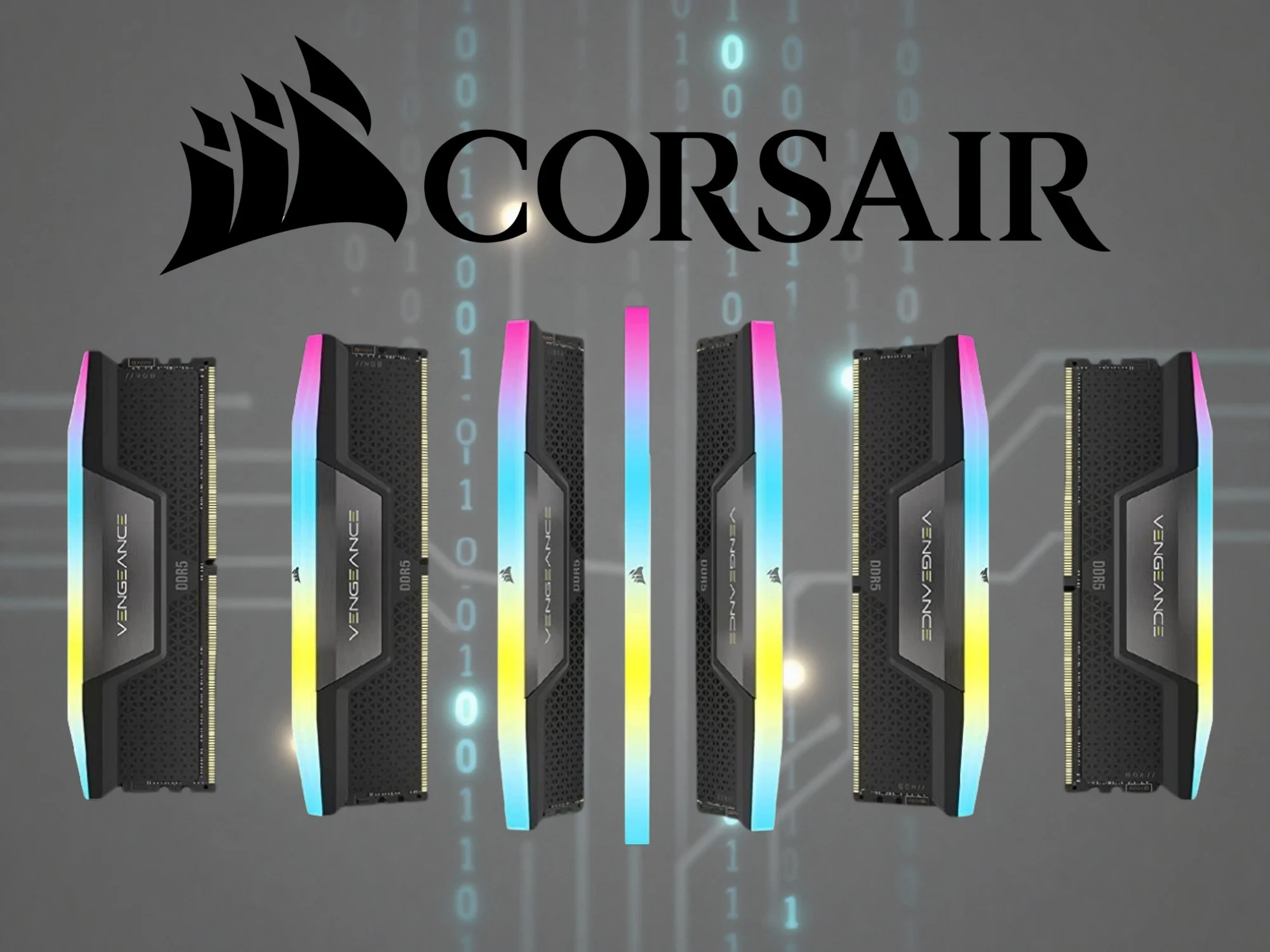
Notebookcheck recently shared that memory prices are falling in parts of Europe. This trend appears to have reached the U.S., although it mainly involves a single brand. For instance, a 32GB RGB variant of Corsair Vengeance DDR5 RAM is currently priced at $379.99, down from its former high of $439.99. The unlit version has also seen price drops, indicating a general decrease from its peak.
Ongoing Memory Challenges
Sadly, the ongoing memory shortage means that much of the DRAM remains too expensive for many customers. PCPartPicker, which monitors component prices, reveals that while some prices are stabilizing, they are not really dropping. Nonetheless, Google’s recent announcement could bring some long-term relief.
On March 24th, the tech giant provided more details about its TurboQuant algorithm. This new technology aims to tackle the increasing demand for key-value (KV) cache memory by AI models. The improvement could potentially lower memory usage by up to six times while enhancing performance. In theory, this means that complex models would require less DRAM and HBM, which could help alleviate the memory shortage.
Uncertain Future for Prices
Stock prices for major suppliers like SK Hynix and Samsung fell after investors received this news. However, TurboQuant may not lead to lower memory prices for everyday consumers. It’s possible that data centers will start using even larger AI models that need more memory modules. This would mean that manufacturers might keep focusing on enterprise clients rather than gamers.
Unless a real solution emerges or the AI boom fizzles out, it seems unlikely that DDR5 RAM prices will see a significant drop. Since GPUs and storage are also feeling the pinch, putting together gaming PCs has become tricky. To make matters worse, several consoles are losing their appeal, with Sony recently announcing a sharp rise in the MSRPs of the PS5 and PS5 Pro.
Wccftech, Google Blog, Amazon, PCPartPicker
Source:
Link
Leave a Reply