1. Despite concerns, PC shipments increased in Q1 2026, driven by panic buying and upgrades.
2. Rising DRAM prices (up to 100%, with projections of 50-60% further increase) threaten to reverse growth trends.
3. Larger OEMs like Apple and Lenovo are better positioned to continue sales, while smaller companies face difficulties.
4. Elevated memory costs and Windows 10 support end impacted purchasing patterns, especially in the entry-level market.
5. The overall market outlook is cautious, with expectations of decreased demand and fewer new models if high memory prices persist.
Market Resilience Despite Rising Memory Costs
Despite fears about sky-high memory prices hurting sales, the electronics market still did quite well in the first quarter of 2026. The research from Counterpoint shows that worldwide shipments of PCs increased by 3.2% compared to the same time last year. Even with the boost from Windows 11 updates, there is worry that the expected 60% hike in DRAM prices might change the current upward trend.
Manufacturers and Consumer Behavior
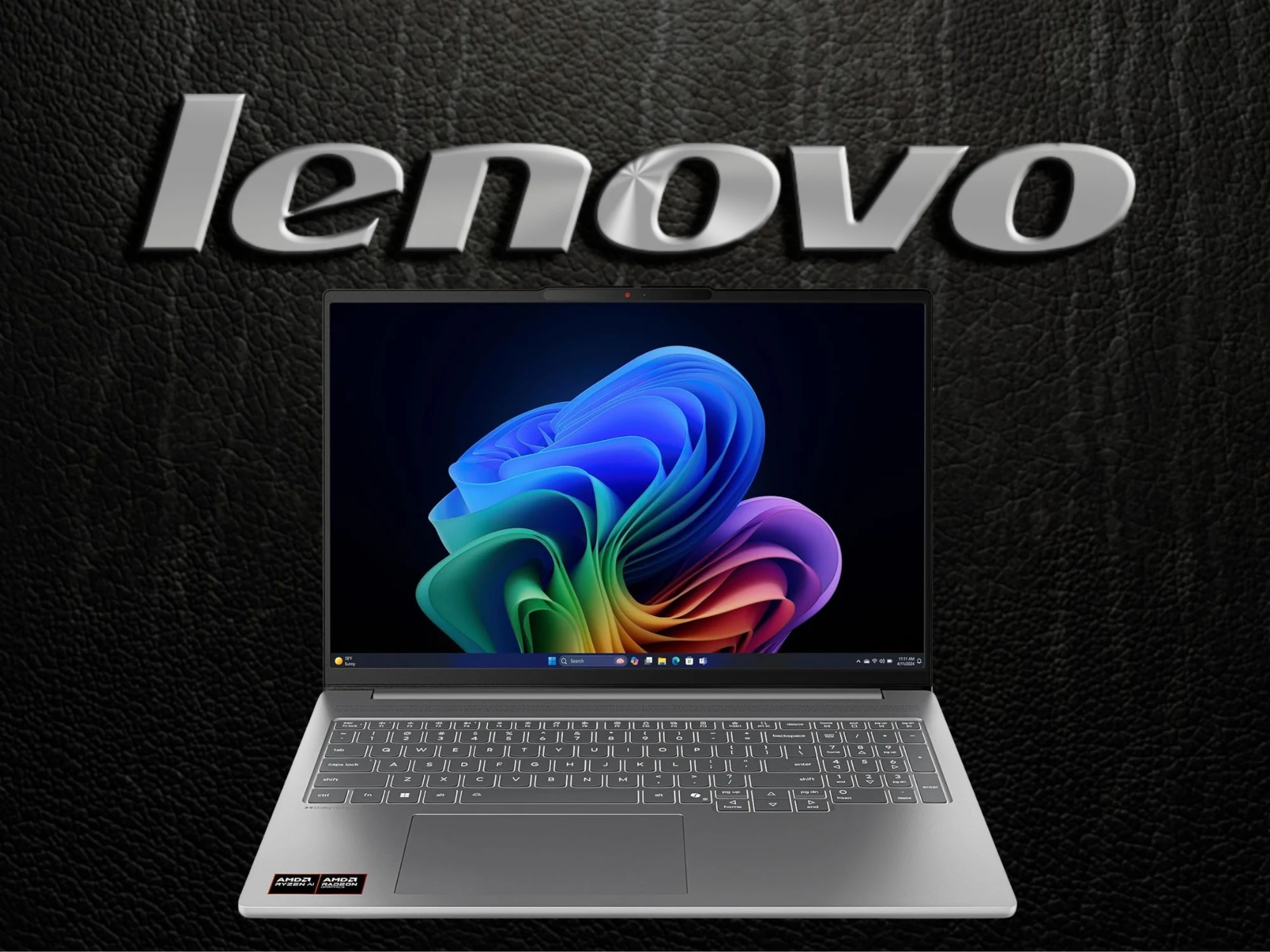
In the current scenario, companies such as Lenovo, Asus, and Apple saw sales spike, largely because customers hurried to buy before prices got even higher. Lenovo’s team pushed customers to act quickly, resulting in a 9% increase in shipment numbers over last year. Asus experienced a notable 20% rise, mainly driven by the memory shortage that compelled many to purchase new laptops faster.
Impact on Different OEMs and Market Segments
Apple appears to be in a stronger position to handle the supply issues, with the MacBook Neo already helping to push orders up 11% year over year. Meanwhile, smaller Original Equipment Manufacturers (OEMs) are struggling to keep up. They don’t have the same bargaining power or long-term deals with big DRAM manufacturers like Samsung and SK Hynix, making their situation more difficult.
Historical and Technological Factors
A major reason for the price rise was the end of support for Windows 10, forcing users to buy new compatible laptops. Additionally, the release of advanced processors like Qualcomm’s Snapdragon X2 Elite and other AI-enhanced chips has spurred more companies to upgrade their computer systems to accommodate AI functions.
Outlook for the Rest of 2026
Looking ahead, the outlook for the rest of the year is less optimistic. The surge in shipments was driven by early buying, not ongoing demand. Prices for DDR5 RAM have soared up to 100% since late 2025, and experts like TrendForce forecast that prices could climb by another 50-60% in the next quarter.
Long-term Market Challenges
The ongoing high prices could lead to lower laptop and desktop sales, especially if memory supplies stay tight. Manufacturers might slow down releasing new models, and some companies like MSI are already shifting focus from consumer gaming products to enterprise AI servers, which bring higher profits. In particular, low-end markets are highly vulnerable, with many gamers delaying new builds due to unaffordable DDR5 RAM prices.