
Key Takeaways
1. Intel is set to raise prices on PC CPUs by about 10% starting later this month, affecting various mainstream processors.
2. The price increase is attributed to rising expenses in the semiconductor supply chain, particularly due to high demand for AI infrastructure.
3. Intel holds about 70% of the PC CPU market share, meaning their price changes will significantly impact OEM profit margins.
4. Memory prices have surged, with increases up to 180% quarter-over-quarter, impacting overall laptop manufacturing costs.
5. Higher component costs may lead to tighter profit margins for PC manufacturers and potentially higher prices for end-users, especially in the notebook market.
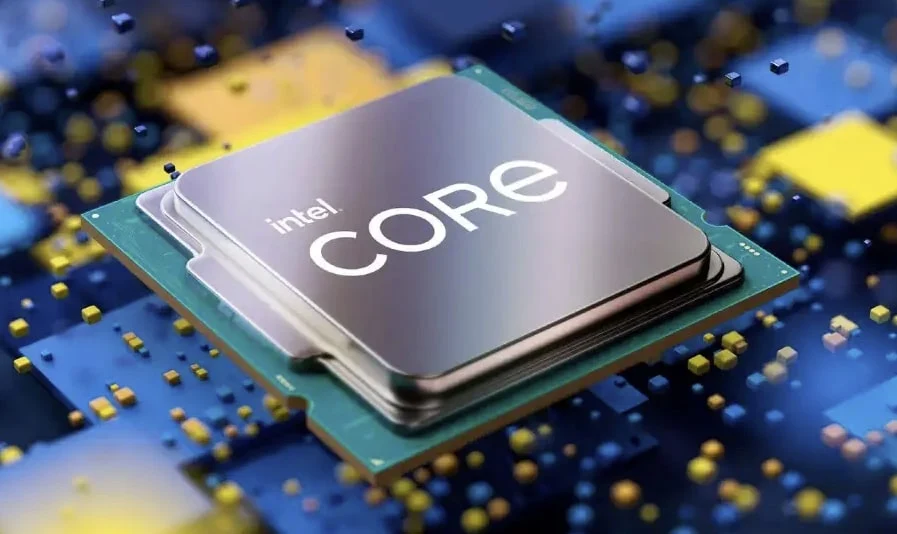
Intel has been quite busy lately with announcements of new Core Ultra processors for both laptops and desktops. In addition to these new releases, the company is said to be planning a price increase for its existing PC CPU range. As reported by the Korean news source ETNews, Intel has notified its major clients that it will raise prices on PC CPUs by about 10% starting later this month. This change will affect a broad spectrum of its mainstream processors, not just one specific area. The price hike will take place at the OEM level, meaning that PC makers will incur higher costs for CPUs, but there has not been any confirmation regarding changes to retail or MSRP prices yet.
Reasons Behind the Increase
The price increase is reportedly linked to the rising expenses in the semiconductor supply chain. Memory prices have seen a significant surge in the past few months, driven by higher demand associated with AI infrastructure and the expansion of data centers. This situation has led to imbalances in supply across various sectors of the industry. More resources are being allocated to AI-related components instead of consumer PC parts.
Market Dynamics
Pricing for CPUs is crucial for the total manufacturing costs of PCs. According to industry sources mentioned in the report, Intel holds approximately 70% of the PC CPU market share, meaning any change in prices will have a direct and noticeable effect on OEM profit margins. Companies like AMD and Qualcomm are also growing their presence in this market, but Intel remains the leading provider.
Impact on Manufacturers
Moreover, the financial strain isn’t just confined to processors. Memory prices are climbing at an extraordinary rate, with market data showing increases of up to 180% quarter-over-quarter. Other research indicates that combined CPU and memory costs could represent as much as 58% of a laptop’s total materials cost, especially for mainstream laptops priced around $900, as per TrendForce.
Consequently, PC manufacturers might encounter tighter profit margins as input costs rise. The report also suggests that ongoing inflation in component prices may result in higher prices for end-users, particularly in the notebook market, depending on how much of the cost increase is passed down.
Source:
Link
Leave a Reply