
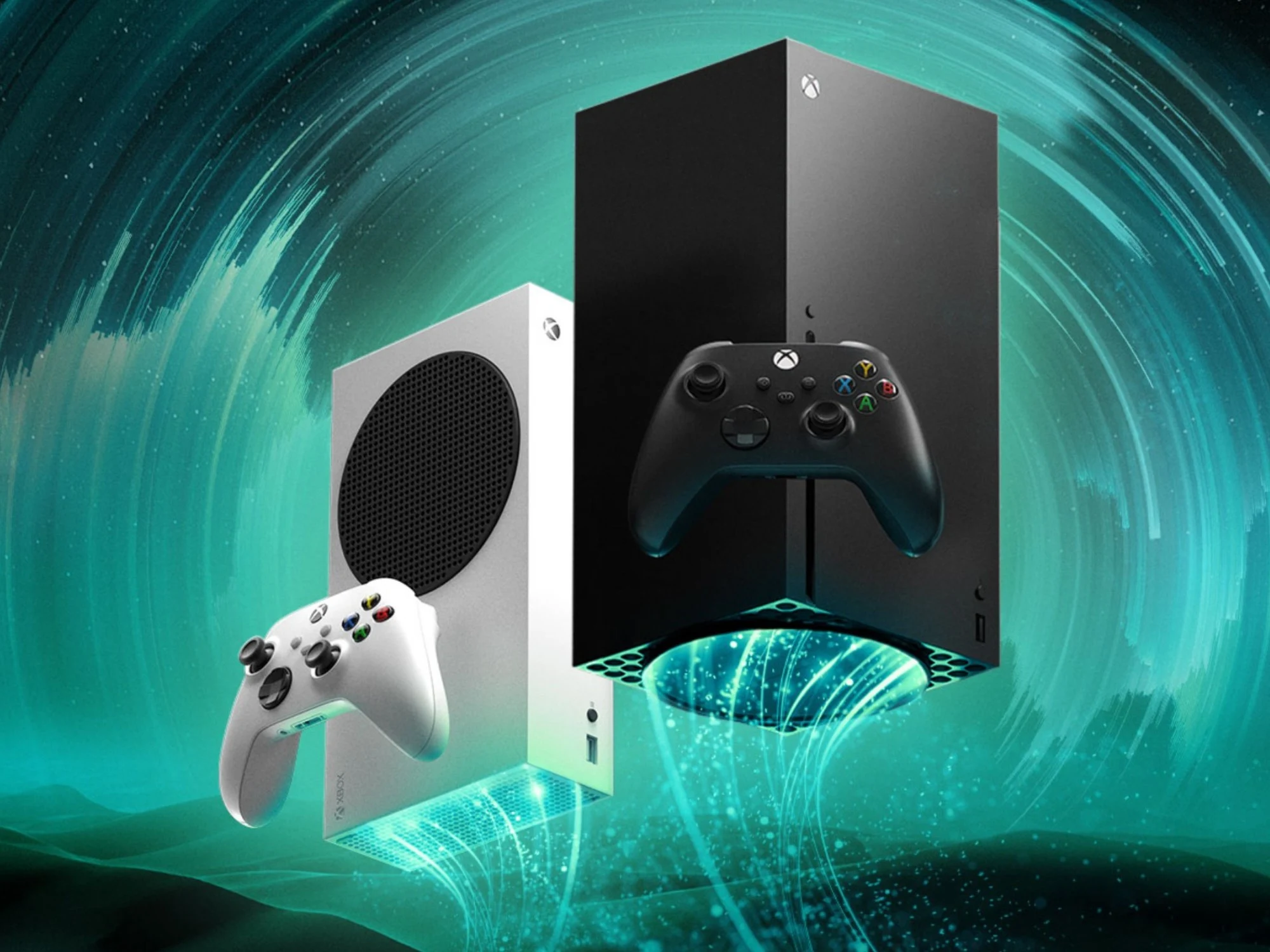
– Xbox is losing hundreds of dollars per console sold due to memory shortages and 50% higher component costs.
– First-party games underperformed and Game Pass price hikes caused subscriber losses, forcing a “reset” of the business.
– Unlike typical console cycles, manufacturing costs are rising instead of falling, making hardware sales a financial liability.
– Asha Sharma plans to mitigate losses with cloud-focused hardware revisions (Project Helix) and OEM partnerships by 2027.
– Microsoft is in a more vulnerable position than Sony and Nintendo due to its inability to secure fixed-price memory for healthy margins.
Cloudy Horizons for Xbox’s Bottom Line
In a new Windows Central article, Jez Corden paints a bleak picture for Microsofts gaming investments. Adding to the problems, the memory shortage is an obstacle as it loses “hundreds of dollars per Xbox Series X|S console sold.” Multiple price increases haven’t prevented the damage, complicating any initiative to boost lagging hardware sells.
Resetting the Business After Missed Targets
CEO Asha Sharma has admitted that Xbox is “not in a healthy spot,” prompting the need to “reset the business.” Jez Corden highlights how many first-party games did not meet expectations. Before the recent cuts, the Game Pass rate hikes also caused subscribers to flee.
Microsoft, Sony, and Nintendo have used software and services to mitigate losses from console sales. However, the storage and memory shortages are dramatically worsening manufacturing burdens. Sharma explained that component costs have risen by 50% since she became CEO and expects the AI-fueled crisis to continue.
Vulnerable Position Compared to Rivals
While Sony and Nintendo face the same challenges, Corden believes Microsoft is in a more vulnerable position. He claims that “Xbox struggled to secure anywhere near enough memory with fixed prices necessary to keep its hardware margins healthy.” Without subsidizing Xbox consoles, selling more units could actually prove detrimental.
Price Hikes and Lost Subsidies
Even in 2022, Sharma’s predecessor, Phil Spencer, revealed that the company was losing $100-$200 per Xbox console sale. At the time, the Series X cost $499 with the Series S at $299. Spencer said there were no plans for Xbox price increases, but that was before tariffs and dwindling component supplies. The Series X now demands $649.99, with the Series S carrying a $400-450 MSRP.
- Typically, when a system launches, manufacturers are willing to take a financial hit in order to accelerate adoption.
- Over the years, the cost of parts falls, and the assembly process becomes streamlined.
- In this generation, the opposite has happened, with the PS5 also becoming more expensive to produce.
Project Helix and Cloud-Focused Futures
With the Project Helix arriving as soon as 2027, Sharma aims to use innovation to navigate these economic realities. Recently, she hinted that future hardware revisions could be cloud gaming-focused, eliminating the need for large SSDs. Corden also suggests that Microsoft will rely on OEM partners to target specific regions, alleviating tariff penalties and optimizing distribution.
Leave a Reply