Tag: memory shortage

  • Sony Reduces PS5 Discounts as Memory Costs Crush Console Profits

    Sony Reduces PS5 Discounts as Memory Costs Crush Console Profits

    Key Takeaway

    – Sony plans to sell fewer PS5 consoles and reduce promotions to protect profits amid memory shortages.
    – Gamers should not expect PS5 hardware discounts, as focus shifts to software and services.
    – Sony aims to boost revenue from PS Plus, PlayStation Store, and first-party games instead.
    – GTA 6 release could drive console sales, but low stock levels may limit availability.
    – Tariffs and AI-driven component shortages continue to pressure Sony, Microsoft, and Nintendo.


    Buyers anticipating discounts following the latest PS5 price increase may be in for disappointment. Sony’s new filing with the U.S Securities and Exchange Commission discusses its response to the memory shortage. Struggling to maintain profits, the company suggests that selling fewer consoles could limit the damage.

    Sony’s Marketing Strategy According to the Filing

    In the filing, the manufacturer outlines its strategy for marketing the gaming systems going forward.

    In hardware, although Sony expects to be affected by the impact of increased prices and supply shortages of memory semiconductors, it plans to manage the impact on profitability by flexibly adjusting plans for, among other things, unit sales and promotions.

    Absence of PS5 Discounts During Days of Play

    Gamers may have already seen signs of this shift with the recent PlayStation Days of Play. While games and accessories benefited from deals, sales on PS5 consoles were absent. It now appears more likely that the component shortage influenced what the event promoted.

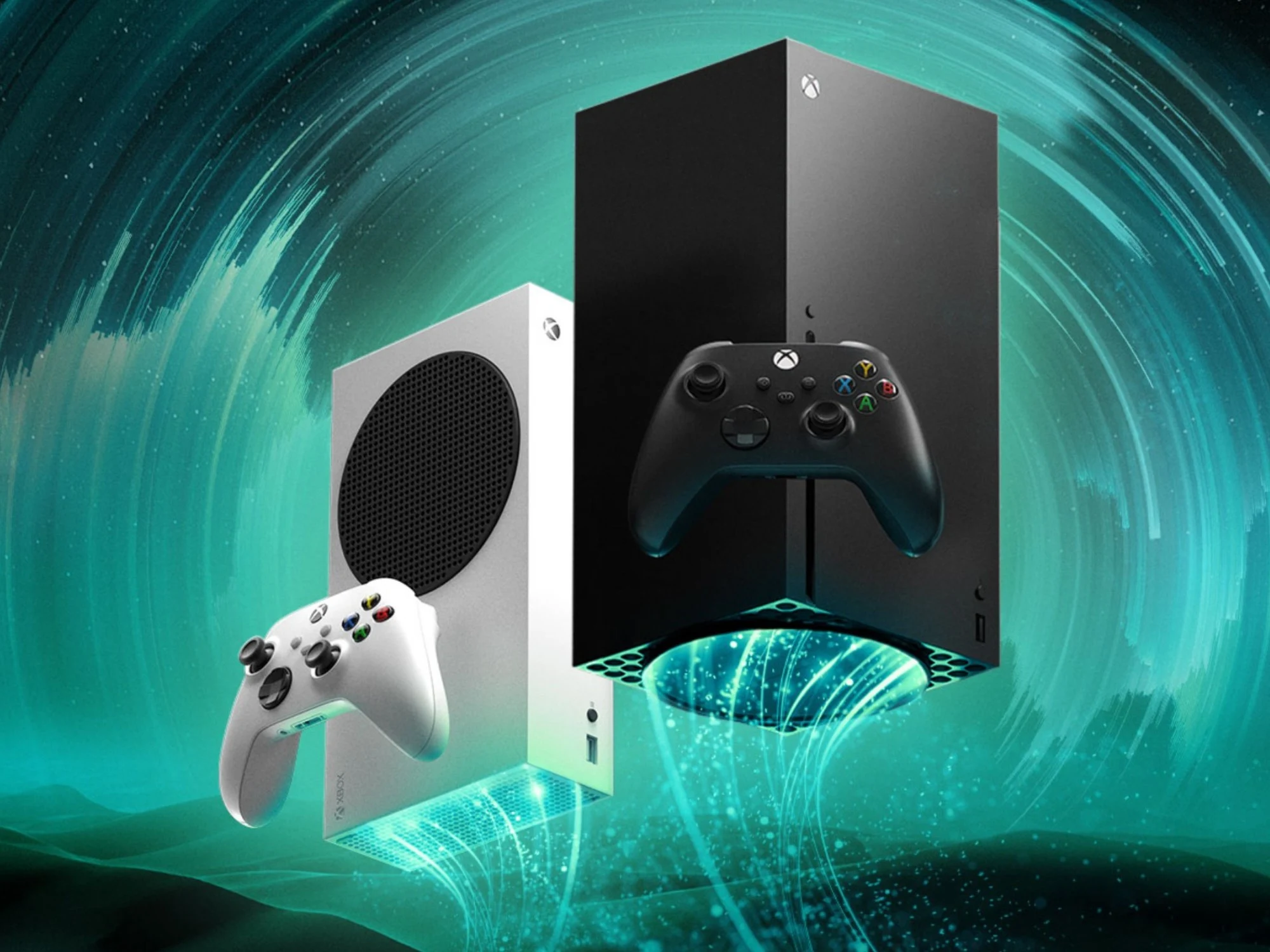
    Inflated storage and memory costs have also posed challenges for Microsoft and Nintendo. The AI-driven crisis has made the necessary SSDs/flash storage and DRAM significantly less affordable. With tariffs as another factor, buyers have lamented the Xbox Series X|S, Switch 2, and PS5 price increases.

    Profit Margins and Losses on Consoles

    Sony’s profit margins in the current generation aren’t public. The situation may not be as dire as Microsoft’s, where it’s rumored to be losing $100-$200 per unit. Still, companies are more willing to take losses when a console launches than later in its lifecycle.

    Instead of relying on PS5 discounts to attract new shoppers, Sony hopes to capitalize on its existing install base. The document explains that it will be “seeking higher revenue and profits from PlayStation Plus (“PS Plus”), maximizing average revenue per user on the PlayStation Store, expanding sales of first-party game software.”

    Future Sales and the GTA 6 Effect

    The November 19th GTA 6 release date may boost console sales. However, if manufacturers cut back on production, it raises the possibility of low stock levels. Microsoft reportedly is already struggling to assemble enough systems to meet demand. Black Friday sales could also be particularly lucrative, but it’s questionable whether Sony will offer any hardware deals.
    Sources

  • Microsoft Loses Hundreds Per Xbox Console Sold Despite Price Hikes

    Microsoft Loses Hundreds Per Xbox Console Sold Despite Price Hikes

    Key Takeaway

    – Xbox is losing hundreds of dollars per console sold due to memory shortages and 50% higher component costs.
    – First-party games underperformed and Game Pass price hikes caused subscriber losses, forcing a “reset” of the business.
    – Unlike typical console cycles, manufacturing costs are rising instead of falling, making hardware sales a financial liability.
    – Asha Sharma plans to mitigate losses with cloud-focused hardware revisions (Project Helix) and OEM partnerships by 2027.
    – Microsoft is in a more vulnerable position than Sony and Nintendo due to its inability to secure fixed-price memory for healthy margins.


    Cloudy Horizons for Xbox’s Bottom Line

    In a new Windows Central article, Jez Corden paints a bleak picture for Microsofts gaming investments. Adding to the problems, the memory shortage is an obstacle as it loses “hundreds of dollars per Xbox Series X|S console sold.” Multiple price increases haven’t prevented the damage, complicating any initiative to boost lagging hardware sells.

    Resetting the Business After Missed Targets

    CEO Asha Sharma has admitted that Xbox is “not in a healthy spot,” prompting the need to “reset the business.” Jez Corden highlights how many first-party games did not meet expectations. Before the recent cuts, the Game Pass rate hikes also caused subscribers to flee.

    Microsoft, Sony, and Nintendo have used software and services to mitigate losses from console sales. However, the storage and memory shortages are dramatically worsening manufacturing burdens. Sharma explained that component costs have risen by 50% since she became CEO and expects the AI-fueled crisis to continue.

    Vulnerable Position Compared to Rivals

    While Sony and Nintendo face the same challenges, Corden believes Microsoft is in a more vulnerable position. He claims that “Xbox struggled to secure anywhere near enough memory with fixed prices necessary to keep its hardware margins healthy.” Without subsidizing Xbox consoles, selling more units could actually prove detrimental.

    Price Hikes and Lost Subsidies

    Even in 2022, Sharma’s predecessor, Phil Spencer, revealed that the company was losing $100-$200 per Xbox console sale. At the time, the Series X cost $499 with the Series S at $299. Spencer said there were no plans for Xbox price increases, but that was before tariffs and dwindling component supplies. The Series X now demands $649.99, with the Series S carrying a $400-450 MSRP.

    • Typically, when a system launches, manufacturers are willing to take a financial hit in order to accelerate adoption.
    • Over the years, the cost of parts falls, and the assembly process becomes streamlined.
    • In this generation, the opposite has happened, with the PS5 also becoming more expensive to produce.

    Project Helix and Cloud-Focused Futures

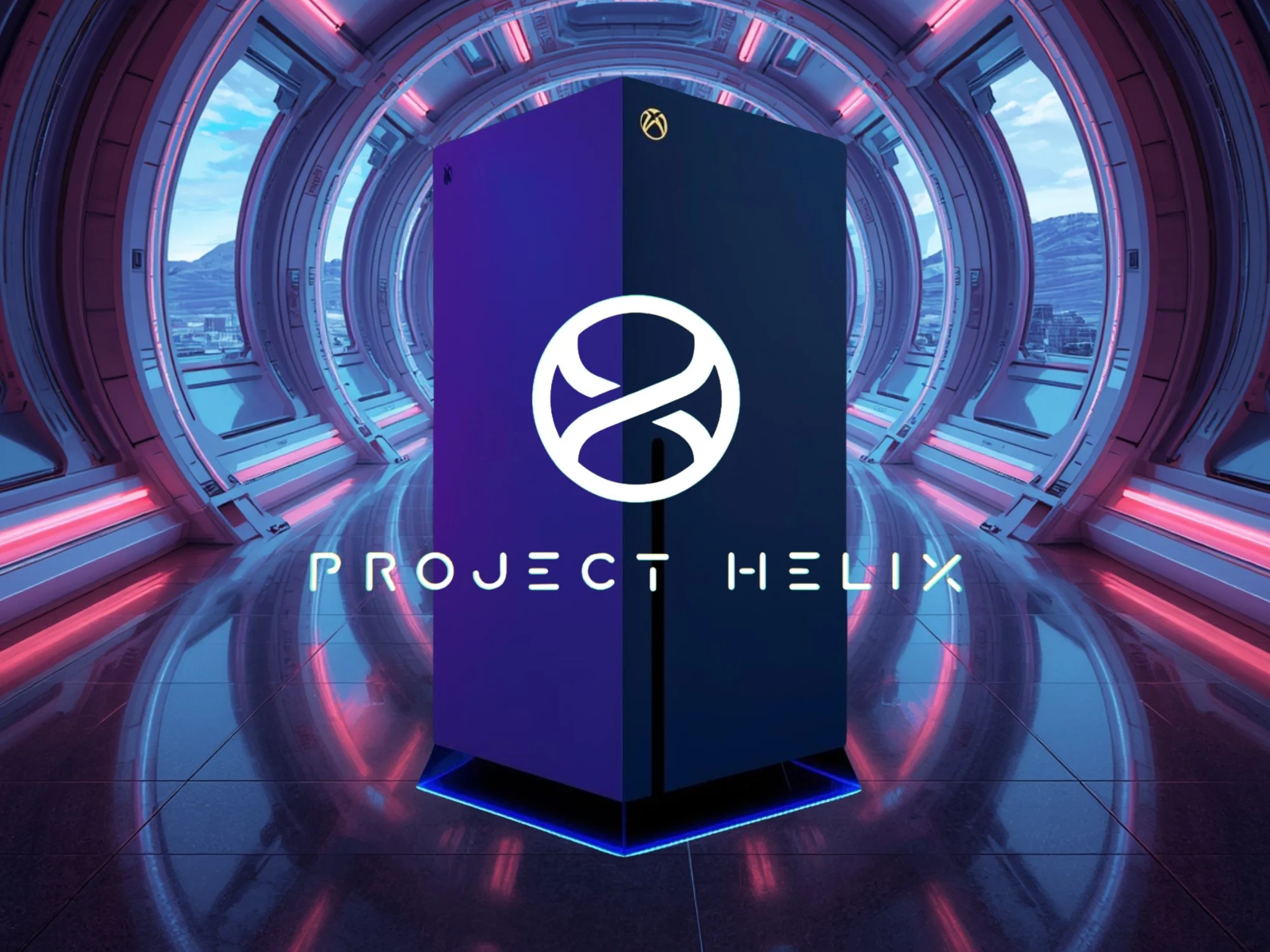
    With the Project Helix arriving as soon as 2027, Sharma aims to use innovation to navigate these economic realities. Recently, she hinted that future hardware revisions could be cloud gaming-focused, eliminating the need for large SSDs. Corden also suggests that Microsoft will rely on OEM partners to target specific regions, alleviating tariff penalties and optimizing distribution.

    Sources
  • Xbox CEO cuts Project Helix price amid console memory shortage

    Xbox CEO cuts Project Helix price amid console memory shortage

    Key Takeaway

    – Xbox CEO sees memory/storage cost crisis as key challenge for Project Helix affordability
    – Innovation (e.g., streamlined version, next-gen FSR upscaling) is central to avoiding high prices
    – Standard specs likely include 36GB GDDR7 and costly SSDs, making a reasonable MSRP difficult
    – Open ecosystem with competing storefronts limits traditional hardware subsidy strategies
    – Risk of niche product if value proposition isn’t clearly communicated before 2027 release


    Memory crunch hitting hard

    With the ongoing memory shortage, Xbox CEO Asha Sharma may struggle to keep first-party hardware affordable. That includes a new Xbox console, which could see a release date as early as 2027. During a Bloomberg Tech interview, Sharma explained that innovation could address concerns over the Project Helix price. The Microsoft executive was asked whether gamers would recognise enough value in Project Helix to upgrade.

    Innovation is the only way out

    Sharma argued that it would be expensive only “if we do not innovate.” She continued, “I don’t think you can raise prices through the hardware crisis that we’re seeing.” Sharma noted how, in her first 100 days as Xbox CEO, memory and storage costs have risen dramatically. She also doesn’t expect demand from AI data centers to drop in the near term. Even so, over the next 100 days, the focus will be on keeping products affordable.

    Gamers are terrified of price hikes

    Gamers were horrified when the PS5 recently suffered another price hike. More relevant to Microsoft’s hybrid PC/console, the Steam Machine could sell for well over $1,000. There are fears that with superior specs, the Helix will stretch budgets even further. Unfortunately, Sharma isn’t specific about what type of innovation would lower the Project Helix price. One option may be a streamlined version of the new Xbox console, as buyers saw with the Series S.

    Leaked specs and cost problems

    Otherwise, leaks suggest that the standard configuration will include at least 36GB of unified GDDR7 memory. The inflated costs of SSDs will also make it difficult to achieve a reasonable MSRP. Microsoft could lean heavily on the next generation of RDNA 5 upscaling. The rumored AMD FSR Diamond would harness AI and neural rendering to maximize a GPU’s capabilities. Nevertheless, it’s unclear how much memory or other specs developers could reduce before throttling performance.

    Subsidising hardware is getting tricky

    Another issue is whether the company can subsidize the cost of the Helix as it did with past releases. An open ecosystem with competing storefronts makes that prospect challenging. As with Xbox exclusive games, the CEO may need to reevaluate those decisions or risk it becoming a niche product.

    Sources
  • Nvidia RTX 50 Series GPU Shipments Ongoing Amid Memory Losses

    Nvidia RTX 50 Series GPU Shipments Ongoing Amid Memory Losses

    Key Takeaways

    1. Nvidia refutes rumors about discontinuing the RTX 5060 Ti and RTX 5070 Ti, confirming continued shipment of Blackwell GPUs.
    2. Nvidia acknowledges a strong demand for GeForce RTX GPUs but faces limited memory supply, planning to assist suppliers in maximizing availability.
    3. Despite rising memory costs, Nvidia has delayed passing these increases on to partners and consumers, aiming to keep RTX 50 series prices stable.
    4. Gamers are challenged by high prices, with the RTX 5090 retailing over $3000, but Nvidia is working to prevent even steeper price hikes.
    5. The memory shortage is impacting RTX 50 series GPU availability, compounded by strong sales and high demand, but production cost increases are not as severe as predicted.


    The memory shortage has led to speculations about the discontinuation of various Nvidia graphics cards. However, Asus has refuted claims that the RTX 5060 Ti and RTX 5070 Ti have been phased out. Nvidia has now confirmed that it will keep shipping the Blackwell GPUs. Additionally, Wccftech reports that the company might be sacrificing some profits to maintain lower prices.

    Nvidia’s Response to Confusion

    To clarify recent misunderstandings, Nvidia has reached out to several websites. It informed Hardware Unboxed and Wccftech that there is strong demand for GeForce RTX GPUs, but memory supply is limited. The company plans to continue shipping all GeForce SKUs while assisting suppliers in maximizing memory availability.

    Industry Insights on GPU Pricing

    Wccftech has gathered insights from industry insiders on how Nvidia is managing the memory shortage. Customers have noticed an increase in graphics card prices, with some attributing this to high GDDR7 costs. Nevertheless, Team Green has reportedly delayed passing on these memory cost hikes longer than most other companies. Not all memory cost increases are being transferred to partners or consumers.

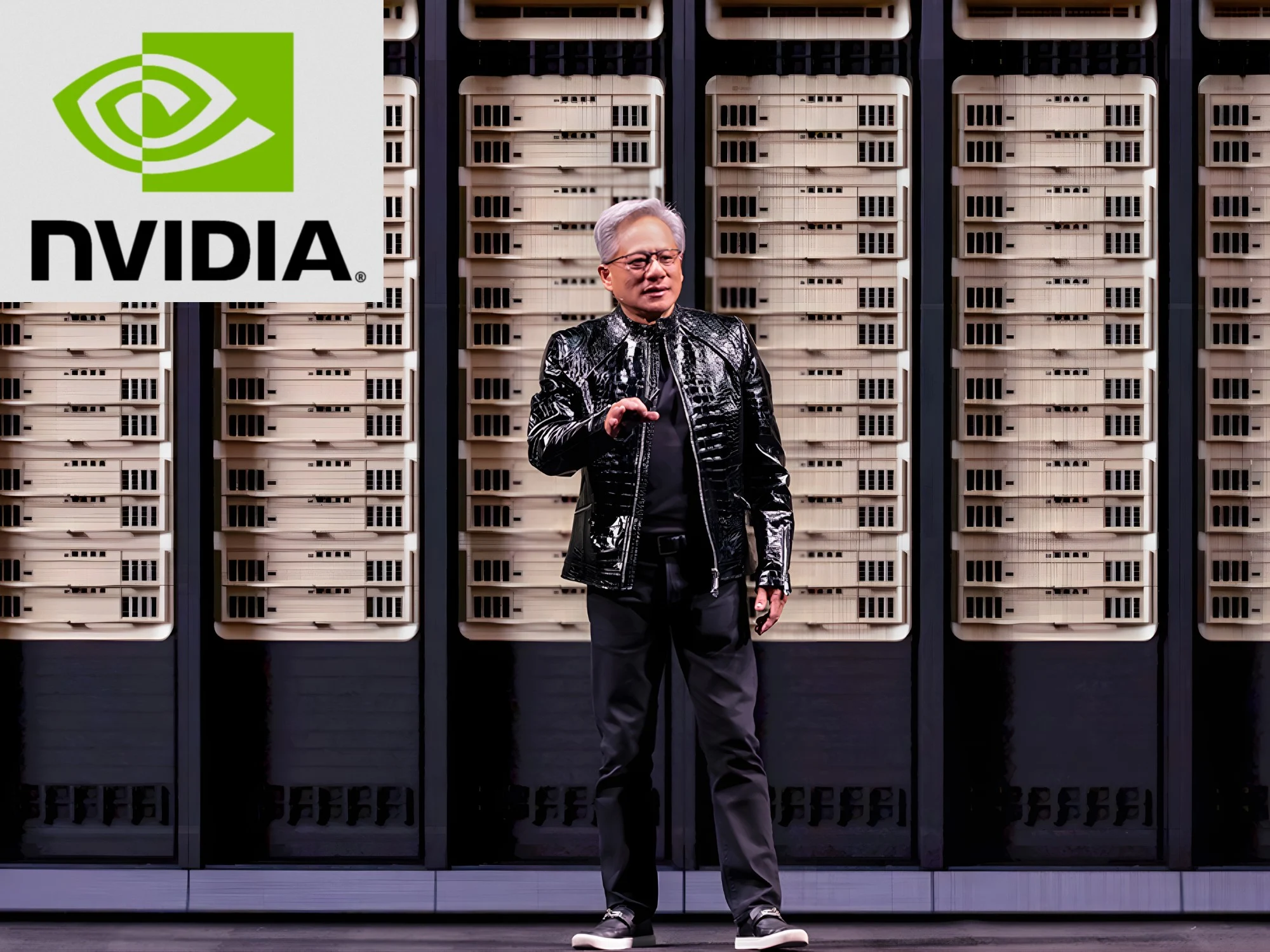
    Nvidia has faced backlash for its increasing focus on enterprise AI solutions, as seen in Jensen Huang’s keynote at CES 2026. Yet, sources suggest that the company has been proactive in preventing RTX 50 series prices from skyrocketing.

    Market Challenges for Gamers

    Gamers might find it hard to swallow the fact that Nvidia is sacrificing profits due to rising memory prices. The already pricey RTX 5090 often retails for over $3000. Nonetheless, other signs indicate that Nvidia has managed to stave off even steeper price hikes.

    There were earlier rumors that Nvidia had ceased shipping Blackwell chips to partners with bundled DRAM, forcing companies to source their own GDDR7 VRAM. However, Wccftech states these claims are unfounded. A source has mentioned that the increased costs of producing graphics cards are not as extreme as some had predicted.

    In spite of Nvidia’s reassurances, many RTX 50 series GPUs are still in short supply and are becoming less affordable. The memory shortage is affecting the availability of new options, but strong sales and high demand are also significant contributing factors, beyond just memory prices.

    Source:
    Link


  • Nvidia Delays RTX 50 Super GPUs to Focus on AI Amid Memory Shortage

    Nvidia Delays RTX 50 Super GPUs to Focus on AI Amid Memory Shortage

    Key Takeaways

    1. Nvidia did not announce new GPUs at CES 2026, disappointing many gamers.
    2. The release of the RTX 50 Super series has been delayed, with no early launch expected.
    3. A memory shortage could impact the production of the RTX 50 Super series, which may include higher clock speeds and more VRAM.
    4. Nvidia is focusing on AI and professional-grade GPUs instead of consumer models, affecting gamers’ expectations.
    5. AMD’s slow progress in GPU development means Nvidia feels less pressure to release new products, potentially delaying the RTX 60 series until 2027.


    By not unveiling any new GPUs, Nvidia’s presence at CES 2026 left a lot of gamers feeling let down. A fresh rumor from Board Channels isn’t offering any comfort to these disappointed fans. VideoCardz has shared that Nvidia has allegedly cautioned its partners not to expect the RTX 50 Super series to arrive anytime soon.

    Delayed Expectations

    Initially, there were suggestions that the RTX 5070 Super, RTX 5070 Super Ti, and RTX 5080 Super would be launched in the first quarter of 2026. However, the timeline for the updated Blackwell graphics cards has been pushed back to later in the year. Jensen Huang’s failure to announce the hardware at CES caused many followers to lose their optimism for an early release.

    Future of Nvidia GPUs

    Now, the pressing question is whether Nvidia GPUs will ever come out. The Board Channels post points to a memory shortage as a significant issue. The RTX 50 Super series is said to come with increased clock speeds and more VRAM. However, using larger 3GB GDDR7 modules could create additional pressure on the DRAM supply chain.

    AI data centers are also in dire need of the chips used in the consumer-grade Blackwell models. Nvidia seems to find it more lucrative to concentrate on RTX Pro cards, such as the RTX 6000 Blackwell Server Edition. The company has plans to widen its reach in the AI sector, especially after the launch of the Vera Rubin Platform.

    AMD’s Slow Progress

    Another element influencing this situation is the lack of competition from AMD. Its RDNA 5 GPUs might not be revealed until at least the middle of 2027, which coincides with the expected PS6 release. While AMD has made some progress in the market, Team Green doesn’t feel an urgency to bring new products to market.

    The latest gossip suggests that current Nvidia GPUs could stick around until the RTX 60 series is released in 2027. In the meantime, it’s possible that the manufacturer may entirely bypass the RTX 50 Super lineup. Yet, there are worries that the memory shortage could interfere with these plans.

    Recently, a German retailer found out that its supplier would cease sending some graphics cards. There could also be notable price hikes on the RTX 5090 and lower-end options. With the company’s shift towards enterprise support, gamers are doubtful that Nvidia has their needs in focus.


  • Apple’s Daily Visits to South Korean Factories Spark Hotel Boom

    Apple’s Daily Visits to South Korean Factories Spark Hotel Boom

    Key Takeaways

    1. Companies are facing a memory shortage, prompting drastic measures to secure supplies, including daily factory visits by manufacturers like Apple.
    2. Memory prices have surged by up to 300% since mid-2025, leading to potential increases in smartphone costs or reduced memory options.
    3. Apple is staying in South Korea to negotiate long-term contracts with suppliers Samsung and SK Hynix, despite their hesitance to commit.
    4. Other companies, like Dell and cloud providers such as Google and Amazon, are also seeking memory supplies but lack the same negotiating power as larger firms.
    5. Apple’s efficient design allows for satisfactory performance with less RAM, but memory still represents 15-20% of smartphone production costs.


    Companies are struggling with a long-lasting memory shortage, leading them to take drastic steps to secure their supplies. According to Wccftech, The Korea Economic Daily has reported that smartphone and laptop manufacturers are visiting factories on a daily basis. Apple is one such company that is racking up huge travel expenses, which is helping the South Korean hospitality sector.

    Rising Memory Prices

    PC manufacturers are facing memory costs that have surged by as much as 300% since the middle of 2025. Apple is actively looking for a cheaper source of LPDDR5X RAM for its iPhone models. As a result, it’s likely that pricier phones or versions with reduced memory may become a reality.

    Apple’s Strategy

    To lessen the effects of this crisis, Apple has reportedly made a long-term stay at a South Korean hotel. This hotel is conveniently located close to the Samsung and SK Hynix factories that produce these sought-after components. By taking a direct approach, Apple aims to secure contracts lasting two to three years.

    However, the two suppliers have been hesitant to commit to long-term agreements. There’s a possibility that the demand from AI data centers could decline sooner than anticipated, which might lead to a drop in memory prices. Despite this, many experts believe that consumers and businesses won’t see relief until 2027 or 2028.

    Other Companies in the Race

    The Korean Economic Daily also notes that Dell, a major player in desktop and notebook sales, is also residing in hotels nearby. Similarly, cloud providers like Google and Amazon are frequently contacting factories. Unfortunately, customers lacking the same level of influence or travel budgets have to negotiate from a distance.

    In Apple’s situation, it might be better equipped to endure the memory shortage. Efficient iPhones are capable of providing satisfactory performance with less RAM. The company also benefits from higher profit margins compared to its competitors, allowing it to handle increased component costs. Yet, memory still constitutes around 15-20% of the smartphone production costs.

    Although following factory executives might seem like a desperate measure, it’s considered a more ethical strategy than bribery. There have been whispers about cash incentives being offered to Samsung workers to gain a competitive advantage.

    Source:
    Link


  • Asus to Produce DDR5 RAM to Address Memory Shortage and Costs

    Asus to Produce DDR5 RAM to Address Memory Shortage and Costs

    Key Takeaways

    1. Asus and other companies are facing increased laptop prices due to a serious memory shortage.
    2. Major memory producers like Samsung, Micron, and SK Hynix are focusing on AI data centers, impacting supply for other hardware sectors.
    3. High memory prices are affecting gaming laptops and components, making new PC builds more expensive for consumers.
    4. CMXT, a new Chinese memory producer, could provide alternative solutions but faces regulatory and production challenges.
    5. There are concerns that Asus may raise prices for its DDR5 RAM, disappointing consumers hoping for a resolution to the memory shortage by 2028.


    Asus, along with other companies like Dell and Framework, is gearing up to increase laptop prices due to a serious shortage of memory. However, it might soon compete with firms like Samsung, Micron, and SK Hynix to prevent costs from soaring. As reported by Sakhtafzarmag, a Persian IT publication, the Taiwanese firm is considering opening DRAM production facilities in 2026.

    Memory Prices Soar

    The prices of DDR4 and DDR5 RAM have been climbing rapidly after the three major memory producers shifted their attention to AI data centers. Even though Asus is a significant player in the hardware sector, it is not being prioritized when it comes to the limited supply of components. This situation means that Asus has to either pass the increased costs onto customers or take more extreme measures.

    Impact on Gaming Laptops

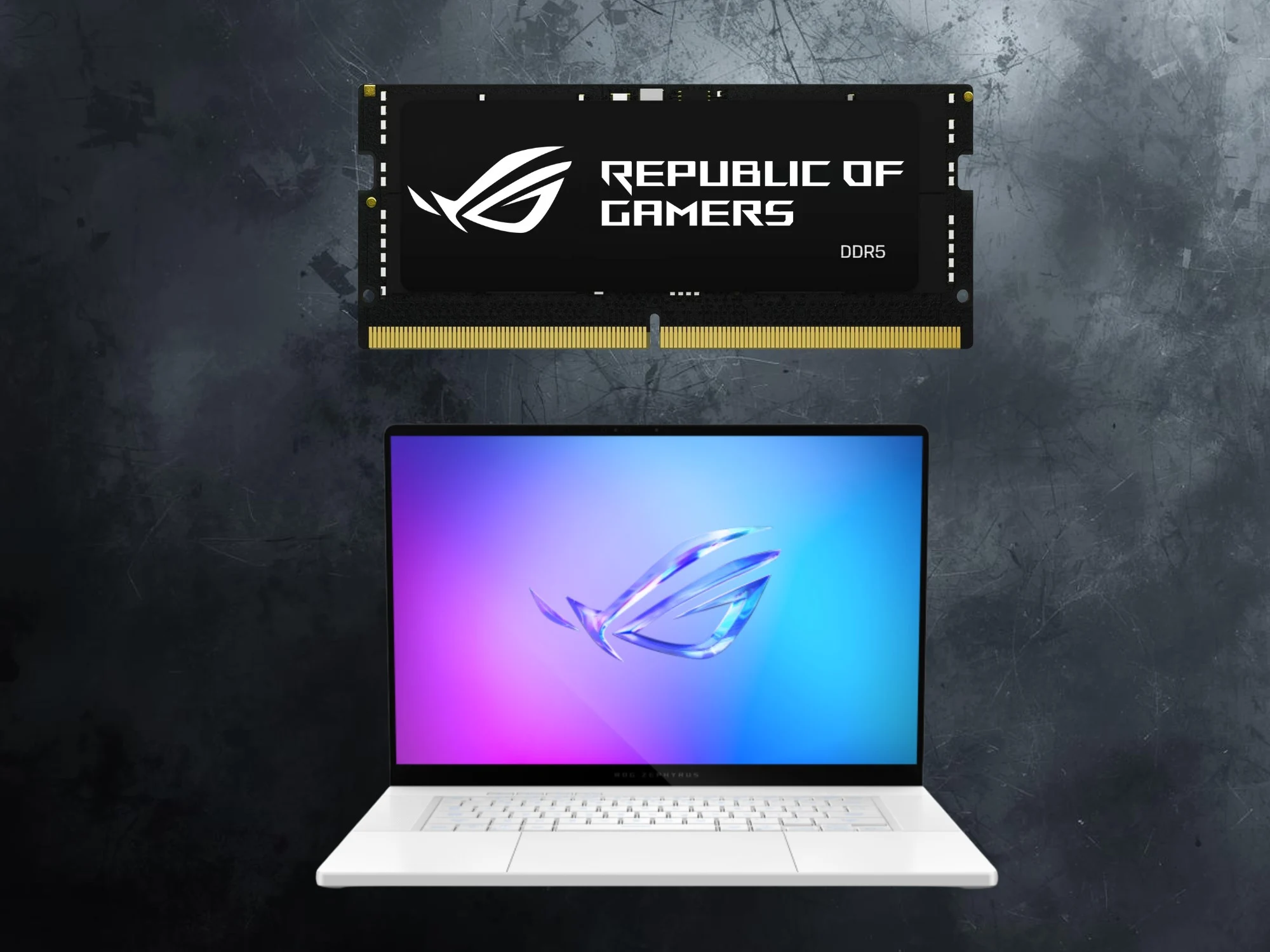
    If Asus manages to find a solution, popular gaming laptops like the ROG Zephyrus G16 could see improvements. The company also offers a broad selection of desktops and parts, which are now at risk due to high memory prices. Their reliance on VRAM might also result in elevated costs for GPUs, causing potential buyers to think twice about assembling new PCs.

    According to Wccftech, Sakhtafzarmag has accurately anticipated important changes in the technology industry. However, some experts doubt whether Asus can start producing its own memory quickly. They might still need to purchase modules from leading DRAM manufacturers, which would limit any potential benefits.

    New Competitors in the Market

    CMXT, a Chinese memory producer, has emerged as a possible solution. Recently, it surprised many analysts by introducing its own LPDDR5X and DDR5 RAM. In theory, this company could offer a crucial alternative to larger competitors like Samsung and SK Hynix.

    Unfortunately, CMXT has its own hurdles to overcome in order to create enough inventory to make a difference. Among these challenges are stringent U.S. regulations regarding equipment imports, which have hampered its ability to produce large volumes of chips efficiently.

    Consumer Concerns

    Naturally, Asus might also opt to sell its DDR5 RAM at inflated prices, which would not be what customers are hoping for. Buyers are looking for any indication that the memory shortage won’t extend until 2028, as SK Hynix has predicted.

    Source:
    Link