1. Memory prices, especially DDR5 RAM, are significantly inflated, with some kits priced far above their typical market value due to oversupply and high demand from enterprise sectors.
2. Retailers like Micro Center still have ample stock, but products are often sold at exaggerated prices, leading consumers to believe industry exploitation occurs despite no actual shortage.
3. The high prices are linked to sustained demand from AI data centers and enterprise customers, which maintains elevated manufacturing focus on high-bandwidth memory and related hardware.
4. While some prices for consumer RAM are beginning to stabilize or drop, overall costs may remain high or even increase further due to ongoing enterprise demand and manufacturing trends.
Memory Prices Skyrocket Despite Plenty of Stock
Deal hunters who hunt for cheap PC parts at Micro Center are finding that prices for memory chips have shot way up. A Reddit post showed a 128GB DDR5 RAM kit costing a crazy $4199. Even though the shelves are still full, many buyers feel like the industry is taking advantage of them by jacking up the prices beyond reason.
Overpriced RAM in Retail Stores
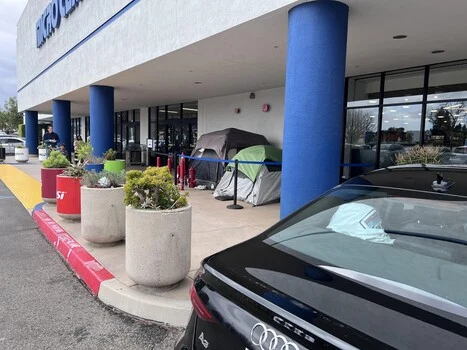
According to Redditor Hell-Diver7, he couldn’t believe his eyes when he checked out a Micro Center store. The guy spotted two sticks of Corsair Vengeance DDR5-6400 RAM, each 64GB, with a price tag that was higher than some top-tier graphics cards. Luckily, those same modules are now cheaper on their website. Still, most of the high-end items in the snapshot have not become any cheaper, fueling frustration among tech enthusiasts who believe they are being ripped off.
Excess Stock or Inflated Prices? It’s Complicated
It’s not just a single retailer feeling the heat. Roth_Skyfire, a user from another area, mentioned that there’s loads of RAM still in stock—like hundreds of packs—but they’re all priced way more than they used to be, sometimes five times higher. He added that he doesn’t believe there’s a real shortage of memory, just that the vendors are pushing prices up on goods that no one wants to buy at those levels.
Rising Costs for Storage Devices
With manufacturers like Samsung and Micron focused on serving AI data centers, it’s no surprise that SSD prices are also soaring. Even when on sale, a buyer has to shell out around $700 for a 4TB NVMe SSD. Much like the fancy RAM modules, stores aren’t running out of these storage options. They’re simply continuing to price them high, probably because of ongoing demand from institutional buyers.
Market Trends and Future Expectations
Many gamers and consumers are speculating that the current oversupply might lead to a collapse in memory prices. Some models of Corsair Vengeance are already selling at more reasonable prices across different shops. Still, if costs stay high, average users may have to keep paying more, at least for the foreseeable future.
Industry Growth and Demand
Recent reports suggest that Samsung’s enterprise demand remains very strong. A Korean tech news site revealed that the company has locked in long-term deals at prices about 30% higher than three months ago. As AI companies continue investing heavily, factories are likely to prioritize producing high-bandwidth memory (HBM), keeping supply tight for consumer markets.
Will Prices Drop or Rise? The Uncertainty Exists
Some experts believe that any discounts on regular DRAM are only temporary. It’s possible that DDR5 prices could even go higher in the future, especially since many of the memory modules now on shelves were probably produced months ago. Meanwhile, manufacturers are not worried about flagging retail sales because they’re focused on sectors like AI and data centers, which still demand high-end memory solutions.