Tag: LPDDR5X

  • Lenovo 15-inch Lightweight Laptop 120 Hz Display Intel Wildcat Lake Global Launch

    Lenovo 15-inch Lightweight Laptop 120 Hz Display Intel Wildcat Lake Global Launch

    Key Takeaway

    – Lenovo expands Wildcat Lake offerings with the IdeaPad Slim 5i 15IWC11 (plus 13IWC11) and other Slim 3 series models.
    – Key specs: 15.3″ IPS display (1920×1200, 400 nits, 120 Hz), sandblasted aluminum chassis, configurable with up to 70 Wh battery, Core 7 350 or Core 5 320, up to 32 GB LPDDR5X RAM, and M.2 2280 with factory M.2 2242 SSD.
    – Connectivity and I/O: dual USB-A and USB-C (65 W PD on both Type-C), microSD reader, full-size HDMI.
    – Port and charging detail: charging only available from the right side.
    – Weight and dimensions: 1.49 kg, 339 x 236 x 15.6 mm; availability and pricing not confirmed yet.


    Lenovo quietly expands Wildcat Lake lineup with new IdeaPad Slim 5i 15IWC11

    Lenovo is gradually expanding its Wildcat Lake offering globally. Earlier this month, the company unveiled four Wildcat Lake-powered laptops under its IdeaPad Slim 3 series. The IdeaPad Slim 5i 15IWC11 has now joined these four laptops, as has the smaller 13IWC11 that we have covered separately.

    Ports, design, and build notes

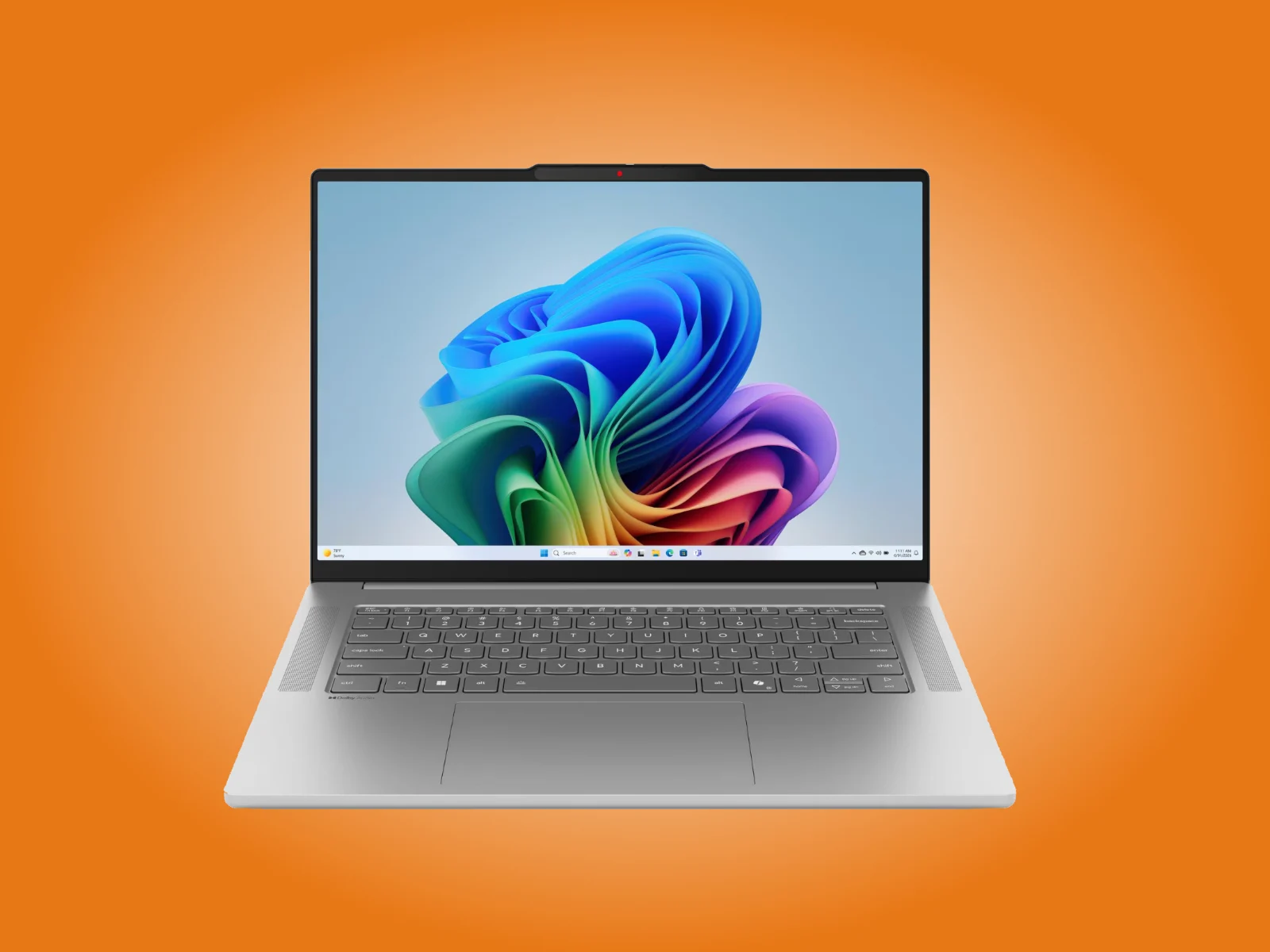
    As the image below shows, Lenovo equips the Slim 5i 15IWC11 with dual USB Type-A and Type-C ports. It is only possible to charge the laptop from its right-hand side, yet both Type-C ports support up to 65 W Power Delivery. Also, Lenovo has included a microSD card reader, a full-sized HDMI port and an M.2 2280 slot occupied by an M.2 2242 SSD from the factory.

    Weight, dimensions, and internal specs

    Nonetheless, the Slim 5i 15IWC11 is lighter than a MacBook Air 15 (curr. $1,149 on Amazon) at 1.49 kg. For reference, the laptop is also relatively compact at 339 x 236 x 15.6 mm. Lenovo cases the laptop in a sandblasted aluminium housing too, within which sits a touchpad measuring 80 x 135 mm. Moreover, the Slim 5i 15IWC11 will be configurable with 54.7 or 70 Wh batteries.

    Performance options and display

    Lenovo adds that these batteries power either the Core 5 320 or Core 7 350, as well as up to 32 GB of LPDDR5X-7467 RAM. A 15.3-inch IPS display rounds off the 15IWC11, which combines a 1,920 x 1,200-pixel native resolution with 400 nits peak brightness, a 1,200:1 contrast ratio and a 120 Hz refresh rate. The company has not confirmed pricing or availability yet. Please see Lenovo’s website for more details.


    Sources

  • Samsung Raises Prices on LPDDR5X Memory Modules for Apple

    Samsung Raises Prices on LPDDR5X Memory Modules for Apple

    Key Takeaways

    1. Apple has agreed to a 100% price increase for LPDDR5X chips from Samsung due to the ongoing DRAM shortage.
    2. The initial proposed price hike was 60%, but Apple accepted the 100% increase to secure necessary supplies for production.
    3. The decision reflects the current scarcity of consumer-grade DDR5 chips in the market.
    4. Apple is preparing to launch updated versions of several products, including the MacBook Pro, MacBook Air, and iPad next week.
    5. The new budget-friendly MacBook may be priced higher than expected because of rising component costs.


    The DRAM shortage has impacted many companies. Apple, known for its strong supply chain management, seems to have finally faced a significant challenge, according to a recent report from Korea.

    Price Increase on Chips

    The report indicates that Apple has agreed to an astonishing 100% price increase for LPDDR5X chips from Samsung. For a major player in consumer electronics like Apple, reliance on DRAM suppliers is crucial for maintaining its range of products. Initially, Samsung aimed for a 60% price hike for the LPDDR5X modules essential to all modern Apple Silicon devices. However, they started negotiations with a surprise 100% increase.

    Acceptance of Terms

    In a surprising twist, Apple reportedly accepted the offer immediately. While it might seem like a poor negotiating strategy for Apple, the reality is that with the current scarcity of consumer-grade DDR5, Apple was likely eager to secure the necessary supply and keep its production running smoothly.

    It’s tough to guess what truly happens behind the scenes during such important business talks. The insider’s exact remark (translated) is as follows:

    “At the first negotiation table (to gather opinions at 60%), they first proposed a 100% increase, and Apple immediately accepted it and the price was decided as it was. That’s how much smartphone companies are heating up to secure memory inventory.”

    Upcoming Product Launches

    The company is slated to unveil updated versions of the MacBook Pro, MacBook Air, iPad, and iPad Air next week, in addition to a new budget-friendly MacBook and the iPhone 17e. While these devices are not expected to see significant price increases, the “affordable” MacBook might end up being pricier than Apple anticipated due to changing component costs.

    Source:
    Link


  • Samsung Increases DRAM and Flash Memory Prices by Up to 30%

    Samsung Increases DRAM and Flash Memory Prices by Up to 30%

    Key Takeaways

    1. Price Increases: Samsung has raised prices for LPDDR4X, LPDDR5X chips, and UFS/eMMC storage, with increases up to 30% for LPDDR5X.

    2. Market Drivers: The price hikes are driven by the upcoming launch of new mobile devices and increased demand for data centers, particularly for AI applications.

    3. Shifts in Memory Usage: There is a growing demand for GPU memory chips as more companies are investing in AI, redirecting graphics DRAM from traditional uses.

    4. Anticipated Price Surge: The memory price rise was expected due to prior inventory drops and companies stockpiling chips to avoid tariffs.

    5. Future Trends: Analysts predict that the current demand will continue to outstrip supply, leading to higher prices for smartphones, laptops, and SSDs into next year.


    After SanDisk and Micron, Samsung, a major player in mobile device memory, has informed OEMs of a price hike for its LPDDR4X and LPDDR5X chips, along with UFS and eMMC flash storage products.

    Price Increases Across the Board

    SanDisk has announced a 10% increase in MSRP for its memory products, while Samsung’s price adjustments mimic this starting point and can escalate up to 30% for the LPDDR5X memory chips. These chips are integral to high-end flagship devices such as the Galaxy Z Fold 7, which is currently offered at a $300 discount on Amazon, as well as tablets and laptops.

    Reasons Behind the Move

    This bold decision is believed to be driven by the upcoming launch of sought-after mobile devices and the rising demand for data centers that support the AI boom. Furthermore, the demand for GPU memory chips is growing. Graphics DRAM, once primarily used in gaming consoles or graphics cards, is increasingly being redirected to server GPUs executing machine learning tasks, fueled by substantial investments in AI features from nearly all leading tech firms.

    Market Trends and Predictions

    The memory price surge from Samsung, SanDisk, Micron, and others has been anticipated since spring, despite a temporary price drop caused by excess inventory. In subsequent quarters, some companies began stockpiling chips to avoid potential tariffs during a 90-day grace period, while simultaneously depleting inventories due to a quicker rollout of new products. This has set the stage for the recent announcements regarding memory price increases.

    The decline in DDR4 memory inventory, combined with the fast-paced construction or upgrading of AI data centers—which require numerous enterprise-grade SSDs—has led to the current price hikes, as demand now surpasses supply, industry analysts say. This trend is expected to persist into next year, possibly leading to higher prices for smartphones, laptops, and SSDs to match the growing demand.

    Source:
    Link


  • Dram Prices to Drop 13% in Q1 2025 as PC Memory Declines

    Dram Prices to Drop 13% in Q1 2025 as PC Memory Declines

    TrendForce has released a new analysis showing that DRAM prices are set to drop significantly in the first quarter of 2025. Standard DRAM products are projected to fall between 8% to 13%. When high-bandwidth memory (HBM) products are included, the overall decline in the market appears milder, ranging from 0% to 5%.

    PC DRAM Faces Major Decline

    PC DRAM will be impacted the most, with forecasts suggesting an 8-13% reduction in prices. This decline is mainly due to aggressive inventory reductions that started in late 2024, lower demand in end markets, increased DDR4 production from Chinese manufacturers, and an oversupply of inexpensive chips in the spot market.

    Server DRAM and Seasonal Trends

    Prices for server DRAM are expected to decrease by 5-10%, largely because of weak seasonal demand. Additionally, many manufacturers have transferred a significant portion of their DDR4 production to DDR5, and some HBM capacity has also switched, which increases the supply on the market.

    Mobile and Graphics Market Adjustments

    On the mobile front, smartphone manufacturers are remaining cautious with their purchasing strategies, despite inventory levels stabilizing. Contract prices for LPDDR4X and LPDDR5X are predicted to fall around 8-13% and 3-8%, respectively.

    In terms of graphics DRAM, a price drop of 5-10% is anticipated, mainly due to sluggish demand. Even with some stockpiling of GDDR7 for future GPUs, prices are not being maintained. Consumer DRAM is also experiencing significant cuts, with DDR3 expected to decrease by 3-8% and DDR4 likely to see a more substantial drop of 10-15%.

    Source: Link


    Image 1
  • Dimensity 9400 Core Configuration Leaks Before Launch

    Dimensity 9400 Core Configuration Leaks Before Launch

    Just a few days ahead of its official unveiling, crucial information about the MediaTek Dimensity 9400’s core setup has been shared by reliable tech source Digital Chat Station (DCS). This leak uncovers the CPU and GPU configurations of the soon-to-be-released chipset.

    Dimensity 9400 Specs

    DCS reports that the Dimensity 9400 will include a single prime core, specifically the Cortex-X925, operating at 3.62 GHz. This marks a significant increase from the previous generation’s Cortex-X4 core, which had a speed of 3.25 GHz. Furthermore, the leak indicates that the three Cortex-X4 cores will continue to function at the same 2.80 GHz clock speed as seen in the Dimensity 9300.

    Potential Core Confusion

    There is a small discrepancy concerning the low-power cores. While earlier information suggested the use of newer Cortex-A725 cores, DCS indicates that the Dimensity 9400 may actually continue with the Cortex-A720 cores from the prior model. This could be an error on DCS’s part, as it’s expected that newer processors would utilize the latest CPUs. Regardless, if this information is correct, the core clock speed should remain at 2.0 GHz. On the graphics side, the leak reveals an Immortalis-G925 MC12 GPU clocked at 1.612 GHz.

    Manufacturing Advances

    In addition, past reports indicate that the Dimensity 9400 will move from TSMC’s 4nm node to the second generation 3nm N3E node. This updated manufacturing technique is anticipated to bring enhancements in both performance and efficiency. As a flagship SoC for 2024/2025, it’s also expected to excel at handling AI workloads.

    The MediaTek Dimensity 9400 has also been confirmed to incorporate Samsung’s LPDDR5X memory, a first in the industry. This memory type is the fastest globally, achieving data transfer speeds of up to 10.7Gbps, and is said to enhance on-device AI capabilities, especially for tasks like voice-to-text conversion.

    In light of these leaked specifications, here’s a comparison between the Dimensity 9400 and the Dimensity 9300:

    Features/Performance Dimensity 9300 Dimensity 9400 (Rumored)
    CPU Architecture 1x Cortex-X4 core @ 3.25GHz
    3x Cortex-X4 @ 2.85GHz
    4x Cortex-A720 @ 2.0GHz
    1x Cortex-X925 core @ 3.62GHz
    3x Cortex-X4 @ 2.85GHz
    4x Cortex-A725 / A720 @ 2.0GHz
    GPU Immortalis-G720 Immortalis-G925 MC12
    Manufacturing Process TSMC’s third-generation 4nm process TSMC’s second-generation 3nm process
    Memory LPDDR5T memory running at 9600 Mbps LPDDR5X memory running at 10.7Gbps

    (Source)


    Image 1
  • Micron to Launch LPDDR5X-Based LPCAMM2 Memory by Mid-2024

    Micron to Launch LPDDR5X-Based LPCAMM2 Memory by Mid-2024

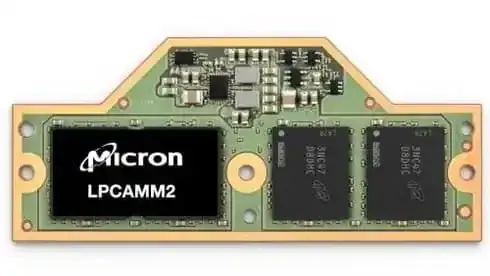
    Micron Technology, Inc. has recently unveiled the LPCAMM2, which is the industry's first standard low-power compression attached memory module. This new memory module is expected to bring enhanced performance, energy efficiency, space savings, and modularity, and will be available in capacities ranging from 16GB to 64GB.

    LPCAMM2 Speed and Production Schedule

    The LPCAMM2 memory module is designed to achieve speeds of up to 9600Mbps, which is significantly higher than the 5600Mbps offered by current DDR5 SODIMMs. Micron plans to start production of the LPCAMM2 by the first half of 2024, positioning it as the first disruptive form factor for client PCs since the introduction of SODIMMs in 1997.

    Improved Performance and Power Efficiency

    Micron's LPCAMM2 integrates LPDDR5X DRAM, which provides up to 71% better performance and up to 61% lower power consumption for essential workloads like web browsing and video conferencing. Additionally, it offers a remarkable 64% space savings compared to SODIMM offerings. With the growing prevalence of generative artificial intelligence (GAI) on client PCs, the LPCAMM2 is designed to meet the performance demands of AI workloads while maintaining low power consumption.

    Transformative Nature and Benefits

    Praveen Vaidyanathan, Vice President and General Manager of Micron's Compute Products Group, highlights the transformative nature of the LPCAMM2. He states that this new memory module will deliver best-in-class performance per watt in a flexible, modular form factor. It is expected to enhance the capabilities of AI-enabled laptops and allow for memory capacity upgrades as technology and user needs evolve.

    Collaboration and Departure from Current Form Factors

    The development of the LPCAMM2 involved collaboration with key client PC OEMs and ecosystem enablers. This memory solution represents a significant departure from current memory module form factors. It offers higher performance with LPDDR5X, achieving speeds of up to 9600Mbps. Additionally, it reduces system standby power by 80% for improved battery life and provides benefits in digital content creation and productivity workloads.

    Modularity and Serviceability

    The LPCAMM2 boasts modularity, enabling critical serviceability functionality for enterprise IT users and administrators. It features a single PCB for all module capacities, providing supply chain flexibility for OEM and ODM customers. Compared to SODIMMs, LPCAMM2 simplifies motherboard routing complexity.

    Crucial LPCAMM2 Retail Products

    Crucial, a brand owned by Micron, will make LPCAMM2 retail products available. This means that laptop users, including gamers and content creators, will be able to upgrade their system memory configuration. This marks an industry first for low-power memory. The Crucial LPCAMM2 products are expected to be available in the first half of 2024.