Tag: Nvidia GPUs

  • Samsung Delivers Premium HBM4 Memory for Nvidia’s AI Needs

    Samsung Delivers Premium HBM4 Memory for Nvidia’s AI Needs

    Key Takeaways

    1. Samsung has started shipping its new HBM4 memory, targeting Nvidia GPUs and AI data centers.
    2. The price of HBM4 memory is around $500 per unit, double that of the previous HBM3E, contributing to Samsung’s stock surge.
    3. HBM4 memory performs at 13 Gbps, exceeding JEDEC benchmarks by 46% and achieving 3.3 TB/s bandwidth, surpassing Nvidia’s needs.
    4. The advanced 10nm-class 6th-generation DRAM process and 4nm foundational die enhance performance, with improved heat dissipation and energy efficiency.
    5. Samsung can currently supply up to 36 GB of HBM4 memory, with plans for a 48 GB option and ongoing development of HBM4E memory set for sampling in 2026.


    Samsung has revealed that it has begun the first shipments of its new HBM4 memory, which is aimed at applications like Nvidia GPUs and related AI data centers.

    Pricing Details

    Reports indicate that Nvidia and other clients are shelling out nearly $500 each for Samsung’s HBM4 memory, which is twice the cost of the previous HBM3E high-bandwidth memory. This price hike has led to Samsung’s stock reaching a record high, and the company’s management is optimistic about another prosperous year, fueled by the ongoing memory shortage.

    Performance Breakthroughs

    Currently, memory manufacturers are demanding a premium for every unit they create, but Samsung claims that its HBM4 AI memory has exceeded both the Joint Electron Device Engineering Council (JEDEC) benchmarks and Nvidia’s specifications. The operating speed of HBM4 can hit an impressive 13 Gbps, which is 46% above JEDEC’s standards. Moreover, its total memory bandwidth can reach up to 3.3 TB/s per stack, significantly surpassing the 3 TB/s requirement from clients like Nvidia.

    Advanced Technology

    Samsung achieved this remarkable performance by preemptively utilizing the 10nm-class 6th-generation 1c DRAM process, with the foundational die produced at 4nm, in contrast to the 14nm 1a DRAM used for the HBM3 version. This allows for substantial room for enhancements in both process and performance. To handle the heat generated, Samsung crafted the core die and data transmission systems using low-power and low-voltage technologies, resulting in 30% improved heat dissipation and 40% enhanced energy efficiency compared to the HBM3 memory currently employed in Nvidia’s Blackwell series AI graphics cards.

    Future Prospects

    At present, Samsung can deliver up to 36 GB of HBM4 memory using a 12-layer stack, but it can also create a 16-layer stack for a total of 48 GB once Nvidia finalizes its GPU design and budget. Samsung assures that it will maintain a steady supply of these premium HBM4 chips, stating it will “continue to secure stable supply capabilities to meet the growing mid- to long-term demand, particularly from AI and data centers.” Furthermore, Samsung plans to begin sampling its next-generation HBM4E memory in the latter half of 2026.

    Source:
    Link


  • RTX 5080 Super/Ti with 24GB VRAM Coming Soon, RTX 5090D Update

    RTX 5080 Super/Ti with 24GB VRAM Coming Soon, RTX 5090D Update

    Key Takeaways

    1. Nvidia launched the RTX 50 series Blackwell GPUs, initially featuring four models: RTX 5090, RTX 5080, RTX 5070 Ti, and RTX 5070, with the RTX 5060 Ti added later.
    2. A new model, rumored to be the RTX 5080 Super or Ti, is expected to launch by the end of the year, featuring 24 GB of VRAM.
    3. The RTX 5080 Super/Ti may replace the banned RTX 5090D in China, which had been suspended from sales due to regulations.
    4. The replacement for the RTX 5090D is predicted to have 14,080 CUDA cores and a 384-bit memory bus, down from the RTX 5090’s specifications.
    5. The RTX 5090D and RTX 5090 differed mainly in AI inference performance limits, affecting its market availability.


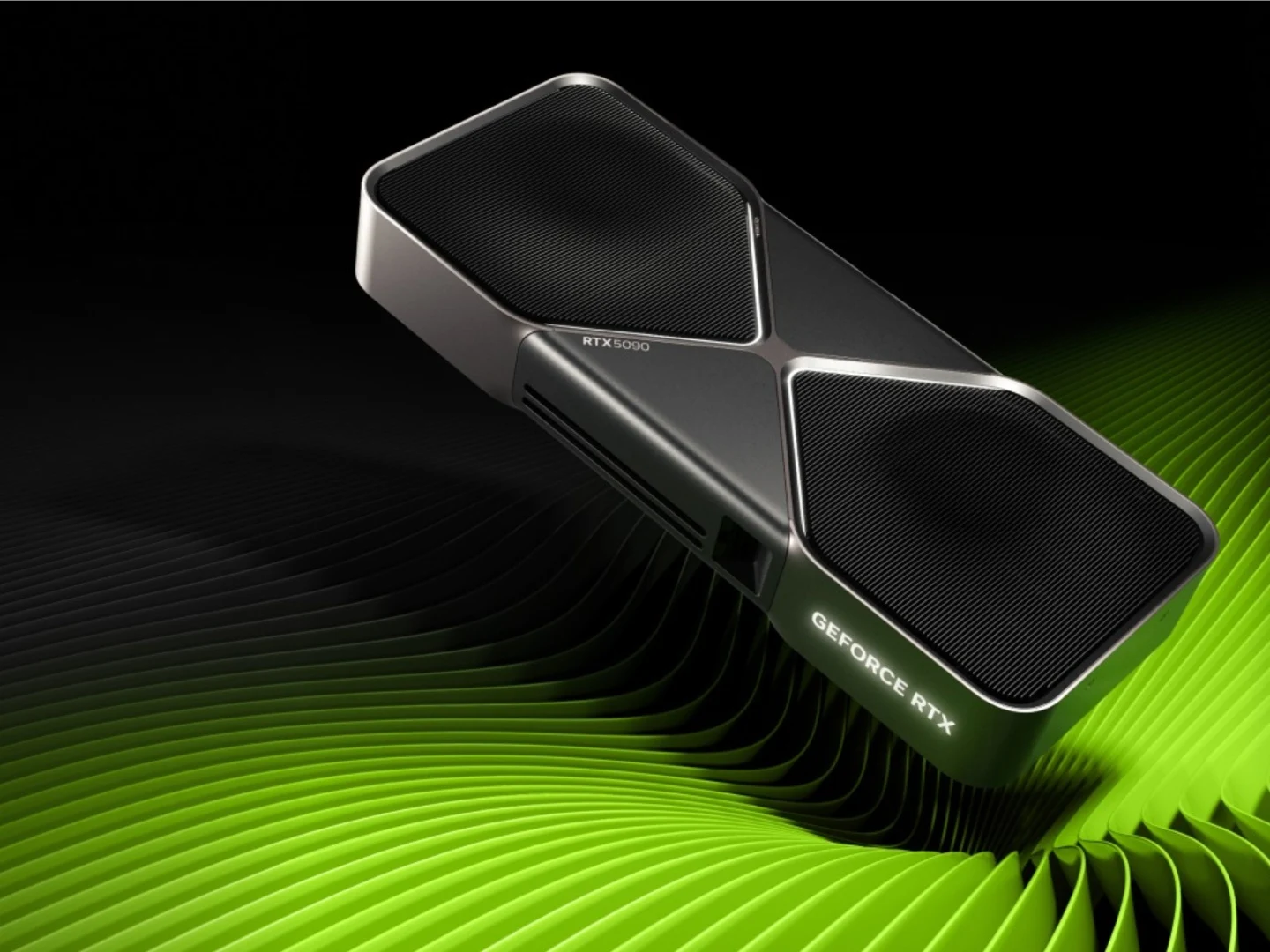
    Back in January, Nvidia introduced the latest RTX 50 series Blackwell GPUs. Initially, there were four models: the RTX 5090, RTX 5080, RTX 5070 Ti, and RTX 5070. Over the months that followed, the lineup grew with the addition of the RTX 5060 Ti, and now the anticipated RTX 5060 is on the way. According to a recent leak, Nvidia plans to introduce another model by the end of this year, which is rumored to be the RTX 5080 Super or Ti.

    Leak Details From Baidu

    The new information reportedly comes from Baidu forums, as reported by Wccftech. It suggests that the RTX 5080 Super or RTX 5080 Ti is set to launch before the year ends. This new GPU is expected to feature 24 GB of VRAM, representing a significant enhancement from the 16 GB found in the standard RTX 5080. Nevertheless, it remains uncertain if this new GPU will serve as a replacement for the banned RTX 5090D in China.

    Specifications and Expected Changes

    Speaking of the RTX 5090D, its replacement is predicted to have a reduced count of 14,080 CUDA cores, which is considerably less than the RTX 5090’s 21,760. Additionally, it will likely utilize a 384-bit memory bus in place of the 512-bit bus seen in the regular RTX 5090. As previously noted, the VRAM will also decrease to 24 GB, compared to the 32 GB of the RTX 5090.

    This reduction is a result of new regulations that led to the RTX 5090D being prohibited in China with its existing specifications. While there has been no official announcement, sources indicate that sales of the RTX 5090D have been suspended in the country. It was comparable to the RTX 5090 in terms of hardware, with the primary difference being a hardware-imposed limit on AI inference performance for the RTX 5090D.

    Source:
    Link

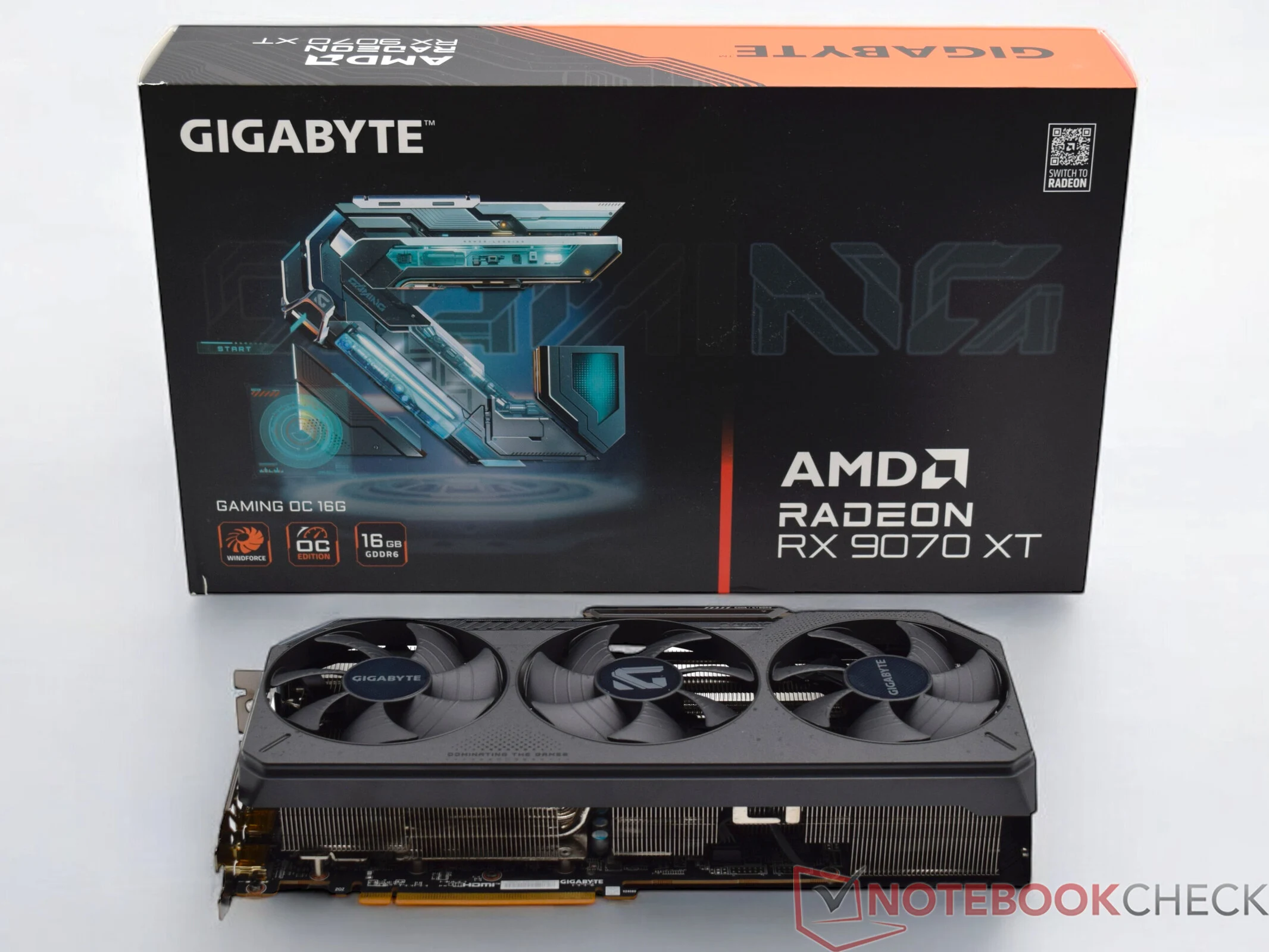
  • AMD Radeon RX 9070 XT Faces Harsh Criticism on UserBenchmark

    AMD Radeon RX 9070 XT Faces Harsh Criticism on UserBenchmark

    Key Takeaways

    1. Userbenchmark has a reputation for bias against AMD, particularly in its critique of the Radeon RX 9070 XT.
    2. Despite claims of AMD’s poor performance, the Radeon RX 9070 XT and RX 9070 have outsold all Nvidia Blackwell cards, indicating strong demand.
    3. The demand for AMD GPUs is attributed to their excellent price-to-performance ratio.
    4. Userbenchmark’s claims about AMD cards facing numerous issues are contradicted by similar problems found in Nvidia’s RTX 50 series at launch.
    5. Overall, Userbenchmark’s assertions appear to lack credibility and do not accurately represent the current GPU market.


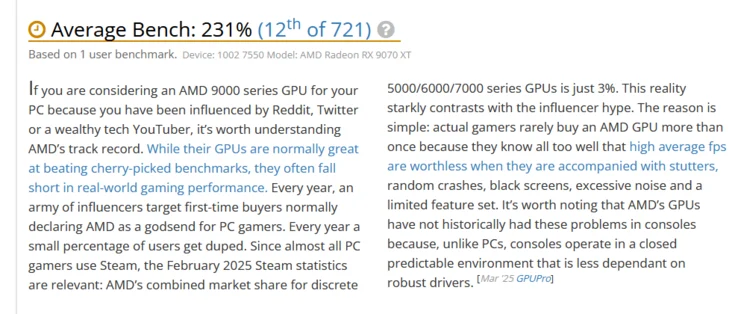
    The well-known benchmarking site Userbenchmark, which has a bad reputation for its bias against AMD, has made headlines again with a harsh critique of the Radeon RX 9070 XT. The article claims that only those “influenced by Reddit, Twitter or a rich tech YouTuber” are the ones who purchase AMD graphic cards.

    Stock Situations and Demand

    Nevertheless, the current stock levels tell a different story. The Radeon RX 9070 XT and RX 9070 have outsold all Nvidia Blackwell cards that have been released to date. While some regions have definitely seen better inventory availability than others, the strong demand is mainly due to their excellent price-to-performance ratio. Our detailed review of the Radeon RX 9070 XT supports this viewpoint.

    Misleading Claims

    Userbenchmark wraps up its nonsensical rant by asserting that “actual gamers” prefer Nvidia GPUs, claiming that AMD cards are plagued by “stutters, random crashes, black screens, excessive noise, and a limited feature set.” Ironically, many of these problems have been faced by GeForce RTX 50 series GPUs at launch. To complicate things further, certain high-end models might even pose fire risks. Additionally, the issue of missing ROPs has not been found in AMD GPUs.

    Overall, the claims made by Userbenchmark seem to lack credibility and do not reflect the reality of today’s market.

    Source:
    Link