Tag: Radeon RX 9070 XT

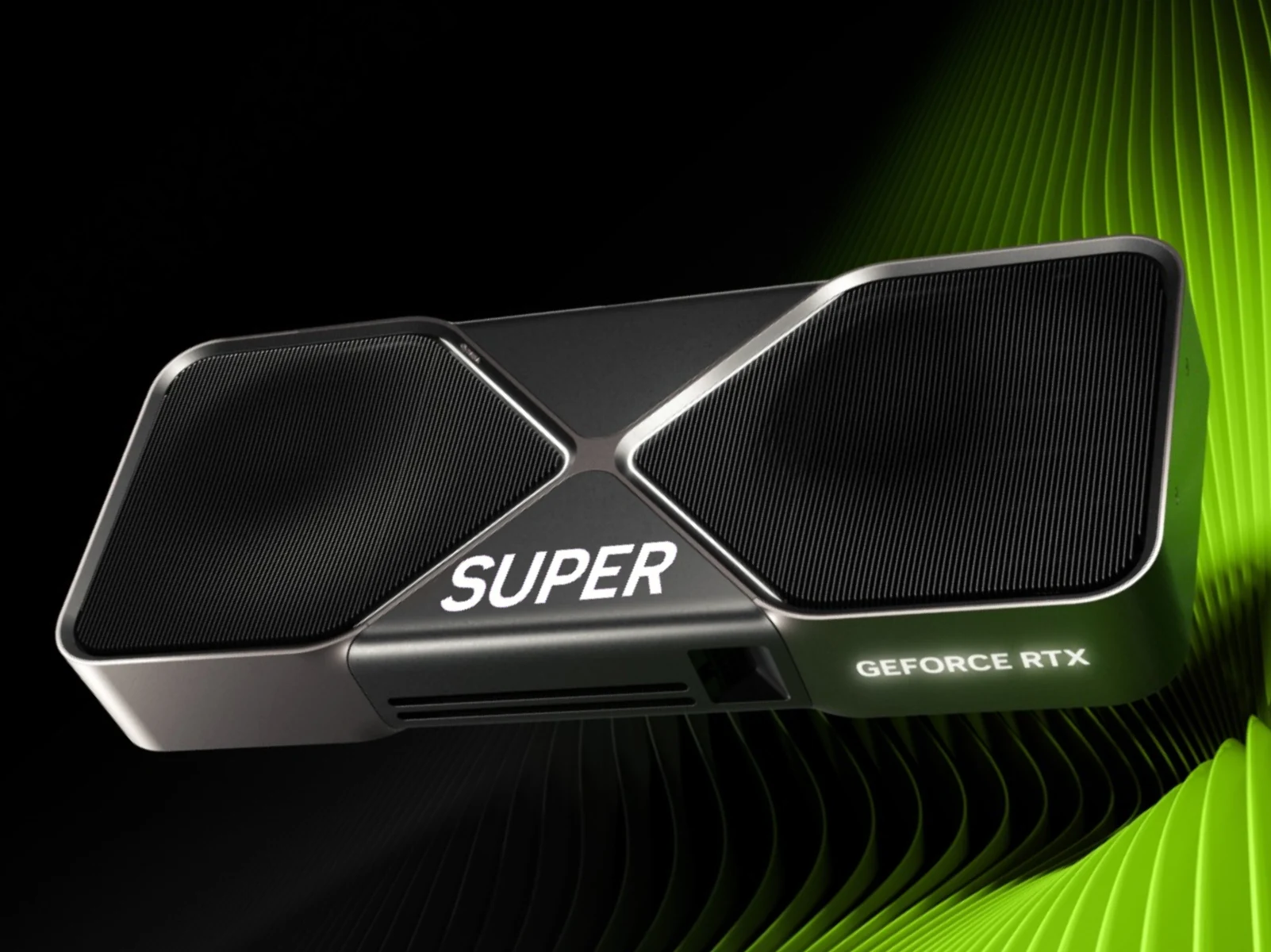
  • Nvidia GeForce RTX 50 Super Refresh and RTX 60 Series Delayed

    Nvidia GeForce RTX 50 Super Refresh and RTX 60 Series Delayed

    Key Takeaways

    1. The RTX 50 Super series has been delayed, with speculation of possible cancellation by Nvidia.
    2. The RTX 60 series, originally set for late 2027, is now expected to launch in 2028 or later due to resource allocation for AI hardware.
    3. Nvidia may reduce production of current RTX 50 models, particularly affecting the 16 GB RTX 5060 Ti and RTX 5070 Ti.
    4. The only Nvidia GPU with 16 GB of VRAM could be the GeForce RTX 5080, likely at a high price.
    5. AMD is expected to offer reasonably priced 16 GB gaming GPUs, like the Radeon RX 9070 XT and RX 9060 XT, while Intel’s Arc B770 is only a rumor.


    A lot of talks from last year (2025) hinted that Nvidia was set to unveil its RTX 50 Super series at CES 2026. Sadly, Nvidia didn’t share much for consumers and instead concentrated on AI developments. According to a new report from The Information (via Reddit), those who are planning to purchase a new Nvidia GPU in 2026 might be let down.

    Delays in the RTX 50 Super Lineup

    It seems that the entire RTX 50 Super series has been delayed to an unknown date. At this stage, it’s fair to think Nvidia might have canceled it. The main goal of this refresh was to boost the VRAM on the current Blackwell graphics cards. Given the shortage of memory, Nvidia may struggle to keep prices reasonable.

    Impact on the Next-Gen RTX 60 Series

    Consequently, the upcoming RTX 60 series gaming GPUs, based on the Rubin architecture, have also been affected. Originally scheduled for a late 2027 release, they are now expected to debut in 2028 or even later. Right now, Nvidia is concentrating all its resources on addressing its large backlog of AI hardware.

    Changes in Production Plans

    The report goes on to say that Nvidia might reduce the production of current RTX 50 models. This supports earlier speculations that suggested the same, with the 16 GB RTX 5060 Ti and RTX 5070 Ti being the first to feel the impact. Essentially, the only Nvidia GPU with 16 GB will be the GeForce RTX 5080—and it will probably come with a steep price tag.

    In the end, the only reasonably priced gaming GPUs with 16 GB of VRAM are likely to come from AMD, including the Radeon RX 9070 XT and Radeon RX 9060 XT. There’s also Intel’s rumored Arc B770, which has the same memory capacity, but as of now, it only exists in rumors.

    Source:
    Link


  • Rising Memory Prices Challenge AMD Radeon RX 9070 Performance

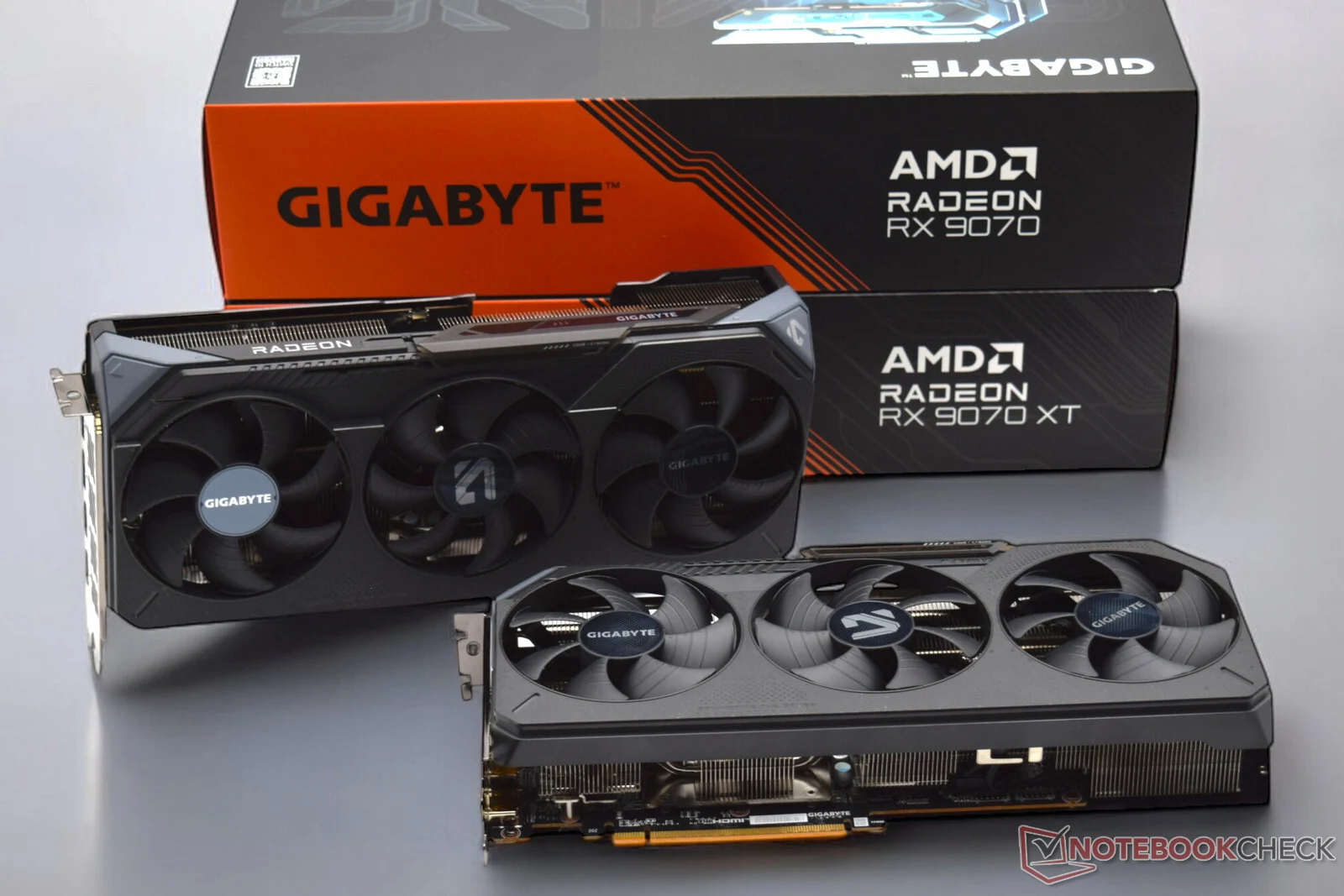
    Rising Memory Prices Challenge AMD Radeon RX 9070 Performance

    Key Takeaways

    1. AMD’s partners are focusing more on the Radeon RX 9070 XT due to higher profitability compared to the RX 9070.
    2. The cost of VRAM impacts production, making the RX 9070 less appealing to manufacturers because of lower profit margins.
    3. The RX 9070 XT is priced at $599, while the RX 9070 is priced at $549, resulting in less consumer interest in the latter.
    4. Historical sales data shows the RX 9070’s popularity is significantly lower than that of the RX 9070 XT.
    5. AMD encourages the availability of the RX 9070, but ongoing price shifts raise concerns about its future in the market.


    The recent increase in memory prices is subtly altering the GPU market. AMD’s partners are reportedly concentrating more on the Radeon RX 9070 XT rather than the standard RX 9070. This shift is not due to the RX 9070 being phased out, but rather because its production is less profitable compared to its faster counterpart.

    VRAM Costs Affecting Production

    The main issue lies in the costs of VRAM. The Radeon RX 9070, RX 9070 XT, and RX 9060 XT all come equipped with 16 GB of GDDR6, which generally needs eight memory chips for each card. This situation puts the RX 9070 in a tricky position: it has almost the same manufacturing costs as the XT model but has to be sold for a lower price due to its reduced performance. For board partners, this significantly cuts their profit margins, making the RX 9070 XT — priced at $599 — a more appealing option than the $549 RX 9070. The XT variant can also better handle increasing memory costs without requiring immediate price hikes.

    Market Response to Pricing Changes

    Market trends have already shown this imbalance. After launching in March, the RX 9070 hit its MSRP sooner in some areas, but its price — slightly below the XT — offered little reason for buyers to choose it. Historical sales data indicated that the RX 9070 was approximately one-tenth as popular as the RX 9070 XT right from the beginning.

    It’s crucial to note that this change does not suggest the RX 9070 is being discontinued. AMD’s partners may continue to produce it, but their focus seems to be shifting to lessen pricing fluctuations as VRAM expenses rise. On the other hand, the RX 9060 XT enjoys a safer status due to its lower price and specific role within the product lineup.

    Future of RX 9070 in the Market

    AMD has previously stated that it encourages its partners to maintain the availability of MSRP models, both shortly after the RDNA 4 launch and more recently. However, these reassurances have not stopped real-world price shifts — leading to concerns about how long the RX 9070 can sustain its position within AMD’s GPU offerings.

    Source:
    Link


  • OneXPlayer Launches OneXGPU 3 eGPU with AMD RDNA 4 Power

    OneXPlayer Launches OneXGPU 3 eGPU with AMD RDNA 4 Power

    Key Takeaways

    1. OneXPlayer launched the OneXGPU 3, featuring a desktop Radeon RX 9070 XT GPU with AMD’s RDNA 4 architecture.
    2. The eGPU offers strong gaming performance, supporting 1440p and 4K gaming with 16 GB of GDDR6 VRAM.
    3. Connectivity options include OCuLink and USB4, with OCuLink providing higher bandwidth but potential performance dips.
    4. The OneXGPU 3 supports FSR 4 for enhanced 4K gaming and includes an M.2 slot for expanding storage with a PCIe 2.0 SSD.
    5. Specific ports and pricing details are not yet available, but the eGPU is expected to be released soon following its CES 2026 announcement.


    OneXPlayer has unveiled a new external GPU, the OneXGPU 3, at CES 2026. Unlike previous models that used mobile graphics cards, this version is equipped with a robust desktop GPU. It features the Radeon RX 9070 XT, which utilizes AMD’s RDNA 4 architecture, and is touted to deliver performance of up to 180 W.

    Impressive Gaming Performance

    This desktop GPU, boasting 16 GB of GDDR6 VRAM, is recognized for its excellent capabilities in 1440p and 4K gaming. Nevertheless, the connectivity method that the eGPU uses to link to the host could be a limiting factor.

    Connectivity Options

    As OneXPlayer pointed out, the eGPU connects to a host device via its OCuLink or USB4 port. The OCuLink can provide up to 64 Gbps of bandwidth, making it a superior choice compared to USB4. However, users might experience a performance dip of up to 25%, depending on the type of workload. That said, since both options are available, the external GPU is likely to work well with many mini PCs and handheld systems.

    The inclusion of an RDNA 4 GPU allows users to utilize FSR 4, which will be beneficial for 4K gaming experiences. Additionally, the OneXGPU 3 features an M.2 slot that supports a PCIe 2.0 SSD, enabling users to expand the storage of their host devices (Gen 5 Crucial T710 currently priced at $169.99 on Amazon).

    Ports and Availability

    The company has assured that a good range of ports will be offered, though specifics on them have yet to be detailed. There is currently no information regarding the release date for the eGPU, and OneXPlayer has yet to disclose the pricing for the OneXGPU 3. However, since it was presented at CES 2026, we can expect the AMD external GPU to hit the market soon.

    Source:
    Link


  • Linux GPU Benchmarks Outperform Windows Gaming, Nvidia’s Flaws

    Linux GPU Benchmarks Outperform Windows Gaming, Nvidia’s Flaws

    Key Takeaways

    1. Linux gaming can offer smooth gameplay, but there are compatibility issues and performance disparities compared to Windows.
    2. AMD graphics cards generally show better performance and reliability than Nvidia cards in Linux environments.
    3. Benchmarking challenges required Gamers Nexus to adjust their testing methodology, making direct comparisons with Windows benchmarks complicated.
    4. High-end GPUs like the Nvidia RTX 5090 and Radeon RX 9070 XT were tested, with AMD often outperforming Nvidia in certain games, especially at lower resolutions.
    5. Some games struggle on Linux, particularly those reliant on anti-cheat systems, limiting the overall gaming experience compared to Windows.


    By popular request, Gamers Nexus conducted thorough GPU tests on the gaming-centric Bazzite. The Linux operating system has persuaded some Windows users who are tired of ongoing issues to switch. The findings indicate that gamers can enjoy smooth gameplay on Linux, although there are compatibility restrictions. Additionally, as noted in other assessments, AMD graphics cards showed more reliable performance compared to Nvidia ones.

    Challenges in Benchmarking

    Before presenting the data, Steve Burke pointed out the challenges faced during Linux benchmarking. The team could not utilize the same Windows tools to assess frame rates. To complicate matters further, certain games have distinct versions for each operating system.

    Adjusting the Testing Methodology

    To tackle these obstacles, Gamers Nexus altered its testing methodology. They decided to halt updates in Bazzite, which risked missing important performance-enhancing patches. With such a variety of factors at play, Burke warned viewers against making direct comparisons with benchmarks from Windows.

    Included GPU Options

    The Linux GPU benchmarks featured high-end models such as the Nvidia RTX 5090 and the Radeon RX 9070 XT. However, cards like the RTX 5060, RX 9060 XT, and some from Intel were also tested. Overall, AMD cards performed well, often surpassing pricier Nvidia competitors in certain games.

    In Black Myth: Wukong, running at 1080p, the RTX 5090 came in first with an average fps of 114.8. Nonetheless, Gamers Nexus pointed out serious frame pacing problems, while the 9070 XT maintained a steadier 105.2 fps. Despite a huge price difference, most gamers would likely have a better experience with the AMD GPU. However, the gap in average frame rates between the two grew wider at higher resolutions.

    Performance in Specific Games

    The weakest game for Nvidia graphics cards in the tests seemed to be Starfield. Even at 4K resolution, the 9070 XT came out on top, with the RTX 5090 barely edging ahead of the 9070. Nvidia’s chips also produced strange results in the Linux version of Baldur’s Gate 3, although performance improved when using the Windows version through compatibility layers.

    Nvidia’s early dependence on proprietary drivers has put it at a disadvantage in Linux distributions like Bazzite. Still, no matter the hardware, the OS struggles to run games that rely on anti-cheat systems. Gamers Nexus had to exclude F1 24 from their testing, while titles like Battlefield 6 and Black Ops 7 are still not accessible.

    Conclusion

    Even with impressive benchmarks, gamers might face more crashes on the Windows alternative. The YouTube channel also found that ray tracing options were disabled in games like Dragon’s Dogma 2. Ultimately, while gaming on Linux has become less problematic, it may be premature to declare Windows obsolete.


    Source:
    Link


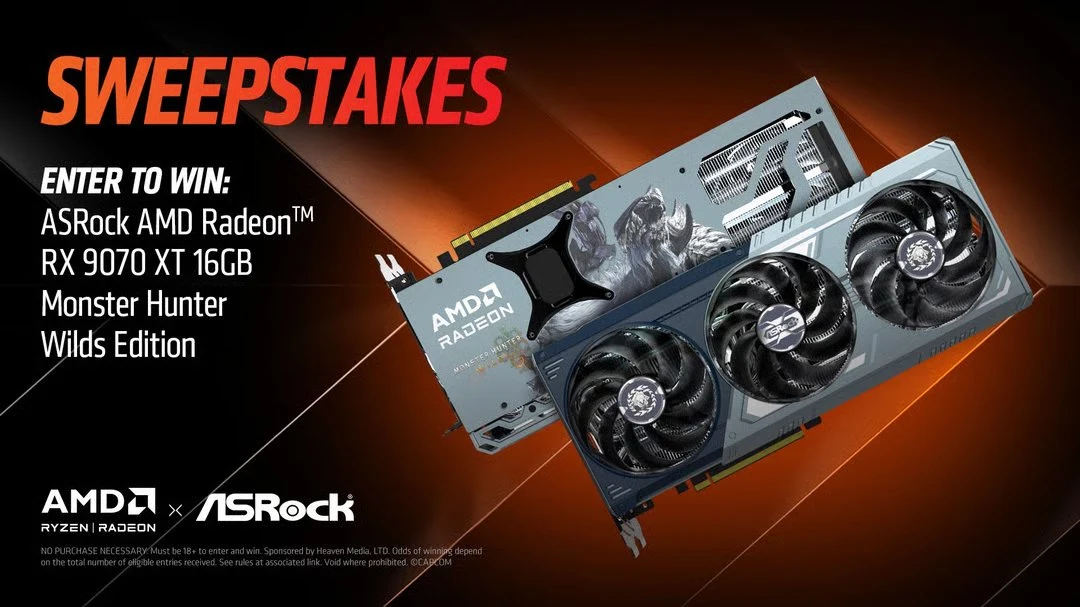
  • Win 5 Monster Hunter Wilds Radeon RX 9070XT GPUs in AMD Giveaway

    Win 5 Monster Hunter Wilds Radeon RX 9070XT GPUs in AMD Giveaway

    Key Takeaways

    1. AMD is hosting the ‘AMD x Monster Hunter Wilds Sweepstakes’ giveaway, offering a chance to win one of 5 limited edition ASRock Radeon RX 9070 XT GPUs.
    2. The giveaway is open to participants from multiple countries, including North America, Europe, and Asia, and has about 14 days remaining.
    3. The RX 9070 XT GPU features 16GB of GDDR6 RAM and competes well against Nvidia’s RTX 5070 and RTX 5070Ti.
    4. Participants can earn up to 1200 entries by following AMD, ASRock, and Monster Hunter on social media.
    5. Winners will be contacted within 7 days and must claim their prizes within 5 days, with any import taxes being the winner’s responsibility.


    Gamers who want to get a new GPU without spending a fortune, especially when it comes to the mid to high-range options, might find a glimmer of hope with the latest giveaway from AMD.

    AMD’s Exciting Giveaway

    The giveaway, named ‘AMD x Monster Hunter Wilds Sweepstakes’, is available in multiple countries. It’s open to people living in North America, Europe, the UK, Japan, South Korea, Australia, New Zealand, India, and Indonesia. Participants have a chance to win one of 5 limited edition ASRock Radeon RX 9070 XT Monster Hunter Wilds Edition 16GB GPUs.

    Previous Promotions

    This isn’t the first time AMD has done something related to Monster Hunter: World. Earlier this year, the Santa Clara-based chip maker offered a free copy of the game with certain CPUs, GPUs, and AMD laptops.

    The RX 9070 XT GPU from AMD is often seen as a great value in the graphics card market. It stands out with its 16GB of GDDR6 RAM, impressive performance, and a design that only requires 2 8-pin power connectors.

    Competing in the Market

    Competing directly with Nvidia’s RTX 5070 and RTX 5070Ti, the AMD RX 9070 XT sits nicely in the middle, outperforming the former while matching the latter in VRAM. It is also the fastest RDNA 4 GPU from AMD available at this moment. AMD hasn’t launched a direct competitor to Nvidia’s RTX 5080 or RTX 5090 GPUs with an RDNA 4 solution yet.

    The giveaway has about 14 days remaining as of now and is expected to reach 1.5 million entries. Users can earn up to 1200 entries by following AMD, ASRock, and Monster Hunter on social media.

    Important Details for Winners

    Winners will be contacted within 7 days and must claim their prizes within 5 days. AMD has mentioned that any VAT/GST/Import tax will be the winner’s responsibility, which could be an issue for those in the US due to the ongoing trade tensions with China.

  • AMD RDNA 5 Desktop GPUs Expected to Have Up to 96 CUs

    AMD RDNA 5 Desktop GPUs Expected to Have Up to 96 CUs

    Key Takeaways

    1. AMD is developing new graphics cards called Alpha Trion 0 (AT0), Alpha Trion 2 (AT2), Alpha Trion 3 (AT3), and Alpha Trion 4 (AT4).
    2. AT2 is expected to outperform AT3 with 4 Shader Arrays (SA), 8 Shader Engines (SE), and 40 Compute Units (CUs).
    3. AT0 may achieve 96 CUs with 16 SEs and 4 SAs, potentially rivaling Nvidia’s top GeForce RTX cards.
    4. An upgraded Radeon RX 9070 GRE is anticipated to be unveiled this fall.
    5. Nvidia is expected to launch the GeForce RTX 50 Super series around the same time, but details on pricing and release dates are unclear.


    A few days ago, Moore’s Law is Dead revealed some information about new RDNA 5 or UDNA-based desktop graphic cards. To summarize, the well-known YouTube channel talked about the Alpha Trion 3 and Alpha Trion 4, which are typically referred to as AT3 and AT4.

    New Developments in AMD’s Graphics Cards

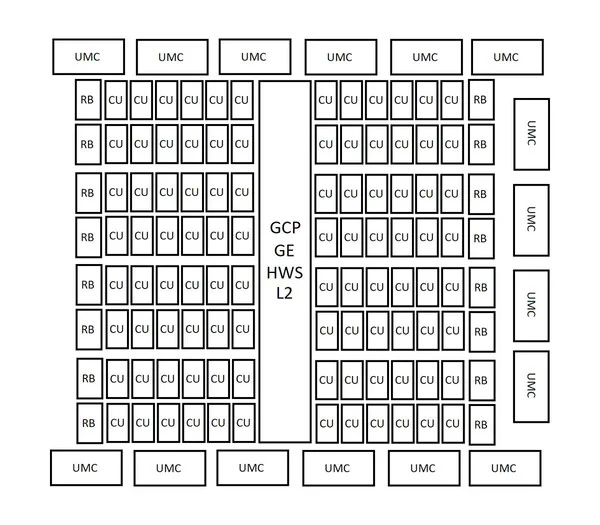
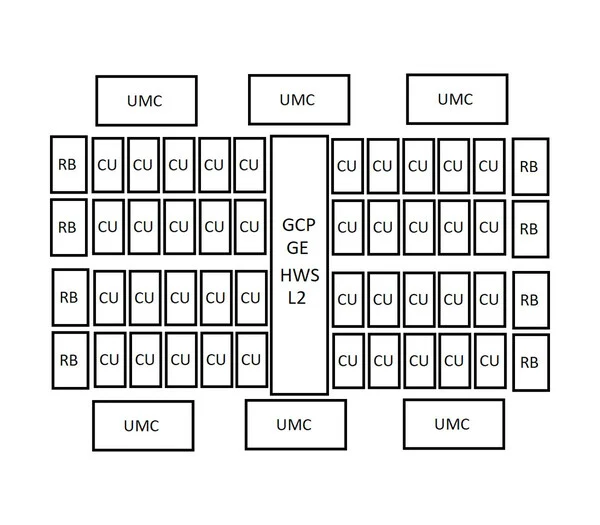
    Now, Kepler_L2 has mentioned that AMD is also developing Alpha Trion 0 (AT0) and Alpha Trion 2 (AT2) to provide more advanced options. Reports suggest that AT2 will outshine AT3 with its configuration of 4 Shader Arrays (SA), 8 Shader Engines (SE), and 40 Compute Units (CUs). In comparison, the current Radeon RX 9060 XT and Radeon RX 9070 XT (currently priced at $719.99 on Amazon) come with 32 CUs and 64 CUs, respectively.

    Performance Expectations

    On the other hand, AT0 is anticipated to achieve 96 CUs with 16 SEs and 4 SAs. If these specifications are accurate, then AMD’s next series might get much closer to the performance level of Nvidia’s top GeForce RTX desktop graphics cards. Furthermore, it’s expected that AMD will unveil an upgraded Radeon RX 9070 GRE this fall. It seems that Nvidia will also be launching the GeForce RTX 50 Super series around the same time. However, details about pricing, release dates, and even the actual names of the products are still unclear at this moment.

    Source:
    Link


  • ASRock L-Shaped PCIe 12V-2×6 Cable with NTC Sensor Prevents Melting

    ASRock L-Shaped PCIe 12V-2×6 Cable with NTC Sensor Prevents Melting

    Key Takeaways

    1. Incidents of damage to Nvidia’s RTX 50 series GPUs are linked to the new 12VHPWR power cable design.
    2. ASRock has introduced a new 12V-2×6 power cable with an L-shaped connector and built-in NTC sensor for better protection.
    3. AMD continues to use the traditional 8-pin connector for its reference model, while some partners have adopted the newer 12VHPWR design.
    4. The new ASRock cable can handle up to 600W and is designed to prevent sharp bends at the GPU end.
    5. The NTC sensor in the cable only works with ASRock power supply units, limiting its functionality with other brands.


    There have been a number of incidents involving damage to Nvidia’s RTX 50 series GPUs, often linked to either the PSU or the GPU itself, with the new 12VHPWR design being blamed. After the power cable for the Radeon RX 9070 XT GPU melted, ASRock took action and introduced a new cable designed to enhance protection against such issues. This new 12V-2×6 cable features an L-shaped connector along with a built-in NTC sensor.

    AMD’s Design Choices

    AMD has opted not to adopt this new design, sticking to the traditional 8-pin connector for its reference model. However, some partners, like ASRock, have embraced the newer 12VHPWR connector. While this connector simplifies the setup by combining three cables into one, it has also faced similar issues, affecting certain Nvidia RTX 50 series GPUs. Recently, a Reddit user reported that the power cable connector for their ASRock Radeon RX 9070 XT Taichi OC card melted at the GPU end, but thankfully, the connector on the card itself remained intact.

    ASRock’s New Solution

    It seems ASRock was already preparing for this situation, as they have launched the 12V-2×6 power cable featuring a NTC sensor and an L-shaped design. The NTC sensor tracks the temperature and relays information to the PSU for safe functioning. However, this feature is exclusively compatible with ASRock Taichi and Phantom Gaming PSUs. The new cable is also compatible with 12VHPWR connectors and can handle up to 600W.

    The L-shaped design helps prevent the cable from bending at sharp angles at the GPU end, while also lending a neater appearance to the overall build. The connectors are colored green and utilize 16 AWG (American Wire Gauge) size, along with HCS (High-Current System) terminals made from 94V-0 plastic. ASRock provides a 2-year limited warranty, assuming there are no user mistakes, such as inserting the connector incorrectly. The green pins should aid in visibility, helping to ensure they are fully inserted.

    Compatibility and Limitations

    Though the cable is compatible with all PSUs, the interaction between the NTC sensor and the PSU is restricted to ASRock models only.

    Source:
    Link


  • RTX 5070: Best-Selling GPU on Amazon with 70% Market Share

    RTX 5070: Best-Selling GPU on Amazon with 70% Market Share

    Key Takeaways

    1. The RTX 50 series graphics cards have entered the Steam Hardware Survey, dominating Amazon sales charts despite the RTX 40 and RTX 30 series still leading in overall usage.
    2. The top-selling GPUs are the RTX 5070 (5,450 units), RTX 5060 Ti (4,950 units), and RTX 5070 Ti (4,400 units), giving Nvidia a 70.51% unit market share and 78.61% revenue share.
    3. The Radeon RX 9070 XT ranks fourth with 4,100 units sold, while demand for this GPU has decreased, leading to price drops and potential sales boosts.
    4. AMD’s overall market share stands at 27.57% in units sold and 20.49% in revenue share, with the RX 9070 lagging behind at only 850 units sold.
    5. Intel’s GPUs are struggling, with the best-selling Arc B580 only selling 400 units; however, Intel plans to release new Arc Battlemage GPUs for improved performance.


    The RTX 50 line of graphics cards finally entered the Steam Hardware Survey in June. While the RTX 40 and RTX 30 series still hold the top positions, the newest GPUs are leading the sales charts on Amazon. The leading three spots are filled by the RTX 50 series, with the Radeon RX 9000 series flagship following behind.

    Sales Figures

    According to information from TechEpiphany on X, retail sales data from June on Amazon US shows that the RTX 5070 (Buy Gigabyte RTX 5070) is at the forefront, selling 5,450 units. Next is the RTX 5060 Ti (Buy Asus Dual RTX 5060 Ti) with 4,950 units sold, and then the RTX 5070 Ti (Buy MSI Gaming RTX 5070 Ti) with 4,400 units. This means Nvidia captures 70.51% of the units sold market share and 78.61% of the revenue share. The RTX 5070 was launched in March, the RTX 5070 Ti came out in February, and the RTX 5060 Ti was released in April.

    AMD’s Position

    In fourth place is the Radeon RX 9070 XT (Buy Asus Prime 9070 XT), which has sold 4,100 units (when combining all RX 9070 XT listings). It’s been recently noted that demand for this GPU has waned, resulting in prices dropping closer to its MSRP of $600. This could potentially boost sales for the RX 9070 XT, especially since it now outperforms the RTX 5070 Ti at 1440p on average. The RX 9070 is lagging behind with only 850 units sold. AMD’s market share stands at 27.57% for units sold and 20.49% for revenue share.

    Intel’s Struggles

    Looking at Intel GPUs, the best-selling Arc card is the Arc B580, with 400 units sold, while the Arc A380 follows at 350 units. Based on Amazon’s sales data, Intel is significantly trailing the competition but has pledged to release more Arc Battlemage GPUs that promise better performance compared to the current Arc B580.

    It’s important to remember that this data is limited to a single retailer and doesn’t provide a full view of the market landscape. Nevertheless, the Steam Hardware Survey also indicates that Nvidia maintains a strong hold on the consumer GPU market.

    Source:
    Link

  • Radeon RX 9070 XT Outperforms RTX 5070 Ti After Driver Update

    Radeon RX 9070 XT Outperforms RTX 5070 Ti After Driver Update

    Key Takeaways

    1. The Radeon RX 9070 XT now outperforms the RTX 5070 Ti due to recent driver updates.
    2. AMD’s RX 9000 series GPUs provide strong value, with the RX 9070 XT being about 3% faster than the RTX 5070 Ti in 16 games at 1440p.
    3. The RX 9070 XT has seen a 9% performance boost at 1440p and a 4% increase at 4K compared to earlier drivers.
    4. Certain games, like Marvel’s Spider-Man Remastered and Counter-Strike 2, have shown significant performance gains of up to 27% with the new drivers.
    5. The RX 9070 XT is gradually returning to its launch price of $600, making it a more affordable option compared to the $200 more expensive RTX 5070 Ti.


    The Radeon RX 9070 XT stands as AMD’s top graphics card for this generation, going head-to-head with the RTX 5070 and RTX 5070 Ti. While it was initially a bit slower than the RTX 5070 Ti, recent driver updates have changed this. Now, the RX 9070 XT has received a performance upgrade, allowing it to outperform the more costly RTX 5070 Ti in gaming scenarios.

    AMD Value Proposition

    AMD continues to provide great value with its Radeon RX 9000 series GPUs. The latest Adrenalin driver update, version 25.6.3, has enabled the RX 9070 XT to surpass the RTX 5070 Ti. According to tests conducted by Hardware Unboxed (check out the video linked below), the AMD card is now approximately 3% quicker than the Nvidia card in an average of 16 games at a resolution of 1440p.

    Performance Boosts

    When comparing to previous review drivers, the RX 9070 XT shows an impressive 9% performance increase at 1440p and a 4% rise at 4K. The RTX 5070 Ti has also seen enhancements since its initial release, achieving a 2.5% improvement at 1440p and 3% at 4K with the new drivers.

    Significant Game-Specific Gains

    Though these performance improvements might seem minor, certain games have experienced noticeable boosts compared to the review drivers. Titles like Marvel’s Spider-Man Remastered, Counter-Strike 2, and Hogwarts Legacy have recorded gains of 27%, 23%, and 14% at 1440p, respectively. Other games have also enjoyed enhancements ranging from 10% to 15% with the recent driver updates.

    This advantage positions the more affordable RX 9070 XT ahead of its rival from Team Green, which costs roughly $200 more. As highlighted by Hardware Unboxed, the price gap is a crucial consideration. Additionally, while both the RTX 5070 Ti and Radeon RX 9070 XT are currently priced higher than their original MSRPs, the AMD card is gradually returning to its launch price of $600. This price reduction is due to a decreasing demand for the RX 9070 XT, offering good news for potential buyers who have been waiting to grab a next-gen GPU.

    Source:
    Link

  • RX 9070 XT Prices Drop as Demand Decreases for Patient Gamers

    RX 9070 XT Prices Drop as Demand Decreases for Patient Gamers

    Key Takeaways

    1. The AMD Radeon RX 9070 XT is nearing its suggested retail price of $599 after a five-month period.
    2. Initial market prices for the RX 9070 XT exceeded expectations due to high demand and limited MSRP cards.
    3. Demand for the RX 9070 XT has decreased, leading to prices approaching $600 for some AIB cards.
    4. Retail prices for the RX 9070 XT vary widely, with some listings still above $700.
    5. Future price drops are likely as demand fades and new GPU models from Nvidia and AMD are expected soon.


    While it took about 5 months, the AMD Radeon RX 9070 XT is finally nearing its suggested retail price of $599. When AMD launched this card in March, the RX 9070 XT was expected to be the best graphics card deal on the market, especially since its competitor, the RTX 5070 Ti, was priced much higher at $749.

    Pricing Issues

    Unfortunately, the RX 9070 XT didn’t achieve the success AMD hoped for, as the actual market price was far from the $599 figure they announced. This wasn’t because of any shortage on AMD’s side; reports suggested they had plenty of RX 9070 XT cards ready. The ongoing rise in the RX 9070 XT’s price might’ve been due to demand significantly surpassing supply, along with a smaller number of MSRP RX 9070 XT compared to non-MSRP AIB cards.

    Demand Decrease

    It appears that the demand for the RX 9070 XT has dropped enough that AIB cards are finally approaching the $600 mark. Data shared by TechEpiphany on X reveals a decline in price for the ASRock Radeon RX 9070 XT Steel Legend. The card is now priced near $600.

    This trend aligns with current GPU prices at retailers like Best Buy, where the RX 9070 XT has been available for significantly under $700. Nevertheless, there are still many RX 9070 XT cards that are excessively priced. For example, the lowest priced RX 9070 XT on Newegg is around $699.99, whereas Amazon lists it for about $719.99.

    Future Price Predictions

    According to TechEpiphany, this drop in RX 9070 XT street prices is attributed to a “fade” in demand. If this is accurate, prices might continue to decrease, especially since Nvidia and AMD are expected to roll out additional GPU models by the end of this year.

    Source:
    Link