Tag: RTX 5070

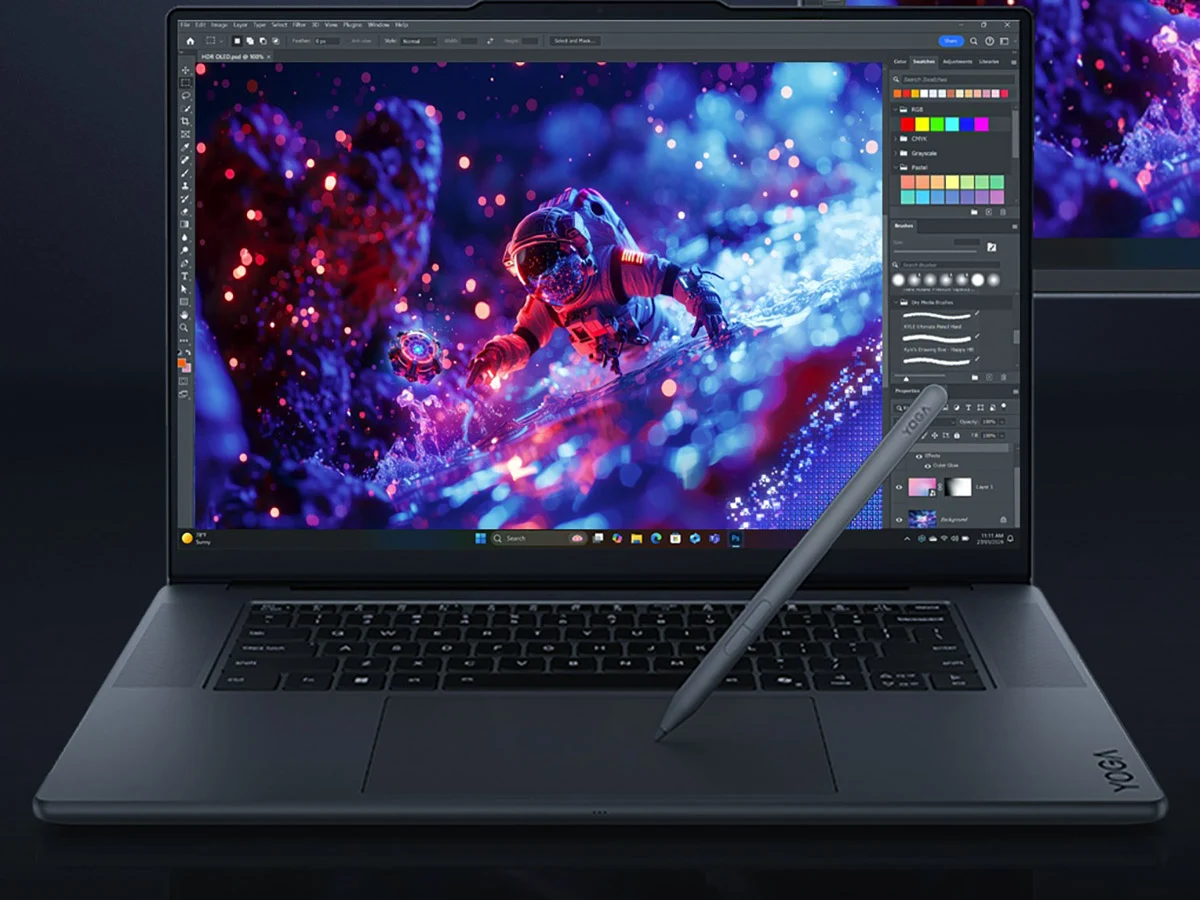
  • Lenovo Yoga Pro 16 Laptop: RTX 5070, 64GB RAM, Double Price

    Lenovo Yoga Pro 16 Laptop: RTX 5070, 64GB RAM, Double Price

    Key Takeaway

    – Lenovo released a high-end Yoga Pro 16 variant with RTX 5070 (12GB VRAM), 64GB RAM, and 2TB storage.
    – Priced at ~$4,865 in China (~$4,350 with subsidy), it costs about double the US Yoga Pro 9i with RTX 5060.
    – The 12GB RTX 5070 offers significantly more graphics power than the 8GB versions, targeting creatives.
    – Features include Core Ultra 9 386H, 16-inch tandem OLED touchscreen (1600 nits, 120Hz), and enhanced cooling.
    – It has a 92.5Wh battery, rich port selection, six-speaker Dolby Atmos audio, and a Wacom-powered 7-inch pen tablet touchpad.


    Yoga Pro Hits New Heights

    Lenovo has maxed out its venerable Yoga Pro convertible line of laptops with a new variant that boasts a more powerful Nvidia RTX 5070 graphics subsystem, 64 GB of RAM, and 2 TB of storage. As can be expected in this day and age when AI computing infrastructure gobbles up all the world’s chip supply at an increasing pace, the newest Yoga Pro 16 version that just got released in China is not cheap.

    Price and Config Breakdown

    The beefier 16-inch Yoga Pro convertible laptop trim, combining a 12 GB RTX 5070 GPU with 64 GB RAM and a 2 TB SSD, can be bought directly from Lenovo at a $4,865 equivalent (32,999 yuan). Lenovo seems to have chosen this moment to release such a pricey variant because it can still capitalize on the local government’s “digital device” national subsidy campaign that brings down the price to $4,350 (24,999 yuan).

    • RTX 5070 GPU with 12 GB GDDR7 VRAM and 115W TDP
    • 64 GB LPDDR5X RAM
    • 2 TB PCIe 4.0 SSD in dual-bay M.2 2280 config
    • Core Ultra 9 386H processor

    Comparing US and China Trims

    Compared to the same Yoga Pro 9i that Lenovo sells on Amazon in the US for just $2,230 with an RTX 5060 GPU, however, that is still double the money difference for doubling the memory amount and shoehorning the beefier RTX 5070 laptop GPU version with 12 GB GDDR7 VRAM and 115W TDP that Nvidia just started shipping in it. Still, Lenovo obviously thinks that there would be a market for those creatives who need to squeeze more graphics power out of their Yoga Pro convertible.

    GPU Performance Nuances

    Heretofore, both the RTX 5060 and 5070 laptop GPUs were available with 8 GB of video RAM, so the actual performance difference in benchmarks would barely hit 20%, but the 12 GB RTX 5070 is a different ballgame for those who need it. Other than the graphics power upgrade, the new Yoga Pro 16 comes with the same great specs that the US-available trims offer, namely a Core Ultra 9 386H processor, LPDDR5X memory, and a PCIe 4.0 SSD in a standard M.2 2280 dual-bay configuration.

    Cooling and Display Design

    Lenovo, however, treated this one as a gaming laptop when it comes to cooling with more openings and an increase of the effective dissipation area of the island and square heat pipe. The display is the same 16-inch tandem OLED touchscreen with top-shelf characteristics such as 1600 nits HDR peak brightness, 100% wide color gamut coverage, a 120 Hz dynamic refresh rate, and ten-point touch sensitivity.

    • 16-inch tandem OLED touchscreen
    • 1600 nits HDR peak brightness
    • 120 Hz dynamic refresh rate
    • 100% wide color gamut coverage

    Dimensions and Battery Life

    The aluminum chassis weighs a little over four pounds (1.9 kg), and the whole Yoga Pro 15 with a 12 GB RTX 5070 GPU measures just 0.68 inches (17.3 mm) thin despite also housing a large 92.5 Wh battery promising up to 18.5 hours of endurance and a smorgasbord of ports and slots: 2x Thunderbolt 4, 2x USB-A, an HDMI 2.1, a 3.5 mm headphone jack, and an SD card reader.

    Multimedia and Pen Input

    Since the Yoga Pro Aura edition laptops are billed for creatives, Lenovo payed attention to the multimedia chops of the new RTX 5070 edition by providing a rich sound subsystem supporting Dolby Atmos and Smart AMP with six speakers in a dual tweeter and four woofer crossover design as well as four surround-sound mics. Last but not least, the Wacom-powered touchpad can be used as a 7-inch writing tablet, complete with 4096 levels of pen pressure sensitivity and linear motor feedback to simulate realistic writing or drawing strokes.

    Global Availabilty Outlook

    This makes the new Yoga Pro SKU with a 12 GB 5070 GPU a well-rounded and futureproof convertible for creatives, but it remains to be seen if Lenovo will release it globally at some point, as its price seems posed to top four grand if and when it lands in the US.
    Sources
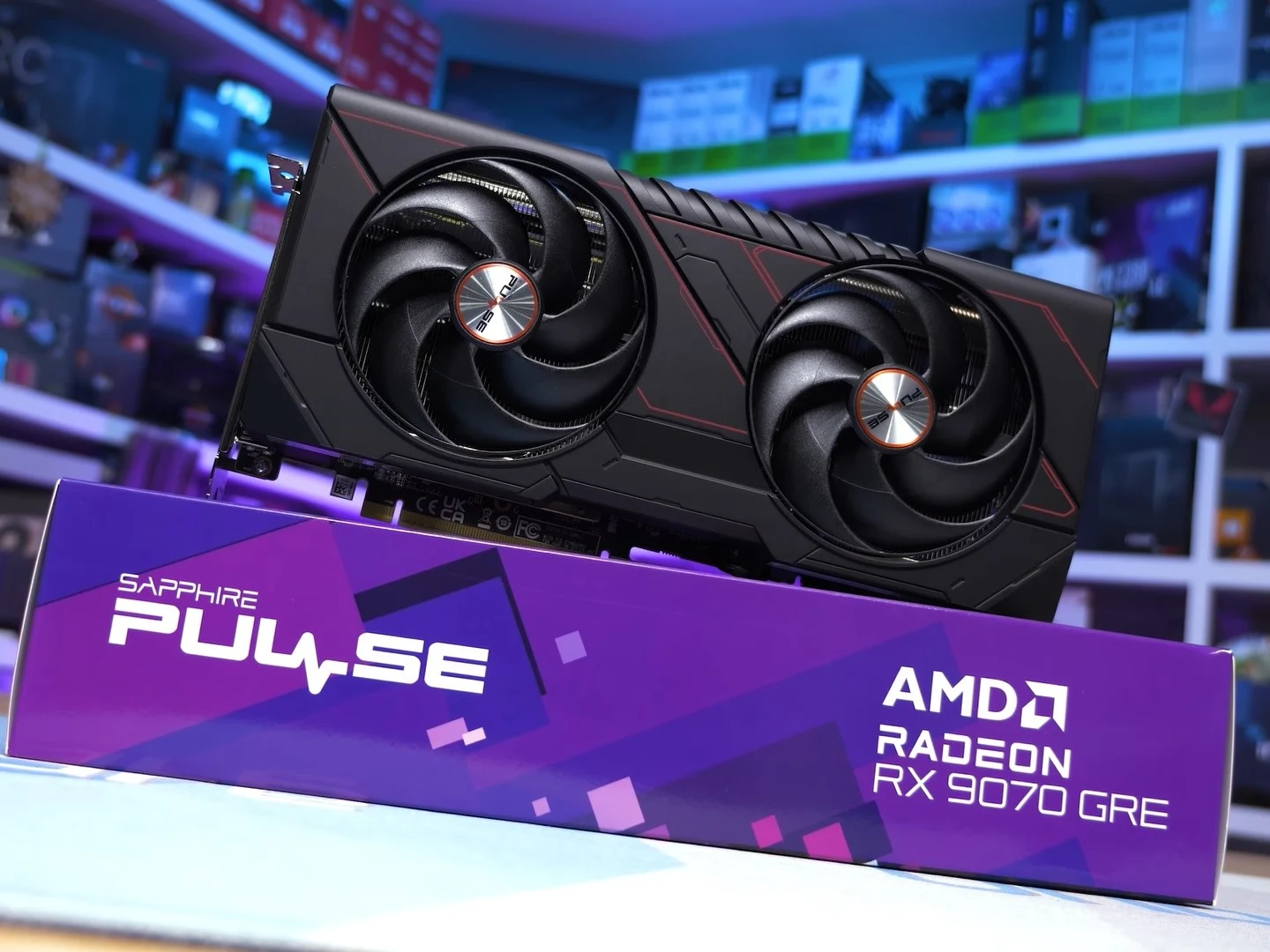
  • AMD RX 9070 GRE vs RX 9070: Same Price, 16% Worse

    AMD RX 9070 GRE vs RX 9070: Same Price, 16% Worse

    Key Takeaway

    – RX 9070 GRE essentially matches RX 7900 GRE performance, 16% behind RX 9070
    – 25% faster than RTX 5060 Ti 16 GB at 1440p, but 5% slower than RTX 5070
    – Poor value at $549 MSRP due to only $50 less than the superior RX 9070
    – 9% worse cost per frame than RX 9070, which offers 4GB more VRAM and 16% better raster
    – Makes more sense compared to overpriced Nvidia alternatives, but should have launched at $500 or less


    AMD’s New GPU Finally Hits Global Shelfs

    A year after its availability in China, AMD has brought the Radeon RX 9070 GRE to the US and other regions. The card is meant to be a cheaper alternative to the RX 9070 and a direct competitor to the RTX 5060 Ti 16 GB and the RTX 5070. However, the RX 9070 GRE fails to make a solid case for itself in Hardware Unboxed’s review.

    Benchmark and Performance Numbers

    Per HU’s testing of 15 games at 1440p, the RX 9070 GRE essentially matches the performance of the RX 7900 GRE and falls 16% behind the RX 9070. It is also 5% slower than the RTX 5070. However, the RX 9070 GRE is 25% faster than the RTX 5060 Ti 16 GB at 1440p. At 4K, the RX 9070 GRE shows a similar performance deficit to the RTX 5070 and the RX 9070.

    Ray Tracing and Power Draw

    Moving on to the average ray tracing performance in seven tested titles at 1440p, the RX 9070 GRE is not particularly impressive. It is 10% slower than the RTX 5070 and 17% slower than the RX 9070. The RX 9070 GRE’s only real advantage here is against the RTX 5060 Ti 16 GB, where the Radeon card is 17% faster. Power-consumption-wise, the RX 9070 GRE sits between the RX 9070 and the RTX 5070. It consumes much less than the RX 9070 but gets handily beaten by the RTX 5070.

    Value and Pricing Analysis

    In a vacuum, the RX 9070 GRE could be considered a pretty solid GPU. It is much faster than the RTX 5060 Ti 16 GB and only marginally behind the RTX 5070. However, AMD has priced the RX 9070 GRE too close to the RX 9070. HU calls the RX 9070 GRE “a waste of time” at the official $549 MSRP. HU notes that the RX 9070 GRE delivers a 9% worse cost per frame than the RX 9070. At $549, the RX 9070 GRE is only $50 less than the RX 9070, which you can currently find for $599 on Amazon. HU argues that the RX 9070 costing just $50 more for 4 GB extra VRAM and 16% better raster performance than the RX 9070 GRE has made the latter a pretty unremarkable option. It would’ve been much better if the RX 9070 GRE had launched at $500 or less.

    Comparisons to Nvidia’s Offerings

    The RX 9070 GRE makes much more sense when we compare it to the RTX 5070 and the RTX 5060 Ti 16 GB, as Nvidia GeForce GPUs have seen a worse price increase compared to AMD Radeon cards. For instance, the cheapest RTX 5070 on Amazon, at the time of writing, is a $607 MSI Ventus Black RTX 5070 that is on sale at a 7% discount. So, normally, you’d be looking at an RTX 5070 that is much more than $600. For the RTX 5060 Ti 16 GB, you’ll need to shell out $549.99 on Amazon to get an Asus Prime GeForce RTX 5060 Ti 16 GB. So, the RX 9070 GRE makes more sense here.

    • RX 9070 GRE: 1440p performance matches RX 7900 GRE, 16% behind RX 9070, 5% slower than RTX 5070
    • Ray tracing: 10% slower than RTX 5070, 17% slower than RX 9070, 17% faster than RTX 5060 Ti 16 GB
    • Power consumption: Between RX 9070 and RTX 5070, better than RX 9070 but worse than RTX 5070
    • Pricing: $549 MSRP, only $50 less than RX 9070 at $599
    • Competition: RTX 5070 starts at $607, RTX 5060 Ti 16 GB at $549.99

    Final Verdict from Reviewers

    Hardware Unboxed on YouTube provided all these insights, concluding the card is a waste of time at its current price. They emphasize the $50 savings does not justify the 16% performance loss and reduced VRAM compared to the RX 9070. The card would be more attractive at $500 or below.


    Sources

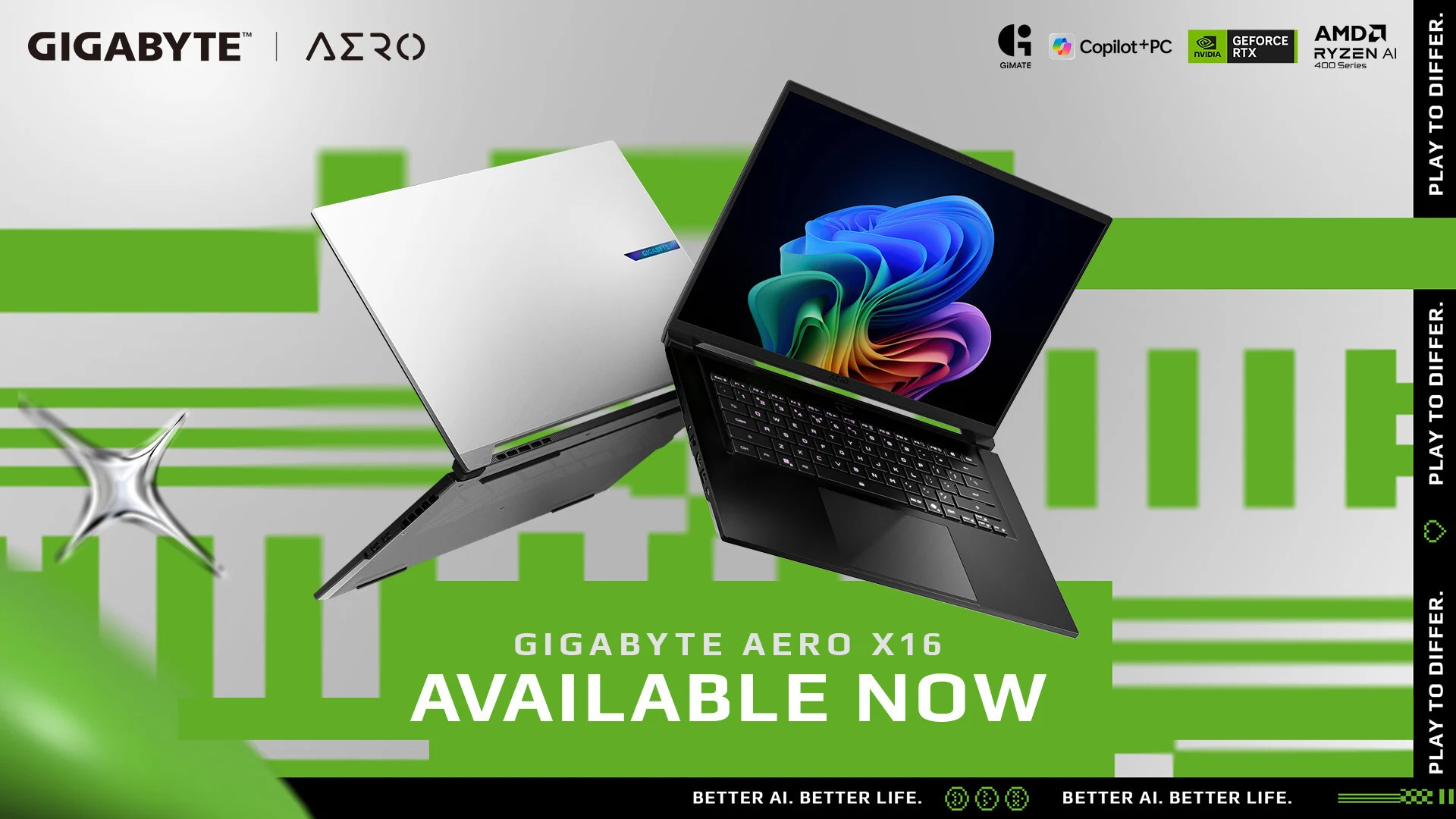
  • Gigabyte Ultra-Slim Laptop with RTX 5070 12GB Goes on Sale in US

    Gigabyte Ultra-Slim Laptop with RTX 5070 12GB Goes on Sale in US

    Key Takeaway

    – Aero X16 features a 16-inch 2560×1600 IPS display with 165 Hz, 500 nits brightness, 100% sRGB, and Pantone validation for strong color accuracy.
    – Hardware focus: AMD Ryzen AI 9 465 processor, NVIDIA GeForce RTX 5070 with 12 GB VRAM, up to 64 GB DDR5 RAM, and up to 4 TB PCIe NVMe SSD.
    – Design and features: 16.75 mm thick, ~1.9 kg, 14-hour battery, Windforce Infinity cooling, 3D VortX air channel, curved RGB keyboard, and Copilot+ AI tools.


    Gigabyte Announces Aero X16 Availability

    Gigabyte has now officially announced the availability of its latest productivity-focused Aero X16 laptop. Interested buyers can purchase the laptop directly from Gigabyte’s authorized retailers. However, the company hasn’t revealed the pricing details for the laptop. Final configurations and on-sale time may vary by region and local or online retailer, said Gigabyte in its press release.

    Display and Visuals

    The Gigabyte Aero X16 is equipped with a 16-inch IPS panel with a 2560 x 1600 pixel resolution, a peak brightness of 500 nits, and a refresh rate of 165 Hz. The screen is said to offer 100% sRGB color accuracy and is Pantone validated. On top of this, the laptop boasts a 92% screen-to-body ratio, TUV Rheinland eye comfort certification, and Dolby Atmos sound for an enhanced listening experience.

    Performance and Specs

    Speaking of powered things, the machine is powered by an AMD Ryzen AI 9 465 processor paired with an NVIDIA GeForce RTX 5070 laptop GPU with 12 GB VRAM. It packs up to 64 GB of DDR5 RAM and up to 4 TB of PCIe NVMe M.2 SSD. As far as the dimensions are concerned, the Aero X16 measures 16.75 mm (0.65 inch) in thickness and weighs around 1.9 kg (4.1 lbs).

    Features and Battery

    Other features include up to 14 hours of battery life, the Windforce Infinity cooling system with 100 W of thermal capacity, a 3D VortX air channel, Gigabyte’s in-house Gimate AI agent for hardware and software control, a curved keyboard with dynamic RGB backlighting, and Copilot+ features such as Cocreator AI photo creation, image restyling, and live caption with real-time translation.

    Color Options

    Buyers can choose from lunar white and space gray color options. For more details, head over to Gigabyte’s official website.


    Sources
  • HP unveils 15-inch compact gaming laptop with 180 Hz display

    HP unveils 15-inch compact gaming laptop with 180 Hz display

    Key Takeaway

    – Omen 15 launch is limited to North America with three SKUs and shippingStarting July 3 for Core Ultra 7 356H/Ryzen 7 8745HX; Core Ultra 9 386H stock expected May 27–June 1.
    – Configurations center on RTX 5070 (8 GB) GPU, 15.3″ 2.5K 1600p IPS 16:10 display, 70 Wh battery; OLED 2.8K option at 120 Hz with higher brightness.
    – CPU options include Ryzen 7 8745HX (Zen 4) and Core Ultra 7 356H; Core Ultra 9 386H expected later but currently unclear beyond initial claim.


    HP’s New 15-Inch Gaming Laptop Has Arrived In Limited Markets

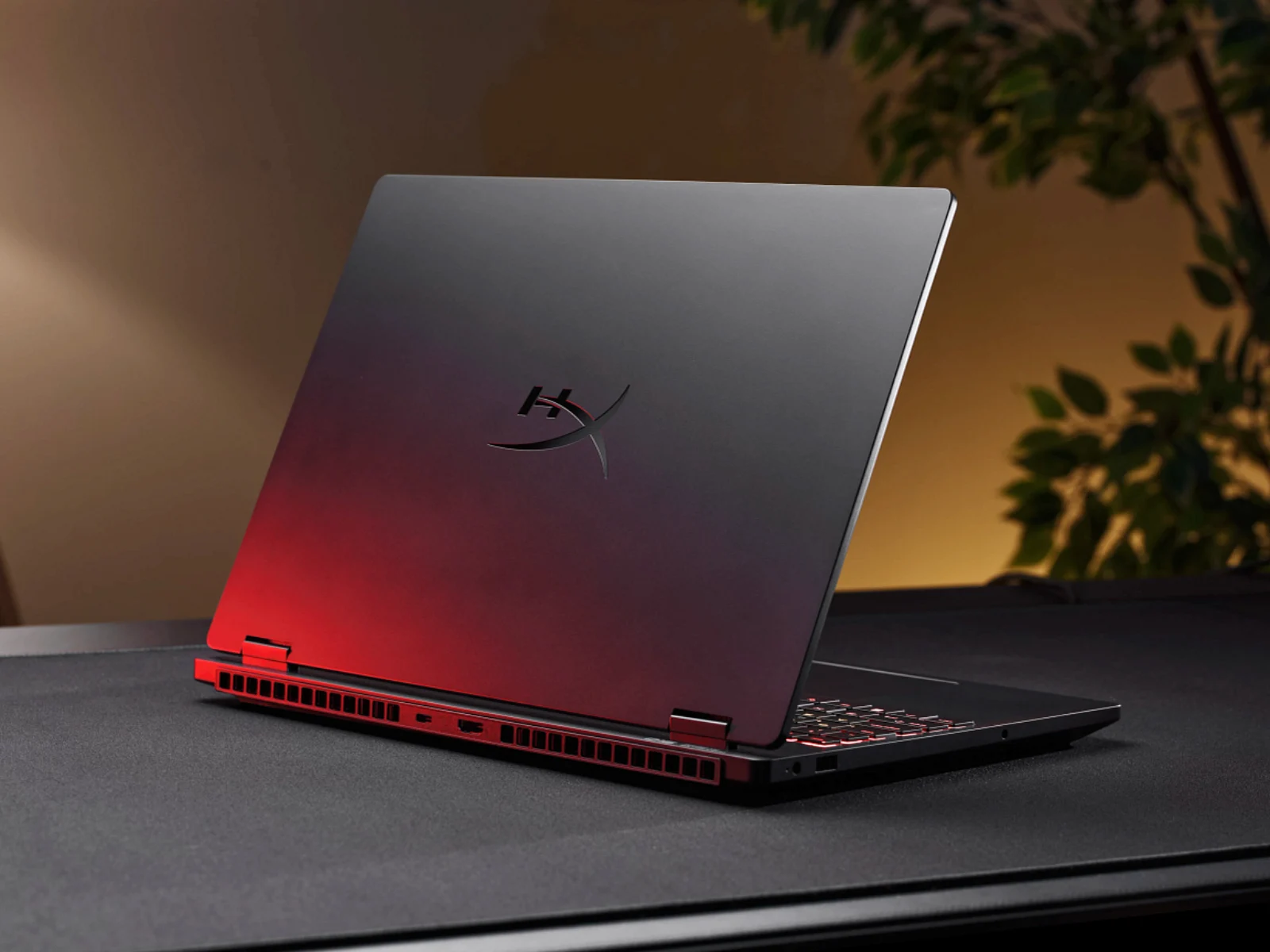
    HP has finally started selling its latest 15-inch gaming laptop in some capacity. To recap, the company announced the HyperX Omen 15 over four months ago during CES 2026 in Las Vegas. A smaller alternative to the Omen 16 (curr. $1,679 on Amazon), the Omen 15 appears to be exclusive to North America for now.

    Processor Options And Clarifications

    In January, HP claimed that the Omen 15 would be available with the Core Ultra 9 386H alongside other ‘next-gen’ AMD Ryzen and Intel processors. Now, the company has clarified that these are the Ryzen 7 8745HX with Zen 4 cores and the Core Ultra 7 356H featuring Cougar Cove and Darkmont cores. According to our benchmarks, the Ryzen 7 8745HX sits at the bottom of the pile. Whether newer AMD options will be available remains to be seen at this stage.

    Display, Battery, And Graphics Details

    Setting that aside, the Omen 15 currently features a GeForce RTX 5070 (8 GB) laptop GPU and a 70 Wh battery. Also, includes a 15.3-inch IPS display that outputs at 1600p (2.5K) with a 16:10 aspect ratio, 500 nits peak brightness and a 180 Hz refresh rate. However, a 1800p (2.8K) OLED alternative will be available with a 120 Hz refresh rate and 500 nits SDR/1,100 nits HDR peak brightness.

    Launch Timeline And Availability

    HyperX Omen 15 orders with the Core Ultra 7 356H and Ryzen 7 8745HX should start shipping on July 3. Meanwhile, HP anticipates having stock of Core Ultra 9 386H variants between May 27 and June 1. Please see the company’s website and our launch article for more details.


  • HP launches 15-inch compact gaming laptop with 180 Hz display

    HP launches 15-inch compact gaming laptop with 180 Hz display

    Key Takeaway

    – HP’s HyperX Omen 15 is now starting to ship in North America with Ryzen 7 8745HX (Zen 4) and Core Ultra 7 356H options; Core Ultra 9 386H stock to arrive later (late May–early June).
    – GPU race-cat: RTX 5070 (8 GB) laptop GPU with a 70 Wh battery, plus a 15.3″ 2.5K (1600p) 16:10 IPS display at 180 Hz; OLED 2.8K option at 120 Hz with higher brightness.
    – Availability timeline: Core Ultra 7 356H and Ryzen 7 8745HX shipments begin July 3; Core Ultra 9 386H variants expected in stock May 27–June 1.


    HP’s Omen 15 launch and availability

    HP has finally started selling its latest 15-inch gaming laptop in some capacity. To recap, the company announced the HyperX Omen 15 over four months ago during CES 2026 in Las Vegas. A smaller alternative to the Omen 16 (curr. $1,679 on Amazon), the Omen 15 appears to be exclusive to North America for now.

    Processor variants and specs

    In January, HP claimed that the Omen 15 would be available with the Core Ultra 9 386H alongside other ‘next-gen’ AMD Ryzen and Intel processors. Now, the company has clarified that these are the Ryzen 7 8745HX with Zen 4 cores and the Core Ultra 7 356H featuring Cougar Cove and Darkmont cores. According to our benchmarks, the Ryzen 7 8745HX sits at the bottom of the pile. Whether newer AMD options will be available remains to be seen at this stage.

    Graphics, battery, and display details

    Setting that aside, the Omen 15 currently features a GeForce RTX 5070 (8 GB) laptop GPU and a 70 Wh battery. Also, includes a 15.3-inch IPS display that outputs at 1600p (2.5K) with a 16:10 aspect ratio, 500 nits peak brightness and a 180 Hz refresh rate. However, a 1800p (2.8K) OLED alternative will be available with a 120 Hz refresh rate and 500 nits SDR/1,100 nits HDR peak brightness.

    Launch timing and stock expectations

    HyperX Omen 15 orders with the Core Ultra 7 356H and Ryzen 7 8745HX should start shipping on July 3. Meanwhile, HP anticipates having stock of Core Ultra 9 386H variants between May 27 and June 1. Please see the company’s website and our launch article for more details.


  • Lenovo 15-inch Gaming Laptop: RTX 5070 12GB & 1100-nit OLED Display

    Lenovo 15-inch Gaming Laptop: RTX 5070 12GB & 1100-nit OLED Display

    Key Takeaway

    – Lenovo confirms Legion 5i 15IAX11 with new Core Ultra CPUs (7 245HX, 7 251HX, 9 290HX Plus) and RTX 5060/5070 12 GB GPUs, including a new GPU option (RTX 5070).
    – All SKUs use DDR5-5600 RAM and feature M.2 PCIe 5.0 (2242) and PCIe 4.0 (2280) slots, plus an 80 Wh battery with 245 W Slim Tip charging.
    – The chassis weighs 1.93 kg, dimensions 344 x 244.5 x 18.95–19.95 mm, and includes a 15.3″ OLED display at 2560×1600, 165 Hz, 1,000 nits HDR.


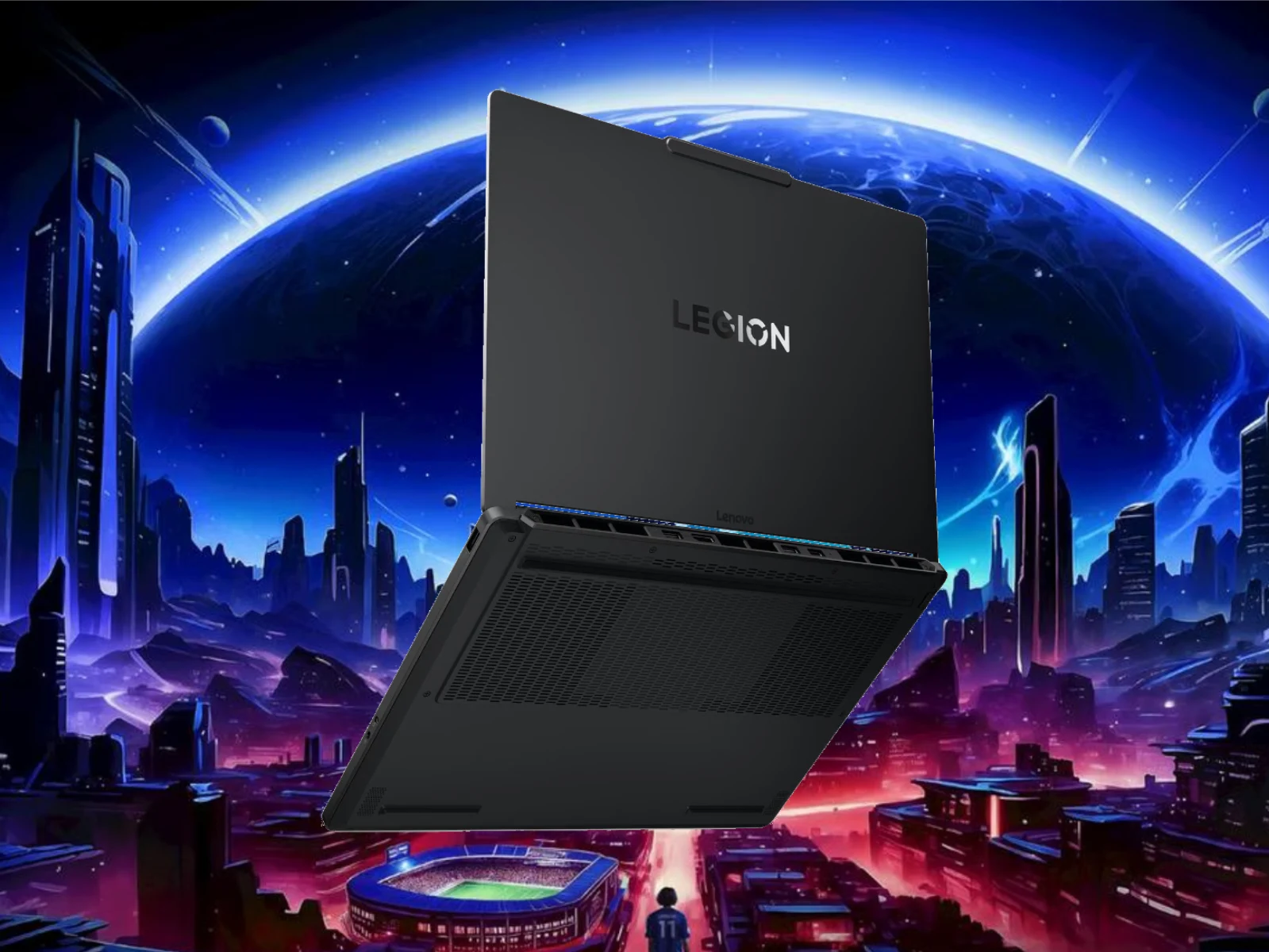
    Lenovo quietly confirmation of a new Legion 5i model on PSREF

    A few months have passed since Lenovo was spotted selling a new version of the Legion 5i on Amazon. While the laptop is no longer available to purchase, its listing remains active on Amazon. Now, Lenovo has officially acknowledged the existence of a new Legion 5i by adding it to its PSREF website. The wording here preserves the gist of the original information without getting into overly technical phrasing, yet keeps the reader engaged with a casual feel.

    Hardware specs teased, including new CPU and GPU options

    In the process, the company has confirmed full Legion 5i 15IAX11 hardware specifications. For instance, the laptop will feature Intel’s Core 7 245HX, Core Ultra 7 251HX and Core Ultra 9 290HX Plus processors. Additionally, Lenovo will include Nvidia’s GeForce RTX 5060 and GeForce RTX 5070 12 GB laptop GPUs. Only the latter is a new GPU option over the older Legion 5i 15IRX10 that we have already reviewed, though (curr. $1,619 on Amazon). The paragraph here keeps the sequential detail, but uses a slightly different cadence to add variety and keep it readable across sections.

    Battery, memory, and storage details explained

    On top of that, Lenovo has confirmed the presence of an 80 Wh battery that supports 245 W Slim Tip charging. All SKUs will feature DDR5-5600 SODIMM RAM too, as well as M.2 2242 PCIe 5.0 and M.2 2280 PCIe 4.0 slots. Likewise, all Legion 5i 15IAX11 variants contain an identical 15.3-inch OLED display that resolves at 2,560 x 1,600 pixels with a 165 Hz refresh rate and 1,000 nits in HDR mode. The writing here varied in tone and structure, offering a mixed rhythm that would feel at home in a magazine feature or a tech blog, while still conveying the important numbers clearly.

    Physical dimensions and price prospects remain a mystery

    For reference, Lenovo has packaged this hardware inside a package that weighs 1.93 kg and measures 344 x 244.5 x 18.95-19.95 mm. Unfortunately, pricing and availability remains unknown for now. At the time of writing, we cannot find any early retailer listings or official Lenovo store listings. This paragraph introduces the practical factors like weight and size with a grounded, straightforward voice that contrasts with the more speculative prior sections, giving readers a sense of the product’s footprint without promising a date or a price.


    Sources

  • Framework criticizes OpenAI over high RTX 5070 12GB graphics card price

    Framework criticizes OpenAI over high RTX 5070 12GB graphics card price

    Key Takeaway

    1. The RTX 5070 mobile GPU now offers 12 GB of VRAM, up from 8 GB, but at a significantly higher price.
    2. The $1,199 price for Framework’s RTX 5070 12 GB module is largely attributed to inflated memory costs, linked to a perceived global memory shortage.
    3. OpenAI’s alleged role in causing the memory shortage has contributed to persistent graphics card component price inflation.
    4. Future gaming laptops with the RTX 5070 12 GB are expected to be costly, potentially approaching the prices of RTX 5070 Ti systems.
    5. Consumers might find it more practical to opt for a gaming laptop with an RTX 5070 Ti, which offers similar VRAM but better performance at a comparable price.

    The Price and Availability of the RTX 5070 12 GB Laptop GPU

    The launch of the RTX 5070 laptop GPU raised some eyebrows mainly because of its VRAM. The initial version featured only 8 GB of VRAM which left many users disappointed. Finally, Nvidia decided to fix that issue by offering the mobile RTX 5070 with a substantial upgrade to 12 GB of VRAM. But, this upgrade has brought a new challenge: higher prices. Due to ongoing shortages, memory like GDDR7 has become expensive, and that expense is passed on to consumers. The additional 4 GB of VRAM in the RTX 5070 12 GB model comes with a significant cost increase, meaning more money for the same performance level.

    The Price Disparity

    Framework’s version of the RTX 5070 12 GB module is priced at $1,199, which is a hefty $500 more than its 8 GB counterpart. This sharp increase for just 4GB of VRAM seems unreasonable, yet the company explained that their hands are tied financially. The markup is primarily driven by the rising costs of GDDR7 memory, which is currently in high demand and short supply across the market. This makes the newer 12 GB modules more costly to produce, and in turn, more expensive for consumers. The price gap, which is about 70%, appears quite steep for a relatively small upgrade in VRAM.

    Speculations Behind the Price Spike

    In a unique twist, Framework hinted that OpenAI might be a contributor to the skyrocketing prices. Though the statement might be playful or sarcastic, it’s not entirely without controversy. Many experts believe OpenAI’s aggressive push to control a large chunk—about 40%—of the available global memory supply has played a role in constricting availability. This situation has contributed heavily to the overall memory shortage that affects industries from gaming to AI research. Interestingly, OpenAI has recently stepped away from some of these memory procurement plans, but the market conditions haven’t improved and prices remain high. The result is a tough environment for hardware makers and consumers alike.

    The Future of Gaming Laptops with RTX 5070

    For those waiting on gaming laptops equipped with the RTX 5070 12 GB GPU, good news is on the horizon. These laptops are expected to be available within the next few months. Once they arrive, it will be easier to see if the price premium that Framework is asking is typical or if other OEMs like Dell or Lenovo will price their models more competitively. However, early indications suggest that these laptops might be priced similar to those with the RTX 5070 Ti, which boasts comparable VRAM but offers over 20% better performance. So, if you have been planning to buy a new gaming laptop with this GPU, it might be more practical to consider a slightly more expensive but significantly faster RTX 5070 Ti model instead.

    Sources
  • Asus TUF 2026 Gaming Laptops: OLED Displays & Core Ultra 9 CPU

    Asus TUF 2026 Gaming Laptops: OLED Displays & Core Ultra 9 CPU

    Key Takeaways

    1. The Asus TUF F16 FX608LMG/LPG features the Intel Core Ultra 9 290HX Plus CPU, promising up to 8% improved gaming performance over the previous model.
    2. The FX608LMG/LPG variant includes a superior 16-inch OLED display with a 165Hz refresh rate and 100% DCI-P3 color coverage.
    3. The TUF A16 variant offers the AMD Ryzen 9 8940HX CPU but lacks an OLED display, instead featuring a 16-inch IPS panel with a 300Hz refresh rate.
    4. The updated TUF A18 model can be equipped with the more powerful RTX 5070 Ti Laptop GPU.
    5. No official details on availability or pricing for the 2026 TUF gaming laptop lineup have been announced yet.


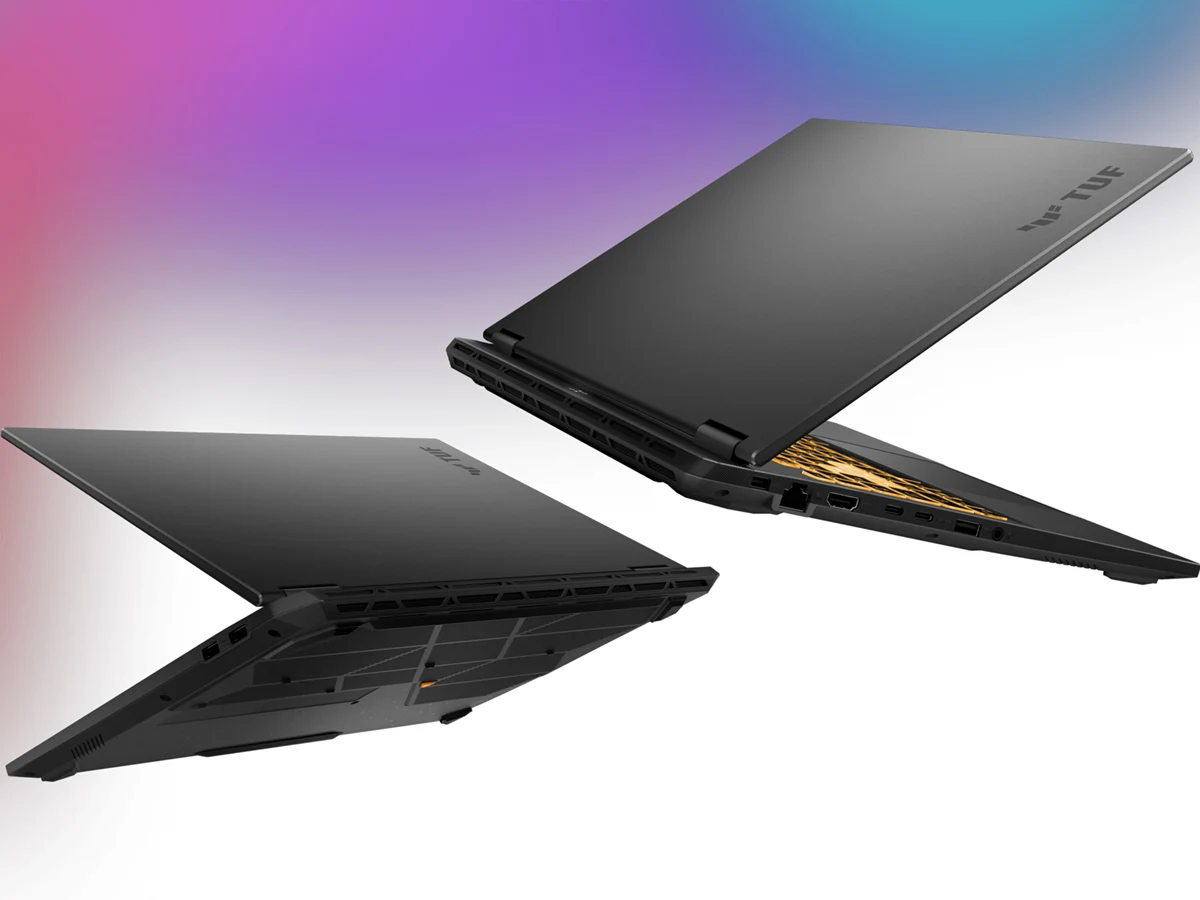
    Asus has officially announced the TUF lineup for 2026, and the standout feature of these new gaming laptops is the TUF F16 FX608LMG/LPG. This model can be equipped with the Intel Core Ultra 9 290HX Plus, which is an Arrow Lake Refresh CPU that is said to provide up to 8% improved gaming performance compared to the 285HX.

    Alternative Model Options

    Another variant in the Asus TUF F16 series is the FX608JPR, which tops out at the Core i7 14650HX. Both versions can be configured with Nvidia’s RTX 5070, but the former has a significant display enhancement. The FX608LMG/LPG comes with a 16-inch OLED screen that boasts a 165Hz refresh rate and 100% DCI-P3 color coverage.

    Additional Features

    It’s important to mention that the same OLED display option is available on the updated A16 (FA608UP/UM/UH), which runs on the AMD Ryzen 7 260. This Hawk Point gaming laptop can also be configured with the RTX 5070, and Asus claims that the total graphics power can reach up to 115W with Dynamic Boost.

    More Powerful Choices

    There’s also a TUF A16 variant featuring the AMD Ryzen 9 8940HX, which is a more powerful CPU choice that can be paired with the RTX 5070 Laptop GPU. However, this option does not have an OLED display. Instead, the best display available is a 16-inch IPS panel offering a refresh rate of 300Hz and 100% DCI-P3 coverage.

    As for the more powerful TUF A18, it has also received an update, with the 2026 model capable of being outfitted with the RTX 5070 Ti Laptop GPU. For context, the highest GPU option in the 2025 model was the non-Ti RTX 5070 (like the 32 GB MSI Katana 15 HX with RTX 5070, currently priced at $1,599 on Amazon). There hasn’t been any official announcement regarding availability or pricing as of yet. Be sure to check the spec sheets below for more details on the updated TUF gaming laptop lineup.

    Source:
    Link


  • MSI to Increase Gaming Laptop and GPU Prices by 30% Due to Shortage

    MSI to Increase Gaming Laptop and GPU Prices by 30% Due to Shortage

    Key Takeaways

    1. MSI plans to increase prices of gaming laptops and GPUs by 15-30% due to memory shortages.
    2. The PC market may decline by 10-20% by 2026, according to MSI’s co-founder Huang Jinqing.
    3. MSI has limited memory inventory of only 1-2 months and faces challenges from DRAM suppliers.
    4. High-end graphics cards like the RTX 5070, 5080, and 5090 are seeing unprecedented price increases.
    5. MSI is shifting focus from budget gamers to enthusiasts and enterprise clients to capitalize on AI server growth.


    Building or purchasing a PC has become too expensive for a lot of gamers. Sadly, the Taiwanese Economic Daily News has shared more troubling news from another manufacturer. Due to the shortage of memory, MSI is planning to increase the prices of gaming laptops and GPUs by 15-30%. The company will focus on higher-end products and increase production of AI servers.

    Update from MSI’s Co-founder

    During a recent briefing, co-founder and executive Huang Jinqing informed investors about the situation. The rising costs of memory might also impact prebuilt gaming desktops and handheld devices. Jinqing noted the effect of the limited components, predicting that the PC market could decline by 10-20% by 2026.

    Inventory Concerns

    The Taiwanese news outlet reported that MSI currently has only “1-2 months of secure memory inventory.” DRAM suppliers, like Samsung and SK Hynix, are hesitant to make long-term agreements. Despite these difficulties, the company is optimistic that it can manage costs by raising the prices of gaming laptops and GPUs.

    MSI’s strategy is clear when it comes to the graphics card sector. As Nvidia responds to the rising demands of AI data centers, it is sending a reduced number of chips to its partners. MSI anticipates selling fewer Blackwell cards but will concentrate on the more profitable premium SKUs.

    Price Shock for Gamers

    Gamers have been shocked as options like the RTX 5070, 5080, and 5090 appear at unprecedented prices. These models might even get pricier to boost profit margins. The more commonly available RTX 5050 could also face threats since it doesn’t generate significant revenue.

    The company also plans to revisit the past with more DDR4-compatible motherboards. Although older modules have been affected by the memory crisis, they are still less expensive than DDR5 RAM. Gamers may need to settle for reduced performance in the latest gaming laptops and desktops.

    MSI has previously supported budget-conscious gamers with its MAG monitors and motherboards. However, it is now focusing on enthusiasts and enterprise clients to take advantage of the AI server growth. Even with a decline in the gaming PC market, it aims for an annual growth rate of 50-100% in the next 3-5 years.

    Source:
    Link


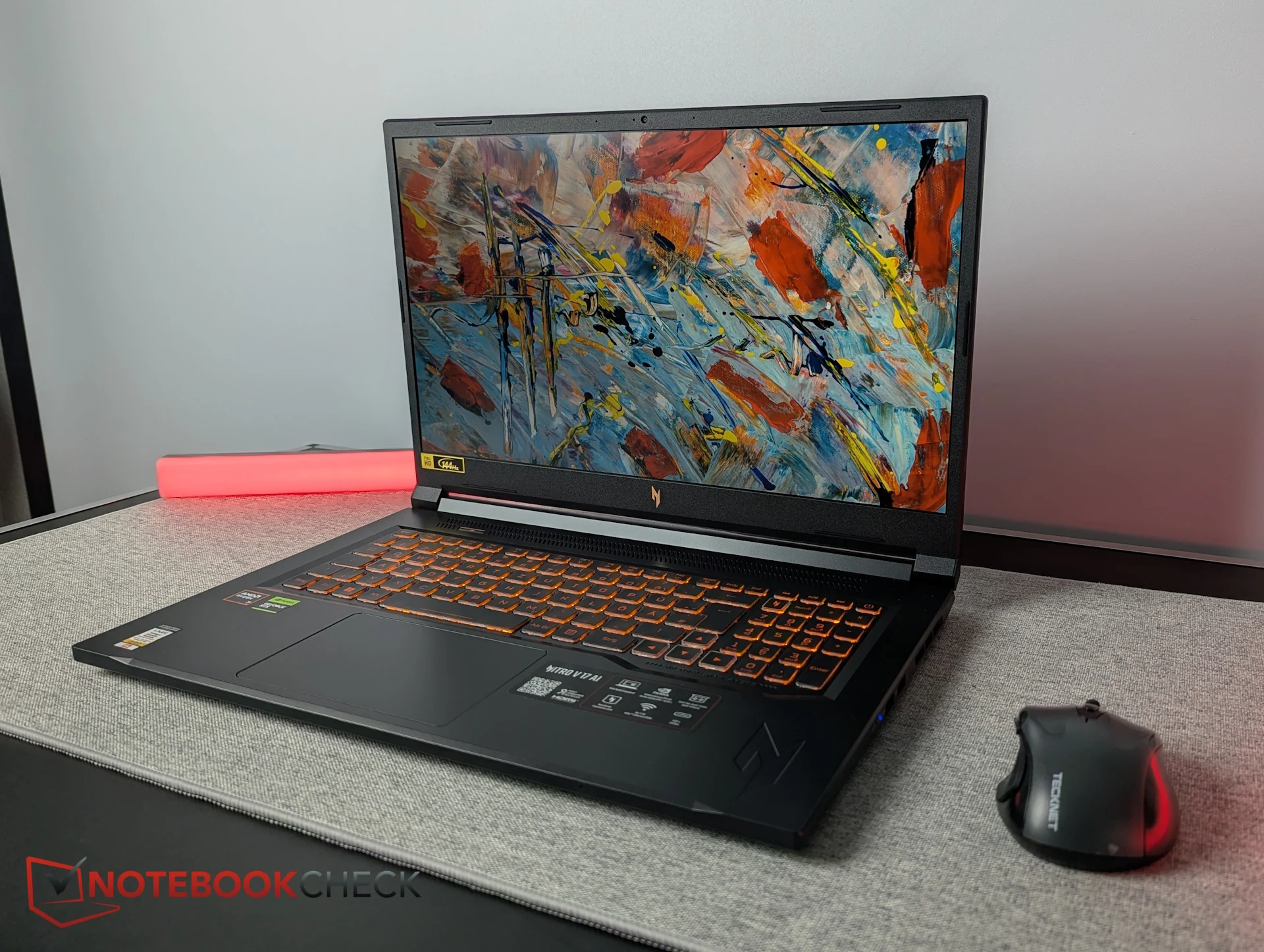
  • Acer Nitro V 17: RTX 5070 Gaming with 56% Lower Power Use

    Acer Nitro V 17: RTX 5070 Gaming with 56% Lower Power Use

    Key Takeaways

    1. The Acer Nitro V 17 is one of the most affordable 17-inch gaming laptops featuring an Nvidia GeForce RTX 5070.
    2. Key strengths include low energy consumption and quiet operation compared to other budget gaming laptops.
    3. In Performance mode, the Nitro V 17 shows only a slight performance boost in Turbo mode, emphasizing efficiency over maximum power.
    4. The laptop targets budget-minded gamers who prioritize reduced noise and energy efficiency rather than peak frame rates.
    5. Understanding the Nitro V 17’s pros and cons is essential for deciding if it’s the right gaming laptop choice.


    The Acer Nitro V 17 is one of the cheapest gaming laptops available that features an Nvidia GeForce RTX 5070, especially in the 17-inch category, as we have pointed out in this article. Typically, with budget gaming laptops, brands tend to try to match the performance of pricier rivals while cutting expenses in other areas.

    Key Strengths

    While the Nitro V 17 does have its compromises, its main advantages are surprisingly not focused on raw power. When we compare the Nitro V 17 with numerous other budget gaming laptops, it becomes clear that Acer’s machine is notable for its low energy consumption and quiet functioning.

    Take for instance Cyberpunk 2077 at Ultra settings: the similarly priced Lenovo LOQ 17 runs about five percent faster but is also 17 percent noisier and uses 56 percent more power. A similar trend can be seen with the Asus TUF Gaming A18. Nowadays, more budget-oriented gaming laptops are focusing on efficiency, lower noise, and reduced power usage rather than just maximum performance.

    Performance Mode Insights

    The data we collected was under the Performance mode in Acer’s NitroSense control center. Above this, there’s only the Turbo mode, which raises fan noise from approximately 47 dB to just over 50 dB—a pretty standard level for this class of performance. Even in Cyberpunk 2077, Turbo mode only offers a slight boost in performance of about 1.14 percent.

    The choice to not chase maximum performance is, thus, a deliberate and fairly daring decision. It makes sense since performance enthusiasts usually lean towards much pricier laptop options. For gamers who are budget-minded, peak frame rates may matter less than the common drawbacks of high performance in this category, like increased noise, higher heat, and more power consumption.

    Final Thoughts

    These insights underline the main advantages of the Nitro V 17: efficiency, reduced noise levels, and a competitive price. Essentially, the Acer Nitro V 17 AI is designed for gamers who are looking for quieter, more energy-efficient gaming rather than merely achieving the highest frame rates.

    Deciding if this RTX 5070 gaming laptop is the right pick ultimately hinges on a clear understanding of its pros and cons. For a comprehensive analysis, along with our final thoughts and suggestions, be sure to check out our complete review of the Acer Nitro V 17 AI.