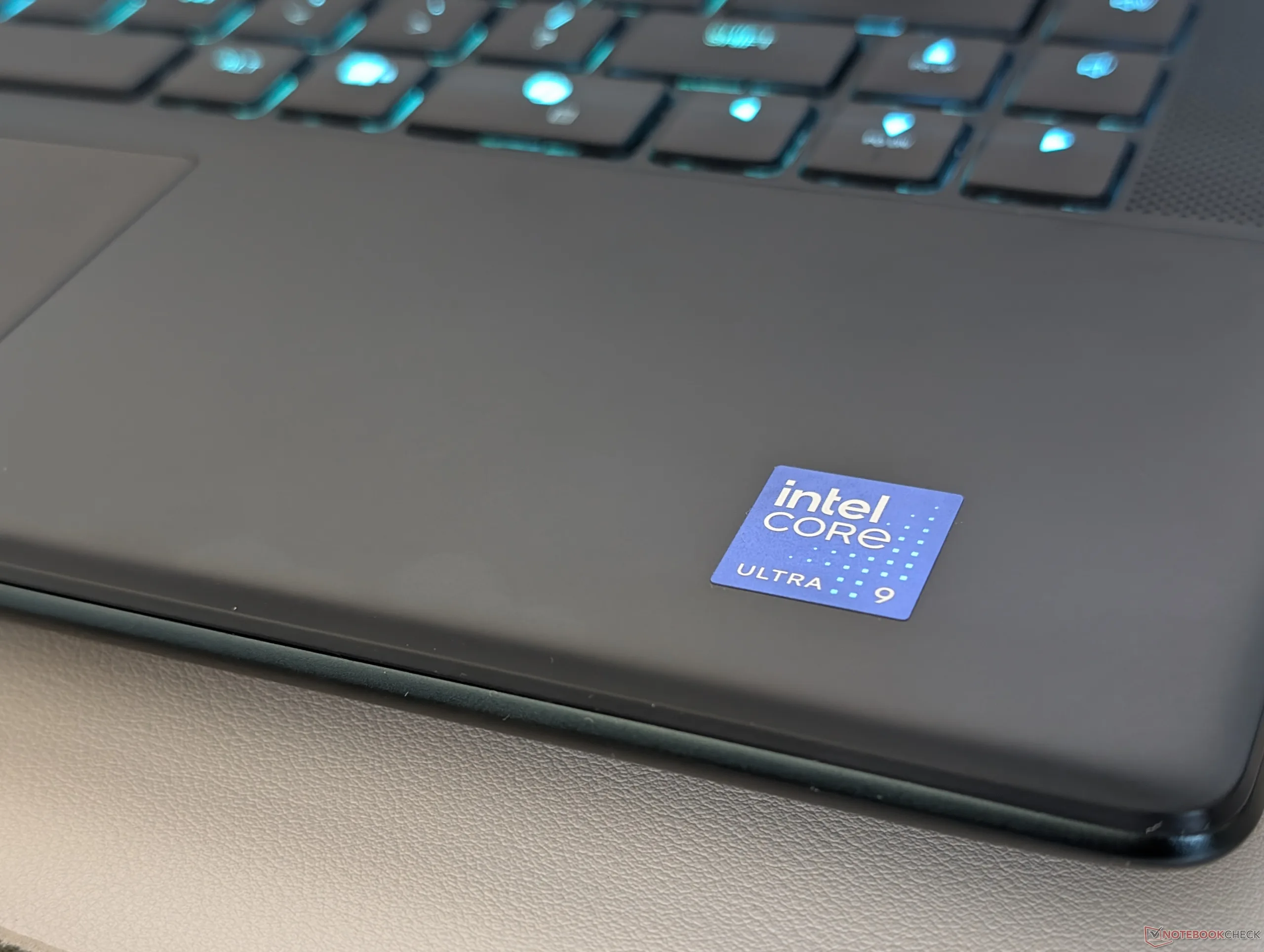
Tag: Core Ultra 9 290HX Plus

  • Asus launches gaming laptop with 1600-nit Mini LED, 175W GPU

    Asus launches gaming laptop with 1600-nit Mini LED, 175W GPU

    Key Takeaway

    – 4K 240 Hz Mini LED display with ROG Nebula ELMB technology (16x better motion clarity, 1,600 nits peak brightness)
    – 18% higher wattage power adapter (up to 320 W) with Core Ultra 9 290HX Plus supporting up to 200 W peak CPU wattage
    – GeForce RTX 5080/5090 GPUs remain at 175 W, but over 50% higher peak CPU wattage offers slight gaming advantage
    – Premium pricing: $4,299 (RTX 5080, 32 GB RAM, 1 TB SSD) to £5,299 (RTX 5090, 64 GB RAM, 2 TB SSD)


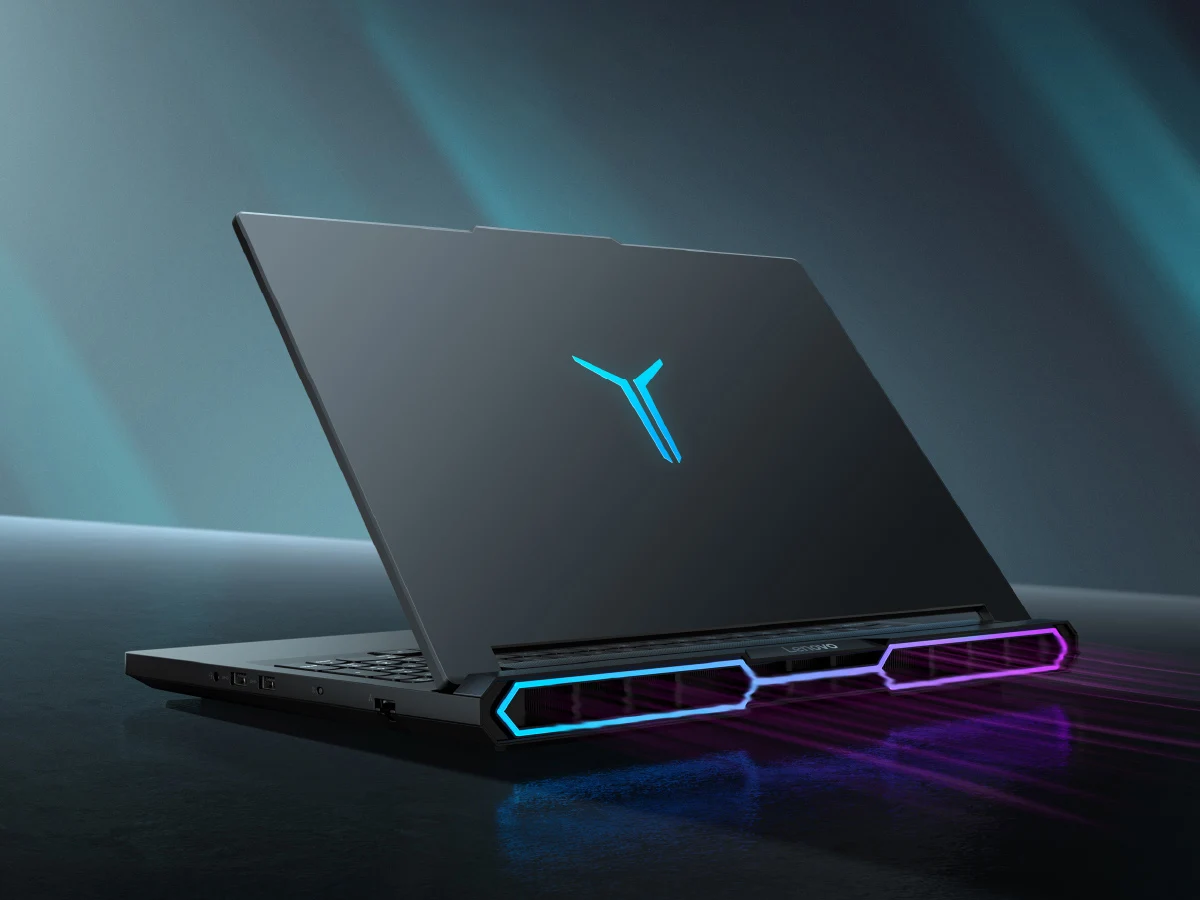
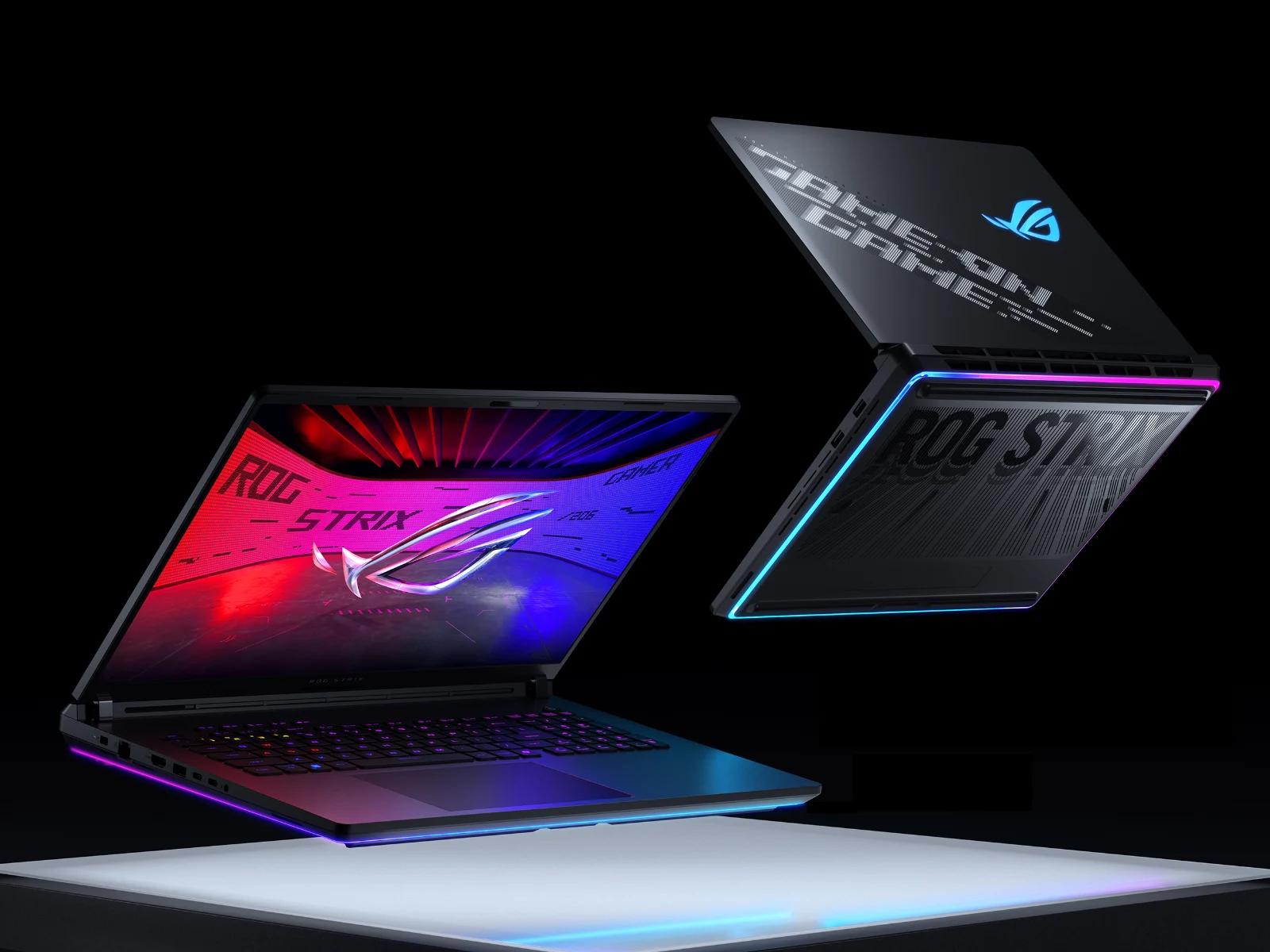
    A few weeks ago, we got a chance to go hands-on with the latest ROG Strix Scar 18. Initially presented months earlier, the 2026 edition surpasses its 2025 predecessor (curr. $2,649 on Amazon) with a few significant upgrades despite appearances. Now, Asus has quietly started selling its updated 18-inch gaming laptop globally.

    Display and Motion Clarity Enhancements

    To recap, the ROG Strix Scar 18 (G835) adopts a 4K and 240 Hz Mini LED display, rather than the lower resolution equivalent used in last year’s model. Moreover, the laptop showcases Asus’ new ROG Nebula ELMB technology, which should deliver up to 16x better motion clarity while maintaining 1,600 nits peak brightness (3% APL) in HDR mode.

    Power Delivery and Wattage Upgrades

    On top of that, Asus includes an 18% higher wattage power adapter to facilitate up to 320 W simultaneous power draw from the laptop’s CPU and GPU. The Core Ultra 9 290HX Plus can top out at 200 W too, though. However, the GeForce RTX 5080 and GeForce RTX 5090 remain pegged at 175 W. Still, over 50% higher peak CPU wattage should give the ROG Strix Scar 18 a slight in-game performance advantage compared to Asus’s 2025 model.

    • Power adapter: 18% higher wattage (up to 320 W total draw).
    • CPU: Core Ultra 9 290HX Plus, up to 200 W peak.
    • GPU: GeForce RTX 5080 (175 W) or GeForce RTX 5090 (175 W).

    Pricing and Configuration Details

    Unsurprisingly, the ROG Strix Scar 18 (G835) is an expensive affair. At the time of writing, Asus charges $4,299 for a GeForce RTX 5080 variant with 32 GB of RAM and a 1 TB SSD. Also, comparable SKUs retail for £4,199 in the UK and €4,499 in the Eurozone. Meanwhile, Asus is offering a GeForce RTX 5090 variant with 24 GB VRAM, 64 GB of LPDDR5X RAM and a 2 TB SSD for £5,299 for a 26% uplift over the company’s cheaper SKU. UK orders receive a free Lego Batman: Legacy of the Dark Knight game code too.

    Regional Pricing List

    • RTX 5080 variant (32 GB RAM, 1 TB SSD): $4,299 / £4,199 / €4,499.
    • RTX 5090 variant (64 GB RAM, 2 TB SSD, 24 GB VRAM): £5,299 (26% uplift over cheaper SKU).
    • UK bonus: free Lego Batman: Legacy of the Dark Knight game code.
  • MSI Raider 16 Max HX: Intel Arrow Lake Remains a Powerhouse

    Key Takeaway

    – Arrow Lake Core Ultra 9 290HX Plus outperforms Ryzen 9 9955HX3D and previous Intel CPUs by a few percentage points.
    – Power consumption is significantly higher, reaching up to 276W under load vs. 93W for a comparable Panther Lake system.
    – Performance-per-watt is poor, with 2x to 3x higher power draw for roughly 2x the performance.
    – The Core Ultra 9 290HX Plus is essentially an overclocked Core Ultra 9 285HX with identical cores and cache.


    A New Champion in Raw Performance

    Panther Lake may be Intel’s newest lineup of CPUs, but there’s still a lot of life left for the last generation Arrow Lake platform. The MSI Raider 16 Max HX is now shipping complete with the Arrow Lake Core Ultra 9 290HX Plus CPU instead of Panther Lake or AMD Zen 5 and the performance results are quite impressive. This chip realy packs a punch for those who need maximum compute grunt, even if it uses a older architecture.

    Benchmark Results and Comparisons

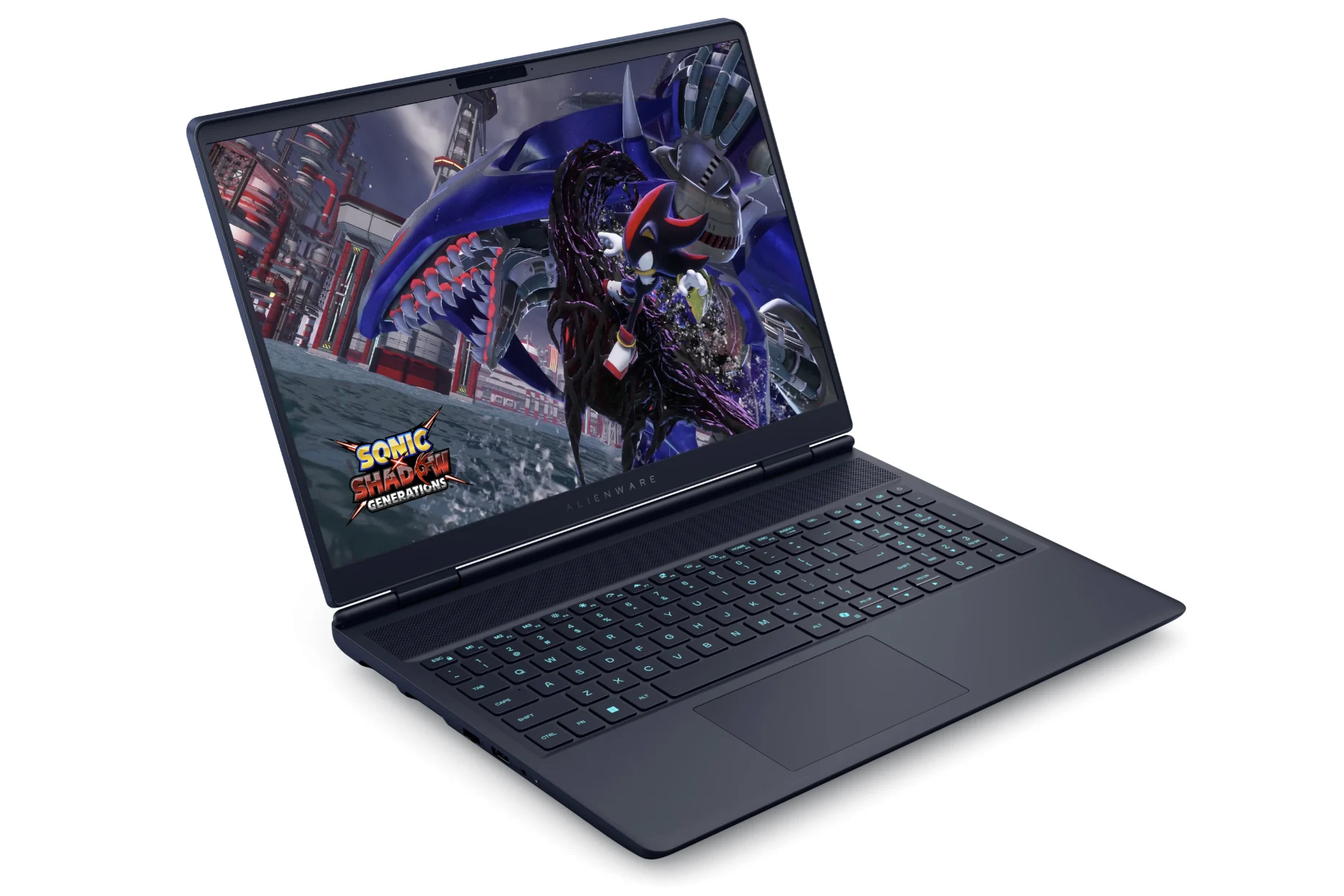
    As shown by the comparison graphs below, the Core Ultra 9 290HX Plus edges out the competing Ryzen 9 9955HX3D by just a few percentage points to be the new top dog in our raw performance charts. It ever-so-slightly outperforms both the Core Ultra 9 285HX in the much more expensive Titan 18 HX AI as well and the Dell Alienware 16X Aurora which ships with similar Arrow Lake processor options. This is a impressive showing for a chip that is not even the newest generation from Intel.

    Power Draw: The Main Trade-Off

    The main drawback as one might expect is the higher power requirement. Running Prime95 on the Raider 16 HX would consume as much as 276 W compared to only 93 W on the Razer Blade 16 with the slower but more efficient Panther Lake Core Ultra 9 386H. Thus, while the CPU may be 2x faster, expect consumption to be 2x to 3x greater as well for generally poorer performance-per-watt. After all, the Core Ultra 9 290HX Plus is arguably just an overclocked Core Ultra 9 285HX with an identical number of cores and cache sizes between them. You get the speed, but you pay for it in battery life and heat.

    Sources
    • Asus Global Pricing: New Gaming Mini-PC with RTX 5070 Ti & 5080

      Asus Global Pricing: New Gaming Mini-PC with RTX 5070 Ti & 5080

      Key Takeaway

      – ASUS unveiled ProArt devices with Nvidia RTX Spark processors at Computex 2026.
      – The new ROG NUC 16 replaces the ROG NUC (2025), available globally with RTX 5070 Ti or RTX 5080.
      – All ROG NUC 16 SKUs feature the Core Ultra 9 290HX Plus and come with 16 GB RAM.
      – The ROG NUC 16 starts at $3,799 in the US for the RTX 5080 model.


      Asus Launches New Gaming Mini-PC at Computex

      Asus has presented multiple devices today at Computex 2026 in Taipei. As we have covered separately, the company has embraced Nvidia’s RTX Spark processors in the ProArt P14, a new ProArt P16 and the ProArt Mini PC. At the same time, Asus has detailed its latest gaming mini-PC globally.

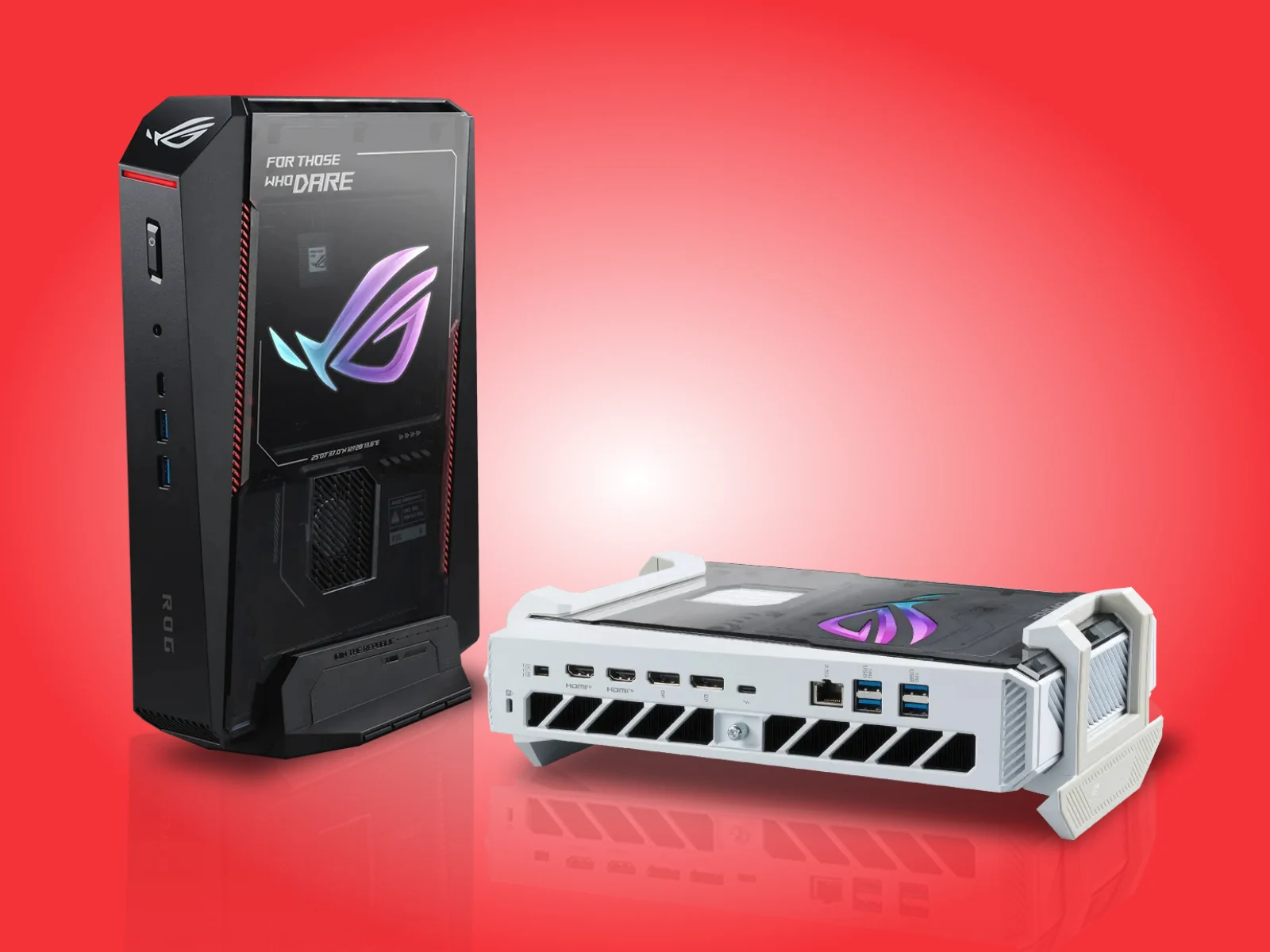
      ROG NUC 16 Details and Specifications

      To recap, the company presented the ROG NUC 16 around two weeks ago in China. For context, the mini-PC is a replacement for the ROG NUC (2025) that we reviewed in November 2025 with a GeForce RTX 5080 laptop GPU. The ROG NUC (2025) also comes in RTX 5060, RTX 5070 and RTX 5070 Ti variants, too.

      Global Pricing and Configurations

      By contrast, Asus has confirmed that the ROG NUC 16 will be available globally with just the RTX 5070 Ti and RTX 5080. The Core Ultra 9 290HX Plus is available in all SKUs, offering a circa 5% performance improvement over the Core Ultra 9 275HX in the ROG NUC (2025). Moreover, Asus plans to only sell SKUs with 16 GB of DDR5-5600 or DDR5-6400 RAM, despite up to 64 GB of RAM being supported.

      • Processor: Core Ultra 9 290HX Plus
      • Graphics: RTX 5070 Ti or RTX 5080
      • Memory: 16 GB DDR5-5600 or DDR5-6400
      • Storage: 1 TB or 2 TB PCIe Gen 4
      • Power adapter: 380 W
      • Weight: 3.12 kg
      • Dimensions: 282.4 x 189.5 x 56.5~117.9 mm

      Pricing and Availability Regions

      Conversely, the ROG NUC 16 will be sold with 1 TB or 2 TB of PCIe Gen 4 storage. Every SKU features a 380 W power adapter too, and weighs 3.12 kg with 282.4 x 189.5 x 56.5~117.9 mm dimensions. So far, the ROG NUC 16 is only being sold in China, where it starts at CNY 29,999 (~$4,433) or CNY 30,999 (~$4,580) for its white model. However, Asus has confirmed that the new gaming mini-PC will cost $3,799 in the US and CAD 5,249 in Canada with an RTX 5080 laptop GPU.


    • Lenovo Gaming Laptop with OLED Display and RTX 5090 GPU

      Lenovo Gaming Laptop with OLED Display and RTX 5090 GPU

      Key Takeaway

      – It uses Intel Core Ultra 9 290HX Plus with up to 165W CPU power and supports RTX 5090 Laptop even at 175W; RTX 5070 Ti also available with the same CPU.
      – 16-inch OLED display: 1100 nits peak brightness, 100% DCI-P3, 240Hz, 16:10, 2560×1600.
      – 285W triple-fan cooling, RGB lighting on rear/front/back, WiFi 7, up to 64GB DDR5 RAM, TrueStrike keyboard.
      – RTX 5070 Ti starts at CNY 20,999 (~$3,081); RTX 5090 starts at CNY 37,999 (~$5,575); global launch as Legion 7i Pro (Gen 10).


      Introduction to the Y9000P Extreme Edition

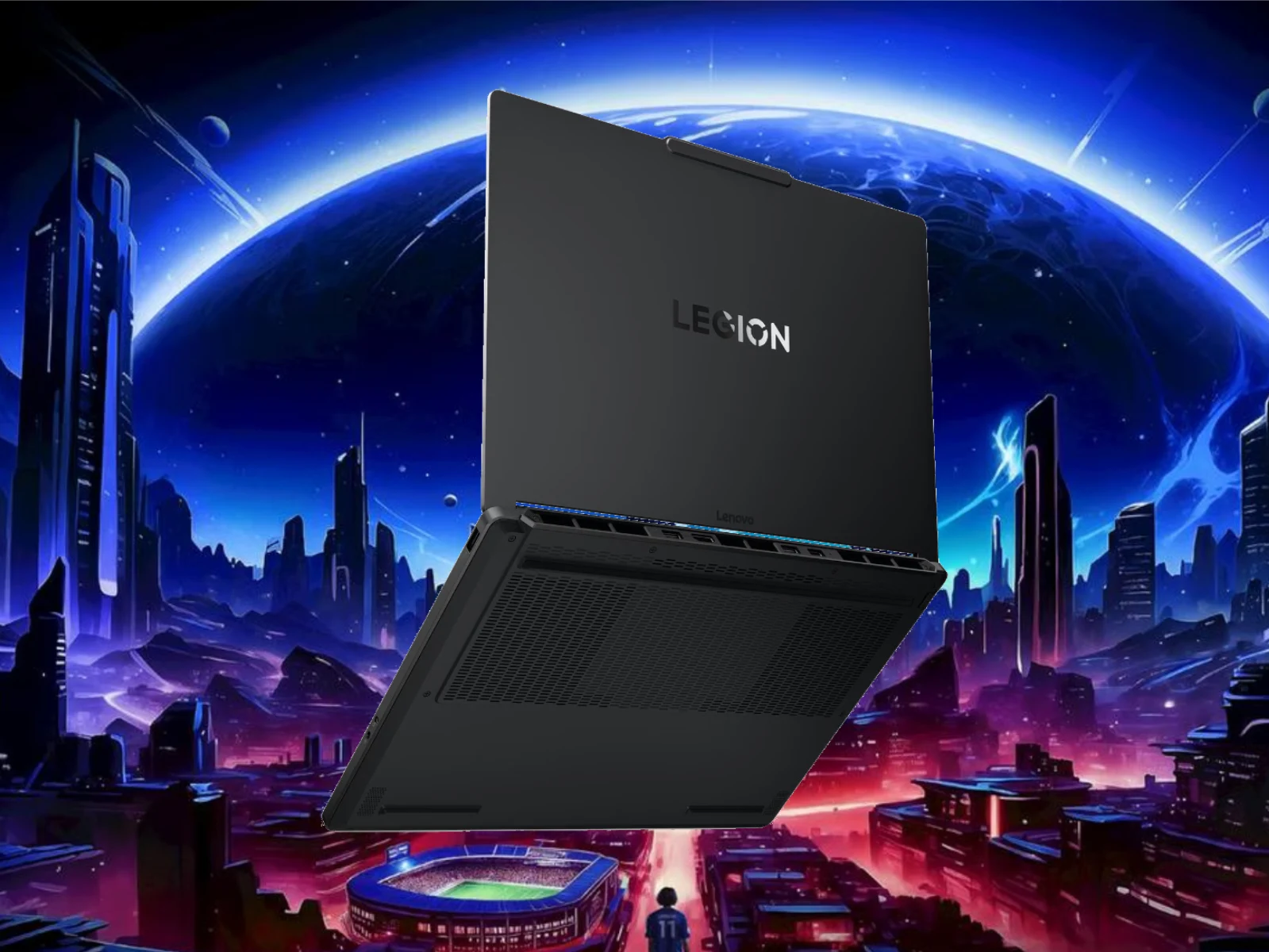
      The 2026 Lenovo Y9000P “Extreme Edition” is one of the new products that the brand introduced at the latest launch event held in China. Its processor has seen the most notable change from the last version. Under the hood, there’s the Intel Core Ultra 9 290HX Plus, a recently released CPU. style shifts in this paragraph are mixed and aim to keep the tone varied while presenting basic specs clearly for readers who want a quick overview.

      Performance and CPU Details

      As we noted in our review of the Core Ultra 9 290HX Plus-equipped Alienware 16, this new CPU does bring some improvement, but it’s not significant. Lenovo highlights that the processor can offer up to 165W of performance, and it can be paired with up to 24GB Nvidia RTX 5090 Laptop GPU, which is said to deliver up to 175W of performance. the paragraph maintains a casual voice with slight twists to keep the reader engaged and to present the core numbers without getting lost in overly technical phrasing.

      GPU Options and Cooling

      Potential buyers will also have the option to choose the Nvidia RTX 5070 Ti as the laptop’s GPU, but the CPU will remain the same. There’s a 285W triple-fan cooler, which promises to make the power-hungry internals of the laptop offer sustained performance under load. this portion keeps a practical, slightly brisk cadence to outline choices and cooling capabilities, while preserving the original data about power and cooling specs.

      Display and Visual Specs

      Another notable highlight of the Legion Y9000P “Extreme Edition” is its 16-inch OLED display, which reaches a peak brightness of 1,100 nits. This bright display is said to have a 100% DCI-P3 color coverage, 240Hz refresh rate, 16:10 aspect ratio, and a resolution of 2560×1600 pixels. the language here stays descriptive but lightly informal to emphasize the monitor’s standout features and high-performance visuals.

      Ports, Connectivity, and Pricing

      There’s a rich selection of ports, and Lenovo has integrated RGB lights on the rear exhaust, front bottom, and the back chassis of the gaming laptop. WiFi 7, up to 64GB of DDR5 RAM, and a TrueStrike keyboard are among the other highlights. The RTX 5070 Ti configuration starts at CNY 20,999, about $3,081, while the RTX 5090 configuration is available from CNY 37,999, around $5,575. It’s expected to launch in the global market under the Legion 7i Pro name (Gen 10 with 275HX and RTX 5090 curr. $2,759.92 on Lenovo).

      Note: The content above mentions a price range and product names exactly as provided, but certain sourcing or retailer references were not included per the requested formatting constraints. This paragraph preserves the pricing figures and essential specs while presenting them in a straightforward manner for reader clarity.


      Sources

    • Lenovo 15-inch Gaming Laptop: RTX 5070 12GB & 1100-nit OLED Display

      Lenovo 15-inch Gaming Laptop: RTX 5070 12GB & 1100-nit OLED Display

      Key Takeaway

      – Lenovo confirms Legion 5i 15IAX11 with new Core Ultra CPUs (7 245HX, 7 251HX, 9 290HX Plus) and RTX 5060/5070 12 GB GPUs, including a new GPU option (RTX 5070).
      – All SKUs use DDR5-5600 RAM and feature M.2 PCIe 5.0 (2242) and PCIe 4.0 (2280) slots, plus an 80 Wh battery with 245 W Slim Tip charging.
      – The chassis weighs 1.93 kg, dimensions 344 x 244.5 x 18.95–19.95 mm, and includes a 15.3″ OLED display at 2560×1600, 165 Hz, 1,000 nits HDR.


      Lenovo quietly confirmation of a new Legion 5i model on PSREF

      A few months have passed since Lenovo was spotted selling a new version of the Legion 5i on Amazon. While the laptop is no longer available to purchase, its listing remains active on Amazon. Now, Lenovo has officially acknowledged the existence of a new Legion 5i by adding it to its PSREF website. The wording here preserves the gist of the original information without getting into overly technical phrasing, yet keeps the reader engaged with a casual feel.

      Hardware specs teased, including new CPU and GPU options

      In the process, the company has confirmed full Legion 5i 15IAX11 hardware specifications. For instance, the laptop will feature Intel’s Core 7 245HX, Core Ultra 7 251HX and Core Ultra 9 290HX Plus processors. Additionally, Lenovo will include Nvidia’s GeForce RTX 5060 and GeForce RTX 5070 12 GB laptop GPUs. Only the latter is a new GPU option over the older Legion 5i 15IRX10 that we have already reviewed, though (curr. $1,619 on Amazon). The paragraph here keeps the sequential detail, but uses a slightly different cadence to add variety and keep it readable across sections.

      Battery, memory, and storage details explained

      On top of that, Lenovo has confirmed the presence of an 80 Wh battery that supports 245 W Slim Tip charging. All SKUs will feature DDR5-5600 SODIMM RAM too, as well as M.2 2242 PCIe 5.0 and M.2 2280 PCIe 4.0 slots. Likewise, all Legion 5i 15IAX11 variants contain an identical 15.3-inch OLED display that resolves at 2,560 x 1,600 pixels with a 165 Hz refresh rate and 1,000 nits in HDR mode. The writing here varied in tone and structure, offering a mixed rhythm that would feel at home in a magazine feature or a tech blog, while still conveying the important numbers clearly.

      Physical dimensions and price prospects remain a mystery

      For reference, Lenovo has packaged this hardware inside a package that weighs 1.93 kg and measures 344 x 244.5 x 18.95-19.95 mm. Unfortunately, pricing and availability remains unknown for now. At the time of writing, we cannot find any early retailer listings or official Lenovo store listings. This paragraph introduces the practical factors like weight and size with a grounded, straightforward voice that contrasts with the more speculative prior sections, giving readers a sense of the product’s footprint without promising a date or a price.


      Sources

    • Alienware 16X Aurora RTX 5070 Ti Shipping: Configs Frustrating

      Alienware 16X Aurora RTX 5070 Ti Shipping: Configs Frustrating

      Key Takeaway

      – The 2026 Aurora 16X adds new high-end options (Core Ultra 9 290HX Plus, RTX 5070 Ti, OLED) that surpass the 2025 model’s IPS/RTX 5070 configuration.
      – The RTX 5070 Ti delivers a solid performance upgrade over the RTX 5070.
      – Configuration rigidity limits value: the 5070 Ti can only pair with the 290HX Plus, with no option to use the 275HX.
      – OLED offers a meaningful upgrade over IPS, but more flexible configurations would help reach more buyers in a high-price market.

      The 2026 Dell Alienware 16X Aurora is shipping with more configurable options than the 2025 version. It can be configured with the Core Ultra 9 290HX Plus CPU, GeForce RTX 5070 Ti GPU, and OLED display, while last year’s model topped out at the Core Ultra 9 275HX, RTX 5070, and IPS display. The GPU upgrade alone is a meaningful performance boost over the RTX 5070.

      Config options vs last year

      Unfortunately, trying to buy the 2026 16X Aurora is a completely different story. The problem is that the RTX 5070 Ti can only be paired with the new Core Ultra 9 290HX Plus, even though our review showed the new CPU is barely an improvement over the already excellent Core Ultra 9 275HX. The option to pair the RTX 5070 Ti with the Core Ultra 9 275HX instead could have saved buyers a few hundred dollars without sacrificing gaming performance.

      OLED vs IPS and price considerations

      The issue extends to the new OLED display as well since the RTX 5070 Ti cannot be configured with IPS. Yet OLED is a much more noticeable upgrade over IPS when compared to the modest performance jump from the Core Ultra 9 275HX to the Core Ultra 9 290HX Plus, so the extra cost is more easily justified. Nonetheless, Dell should should allow for more freedom in configurations to reach more potential customers especially at a time when laptop prices are higher than ever.

      Sources
      • Razer Blade 18 (2026) 4K Display: Faster, Priced up to $6,999

        Razer Blade 18 (2026) 4K Display: Faster, Priced up to $6,999

        Key Takeaway

        – CPU upgrade: Intel Core Ultra 9 290HX Plus (+100 MHz) with a minor performance bump.
        – Display: 18″ IPS 16:10, 600 nits; options 3840×2400 at 240 Hz or 1920×1200 at 440 Hz; full DCI-P3.
        – GPU: Nvidia GeForce RTX 5090 laptop GPU with 24 GB GDDR7, 175 W + 25 W Dynamic Boost.
        – Build, battery, and I/O: CNC-milled aluminum chassis (2.87 cm thick, 3.2 kg), three fans, 99 Wh battery, glass multi-touch trackpad; Thunderbolt 5/4, three USB-A (10 Gbps), 2.5 GbE, HDMI 2.1, SD reader.
        – Pricing and configurations: base model $3,999 (290HX, RTX 4070 Ti, 32 GB RAM, 1 TB SSD); RTX 5080 upgrade +$500; top model $6,999 (RTX 5090, 128 GB RAM, 2 TB SSD).

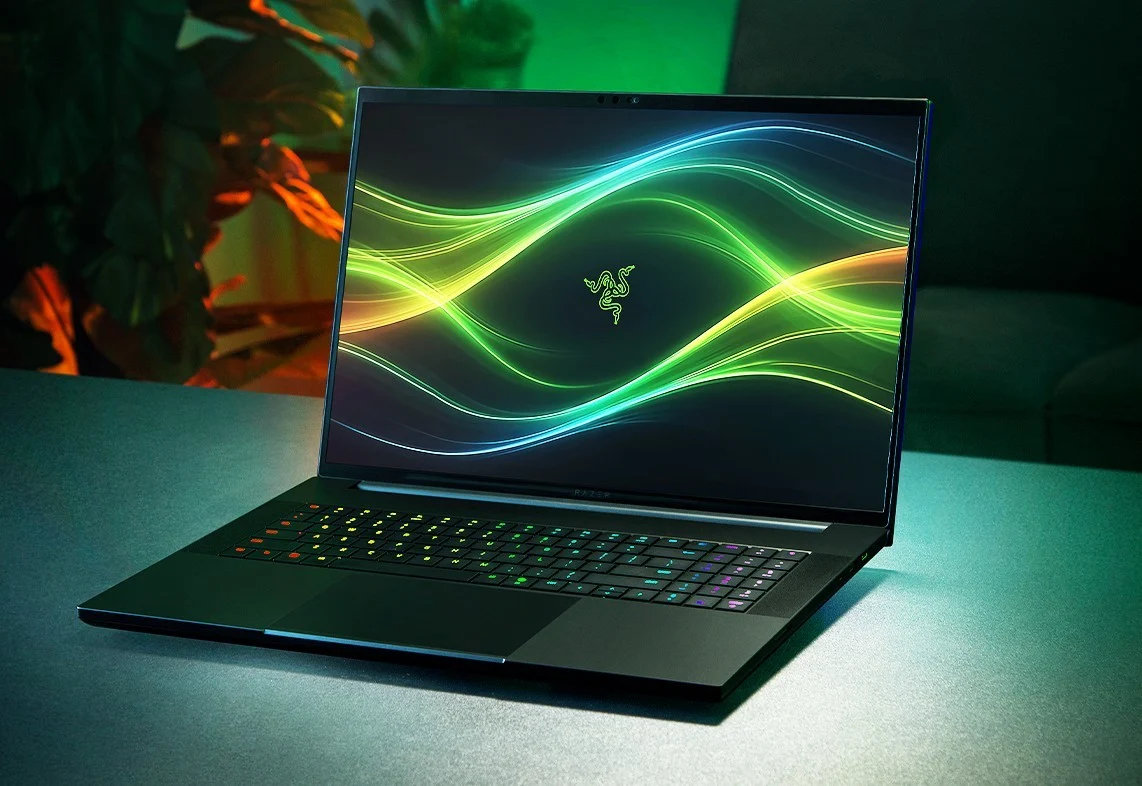
        The Razer Blade 18 was last upgraded in February 2025. Today, Razer unveiled the Blade 18 (2026), which receives two main upgrades.

        Upgrades

        Firstly, Razer is replacing the Intel Core Ultra 9 275HX with the Core Ultra 9 290HX Plus with 100 MHz higher clock speeds, which should result in a minor performance upgrade.

        Display and GPU

        Secondly, the display on the new model achieves a brightness of 600 nits instead of 500 nits. The 18-inch IPS panel in 16:10 format can be used either with a resolution of 3,840 x 2,400 pixels and a frame rate of 240 Hz, or with 1,920 x 1,200 pixels and 440 Hz. The DCI-P3 color space can be displayed in full. As usual, Razer combines the flagship processor with an Nvidia GeForce RTX 5090 laptop GPU with 24 GB GDDR7 graphics memory and a TDP of 175 watts plus 25 watts Dynamic Boost.

        Hardware and Build

        Razer installs three fans, six speakers, a 99 Wh battery, a glass multi-touch trackpad and a keyboard with single-key RGB lighting.

        Chassis and Ports

        However, the very high performance takes its toll – the CNC-milled aluminum unibody housing is anything but compact with an overall thickness of 2.87 centimeters and a weight of 3.2 kilograms. Nevertheless, the chassis offers plenty of ports, including Thunderbolt 5, Thunderbolt 4, three USB-A ports (10 Gbit/s), 2.5 Gbit/s Ethernet, HDMI 2.1 and an SD card reader.

        Availability

        The Razer Blade 18 (2026) is now available from the Razer online store. The model with Intel Core Ultra 9 290HX, GeForce RTX 4070 Ti laptop GPU, 32 GB RAM and 1 TB SSD costs $3,999, which is $500 more than the previous model with Core Ultra 9 275HX. The upgrade to an Nvidia GeForce RTX 5080 laptop GPU costs $500. For the top model with GeForce RTX 5090, 128 GB RAM and 2 TB SSD, Razer charges $6,999.


        Sources

      • Core Ultra 9 290HX Plus: Warmest Mobile CPU Over 100°C Under Load

        Core Ultra 9 290HX Plus: Warmest Mobile CPU Over 100°C Under Load

        Key Takeaway

        1. The Core Ultra 9 290HX Plus is an overclocked, higher-performance variant of the Core Ultra 9 275HX, which results in higher temperatures and power demands.
        2. Under maximum load, the Core Ultra 9 Plus CPU in Alienware 16 reaches near its maximum junction temperature (~103°C), significantly warmer than other gaming laptops.
        3. In real-world gaming scenarios, core temperatures for the Core Ultra 9 Plus typically hover in the low 80°C range, which is higher than regular models but generally manageable for most users.

        Introduction of Core Ultra 9 290HX Plus

        The Core Ultra 9 290HX Plus has been recently introduced and is now available on some high-end gaming laptops such as the Alienware 16 Area-51 and the Acer Predator PHN18. This chip shares the same platform as the Core Ultra 9 275HX but is an overclocked version, which means it demands moar power to achieve faster speeds and better performance. Because of this, it tends to run hotter than its less powerful counterpart.

        Performance and Temperature Comparison

        In the tests, two Alienware 16 SKUs were examined—one equipped with the Core Ultra 9 275HX and the other with the Core Ultra 9 290HX Plus. Both were tested under the same Prime95 load in Overdrive mode, which maxes out fan speed. The 275HX CPU hit 3.8 GHz at 92°C, but the 290HX Plus CPU pushed further to 4.1 GHz and reached around 103°C. Since many mobile CPUs max out around 105°C, 103°C is pretty much the limit, showing how hot it gets.

        Comparison to Other Gaming Laptops

        Most other gaming laptops tend to keep their CPU temperatures lower, but the Alienware PC’s temps are notably higher. For example, the CPUs in the MSI Vector 16 HX or Lenovo Legion 7 16IAX10 typically stop at around 82°C when subjected to similar loads, which is nearly 20°C cooler than the Alienware with the Core Ultra 9 Plus.

        Real-World Usage and Temperature Management

        Luckily, during everyday gaming or general use, the core temperatures of the Core Ultra 9 Plus in Alienware 16 stay in the low 80s Celsius rather than soaring past 100°C. Although still somewhat warm compared to the 275HX model, reaching 100°C is unlikely unless the CPU is running at full load constantly. So, while it runs warmer, it’s not too concerning for most gamers who don’t push their CPUs to the absolute max all the time.

        Further Insights and Benchmarks

        Additional detailed benchmarks and more in-depth comparisons are available in our review of the Core Ultra 9 Plus Alienware 16, providing users with a comprehensive look at its performance and thermal behavior.


        Sources

        • Intel Core Ultra 9 290HX Plus Benchmarks Show Boosted Laptop Performance

          Intel Core Ultra 9 290HX Plus Benchmarks Show Boosted Laptop Performance

          Key Takeaways

          1. Intel’s Panther Lake targets slim gaming laptops, while Arrow Lake-HX focuses on high-end laptop performance.
          2. The Intel Core Ultra 9 285HX was the fastest chip until leaks about the upcoming Arrow Lake-HX relaunch in March or April.
          3. The new Intel Core Ultra 9 290HX Plus features eight performance cores and 16 efficiency cores, similar to its predecessor.
          4. The Core Ultra 9 290HX Plus shows slight clock speed improvements, with boost frequencies close to 5.4 GHz, depending on laptop power capacity.
          5. Geekbench results indicate a 5.6% increase in single-threaded and a 4.6% increase in multi-core performance compared to the 285HX, but no major architectural changes.


          While Intel’s Panther Lake is set to deliver impressive performance for slim gaming laptops, the company still has the Arrow Lake-HX series aimed at achieving the best CPU performance for high-end laptops like the MSI Titan 18 HX. Until recently, the Intel Core Ultra 9 285HX held the title for the fastest chip in its lineup. However, recent leaks from Golden Pig Upgrade suggest that the Arrow Lake-HX series is set for a relaunch around March or April.

          New Benchmark Insights

          Geekbench has given us an early look at this update, running tests on an Acer Predator PHN18-I71 equipped with the Intel Core Ultra 9 290HX Plus. The benchmark indicates that this new chip features eight performance cores along with 16 efficiency cores, mirroring the configuration of the Core Ultra 9 285HX. Nevertheless, it’s anticipated that the refreshed processor will achieve slightly elevated clock speeds. Geekbench highlights boost clock frequencies just shy of 5.4 GHz, which is 100 MHz less than its predecessor. However, the real clock speeds will largely depend on the power capacity provided by the specific laptop.

          Performance Benchmarks

          In the Geekbench 6 results, the Core Ultra 9 290HX Plus scored 3,198 points in single-threaded performance and 21,581 points in multi-core performance. This indicates an increase of 5.6% and 4.6%, respectively, compared to the Core Ultra 9 285HX in this benchmark. Thus, while there is some performance improvement, a drastic leap shouldn’t be anticipated, as the new chips utilize the same architecture as the previous Arrow Lake models.

          Source:
          Link