Tag: mini-LED

  • Asus launches gaming laptop with 1600-nit Mini LED, 175W GPU

    Asus launches gaming laptop with 1600-nit Mini LED, 175W GPU

    Key Takeaway

    – 4K 240 Hz Mini LED display with ROG Nebula ELMB technology (16x better motion clarity, 1,600 nits peak brightness)
    – 18% higher wattage power adapter (up to 320 W) with Core Ultra 9 290HX Plus supporting up to 200 W peak CPU wattage
    – GeForce RTX 5080/5090 GPUs remain at 175 W, but over 50% higher peak CPU wattage offers slight gaming advantage
    – Premium pricing: $4,299 (RTX 5080, 32 GB RAM, 1 TB SSD) to £5,299 (RTX 5090, 64 GB RAM, 2 TB SSD)


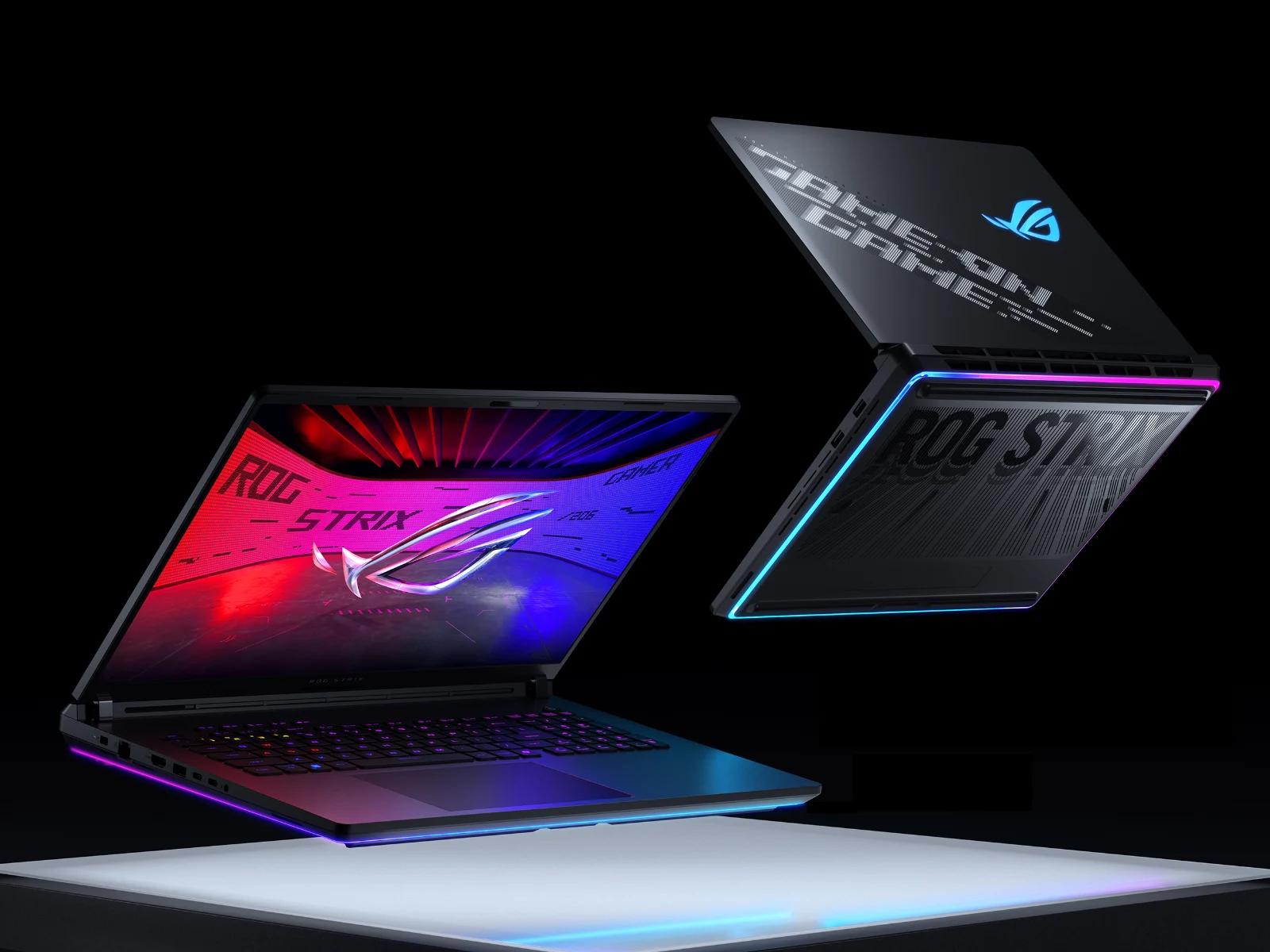
    A few weeks ago, we got a chance to go hands-on with the latest ROG Strix Scar 18. Initially presented months earlier, the 2026 edition surpasses its 2025 predecessor (curr. $2,649 on Amazon) with a few significant upgrades despite appearances. Now, Asus has quietly started selling its updated 18-inch gaming laptop globally.

    Display and Motion Clarity Enhancements

    To recap, the ROG Strix Scar 18 (G835) adopts a 4K and 240 Hz Mini LED display, rather than the lower resolution equivalent used in last year’s model. Moreover, the laptop showcases Asus’ new ROG Nebula ELMB technology, which should deliver up to 16x better motion clarity while maintaining 1,600 nits peak brightness (3% APL) in HDR mode.

    Power Delivery and Wattage Upgrades

    On top of that, Asus includes an 18% higher wattage power adapter to facilitate up to 320 W simultaneous power draw from the laptop’s CPU and GPU. The Core Ultra 9 290HX Plus can top out at 200 W too, though. However, the GeForce RTX 5080 and GeForce RTX 5090 remain pegged at 175 W. Still, over 50% higher peak CPU wattage should give the ROG Strix Scar 18 a slight in-game performance advantage compared to Asus’s 2025 model.

    • Power adapter: 18% higher wattage (up to 320 W total draw).
    • CPU: Core Ultra 9 290HX Plus, up to 200 W peak.
    • GPU: GeForce RTX 5080 (175 W) or GeForce RTX 5090 (175 W).

    Pricing and Configuration Details

    Unsurprisingly, the ROG Strix Scar 18 (G835) is an expensive affair. At the time of writing, Asus charges $4,299 for a GeForce RTX 5080 variant with 32 GB of RAM and a 1 TB SSD. Also, comparable SKUs retail for £4,199 in the UK and €4,499 in the Eurozone. Meanwhile, Asus is offering a GeForce RTX 5090 variant with 24 GB VRAM, 64 GB of LPDDR5X RAM and a 2 TB SSD for £5,299 for a 26% uplift over the company’s cheaper SKU. UK orders receive a free Lego Batman: Legacy of the Dark Knight game code too.

    Regional Pricing List

    • RTX 5080 variant (32 GB RAM, 1 TB SSD): $4,299 / £4,199 / €4,499.
    • RTX 5090 variant (64 GB RAM, 2 TB SSD, 24 GB VRAM): £5,299 (26% uplift over cheaper SKU).
    • UK bonus: free Lego Batman: Legacy of the Dark Knight game code.
  • Xiaomi Launches 65-Inch TV with HDR10+ & 120Hz from €349

    Xiaomi Launches 65-Inch TV with HDR10+ & 120Hz from €349

    Key Takeaway

    – Three Mini-LED models released in Europe: 65-inch (€649), 55-inch (€499), and 43-inch (€349)
    – 4K resolution with 60 Hz native refresh rate; 120 Hz achievable only at 1080p
    – Runs Fire TV OS with Xiaomi TV+ channels, dual-band Wi-Fi, and voice-controlled Bluetooth remote
    – Powered by quad-core Cortex-A55 SoC, 2 GB RAM, and 32 GB storage


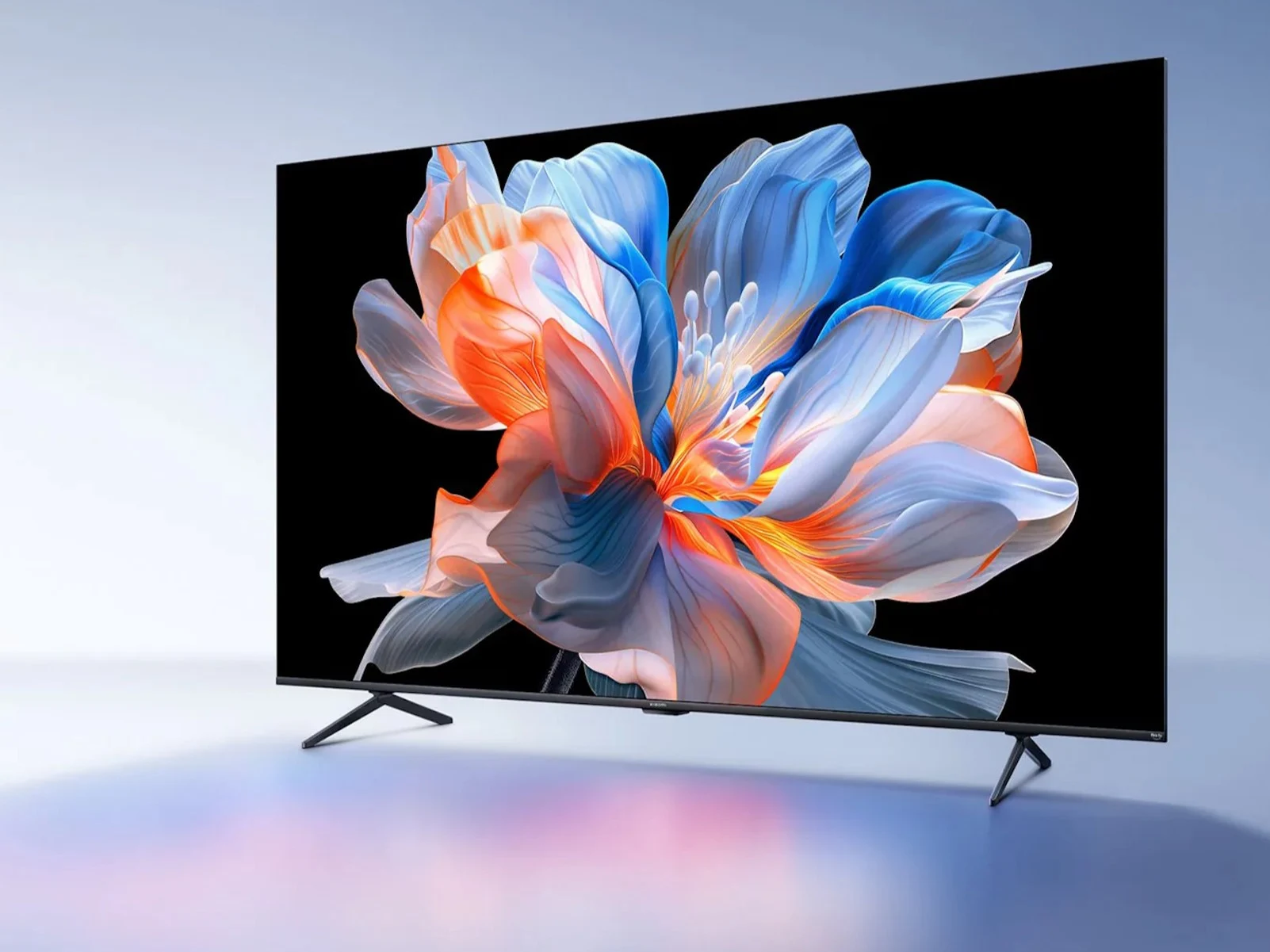
    Three new TVs from Xiaomi are now available in Europe: the Xiaomi TV FX Mini LED 65 2026, the Xiaomi TV FX Mini LED 55 2026, and the Xiaomi TV FX Mini LED 43 2026. The top-of-the-line 65-inch model costs €649 (France), the 55-inch version is priced at €499 (Germany) and the 43-inch variant at €349 (Spain). As the name suggests, these are not OLED screens; rather, they utilize Mini-LED panels. This type of backlighting, which can be controlled with a high degree of precision thanks to self-illuminating pixels, is said to result in a significantly better contrast ratio than other display technologies.

    Screen Specifications and Connectivity

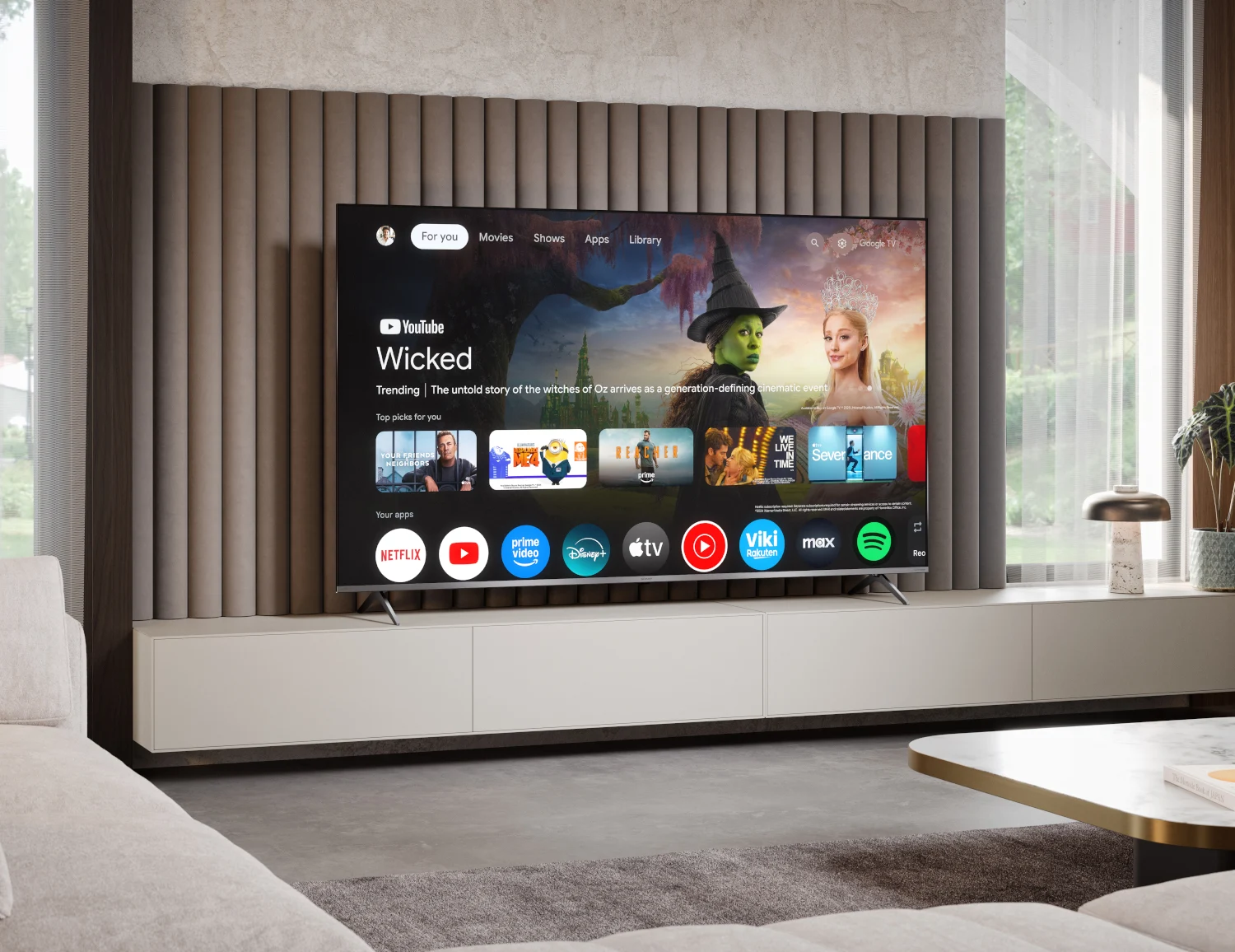
    These are screens with a resolution of 3,840 x 2,160 and a refresh rate of 60 Hz at native resolution. The refresh rate can be increased to 120 Hz, but the resolution must then be reduced. A single 120 Hz HDMI input with a resolution of 1,920 x 1,080 is supported. Moreover, these are smart TVs with Fire TV, enabling the use of various apps, and Xiaomi TV+ provides access to what the manufacturer claims is a growing library of live channels.

    Hardware and Included Accessories

    Dual-band Wi-Fi is supported, and a Bluetooth remote control with voice control is included. A quad-core Cortex-A55 system-on-a-chip (SoC) is on board, accompanied by 32 GB of internal storage and 2 GB RAM. There is also a growing library of live channels availible through Xiaomi TV+, making these sets quite usefull for cord-cutters. The remote’s voice control should work fine with most streaming services, although compatibility may vary by region.

    • 65-inch model: €649 (France)
    • 55-inch model: €499 (Germany)
    • 43-inch model: €349 (Spain)
    • Resolution: 3,840 x 2,160
    • Native refresh rate: 60 Hz (120 Hz at 1080p)
    • Smart platform: Fire TV
    • Processor: Quad-core Cortex-A55
    • Storage: 32 GB
    • RAM: 2 GB
    • Connectivity: Dual-band Wi-Fi, Bluetooth remote with voice control


    Sources

  • Apple’s OLED Transition May Replace Mini LED in Premium Laptops

    Apple’s OLED Transition May Replace Mini LED in Premium Laptops

    Key Takeaway

    1. Global notebook display shipments are expected to decrease by 5% in 2026 due to rising memory costs.
    2. OLED notebook shipments will grow significantly by 33%, replacing Mini LED tech, which will decline by 43%.
    3. Apple’s adoption of OLED panels for upcoming MacBook Pro models is a major factor driving industry shift towards OLED displays.
    4. Industry will experience a normalization phase with advanced display demand slightly dipping by 1% in 2026, impacted by high component costs.

    The global market for notebook displays is facing some significant challenges, with a expected 5 percent decrease in shipments come 2026, according to new industry reports. This downturn happens after a period of positive growth in 2025, mainly driven by increased costs of key components like memory modules. The rising prices for RAM and SSDs are putting pressure on manufacturers, which force them to either raise prices or rethink their hardware setups to keep their profit margins sustainable.

    Market Trends and Industry Shifts

    In the wider screen market, things are shifting notably. The premium segment particularly will see a big change, with OLED panels expected to see a 33 percent increase in shipments next year. Meanwhile, Mini LED tech is expected to suffer a sharp 43 percent decrease, as brands start to prefer newer, self-emissive screens over the older backlight-based systems. This shift marks a clear move away from traditional display technologies to more advanced, efficient alternatives.

    Impact of Apple and Industry Adoption

    Apple is seen as a key player driving this move towards OLED screens. The tech giant is rumored to be switching its upcoming MacBook Pro models to OLED panels, which would lead to a decline in Mini LED usage within their high-end laptop lineup. Such changes at Apple tend to influence the entire industry, pushing competitors to adopt similar display technologies in a bid to stay relevant and competitive, warns industry watchers.

    Future Outlook and Challenges

    Even with the promising advances in display tech, the report warns that the industry will later enter a phase of stabilization. Overall, the demand for these new, advanced screens might shrink slightly, around 1 percent, in 2026. Despite the innovations, high component costs remain a major obstacle for growth in volume sales. While new hardware cycles and smarter AI software could help maintain some demand in the short run, the high prices still hinder large scale expansion overall.


    Sources

  • TCL Launches Affordable Mini LED Gaming Monitor with 2304 Zones

    TCL Launches Affordable Mini LED Gaming Monitor with 2304 Zones

    Key Takeaways

    1. 27-Inch Mini LED Display: The TCL 27C2A Pro features a 27-inch mini LED screen with 2,304 dimming zones for impressive contrast and reduced blooming.

    2. Dual-Mode Capabilities: It offers 4K resolution at 160 Hz for visuals and FHD at 320 Hz for competitive gaming, with a 1 ms response time.

    3. High Brightness and Color Accuracy: Peak brightness reaches 2,000 nits in HDR mode, with 99% DCI-P3 color gamut coverage and a ΔE of less than 2.

    4. Ergonomic Adjustments: The monitor includes height, tilt, swivel, and a 90° pivot feature, along with AI enhancements for gamers.

    5. Affordable Pricing: Priced at 3,367 Yuan (approximately $488), it offers great value and is currently available in China, with potential for global release.


    TCL has introduced a new gaming monitor called the 27C2A Pro. This monitor features a 27-inch mini LED display, which comes loaded with premium specifications but is still priced reasonably.

    Stunning Display Features

    With 2,304 independent dimming zones, the TCL 27C2A Pro aims to deliver impressive contrast ratios along with reduced blooming around bright elements. Gamers can take advantage of its dual-mode capabilities, switching between 4K resolution at 160 Hz for stunning visuals, and FHD at a remarkable 320 Hz for competitive play. It claims a response time of just 1 ms.

    Brightness and Color Accuracy

    According to TCL, the 27C2A Pro can reach a peak brightness of 2,000 nits in HDR mode, though they haven’t provided details on sustained brightness levels. Given that it’s certified HDR1400, we can expect at least 900 nits for full-screen sustained brightness.

    Moreover, the monitor boasts 99% coverage of the DCI-P3 color gamut, with a ΔE of less than 2, making it a great option for content creators as well. It comes with a variety of ports too, including:

    Ergonomic and Gaming Features

    Users will find ergonomic adjustments such as height, tilt, and swivel. There’s also a 90° pivot feature, which is beneficial for those who use multiple monitors. Additionally, gamers can enjoy AI features like crosshair color inversion and automatic brightness adjustments in low-light situations.

    The TCL 27C2A Pro mini LED gaming monitor is priced at 3,367 Yuan, which is about $488, offering great value for the price. It’s already up for sale in China, and it’s likely to have a global release in the future since TCL often expands its market beyond its home country. Meanwhile, gamers might also want to consider the Asus ROG Strix 240 Hz OLED monitor, listed for $588 on Amazon.

    Source:
    Link


  • UltraGear Evo 27GM950B: Mini LED Gaming Monitor with 1250 Nits Brightness

    UltraGear Evo 27GM950B: Mini LED Gaming Monitor with 1250 Nits Brightness

    Key Takeaways

    1. The UltraGear Evo 27GM950B features 2,304 Mini LED backlight zones and achieves brightness levels up to 1,250 nits, earning VESA DisplayHDR 1000 certification.

    2. It offers 99% DCI-P3 color space coverage, black levels as low as 0.05 nits, and DeltaE <2 factory color calibration for high color accuracy.

    3. The monitor supports 5K2K resolution at 165 Hz and WQHD resolution at 330 Hz through HDMI, DisplayPort 2.1, or USB Type-C ports.

    4. The USB Type-C port can charge connected devices with up to 90 W.

    5. Pre-orders for the UltraGear Evo 27GM950B will start soon in Japan, with no pricing or availability details for other regions yet.


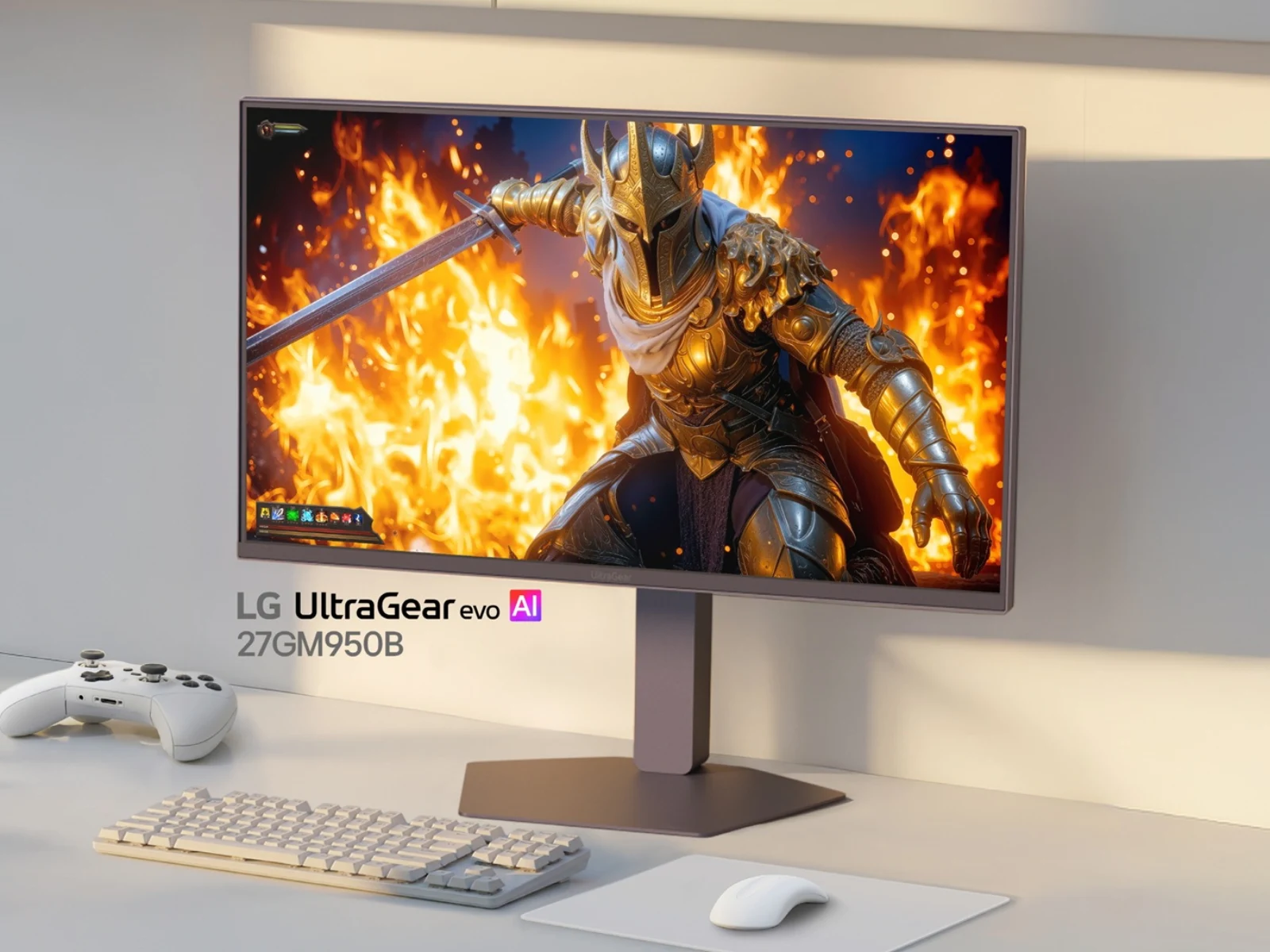
    LG has shared new information regarding the UltraGear Evo 27GM950B, which was first introduced in late December. To provide some background, LG presented the UltraGear Evo 27GM950B along with the UltraGear Evo 52G930B and the UltraGear OLED 39GX950B prior to CES 2026 in Las Vegas. Although it doesn’t match the speed of the latest UltraGear OLED 27GX790B (currently priced at $999.99 on Amazon), the UltraGear Evo 27GM950B comes with its own unique features.

    Impressive Specifications

    The UltraGear Evo 27GM950B is equipped with 2,304 Mini LED backlight zones across its IPS display, allowing it to achieve brightness levels of up to 1,250 nits in some regions. This exceptional performance has earned it a VESA DisplayHDR 1000 certification. Additionally, the monitor offers 99% DCI-P3 color space coverage, boasts black levels as low as 0.05 nits, and features DeltaE <2 factory color calibration. Furthermore, the UltraGear Evo 27GM950B claims to have 1 ms GtG response times, complemented by Nvidia G-Sync technology to reduce image tearing.

    Versatile Output Options

    This monitor can support outputs of 5K2K (5,210 x 2,880) at 165 Hz or WQHD (2,560 x 1,440) at a stunning 330 Hz through its HDMI, DisplayPort 2.1, or USB Type-C ports. Notably, the USB Type-C port can also charge connected devices with up to 90 W. Pre-orders for the UltraGear Evo 27GM950B are set to start soon in Japan. However, LG has yet to announce pricing or when it will be available in other regions.

    LG’s announcement marks a significant step in the evolution of gaming monitors, setting new standards for performance and color accuracy.

    Source:
    Link


  • LG Launches Gallery TV to Compete with Samsung Frame TV

    LG Launches Gallery TV to Compete with Samsung Frame TV

    Key Takeaways

    1. LG has launched the Gallery TV, its first major entry into the frame-style TV market, competing with brands like Samsung, TCL, Skyworth, and Hisense.
    2. The Gallery TV features a 4K Mini LED panel instead of OLED technology, which helps prevent burn-in from static images.
    3. The TV includes customizable magnetic frames, with a standard white frame and additional wood-style options available for purchase.
    4. Users can access over 4,500 images on the Gallery+ platform and upload personal images, but a subscription is required for the full library.
    5. The built-in light sensor adjusts brightness and color output based on surrounding light to enhance the display of artworks.


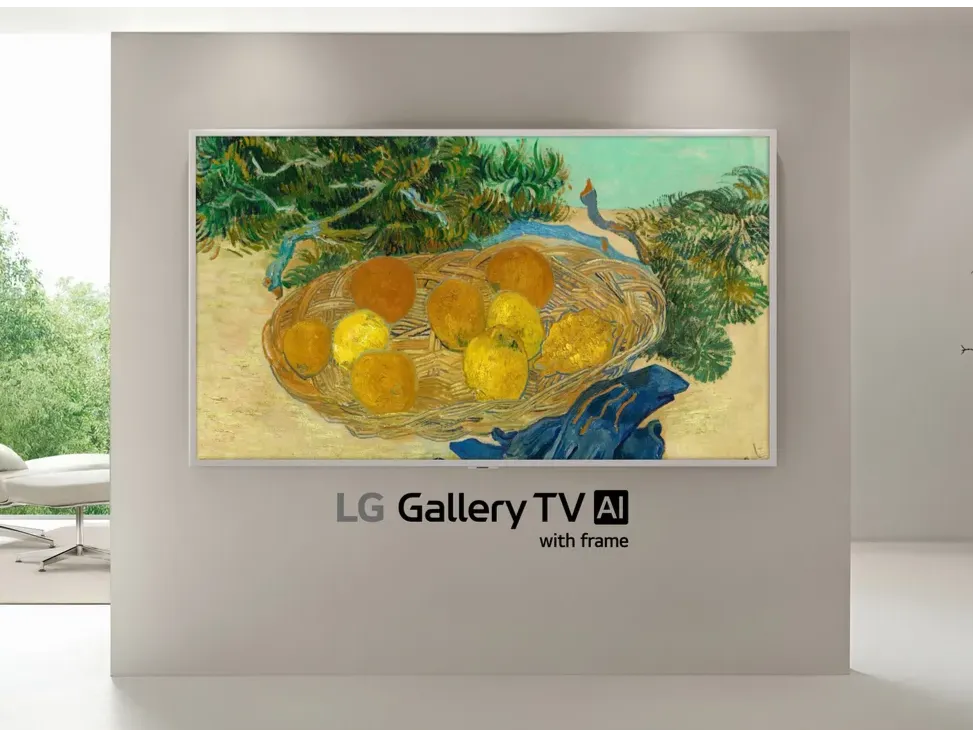
    The rise of frame-style TVs has caught the attention of LG, who recently unveiled the Gallery TV as their first significant foray into this market. With this move, LG joins the ranks of four other major brands—Samsung, TCL, Skyworth, and Hisense—that have been producing frame-style TVs for several years. Consumers will have the option to buy the LG Gallery TV in 55-inch and 65-inch variants, both featuring a 4K Mini LED panel instead of the OLED technology that LG is best known for.

    A Different Approach to Display Technology

    It’s easy to confuse this new TV with LG’s previous G Series OLED models, which also featured the Gallery name until recently. LG chose to utilize Mini LED for this particular model because it manages static images for extended durations without the risk of burn-in that OLED screens can sometimes suffer from. The company highlights that the panel has a unique surface treatment that minimizes glare and reflections, an important feature for a display designed to be visible all day long in various lighting conditions.

    Customizable and Versatile Design

    The Gallery TV includes magnetic and interchangeable frames. A standard white frame comes included in the package, while different wood-style frames are available separately based on the region. This TV operates on the Gallery+ platform, giving users access to over 4,500 images, which include artwork, photography, and cinematic scenes.

    Users have the option to upload personal images or select from the generative AI visuals provided. To access the entire library, a subscription is necessary, although a limited selection is available for free, similar to what Samsung offers with its Art Store. Additionally, the built-in light sensor adjusts the brightness and color output according to the surrounding light, aiming to portray the texture and tone of original artworks as closely as possible. LG has not disclosed the pricing or availability by region for the Gallery TV, but further information is anticipated to be revealed following the company’s CES presentation.

    Source:
    Link


  • Xiaomi Unveils Three Mini LED Smart TVs with 288 Hz Gaming Mode

    Xiaomi Unveils Three Mini LED Smart TVs with 288 Hz Gaming Mode

    Key Takeaways

    1. Xiaomi has expanded its Redmi TV X series with new models, including 55-inch, 65-inch, and 75-inch sizes, in addition to the original 85-inch version.
    2. Pricing for the new models starts at CNY 2,499 (around $355), with the 65-inch and 75-inch models priced at CNY 2,999 (approximately $425) and CNY 3,799 (around $538), respectively.
    3. All models support 4K native resolutions and feature a 144 Hz refresh rate, with different Mini LED backlight dimming zones for each size.
    4. The new TVs include a 288 Hz game mode, but this mode reduces the resolution to 1080p; they also offer peak brightness of up to 1,200 nits with varying local dimming zones.
    5. Each model is equipped with dual 15 W speakers, WiFi 6, and multiple HDMI 2.1 ports, but it’s uncertain if they will be available outside China.


    Xiaomi has made a low-key update to its Redmi TV X series with the introduction of new models. Initially revealed in September, the Redmi TV X 2026 only included an 85-inch version. Now, this fall, Xiaomi has broadened the lineup to feature three additional smaller sizes.

    New Sizes and Pricing

    The company is now providing 55-inch, 65-inch, and 75-inch options, starting from CNY 2,499 (around $355). Although these new Smart TVs belong to the same series, they each have distinct Mini LED backlight dimming zone volumes. Regardless, all versions support 4K native resolutions paired with 144 Hz refresh rates.

    Gaming Features

    In addition, the new Redmi TV X 2026 models come equipped with a 288 Hz game mode, similar to the larger 85-inch version. However, enabling this mode reduces their resolution to 1080p. Xiaomi has outfitted the 55-inch, 65-inch, and 75-inch Smart TVs with 308, 384, and 512 local dimming zones, respectively, allowing for peak brightness of up to 1,200 nits.

    Audio and Connectivity

    Furthermore, the three models are equipped with dual 15 W speakers, WiFi 6 capabilities, and various ports, including several HDMI 2.1 connections. Currently, the pricing for the 65-inch and 75-inch variants is CNY 2,999 (approximately $425) and CNY 3,799 (around $538), respectively. However, it’s still unclear whether Xiaomi intends to release these new Mini LED Smart TVs outside of China, similar to its office and gaming monitors.

    Source:
    Link


  • Apple Studio Display 2 Leaks: 3 Major Upgrades Revealed

    Apple Studio Display 2 Leaks: 3 Major Upgrades Revealed

    Key Takeaways

    1. The current Apple Studio Display has a resolution of 5120 x 2880 pixels and a brightness of 600 nits, but its 60Hz refresh rate is becoming outdated for its price.
    2. The upcoming Apple Studio Display 2, codenamed “J527,” is expected to feature a refresh rate upgrade to 120Hz with ProMotion technology.
    3. The new model will support HDR content and is likely to include a mini-LED backlight for improved brightness and contrast.
    4. It will be powered by the new Apple A19 chipset, replacing the older A13, although new functionalities are still uncertain.
    5. The anticipated release date for the Apple Studio Display 2 is in the first half of 2026.


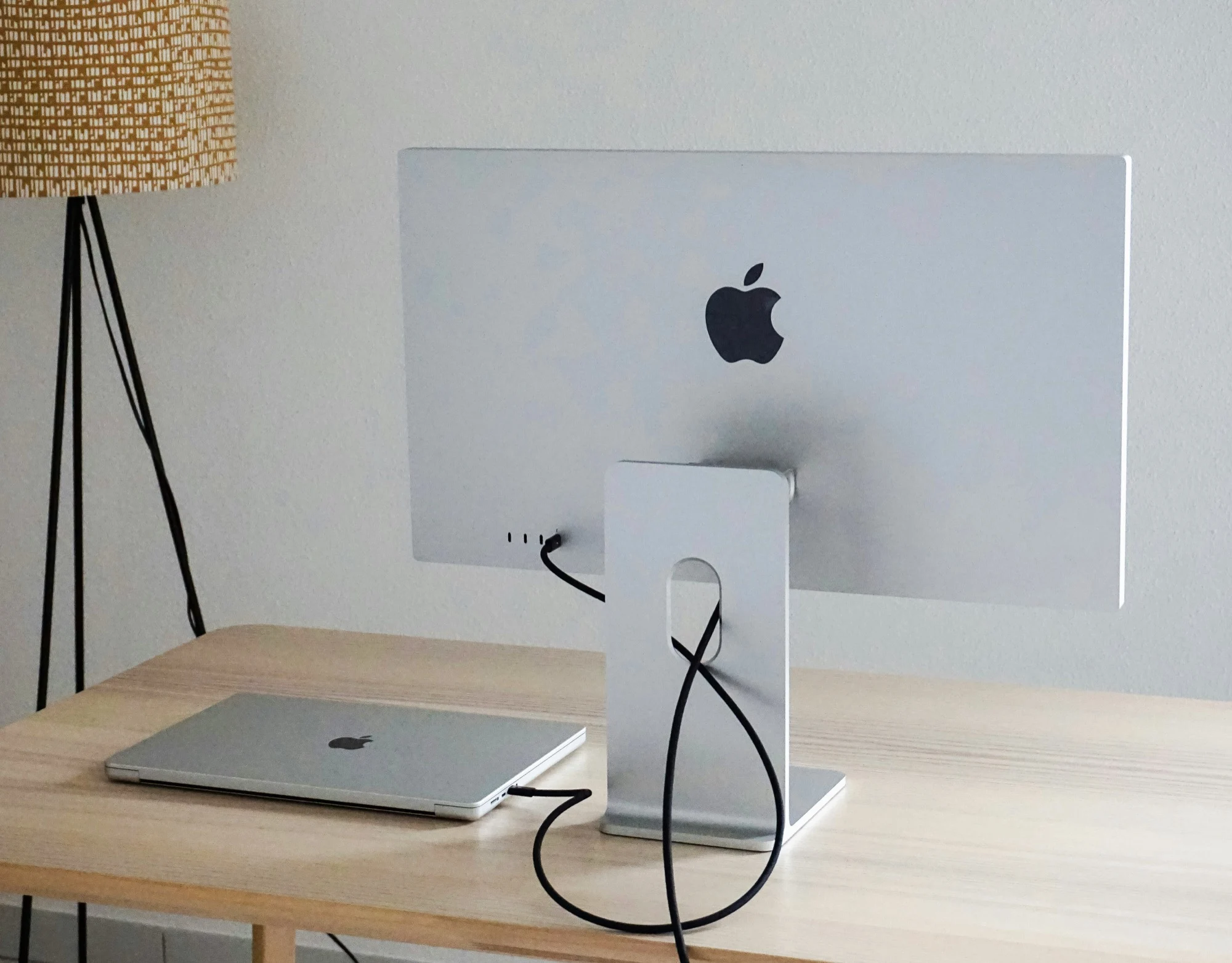
    The Apple Studio Display, which starts at $1,368 on Amazon, will turn four years old in March. This 27-inch monitor still has a stunning resolution of 5120 x 2880 pixels and a respectable brightness of 600 nits. However, its 60Hz refresh rate is starting to fall behind, especially given its high price.

    Upcoming Features

    Recently, Macworld discovered specific details about the next version of the Apple Studio Display in an internal iOS 26 beta. This new monitor, codenamed “J527,” is set to receive at least three significant upgrades. First, Apple is anticipated to increase the refresh rate from 60Hz to 120Hz. Thanks to ProMotion technology, the display can adjust the frame rate dynamically to match whatever is being shown.

    Enhanced Visuals

    In addition, the new monitor will be capable of supporting HDR content, which strongly suggests that the Apple Studio Display 2 will come with a mini-LED backlight. This type of backlighting enables the Apple Pro Display XDR and MacBook Pro to achieve a consistent full-screen brightness of 1,000 nits and a peak HDR brightness of 1,600 nits. Mini LEDs can generally be dimmed in hundreds of zones, enhancing the contrast ratio and producing deeper blacks.

    New Processing Power

    The third key upgrade is the introduction of the Apple A19 chipset, which will replace the Apple A13 from the earlier model. It’s still unclear if this enhanced processor will introduce new functionalities. Regardless, the launch of the new Apple Studio Display 2 is expected in the first half of 2026.

    Source:
    Link


  • Huawei Launches New 110-Inch Mini-LED Flagship TV

    Huawei Launches New 110-Inch Mini-LED Flagship TV

    Key Takeaways

    1. Huawei launched the Smart Screen Mate TV Max in China, featuring a large 110-inch Mini-LED display.
    2. The TV has a 4K resolution, a 120 Hz refresh rate, and can achieve up to 6,000 nits of HDR peak brightness.
    3. It includes advanced AI features, a slim bezel with a 99% screen-to-body ratio, and a unique touchpad-style remote for gesture controls.
    4. The audio system consists of 3.1.2 channel surround sound with two upward-firing speakers and a 60W subwoofer.
    5. The price of the Mate TV Max is CNY 64,999 (about $9,174), with no current information on availability in Europe.


    Huawei has introduced the Smart Screen Mate TV Max in China. Previously, the Mate TV and Mate TV Pro models were unveiled in September 2025, available in sizes from 65 to 98 inches.

    Impressive Specifications

    The Mate TV Max features a large 110-inch Mini-LED display, boasting a resolution of 4K (3,840 x 2,160 px) and a native refresh rate of 120 Hz. According to the product details, this Super MiniLED TV can achieve up to 6,000 nits of HDR peak brightness, with advanced light control systems that improve picture quality. This top-tier model is promoted as having a contrast ratio of 2,300:1, along with 125% coverage of the DCI-P3 color space and 91% coverage of the BT.2020 color space.

    Advanced Features

    As claimed by the company, the Mate TV Max is powered by a “flagship mobile phone-grade chip” and includes multiple HarmonyOS AI functionalities. The TV has a slim bezel of 1.2 mm (around 0.05 inches) in thickness, with Huawei asserting that it features a 99% screen-to-body ratio. It comes with a unique touchpad-style remote that allows for gesture controls. Additionally, it offers 3.1.2 channel surround sound, featuring two 20W upward-firing speakers and a 60W subwoofer, with connectivity options that include HDMI 2.1, USB 2.0, and S/PDIF.

    Pricing and Availability

    In China, the price for the Huawei Smart Screen Mate TV Max, which is 110 inches, is CNY 64,999 (about $9,174). It remains uncertain if or when this model will become available in Europe, where the brand already markets several home products, such as the BE3 Pro Wi-Fi router (currently priced at €67.99 on Amazon DE).

    Source:
    Link


  • Sharp Aquos Mini-LED JP7000 Series: New QLED TVs Up to 75″

    Sharp Aquos Mini-LED JP7000 Series: New QLED TVs Up to 75″

    Key Takeaways

    1. Sharp has launched the Aquos MiniLED JP7000 series smart TVs in sizes of 50, 55, 65, and 75 inches, with pricing yet to be announced.
    2. The TVs feature Mini-LED and QLED Quantum Dot technologies for enhanced picture quality, offering better contrast and vibrant colors.
    3. Equipped with Dolby Vision and HDR10, the series promises stunning images, though the refresh rate is limited to 60 Hz.
    4. The audio system includes Harman Kardon-tuned speakers with 3D Dolby Atmos support and standard connectivity options like HDMI, USB, Wi-Fi, and Bluetooth.
    5. The Aquos MiniLED JP7000 series runs on Google TV, providing access to various apps and Google Assistant integration.


    Sharp Consumer Electronics has unveiled its new Aquos MiniLED JP7000 series, a range of smart TVs featuring Mini-LED technology, set to hit the market this month in sizes of 50, 55, 65, and 75 inches. The pricing details are yet to be announced.

    Enhanced Picture and Sound Quality

    The company claims to deliver “a new dimension of affordable picture and sound quality to living rooms.” These televisions utilize QLED Quantum Dot alongside Mini-LED technology. The Mini-LED backlight contains hundreds of small LEDs that create more accurate dimming zones, resulting in a picture with higher contrast. Meanwhile, Quantum Dots help in achieving a more vibrant and natural color display.

    High Dynamic Range and Performance

    The Sharp Aquos MiniLED JP7000 series is equipped with Dolby Vision and HDR10 for stunning images with rich blacks. Its Aquos Smooth Motion technology ensures that 4K UHD images are played back smoothly, even during fast-paced action. However, the refresh rate is limited to 60 Hz, which falls short of the increasingly common 120 Hz standard. The display is designed with a nearly frameless appearance, supported by a central aluminum stand.

    Audio and Connectivity Features

    On the audio front, the TV comes with a Harman Kardon-tuned sound system featuring two 12 W speakers and support for 3D Dolby Atmos sound. The back panel includes the usual ports like HDMI (with eARC) and USB. It also supports dual-band Wi-Fi and Bluetooth connectivity.

    Google TV has been selected by Sony as the operating system for the Aquos MiniLED JP7000 series, enabling users to access a variety of apps along with Google Assistant. Preinstalled apps include Netflix, YouTube, Google Play Movies & TV, and Prime Video, among others.

    Source:
    Link