1. Global notebook display shipments are expected to decrease by 5% in 2026 due to rising memory costs.
2. OLED notebook shipments will grow significantly by 33%, replacing Mini LED tech, which will decline by 43%.
3. Apple’s adoption of OLED panels for upcoming MacBook Pro models is a major factor driving industry shift towards OLED displays.
4. Industry will experience a normalization phase with advanced display demand slightly dipping by 1% in 2026, impacted by high component costs.
The global market for notebook displays is facing some significant challenges, with a expected 5 percent decrease in shipments come 2026, according to new industry reports. This downturn happens after a period of positive growth in 2025, mainly driven by increased costs of key components like memory modules. The rising prices for RAM and SSDs are putting pressure on manufacturers, which force them to either raise prices or rethink their hardware setups to keep their profit margins sustainable.
Market Trends and Industry Shifts
In the wider screen market, things are shifting notably. The premium segment particularly will see a big change, with OLED panels expected to see a 33 percent increase in shipments next year. Meanwhile, Mini LED tech is expected to suffer a sharp 43 percent decrease, as brands start to prefer newer, self-emissive screens over the older backlight-based systems. This shift marks a clear move away from traditional display technologies to more advanced, efficient alternatives.
Impact of Apple and Industry Adoption
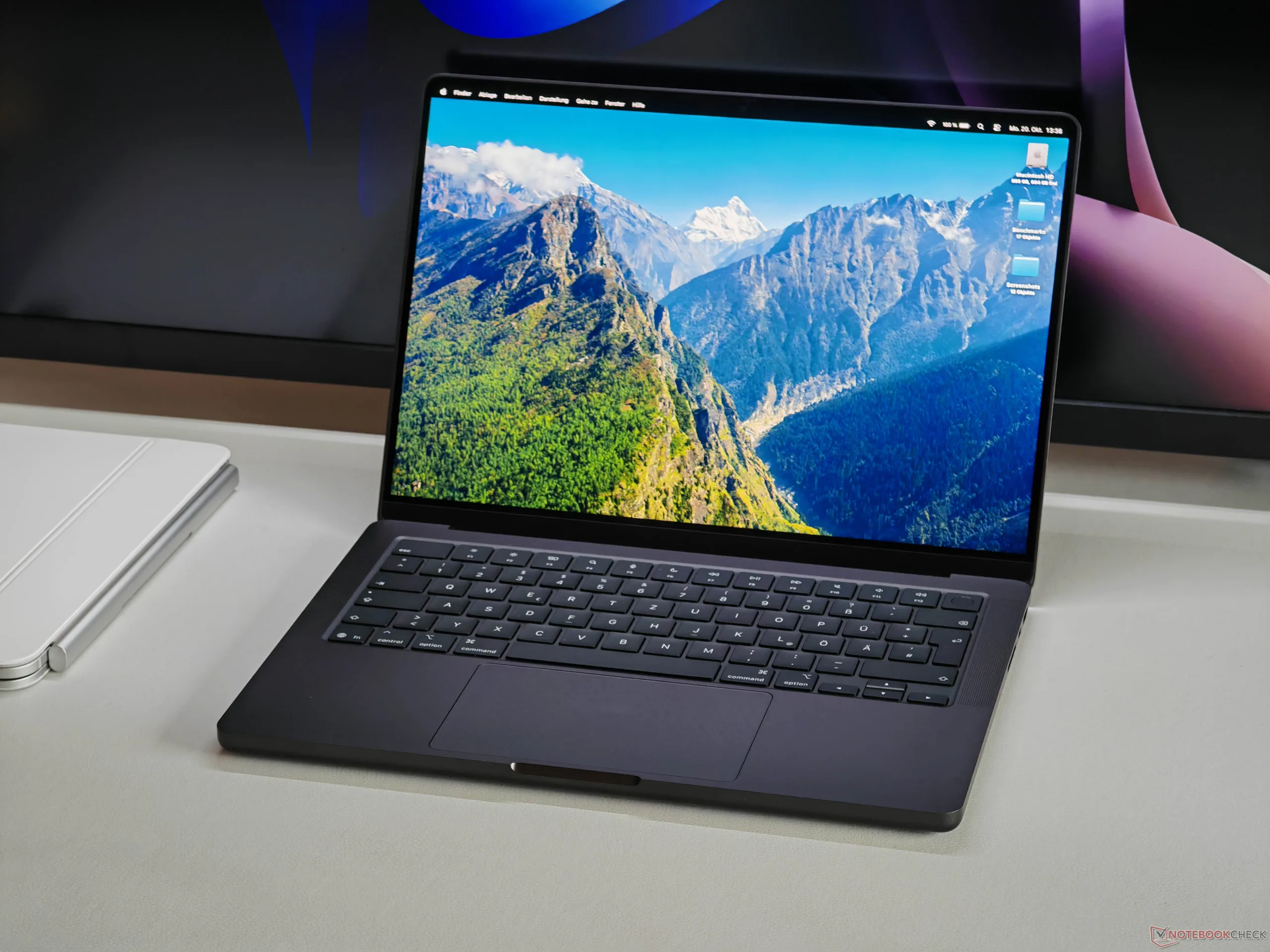
Apple is seen as a key player driving this move towards OLED screens. The tech giant is rumored to be switching its upcoming MacBook Pro models to OLED panels, which would lead to a decline in Mini LED usage within their high-end laptop lineup. Such changes at Apple tend to influence the entire industry, pushing competitors to adopt similar display technologies in a bid to stay relevant and competitive, warns industry watchers.
Future Outlook and Challenges
Even with the promising advances in display tech, the report warns that the industry will later enter a phase of stabilization. Overall, the demand for these new, advanced screens might shrink slightly, around 1 percent, in 2026. Despite the innovations, high component costs remain a major obstacle for growth in volume sales. While new hardware cycles and smarter AI software could help maintain some demand in the short run, the high prices still hinder large scale expansion overall.