Tag: mini-LED

  • 2026 Xiaomi TV S Pro: 98-Inch Mini-LED, 165Hz, 3,864 Dimming Zones

    2026 Xiaomi TV S Pro: 98-Inch Mini-LED, 165Hz, 3,864 Dimming Zones

    Key Takeaways

    1. Large Screen Size: The new Xiaomi TV features a massive 98-inch display, making it one of the largest TVs available for consumers.

    2. High Brightness and Contrast: It offers a peak brightness of up to 5,700 nits with adjustable backlighting in 3,864 zones for improved contrast.

    3. Resolution and Refresh Rate: The TV has a native resolution of 3840 x 2160 pixels and supports refresh rates up to 330Hz for lower resolutions and 165Hz for 4K content.

    4. Sound System: Equipped with seven built-in speakers, the TV provides a robust audio experience without the need for additional sound systems.

    5. Connectivity and Smart Features: The TV includes HDMI 2.1 ports, USB connections, Ethernet, built-in WiFi, and access to popular streaming applications, priced at approximately $2,250 in China.


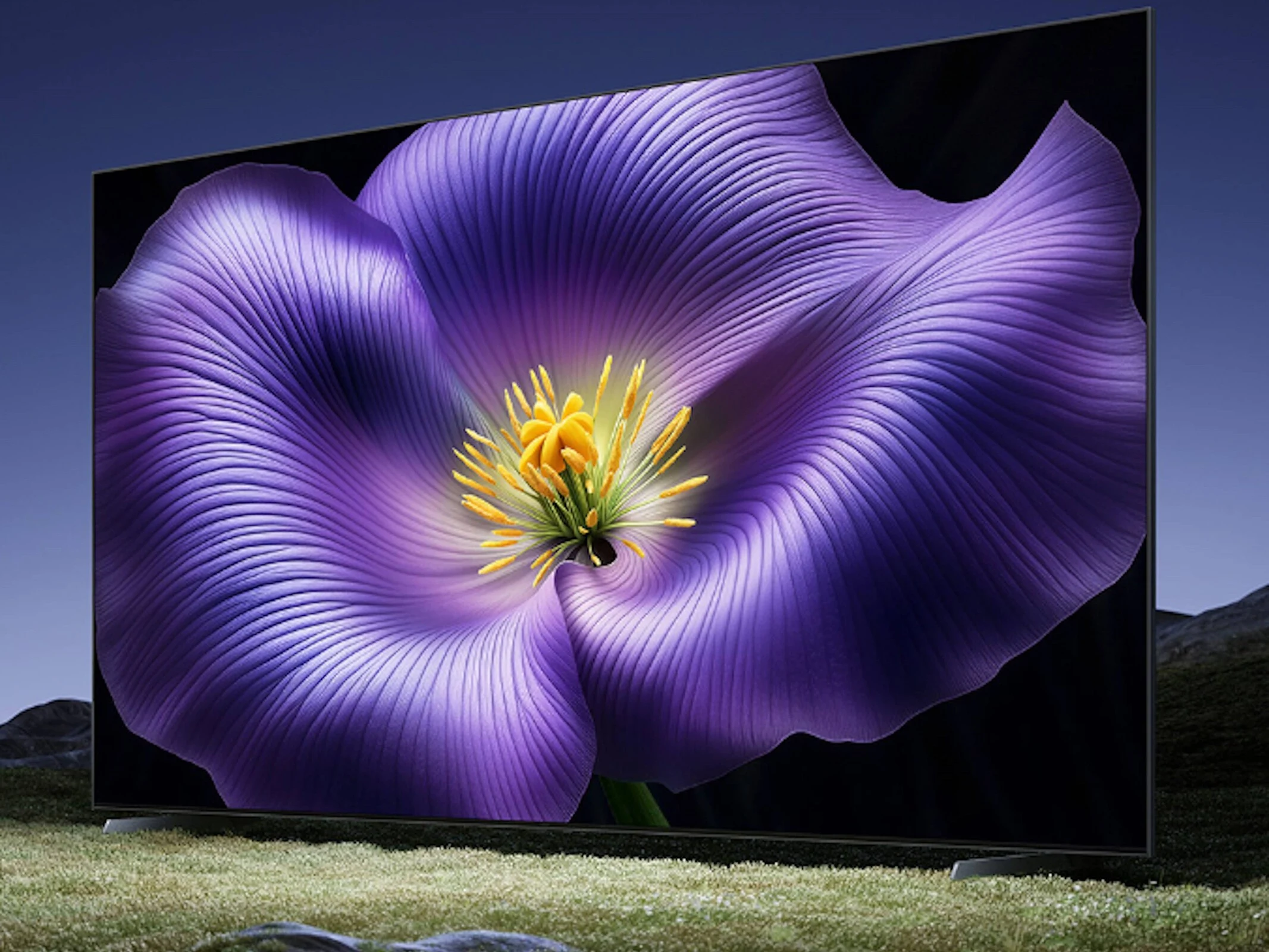
    Xiaomi has unveiled a new TV that belongs to the 2026 Xiaomi TV S Pro Mini LED line. This latest model showcases a giant 98-inch screen, making it one of the largest televisions available for regular consumers. For those who are really into home theaters and seek an even larger display, they might consider using a projector instead.

    Brightness and Contrast

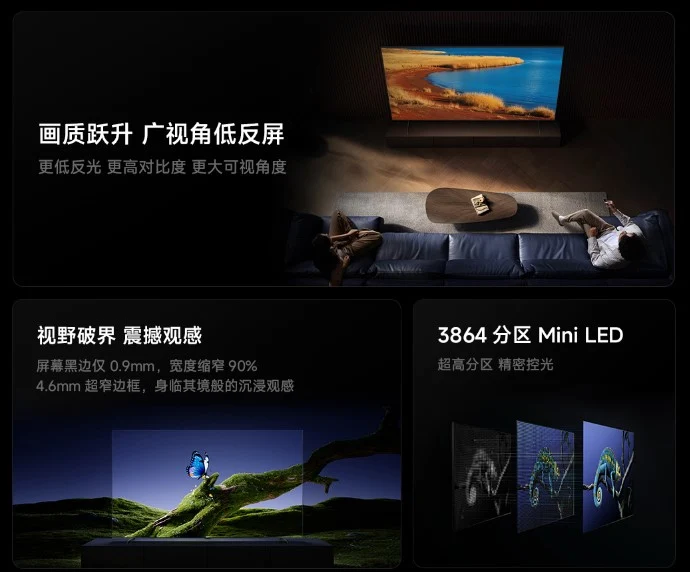
    The Xiaomi mini-LED television boasts an impressive peak brightness of up to 5,700 nits, though it’s important to note that this brightness level can’t be maintained across the whole screen all the time. The backlight is adjustable in 3,864 zones, which should provide a satisfactory contrast ratio for viewers.

    Resolution and Refresh Rate

    This TV has a native resolution of 3840 x 2160 pixels, and Xiaomi states that it supports a refresh rate of up to 330Hz when displaying lower resolutions. For 4K content, it can manage refresh rates of up to 165Hz. Of course, the source device must be capable of such high refresh rates at 4K, and even top-tier gaming PCs might struggle to run the latest games at these settings. Regardless, the TV covers a vast 95% of the DCI-P3 color gamut.

    Audio and Connectivity Options

    The 98-inch model is equipped with a sound system featuring seven speakers, which means that users might not need an additional soundbar or separate speakers that connect through an optical audio output. On the connectivity side, the 2026 Xiaomi TV S Pro Mini LED includes the standard HDMI 2.1 ports (one with eARC), USB connections, and Ethernet options. It also has built-in WiFi and a smart operating system that allows access to popular streaming applications. This new mini-LED television is currently available in China for about $2,250.
     

  • AOC Agon Pro AG327UXM: New Mini LED Gaming Monitor Launch

    AOC Agon Pro AG327UXM: New Mini LED Gaming Monitor Launch

    Key Takeaways

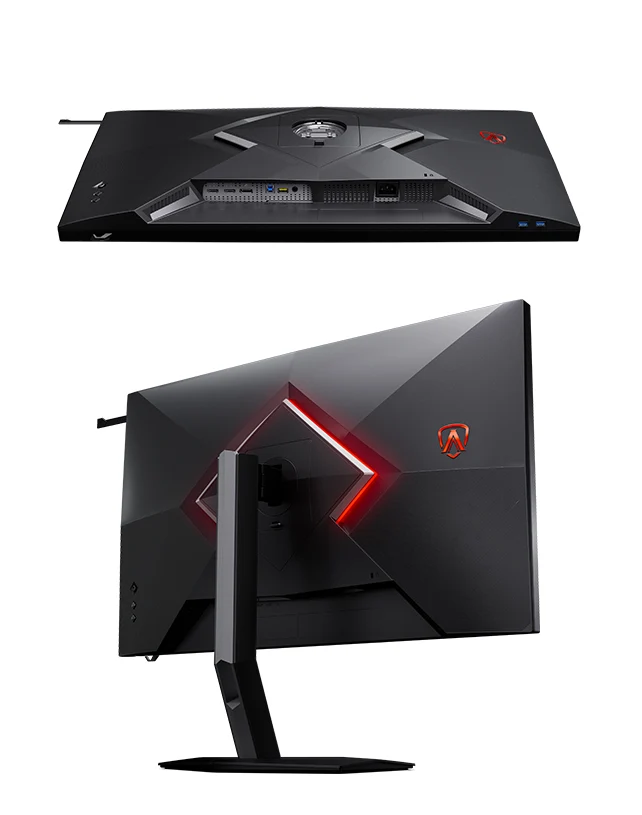
    1. The AOC Agon Pro AG327UXM features a 32-inch IPS panel with 4K resolution and a refresh rate of 160 Hz, which can be boosted to 320 Hz at 1080p.
    2. It offers 1 ms GtG response times and 97% coverage of the DCI-P3 color gamut.
    3. The monitor includes 2,304 Mini LED backlight zones, achieving peak brightness of 600 nits in SDR and 1,650 nits in HDR, earning VESA DisplayHDR 1400 certification.
    4. Connectivity options consist of three display inputs and a USB hub, along with an adjustable stand for user convenience.
    5. Pricing and availability are not yet disclosed, but a global release is expected soon based on previous trends.


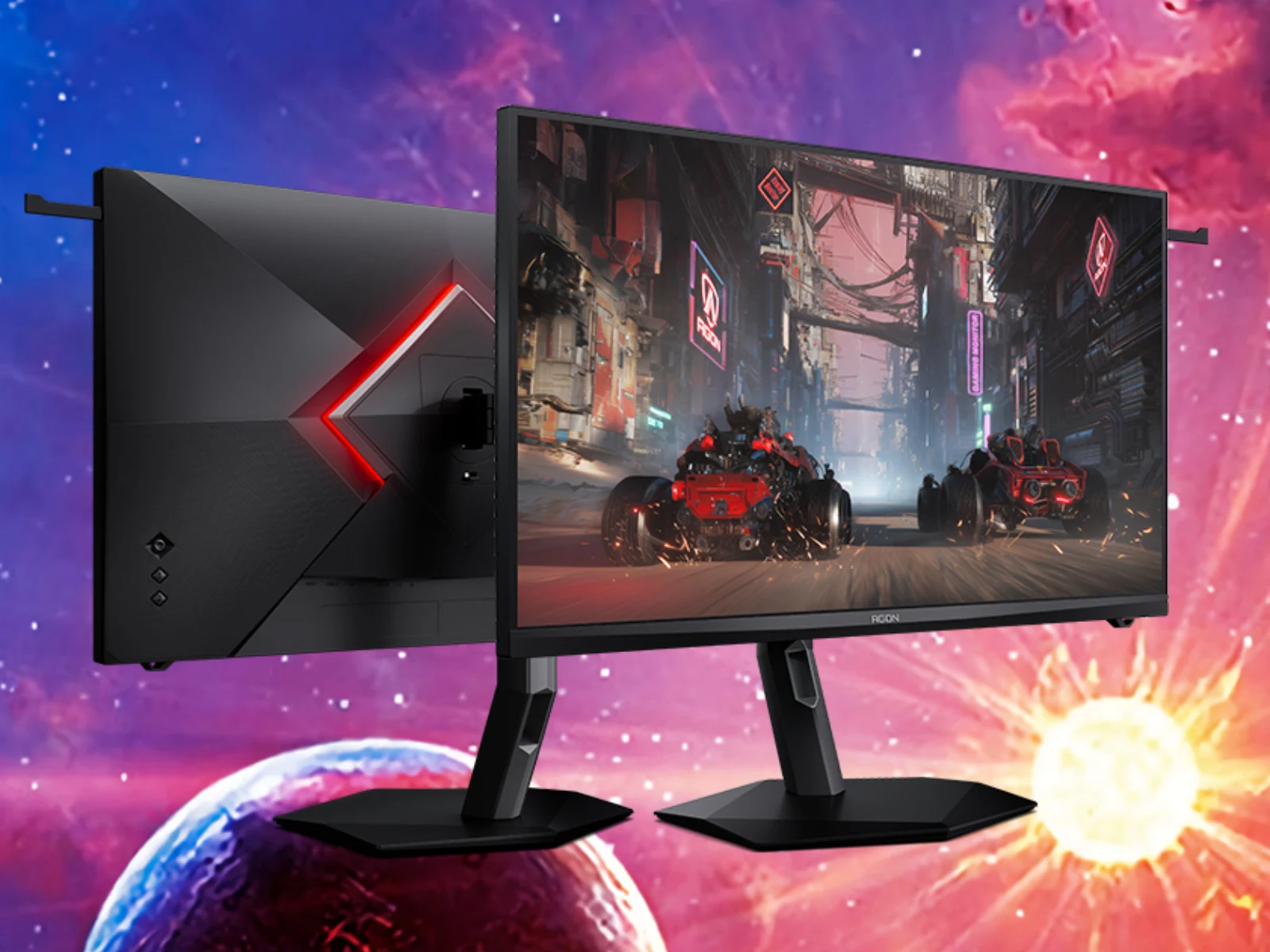
    AOC has refreshed its Agon Pro series with a new monitor that features Mini LED backlighting. To provide some background, the company launched the Agon 6 Pro AG326UZD worldwide in September, following its initial reveal in China the previous month. Notably, the Agon 6 Pro AG326UZD uses the same 4K and 240 Hz QD-OLED panel found in models like the Samsung Odyssey G81SF (currently priced at $879 on Amazon).

    New Features of Agon Pro AG327UXM

    In contrast, the newly introduced Agon Pro AG327UXM employs a 32-inch IPS panel made by LG Display, boasting a 4K resolution and a refresh rate of 160 Hz. Alternatively, users can boost the refresh rate to 320 Hz by switching to a 1080p resolution. Whether at 4K or 1080p, the Agon Pro AG327UXM offers 1 ms GtG response times along with 97% coverage of the DCI-P3 color gamut.

    Brightness and Connectivity

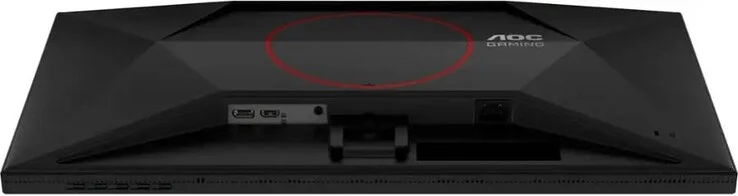
    Moreover, this monitor features 2,304 Mini LED backlight zones, achieving 600 nits peak brightness in SDR mode and 1,650 nits in small areas under HDR mode, which has earned it VESA DisplayHDR 1400 certification. Additionally, the Agon Pro AG327UXM includes three display inputs, a USB hub, and an adjustable stand for added convenience. The pricing and availability are still not disclosed, but based on previous trends, it is likely that the Agon Pro AG327UXM will be released globally soon.

    Source:
    Link


  • Lenovo Yoga Pro 9i: Best Notebook Display with New Tandem-OLED Panel

    Lenovo Yoga Pro 9i: Best Notebook Display with New Tandem-OLED Panel

    Key Takeaways

    1. Mini-LED panels, like those in the Apple MacBook Pro, set a high standard for laptop brightness, reaching up to 1600 nits HDR and 1000 nits SDR.
    2. Tandem OLED technology, which stacks two light-emitting layers, offers brighter images, more vivid colors, and better efficiency compared to traditional OLED panels.
    3. The Lenovo Yoga Pro 9i 16 is the first laptop featuring a tandem OLED display, achieving brightness levels comparable to Mini-LEDs (up to 1600 nits HDR and nearly 1000 nits SDR).
    4. The tandem OLED display in the Yoga Pro 9i 16 provides better response times and fewer blooming issues compared to Mini-LED panels.
    5. The new tandem OLED screen is more power-efficient, resulting in longer battery life while maintaining high brightness levels.


    Mini-LED panels have set the standard for laptop brightness. A prime instance of this is the current Apple MacBook Pro, boasting brightness levels that reach up to 1600 nits HDR and 1000 nits SDR. While OLED panels have made strides this year, their peak brightness still maxes out at roughly 700 nits for SDR and 1,100 nits for HDR content. This brings us to a new technology called tandem OLED, which stacks two light-emitting layers. This advancement not only provides brighter images and more vivid colors but also enhances efficiency.

    Lenovo’s Yoga Pro 9i 16

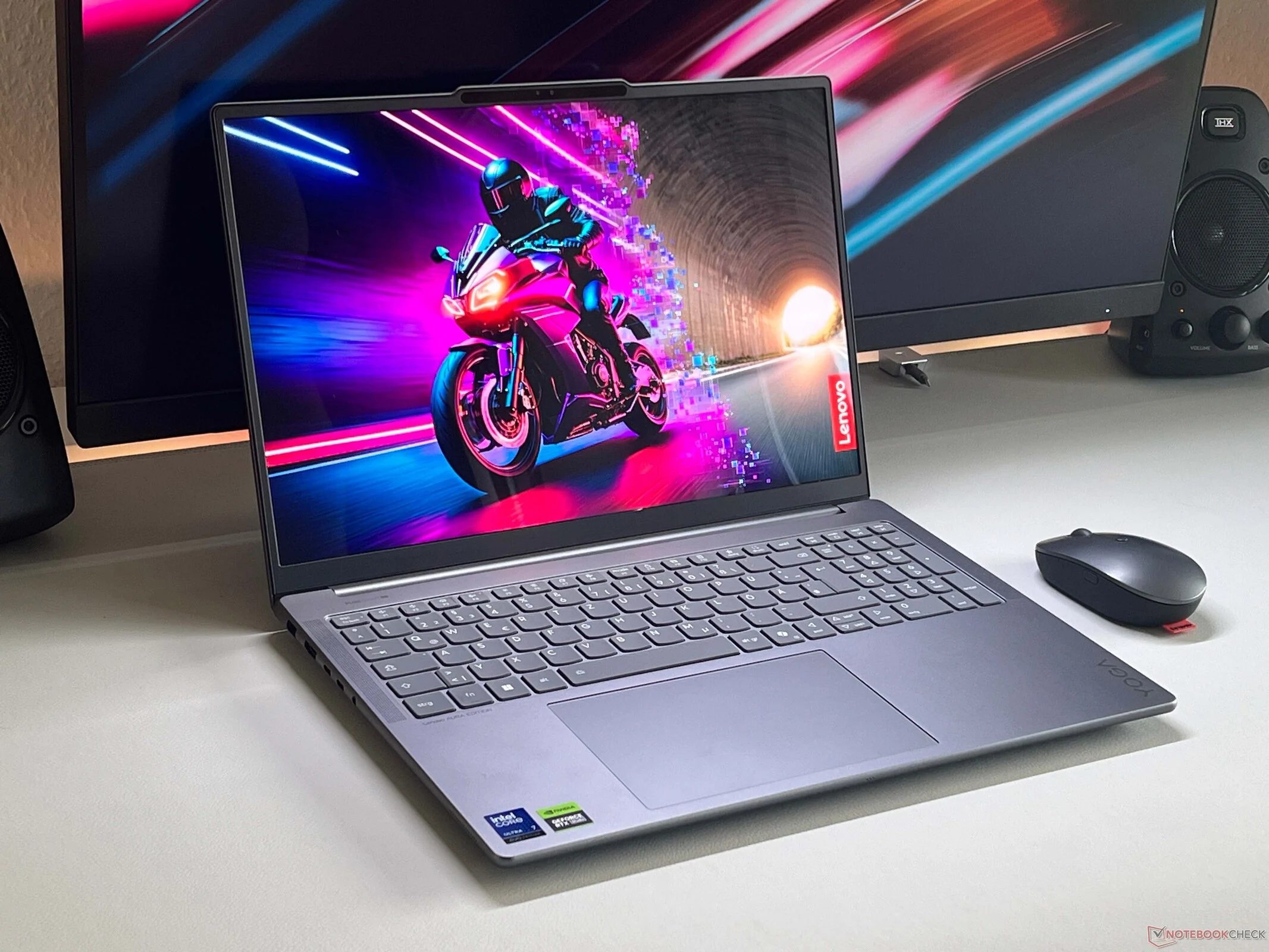
    The Lenovo Yoga Pro 9i 16 is the first laptop we’ve looked at that features this tandem OLED display. With a resolution of 3200 x 2000 pixels and a refresh rate of 120 Hz, it delivers exceptional image quality, covering the AdobeRGB color spectrum. In terms of brightness, it rivals Apple’s Mini-LED display, achieving nearly 1,000 nits in SDR and up to 1,600 nits in HDR. There is some PWM flickering at brightness settings of 60% and lower, but since the frequency exceeds 1 kHz and the amplitude is minimal, it shouldn’t pose any problems. When compared to the Mini-LED panel (which merges a traditional IPS display with Mini-LED backlighting), the OLED’s response times are significantly better, and there are fewer blooming issues. This could hint at what the OLED display in a future MacBook Pro may look like.

    A Closer Look at the OLED Screens

    Examining the 2.8K OLED display of the Yoga Pro 9i 16, which we previously reviewed, is also quite fascinating. It delivers remarkable image quality with high brightness levels (up to 1,100 nits) and stands out as one of the finest panels available today. However, if you frequently engage with HDR content (like games and movies) or utilize the broader color gamut, the 3.2K display is a significant upgrade. The new tandem OLED screen is also more power-efficient at equivalent brightness levels, as we found slightly longer battery life during our Wi-Fi testing compared to the 2.8K OLED. For more details on the new tandem OLED screen, check out our review of the Yoga Pro 9i 16.


  • Xiaomi Redmi TV X 2026: Mini LED, 288Hz Refresh Rate, 1200 Nits

    Xiaomi Redmi TV X 2026: Mini LED, 288Hz Refresh Rate, 1200 Nits

    Key Takeaways

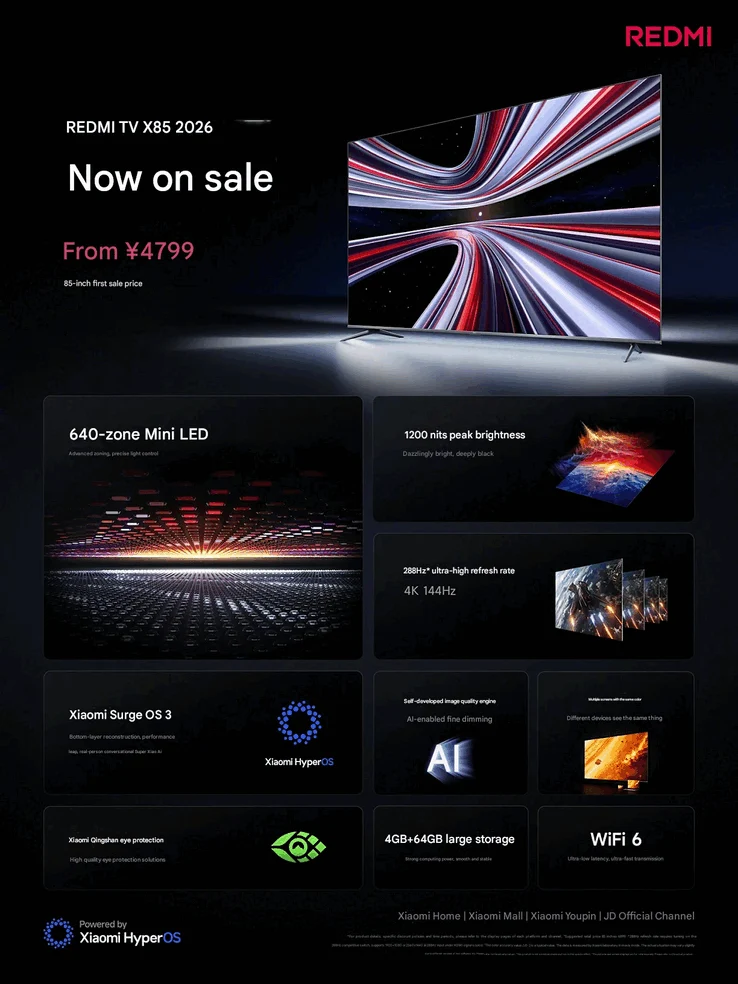
    1. Mini LED Display: The Redmi TV X 2026 features an 85-inch Mini LED display with 640 local dimming zones and a peak brightness of 1,200 nits, offering enhanced contrast and color quality.

    2. Filmmaker Mode: It includes a Filmmaker Mode that disables post-processing features for a more authentic viewing experience.

    3. Gaming Specs: The TV has a native refresh rate of 4K 144Hz, supports VRR, includes a Game Mode, and is certified for AMD FreeSync Premium, ensuring low latency for gamers.

    4. Consistent Processing Power: It uses the same MediaTek MT9655 quad-core processor as the previous model, with 4GB of RAM and 64GB of internal storage, running on Xiaomi’s new HyperOS 3 interface.

    5. Pricing and Availability: Currently available in China for 4,800 yuan (around $674), the TV is only offered in the 85-inch size, with no details on global release yet.


    The Redmi TV X 2026 is the latest addition to Xiaomi’s lineup of 4K TVs, designed to make Mini LED technology more accessible to everyone. It serves as the direct successor to the Redmi TV X 2025 from last year and comes packed with impressive features for its price point.

    Stunning Mini LED Display

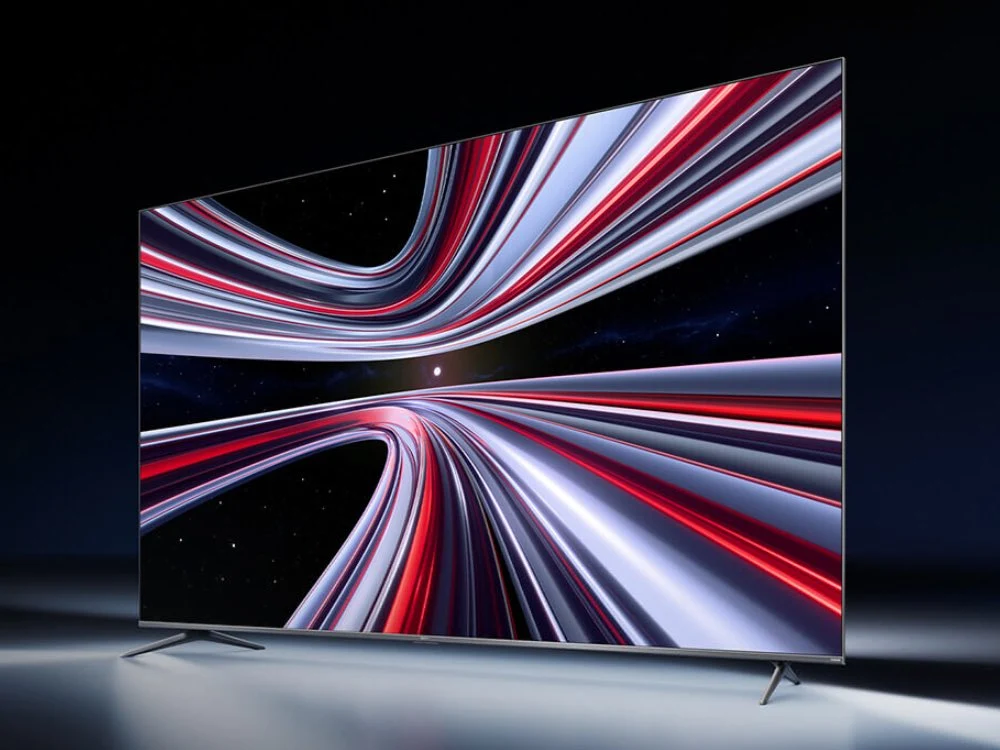
    One of the standout features of the Redmi TV X 2026 is its Mini LED display, marking a first for the Redmi series. The 85-inch screen includes 640 local dimming zones and can reach a peak brightness of 1,200 nits, offering deep blacks and bright colors comparable to OLED. Additionally, the TV is equipped with a new light sensor that adjusts the brightness and color temperature based on the surrounding light. It also includes a Filmmaker Mode that aims to provide a more authentic viewing experience by disabling post-processing features like motion smoothing, AI upscaling, and noise reduction.

    Gamer-Friendly Specs

    For gaming enthusiasts, the Redmi TV X 2026 comes with impressive specifications. It features a native refresh rate of 4K 144Hz, which can be boosted to 288Hz in a special mode, although the resolution in this mode reaches 2560 x 1440. The TV supports VRR (variable refresh rate), includes a Game Mode with settings for various gaming styles, and holds AMD FreeSync Premium certification, ensuring ultra-low latency of just 4ms. Dolby Vision Gaming support is also part of the package.

    Similar Processing Power

    The processing setup in the Redmi TV X 2026 appears to remain consistent with last year’s version, still utilizing a MediaTek MT9655 quad-core processor that has four Arm Cortex-A73 cores along with a Mali-G52 MC1 GPU. It includes 4GB of RAM and 64GB of internal storage. Out of the box, the TV runs on Xiaomi’s new HyperOS 3 interface.

    The Redmi TV X 2026 is currently on sale in China for 4,800 yuan (approximately $674). It is only available in the 85-inch size, and there’s no information yet about its global release. Given that previous X series models found their way to international markets under different names, this model is likely to follow suit.

    Source:
    Link


  • G7 Ultra 4K Gaming Monitor: 2000 Nits Brightness & 330Hz Refresh

    G7 Ultra 4K Gaming Monitor: 2000 Nits Brightness & 330Hz Refresh

    Key Takeaways

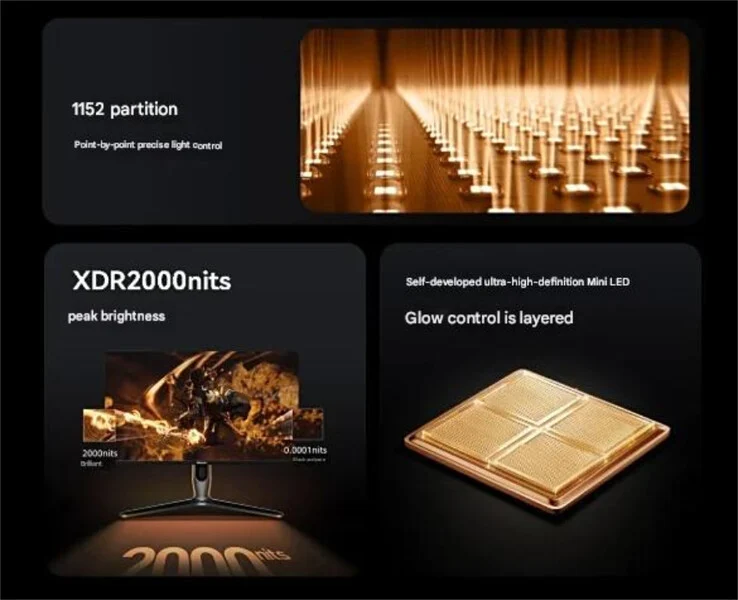
    1. The Hisense G7 Ultra gaming monitor features a 27-inch IPS panel with Mini LED backlighting and 1,152 zones of backlighting.
    2. It offers 99% coverage of sRGB and DCI-P3 color gamuts, with factory calibration keeping color deviations below Delta E <2. 3. The monitor has a default resolution of 4K and a refresh rate of 160 Hz, which can be increased to 320 Hz at 1080p, with a 1 ms GtG response time. 4. It holds a DisplayHDR 1400 certification, achieving peak brightness of at least 1,400 nits, with claims of reaching up to 2,000 nits. 5. The Hisense G7 Ultra is priced at CNY 3,299 (about $462) in China, with no current information on international availability.


    Hisense has added a new gaming monitor to its collection in China. Unlike many competitors who have opted for QD-OLED and W-OLED technologies, the G7 Ultra utilizes a 27-inch IPS panel enhanced by Mini LED backlighting. This new gaming monitor features 1,152 zones of backlighting.

    Impressive Color Coverage

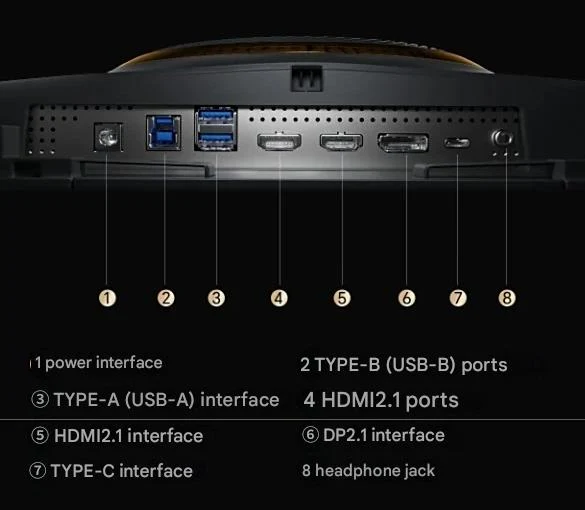
    The G7 Ultra is designed to cover an impressive 99% of the sRGB and DCI-P3 color gamuts, and it comes with factory calibration that keeps color deviations below Delta E <2. The monitor operates at a default resolution of 4K with a refresh rate of 160 Hz, but gamers can push it to 320 Hz by switching to 1080p, while maintaining a rapid 1 ms GtG response time. Additionally, the G7 Ultra is equipped with DisplayPort 2.1, HDMI 2.1, and USB Type-C inputs, along with USB Type-A and Type-B ports.

    HDR Certification and Brightness Claims

    The G7 Ultra holds a DisplayHDR 1400 certification, ensuring it can achieve a peak brightness of at least 1,400 nits, positioning it just shy of premium monitors like the Apple Pro Display XDR (currently priced at $4,999 on Amazon). However, Hisense asserts that the monitor can actually reach 2,000 nits brightness, further enhanced by its DC dimming feature.

    The Hisense G7 Ultra is priced at CNY 3,299 in China, which translates to about $462. Unfortunately, there is no information yet from Hisense about whether this Mini LED gaming monitor will be available in international markets.

    Source:
    Link


  • Xiaomi Launches Affordable Mini LED TV Series with Upgrades

    Xiaomi Launches Affordable Mini LED TV Series with Upgrades

    Key Takeaways

    1. The Xiaomi TV S Pro Mini LED 2026 series features a “1,792 backlight zone” for improved light and shadow management, enhancing image quality.
    2. It offers a peak brightness of 5,200 nits, significantly higher than the 2025 models, resulting in brighter visuals and a better HDR experience.
    3. The new series has 95% DCI-P3 color coverage and is factory calibrated for true-to-life colors, along with a “Master quality engine” for dynamic image improvements.
    4. Gamers benefit from a refresh rate of up to 330 Hz, support for AMD FreeSync Premium, and VRR to minimize screen tearing.
    5. The TVs have thinner bezels (4.35 mm), a 2.1.2 cinema-quality audio system with Dolby Atmos, and various connectivity options.


    Xiaomi has launched the TV S Pro Mini LED 2026 series in China, showcasing a significant upgrade from the 2025 models. The company emphasizes several enhancements, with the standout feature being the “1,792 backlight zone,” which promises to deliver vibrant details in images through “accurate light and shadow management.”

    Brightness and Performance

    The new Mini LED TV series boasts a peak brightness of 5,200 nits. Although this is a local peak brightness figure, it’s a remarkable improvement over the 2025 series, which had a peak of 3,200 nits. This enhancement is expected to result in brighter visuals and an improved HDR experience overall.

    Color Accuracy and Enhancements

    Additionally, Xiaomi points out that the DCI-P3 color coverage for the new TVs is at 95%, and the panels are factory calibrated to provide true-to-life colors. The latest models are equipped with a “Master quality engine,” which is said to offer dynamic image improvements for better viewing.

    Gaming Features

    One of the more exciting upgrades is the refresh rate of up to 330 Hz, which is great for gamers. In contrast, the previous 2025 Mini LED TV series had a maximum refresh rate of 288 Hz. Xiaomi mentions that the new series supports AMD FreeSync Premium and VRR, which should minimize screen tearing and create a smoother gaming experience.

    Additional Specifications

    Other improvements over the earlier Mini LED TVs include thinner bezels, measuring just 4.35 mm, as well as a 2.1.2 cinema-quality audio system tuned by Harman and featuring Dolby Atmos. The TV series also comes with a variety of I/O ports, enhancing connectivity options.

    Xiaomi’s TV S Pro Mini LED 2026 series is offered in four sizes, with the launch prices set as follows:

    These converted prices from China are generally lower than many other Mini LED TVs loaded with features available worldwide (for instance, the Hisense 65″ Class U8 is currently priced at $1,081.99 on Amazon). Nevertheless, Xiaomi has not yet announced when the TV S Pro 2026 series will be available internationally.

    Source:
    Link


  • TCL Launches 57-Inch Curved Ultrawide Gaming Monitor: 120Hz, 8K

    TCL Launches 57-Inch Curved Ultrawide Gaming Monitor: 120Hz, 8K

    Key Takeaways

    1. Large Display: The TCL 57R94 features a 57-inch diagonal size and a 32:9 aspect ratio, equivalent to two 32-inch 16:9 monitors side by side.

    2. High Resolution and Color Quality: It has a resolution of 7,680 x 2,160, covering up to 98% of the DCI-P3 color gamut with 2,304 dimming zones for enhanced contrast.

    3. Gaming Specifications: The monitor includes a 120 Hz refresh rate, 1 ms response time, and AMD FreeSync Premium for reduced screen tearing.

    4. Audio and Connectivity Options: It features integrated stereo speakers, a subtle RGB light strip, multiple ports including HDMI 2.1 and USB-C, and a KVM switch for managing multiple devices.

    5. Release Information: The TCL 57R94 will launch in France around the end of June, with pricing and availability details for other regions still pending.


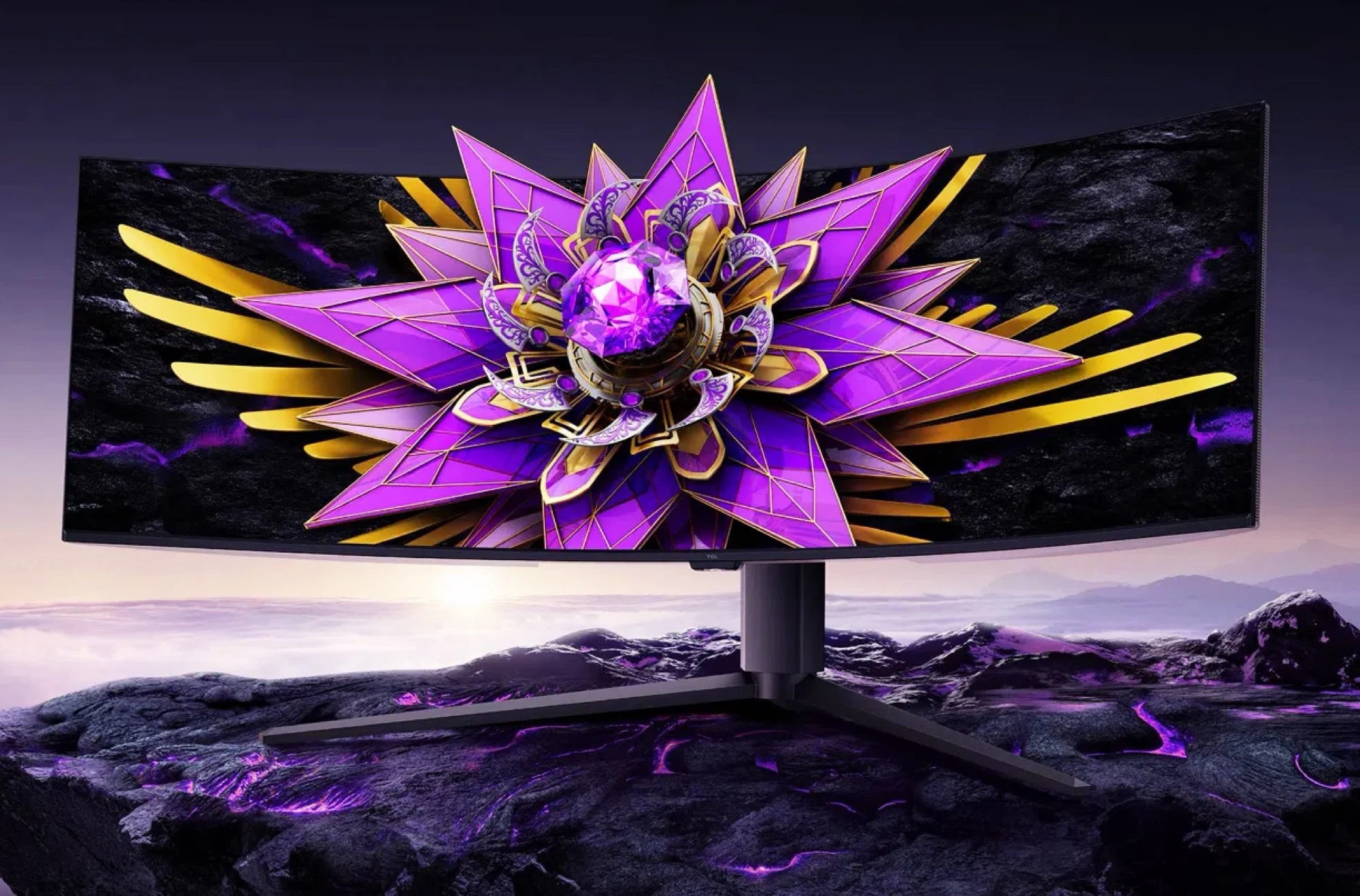
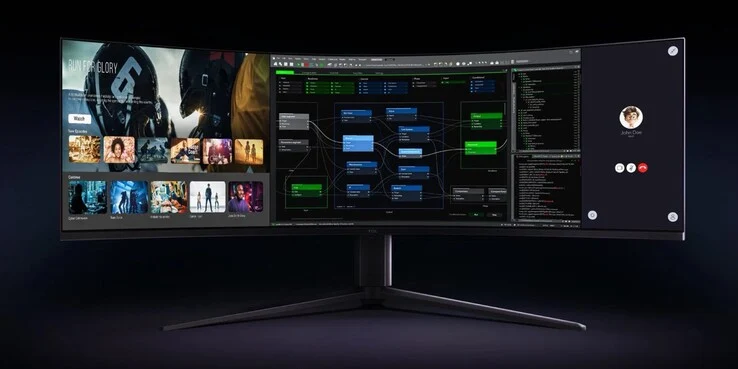
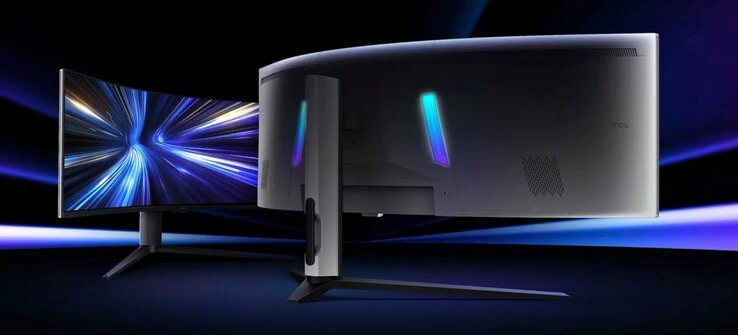
    The TCL 57R94 stands as one of the biggest gaming monitors available today. With a diagonal measurement of 57 inches and a 32:9 aspect ratio, this display is nearly equivalent to two 32-inch 16:9 monitors positioned next to each other. Featuring a Fast-HVA panel, it delivers a resolution of 7,680 x 2,160, which is basically like combining two 4K monitors, resulting in a pixel density of 140 PPI.

    Impressive Color and Brightness

    According to TCL, this panel can achieve coverage of up to 98% of the DCI-P3 color gamut. It also boasts 2,304 dimming zones which enhance contrast, while the mini-LED backlight allows the monitor to reach an impressive HDR peak brightness of 1,200 nits. The curvature of the TCL 57R94 is set at 1,000R, providing an excellent viewing angle. Moreover, it features gaming-centric specifications like a 120 Hz refresh rate, a 1 ms response time, and compatibility with AMD FreeSync Premium to minimize screen tearing.

    Powerful Audio and Connectivity

    The integrated stereo speakers, rated at 2 x 10 watts, are quite powerful for a monitor setup. A subtle RGB light strip on the back adds a nice ambient glow behind the screen. The monitor is outfitted with two HDMI 2.1 ports, a single DisplayPort 1.4, and a USB-C port that can charge devices up to 90 watts. Additional features include a USB-A hub with four ports (5 Gbit/s), a 3.5 mm headphone jack, a KVM switch, and a stand that can be adjusted for height.

    Launch and Availability

    The TCL 57R94 is set to be released initially in France around the end of June. Details regarding pricing and availability in other regions are still pending. For more information, you can check out the official product page.

    Source:
    Link


  • AOC Q27G40XMN: New 1440p Mini LED Gaming Monitor 1200 Nits

    AOC Q27G40XMN: New 1440p Mini LED Gaming Monitor 1200 Nits

    Key Takeaways

    1. AOC Q27G40XMN features a mini-LED backlight with 1,152 dimming zones, providing high contrast and HDR support.
    2. The monitor has a 27-inch VA panel, a refresh rate of 180Hz, and a response time of 1 millisecond.
    3. It fully covers the sRGB color space with a color deviation of DeltaE<2, ensuring accurate colors for gaming. 4. The resolution is 2560 x 1440 pixels, which requires less GPU power compared to 4K monitors. 5. Priced at $299, the AOC Q27G40XMN is an affordable option for gamers, but lacks features like a USB hub.


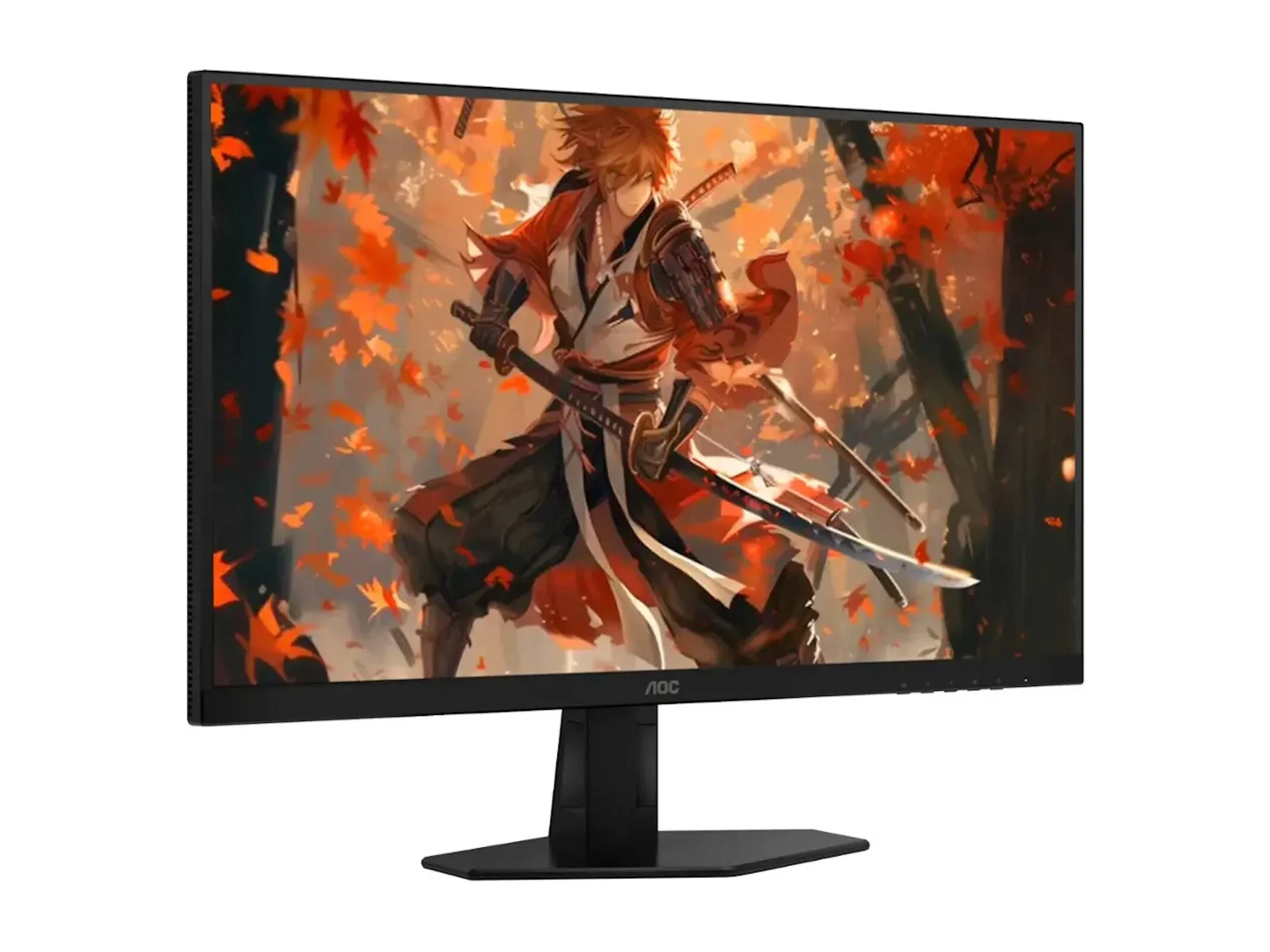
    AOC has launched a new gaming monitor known as the Q27G40XMN. This display provides quick response times, a high refresh rate, and a good contrast ratio. Instead of using an OLED panel, AOC has chosen a mini-LED backlight with 1,152 individual dimming zones. The Q27G40XMN is capable of supporting HDR and can reportedly reach a peak brightness of 1,200 nits.

    Color Accuracy and Performance

    As per the company, it fully covers the sRGB color space with a color deviation of DeltaE<2. This means that users can expect quite accurate colors, but it's important to note that this monitor isn’t intended for professional content creators. Additionally, this latest AOC monitor features a VA panel with a refresh rate of 180Hz and a gray-to-gray response time of just 1 millisecond. With G-Sync support, it effectively eliminates tearing, while the resolution of 2560 x 1440 pixels is standard for mid-range gaming monitors. This setup requires less GPU power for decent frame rates, especially when compared to 4K screens.

    Display Specifications and Pricing

    Notably, the 1440p mini-LED gaming monitor spans 27 inches, though gamers will have to forgo some advanced options like a USB hub. The AOC Q27G40XMN is currently priced at $299 at Best Buy, making it a fairly affordable choice for those in the market for a new gaming monitor.

    Source:
    Link


  • Xiaomi Redmi Monitor G Pro 27U: 4K Mini LED, 1600 Nits, 320Hz

    Xiaomi Redmi Monitor G Pro 27U: 4K Mini LED, 1600 Nits, 320Hz

    Key Takeaways

    1. The Redmi Monitor G Pro 27U features Mini LED backlights and has a peak brightness of 1,600 nits, achieving VESA DisplayHDR 1000 certification and supporting Dolby Vision HDR content.
    2. It has upgraded from a 1440p resolution to 4K, with a slight decrease in refresh rate from 180 Hz to 160 Hz, but can downscale to 1080p for a refresh rate of 320 Hz.
    3. The monitor offers 99% coverage of Adobe RGB and DCI-P3 color spaces, ensuring vibrant color reproduction.
    4. Connectivity includes DisplayPort 1.4, HDMI 2.1, built-in 5 W speakers, and a two-port USB hub, enhancing versatility.
    5. The Redmi Monitor G Pro 27U comes with HyperOS 2, enabling Smart TV functionality, but the launch price and international availability have not been disclosed.


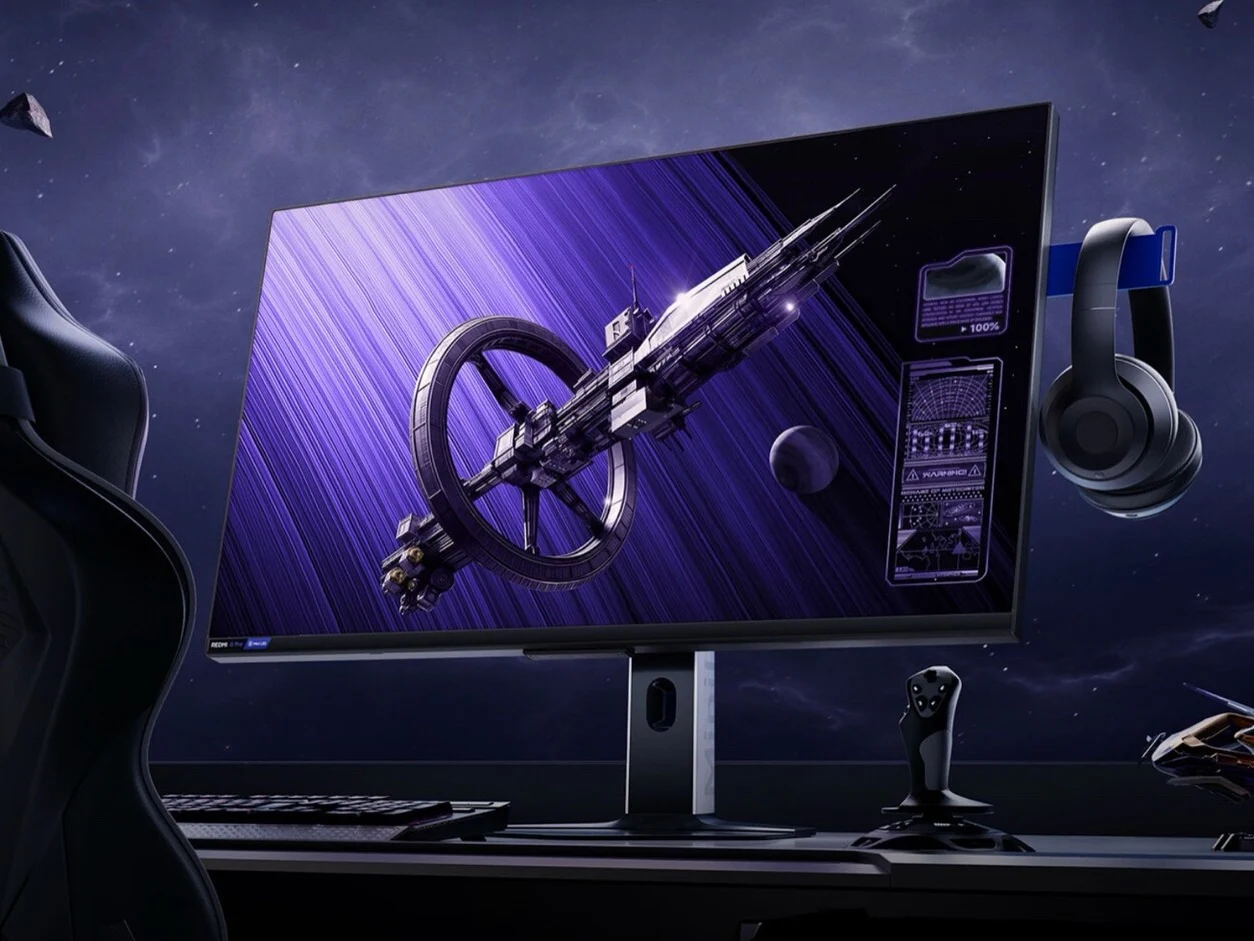
    The Redmi Monitor G Pro 27U is the newest gaming monitor from Xiaomi, utilizing Mini LED backlights. To give some background, it has been over a year since the company introduced the Redmi Display G Pro 27 with similar panel technology. Nonetheless, it took until September for Xiaomi to globally launch the same monitor as the Monitor G Pro 27i, alongside the more affordable G24i and G27Qi (curr. $189.99 on Amazon).

    Enhanced Brightness and HDR Support

    The Redmi Monitor G Pro 27U features 1,152 Mini LED local dimming zones, mirroring its predecessor. These zones enabled the Redmi Display G Pro 27 to achieve a peak brightness of up to 1,000 nits, while the new model is rated for a peak brightness of 1,600 nits, and it also holds a VESA DisplayHDR 1000 certification. Additionally, the Redmi Monitor G Pro 27U is compatible with Dolby Vision HDR content when applicable.

    Updated Resolution and Refresh Rate

    Xiaomi has increased the resolution from 1440p to 4K, although this change comes with a slight decrease in refresh rate from 180 Hz to 160 Hz. To balance this out, the Redmi Monitor G Pro 27U can downscale its Fast IPS panel to 1080p, which then allows for a refresh rate boost to 320 Hz. No matter the resolution or frame rate selected, the monitor aims to achieve 99% coverage of Adobe RGB and DCI-P3 color spaces.

    Connectivity and Smart Features

    The new monitor is equipped with DisplayPort 1.4 and HDMI 2.1 ports, in addition to a pair of 5 W speakers and a two-port USB hub. Furthermore, Xiaomi has included HyperOS 2, allowing the Redmi Monitor G Pro 27U to function as a Smart TV when desired. However, the company has yet to disclose the launch price, nor have they confirmed if the Redmi Monitor G Pro 27U will be available internationally.

    Source:
    Link


  • Sony Launches New RGB LEDs for Monitors with 4,000 Nits Brightness

    Sony Launches New RGB LEDs for Monitors with 4,000 Nits Brightness

    Key Takeaways

    1. Sony introduces a new display technology using RGB LEDs instead of traditional mini-LED backlights, aimed at reducing production costs.
    2. The RGB LEDs provide a wider color gamut, achieving 99% coverage of DCI-P3 and 90% of BT.2020 color spaces, improving color accuracy and transitions.
    3. The technology boasts peak HDR brightness over 4,000 nits and a 96-bit color depth, offering better detail in both bright and dark areas compared to OLED displays.
    4. Enhanced processing capabilities allow for quicker local dimming adjustments, with improvements made in collaboration with MediaTek.
    5. Initial products featuring this RGB LED backlight are expected to enter mass production by 2025, targeting professional monitors for content creators.


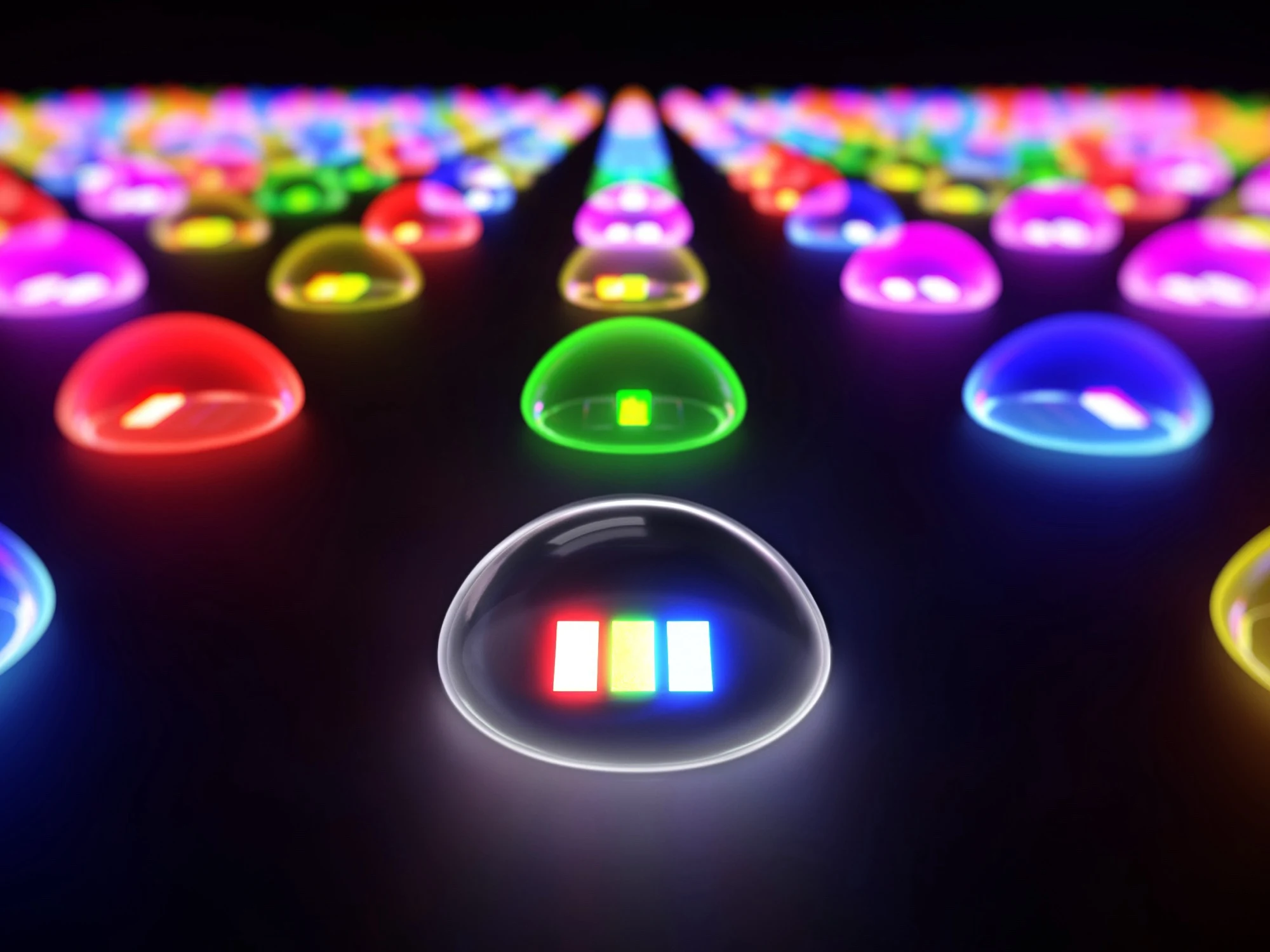
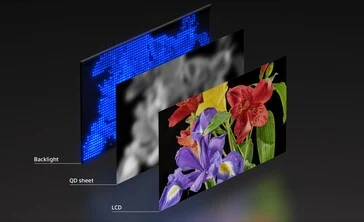
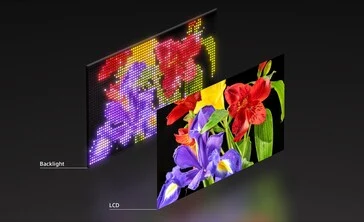
    Sony has today revealed a groundbreaking display technology that swaps out the traditional mini-LED backlight for RGB LEDs. This new backlight will still work in conjunction with an LCD panel, instead of using individual LEDs for each pixel like microLED screens do. This innovative method is expected to greatly lower production expenses.

    Improved Color Performance

    When put next to a standard mini-LED screen, these RGB LEDs are claimed to offer a much broader color gamut, as Sony mentions achieving 99% coverage of the DCI-P3 color space and 90% of the BT.2020 color space. The brightness and color of the LEDs are fine-tuned according to the content on the screen, making it possible to display even the most subtle color transitions without noticeable banding.

    Enhanced Brightness and Detail

    Additionally, Sony is boasting that this new technology will deliver the highest color intensity of any display they have created, with a peak HDR brightness exceeding 4,000 nits. The panel processes images at a color depth of 96-bit, promising that both very bright and very dark areas will be represented with remarkable detail. In fact, the panel is claimed to outperform OLED displays in this aspect. The processing capability has been enhanced, being twice that of Sony’s mini-LED monitors, which should result in much quicker local dimming adjustments. This related control module was developed in partnership with MediaTek.

    Future Products

    As per Sony, the first products featuring this innovative RGB LED backlight are set to go into mass production by 2025. These panels will likely debut in professional monitors aimed at content creators. However, Sony has not yet disclosed if or when consumer-friendly displays utilizing this technology will become available on the market.

    Source:
    Link