Tag: Hardware Unboxed

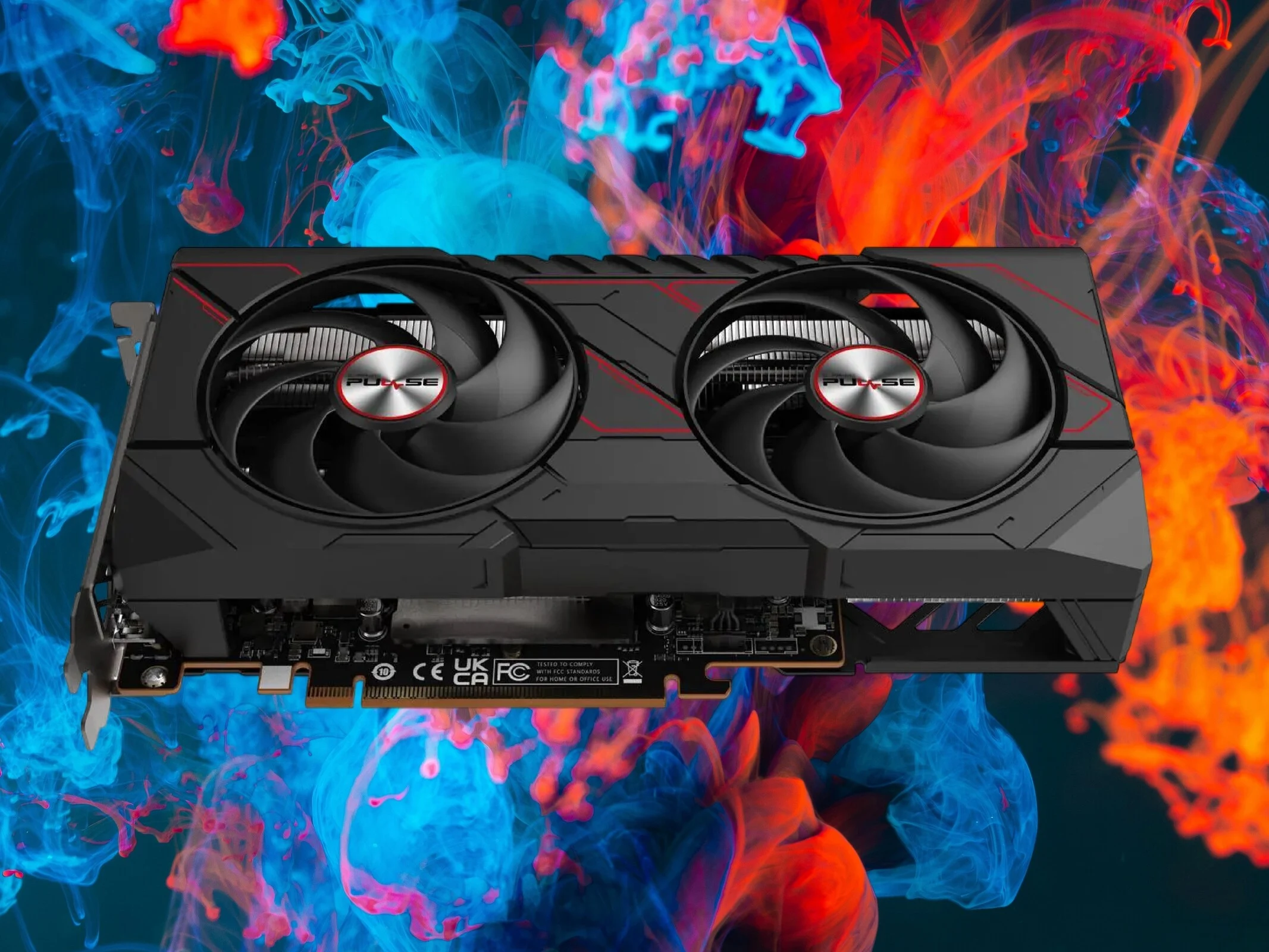
  • AMD RX 9070 GRE vs RX 9070: Same Price, 16% Worse

    AMD RX 9070 GRE vs RX 9070: Same Price, 16% Worse

    Key Takeaway

    – RX 9070 GRE essentially matches RX 7900 GRE performance, 16% behind RX 9070
    – 25% faster than RTX 5060 Ti 16 GB at 1440p, but 5% slower than RTX 5070
    – Poor value at $549 MSRP due to only $50 less than the superior RX 9070
    – 9% worse cost per frame than RX 9070, which offers 4GB more VRAM and 16% better raster
    – Makes more sense compared to overpriced Nvidia alternatives, but should have launched at $500 or less


    AMD’s New GPU Finally Hits Global Shelfs

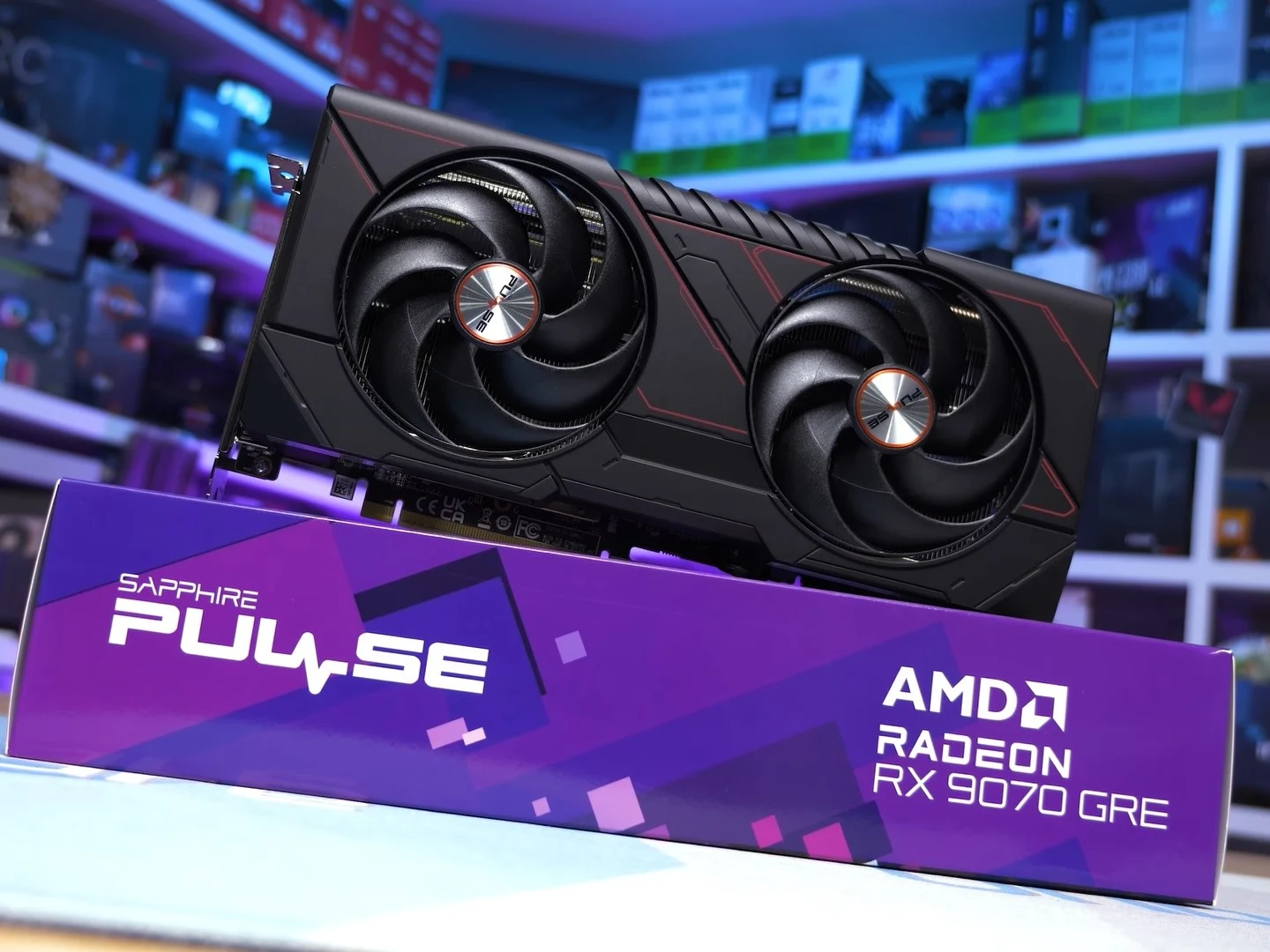
    A year after its availability in China, AMD has brought the Radeon RX 9070 GRE to the US and other regions. The card is meant to be a cheaper alternative to the RX 9070 and a direct competitor to the RTX 5060 Ti 16 GB and the RTX 5070. However, the RX 9070 GRE fails to make a solid case for itself in Hardware Unboxed’s review.

    Benchmark and Performance Numbers

    Per HU’s testing of 15 games at 1440p, the RX 9070 GRE essentially matches the performance of the RX 7900 GRE and falls 16% behind the RX 9070. It is also 5% slower than the RTX 5070. However, the RX 9070 GRE is 25% faster than the RTX 5060 Ti 16 GB at 1440p. At 4K, the RX 9070 GRE shows a similar performance deficit to the RTX 5070 and the RX 9070.

    Ray Tracing and Power Draw

    Moving on to the average ray tracing performance in seven tested titles at 1440p, the RX 9070 GRE is not particularly impressive. It is 10% slower than the RTX 5070 and 17% slower than the RX 9070. The RX 9070 GRE’s only real advantage here is against the RTX 5060 Ti 16 GB, where the Radeon card is 17% faster. Power-consumption-wise, the RX 9070 GRE sits between the RX 9070 and the RTX 5070. It consumes much less than the RX 9070 but gets handily beaten by the RTX 5070.

    Value and Pricing Analysis

    In a vacuum, the RX 9070 GRE could be considered a pretty solid GPU. It is much faster than the RTX 5060 Ti 16 GB and only marginally behind the RTX 5070. However, AMD has priced the RX 9070 GRE too close to the RX 9070. HU calls the RX 9070 GRE “a waste of time” at the official $549 MSRP. HU notes that the RX 9070 GRE delivers a 9% worse cost per frame than the RX 9070. At $549, the RX 9070 GRE is only $50 less than the RX 9070, which you can currently find for $599 on Amazon. HU argues that the RX 9070 costing just $50 more for 4 GB extra VRAM and 16% better raster performance than the RX 9070 GRE has made the latter a pretty unremarkable option. It would’ve been much better if the RX 9070 GRE had launched at $500 or less.

    Comparisons to Nvidia’s Offerings

    The RX 9070 GRE makes much more sense when we compare it to the RTX 5070 and the RTX 5060 Ti 16 GB, as Nvidia GeForce GPUs have seen a worse price increase compared to AMD Radeon cards. For instance, the cheapest RTX 5070 on Amazon, at the time of writing, is a $607 MSI Ventus Black RTX 5070 that is on sale at a 7% discount. So, normally, you’d be looking at an RTX 5070 that is much more than $600. For the RTX 5060 Ti 16 GB, you’ll need to shell out $549.99 on Amazon to get an Asus Prime GeForce RTX 5060 Ti 16 GB. So, the RX 9070 GRE makes more sense here.

    • RX 9070 GRE: 1440p performance matches RX 7900 GRE, 16% behind RX 9070, 5% slower than RTX 5070
    • Ray tracing: 10% slower than RTX 5070, 17% slower than RX 9070, 17% faster than RTX 5060 Ti 16 GB
    • Power consumption: Between RX 9070 and RTX 5070, better than RX 9070 but worse than RTX 5070
    • Pricing: $549 MSRP, only $50 less than RX 9070 at $599
    • Competition: RTX 5070 starts at $607, RTX 5060 Ti 16 GB at $549.99

    Final Verdict from Reviewers

    Hardware Unboxed on YouTube provided all these insights, concluding the card is a waste of time at its current price. They emphasize the $50 savings does not justify the 16% performance loss and reduced VRAM compared to the RX 9070. The card would be more attractive at $500 or below.
    Sources

  • Forza Horizon 6 Reviews: Mostly Positive With Caveats

    Forza Horizon 6 Reviews: Mostly Positive With Caveats

    Key Takeaway

    – Stunning visuals, but the world feels “empty” with wide roads and sparse traffic, especially in Tokyo.
    – PC VRAM matters: 8 GB variants struggle to hit 60 FPS at 1080p with DLSS Quality + Extreme+RT; 16 GB variants are significantly faster, with ~12 GB VRAM usage at these settings.
    – Console performance is strong (Series X/S) with good visuals and smooth play, but pop-in exists and not all ray tracing features are present compared to PC.
    – Frame generation helps a lot: 4x FG can push FPS over 120, and the Extreme preset without RT + TAA gives around 64 FPS at 1080p—useful as a VRAM-friendly starting point.

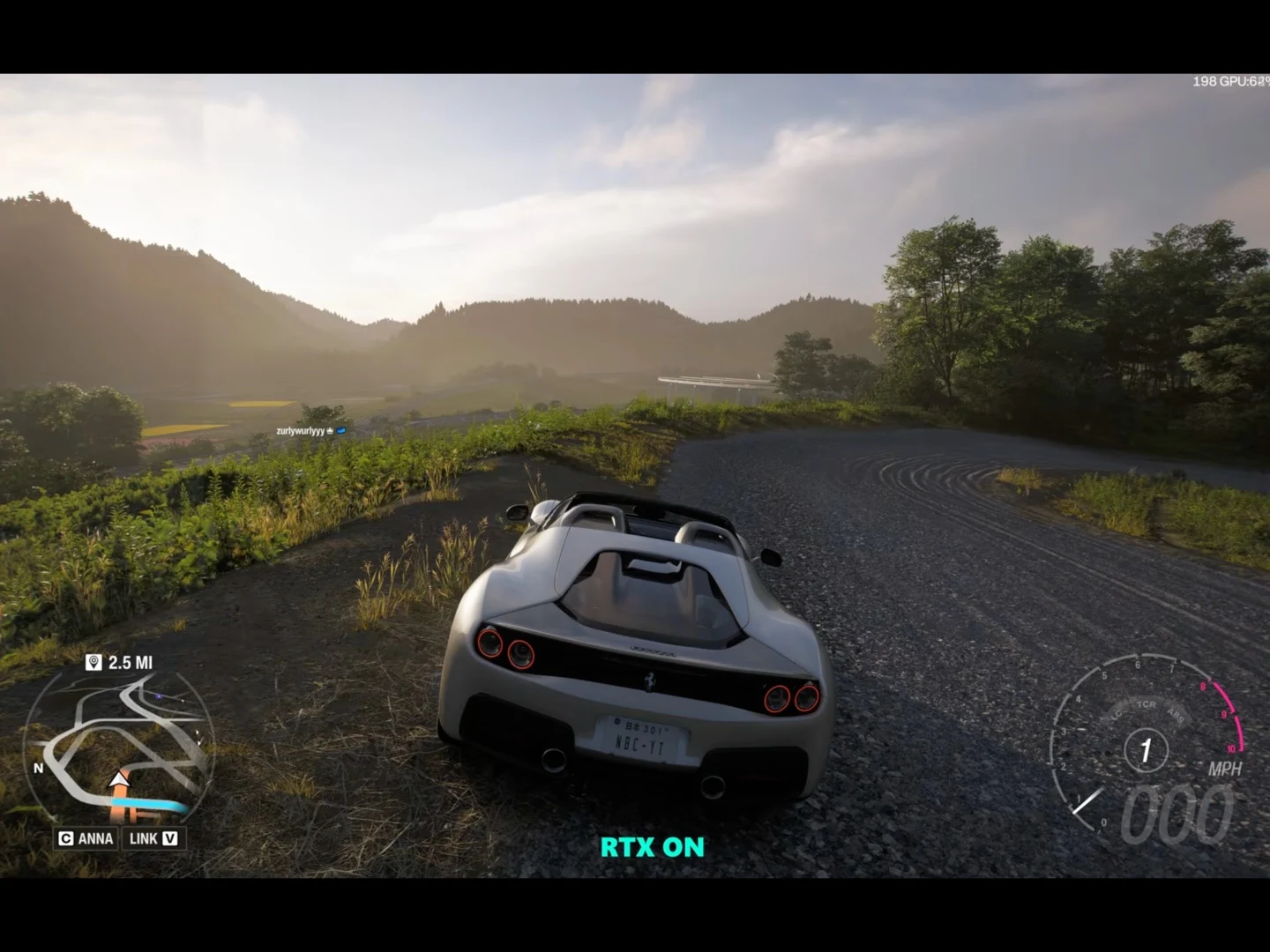
    Early reviews for Forza Horizon 6 are out, and for the most part, the game looks quite promising. In our first impressions video, we compared the performance on an RTX 5060 gaming laptop and one with an RTX 5090. The game is well-optimized (check out our benchmarks), looks stunning, and is fun to play, but there are some aspects that could leave racers wanting for more.

    Initial impressions

    With the review embargo lifted, several channels have released their reviews after testing the game for a couple of weeks. In Digital Foundry’s review, John mentions that the game is “beautiful but empty,” pointing to the wider roads with minimal traffic. While Tokyo has been recreated really well in Forza Horizon 6, the streets feel empty. This was the larger community’s feedback as well after the first gameplay footage dropped.

    Community reaction

    On Xbox consoles, both the Series X and S, the game looks and runs great. Pop-in is an issue, but not as much as Forza Horizon 5, John notes. Also, consoles don’t get the full ray tracing feature set when compared to the PC version. The Japan festival seems to have the exact same presentation as Forza Horizon 5’s Mexico festival.

    Platform differences

    For a more technical preview, Hardware Unboxed tested the game on 8 GB and 16 GB VRAM versions of an RTX 5060 Ti. The results were not very surprising as the 8 GB variant struggled to reach 60 FPS at 1080p with DLSS quality and the Extreme + RT (ray tracing) preset. However, the 16 GB variant was 56% faster with average framerates in the low 70s. At these settings, Forza Horizon 6 demands around 12 GB VRAM. We found similar results with our RTX 5060-powered Lenovo Legion 7a, with the game running at around 37 FPS at these settings.

    Technical notes

    That being said, the Extreme preset (without RT) + TAA looks pretty good and delivers a solid 64 FPS average at 1080p, so those with limited VRAM can use that as a starting point to tweak settings. Furthermore, FG (frame generation) helps greatly with 4x FG, pushing framerates to over 120 FPS.

    Performance takeaways

    Overall, Forza Horizon 6 is looking like a great addition to the series. It is releasing on May 19 on Xbox consoles and PC, and our first impressions come from Digital Foundry on YouTube and Hardware Unboxed on YouTube.

  • RX 9070 XT vs RTX 5070: Speed and Value of RDNA 4 GPU

    RX 9070 XT vs RTX 5070: Speed and Value of RDNA 4 GPU

    Key Takeaways

    1. The RX 9070 XT is 24% faster than the RTX 5070 at 1440p, making it a strong option for gamers.
    2. AMD’s drivers have improved performance for the RX 9070 XT since its launch, enhancing its value.
    3. The RX 9070 is priced around $549, making it a better budget option compared to the RX 9070 XT.
    4. The RX 9070 XT is currently priced at $650, which is above its MSRP and less appealing due to limited performance gain over the RX 9070.
    5. The RX 9070 offers better value for those looking to spend the least, while the RX 9070 XT needs to drop in price to compete effectively.


    Last week, Hardware Unboxed (HU) shared a comparison of gaming performance between the Radeon RX 9070 and the GeForce RTX 5070, utilizing the newest drivers and FSR 4/DLSS 4. This comparison revealed that thanks to updates in drivers and games, the RX 9070 has become even more powerful since its launch, making it tough to justify the investment in the RTX 5070.

    New Addition to the Test

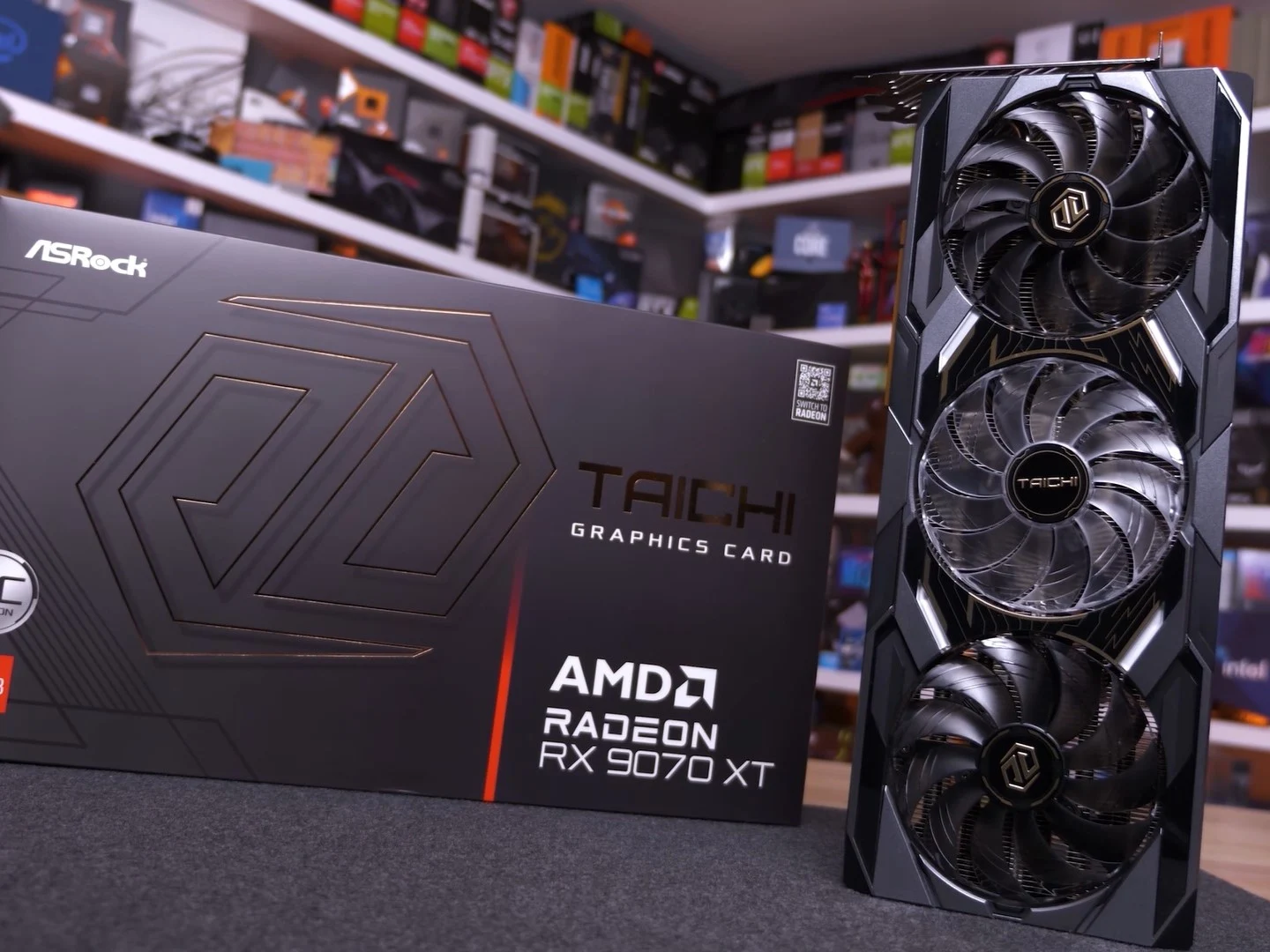
    Now, HU has incorporated the RX 9070 XT into the evaluation to check the current performance and value provided by the top RDNA 4 GPU. This addition is logical as the RX 9070 XT, priced at $599, is designed to be about $50 pricier than both the RX 9070 and the RTX 5070.

    As a quick reminder, the RX 9070 XT was shown to be 12% faster than the RX 9070 in games during our original review. The performance gap compared to the RTX 5070 is roughly 19%.

    Performance Insights

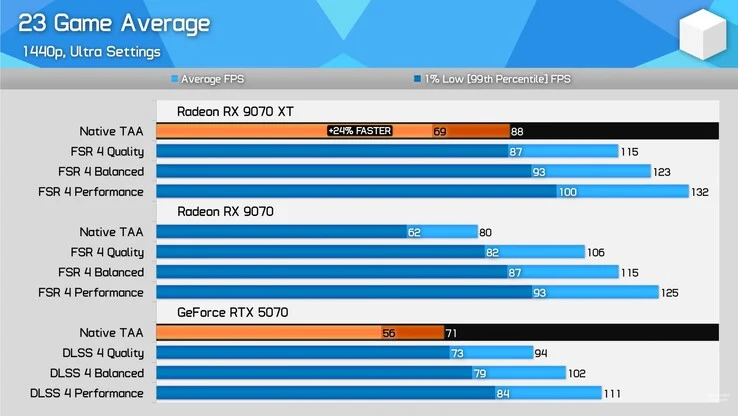
    According to HU’s average performance across 23 games at 1440p, the RX 9070 XT is now approximately 24% faster than the RTX 5070 and 10% faster than the RX 9070. Although the performance difference between the RX 9070 XT and RX 9070 remains the same as at launch, the RTX 5070 has lagged even further behind. This trend holds true even when the RTX 5070 uses DLSS 4.

    While using FSR 4 in Quality, Balanced, and Performance modes, the RX 9070 XT appears to be 22%, 21%, and 19% faster than the RTX 5070, respectively, with the matching DLSS 4 profiles. The performance gap between the RX 9070 XT and RX 9070 with FSR 4 active is 8% (Quality), 7% (Balanced), and 6% (Performance).

    AMD’s Driver Reputation

    It seems that AMD drivers are indeed living up to their image of improving over time, as the RX 9070 XT now shows clear performance upgrades since its initial launch. Nevertheless, the GPU is still not available at its official price of $599.

    In the United States, the availability of RDNA 4 cards has significantly improved in recent months. Prices for the RX 9070 and RX 9070 XT have also decreased. For example, you can find the RX 9070 for around $549 or close to its MSRP. However, the RX 9070 XT is still selling above its $599 MSRP, which makes the card less attractive.

    Pricing Comparison

    HU mentions that the RX 9070 XT, which is currently priced at $650 on Newegg, provides 24% better performance than the RTX 5070 for just 18% more cost. With an additional 4 GB of VRAM, the 18% price increase might be justified for some gamers. However, the value of the $650 RX 9070 XT doesn’t measure up well against the RX 9070, as the former only delivers a 10% performance increase for 18% more money. Both GPUs have the same 16 GB VRAM capacity.

    In simpler terms, if you want to spend the least amount possible, the RX 9070 is definitely the superior option right now. We hope the RX 9070 XT drops to its official MSRP, making it a much better choice compared to the RX 9070 and the RTX 5070 (which can be found on Amazon).

    Source:
    Link


  • RX 9070 XT Beats RTX 5070 Ti by 200% in Australia Sales

    RX 9070 XT Beats RTX 5070 Ti by 200% in Australia Sales

    Key Takeaways

    1. AMD is focusing on the affordable RX 9000 series instead of flagship RDNA 4 GPUs to regain market presence lost to Nvidia.

    2. The RX 9070 XT has significantly outperformed the RTX 5070 Ti in Australia, outselling it by over 200%.

    3. Despite claims of low market share for AMD, the actual division may be more favorable to AMD than reported, with a 44% market share in Australia.

    4. RX 9000 GPUs have not seen significant price reductions, indicating strong demand and sales performance.

    5. The RX 9060 XT and RX 9070 XT are top sellers on Newegg, with AMD occupying seven out of the top ten GPU spots, though Nvidia still leads on Amazon’s best-sellers list.


    When AMD made the choice to bypass the flagship RDNA 4 GPUs and focus on the more affordable RX 9000 series, many saw it as Team Red’s strategy to regain some market presence lost to Nvidia. This approach appears to be effective for AMD in certain areas, as reported by Hardware Unboxed (HU) in a recent video, which indicates that the RX 9070 XT has significantly outperformed the RTX 5070 Ti in Australia.

    Insights into the Australian Market

    The video from HU provides valuable insights into the Australian DIY gaming PC landscape. Furthermore, it serves as a cautionary note against taking GPU market share claims from firms like Jon Peddie Research (JPR) too lightly.

    JPR claimed last month that in Q2 2025, Nvidia GeForce GPUs represented 94% of the AIB cards sold, while AMD only managed to capture 6%. However, HU argues that the true global market share division between Nvidia and AMD might actually favor AMD more than perceived.

    Sales Performance of RX 9000 GPUs

    According to one of HU’s retail sources in Australia, the RX 9070 XT has outsold the RTX 5070 Ti by more than 200% over the last six months. The RX 9070 had a 70% lead on the RTX 5070, and the RX 9060 XT saw an impressive 100% advantage over the RTX 5060 Ti. Additionally, HU states that for the upcoming RTX 50 and RX 9000 GPUs, Nvidia holds 56% of the market share in Australia, compared to AMD’s 44%.

    Taking all GPUs into account, including older models like the RTX 4060, Nvidia and AMD together represent about 70% and 30% of total GPU sales in Australia, respectively.

    Pricing Trends and Market Reactions

    HU also highlighted an interesting observation regarding the RX 9000 GPUs’ pricing. Models like the RX 9070 and RX 9070 XT have not experienced significant price reductions. In fact, many RX 9070 XT GPUs in the US are still being sold at prices above the official MSRP. This suggests that AMD is not feeling the need to discount prices due to low demand to clear inventory.

    In simpler terms, if the RX 9000 cards were struggling in sales, as JPR suggested with a supposed 2% drop in AMD’s market share compared to Q1 2025, we would likely see AMD slashing prices to stimulate sales, similar to their actions with the RDNA 3 RX 7000 series.

    It’s important to note that HU’s data is specific to retailers in Australia and may not apply to markets such as Japan, Korea, Europe, or the US, where conditions could vary greatly. However, in the US, AMD appears to be faring better than what JPR’s research may imply.

    Popularity on Online Retail Platforms

    As of the current moment, the RX 9060 XT and RX 9070 XT hold the top two spots on Newegg’s best-selling GPU list. In fact, among the top ten GPUs, the RX 9070, RX 9070 XT, and RX 9060 XT collectively occupy seven positions. The only Nvidia GPUs in the top ten are the RTX 5070 at 3rd, the RTX 5070 Ti at 4th, and the older RTX 3060 at 5th.

    On Amazon’s best-sellers list, Nvidia appears to be doing better. Nevertheless, AMD’s RDNA 4 RX 9000 GPUs still manage to secure at least four spots in the top ten, with the remainder largely consisting of the RTX 50 series cards. For example, the XFX Radeon RX 9060 XT OC is ranked 4th, while the Asus TUF RTX 5070 Ti holds the top position.

    In conclusion, it seems that AMD has successfully sold a substantial number of RX 9000 GPUs, and there are no signs of demand slowing down. If the company can sustain this success into their next generation, where they plan to re-enter the high-end segment, we could witness a significant impact on Nvidia’s share of the DIY gaming market.

    Source:
    Link


  • Hold Off on RTX 5060: Hardware Unboxed Critiques Nvidia’s Control

    Hold Off on RTX 5060: Hardware Unboxed Critiques Nvidia’s Control

    Key Takeaways

    1. Nvidia faced backlash for controlling the coverage and comparisons of the RTX 5060, allowing limited access to select media outlets.
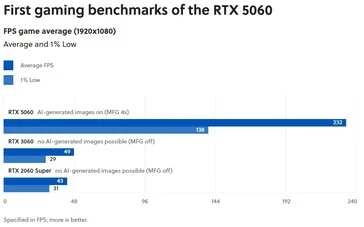
    2. Previews were restricted to comparing the RTX 5060 only with the RTX 3060 and RTX 2060 Super, using specific games and settings to showcase its performance.
    3. The performance metrics presented may be misleading, as the RTX 5060’s impressive FPS figures were achieved under conditions that older models do not support.
    4. Hardware Unboxed warned gamers against rushing to purchase the RTX 5060, highlighting the lack of diverse and independent reviews due to Nvidia’s control.
    5. Gamers are advised to wait for more comprehensive reviews or consider alternative GPUs like the RX 9070 or older Nvidia models for better value.


    Nvidia’s efforts to manage the coverage of the RTX 5060 have led to intense backlash online. The company allowed certain media outlets to access the GPU ahead of its launch for performance previews, but with strict limitations. Responding to what it considers manipulation of the story, Hardware Unboxed has openly criticized Nvidia’s approach and is urging gamers to hold off on purchasing the RTX 5060 at its release.

    Controlled Comparisons

    For example, GameStar Tech, a German publication, noted in its preview that Nvidia required the RTX 5060 to be compared solely with the RTX 3060 and the RTX 2060 Super. Additionally, Nvidia instructed the site to limit tests to just five games.

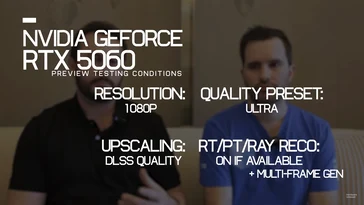
    Nvidia even went so far as to mandate that the previews only feature 1080p resolution, showcasing performance metrics that included DLSS, Ray tracing, Ray Reconstruction, and Multi Frame Generation 4X (MFG). By insisting on the inclusion of MFG 4X, Nvidia allowed the RTX 5060 to achieve impressive triple-digit FPS, unlike the older RTX 3060 and RTX 2060 Super that do not support this technology.

    Misleading Performance Metrics

    For instance, in Game Rant’s testing, the RTX 5060 achieved approximately 223 FPS in Doom: The Dark Ages using the specified graphics settings. In contrast, the RTX 3060 and RTX 2060 Super could only reach around 63 and 52 average FPS, respectively, as per GameStar’s findings.

    The mandated settings clearly make the RTX 5060 appear to be a significant advancement in performance. Gamers who might not be very knowledgeable about technology could be tempted to buy the RTX 5060 based on these impressive figures.

    Warning Against Hasty Purchases

    To caution gamers against making a hasty decision, Hardware Unboxed produced a 32-minute video exposé that discusses Nvidia’s previous attempts to influence and manage its coverage. In this video, HU questions the reliability of the RTX 5060 previews due to their strict control by Nvidia.

    It appears that Nvidia only provided review units of the RTX 5060 to those publications that agreed to publish the previews. This tactic seems to reward compliant sites while sidelining those that did not comply. HU was among the latter, as they managed to obtain the RTX 5060 weeks early but were unable to release their reviews on launch day due to Nvidia not supplying them with press drivers.

    For the typical gamer looking to get the best GPU for their budget, the pre-launch previews of the RTX 5060 could be quite misleading. The absence of reviews from respected sources like HU and Gamers Nexus suggests that Nvidia may not want consumers to make informed choices based on a variety of reputable reviews.

    Consider Other Options

    Thus, if you’re a gamer on a tight budget searching for the best value GPU, it’s advisable to wait for a range of RTX 5060 reviews to be released. If you can’t hold off, a wise alternative might be to consider the RX 9070 or older Nvidia models like the RTX 4060 Ti, if they’re available.

    Source:
    Link


  • Nvidia Stops AIBs from Sending RTX 5060 Ti 8GB to Reviewers

    Nvidia Stops AIBs from Sending RTX 5060 Ti 8GB to Reviewers

    Key Takeaways

    1. The RTX 5060 Ti series has faced delays, limited stock, and high prices, causing significant debate among consumers.
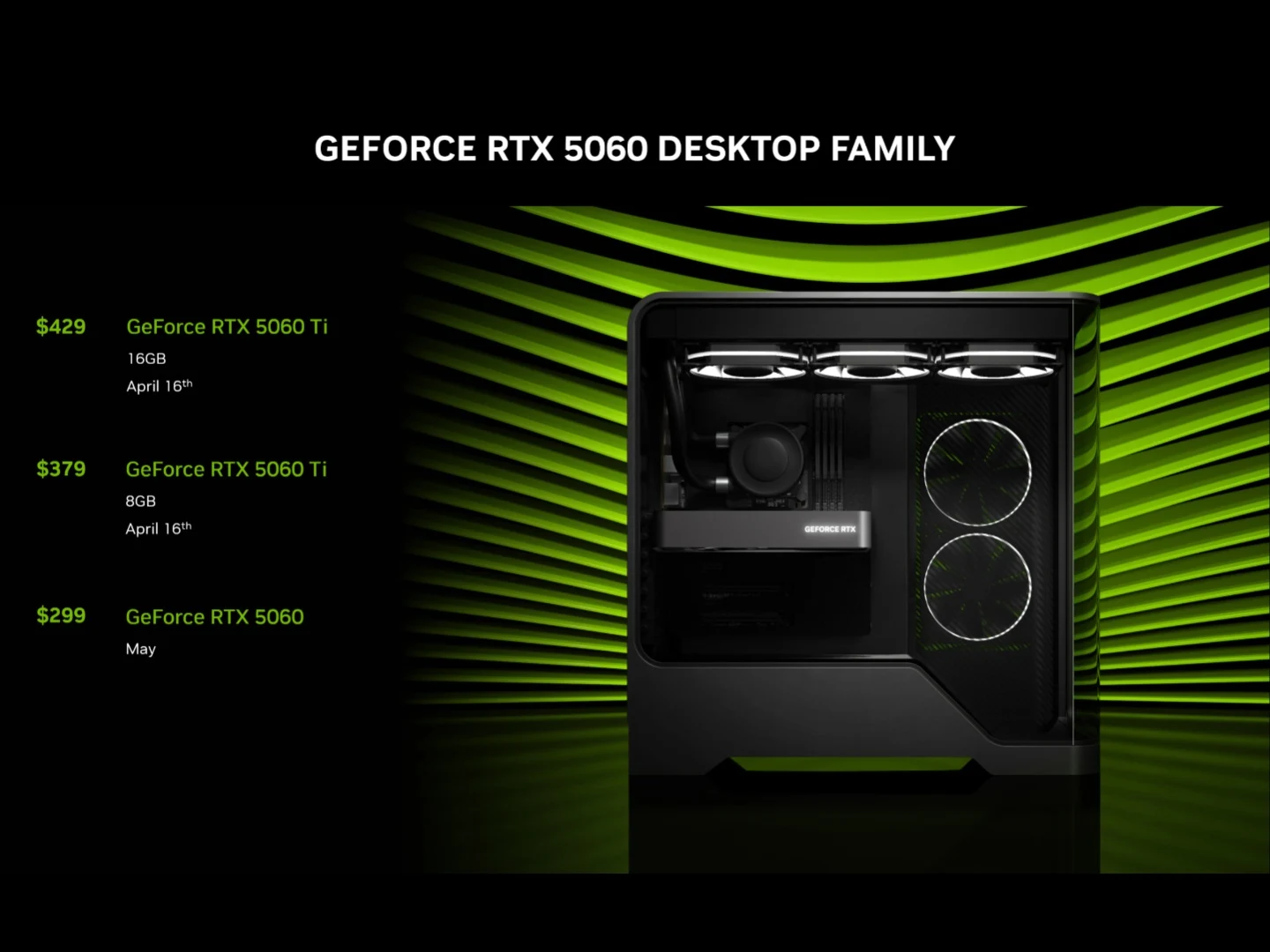
    2. Only the RTX 5060 Ti 16GB version is being sent to reviewers, while the 8GB version is reportedly withheld by Nvidia.
    3. The RTX 5060 Ti 8GB model is expected to be released later, despite sharing the same advertised launch date as the 16GB version.
    4. Confusion exists around the review process, with some AIB partners claiming the 8GB variant isn’t ready for review due to Nvidia’s restrictions.
    5. Major tech channels like Hardware Unboxed and Linus Tech Tips have expressed frustration with Nvidia’s marketing and launch tactics.


    The launch of the RTX 50 series has stirred up a lot of debate, mainly due to delays, missing ROPs, limited stock, and high prices. This ongoing saga continues with the newest RTX 5060 Ti cards. Nvidia made a formal announcement about the RTX 5060 Ti 16GB, RTX 5060 Ti 8GB, and the RTX 5060 on April 15, with the RTX 5060 Ti models set to release on April 16. However, it seems that only the RTX 5060 Ti 16GB is being sent to reviewers, while AIBs have reportedly been instructed not to provide the 8GB version.

    Confusion Surrounding Reviews

    A popular tech review channel on YouTube, Hardware Unboxed, recently released a video asserting that AIBs or board partners will not be supplying the 8GB variant of the RTX 5060 Ti for review purposes. Some partners claimed that the cards weren’t ready yet, while others stated that Nvidia has specifically stopped them from sending the 8GB card to reviewers. Interestingly, Nvidia had granted permission to reviewers to obtain the RTX 5060 Ti 8GB for initial reviews. This implies that even though both variants are launching simultaneously, only the 16GB version is making its way to reviewers.

    Delayed Release for 8GB Model

    Moreover, Hardware Unboxed mentioned that Nvidia informed them that the 8GB model will be arriving somewhat later, potentially a week after the 16GB version, notwithstanding the same advertised launch date.

    It remains uncertain why Nvidia appears to be keeping the RTX 5060 Ti 8GB’s performance under wraps. Both versions have appeared on retailer websites but, as expected, are already sold out. Additionally, it’s not just Hardware Unboxed that has faced issues; another major tech review channel, Linus Tech Tips, also had a frustrating experience with Nvidia’s marketing, launch tactics, and review restrictions.

    Source:
    Link