
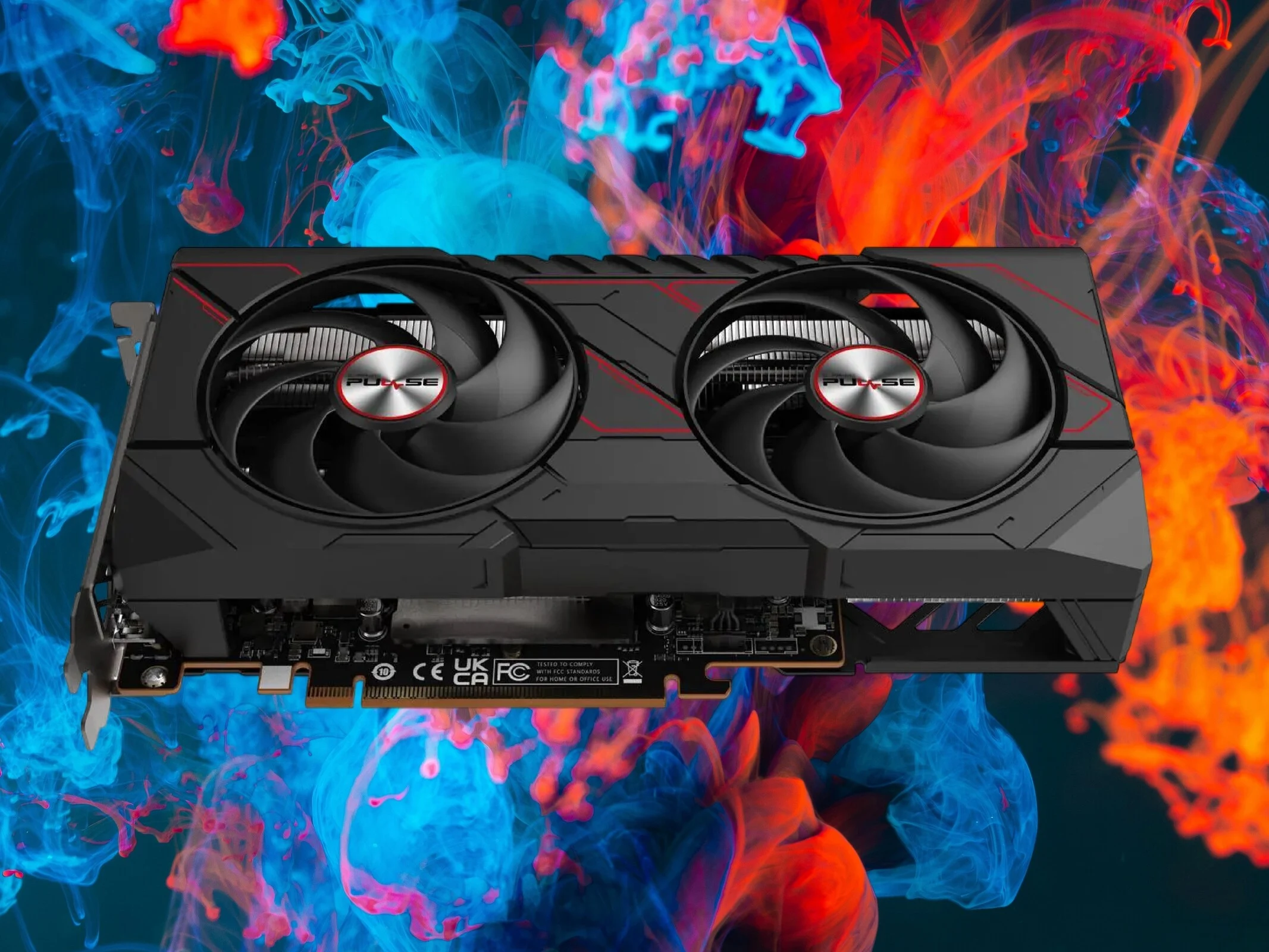
Tag: AMD RX 9000

  • RX 9070 XT Beats RTX 5070 Ti by 200% in Australia Sales

    RX 9070 XT Beats RTX 5070 Ti by 200% in Australia Sales

    Key Takeaways

    1. AMD is focusing on the affordable RX 9000 series instead of flagship RDNA 4 GPUs to regain market presence lost to Nvidia.

    2. The RX 9070 XT has significantly outperformed the RTX 5070 Ti in Australia, outselling it by over 200%.

    3. Despite claims of low market share for AMD, the actual division may be more favorable to AMD than reported, with a 44% market share in Australia.

    4. RX 9000 GPUs have not seen significant price reductions, indicating strong demand and sales performance.

    5. The RX 9060 XT and RX 9070 XT are top sellers on Newegg, with AMD occupying seven out of the top ten GPU spots, though Nvidia still leads on Amazon’s best-sellers list.


    When AMD made the choice to bypass the flagship RDNA 4 GPUs and focus on the more affordable RX 9000 series, many saw it as Team Red’s strategy to regain some market presence lost to Nvidia. This approach appears to be effective for AMD in certain areas, as reported by Hardware Unboxed (HU) in a recent video, which indicates that the RX 9070 XT has significantly outperformed the RTX 5070 Ti in Australia.

    Insights into the Australian Market

    The video from HU provides valuable insights into the Australian DIY gaming PC landscape. Furthermore, it serves as a cautionary note against taking GPU market share claims from firms like Jon Peddie Research (JPR) too lightly.

    JPR claimed last month that in Q2 2025, Nvidia GeForce GPUs represented 94% of the AIB cards sold, while AMD only managed to capture 6%. However, HU argues that the true global market share division between Nvidia and AMD might actually favor AMD more than perceived.

    Sales Performance of RX 9000 GPUs

    According to one of HU’s retail sources in Australia, the RX 9070 XT has outsold the RTX 5070 Ti by more than 200% over the last six months. The RX 9070 had a 70% lead on the RTX 5070, and the RX 9060 XT saw an impressive 100% advantage over the RTX 5060 Ti. Additionally, HU states that for the upcoming RTX 50 and RX 9000 GPUs, Nvidia holds 56% of the market share in Australia, compared to AMD’s 44%.

    Taking all GPUs into account, including older models like the RTX 4060, Nvidia and AMD together represent about 70% and 30% of total GPU sales in Australia, respectively.

    Pricing Trends and Market Reactions

    HU also highlighted an interesting observation regarding the RX 9000 GPUs’ pricing. Models like the RX 9070 and RX 9070 XT have not experienced significant price reductions. In fact, many RX 9070 XT GPUs in the US are still being sold at prices above the official MSRP. This suggests that AMD is not feeling the need to discount prices due to low demand to clear inventory.

    In simpler terms, if the RX 9000 cards were struggling in sales, as JPR suggested with a supposed 2% drop in AMD’s market share compared to Q1 2025, we would likely see AMD slashing prices to stimulate sales, similar to their actions with the RDNA 3 RX 7000 series.

    It’s important to note that HU’s data is specific to retailers in Australia and may not apply to markets such as Japan, Korea, Europe, or the US, where conditions could vary greatly. However, in the US, AMD appears to be faring better than what JPR’s research may imply.

    Popularity on Online Retail Platforms

    As of the current moment, the RX 9060 XT and RX 9070 XT hold the top two spots on Newegg’s best-selling GPU list. In fact, among the top ten GPUs, the RX 9070, RX 9070 XT, and RX 9060 XT collectively occupy seven positions. The only Nvidia GPUs in the top ten are the RTX 5070 at 3rd, the RTX 5070 Ti at 4th, and the older RTX 3060 at 5th.

    On Amazon’s best-sellers list, Nvidia appears to be doing better. Nevertheless, AMD’s RDNA 4 RX 9000 GPUs still manage to secure at least four spots in the top ten, with the remainder largely consisting of the RTX 50 series cards. For example, the XFX Radeon RX 9060 XT OC is ranked 4th, while the Asus TUF RTX 5070 Ti holds the top position.

    In conclusion, it seems that AMD has successfully sold a substantial number of RX 9000 GPUs, and there are no signs of demand slowing down. If the company can sustain this success into their next generation, where they plan to re-enter the high-end segment, we could witness a significant impact on Nvidia’s share of the DIY gaming market.

    Source:
    Link


  • Major RX 9000 RDNA 4 Laptop GPU Leak: RX 9080M & More Specs

    Major RX 9000 RDNA 4 Laptop GPU Leak: RX 9080M & More Specs

    Key Takeaways

    1. AMD is developing six RX 9000 mobile GPUs, including the high-end RX 9080M and entry-level RX 9060S, based on RDNA 4 architecture.
    2. The RX 9080M is expected to feature 64 Compute Units, 16 GB of GDDR6 VRAM, and 64 MB of Infinity Cache, but will have lower clock speeds and power limits than the desktop version.
    3. The RX 9080M will compete with Nvidia’s RTX 5080, while the RX 9070M XT and RX 9070 target the RTX 5070 Ti and RTX 5070, respectively.
    4. The RX 9070S is a slim version of the RX 9070M, and both RX 9060M and RX 9060S are aimed at competing with the RTX 5060.
    5. Availability of AMD’s mobile GPUs remains a concern, despite strong specifications, as finding laptops with these GPUs has been challenging.


    Back in December 2024, a leaker named All_The_Watts claimed that AMD was gearing up to launch several RDNA 4 laptop GPUs, which they might announce at CES 2025. Fast forward four months after CES 2025, and AMD still hasn’t introduced a single RX 9000 mobile graphics card. Despite this delay, All_The_Watts continues to share information about the RX 9000 RDNA 4 laptop lineup, including specifics on the RX 9080M.

    Six Mobile GPUs in Development

    It is said that AMD is working on six different RX 9000 mobile GPUs, ranging from the high-end RX 9080M down to the entry-level RX 9060S. Since there are just two RDNA 4 GPUs—Navi 48 and Navi 44—all RDNA 4 laptop models might be derived from either one of these two architectures.

    The High-End RX 9080M

    At the upper end of the range, AMD is reportedly readying the RX 9080M. This GPU is expected to have the complete Navi 48 chip with 64 Compute Units (CUs), 16 GB of GDDR6 VRAM, and 64 MB of Infinity Cache. However, there is no information on the thermal design power (TDP) or clock speeds. While these specifications are similar to those of the desktop RX 9070 XT, the RX 9080M’s final clock speeds and power limits will likely be significantly lower than its desktop version.

    Competitors in the Lineup

    AMD’s updated naming convention for the RDNA 4 GPUs makes it simpler to understand the performance levels intended by the company. Hence, the RX 9080M will compete against the RTX 5080 laptop graphics card.

    Just below the RX 9080M, the RX 9070M XT and the RX 9070 aim at the RTX 5070 Ti and RTX 5070 laptop GPUs, respectively. The RX 9070M XT, which features a trimmed-down Navi 48 GPU, serves as the mobile variant of the desktop RX 9070 but comes with less VRAM and Infinity Cache. It’s rumored to include 48 CUs, 12 GB of GDDR6, and 48 MB of Infinity Cache.

    For comparison, the RX 9070 has the same 48 CUs but with 16 GB of VRAM and 64 MB of Infinity Cache.

    The RX 9070M might utilize the Navi 44 die, featuring 32 CUs, just 8 GB of VRAM, and 32 MB of Infinity Cache.

    The RX 9070S Variant

    The RX 9070S is essentially the same as the RX 9070M but tailored for “Slim” laptops, as noted by KeplerL2. This suggests that the RX 9070S could be a version of the RX 9070M with a limited TDP.

    At the lower end, the RX 9060M and RX 9060S are set to compete against the RTX 5060 laptop. Both of these models will likely have a binned-down Navi 44 die equipped with 28 CUs, 8 GB of VRAM, and 32 MB of Infinity Cache. The RX 9060S seems to be the same card as the RX 9060M but designed for more portable notebooks.

    In summary, AMD looks to have a comprehensive range of RDNA 4 laptop GPUs ready to take on the Nvidia RTX 50 series across all performance tiers, except at the flagship level, where the RTX 5090 is dominant. But while specs are one aspect, actual availability is another matter.

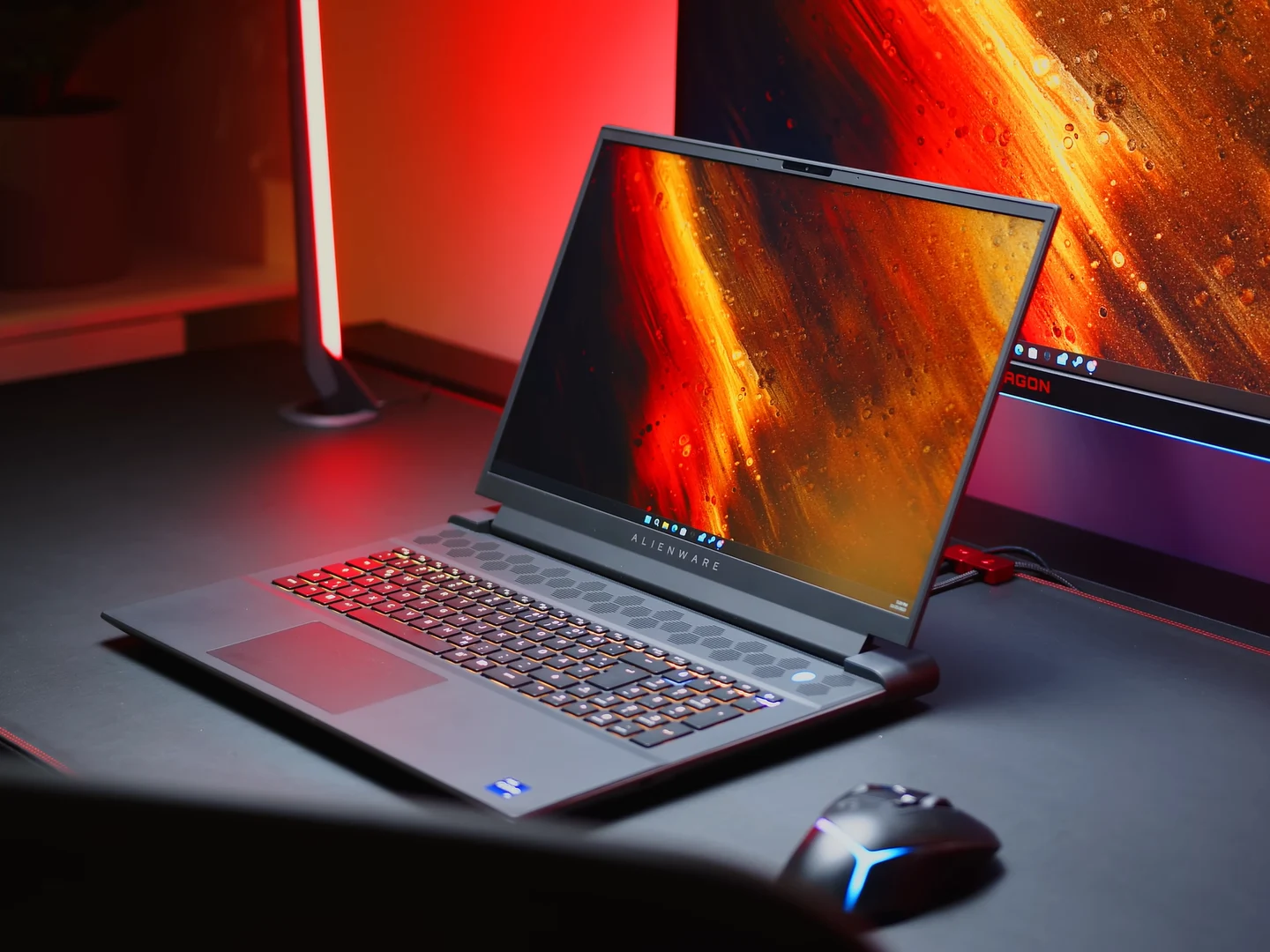
    Finding laptops with AMD’s mobile GPUs, like the Alienware m18 R1 featuring the RX 7900M, is quite challenging. Therefore, even if AMD rolls out the RDNA 4 mobile GPUs as strong alternatives to GeForce models, the issue of availability will continue to be a concern.

    Source:
    Link