Tag: Nvidia RTX 5070 Ti

  • Asus Discontinues RTX 5070 Ti; RTX 5060 Ti 16 GB Next to Go

    Asus Discontinues RTX 5070 Ti; RTX 5060 Ti 16 GB Next to Go

    Key Takeaways

    1. The RTX 5070 Ti is officially marked for end of life, with no new cards being produced after current stock is sold out.
    2. The RTX 5060 Ti 16 GB is likely to face the same end of life fate due to supply issues with VRAM.
    3. Nvidia is shifting allocation priorities, focusing on producing higher-end models for specific VRAM configurations.
    4. Prices for existing RTX 5070 Ti cards are rising, with current listings far above the original MSRP of $749.
    5. The RTX 5060 Ti 16 GB, launched at $429, is expected to see price increases as demand rises and supply diminishes.


    Lately, the surge in AI technology is causing troubling news for gamers and regular buyers seeking a good GPU. Recently, it was mentioned how Nvidia and its partners are ramping up the creation of the RTX 5060 and RTX 5060 Ti 8 GB versions due to rising costs of memory chips.

    End of Life for RTX 5070 Ti

    Now, OEMs have unofficially confirmed that the RTX 5070 Ti and soon the RTX 5060 Ti 16 GB will be marked for end of life (EoL). YouTube channel Hardware Unboxed has discovered from Asus, a key partner of Nvidia, that they will stop making RTX 5070 Ti 16 GB graphics cards. The company has told the channel about a supply issue with the GB203-based RTX 5070 Ti, which has led to its EoL status. This means no new RTX 5070 Ti cards will be available after the current stock runs out at retailers.

    Supply and Demand Issues

    The channel also points out that the RTX 5060 Ti 16 GB is likely to meet the same fate, as AiBs struggle to procure this VRAM version of the GB206 GPU. This aligns with Nvidia’s new strategy of focusing on the top GPU for each VRAM configuration, as initially reported by HKEPC. In this possible change, the highest GPU for a certain VRAM amount is prioritized while the other SKUs receive a smaller allocation.

    For example, both the RTX 5060 and RTX 5060 Ti come in 8 GB VRAM models, so Nvidia’s board partners will give preference to the RTX 5060 Ti 8 GB over the RTX 5060.

    Allocation Priorities Shift

    Three Blackwell GPUs—namely, the RTX 5060 Ti 16 GB, RTX 5070 Ti, and RTX 5080—come with 16 GB VRAM, meaning AiBs will see a larger allocation for the RTX 5080 while the other two are pushed down the priority list. There appear to be no changes to the allocation for the 12 GB RTX 5070, the 24 GB RTX 5090D v2, and the top-tier 32 GB RTX 5090.

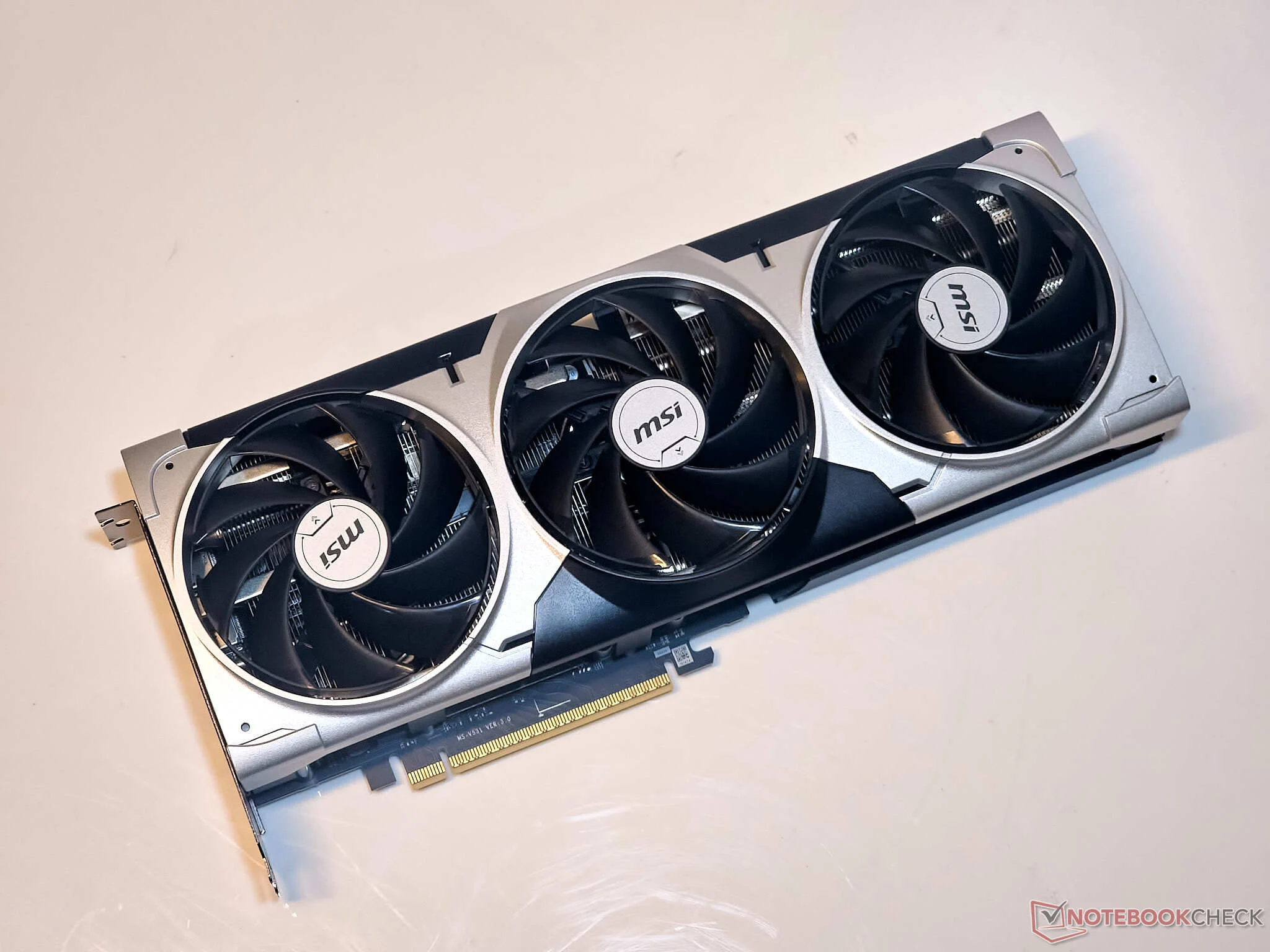
    The RTX 5070 Ti was originally introduced at a $749 MSRP. There is no Founders Edition (FE) version for this card, so prices from AiBs now range from $830 (MSI RTX 5070 Ti Shadow 3X on Amazon) to an astonishing $1,565.90 for an Aorus RTX 5070 Ti OC on Newegg.

    The Future of GPU Prices

    With stocks expected to run out quickly, the remaining units will likely see their prices rise even more, adding to the frustration of gamers. This is quite disappointing since the RTX 5070 Ti is an excellent choice for 1440p gaming, facing direct competition only from the AMD Radeon RX 9070 XT. With support from upscaling technologies like DLSS 4.5 and multi-frame generation (MFG), playing games in 4K is practically feasible on the RTX 5070 Ti.

    On the other hand, the RTX 5060 Ti 16 GB seems set to become a highly coveted GPU in the Blackwell series. This card was launched at a $429 MSRP and can be found for prices ranging from $546 (MSI RTX 5060 Ti 16G Ventus 2X OC) to $659 (Gigabyte RTX 5060 Ti Gaming OC 16G) on Amazon.

    Considering the current unpredictable situation in the hardware market, it’s reasonable to expect that this GPU will also be sold at an increased price shortly.

    Source:
    Link


  • RX 9070 XT Beats RTX 5070 Ti by 200% in Australia Sales

    RX 9070 XT Beats RTX 5070 Ti by 200% in Australia Sales

    Key Takeaways

    1. AMD is focusing on the affordable RX 9000 series instead of flagship RDNA 4 GPUs to regain market presence lost to Nvidia.

    2. The RX 9070 XT has significantly outperformed the RTX 5070 Ti in Australia, outselling it by over 200%.

    3. Despite claims of low market share for AMD, the actual division may be more favorable to AMD than reported, with a 44% market share in Australia.

    4. RX 9000 GPUs have not seen significant price reductions, indicating strong demand and sales performance.

    5. The RX 9060 XT and RX 9070 XT are top sellers on Newegg, with AMD occupying seven out of the top ten GPU spots, though Nvidia still leads on Amazon’s best-sellers list.


    When AMD made the choice to bypass the flagship RDNA 4 GPUs and focus on the more affordable RX 9000 series, many saw it as Team Red’s strategy to regain some market presence lost to Nvidia. This approach appears to be effective for AMD in certain areas, as reported by Hardware Unboxed (HU) in a recent video, which indicates that the RX 9070 XT has significantly outperformed the RTX 5070 Ti in Australia.

    Insights into the Australian Market

    The video from HU provides valuable insights into the Australian DIY gaming PC landscape. Furthermore, it serves as a cautionary note against taking GPU market share claims from firms like Jon Peddie Research (JPR) too lightly.

    JPR claimed last month that in Q2 2025, Nvidia GeForce GPUs represented 94% of the AIB cards sold, while AMD only managed to capture 6%. However, HU argues that the true global market share division between Nvidia and AMD might actually favor AMD more than perceived.

    Sales Performance of RX 9000 GPUs

    According to one of HU’s retail sources in Australia, the RX 9070 XT has outsold the RTX 5070 Ti by more than 200% over the last six months. The RX 9070 had a 70% lead on the RTX 5070, and the RX 9060 XT saw an impressive 100% advantage over the RTX 5060 Ti. Additionally, HU states that for the upcoming RTX 50 and RX 9000 GPUs, Nvidia holds 56% of the market share in Australia, compared to AMD’s 44%.

    Taking all GPUs into account, including older models like the RTX 4060, Nvidia and AMD together represent about 70% and 30% of total GPU sales in Australia, respectively.

    Pricing Trends and Market Reactions

    HU also highlighted an interesting observation regarding the RX 9000 GPUs’ pricing. Models like the RX 9070 and RX 9070 XT have not experienced significant price reductions. In fact, many RX 9070 XT GPUs in the US are still being sold at prices above the official MSRP. This suggests that AMD is not feeling the need to discount prices due to low demand to clear inventory.

    In simpler terms, if the RX 9000 cards were struggling in sales, as JPR suggested with a supposed 2% drop in AMD’s market share compared to Q1 2025, we would likely see AMD slashing prices to stimulate sales, similar to their actions with the RDNA 3 RX 7000 series.

    It’s important to note that HU’s data is specific to retailers in Australia and may not apply to markets such as Japan, Korea, Europe, or the US, where conditions could vary greatly. However, in the US, AMD appears to be faring better than what JPR’s research may imply.

    Popularity on Online Retail Platforms

    As of the current moment, the RX 9060 XT and RX 9070 XT hold the top two spots on Newegg’s best-selling GPU list. In fact, among the top ten GPUs, the RX 9070, RX 9070 XT, and RX 9060 XT collectively occupy seven positions. The only Nvidia GPUs in the top ten are the RTX 5070 at 3rd, the RTX 5070 Ti at 4th, and the older RTX 3060 at 5th.

    On Amazon’s best-sellers list, Nvidia appears to be doing better. Nevertheless, AMD’s RDNA 4 RX 9000 GPUs still manage to secure at least four spots in the top ten, with the remainder largely consisting of the RTX 50 series cards. For example, the XFX Radeon RX 9060 XT OC is ranked 4th, while the Asus TUF RTX 5070 Ti holds the top position.

    In conclusion, it seems that AMD has successfully sold a substantial number of RX 9000 GPUs, and there are no signs of demand slowing down. If the company can sustain this success into their next generation, where they plan to re-enter the high-end segment, we could witness a significant impact on Nvidia’s share of the DIY gaming market.

    Source:
    Link


  • Maingear Super 16 Gaming Laptop: Core Ultra 9, RTX 5070 Ti, 300Hz

    Maingear Super 16 Gaming Laptop: Core Ultra 9, RTX 5070 Ti, 300Hz

    Key Takeaways

    1. Powerful Specifications: The Maingear Super 16 features an Intel Core Ultra 9 275HX processor and Nvidia RTX 5070 Ti GPU, with options for up to 96GB of RAM and 2TB SSD storage.

    2. High Refresh Rate Display: It has a 2500×1600 resolution display that supports a maximum refresh rate of 300Hz and includes G-Sync to minimize screen tearing.

    3. Versatile Design: The laptop’s design makes it suitable for both gaming and professional environments, featuring a backlit keyboard with RGB lighting.

    4. Enhanced Cooling System: To manage heat, the Super 16 includes a vapor cooling chamber with rear exhaust, ensuring optimal performance during demanding tasks.

    5. Rich Connectivity Options: The laptop offers various connectivity options, including two Thunderbolt 4 ports, two USB-A ports, a microSD card reader, and supports WiFi 7 and 2.5GB Ethernet for versatile use.


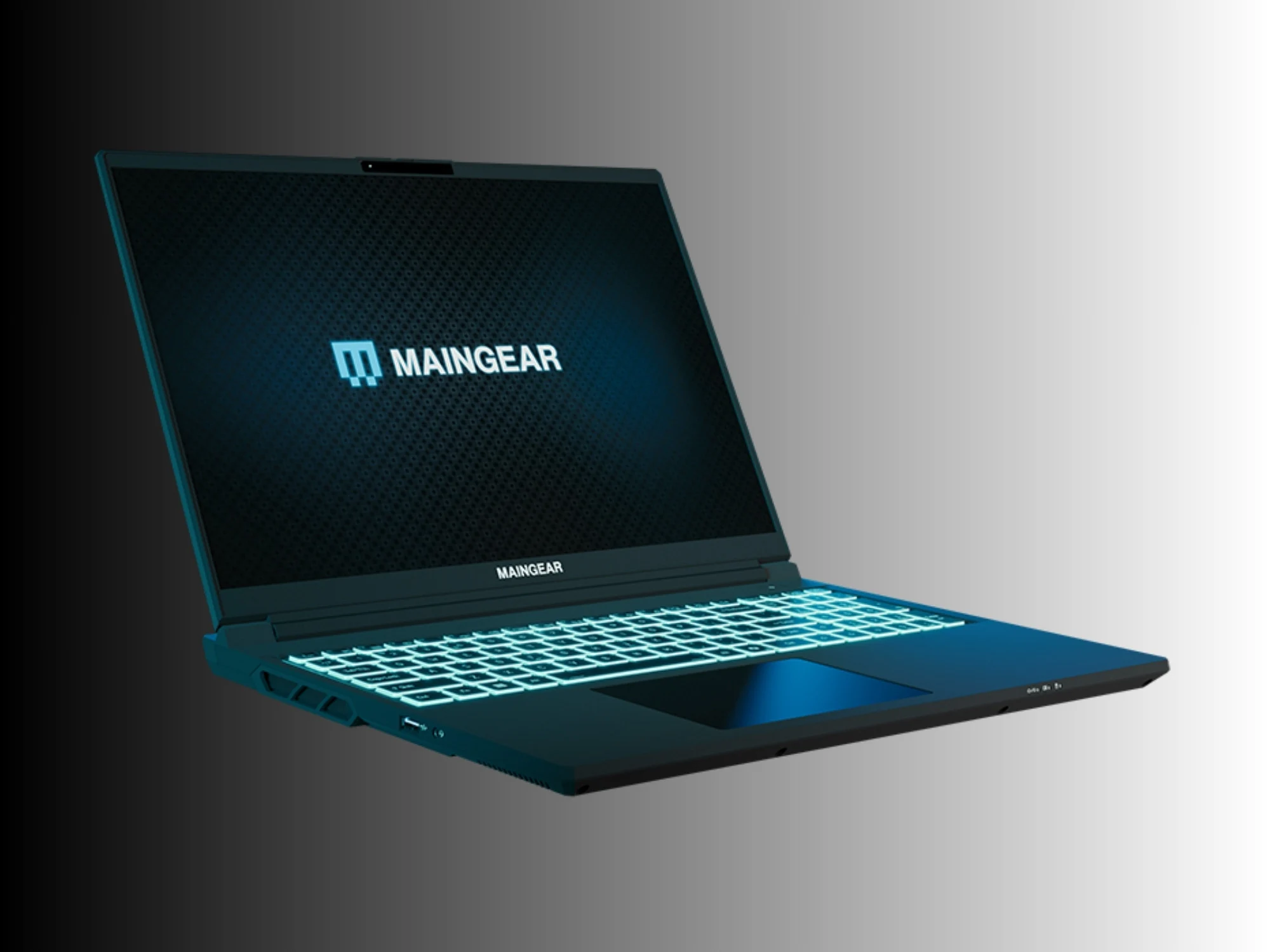
    Announced during IFA 2025, Maingear is broadening its range of gaming laptops, further enhancing the already fierce 16-inch market. The new Super 16 is powered by the high-performance Intel Core Ultra 9 275HX processor. With an Nvidia RTX 5070 Ti GPU, it features a 1600p display that supports a maximum refresh rate of 300Hz, making it appealing for competitive gamers.

    Pricing and Specifications

    The Super 16 is available with 32GB DDR5 memory and a 2TB SSD for $2,399. However, like many Maingear products, customers have the option to customize the laptop with up to 96GB of RAM and additional storage.

    Design and Features

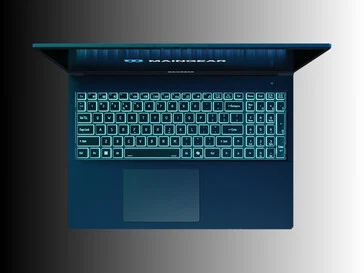
    While it’s targeted as a gaming laptop, the Super 16 would blend in nicely in classrooms or offices. Users will appreciate the backlit keyboard with four-zone RGB lighting and a rear-mounted light bar. Maingear has managed to keep the chassis relatively slim, maintaining the portability of the 16-inch design.

    Display Quality

    Instead of a 4K OLED display, the latest Maingear laptop comes with a 2500×1600 resolution screen. Its brightness levels are quite sufficient at 500 nits, focusing on delivering responsive gameplay. Along with the 300Hz mode, G-Sync is included to help reduce screen tearing.

    Performance and Gaming Capabilities

    The choice of the RTX 5070 Ti is expected to provide high frame rates in a variety of games. The Blackwell GPU brings DLSS 4 and multi-frame generation, which is beneficial for games like Borderlands 4.

    Multi-Core Performance

    For those who prioritize multi-core performance, the Core Ultra 9 275HX may be an appealing choice. This Intel CPU is fairly energy-efficient while managing demanding productivity and editing tasks. To combat excess heat, Maingear has included a vapor cooling chamber with rear exhaust.

    Connectivity Options

    The Super 16 boasts a good range of connectivity options, including two Thunderbolt 4/USB-C ports, two USB-A 3.2 Gen 2 ports, and a microSD card reader. Maingear combines WiFi 7 with 2.5GB Ethernet to support both mobile and home use. The 16-inch gaming laptop utilizes Killer DoubleShot Pro to take advantage of both connections at the same time.

    At a price of $2399, the Maingear Super 16 might find it challenging to persuade buyers to switch from an RTX 5080 machine. Still, it provides ample upgradability and is designed for those focused on either gaming or productivity.

    Source:
    Link


  • Best Value Gaming Laptop: XMG Focus 17 M25 with RTX 5070 Ti

    Best Value Gaming Laptop: XMG Focus 17 M25 with RTX 5070 Ti

    Key Takeaways

    1. Users are disappointed with the RTX 5000 graphics cards, especially the RTX 5070 Laptop, due to limited performance improvements and only 8 GB of VRAM.
    2. The RTX 5070 Ti Laptop GPU has received positive reviews for its speed and 12 GB of VRAM, making it better suited for future games.
    3. The XMG Focus 17 (M25) is the most affordable gaming laptop featuring the RTX 5070 Ti, priced at 1849 Euros, but lacks an operating system.
    4. The Focus 17 has a strong performance with a TGP of 140 Watts, although its older Intel Core i9-13900HX processor may limit its gaming experience.
    5. The laptop features a 240 Hz refresh rate IPS panel, providing good gaming performance, but it falls short in brightness compared to competitors.


    Nvidia’s latest mobile RTX 5000 graphics cards have left some users feeling let down, primarily due to the performance improvements often falling short of expectations. In particular, the new RTX 5070 Laptop has faced backlash for being limited to just 8 GB of VRAM, which can lead to issues like frame drops in QHD resolution depending on the game. On a brighter note, the RTX 5070 Ti Laptop GPU has received positive feedback in our evaluations, as it is faster and provides more room for upcoming games with its 12 GB VRAM. However, the cost remains a concern, with the least expensive option so far being the MSI Vector 16 HX, though its default RAM of 16 GB might require an upgrade to 32 GB.

    Introducing the XMG Focus 17

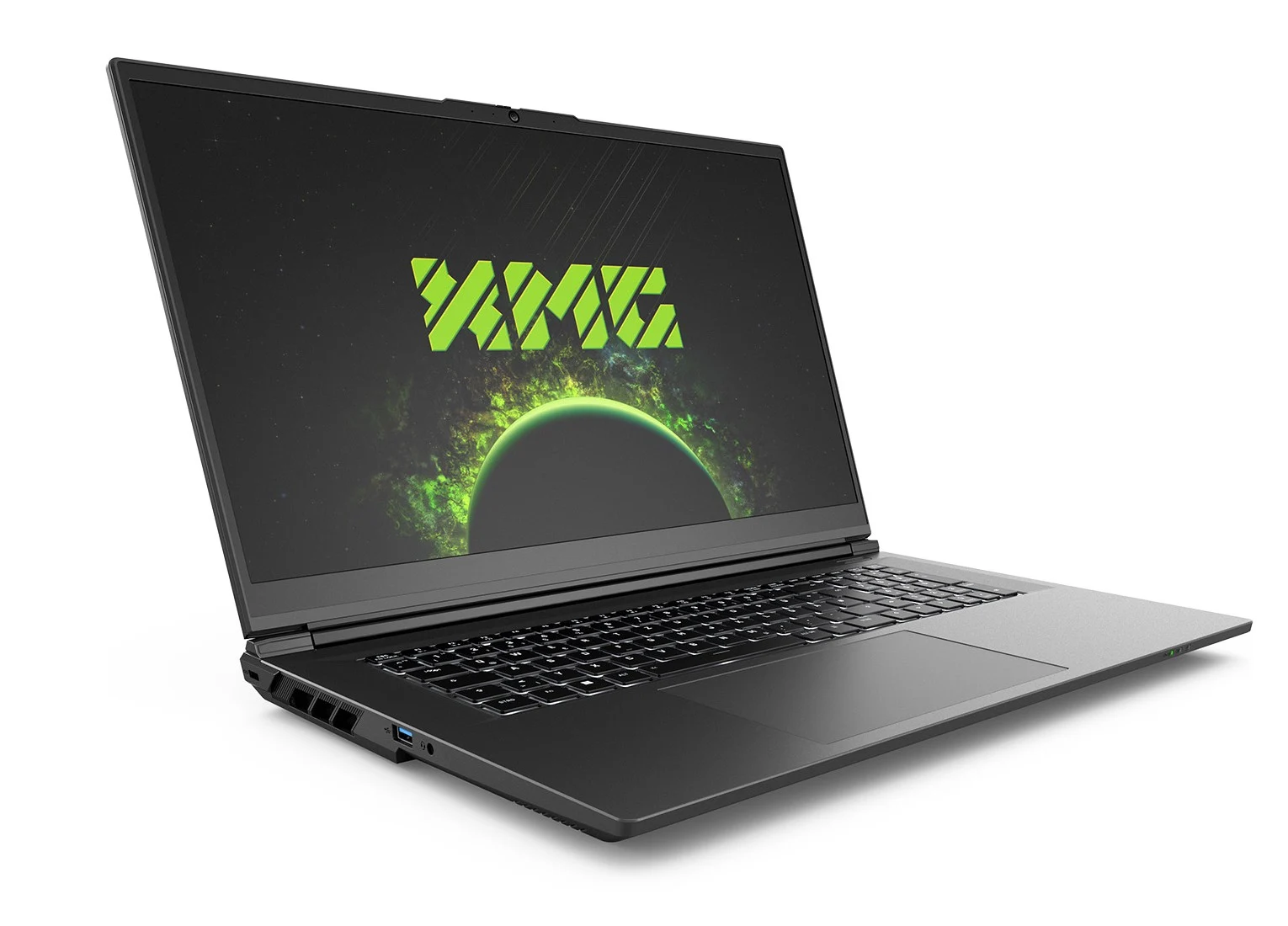
    This brings us to the new XMG Focus 17 (M25), priced at 1849 Euros. It comes equipped with the RTX 5070 Ti Laptop GPU, 16 GB of RAM, and a 1 TB SSD. Unfortunately, there is no operating system included in this package, and if you choose to add Windows 11 Home, the price will go up by an additional 99 Euros. Upgrading to 32 GB RAM will cost another 40 Euros. Despite these extras, the Focus 17 remains the most budget-friendly gaming laptop featuring the new RTX 5070 Ti Laptop GPU at this moment.

    Performance Insights

    This model is the fastest variant of the RTX 5070 Ti Laptop, boasting a TGP of 140 Watts, resulting in impressive graphics performance. However, the gaming experience is slightly hindered by the older Intel Core i9-13900HX processor, while an upgrade to the Core i9-14900HX is available for an extra 100 Euros. Although the performance difference isn’t massive, systems powered by the Core Ultra 9 275HX tend to be a bit quicker, albeit at a higher price point. Nonetheless, the gaming performance of the Focus 17 remains commendable, perfectly catering to the native QHD resolution. It also features a 240 Hz refresh rate IPS panel with quick response times, making it a solid choice for gaming, although it does lag behind competitors in terms of brightness.

  • XMG Launches Updated FOCUS 17 Gaming Laptops with RTX 5070 Ti

    XMG Launches Updated FOCUS 17 Gaming Laptops with RTX 5070 Ti

    Key Takeaways

    1. Processor Choices: The XMG FOCUS 17 uses Intel Core i9-13900HX and i9-14900HX processors, opting for older Raptor Lake chips to keep costs in the upper-mid-range while still delivering strong gaming performance.

    2. GPU Performance: It features the Nvidia RTX 5070 Ti mobile GPU, known for its excellent price-performance ratio, equipped with 12 GB of GDDR7 RAM and a maximum TGP of 140 W.

    3. Display Specifications: The laptop boasts a 17.3-inch IPS display with a resolution of 2,560 x 1,440 pixels, a 240 Hz refresh rate, 300 nits brightness, and full coverage of sRGB and extended DCI-P3 color spaces.

    4. Storage and Memory Expandability: The FOCUS 17 includes two M.2 SSD slots supporting PCIe 4.0, and can be expanded up to 96 GB DDR5-5200 or 64 GB DDR5-5600 RAM.

    5. Pricing and Configuration: The starting price for the base model with Core i9-13900HX and RTX 5070 Ti is €1,849, with an option to upgrade to the i9-14900HX for an additional €100.


    XMG / Schenker is bringing back the FOCUS series with a gaming laptop that is quite unique for 2025. After being absent for two years, the FOCUS lineup returns with a strong sub-€2000 model that merges affordable components with cutting-edge technology.

    Unusual Processor Choices

    What catches the eye about this model is its choice of processors. Instead of using the latest Arrow Lake chips, XMG has opted for the Core i9-13900HX and its updated version, the Core i9-14900HX, to maintain pricing in the upper-mid-range category. Both of these Raptor Lake CPUs still provide great gaming performance and are currently more cost-effective compared to the Core Ultra 9 275HX.

    Impressive GPU Performance

    When it comes to graphics, the Nvidia RTX 5070 Ti mobile GPU in the FOCUS 17 offers the best price-performance ratio within all RTX 5000 models. With 12 GB of GDDR7 RAM and a maximum TGP of 140 W, it manages to reach frame rates close to the maximum refresh rate of the display using DLSS4 and MFG.

    The 17.3-Inch Screen

    A striking feature of this year’s Focus laptops is the 17.3-inch size. “Big laptops with a 16:9 display are becoming less common in 2025, especially those with RTX 50 series GPUs. However, we decided to launch the XMG FOCUS 17 (M25) with a 17.3-inch display after receiving numerous requests from customers during the RTX 50 launch,” said Robert Schenker, CEO of Schenker Technologies.

    Quality Display Features

    Regarding the 17.3-inch 16:9 display, XMG includes a top-notch IPS panel featuring a resolution of 2,560 x 1,440 pixels, a 240 Hz refresh rate, and a standard brightness of 300 nits. It covers 100% of both sRGB and extended DCI-P3 color spaces and comes with a MUX switch as well as an FHD webcam with a physical privacy shutter.

    Storage and Memory Options

    In terms of storage, there are two M.2 SSD slots that support PCIe 4.0 X4 speeds. The RAM can be expanded to a maximum of 96 GB DDR5-5200 or 64 GB DDR5-5600 through two SO-DIMM slots. XMG also provides thermal pads for both the SSDs and RAM.

    Connectivity and Ports

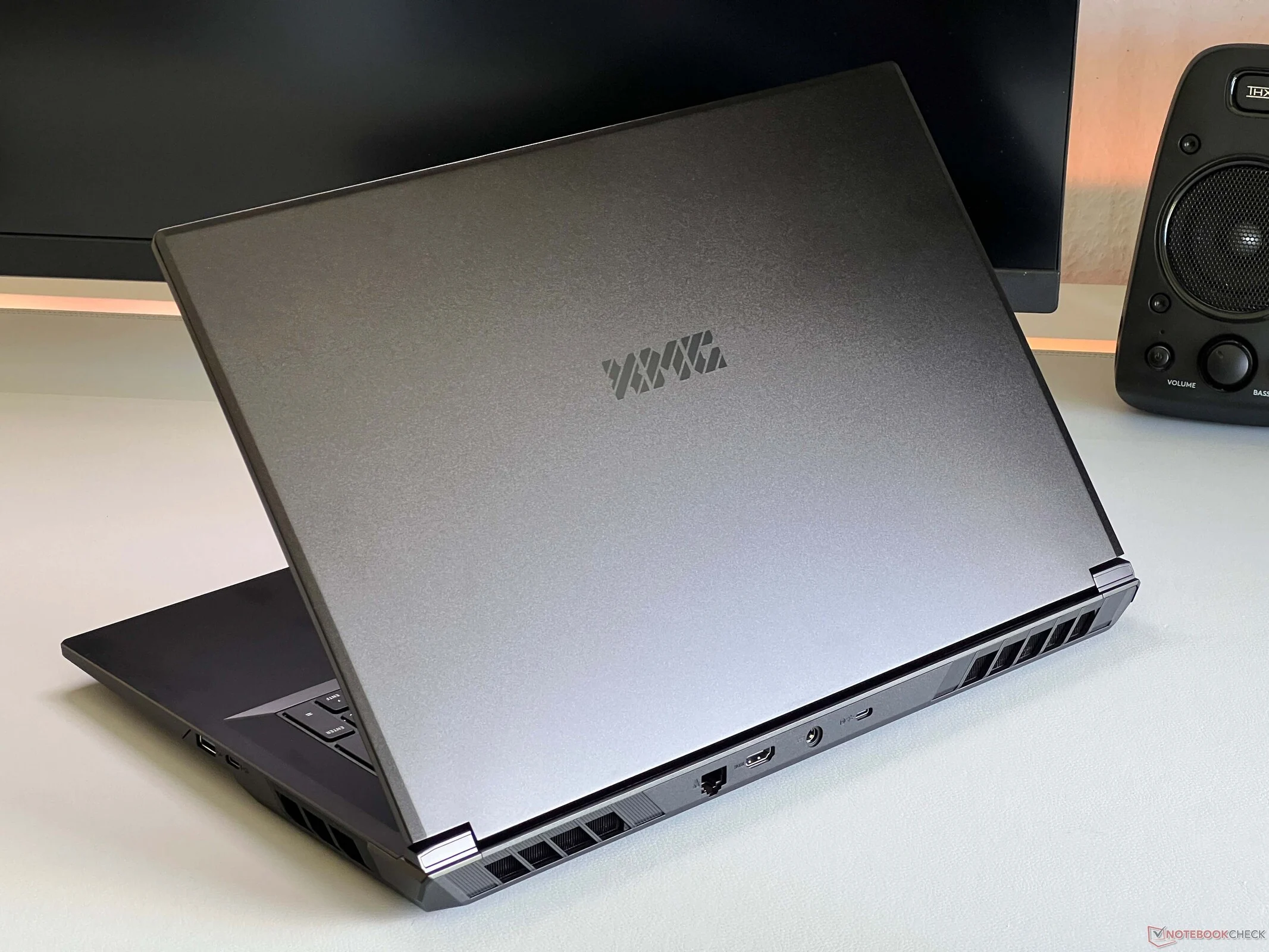
    The port selection includes an HDMI 2.1 full bandwidth video output, a GbE jack, a USB-C 3.2 Gen port with DP2.1 (DP 80), and a power connector at the back. The sides are equipped with a USB-A 3.2 Gen2, a USB-A 3.2 Gen1, a 2-in-1 audio jack, and another USB-C 3.2 Gen2 with DP2.1 (DP 80) and PD 100 W support. For wireless connectivity, there’s Wi-Fi 6E or an optional Wi-Fi 7 card.

    Design and Build Quality

    With the new FOCUS 17’s dimensions of 397 x 265.1 x 24.9 mm, there are no design flaws in the keyboard. It comes with a full numeric keypad, full-size arrow keys, a Fn lock function, and customizable multi-color backlighting. The touchpad measures 150 x 90 mm and has a smooth mylar surface. The maximum height of the chassis is 28.6 mm, and the weight is 2.79 kg, including the 73 Wh battery.

    Base Configuration and Pricing

    The base version of the XMG FOCUS 17 (M25) includes an Intel Core i9-13900HX, an NVIDIA GeForce RTX 5070 Ti, 16 GB (2x 8) DDR5-5600 RAM, and a 500 GB SSD. The starting price for this configuration is €1,849, which includes 19% VAT. An upgrade to the Intel Core i9-14900HX is available for an additional €100. The Core i9-14900HX will be offered long-term, but the availability of the lower-cost Core i9-13900HX will depend on demand.

    Source:
    link


  • Radeon RX 9070 Undervolting Boosts Performance Over RTX 4070 Ti

    Radeon RX 9070 Undervolting Boosts Performance Over RTX 4070 Ti

    Key Takeaways

    1. The AMD Radeon RX 9000 series GPUs offer strong gaming performance and better price-to-performance ratio compared to Nvidia RTX 5070 and RTX 5070 Ti.
    2. The RX 9070 shows impressive value, maintaining performance even when undervolted, allowing for reduced power consumption without significant performance loss.
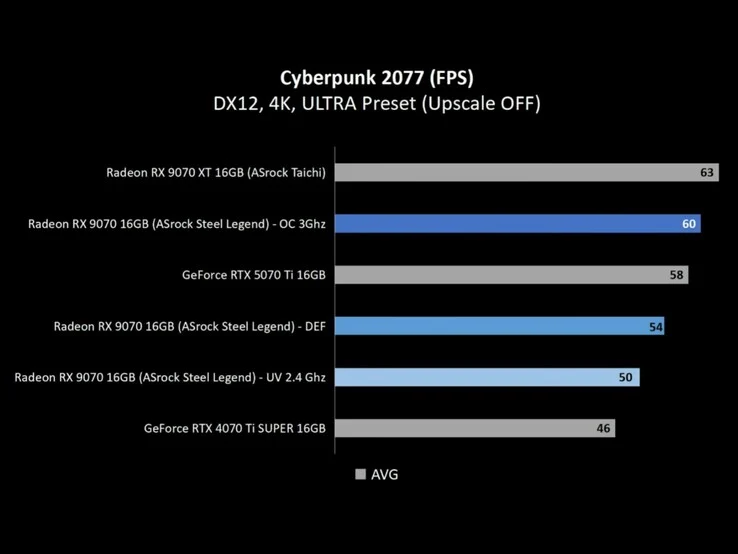
    3. In benchmark tests using Cyberpunk 2077, the RX 9070 achieved 54 FPS at stock settings and 50 FPS after a -100mV undervolt, reflecting only a 10% performance drop.
    4. When overclocked to 3GHz, the RX 9070 surpassed the RTX 5070 Ti by roughly 2 FPS and achieved 60 FPS with additional power while still undervolting.
    5. The RX 9070 is priced around $640, significantly less than the RTX 4070 Ti Super ($1000+) and competitive with the RTX 5070 Ti (approximately $750).


    AMD Radeon RX 9000 Series Performance

    The AMD Radeon RX 9000 series GPUs stand strong against the Nvidia RTX 5070 and RTX 5070 Ti when it comes to gaming performance, and they provide better bang for your buck regarding price-to-performance ratio. Nonetheless, they do consume more power compared to Nvidia models. Notably, the RX 9070 shows impressive value and maintains similar performance levels even when undervolted. This indicates that reducing power consumption does not significantly affect performance, allowing for a decent gaming experience in demanding titles like Cyberpunk 2077.

    Testing Insights from Experts

    Renowned overclockers Der8auer and Alva Jonathan have been evaluating the Radeon RX 9000 series, with their latest experiments focused on the RX 9070. Jonathan discovered that undervolting the ASRock Radeon RX 9070 Steel Legend GPU resulted in a small decline in performance, but there was a significant decrease in power usage. The same outcome was observed with the Radeon RX 9070 XT as well.

    Using Cyberpunk 2077 for benchmark testing, the RX 9070 hit 54 FPS at default settings. After applying a -100mV undervolt through AMD’s Adrenalin software and cutting power by 30%, the GPU managed 50 FPS in the same gaming situation. Remarkably, the RX 9070 maintained a clock speed of just over 2.4GHz, reflecting about a 10% performance drop from its stock settings. While the RTX 5070 Ti achieved a higher score of 58 FPS at both stock and undervolted settings, the AMD RX 9070 still outperformed the RTX 4070 Ti Super, which scored 46 FPS at stock settings.

    Overclocking Capabilities

    Interestingly, when overclocked to 3GHz, the RX 9070 surpassed the stock RTX 5070 Ti by roughly 2 FPS. This test also highlighted the potential of the Radeon RX 9070 when given additional power. By supplying the GPU with 10% more power while still applying a -100mV undervolt, it was able to reach 60 FPS in Cyberpunk 2077, which is an 11% improvement from stock performance. In terms of market pricing, the RX 9070 (ASRock Steel Legend) is available for around $640, while the RTX 4070 Ti Super is priced over $1000. Meanwhile, the RTX 5070 Ti is typically listed at approximately $750, although it often exceeds its MSRP.

    Source:
    Link


  • RX 9070 XT Price Drops Boosts Sales, Outperforming Nvidia

    RX 9070 XT Price Drops Boosts Sales, Outperforming Nvidia

    Key Takeaways

    1. Early sales data shows the AMD Radeon RX 9070 series is popular, but sales at MSRP fell short of expectations.
    2. In the UK, the RX 9070 XT models are top sellers on Amazon, indicating strong demand for RDNA 4 graphics cards among gamers.
    3. Amazon’s best-seller lists show similar trends in Germany, with the RX 9070 series rising in popularity, while Nvidia remains strong in the US market.
    4. Despite higher-than-expected prices for the RX 9070 XT, AMD GPUs still offer better value compared to Nvidia’s RTX 5070 Ti.
    5. Upcoming competition in the entry-level market is anticipated with the expected launch of Nvidia’s RTX 5050 and RTX 5060 cards.


    Days after the AMD Radeon RX 9070 series hit the market, the tech world is exploring early sales data. Although the number of GPUs sold at the manufacturer’s suggested retail price (MSRP) fell short of expectations, it hasn’t stopped gamers from buying. Retailers are indicating that AMD’s ample supply is already running low. The RX 9070 and RX 9070 XT are leading Amazon’s best-selling GPU list, particularly in Europe.

    UK Market Trends

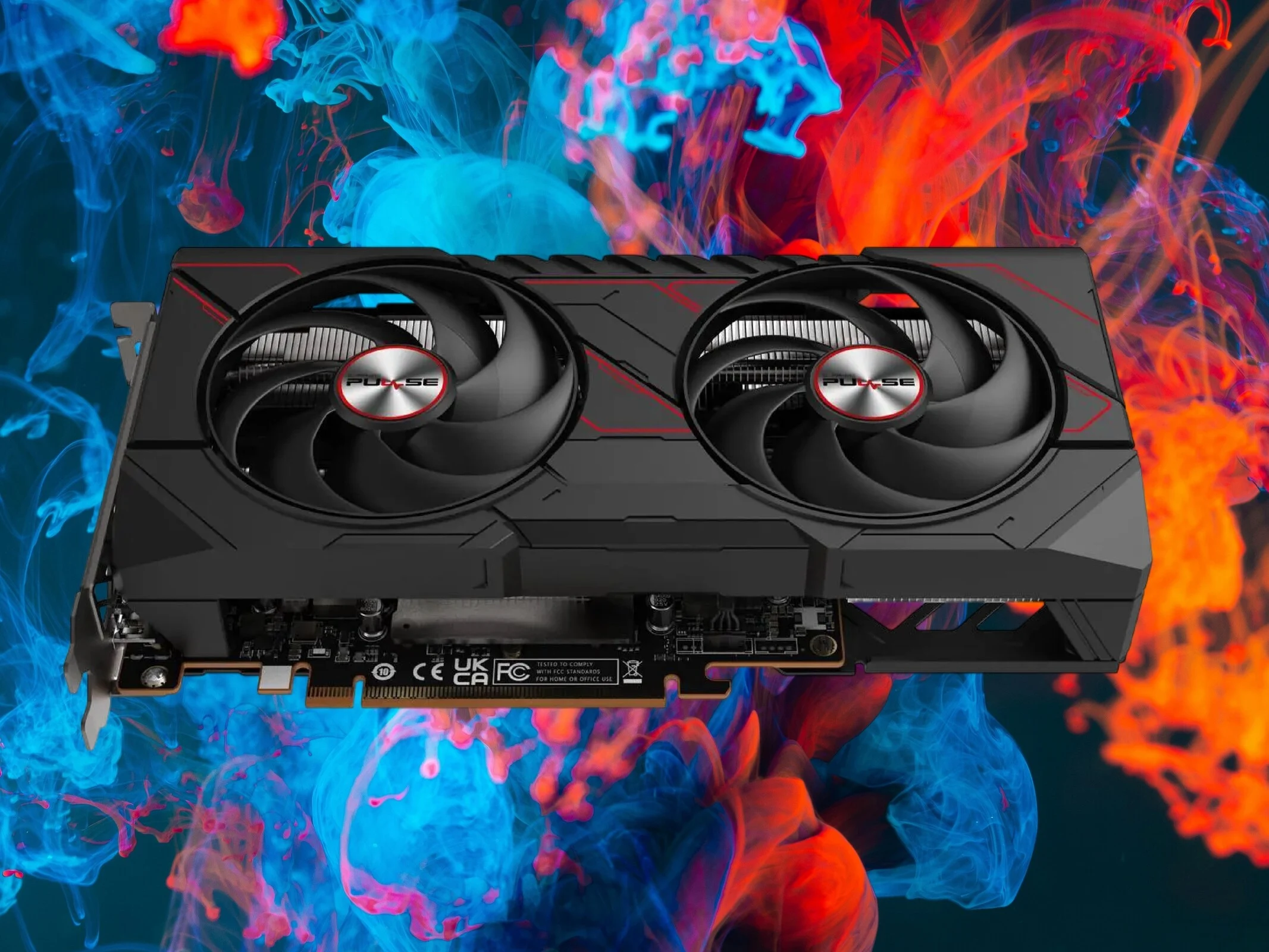
    In the UK, RDNA 4 graphics cards are quickly becoming the top choice for gamers. Two Sapphire Pulse RX 9070 XT models are leading the charts on Amazon UK, surpassing the Gigabyte Radeon RX 9070 XT. Among the top ten, the MSI Inspire 3X OC RTX 5080 stands out as the only Nvidia RTX 50 series card. These rankings support claims from Overclockers UK, which reported selling 5,000 RX 9070 series GPUs on March 6.

    German and US Sales

    On Amazon’s German platform, the situation appears similar, with the Asus Prime RX 9070 leading in sales. Meanwhile, the MSI Ventus 3X OC RTX 5070 Ti still holds the top spot in the United States. However, the RX 9070 series competitors are making their way up the rankings.

    Amazon’s best-seller lists are updated hourly and tend to favor newer products. Best Buy might focus on total sales numbers, as Nvidia GPUs continue to be the more sought-after options. Nonetheless, if AMD can keep restocking the RX 9070 and RX 9070 XT, the green team will need to ramp up production to keep pace.

    Pricing and Competition

    The excitement around the RX 9070 launch decreased when retailers announced the GPU prices. Without a reference card from AMD to compare against, manufacturers set the RX 9070 XT prices above the $599 MSRP. Still, AMD GPUs present a solid value, especially with the Nvidia RTX 5070 Ti priced at $749.99 in a similar situation.

    Nvidia can find some solace in knowing that AMD lacks a competitor for the limited RTX 5090. The next showdown seems to be on the horizon, focused on entry-level graphics cards, as the RTX 5050 and RTX 5060 are expected to debut in the coming months.

    Source:
    Link


  • RX 9070 Series Ray Tracing Demo Shows Gap with RTX 50-Series

    RX 9070 Series Ray Tracing Demo Shows Gap with RTX 50-Series

    Key Takeaways

    1. The AMD Radeon RX 9070 XT is priced at $599, offering competitive specs similar to Nvidia’s RTX 5070 Ti.
    2. A tech demo, ToyShop, showcases AMD’s advancements in path tracing but suffers from issues like blurry textures and visual glitches.
    3. Denoising challenges in the demo lead to visible artifacts and out-of-focus backgrounds, particularly during rapid motion scenes.
    4. AMD still trails Nvidia in ray tracing performance, raising questions about the true value of the RX 9070 series among gamers.
    5. Upcoming comparisons of FSR 4 and DLSS 4 are anticipated as the release date for the RX 9070 series approaches on March 6.


    After AMD’s RDNA 4 reveal last week, the AMD Radeon RX 9070 XT’s price of $599 has met what many anticipated. This graphics card appears to be quite a steal, especially when looking at its specs, which are similar to those of Nvidia’s RTX 5070 Ti. However, a new tech demo featuring AMD’s path-tracing has raised some eyebrows among gamers due to its blurry textures and other visual glitches.

    Tech Demo Highlights

    The ToyShop demo features a delightful robot that, after creating a companion, escapes into a vibrant city filled with busy streets. This video highlights AMD’s progress in path tracing, a more intricate form of ray tracing. At first, the lighting effects are captivating, but issues emerge during scenes with rapid movement.

    Denoising Challenges

    Neural super sampling denoising is supposed to enhance images without adding any noise. Sadly, during the ToyShop demo, as cars zoom down the street, you can see visual artifacts on those vehicles. Furthermore, stationary buildings in the background start to appear out of focus. Perhaps the most concerning issue is the foliage near a park entrance, which turns into a muddled blur of textures.

    AMD vs. Nvidia

    Prior to the RX 9070 series, Nvidia held a notable edge when it came to ray tracing abilities in games. While the demo does indicate some progress, AMD still has a ways to go before they can catch up to Nvidia. Consequently, discussions on Reddit are buzzing about whether the RX 9070 series truly offers good value. The RX 9070 XT might have enough power to back up its price tag, but the less powerful RX 9070 is only $50 cheaper.

    Some enthusiasts supporting AMD claim that the quality of path tracing shouldn’t be the main reason for purchasing. Even though this feature isn’t present in every game, it serves as a significant motivation for upgrading from older GPUs.

    Future Comparisons

    The demo has also reignited the conversation about FSR 4 versus DLSS 4 and the ongoing advantages of Nvidia’s upscaling technology. With the release date for the RX 9070 and RX 9070 XT set for March 6, potential buyers can expect to see more detailed comparisons in the near future, helping them make informed decisions.

    Source:
    Link


  • GeForce RTX 5070 Ti AIB Card Bought for $1000 Before Launch

    GeForce RTX 5070 Ti AIB Card Bought for $1000 Before Launch

    Key Takeaways

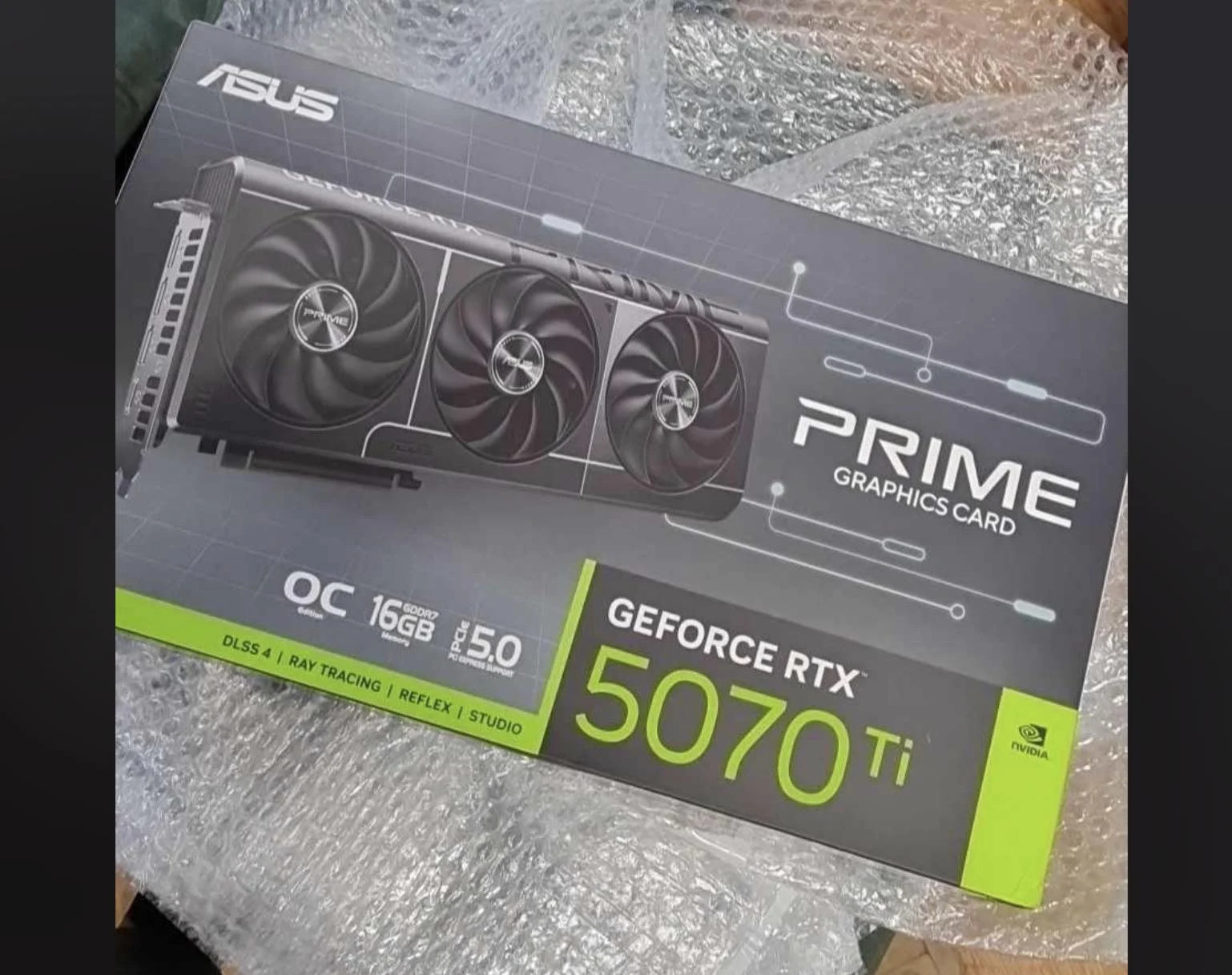
    1. A buyer obtained the Asus Prime RTX 5070 Ti OC GPU before its official launch, highlighting retailers’ disregard for embargo dates.
    2. The RTX 5070 Ti was purchased for approximately $1250-$1350, significantly above its MSRP, but is currently not very useful due to the lack of available drivers.
    3. Similar incidents have occurred with retailers like Proshop, which sold RTX 5090 GPUs to scalper bots without canceling the orders.
    4. Anticipated supply for the RTX 5070 Ti is expected to be tight, leading to potential scalper issues and high prices for consumers.
    5. The RTX 5070 Ti is projected to offer a 16-18% performance increase over its predecessor, raising questions about its value compared to upcoming AMD cards.


    According to a recent post on Reddit, a buyer managed to get their hands on the upcoming Nvidia GeForce RTX 5070 Ti gaming GPU before its official launch. The specific model, Asus Prime RTX 5070 Ti OC, was purchased by the original poster (OP) for a price significantly higher than the manufacturer’s suggested retail price (MSRP), though the exact price details were not disclosed. With the RTX 5070 Ti scheduled to launch on February 20th, this situation demonstrates once again that many retailers seem to disregard embargo dates.

    Similar Incidents

    A comparable situation occurred with European retailer Proshop, which sold nearly all of its RTX 5090 GPUs to a scalper bot that completed the transaction before the embargo ended, and Proshop didn’t even attempt to cancel the orders. The Redditor acquired the GeForce RTX 5070 Ti two days before its official release, although some might contend that the card isn’t very useful to the buyer at this point since drivers aren’t available yet. From additional comments made by the OP, it seems the card was purchased for around $1250-$1350 after taxes.

    Future Implications

    For those planning to buy a GeForce RTX 5070 Ti on the 20th, they can probably expect the same situation witnessed last month with the RTX 5090 and RTX 5080 launches. Rumors suggest that the supply of the RTX 5070 Ti will be just as tight as that of its more expensive counterparts, putting gamers at the mercy of scalpers and pre-order lines. With several RTX 5070 Ti listings already appearing at prices over $800, those waiting to buy may need to dip into their savings for a taste of mid-range Blackwell.

    Performance Expectations

    Based on the information we have so far, the GeForce RTX 5070 Ti is expected to show a 16-18% increase in raw gaming performance compared to its predecessor. Whether this improvement justifies the high pricing remains uncertain, especially with AMD preparing to launch its more reasonably priced RDNA 4-based RX 9070 and RX 9070 XT cards early next month.

    Source:
    Link