
Key Takeaways
1. The RTX 5070 Ti is officially marked for end of life, with no new cards being produced after current stock is sold out.
2. The RTX 5060 Ti 16 GB is likely to face the same end of life fate due to supply issues with VRAM.
3. Nvidia is shifting allocation priorities, focusing on producing higher-end models for specific VRAM configurations.
4. Prices for existing RTX 5070 Ti cards are rising, with current listings far above the original MSRP of $749.
5. The RTX 5060 Ti 16 GB, launched at $429, is expected to see price increases as demand rises and supply diminishes.
Lately, the surge in AI technology is causing troubling news for gamers and regular buyers seeking a good GPU. Recently, it was mentioned how Nvidia and its partners are ramping up the creation of the RTX 5060 and RTX 5060 Ti 8 GB versions due to rising costs of memory chips.
End of Life for RTX 5070 Ti
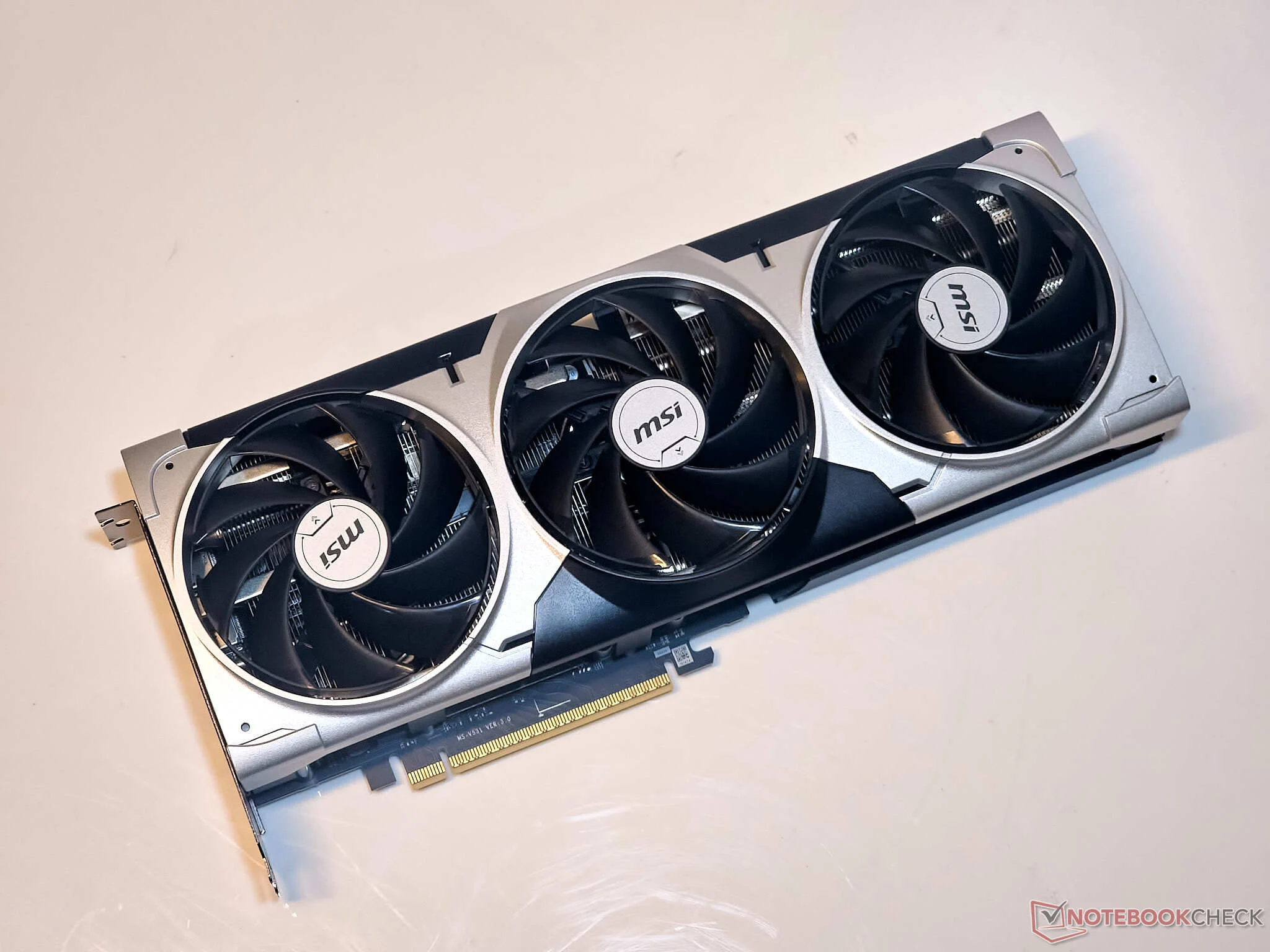
Now, OEMs have unofficially confirmed that the RTX 5070 Ti and soon the RTX 5060 Ti 16 GB will be marked for end of life (EoL). YouTube channel Hardware Unboxed has discovered from Asus, a key partner of Nvidia, that they will stop making RTX 5070 Ti 16 GB graphics cards. The company has told the channel about a supply issue with the GB203-based RTX 5070 Ti, which has led to its EoL status. This means no new RTX 5070 Ti cards will be available after the current stock runs out at retailers.
Supply and Demand Issues
The channel also points out that the RTX 5060 Ti 16 GB is likely to meet the same fate, as AiBs struggle to procure this VRAM version of the GB206 GPU. This aligns with Nvidia’s new strategy of focusing on the top GPU for each VRAM configuration, as initially reported by HKEPC. In this possible change, the highest GPU for a certain VRAM amount is prioritized while the other SKUs receive a smaller allocation.
For example, both the RTX 5060 and RTX 5060 Ti come in 8 GB VRAM models, so Nvidia’s board partners will give preference to the RTX 5060 Ti 8 GB over the RTX 5060.
Allocation Priorities Shift
Three Blackwell GPUs—namely, the RTX 5060 Ti 16 GB, RTX 5070 Ti, and RTX 5080—come with 16 GB VRAM, meaning AiBs will see a larger allocation for the RTX 5080 while the other two are pushed down the priority list. There appear to be no changes to the allocation for the 12 GB RTX 5070, the 24 GB RTX 5090D v2, and the top-tier 32 GB RTX 5090.
The RTX 5070 Ti was originally introduced at a $749 MSRP. There is no Founders Edition (FE) version for this card, so prices from AiBs now range from $830 (MSI RTX 5070 Ti Shadow 3X on Amazon) to an astonishing $1,565.90 for an Aorus RTX 5070 Ti OC on Newegg.
The Future of GPU Prices
With stocks expected to run out quickly, the remaining units will likely see their prices rise even more, adding to the frustration of gamers. This is quite disappointing since the RTX 5070 Ti is an excellent choice for 1440p gaming, facing direct competition only from the AMD Radeon RX 9070 XT. With support from upscaling technologies like DLSS 4.5 and multi-frame generation (MFG), playing games in 4K is practically feasible on the RTX 5070 Ti.
On the other hand, the RTX 5060 Ti 16 GB seems set to become a highly coveted GPU in the Blackwell series. This card was launched at a $429 MSRP and can be found for prices ranging from $546 (MSI RTX 5060 Ti 16G Ventus 2X OC) to $659 (Gigabyte RTX 5060 Ti Gaming OC 16G) on Amazon.
Considering the current unpredictable situation in the hardware market, it’s reasonable to expect that this GPU will also be sold at an increased price shortly.
Source:
Link
Leave a Reply