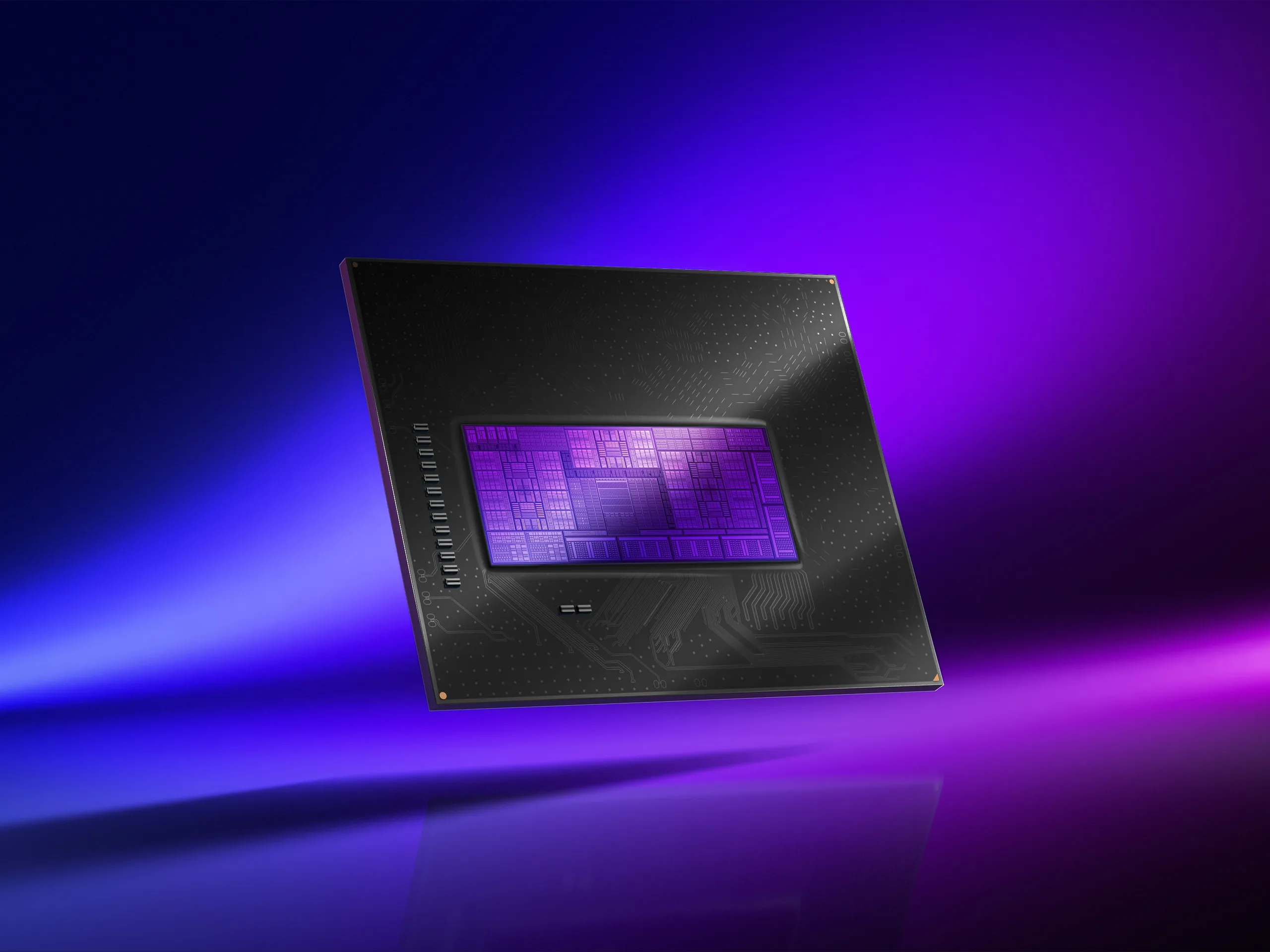
Tag: Intel Arc B580

  • Intel Arc B580 A770 Boost FPS by 200% with XeSS 3 in Battlefield 6

    Intel Arc B580 A770 Boost FPS by 200% with XeSS 3 in Battlefield 6

    Key Takeaways

    1. Intel launched a driver update for Arc GPUs that includes XeSS 3 Multi-Frame Generation (MFG), significantly boosting FPS by over 200% for the Arc B580 and A770.

    2. Performance testing showed that both the Arc A770 and B580 achieved impressive FPS increases in popular AAA games, with the A770 reaching a 183% boost and the B580 a 205% boost in Battlefield 6.

    3. The performance gains with 4x MFG were consistent across various titles, with both GPUs showing over 200% faster speeds in games like Dying Light: The Beast.

    4. Multi-Frame Generation increases latency, but Intel’s XeLL software effectively reduces it; for example, it brought latency down from 79 ms to 37 ms in Cyberpunk 2077.

    5. The Intel Arc B580 offers competitive pricing at $299.99, making it an attractive option compared to the more expensive Nvidia RTX 5060, which is priced at $349.


    On February 13, Intel introduced a new driver update that includes XeSS 3 Multi-Frame Generation (MFG) for its desktop Arc Alchemist and Arc Battlemage GPUs, along with integrated Arc GPUs in the Lunar Lake, Meteor Lake, and Arrow Lake-H mobile APUs. Testing from PC Games Hardware shows that XeSS 3 MFG boosts FPS by over 200% for the Arc B580 and Arc A770 GPUs when utilizing 4x MFG.

    Performance Testing

    PCGH assessed the performance of the Arc B580 and Arc A770 in seven popular AAA games, such as Assassin’s Creed Shadows and Battlefield 6, at a resolution of 1440p while using XeSS Quality settings. The performance gap between native rendering and 4x MFG for both GPUs is stark; the older Arc A770 achieved an impressive 183% increase in FPS compared to native rendering in Battlefield 6, while the Arc B580 saw a 205% boost in the same game.

    Consistent Gains Across Titles

    Both the Arc A770 and Arc B580 showed similar performance improvements with 4x MFG in other games as well. For example, in Dying Light: The Beast, both GPUs clocked in at over 200% faster speeds when 4x MFG was enabled.

    Latency Concerns

    One notable downside of Multi-Frame Generation is the rise in latency. Each artificially generated frame adds to the overall latency. To tackle this issue, Intel has a software solution called XeLL, which, according to PCGH’s findings, significantly reduces latency when compared to not utilizing XeLL at all.

    In Cyberpunk 2077, the Arc A770 experiences a latency of 79 ms when no Frame Generation or XeLL is used. However, activating XeLL reduces this latency to 37 ms. Even with 4x MFG enabled along with XeLL, latency only rises to 56 ms, which is still 28% lower than having no Frame Generation and no XeLL. The Arc B580 exhibits a similar trend.

    Competitive Pricing

    From our evaluations, the Intel Arc B580 performs comparably to an RTX 5060. Prices for Nvidia’s RTX 50 series GPUs have soared recently, with the lowest RTX 5060 listed at $349 on Amazon, which is $50 above the suggested retail price. This price hike makes the Arc B580 a more appealing option.

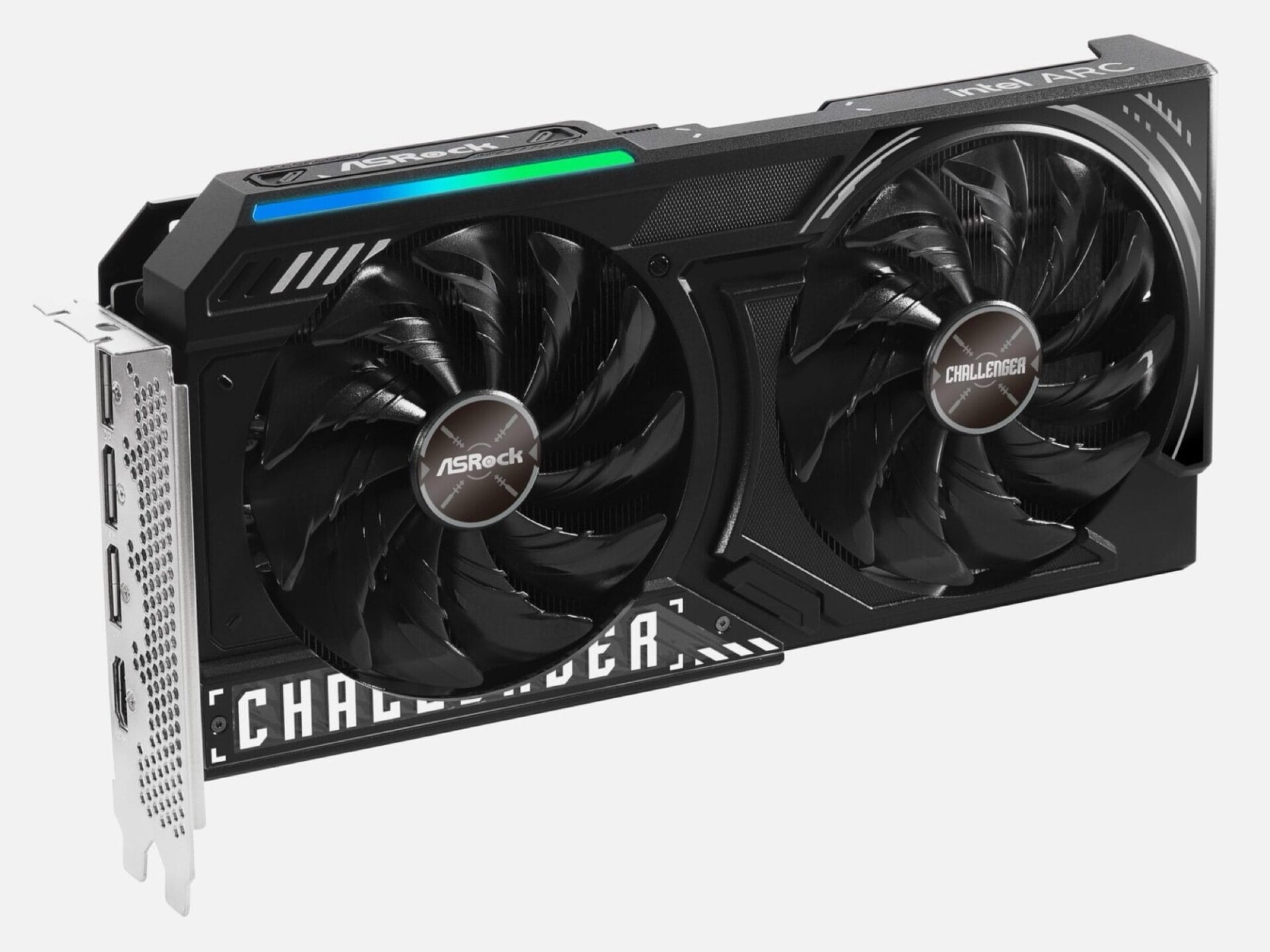
    Intel’s Xe2-based Arc Battlemage B580 features 4 GB more VRAM and is available for just $299.99. With the introduction of XeSS 3 MFG and ongoing driver updates that have enhanced the GPU’s performance, gamers in search of an affordable desktop GPU for 1080p/1440p gaming will find the Arc B580 to be quite appealing.

    Source:
    Link


  • Dram Price Surge May Raise Smartphone and Mid-Range GPU Costs

    Dram Price Surge May Raise Smartphone and Mid-Range GPU Costs

    Key Takeaways

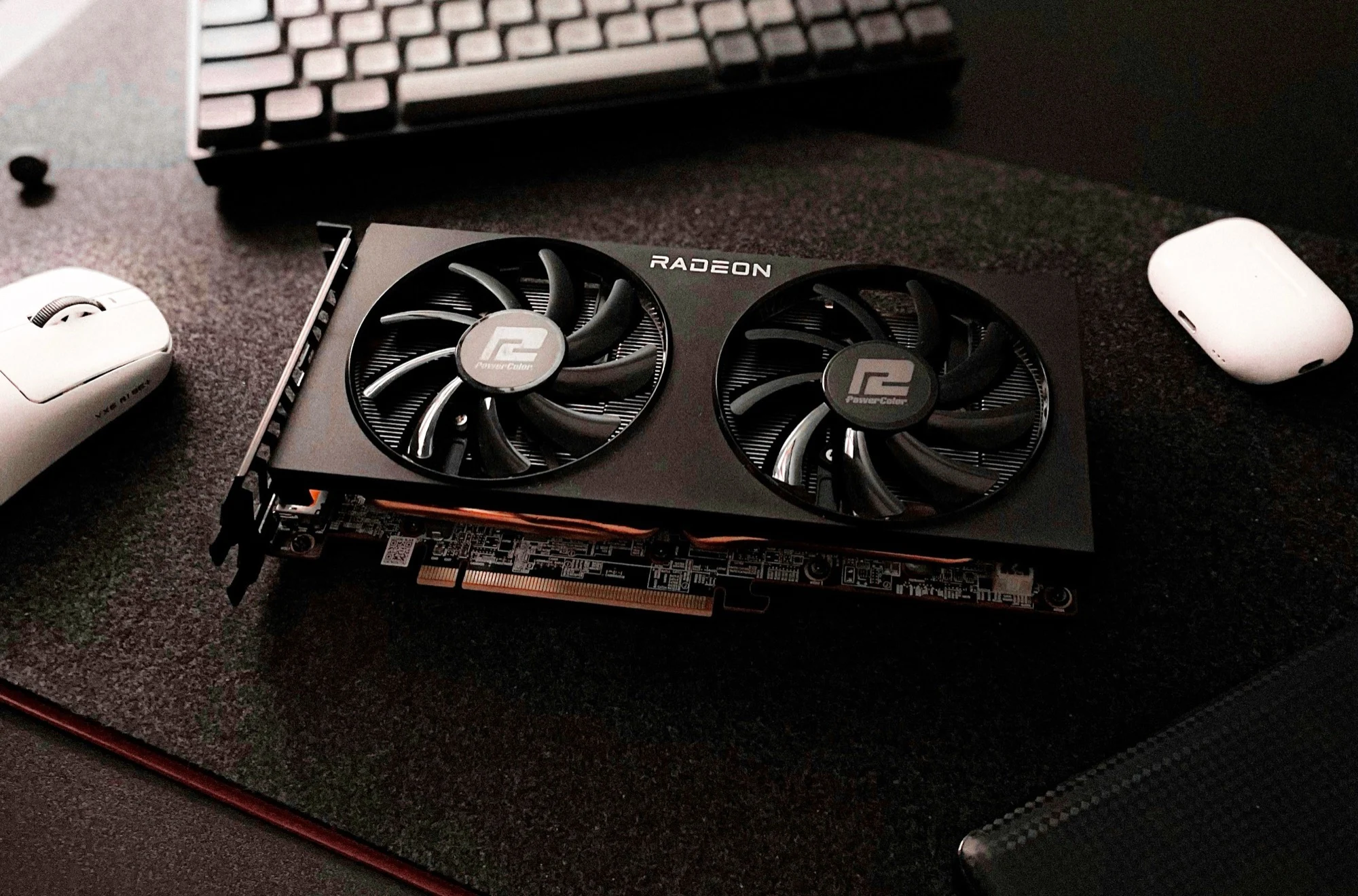
    1. Rising VRAM costs may impact budget-friendly graphics cards like Intel Arc B580, Radeon RX 9060 XT, and Nvidia GeForce RTX 5060 Ti.
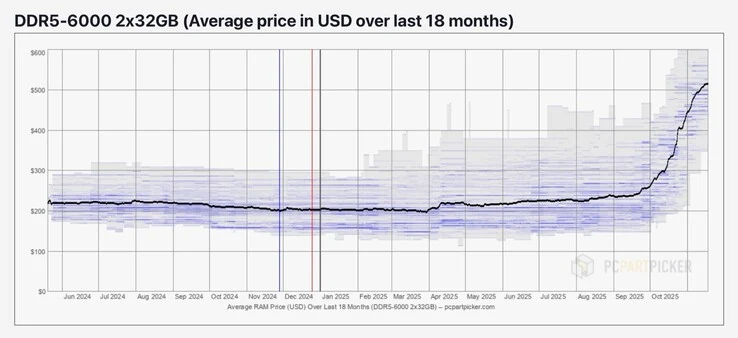
    2. Wholesale DRAM prices have surged by 137% recently, with predictions of continued increases until 2026.
    3. High demand from AI companies is straining DRAM production, leading to higher costs for various electronic devices.
    4. Nvidia has canceled the GeForce RTX 5000 Super series due to increased VRAM expenses, affecting mid-range and entry-level graphics card production.
    5. The gaming industry may shift focus towards premium-priced products as manufacturers adapt to rising memory costs and changing market dynamics.


    More costly VRAM might create issues for budget-friendly graphics cards like the Intel Arc B580 featuring 12GB (starting at $249 on Amazon) or the Radeon RX 9060 XT and Nvidia GeForce RTX 5060 Ti, both equipped with 16GB VRAM. A recent report from the Korean news source Hankyung indicates that wholesale DRAM prices surged by 137% just in the last month.

    Future Price Trends

    Current predictions suggest that prices will keep climbing until 2026. This rise is largely driven by the increasing demand for DRAM from AI firms such as OpenAI, while producers like Samsung, Micron, and SK Hynix are struggling to quickly increase their output in the near term. The result of this situation is likely to be higher costs for smartphones, tablets, and laptops. The influence of escalating DRAM prices is especially significant for graphics cards, where memory expenses make up a considerable part of the overall production costs.

    Nvidia’s Strategy Shift

    Due to these factors, Nvidia has reportedly decided to cancel the entire GeForce RTX 5000 Super series, as these graphics cards would have become prohibitively expensive due to the 50% increase in VRAM. TrendForce anticipates that AMD, Nvidia, and Intel will scale back the manufacturing of mid-range and entry-level graphics cards and raise their prices, as continuing to produce them would not be viable given the rising memory expenses. Some sources have already suggested that certain lower-cost GPUs will be phased out, which we mentioned earlier today. The surge in AI is thus impacting the gaming sector directly, which is likely to shift its focus towards premium-priced products in the upcoming year.

    Conclusion

    In summary, the soaring prices of VRAM and DRAM will certainly have a ripple effect on the graphics card market, pushing manufacturers to adapt their strategies or risk losing profitability. As the demand for AI-related technologies grows, the gaming industry may find itself in a challenging position, needing to balance affordability with the rising costs of production.

    Source:
    Link


  • RTX 5070: Best-Selling GPU on Amazon with 70% Market Share

    RTX 5070: Best-Selling GPU on Amazon with 70% Market Share

    Key Takeaways

    1. The RTX 50 series graphics cards have entered the Steam Hardware Survey, dominating Amazon sales charts despite the RTX 40 and RTX 30 series still leading in overall usage.
    2. The top-selling GPUs are the RTX 5070 (5,450 units), RTX 5060 Ti (4,950 units), and RTX 5070 Ti (4,400 units), giving Nvidia a 70.51% unit market share and 78.61% revenue share.
    3. The Radeon RX 9070 XT ranks fourth with 4,100 units sold, while demand for this GPU has decreased, leading to price drops and potential sales boosts.
    4. AMD’s overall market share stands at 27.57% in units sold and 20.49% in revenue share, with the RX 9070 lagging behind at only 850 units sold.
    5. Intel’s GPUs are struggling, with the best-selling Arc B580 only selling 400 units; however, Intel plans to release new Arc Battlemage GPUs for improved performance.


    The RTX 50 line of graphics cards finally entered the Steam Hardware Survey in June. While the RTX 40 and RTX 30 series still hold the top positions, the newest GPUs are leading the sales charts on Amazon. The leading three spots are filled by the RTX 50 series, with the Radeon RX 9000 series flagship following behind.

    Sales Figures

    According to information from TechEpiphany on X, retail sales data from June on Amazon US shows that the RTX 5070 (Buy Gigabyte RTX 5070) is at the forefront, selling 5,450 units. Next is the RTX 5060 Ti (Buy Asus Dual RTX 5060 Ti) with 4,950 units sold, and then the RTX 5070 Ti (Buy MSI Gaming RTX 5070 Ti) with 4,400 units. This means Nvidia captures 70.51% of the units sold market share and 78.61% of the revenue share. The RTX 5070 was launched in March, the RTX 5070 Ti came out in February, and the RTX 5060 Ti was released in April.

    AMD’s Position

    In fourth place is the Radeon RX 9070 XT (Buy Asus Prime 9070 XT), which has sold 4,100 units (when combining all RX 9070 XT listings). It’s been recently noted that demand for this GPU has waned, resulting in prices dropping closer to its MSRP of $600. This could potentially boost sales for the RX 9070 XT, especially since it now outperforms the RTX 5070 Ti at 1440p on average. The RX 9070 is lagging behind with only 850 units sold. AMD’s market share stands at 27.57% for units sold and 20.49% for revenue share.

    Intel’s Struggles

    Looking at Intel GPUs, the best-selling Arc card is the Arc B580, with 400 units sold, while the Arc A380 follows at 350 units. Based on Amazon’s sales data, Intel is significantly trailing the competition but has pledged to release more Arc Battlemage GPUs that promise better performance compared to the current Arc B580.

    It’s important to remember that this data is limited to a single retailer and doesn’t provide a full view of the market landscape. Nevertheless, the Steam Hardware Survey also indicates that Nvidia maintains a strong hold on the consumer GPU market.

    Source:
    Link

  • Intel Arc B580 Variant Expected to Feature Major VRAM Upgrade

    Intel Arc B580 Variant Expected to Feature Major VRAM Upgrade

    Key Takeaways

    1. Intel will showcase its Arc Pro GPUs for enterprise use at Computex, expected between May 20 and May 23.
    2. New Intel GPUs, including the Maxsun Intel Arc B580 with 24 GB of VRAM, have appeared on the EEC website, but this model does not have the ‘Pro’ designation.
    3. The 24 GB Arc B580 may complicate Intel’s GPU lineup as it exceeds the expected VRAM of the Arc B770, rumored to have 16 GB.
    4. AMD is also rumored to be preparing a 32 GB Radeon RX 9070 XTX, though its reveal at Computex is uncertain.
    5. Speculations include the possibility of a professional-grade GPU and a Maxsun Intel Arc B580 iCraft 12G M.2 OC variant with integrated M.2 NVMe SSD slots, with more details expected soon.


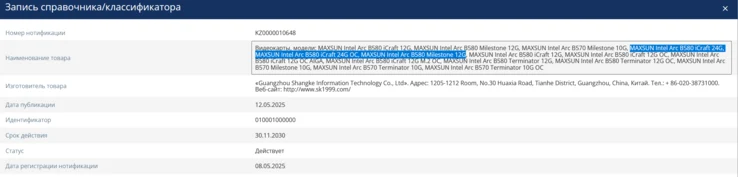
    Intel has recently announced that it will showcase its Arc Pro GPUs designed for enterprise use at Computex. While the specific date is still unclear, it is expected to happen sometime between May 20 and May 23. Interestingly, some new Intel GPUs have appeared on the EEC website, as noted by @Olrak29_ on X, with one model featuring a significant increase in VRAM. Importantly, this model does not have the ‘Pro’ designation.

    New GPU Details

    Among the GPUs listed, there are two versions of the Intel Arc B580 featuring 24 GB of VRAM, identified as the Maxsun Intel Arc B580 iCraft 24G and its OC variant. This aligns with earlier rumors suggesting that such a model would be released without the Pro label. While 24 GB of VRAM may seem excessive for an Intel Arc B580, which has a relatively weak BMG-G21 GPU, it is nonetheless a beneficial enhancement, particularly for AI tasks.

    Potential Complications in Lineup

    However, introducing a 24 GB Arc B580 may complicate Intel’s GPU lineup, as it would provide more VRAM than the presumably still-in-development Arc B770, which is rumored to have 16 GB of video memory. What’s even more exciting is the possibility that the Arc B580 might not be the only GPU receiving a 2x VRAM increase. AMD is also rumored to be preparing a 32 GB Radeon RX 9070 XTX, but it’s unclear if this will be revealed during Computex.

    Speculations and Future Announcements

    It’s possible that the SKU mentioned above could actually be a professional-grade GPU with its true name disguised for secrecy. Additionally, there’s another intriguing SKU from last year that has surfaced: the Maxsun Intel Arc B580 iCraft 12G M.2 OC. This variant features two integrated M.2 NVMe SSD slots. Maxsun indicated that more details would be shared “soon,” but there hasn’t been any follow-up. Computex presents a fantastic opportunity for unveiling unique new designs.

    Source:
    Link


  • Intel XeSS Hits 160 Games Supported, XeSS 2 Adoption Slow

    Intel XeSS Hits 160 Games Supported, XeSS 2 Adoption Slow

    In a recent post from Intel, it was shared that their Xe Super Sampling (XeSS) technology now works with over 150 games. You can check out the full list of these XeSS-supported games on Intel’s official site. At the time of this writing, popular titles like Ratchet & Clank: Rift Apart, Assassin’s Creed Shadows, Ghostrunner 2, and Death Stranding are included.

    Good News for Gamers

    This update is fantastic for gamers, even for those not using Intel’s graphics cards like the new Arc B580, which costs about $300 on Amazon. Unlike Nvidia DLSS, Intel XeSS can be used on graphics cards from other brands, though it may come with a minor dip in performance. The essence of XeSS is akin to DLSS and FSR; games are first rendered at a lower resolution and then upscaled to match the display’s native resolution using AI technology, aiming to boost frame rates while keeping image quality in check.

    The Launch of XeSS 2

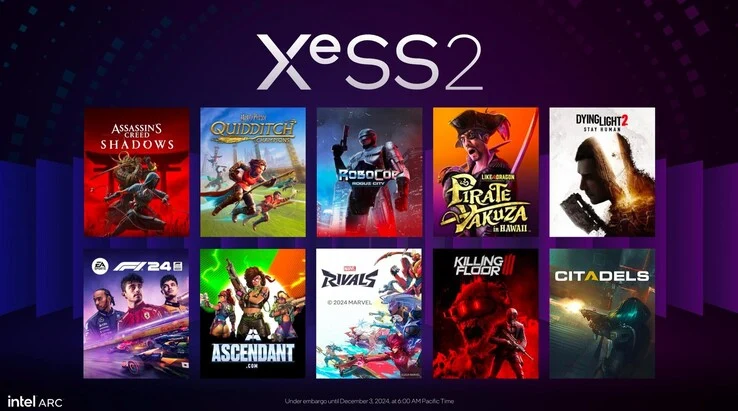
    In December 2024, Intel introduced XeSS 2. This upgraded version of the upscaling tech brings two significant improvements: Frame Generation and XeSS Low Latency. With Frame Generation, the frame rate can be effectively doubled by having AI create every alternate frame instead of rendering it. Meanwhile, the Low Latency feature can cut latency by as much as 45%.

    Slow Adoption Rate

    Despite these advancements, the uptake of XeSS 2 has been slow. Even after two months since its launch, only two games currently support the upscaling technology: Marvel Rivals and F1 2024. However, Intel is optimistic about the future, having already announced that eleven more titles will soon be compatible with XeSS 2, including Civilization VII and Assassin’s Creed Shadows.

    Intel’s updates indicate that they are committed to enhancing the gaming experience for users across various platforms.

    Source:
    Link


  • Arc B580 vs. RTX 4060: Power Consumption and Performance Review

    Arc B580 vs. RTX 4060: Power Consumption and Performance Review

    After a long wait, reviews for the Intel Arc B580 have finally arrived, and it looks like the new Battlemage desktop graphics card is a solid choice for those on a budget. On average, this GPU outperforms both the RTX 4060 and RX 7600 by a nice margin. Moreover, Intel has improved its ray tracing capabilities, with the Arc B580 reportedly being faster than the RTX 4060 at 1080p; the performance gap widens to an impressive 28% at 1440p, as noted by TechPowerUp.

    Power Consumption Insights

    Now, let’s discuss the power usage of the Arc B580. Has Intel achieved significant improvements here as well?

    The answer is yes! Intel has made some advancements compared to the previous generation Arc Alchemist cards, with the Arc B580 consuming less power than the Arc A580. However, it still can’t quite compete with the RTX 4060 in terms of efficiency.

    Digital Foundry reports that in A Plague Tale Requiem, the Arc B580 performs better than the RTX 4060 but uses notably more power. The RTX 4060 is the most efficient card in this scenario, drawing between 120 to 130 W. In contrast, the Arc B580 pulls the most power in this test, ranging from 160 to over 170 W.

    Performance vs. Power

    The Arc B580 also beats the RTX 4060 in Cyberpunk 2077 (non-ray tracing), but this comes at a higher power cost. While the RTX 4060 uses only 120-130 W, the Arc B580 varies from 150 to 170 W. In Alan Wake 2, the Arc B580 again consumes more power compared to the RTX 4060 without delivering any extra performance.

    Linus Tech Tips also examined the Arc B580 and reached similar conclusions. The card has a Total Board Power (TBP) of 190 W, while the RTX 4060 sits at 116 W. It’s no shock that during F1 23, the Arc B580 appears to use about 186 W compared to the RTX 4060’s 129 W, marking a difference of a significant 44%.

    Final Thoughts

    Intel has definitely improved the power consumption with the Arc B580 compared to the Arc A580. LTT shows that the Arc A580 uses 206 W, which is 11% more than the Arc B580.

    In short, the Arc B580 Battlemage GPU is a commendable release from Intel with solid performance and impressive ray tracing features. Nevertheless, Intel still needs to work on matching the power efficiency of Nvidia’s products. Therefore, if power consumption isn’t a concern for you and you’re after a budget-friendly GPU with more than 8 GB of RAM, the Arc B580 is definitely worth considering.

    Source: Link


    Image 1
  • Intel Arc B580 GPU Leak: 45% Premium for 12GB VRAM

    Intel Arc B580 GPU Leak: 45% Premium for 12GB VRAM

    Following a new leak regarding the key specifications of the Intel Arc B580, and the appearance of two ASRock models on Amazon, insiders @momomo_us and VideoCardz have discovered the first online retailer showcasing the price for the upcoming GPU. The Intel Arc B580 Limited Edition, which will be sold directly by Intel rather than through a partner, is set to have a starting price of $259.

    Price Comparison

    This new price reflects an increase of about 45%, as the Intel Arc A580 was initially launched at a suggested retail price of $179.99. This places the graphics card in a similar price range as the Nvidia GeForce RTX 4060. However, with the increase in price, consumers will benefit from 12 GB of VRAM compared to the 8 GB offered by the Arc A580, although Intel has cut down the number of Xe cores from 24 to 20.

    Performance Expectations

    Only through thorough testing will we find out if the Arc B580 can truly compete against the Nvidia GeForce RTX 4060, given its new Xe2 architecture and significantly higher boost clock speeds reaching up to 2,850 MHz. The first Xe2-based graphics card is scheduled to release in December, and it’s anticipated that detailed benchmarks will soon follow to show how well the Intel Arc Battlemage performs in a fiercely competitive gaming GPU landscape. With Nvidia’s GeForce RTX 5000 also likely launching in January, an exciting few months are coming up.

    Source: Link,Link

  • Intel Arc B550 Price Revealed: Affordable Retailer Listing

    Intel Arc B550 Price Revealed: Affordable Retailer Listing

    An earlier leak disclosed a lot about Intel’s upcoming mid-range Arc B580 graphics card. This GPU, based on the Battlemage architecture, is expected to feature 12 GB of VRAM and 20 Xe cores, offering performance that rivals the GeForce RTX 4060 Ti. Recently, Videocardz and @momomo_us have revealed the final detail: its pricing.

    Price Reveal

    The Intel Arc B580 has been spotted online with a price tag of $250. This amount is for the “Limited Edition,” which is Intel’s reference design. While third-party manufacturers might set a higher price, it’s not likely to go beyond $300. Additionally, the availability of this card will be limited. It is also expected to be the most potent Battlemage desktop graphics card available, especially since the higher-end Arc B770 has been delayed indefinitely.

    Competitive Edge

    A price of $250 for performance similar to the GeForce RTX 4060 Ti is a fantastic offer, assuming it meets the performance expectations. At its launch, it will face competition from AMD’s RDNA 4-based Radeon RX 8000 GPUs. Intel and AMD have some time to secure their place in the mid-range GPU market before the release of Nvidia’s RTX 50 series models expected next year.

    Source: Link,Link

  • Intel Arc B770 Battlemage GPU Launch Delayed: What to Expect

    Intel Arc B770 Battlemage GPU Launch Delayed: What to Expect

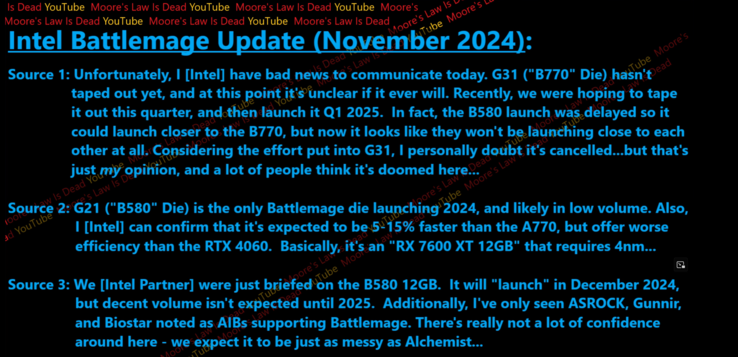
    A recent leak has shown that Intel intends to keep rolling out desktop graphics cards this generation. We’ve caught our first look at the mid-range Intel Arc B580, which comes with 12 GB of RAM and 30 Xe cores. However, if the latest information from Moore’s Law is Dead is to be believed, this could be the strongest Battlemage dGPU for now.

    Arc B770 Delays

    According to Tom’s sources, the high-end Arc B770 won’t be hitting the market in the near future. It was said to offer 16 GB of VRAM and go up against Nvidia’s GeForce RTX 4080. While it isn’t officially cancelled, the project’s outlook appears quite grim at present. Even if Intel manages to revive the Arc B770, it would need at least a year before it could be launched since it’s still not taped out.

    Availability Issues

    Another source has informed Tom that the Arc B580 may be hard to find once it launches. Up to now, only a few AIBs have shown any interest in producing Intel’s GPU, and currently, it looks like there are only two available. The Arc B580 is expected to be accompanied by an Arc B380, which features 8 GB of VRAM. Both of these models are likely to face strong competition from RDNA 4 and Blackwell.

    Laptop GPUs Uncertain

    As for their laptop versions, there hasn’t been any information yet, and it appears Intel might skip this generation due to the negative reception of Alchemist. Even if there’s no dedicated GPU for laptops, Battlemage will still be present as an iGPU in Intel’s Panther Lake and other laptop offerings, though in a more limited role.


    Image 1
  • Intel Arc B580 Graphics Card Leaks: 12GB RAM, RTX 4060 Ti Performance

    Intel Arc B580 Graphics Card Leaks: 12GB RAM, RTX 4060 Ti Performance

    Intel’s latest graphics card, the Arc B580, has been spotted online, revealing its packaging and key specifications, thanks to Videocardz. Leaker @Olrak29_ provided insights into its expected performance, aligning with an earlier Geekbench listing that showcased the card’s capabilities.

    Specifications Overview

    The Arc B580 is equipped with 12 GB of 19 Gbps GDDR6 VRAM on a 192-bit bus, although its total graphics power (TGP) remains unspecified. The card requires two 8-pin power connectors and can boost its performance up to 2.8 GHz. In terms of competition, it is expected to match the performance of Nvidia’s GeForce RTX 4060 and RTX 4060 Ti, suggesting that the B580 is Intel’s premium offering in the Battlemage series. This also hints that Intel may have abandoned its earlier plan for a desktop GPU featuring 16 GB of VRAM that was intended to compete with the GeForce RTX 4080.

    Market Positioning

    If priced competitively, the Arc B580 could be a strong choice in the mid-range market, where it will go head-to-head with AMD’s RDNA 4 lineup. As Nvidia’s Blackwell mid-range models (the xx60 and xx70 series) won’t be released until the second half of 2025, this leaves a significant opportunity for both Intel and AMD to capture market share. Furthermore, the driver support for Battlemage graphics cards is expected to be greatly improved this time around, as the platform has been successfully integrated into Lunar Lake devices.

    Conclusion

    In conclusion, the Intel Arc B580 appears to be a promising graphics card with strong specifications and the potential to thrive in a competitive market. The keen interest from leakers and online sources suggests that gamers and enthusiasts alike are eagerly awaiting its release, hoping that it can deliver on its performance promises.

    Source: Link,Link